Adjustable Braided Anklet Suppliers and Manufacturers
Explore 31 verified suppliers offering Adjustable Braided Anklet options with varying lead times, response speeds, and certifications. Compare dimensions like location, MOQ, and pricing to select the right partner for your needs; review the available evidence before requesting comparable quotations from suitable candidates.
Suppliers List

Pingxiang Ai Mei Jewelry Co., Ltd.
- Trading Company
- Jiangxi, China
- Lead time15 days
- Avg. response≤ 2h
Main productsStainless Steel Jewelry,Metal keychains,Rubber Cartoon keychains,925 Sterling Silver Jewelry,Brass Jewelry
Main marketsNorth America(60.00%), Northern Europe(20.00%), Southern Europe(10.00%), Western Europe(10.00%)
Yiwu Zhuofang Jewelry Co., Ltd.
- Verified by Intertek
- Manufacturer, Trading Company
- Lead time5 days
- Avg. response≤ 2h
Main productsNecklace , Earring, Rings, Bracelet , Brooch
Main marketsNorth America(45%), Northern Europe(13%), Mid East(13%)
Dongguan Changan Fantasy Accessories Factory (Individual Business)
- Verified by TüVRheinland
- Trading Company
- Lead time7 days
- Avg. response≤ 1h
Main productsStainless Steel Rings, Stainless Steel Earings, Stainless Steel Necklaces, Stainless Steel Bracelets & Bangles, Fashion Jewelry Sets
Main marketsNorth America(25%), Northern Europe(15%), Eastern Asia(10%)

Nantong Ironman Sporting Industrial Co., Ltd.
- Verified by BV
- Trading Company,Manufacturer/Factory
- China Jiangsu
- Lead time60 days
- Avg. response≤ 9h
Main productsDumbbell Set, Yoga Accessories, Barbell Set, Home Equipment, Gym Equipment, Jump Rope, Kettlebells, Plates, Weightlifiting Set, Bars
Main marketsSouth America,Eastern Europe,Mid East,North America,Southeast Asia,Eastern Asia,Oceania,Western Europe,Africa


0.25kg, 0.5kg, 0.75kg, 1kg, 1.5kg, 2kg Adjustable Custom Ankle and Wrist Weight
$1.07 - $2.68
MOQ: 100 Pairs
- Verified by CTI
- Trading Company
- China Zhejiang
- Lead time23 days
- Avg. response≤ 14h
Main productsEarring, Vase, Scented Candles, Hair Ties, Bags
Main marketsSouth America,Europe,North America

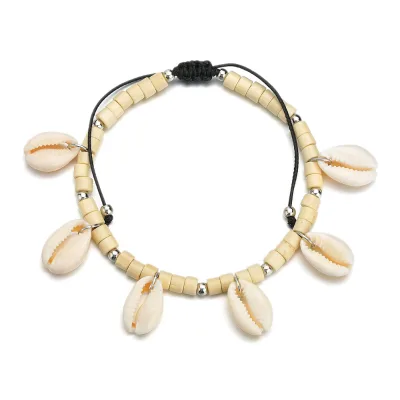
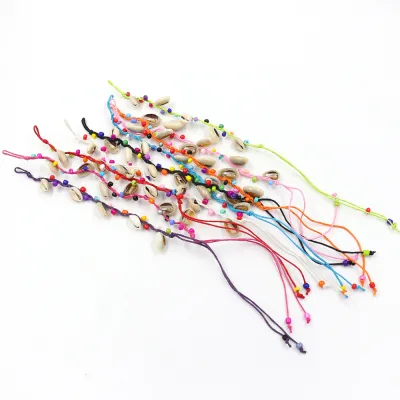
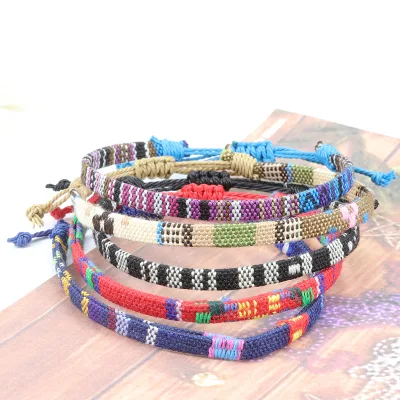
Bohemian Style Woven Rope Anklet Adjustable Color Women's Anklet Fashion Jewelry
$0.75 - $0.89
MOQ: 12 Pieces

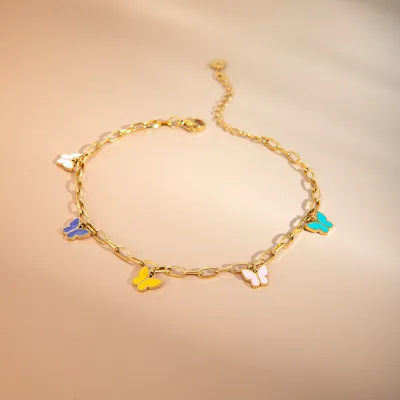
Wholesale Gold Plated Ankle Chain Little Leaf Pendant Adjustable Bracelet Anklets
$0.48 - $0.68
MOQ: 12 Pieces

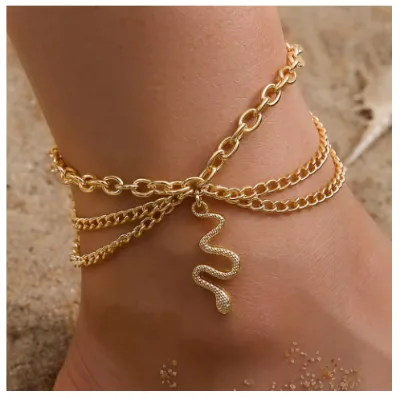
Bohemia Multilayered Lock Snake Chain Anklet Gold Butterfly Shell Anklets
$0.99 - $1.19
MOQ: 12 Pieces

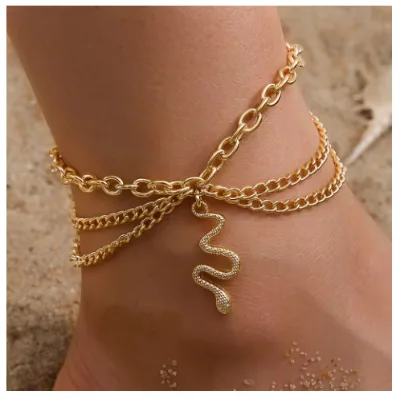
Bohemia Multilayered Lock Snake Chain Anklet Gold Butterfly Shell Anklets
$0.92 - $1.12
MOQ: 12 Pieces

Yiwu Baiyao Clothing Accessories Co., Ltd.
- Manufacturer, Trading Company
- Zhejiang, China
- Lead time15 days
- Avg. response≤ 13h
Main productsJewelry, Clothing Accessories, Brooch Accessories
Main marketsNorth America(60.00%), Southeast Asia(10.00%), Western Europe(6.00%), South America(5.00%), Eastern Europe(5.00%), Southern Europe(4.00%), Northern Europe(4.00%), Oceania(2.00%), Africa(2.00%), Eastern Asia(1.00%), Mid East(1.00%)
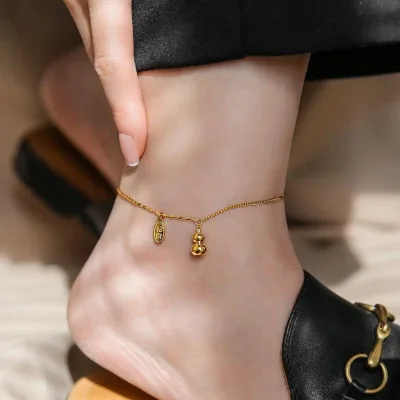
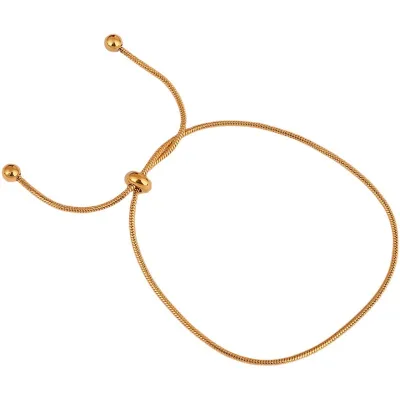
Feminine Sense Niche Design Titanium Steel Light Luxury Retro Pull Adjustable Anklet
$0.80 - $0.91
MOQ: 2 Minimum
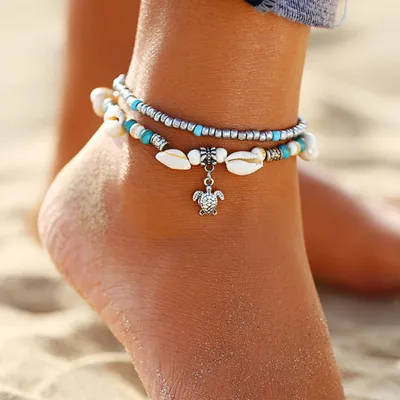
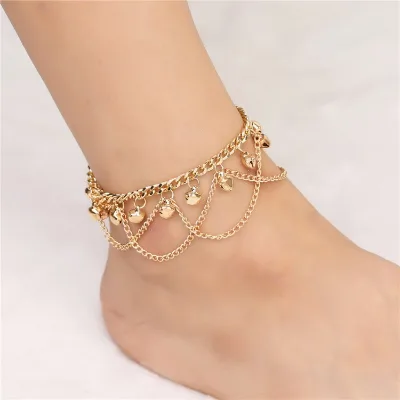
Cross-border Personality Fashion Bell Anklet Boho Wavy Tassel Bell Women's Anklet
$0.44 - $0.50
MOQ: 2 sets
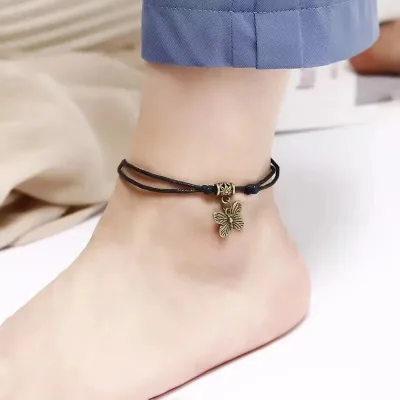
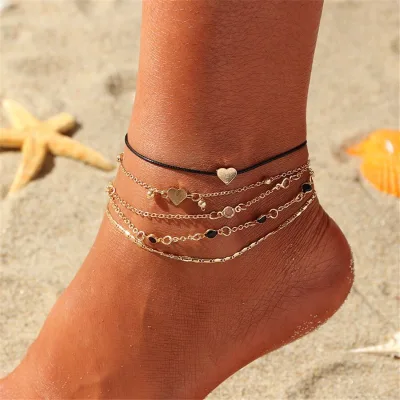
New Beach Anklet Simple Fashion Love Pendant Diamond Piece Anklet 5 Pieces Set
$0.70 - $0.86
MOQ: 2 sets

- Verified by CTI
- Trading Company
- China Anhui
- Lead time23 days
- Avg. response≤ 1h
Main productsFurniture, Home Furniture
Main marketsSoutheast Asia/ Mideast

- Manufacturer, Trading Company
- Zhejiang, China
- Lead time20 days
- Avg. response≤ 5h
Main productsBracelet,Necklace,Anklet,Key Ring
Main marketsNorth America(59.60%), Western Europe(37.80%), Africa(1.60%), Northern Europe(0.50%), Oceania(0.50%)
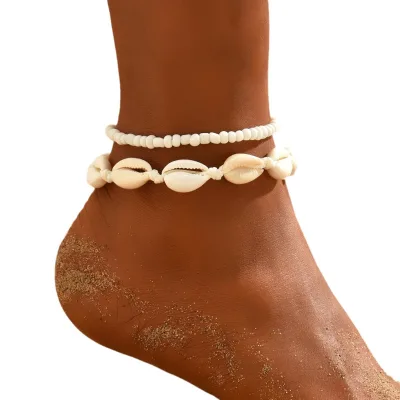
$0.42 - $0.53
MOQ: 100 pieces
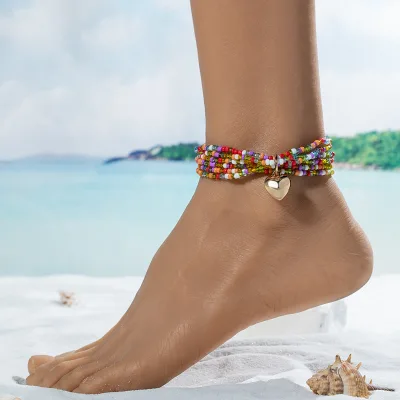
Yiwu Feiling Jewelry Co., Ltd.
- Trading Company
- Zhejiang, China
- Lead time15 days
- Avg. response≤ 3h
Main productsbracelet,necklace,earring,rings,sunglasses
Main marketsNorth America(30.00%), South America(15.00%), Central America(10.00%), Western Europe(8.00%), Eastern Europe(7.00%), Southern Europe(6.00%), Northern Europe(5.00%), Africa(5.00%), Southeast Asia(5.00%), Mid East(5.00%), South Asia(2.00%), Eastern Asia(2.00%)
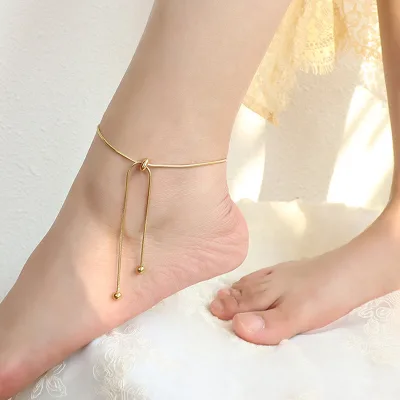
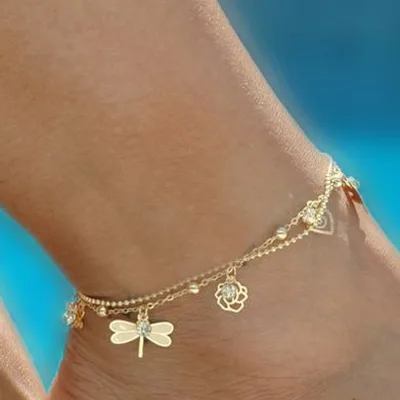
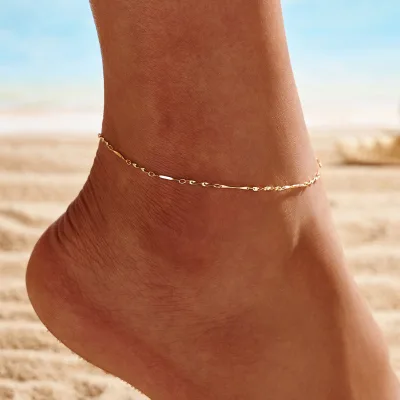
No Fade Super Simple Adjustable Stainless Steel Snake Chain Anklet Gold Plating Ankle
$2.39 - $2.60
MOQ: 2 pieces
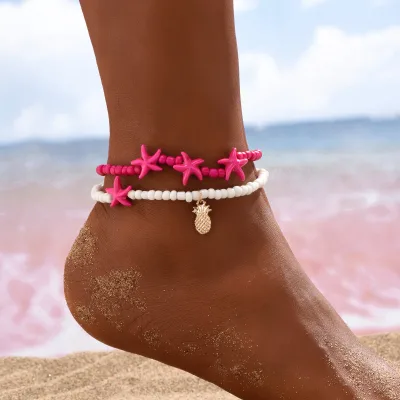
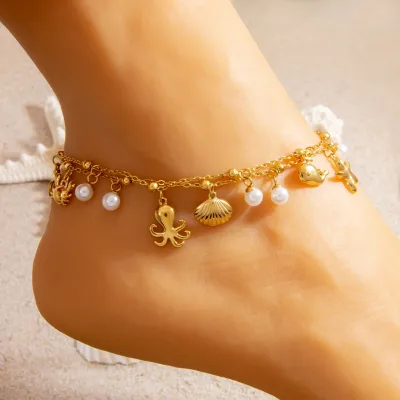
Hot Sale Bohemian Beach Wind Beaded Starfish Anklet Braid Ladies Shell Pendant Anklet Spot Wholesale
$0.49 - $0.72
MOQ: 12 Minimum
- Verified by Intertek
- Manufacturer, Trading Company
- Lead time15 days
- Avg. response≤ 1h
Main productsNecklaces, Rings, Earrings, Bracelets, Jewelry Accessories
Main marketsNorth America(41%), Western Europe(18%), Oceania(10%)

Shanghai Goldenwell Medical Technology Co., Ltd.
- Verified by CTI
- Trading Company
- China Shanghai
- Lead time15 days
- Avg. response≤ 7h
Main productsMedical Devices, Sports Support, Medical Dressings
Main marketsSoutheast Asia/ Mideast,Europe

Shijiazhuang Wonderfu Rehabilitation Device Technology Co., Ltd.
- Verified by CTI
- Combined
- China Hebei
- Lead time15 days
- Avg. response≤ 5h
Main productsKnee Joint
Main marketsSouth America,Africa,Southeast Asia/ Mideast,East Asia(Japan/ South Korea),Europe,Australia,North America

Hebei Denovo Medical Device Co., Ltd.
- Verified by BV
- Trading Company,Manufacturer/Factory
- China Hebei
- Lead time23 days
- Avg. response≤ 3h
Main productsBack Support, Knee Support, Posture Corrector, Foot Night Splint, Arm Slings, Hernia Belts, Cervical Collars, Abduction Orthosis
Main marketsSouth America,Eastern Europe,Mid East,North America,Southeast Asia,Eastern Asia,Oceania,Western Europe,Africa


Ankle-Foot Drop Elastic Breathable Strap Adjustable Ankle Support Foot Drop Orthotic Brace
$2.50 - $2.80
MOQ: 100 Pieces


Lace-up Ankle Brace with Adjustable Straps for Sports Injury Prevention and Recovery
$5.00 - $10.00
MOQ: 100 Pieces
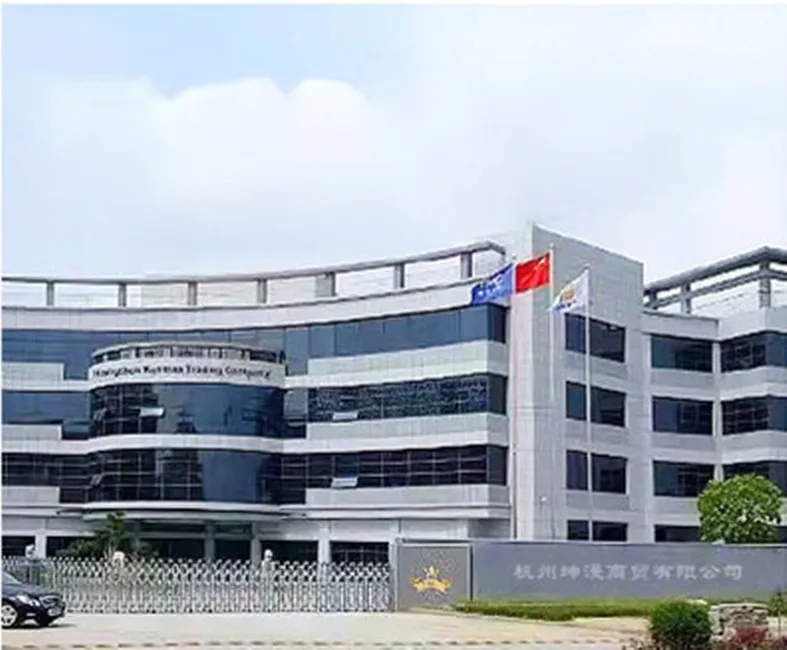
Hangzhou Queenmann Trading Co., Ltd.
- Trading Company
- Zhejiang, China
- Lead time0 days
- Avg. response≤ 3h
Main productsJewelry,Whatch,Glasses,Hair accessories,Jewelry accessories
Main marketsOceania(20.00%), North America(20.00%), South America(10.00%), Central America(10.00%), Eastern Europe(10.00%), Southern Europe(6.00%), Western Europe(5.00%), Eastern Asia(5.00%), Northern Europe(5.00%), South Asia(2.00%), Africa(2.00%), Domestic Market(2.00%), Southeast Asia(2.00%), Mid East(1.00%)

Wenzhou Xingcheng Ribbon Co., Ltd.
- Manufacturer/Factory
- China Zhejiang
- Lead time23 days
- Avg. response≤ 3h
Main productsZipper, Webbing, Fabric, Bag
Main marketsSouth America,Eastern Europe,North America,Southeast Asia,Eastern Asia,Western Europe,Africa

Shenzhen Villsun Sports Technology Co., Ltd
- Verified by SGS
- Trading Company
- China Guangdong
- Lead time23 days
- Avg. response≤ 2h
Main productsFitness Equipment, Yoga Mats, Resistance Bands, Yoga Ball, Shin Guards, Knee Pads, Elbow Pads, Strength Fitness Equipment, Hand Grip, Yoga Wear
Main marketsSouth America,Southeast Asia/ Mideast,Europe,Australia,North America


Ankle Support Adjustable Ankle Brace Breathable Nylon Material Super Elastic and Comfortable
$2.11 - $2.45
MOQ: 50 Pieces
Telamon Sports Goods (Shanghai) Co., Ltd.
- Verified by BV
- Trading Company
- China Shanghai
- Lead time15 days
- Avg. response≤ 10h
Main marketsNorth America

Fitness Ankle Support Brace Durable Comfortable Gym Training Ankle Adjustable
$1.06 - $3.11
MOQ: 100 Pieces


Longyuan (Guangzhou) Industrial Development Co., Ltd.
- Verified by TUVRHEINLAND
- Manufacturer/Factory
- China Guangdong
- Lead time23 days
- Avg. response≤ 10h
Main productsJewelry, Fashion Watch, Hair Accessories, Men Jewelry, Women Jewelry, Pendants, Brooches, Bracelets, Crowns, Necklaces
Main marketsSouth America,Eastern Europe,Mid East,North America,Western Europe
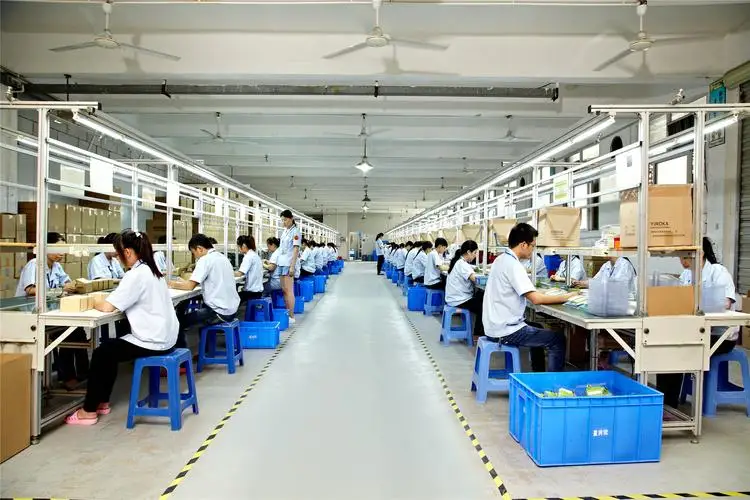
Qingdao Gameday Fashion Accessory Co., Ltd.
- Manufacturer
- Shandong, China
- Lead time0 days
- Avg. response≤ 1h
Main productsstainless steel jewelry,brass jewelry,sterling silver jewelry,headband,hair accessories
Main marketsNorth America(60.00%), Northern Europe(10.00%), Eastern Asia(10.00%), South Asia(5.00%), Southeast Asia(5.00%), Western Europe(5.00%), Eastern Europe(5.00%)
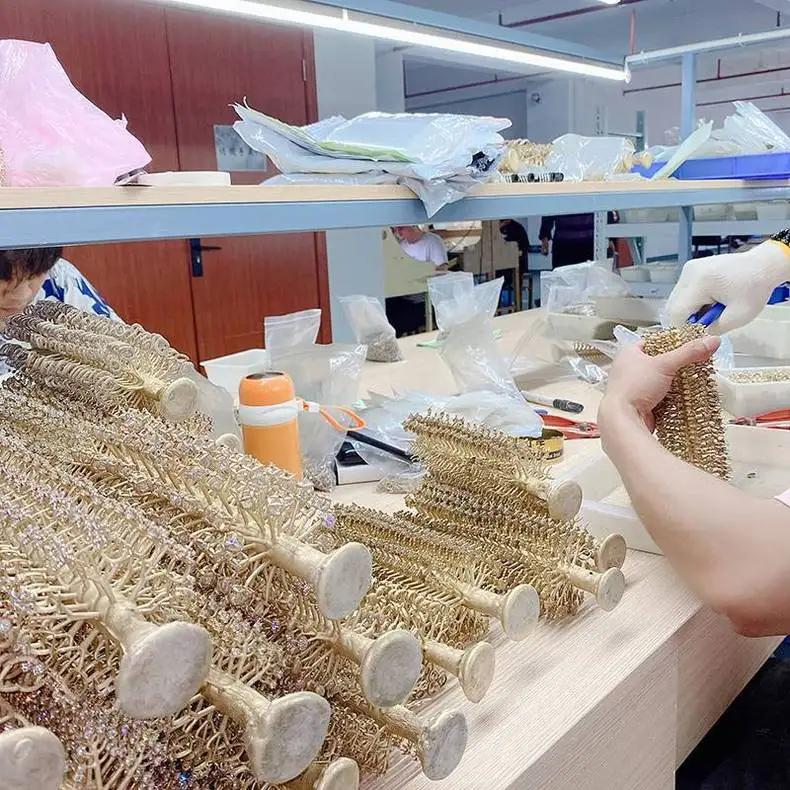
- Trading Company
- Zhejiang, China
- Lead time10 days
- Avg. response≤ 2h
Main productsEarrings,stainless steel Necklace,stainless steel Bracelet,zircon ring,necklace bracelet earrings jewelry sets
Main marketsEastern Europe(20.00%), South America(20.00%), North America(20.00%), Africa(10.00%), Southeast Asia(10.00%), Eastern Asia(5.00%), Mid East(5.00%), Oceania(5.00%), Domestic Market(1.00%), South Asia(1.00%), Northern Europe(1.00%), Central America(1.00%), Western Europe(1.00%)

Shandong Rope Technology Co., Ltd.
- Combined
- China Shandong
- Lead time30 days
- Avg. response≤ 10h
Main productsRope
Main marketsSoutheast Asia/ Mideast,Europe,North America

Handan Wuxin Medical Devices Co., Ltd.
- Verified by TUVRHEINLAND
- Trading Company
- China Fujian
- Lead time15 days
- Avg. response≤ 2h
Main productsKnee Brace, Back Brace, Neck Brace, Waist Trainer, Body Shaper, Sportswear, Posture Corrector, Sexy Lingerie, Orthopedic Products, Gym Equipment
Main marketsEurope

Factory Direct Sales Adjustable Breathable Strapped Ankle Sleeveankle Support
$0.80 - $1.50
MOQ: 100 Pieces


Hangzhou Kebo Orthopedic Rehabilitation Equipment Co.,Ltd
- Verified by SGS
- Combined
- China Zhejiang
- Lead time30 days
- Avg. response≤ 5h
Main productsSpine Orthosis, Orthosis Accessories, Upper Limb Orthosis, Lower Limbs Orthosis
Main marketsSoutheast Asia/ Mideast,Europe
Ningbo Kangbeien Heatlh Tech. Co., Ltd.
- Verified by SGS
- Combined
- China Zhejiang
- Lead time30 days
- Avg. response≤ 9h
Main marketsDomestic

Knitted Elasticated Ankle Wrap Support Promotional Elastic Ankle Brace Ankle Support Wraps
$0.50 - $0.80
MOQ: 1000 Pieces


$2.60 - $2.90
MOQ: 1000 Pieces

Ningbo Beiduoen Health Tech. Co., Ltd.
- Verified by CTI
- Combined
- China Zhejiang
- Lead time23 days
- Avg. response≤ 8h
Main productsKnee Support, Ankle Brace, Compression Arthritis Glove, Wrist Support, Waist Belt, Foot Care, Insoles, Toe Separator, Compresson Sock Glove Knee Brace, Copper Supports
Main marketsSouth America,Southeast Asia/ Mideast,Europe,Australia,North America


Lace up Adjustable Ankle Compression Support Brace for Ankle Protection and Ankle Sprain
$2.50 - $2.90
MOQ: 500 Pieces


Dongguan Runhong Sports Products Co., Ltd.
- Verified by SGS
- Manufacturer
- China Guangdong
- Lead time15 days
- Avg. response≤ 14h
Main productsLoptop Bag, Cup Covers, Lunch Bag, Wine Bags, Stubby Holders, Cooler Bags, Koozies, Beach Tote Bag
Main marketsSouth America,Southeast Asia/ Mideast,Europe,Australia,North America
Yiwu Jingyue Jewelry Co., Ltd.
- Verified by SGS Group
- Manufacturer, Trading Company
- Lead time0 days
- Avg. response≤ 3h
Main products925 Sterling Silver, Stainless Steel Jewelry, Alloy Jewelry, Keychain, Handcraft Jewelry
Main marketsNorth America(60%), Western Europe(15%), Eastern Europe(10%)
Yangzhou Weller Sports Goods Co., Ltd
- Verified by SGS
- Trading Company,Manufacturer/Factory
- China Jiangsu
- Lead time23 days
- Avg. response≤ 5h
Main productsKnee Brace, Posture Corrector, Sports Protection, Shin Guards, Knee Pad, Knee Support, Waist Trainer, Elbow Brace, Orthopedic Products, Kinesiology Tape
Main marketsSouth America,Eastern Europe,Mid East,North America,Southeast Asia,Eastern Asia,Oceania,Western Europe,Africa

$2.80 - $3.00
MOQ: 1000 Pieces

Open Ankle Brace with Adjustable Strap Ankle Support Brace Sprain for Running Sports
$2.80 - $3.00
MOQ: 1000 Pieces

PLANET (ANHUI) INTERNATIONAL CO., LTD.
- Verified by BV
- Combined
- China Jiangsu
- Lead time60 days
- Avg. response≤ 3h
Main productsBandage, First Aid Kits, Band Aid, Wound Dressing, Foot Patch, Knee Brace, Knee Support, Knee Pad, Adhesive Tape, Compression Stocks
Main marketsNorth America
- Verified by SGS
- Manufacturer/Factory
- China Zhejiang
- Lead time30 days
- Avg. response≤ 1h
Main productsNecklace, Bracelets, Earring, Ring, Brooch, Phone Lanyard, Key Chain, Body Jewelry, Hair Clip, Hair Band
Main marketsSouth America,Eastern Europe,Mid East,North America,Southeast Asia,Eastern Asia,Oceania,Western Europe,Africa
- Trading Company
- Lead time旺季: "1 - 100":35,"> 100":"To be negotiated", 淡季: "1 - 100":35,"> 100":"To be negotiated"
- Avg. response≤ 5h
Main productsfashion jewelry,women necklace,women earrings,fashion rings jewelry,fashion bracelets jewelry
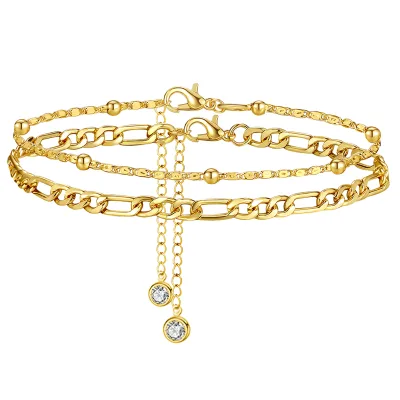
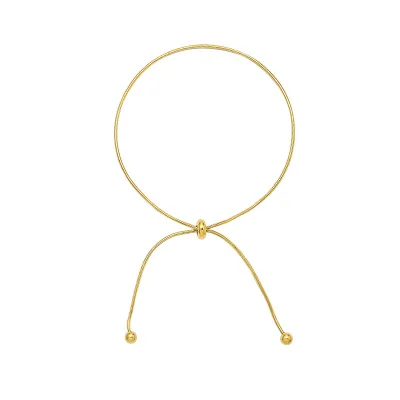
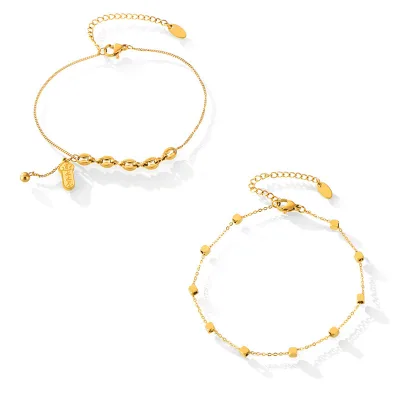



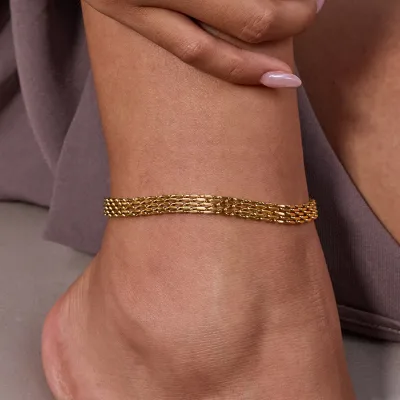








Comprehensive Sourcing Guide
Adjustable Braided Anklet Supplier Concentration and Factory Types
The available data indicates that suppliers for adjustable braided anklets are concentrated in specific Chinese provinces, with Jiangxi and Guangdong appearing as documented locations for manufacturers and trading companies. Some suppliers operate as trading companies, while others function as manufacturers or a hybrid of both, offering distinct advantages in production control versus supply chain breadth. When evaluating the cluster, buyers should note that product attributes like "925 Sterling Silver" or "Stainless Steel" often correlate with specific regional capabilities, though the exact factory location must be confirmed against the specific listing. The presence of a trading company type suggests a focus on aggregating diverse inventory, whereas a manufacturer type implies direct control over the braiding and plating processes.
Buyers must verify the actual factory location rather than relying on general regional assumptions, as the supply chain for jewelry components can span multiple provinces. The evidence shows that some products originate from Guangdong, while others are listed from Jiangxi or Zhejiang, indicating a fragmented but active manufacturing base. To identify the correct cluster, a buyer should request the specific factory address and cross-reference it with the company's business license. This verification is critical because a trading company might list a product from a different province than its headquarters. Understanding whether the supplier is a pure manufacturer or a trading entity helps determine the depth of technical knowledge available regarding the braided rope construction and the durability of the adjustable mechanisms.
How to Verify Adjustable Braided Anklet Suppliers
Verification of Adjustable Braided Anklet suppliers requires a rigorous check of third-party certifications and on-site audit results, as these documents provide the only concrete proof of compliance and quality standards. The data shows that some suppliers hold certifications such as REACH, ISO 9227, and ASTM E1019, while others may only have third-party appraisal certificates or none at all. Buyers should specifically request the validity of these certificates for the specific product line, as a general company certification does not guarantee that every anklet batch meets the required safety and material standards. Additionally, verification badges from agencies like Intertek, TÜV Rheinland, or BV serve as a high-confidence indicator that the supplier has undergone a physical inspection of their facilities and processes.
Beyond certifications, buyers must assess the supplier's response time and the depth of their product attributes to gauge operational reliability. The observed response times vary, with some suppliers responding within one day and others taking significantly longer, which can impact the speed of sample approval and order fulfillment. A supplier that provides detailed attributes, such as specific plating types, material compositions like 925 silver or stainless steel, and precise package dimensions, demonstrates a higher level of transparency. Buyers should also verify the "sample making" and "mould making" capabilities listed in the product attributes, as these services are essential for customizing the adjustable braided design. Confirming that the supplier can produce a sample that matches the exact specifications before placing a bulk order is a critical step in the verification process.
What to Compare Across Adjustable Braided Anklet Suppliers
When comparing suppliers, the primary focus should be on the tangible commercial terms such as minimum order quantity, lead time, and price ranges, which vary significantly across the market. The evidence reveals that some suppliers offer adjustable anklets with a minimum order quantity as low as two pieces, while others require orders of 200 units or more. Lead times also differ, ranging from five days to sixty days depending on the complexity of the customization and the supplier's current capacity. Buyers must calculate the total cost of ownership by combining the unit price, which can range from approximately $0.49 to $12.02, with the shipping costs and any potential tariffs, rather than focusing solely on the lowest listed price.
In addition to pricing and volume, buyers should compare the specific product attributes and customization capabilities to ensure the supplier can meet design requirements. The data indicates that some suppliers offer extensive color options, ranging from 27 distinct colors to specific plating finishes like gold or silver, while others have limited variations. The ability to provide custom designs, such as specific geometric shapes or religious types, is a key differentiator that should be weighed against the supplier's response time and established track record. Buyers should also evaluate the main products offered by the supplier; a company specializing in stainless steel jewelry may offer better durability for anklets than a general trading company with a broad but shallow inventory.
Common Adjustable Braided Anklet Sourcing Risks
One of the most significant risks in sourcing adjustable braided anklets is the discrepancy between the advertised material quality and the actual product received, particularly regarding plating and metal purity. The product evidence shows variations in attributes like "Gold Plated" versus "925 Sterling Silver," and without a valid third-party appraisal or specific material test report, buyers risk receiving items that tarnish quickly or fail to meet the claimed standards. This risk is compounded when the supplier's certification is listed as "None" or when the certificate type is vague, leaving the buyer without legal recourse if the product fails to meet the agreed-upon specifications. Buyers must insist on a pre-shipment inspection that specifically tests the metal content and plating thickness to mitigate this risk.
Another critical risk involves the reliability of the supply chain and the potential for delays that can disrupt inventory planning. The observed lead times vary widely, with some suppliers offering rapid turnaround of five days while others require up to sixty days, often due to capacity constraints or lack of raw materials. If a supplier does not clearly state their capacity for "customized on demand" or "sample processing," there is a high probability of production bottlenecks when scaling up an order. Furthermore, the lack of standardized packaging or unclear single package dimensions can lead to increased shipping costs and potential damage during transit. Buyers should verify the supplier's ability to handle rush orders and their contingency plans for supply chain disruptions before committing to a large purchase.
Adjustable Braided Anklet Regional Sourcing and Logistics
Regional sourcing decisions for adjustable braided anklets must account for the specific logistics implications of the supplier's location, as the data points to origins in Jiangxi, Guangdong, and Zhejiang. Each of these regions has different port access and shipping infrastructure, which can affect transit times and freight costs. For instance, suppliers in Guangdong often have direct access to major ports like Shenzhen and Guangzhou, potentially offering faster shipping to international markets compared to inland locations. However, buyers should not assume that a specific region guarantees a specific lead time; instead, they must verify the actual shipping terms and the supplier's experience with international logistics for the specific product type.
Logistics planning also requires a detailed understanding of the product's physical characteristics, such as weight and package dimensions, which influence shipping costs. The evidence shows that single package sizes can vary from 10x9x8 cm to 10x10x3 cm, and the single gross weight is listed as 0.020 kg for some items. These small dimensions and weights suggest that air freight might be cost-effective for small orders, while sea freight becomes more economical for larger volumes. Buyers should calculate the volumetric weight of the shipment to ensure they are not overpaying for air freight on lightweight items. Additionally, the supplier's location may impact the ease of customs clearance, so buyers should verify if the supplier provides all necessary documentation, including certificates of origin and material safety data sheets, to facilitate smooth entry into the destination country.
Adjustable Braided Anklet Commercial Terms and Order Planning
Commercial terms for adjustable braided anklets must be carefully negotiated to align with the supplier's specific capabilities and the buyer's risk tolerance. The data indicates that some suppliers offer flexible terms, such as accepting small minimum order quantities of two pieces, while others enforce strict MOQs of 200 units. Buyers should clarify the payment terms, including whether escrow services are available to protect funds until the goods are verified, and whether the supplier accepts partial payments for large orders. The response time of the supplier, which can range from one day to over eight days, should also be factored into the order planning timeline, as slow communication can delay critical decisions regarding sample approval and production scheduling.
Order planning must also consider the supplier's capacity for customization and the associated lead times for non-standard items. The evidence shows that some suppliers offer "sample making" and "mould making" services, which are essential for creating unique adjustable braided designs. However, these custom services often extend the lead time beyond the standard production window, requiring buyers to plan their inventory orders well in advance. Buyers should also verify the supplier's ability to handle "customized on demand" requests and ensure that the production schedule includes buffer time for quality control checks. By understanding the full scope of the commercial terms, including the specific lead times for custom versus standard items, buyers can create a realistic order plan that minimizes the risk of stockouts or overstocking.
FAQs
What is the minimum order quantity for adjustable anklets?
The minimum order quantity varies by product. Some casual summer anklets require a minimum of 5 pieces, while others like stainless steel options may need 200 pieces. Buyers should check specific product listings to confirm the exact MOQ before placing an order.
How long does it take to receive adjustable anklets?
Lead times for adjustable anklets range from 5 to 60 days depending on the supplier and product type. Some manufacturers offer quick turnaround times of 5 days, while others specializing in fitness equipment or custom orders may require up to 60 days for production and shipping.
What materials are used for adjustable braided anklets?
Adjustable braided anklets are available in various materials including rubber, stainless steel, and 925 sterling silver. Some products feature gold or silver plating over stainless steel bases. Buyers can find options with bohemian braided rope chains or minimalist geometric designs in these materials.
Are there certifications for the jewelry anklets?
Yes, some suppliers provide certifications such as REACH, ISO 9227, and ASTM E1019 for their jewelry products. Third-party appraisals are also available for certain items. Buyers should verify specific certification details on the product page to ensure compliance with their regional safety standards.
What is the price range for adjustable anklets?
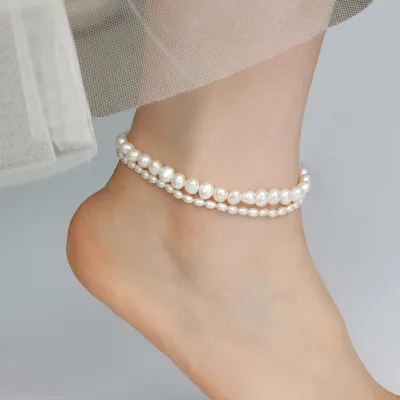
Prices for adjustable anklets typically range from 0.49 to 12.02 per piece depending on material and design. Basic casual anklets start around 0.49, while premium options with freshwater pearls or 14k gold plating can cost up to 12.02. Bulk orders often affect the final unit price.
Can suppliers customize the design of anklets?
Many suppliers offer customization services including sample processing, graphic processing, and customized on-demand production. Some manufacturers provide mold making and sample making services to create unique designs. Buyers should confirm specific customization capabilities and lead times with the supplier before placing an order.
Where are the suppliers of adjustable anklets located?
Suppliers offering adjustable anklets are located in various regions including Jiangxi, Guangdong, Zhejiang, and Jiangsu in China. The location affects shipping times and logistics. Buyers should check the specific origin listed on product pages to determine the most suitable supplier for their needs.