Adjustable Breathable Sports Brace Suppliers and Manufacturers
Source 24 verified suppliers for Adjustable Breathable Sports Brace products. Compare key dimensions including lead times, MOQs, certifications, and response rates to identify suitable partners. Review product specifications and request quotes directly from the listed manufacturers; review the available evidence before requesting comparable quotations from suitable candidates.
Suppliers List

Firstar Healthcare Company Limited (Guangzhou)
- Verified by SGS
- Combined
- China Guangdong
- Lead time30 days
- Avg. response≤ 5h
Main productsFirst Aid Kit, First Aid Box
Main marketsSoutheast Asia/ Mideast,Europe,Australia,North America

Ningbo Beiduoen Health Tech. Co., Ltd.
- Verified by CTI
- Combined
- China Zhejiang
- Lead time23 days
- Avg. response≤ 10h
Main productsKnee Support, Ankle Brace, Compression Arthritis Glove, Wrist Support, Waist Belt, Foot Care, Insoles, Toe Separator, Compresson Sock Glove Knee Brace, Copper Supports
Main marketsSouth America,Southeast Asia/ Mideast,Europe,Australia,North America


Compression Adjustable Elbow Support Brace with Steel Spring for Sports Protection
$1.50 - $1.90
Moq: 500


Yangzhou Weller Sports Goods Co., Ltd
- Verified by SGS
- Trading Company,Manufacturer/Factory
- China Jiangsu
- Lead time23 days
- Avg. response≤ 7h
Main productsKnee Brace, Posture Corrector, Sports Protection, Shin Guards, Knee Pad, Knee Support, Waist Trainer, Elbow Brace, Orthopedic Products, Kinesiology Tape
Main marketsSouth America,Eastern Europe,Mid East,North America,Southeast Asia,Eastern Asia,Oceania,Western Europe,Africa

Anhui Kangfu Industrial Foreign Trade Co.,Ltd
- Verified by BV
- Combined
- China Anhui
- Lead time30 days
- Avg. response≤ 2h
Main productsmedical supplies
Main marketsAfrica,East Asia(Japan/ South Korea),Domestic,Europe,North America

- Verified by SGS
- Trading Company,Manufacturer/Factory
- China Zhejiang
- Lead time15 days
- Avg. response≤ 2h
Main productsPilates Reformer, Dumbbell, Pilates Cadillac, Yoga Mat, Yoga Ball, Yoga Accessories, Gym Equipment, Yoga Pilates
Main marketsSouth America,Eastern Europe,Mid East,North America,Southeast Asia,Eastern Asia,Oceania,Western Europe,Africa
Shijiazhuang Aofeite Imp & Exp Co., Ltd.
- Manufacturer, Trading Company
- Lead time旺季: "1 - 100":7,"> 100":"To be negotiated", 淡季: "1 - 100":7,"> 100":"To be negotiated"
- Avg. response≤ 1h
Main productsKnee Brace, Lumbar Support Belt

Hebei Denovo Medical Device Co., Ltd.
- Verified by BV
- Trading Company,Manufacturer/Factory
- China Hebei
- Lead time23 days
- Avg. response≤ 3h
Main productsBack Support, Knee Support, Posture Corrector, Foot Night Splint, Arm Slings, Hernia Belts, Cervical Collars, Abduction Orthosis
Main marketsSouth America,Eastern Europe,Mid East,North America,Southeast Asia,Eastern Asia,Oceania,Western Europe,Africa


Lace-up Ankle Brace with Adjustable Straps for Sports Injury Prevention and Recovery
$5.00 - $10.00
Moq: 100


Nantong Vigor Sport Goods Co., Ltd.
- Verified by SGS
- Combined
- China Jiangsu
- Lead time30 days
- Avg. response≤ 2h
Main productsFunctional Trainers, Cardio Cross Training Equipment, Free Weights, Accessories and Attachment, Spare Part, Gym Space Solution
Main marketsEurope


Adjustable Compression Ankle Support Brace for Running Sports Injury Protection
$0.83 - $0.97
Moq: 500

- Verified by SGS
- Trading Company
- China Zhejiang
- Lead time15 days
- Avg. response≤ 23h
Main productsFitness Equipment, Trampoline, Treadmill, Dumbbell, Yoga Mat, Spinning Bike, Jump Rope, Pull up Bar, Gym Rack, Leg Press
Main marketsEurope,Australia

PLANET (ANHUI) INTERNATIONAL CO., LTD.
- Verified by BV
- Combined
- China Jiangsu
- Lead time60 days
- Avg. response≤ 1h
Main productsBandage, First Aid Kits, Band Aid, Wound Dressing, Foot Patch, Knee Brace, Knee Support, Knee Pad, Adhesive Tape, Compression Stocks
Main marketsNorth America

Shanghai Goldenwell Medical Technology Co., Ltd.
- Verified by CTI
- Trading Company
- China Shanghai
- Lead time15 days
- Avg. response≤ 5h
Main productsMedical Devices, Sports Support, Medical Dressings
Main marketsSoutheast Asia/ Mideast,Europe
Shijiazhuang Aofeite Imp & Exp Co., Ltd.
- Manufacturer, Trading Company
- Lead time旺季: "1 - 10000":25,"> 10000":"To be negotiated", 淡季: "1 - 10000":25,"> 10000":"To be negotiated"
Main productsBack support belt, Lumbar Support Belt, Knee pads, Ankle brace, Wrist guard
Shijiazhuang Youqihui Import And Export Trading Co., Ltd.
- Verified by SGS Group
- Trading Company
- Lead time7 days
- Avg. response≤ 2h
Main productsLumbar Support Belt, Knee Brace
Main marketsNorth America(40%), Eastern Asia(15%), Oceania(15%)

Nanjing Ihome Comfort Co., Ltd.
- Verified by SGS
- Trading Company
- China Jiangsu
- Lead time30 days
- Avg. response≤ 6h
Main productsHot Water Bottle, Ice Pack, Hot Water Bag, Kneepad, Hot Cold Pack, Bp Bulb Bladder, Fitness Equipment, Leather Bag, Test Pack, First Aid Kit
Main marketsSouth America,Africa,Others(foreignTradeCapacity.exportBusinessCapacityMarketOther),Southeast Asia/ Mideast,East Asia(Japan/ South Korea),Europe,North America

Dongguan Runhong Sports Products Co., Ltd.
- Verified by SGS
- Manufacturer
- China Guangdong
- Lead time15 days
- Avg. response≤ 10h
Main productsLoptop Bag, Cup Covers, Lunch Bag, Wine Bags, Stubby Holders, Cooler Bags, Koozies, Beach Tote Bag
Main marketsSouth America,Southeast Asia/ Mideast,Europe,Australia,North America
Dongguan Paides Technology Co., Ltd.
- Manufacturer, Trading Company
- Guangdong, China
- Lead time15 days
- Avg. response≤ 3h
Main productsSport and Outdoor Products,Heating Products
Main marketsNorth America(45.0%), Domestic Market(32.0%), Western Europe(20.0%), Eastern Asia(2.0%), Northern Europe(1.0%)

Hangzhou Kebo Orthopedic Rehabilitation Equipment Co.,Ltd
- Verified by SGS
- Combined
- China Zhejiang
- Lead time30 days
- Avg. response≤ 9h
Main productsSpine Orthosis, Orthosis Accessories, Upper Limb Orthosis, Lower Limbs Orthosis
Main marketsSoutheast Asia/ Mideast,Europe

Ningbo Kangbeien Heatlh Tech. Co., Ltd.
- Verified by SGS
- Combined
- China Zhejiang
- Lead time30 days
- Avg. response≤ 8h
Main marketsDomestic


Hot Selling Stabilise Multifunctional Comforts Wrist Brace for Sports Protection
$2.10 - $2.29
Moq: 100

Telamon Sports Goods (Shanghai) Co., Ltd.
- Verified by BV
- Trading Company
- China Shanghai
- Lead time15 days
- Avg. response≤ 9h
Main marketsNorth America

SHANGHAI TEAMSTAND CORPORATION
- Verified by BV
- Trading Company
- China Shanghai
- Lead time23 days
- Avg. response≤ 2h
Main productsHypodermic Syringe, Blood Collection Set, Infusion Set, Huber Needle, Breathing Circuit, Prefilled Syringe, Catheter and Tube, Hemodialyser, AV Fistula Needle, Biopsy Needle
Main marketsOthers(foreignTradeCapacity.exportBusinessCapacityMarketOther)


Wholesale Sport Brace & Support for Elbow with CE Certificate Shoulder Elbow Brace
$0.50 - $60.00
Moq: 1000


XIAMEN DORRELLA HEALTH TECHNOLOGY CO.,LTD
- Verified by SGS
- Trading Company,Manufacturer/Factory,Group Corporation
- China Fujian
- Lead time23 days
- Avg. response≤ 8h
Main productsOrthotic Brace, Ankle Brace, Arm Brace, Back Brace, Cervical Collar, Finger Splint, Hip Abduction Braces, Hand and Wrist Brace, Post-Op Shoes, Orthopedic Waiking Boot
Main marketsSouth America,Eastern Europe,Mid East,North America,Southeast Asia,Eastern Asia,Oceania,Western Europe,Africa

Dongguan Prosperity Sports Goods Co., Ltd.
- Verified by SGS
- Trading Company,Manufacturer/Factory
- China Guangdong
- Lead time23 days
- Avg. response≤ 3h
Main productsEVA Case, EVA Tool Bag, EVA Pouch, Neoprene Can Cooler, Knee Support, Laptop Bag, Neoprene Lunch Bag, Neoprene Beer Cooler, Ankle Support, Waterproof Dry Bag
Main marketsSouth America,Eastern Europe,Mid East,North America,Southeast Asia,Eastern Asia,Oceania,Western Europe,Africa

Hengshui Zhouxun Sports Goods Co., Ltd.
- Verified by TUVRHEINLAND
- Combined
- China Hebei
- Lead time30 days
- Avg. response≤ 1h
Main marketsDomestic

- Trading Company
- China Jiangsu
- Lead time15 days
- Avg. response≤ 4h
Main productsSyringes, Infusion Sets, Mercury Free Thermometer, Medical Bandage, Medical Tape
Main marketsSouth America,Africa,Southeast Asia/ Mideast,East Asia(Japan/ South Korea),Europe,Australia,North America

Adjustable Elbow Brace High Quality Exercise Compression Support Sleeve Sport Elbow Pad
$1.30 - $3.20
Moq: 2000


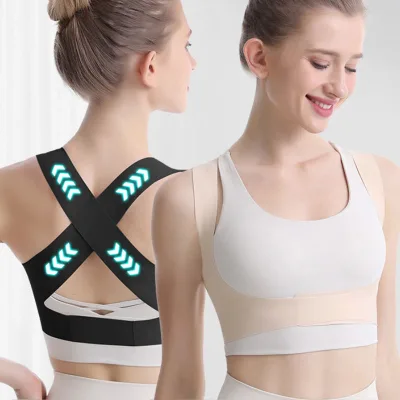
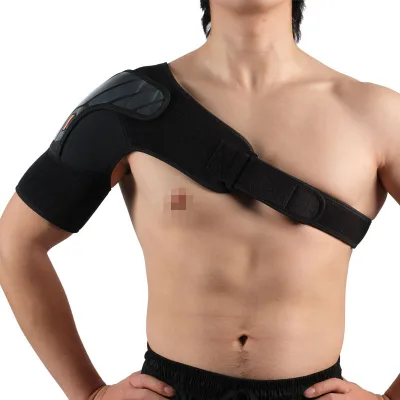


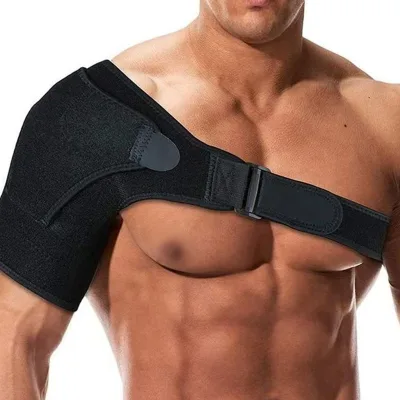
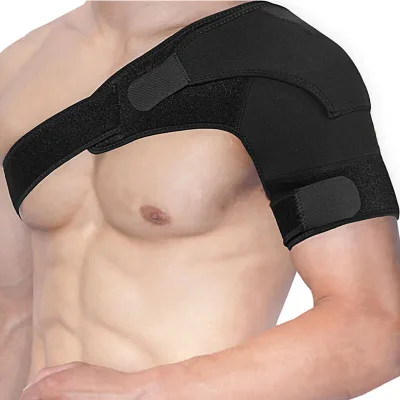
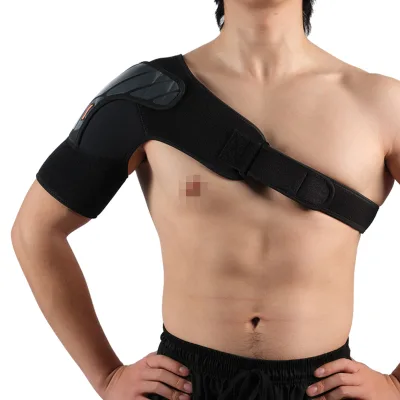
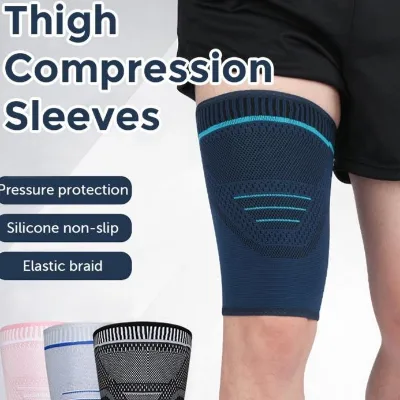


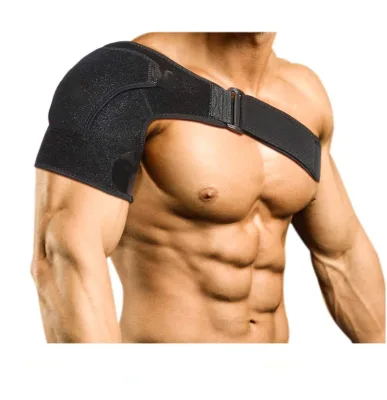


Comprehensive Sourcing Guide
Adjustable Breathable Sports Brace Supplier Concentration and Factory Types
Current data indicates a concentration of manufacturing activity in China, specifically within the Guangdong and Zhejiang provinces. Suppliers in these regions list primary product lines that include first aid kits, various support braces, and compression garments. The company types observed are classified as combined entities, suggesting a mix of manufacturing and trading capabilities. This structural diversity allows for flexibility in production scaling, though it requires buyers to distinguish between pure factory output and trading house aggregation. The presence of ODM and OEM capabilities in the observed data confirms that these facilities can handle custom design and manufacturing requests for specific brace models.
When evaluating the factory type, buyers should look for explicit statements regarding production capacity and customization availability. The observed data shows that some suppliers offer customization services, which is a critical indicator of a manufacturing base rather than a simple reseller. However, without a specific establishment year provided in the current results, buyers cannot verify the longevity of these combined entities. It is essential to request proof of the manufacturing floor and the specific machinery used for weaving or molding neoprene and nylon materials. This verification step ensures that the supplier can maintain the quality standards required for sports safety equipment, particularly when dealing with adjustable and breathable designs.
How to Verify Adjustable Breathable Sports Brace Suppliers
Verification processes for these suppliers often involve third-party inspection agencies that validate the company's operational status and product quality. The observed data includes verification badges from agencies such as SGS and CTI, which serve as external confirmations of the supplier's claims. These certifications are crucial for establishing trust, especially when the supplier type is listed as combined. Buyers should prioritize suppliers with active verification status to mitigate the risk of dealing with unverified trading entities. The presence of specific system certifications, even if listed broadly as "Others," indicates that the facility has undergone some form of compliance audit.
Beyond the initial verification badge, buyers must scrutinize the specific product certifications listed for individual items. The data reveals that certain products carry CE, FDA, and ISO certifications, which are vital for medical and sports safety applications. These certifications are not generic; they are tied to specific product models like the FM-SH002 or 7716. Buyers should request the actual certificate documents to ensure they match the product being ordered. Additionally, the response time metrics provided, such as 4.66 or 9.82, offer a quantitative measure of supplier engagement. A faster response time often correlates with better communication channels and a more reliable supply chain, which is essential for resolving issues during the production of custom braces.
What to Compare Across Adjustable Breathable Sports Brace Suppliers
Comparing suppliers requires a detailed analysis of lead times, minimum order quantities, and pricing structures. The observed data shows lead times ranging from 23 to 30 days, which is a significant variable for inventory planning. Some suppliers list a lead time of 30 days, while others offer a faster 23-day turnaround. Buyers must align these timelines with their own production schedules and market demand. Minimum order quantities also vary widely, with some products requiring 100 units while others demand 1000 or 2000 units. This variation impacts the initial capital outlay and the ability to test the market with smaller batches.
Pricing and material specifications are another critical comparison point. The data indicates price ranges from $1.25 to $5.69 per unit, depending on the product model and material composition. Materials such as neoprene, nylon, and sponge are used in different configurations, affecting both the cost and the performance of the brace. Buyers should compare the specific attributes listed, such as waterproof capabilities and age group suitability, to ensure the product matches the intended use case. Furthermore, the annual quantity capacity, noted as 500,000 pieces for some suppliers, suggests a high-volume capability that may be necessary for large-scale distribution. Evaluating these factors side-by-side helps identify the most cost-effective and reliable partner for the specific order requirements.
Common Adjustable Breathable Sports Brace Sourcing Risks
One significant risk involves the discrepancy between the claimed product attributes and the actual delivered goods. The data shows that some products are labeled as waterproof while others are non-waterproof, and some are adjustable while others are fixed. If a buyer orders a waterproof brace but receives a non-waterproof version, the product may fail in its intended application. This risk is heightened when the supplier is a combined entity that may not have direct control over every aspect of the manufacturing process. Buyers must ensure that the product specifications, including material type and feature sets like compression straps, are explicitly detailed in the purchase order.
Another risk relates to the customization process and the associated minimum order quantities. While customization is listed as available for many products, the high MOQs, such as 1000 or 2000 pieces, can be a barrier for new entrants. If a supplier cannot meet the customization requirements within the specified MOQ, the buyer may be forced to accept standard inventory that does not meet their brand needs. Additionally, the lack of specific establishment years in the data makes it difficult to assess the supplier's experience with long-term production stability. Buyers should verify the supplier's track record in handling custom orders and their ability to maintain consistent quality over time to avoid disruptions in the supply chain.
Adjustable Breathable Sports Brace Regional Sourcing and Logistics
The regional concentration of suppliers in Guangdong and Zhejiang offers logistical advantages but also presents specific challenges. These provinces are major manufacturing hubs in China, known for their extensive supply chains and export infrastructure. The proximity of these factories to major ports can reduce shipping times and costs for international buyers. However, the data indicates that product origins are listed as Guangzhou, China, or China Mainland, which requires buyers to confirm the exact shipping point. Understanding the specific location helps in calculating accurate freight costs and estimating delivery timelines.
Logistics planning must also account for the packaging standards observed in the data, which include carton, cardboard box, and poly bag options. The choice of packaging affects the protection of the goods during transit and the efficiency of storage upon arrival. For instance, poly bag packaging might be suitable for smaller orders but could offer less protection for bulk shipments compared to carton packaging. Buyers should discuss packaging requirements with the supplier to ensure the goods arrive in optimal condition. Additionally, the response time metrics suggest that communication efficiency varies by region, which can impact the speed of resolving logistics issues. Buyers should prioritize suppliers with faster response times to ensure smooth coordination throughout the shipping process.
Adjustable Breathable Sports Brace Commercial Terms and Order Planning
Commercial terms for these suppliers often include specific pricing structures and payment conditions that must be clearly defined. The observed price ranges, from $1.25 to $5.69, indicate that unit costs can vary significantly based on order volume and product complexity. Buyers should negotiate based on the total order value and the specific MOQ requirements. Some suppliers list a wholesale sell type, which implies that pricing may be tiered based on quantity. Understanding these tiers is essential for accurate budgeting and profit margin calculations. Buyers should also clarify whether the listed prices include shipping costs or if they are ex-works prices.
Order planning must consider the lead times and the potential for customization delays. With lead times ranging from 23 to 30 days, buyers need to factor in production time, quality control, and shipping duration. The availability of customization services adds another layer of complexity, as custom designs may require additional time for sampling and approval. Buyers should establish a clear timeline that includes all these stages to avoid delays in product launch. Furthermore, the annual quantity capacity of suppliers, such as 500,000 pieces, suggests that they can handle large orders, but buyers should confirm this capacity during the planning phase. Ensuring that the supplier can meet the required volume within the agreed timeframe is critical for maintaining a stable supply chain.
FAQs
What is the typical lead time for orders?
Lead times vary by supplier and product specifications. Some suppliers offer a 30-day lead time for standard orders, while others may provide faster delivery within 23 days. Buyers should confirm specific timelines based on their order volume and customization needs before finalizing purchases.
What are the minimum order quantities required?
Minimum order quantities differ across suppliers and product types. Some items require 100 units, while others start at 500 or 1000 units. Buyers must check the specific MOQ for each product model to ensure their order meets the supplier's threshold before proceeding with payment.
Which certifications do the sports braces hold?
Many products carry CE, FDA, and ISO certifications to ensure safety and quality. Some suppliers also hold SGS or CTI verification status. Buyers should verify that the specific product model matches their regulatory requirements and request certification documents before placing large wholesale orders.
Are customization options available for these braces?
Customization is available for many products, allowing buyers to adjust colors, sizes, or packaging. Some suppliers offer ODM and OEM services to meet specific design needs. Buyers should confirm customization details like material type and branding options directly with the supplier during the inquiry phase.
What materials are used in the construction?
Common materials include neoprene, nylon, and sponge for comfort and durability. Some products feature waterproof properties, while others are non-waterproof. Buyers should select materials based on their intended use, such as sports protection or daily wear, to ensure the brace meets performance expectations.
Where are the suppliers located?
Suppliers are primarily located in China, with facilities in Guangdong and Zhejiang provinces. Specific products may originate from Guangzhou or other regions within mainland China. Buyers should verify the exact origin to assess shipping costs and potential import duties for their specific destination.
What is the price range for these braces?
Prices typically range from $1.25 to $5.69 per unit depending on the model and features. Some specialized items like shoulder supports may cost more than basic elbow braces. Buyers should compare unit prices against their budget and order volume to find the most cost-effective solution.