Adjustable Ceramic Standing Floor Lamp Suppliers and Manufacturers
Source 25 verified suppliers for Adjustable Ceramic Standing Floor Lamp. Compare certifications like BSCI and ISO 9001, response times, and lead times. Request quotes to evaluate pricing and MOQ options; review the available evidence before requesting comparable quotations from suitable candidates.
Suppliers List

Huizhou Homelighting Technology Co., Ltd.
- Verified by BV
- Trading Company,Manufacturer/Factory
- China Guangdong
- Lead time0 days
- Avg. response≤ 8h
Main productsTable Lamp, Wall Lamp, Floor Lamp, Hotel Lamp, Tiffany Lamp, Lampshade, Chandelier Lamp
Main marketsSouth America,Eastern Europe,Mid East,North America,Southeast Asia,Eastern Asia,Oceania,Western Europe,Africa

$35.00 - $45.00
MOQ: 100 Pieces

Traditional Floor Lamps 3-Light Uplight Floor Standing Lamp for Home Living Room
$9.90 - $12.90
MOQ: 300 Pieces

Nordic Style Arc Floor Standing Lamp Task Lamp Home Reading Table Floor Lamp Pendant Floor Lamp
$27.00 - $35.00
MOQ: 100 Pieces


Modern Nordic Feather Floor Standing Lamp with Marble Base Pendant Floor Lamp
$20.00 - $25.00
MOQ: 300 Pieces


SHANGLI LIGHTING CRAFTS CO.,LTD
- Verified by BV
- Manufacturer/Factory
- China Guangdong
- Lead time30 days
- Avg. response≤ 11h
Main productsPortable Table and Floor Lamp, LED Lamp, Hotel Lamp, Chandelier Lamp, Pendant Lamp, Ceiling Lamp, Wall Lamp, Lampshade, Accessory, Mirror
Main marketsSouth America,Eastern Europe,Mid East,North America,Southeast Asia,Eastern Asia,Oceania,Western Europe,Africa


$15.00 - $50.00
MOQ: 1 Pieces


Home Decor High Quality Bedroom Lighting Ceramic Table Lamp for Living Room Lamps Lighting
$18.00 - $35.00
MOQ: 1 Pieces

Zhongshan DLSS Lighting CO., LTD.
- Verified by TUVRHEINLAND
- Combined
- China Guangdong
- Lead time15 days
- Avg. response≤ 4h
Main productsModern Lighting, Modern Pendant Lamp, Modern Pendant Light, Decoration Lighting, Replica Lighting, Modern Ceiling Lamp, Modern Chandelier, Modern Table Lamp, Modern Lamp, Hotel Lighting
Main marketsDomestic

Guangzhou Zhongyue Trading Co., Ltd
- Verified by SGS
- Trading Company
- China Guangdong
- Lead time23 days
- Avg. response≤ 4h
Main productsPendant Lights, Pendant Fans Lights, Table & Floor Lamps, Wall Lights, Ceiling Lights, Customized Hotel ceiling Lights, Outdoor Lights, Outdoor Furniture, Commercial Furniture, Artificial Plants
Main marketsSoutheast Asia/ Mideast,Europe,Australia,North America

Zy Custom Modern Design Custom Floor Lamp of Living Room Marble Standing Lighting
$95.90 - $99.90
MOQ: 2 Pieces

Custom Modern Colorful Feather Floor Lamp for Home Living Room Hotel Restaurant
$89.90 - $109.90
MOQ: 2 Pieces

Custom Metal Living Room Hotel Restaurant Feather Standing LED Light Floor Lamp
$89.90 - $109.90
MOQ: 2 Pieces

Custom LED Home Decor Standing Living Room Nordic Crystal Feather Floor Lamp
$99.90 - $119.90
MOQ: 2 Pieces

$109.90 - $129.90
MOQ: 2 Pieces

Zy Custom Nordic Standing Hanger Floor Lamp for Living Room Hotel Restaurant
$175.90 - $179.90
MOQ: 2 Pieces

Zhonshan Guzhen Datong Lights & Electrical Appliance Factory
- Manufacturer
- Guangdong, China
- Lead time0 days
- Avg. response≤ 11h
Main productsled table lamp,led down light,led flood light,led wall lamp,led track light
Main marketsNorth America(12.50%), South America(12.50%), Eastern Europe(12.50%), Southeast Asia(12.50%), Mid East(12.50%), Western Europe(12.50%), Central America(12.50%), Northern Europe(12.50%)
Foshan Aitong Lighting Appliance Co., Ltd.
- Manufacturer, Trading Company
- Guangdong, China
- Lead time0 days
- Avg. response≤ 1h
Main productsTable Lamp,Floor Lamp
Main marketsDomestic Market(100.00%), South Asia(100.00%), Southern Europe(100.00%), Northern Europe(100.00%), Central America(100.00%), Western Europe(100.00%), Eastern Asia(100.00%), Mid East(100.00%), Oceania(100.00%), Africa(100.00%), Southeast Asia(100.00%), North America(100.00%), Eastern Europe(100.00%), South America(100.00%)
- Manufacturer, Trading Company
- Guangdong, China
- Lead time15 days
- Avg. response≤ 4h
Main productsPendant Light,Chandelier,Wall Lamp,Table Lamp,Floor Lamp
Main marketsNorth America(18.00%), Western Europe(15.00%), Mid East(14.00%), Southeast Asia(11.00%), Oceania(10.00%), Northern Europe(10.00%), South America(5.00%), Southern Europe(5.00%), Eastern Asia(3.00%), Central America(3.00%), Eastern Europe(3.00%), Domestic Market(1.00%), Africa(1.00%), South Asia(1.00%)

Jiangmen Art-Dynasty Furnishings Co., Ltd.
- Manufacturer, Trading Company
- Guangdong, China
- Lead time20 days
- Avg. response≤ 20h
Main productsLighting,Home Furnishings,Decorations
Main marketsDomestic Market(25.00%), Southeast Asia(15.00%), Mid East(15.00%), North America(10.00%), Eastern Europe(10.00%), South America(5.00%), Western Europe(4.00%), Northern Europe(4.00%), Africa(3.00%), South Asia(3.00%), Southern Europe(2.00%), Oceania(2.00%), Central America(1.00%), Eastern Asia(1.00%)


Factory Direct Home Decor Standing Overhanging Light Bamboo Floor Lamp for Livingroom
$365.00 - $487.00
MOQ: 1

Fuzhou Keruida Electric Porcelain And Appliance Co., Ltd.
- Verified by SGS
- Combined
- China Fujian
- Lead time15 days
- Avg. response≤ 4h
Main productsRetro Switch
Main marketsEurope
Huizhou Zhigao Lighting Co., Ltd.
- Manufacturer, Trading Company
- Guangdong, China
- Lead time30 days
- Avg. response≤ 23h
Main productsTABLE LAMP,FLOOR LAMP,PENDANT LIGHTING,CEILING FIXTURE,HEADBOARD SCONCE
Main marketsNorth America(37.00%), Western Europe(35.00%), South America(10.00%), Mid East(5.00%), Southern Europe(2.00%), Central America(2.00%), Eastern Europe(2.00%), Domestic Market(1.00%), South Asia(1.00%), Southeast Asia(1.00%), Northern Europe(1.00%), Oceania(1.00%), Africa(1.00%), Eastern Asia(1.00%)
Shenzhen Highstar Electrical Co., Ltd.
- Verified by TüVRheinland
- Manufacturer, Trading Company
- Lead time30 days
Main productsLED Table Lamp, Promotion Gifts, Lantern Speaker, White Noise Machine, Camping Light
Main marketsDomestic Market(30%), Eastern Asia(25%), North America(13%)

Zhong Shan Rima Lighting Co., Ltd.
- Verified by CTI
- Combined
- China Guangdong
- Lead time23 days
- Avg. response≤ 1h
Main marketsSoutheast Asia/ Mideast,Domestic,Europe,North America

Fashion Style Standing Floor Lamp Floor Lamp LED Decor Modern Corner Floor Light
$10.00 - $80.00
MOQ: 10 Pieces


Dongguan Ruisen lighting technology Ltd
- Trading Company
- China Guangdong
- Lead time0 days
- Avg. response≤ 8h
Main productsTable Lamp, Floor Lamp, Wall Lamp

$17.50 - $20.50
MOQ: 100 Pieces

Dimmable Standing Lamp Bedroom Corner Floor Lamp Office& Living Room Floor Lamp
$17.50 - $20.50
MOQ: 100 Pieces


Living Room Tall Standing Lamp Marble Base and Globe Bulbs Arc Floor Lamp
$17.50 - $20.50
MOQ: 100 Pieces

$17.50 - $20.50
MOQ: 100 Pieces

$17.50 - $20.50
MOQ: 100 Pieces

Zhongshan Kamable Lighting Co., Ltd.
- Verified by SGS
- Trading Company
- China Guangdong
- Lead time30 days
- Avg. response≤ 8h
Main productsChandelier, Custom Made Lighting, LED Lighting Fixtures, Pendant Lamp, Table Lamp, Wall Lamp, Floor Lamp, Decorative Lighting, Light, Crystal Chandelier
Main marketsSoutheast Asia/ Mideast

Guangzhou Futu Intelligent Technology Co., Ltd
- Verified by SGS
- Combined
- China Guangdong
- Lead time15 days
- Avg. response≤ 6h
Main productsPhotographic Lighting, Camera Bag, Camera Tripod, Nail Lamp, Half Moon Light, Lash Light, Beauty Lamp, Eyelash Lamp, Lashes Lamp, Selfie Ring Light
Main marketsDomestic


LED Floor Lamps Living Room Standing Lights Bedside Illumination LED Corner Light
$39.00 - $50.00
MOQ: 50 Sets
Hangzhou Delta Art Light Co., Ltd.
- Verified by SGS Group
- Manufacturer, Trading Company
- Lead time60 days
Main productsTable Lamp, Floor Lamp, Lampshade, Pendant Lamp, Ceiling Lamp
Main marketsMid East(30%), Eastern Asia(25%), Western Europe(20%)
Guangzhou Beacon Peace Home Decor Co., Limited
- Trading Company
- Lead time旺季: "1 - 10":15,"11 - 100":20,"101 - 1000":35,"> 1000":"To be negotiated", 淡季: "1 - 10":15,"11 - 100":20,"101 - 1000":35,"> 1000":"To be negotiated"
Main productsChandelier, Table Lamps, Floor Lamps, Wall Lamps, Ceiling Lamps

Zhongshan Hooyi Lighting Electrical Co., Ltd.
- Manufacturer, Trading Company
- Guangdong, China
- Lead time25 days
- Avg. response≤ 7h
Main productsChandelier & Fan Lamp,Ceiling Lamp,Wall Lamp,Table Lamp,Floor Lamp
Main marketsEastern Europe(55.00%), North America(32.00%), Western Europe(8.00%), Southeast Asia(3.00%), South America(2.00%)
Jingdezhen Suolide Ceramic Co., Ltd.
- Manufacturer, Trading Company
- Jiangxi, China
- Lead time30 days
- Avg. response≤ 2h
Main productsCeramic Vase/Ceramic Jar/Ceramic Table Lamp/Ceramic Stool/Ceramic Floor Vase,ceramic lamp,ceramic dinnerware,ceramic jar
Main marketsDomestic Market(15.00%), Southern Europe(15.00%), Africa(10.00%), Northern Europe(10.00%), South America(10.00%), Central America(6.00%), North America(6.00%), Mid East(5.00%), Oceania(5.00%), Southeast Asia(5.00%), Eastern Europe(5.00%), Western Europe(5.00%), Eastern Asia(3.00%)
Henan Xingfuhui Electronic Commerce Co., Ltd.
- Trading Company
- Henan, China
- Lead time20 days
- Avg. response≤ 4h
Main productssolar lighting,outdoor lighting,holiday lighting,indoor lighting,pet supplies
Main marketsSouth Asia(20.00%), North America(20.00%), Southeast Asia(15.00%), Eastern Europe(15.00%), Southern Europe(8.00%), Western Europe(8.00%), South America(5.00%), Africa(2.00%)

Henan Bifang Lighting Technology Co., Ltd.
- Trading Company
- /henan, China
- Lead time7 days
- Avg. response≤ 4h
Main productstable lamp,floor lamp,Mood lighting,Rechargeable night light,Interior lighting
Main marketsNorthern Europe(25.00%), North America(20.00%), Eastern Asia(15.00%), Eastern Europe(5.00%), Western Europe(5.00%), Southeast Asia(5.00%)
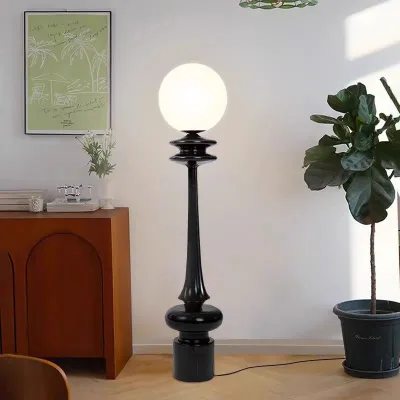
$84.77 - $86.60
MOQ: 2 pieces


Jiangmen Hengzhi Lighting Co., Ltd.
- Verified by TUVRHEINLAND
- Trading Company
- China Guangdong
- Lead time30 days
- Avg. response≤ 10h
Main productsLighting, Chandelier, Crystal Chandelier, Modern Chandelier, Rh Light, Restoration Hardware Light, Modern Lamp, Indoor Lamp
Main marketsNorth America
Chaozhou Fengxi Jinming Ceramic Lamps Factory
- Verified by Intertek
- Manufacturer, Trading Company
- Lead time55 days
Main productsTable Lamp, Vase, Decoration Item, Candle Holder, Ceiling Lamp
Main marketsWestern Europe(65%), North America(15%), Mid East(10%)

- Verified by SGS
- Trading Company
- China Zhejiang
- Lead time15 days
- Avg. response≤ 5h
Main productsSilicone Lamp, Projection Lamp, Plant Growth Lamp, Ceiling Lamp, Chandelier, Flashlight, Ambient Light, Table Lamp, Floor Lamp, Novelty Luminaire
Main marketsSoutheast Asia/ Mideast
Changsha DLSC Technology Co.,LTD
- Manufacturer, Trading Company
- Hunan, China
- Lead time7 days
- Avg. response≤ 8h
Main productsLed pendant lamp,led chandelier lamp,Led wall lamp,led floor lamp,led table lamp
Main marketsWestern Europe(35.00%), Eastern Europe(20.00%), North America(20.00%), Northern Europe(10.00%), Mid East(5.00%), Southern Europe(2.00%), Domestic Market(1.00%), South Asia(1.00%), Oceania(1.00%), Southeast Asia(1.00%), Central America(1.00%), South America(1.00%), Eastern Asia(1.00%), Africa(1.00%)












Comprehensive Sourcing Guide
Adjustable Ceramic Standing Floor Lamp Supplier Concentration and Factory Types
The current supplier landscape for adjustable ceramic standing floor lamps reveals a distinct concentration of manufacturing and trading entities within China, specifically in the Guangdong region. This geographic clustering is significant because it indicates a mature supply chain ecosystem where raw material sourcing, ceramic glazing expertise, and metal assembly capabilities are co-located. Buyers evaluating suppliers should recognize that this concentration often correlates with established industrial clusters that have developed specialized infrastructure for lighting products. The presence of both trading companies and manufacturer/factories in the results suggests a tiered supply chain structure. Trading companies may offer broader product assortments and streamlined communication for international buyers, while factories provide direct access to production lines and potentially more flexible customization options for ceramic bases. Understanding this dynamic is crucial for determining whether a buyer prioritizes product variety and service convenience or direct manufacturing control and cost efficiency. The data indicates that suppliers in this region are equipped to handle both OEM and ODM requests, allowing for significant customization of the ceramic components, such as glaze color, texture, and base shape, to meet specific design requirements.
When assessing the types of suppliers available, it is essential to distinguish between pure trading entities and those with actual manufacturing capabilities. The observed results include suppliers identified as Manufacturer/Factory, which implies direct control over the production process, including the firing of ceramic bases and the assembly of the adjustable lamp mechanisms. This distinction impacts quality control, lead times, and the ability to resolve production issues quickly. Suppliers with factory status are often better positioned to offer lower minimum order quantities for customized ceramic designs, as they can adjust production schedules more nimbly than trading companies that may rely on third-party workshops. Additionally, the presence of BSCI certification among some suppliers indicates a commitment to social compliance, which is increasingly important for buyers in regulated markets. This certification suggests that the factories adhere to specific labor and ethical standards, reducing reputational risk for the buyer. Buyers should verify whether the supplier’s stated factory status is supported by on-site verification badges, such as BV, which provide an additional layer of confidence regarding the authenticity of the manufacturing claims.
How to Verify Adjustable Ceramic Standing Floor Lamp Suppliers
Verification of suppliers for adjustable ceramic standing floor lamps requires a multi-layered approach that goes beyond basic profile reviews. The first step is to examine the verification badges displayed on supplier profiles, such as BV verification, which indicates that a third-party inspection agency has validated the supplier’s business legitimacy and operational capabilities. This verification is a critical trust signal, especially when dealing with international transactions where physical inspection is not immediately feasible. Buyers should prioritize suppliers who have undergone such rigorous third-party checks, as these entities have demonstrated transparency and compliance with basic business standards. Additionally, the presence of system certifications like BSCI, TS 16949, and ISO 9001 provides further evidence of a supplier’s commitment to quality management and social responsibility. These certifications are not merely decorative; they represent structured processes that ensure consistent product quality and ethical labor practices. Buyers should request copies of these certificates and verify their validity through the issuing bodies to ensure they are current and applicable to the specific products being sourced.
Beyond certifications, buyers must scrutinize the product evidence provided by suppliers to assess their technical competence and attention to detail. The product listings for adjustable ceramic standing floor lamps often include detailed specifications such as certification marks (GS, CCC, VDE, CE, RoHS), material compositions, and light source types. Buyers should cross-reference these claims with independent test reports to ensure compliance with safety standards in their target markets. For instance, the presence of CE and RoHS certifications indicates adherence to European safety and environmental regulations, which is vital for exporters to the EU. Furthermore, buyers should evaluate the supplier’s response time, as indicated by metrics like 7.77 or 10.07, which reflect their operational efficiency and customer service readiness. A faster response time often correlates with better communication and quicker problem resolution during the sourcing process. Buyers should also look for evidence of customization capabilities, such as available OEM/ODM services, which indicate the supplier’s flexibility in adapting products to specific buyer requirements. This comprehensive verification process helps mitigate risks and ensures that the selected supplier is both reliable and capable of meeting the buyer’s specific needs.
What to Compare Across Adjustable Ceramic Standing Floor Lamp Suppliers
When comparing suppliers for adjustable ceramic standing floor lamps, buyers should focus on key operational metrics that directly impact cost, quality, and delivery. One of the most critical factors is the minimum order quantity (MOQ), which varies significantly across suppliers. For example, some suppliers may have an MOQ of 100 units, while others might require 300 or even allow orders as low as 1 unit for certain models. This variation allows buyers to align their orders with their inventory needs and financial constraints. Additionally, the price range for these products can differ based on materials, design complexity, and customization options. Buyers should compare the price ranges, such as $9.90 to $12.90 or $35.00 to $45.00, to understand the market positioning of each supplier. It is important to note that lower prices may correlate with lower quality materials or less rigorous quality control, so buyers should balance cost with other factors like certification and verification status. Lead times are another crucial comparison point, with some suppliers indicating a lead time of 30 days, which is typical for customized orders, while others may have shorter lead times for standard products.
Response time is another vital metric for evaluating supplier efficiency and communication quality. Suppliers with faster response times, such as 7.77 compared to 10.07, may offer better support throughout the sourcing process, from initial inquiry to post-sale service. This efficiency can be particularly valuable when dealing with complex customization requests or urgent orders. Buyers should also compare the main products offered by each supplier to ensure they align with their specific needs. Some suppliers may specialize in a wide range of lighting products, including table lamps, wall lamps, and chandeliers, while others may focus more narrowly on floor lamps. This specialization can indicate a deeper expertise in certain product categories. Additionally, buyers should consider the supplier’s ability to provide customization, such as custom ceramic glazes or adjustable mechanisms, which can add value to the final product. By systematically comparing these operational metrics, buyers can identify suppliers that offer the best balance of cost, quality, and service for their Adjustable Ceramic Standing Floor Lamp sourcing needs.
Common Adjustable Ceramic Standing Floor Lamp Sourcing Risks
Sourcing adjustable ceramic standing floor lamps involves several inherent risks that buyers must proactively manage to ensure a successful procurement process. One significant risk is the potential for quality inconsistencies in the ceramic bases, which are prone to defects such as cracking, glaze imperfections, or structural weaknesses during firing. These defects can lead to product failures in the field, resulting in returns, refunds, and reputational damage. Buyers should mitigate this risk by requesting detailed quality control reports and, if possible, conducting pre-shipment inspections to verify the integrity of the ceramic components. Another risk is the misalignment of customization expectations, particularly regarding the adjustable mechanisms and light sources. Suppliers may claim flexibility in design, but actual implementation can vary, leading to discrepancies between the prototype and the final production run. To address this, buyers should invest in detailed technical specifications and prototypes before committing to large orders, ensuring that all parties have a clear understanding of the product requirements.
Logistical risks are also prevalent in the sourcing of heavy and fragile items like ceramic floor lamps. Damage during transit can occur due to inadequate packaging or rough handling, leading to increased costs and delays. Buyers should verify that suppliers use robust packaging methods, such as foam and brown box combinations, to protect the products during shipping. Additionally, there is a risk of supply chain disruptions, particularly if suppliers rely on single-source materials or have limited production capacity. Buyers should assess the supplier’s production capacity and supply chain resilience to ensure they can meet demand during peak seasons or unexpected disruptions. Furthermore, regulatory risks associated with product certifications cannot be overlooked. Suppliers may claim compliance with standards like CE or RoHS, but these claims must be verified through independent testing to avoid legal issues in target markets. By identifying and addressing these risks early in the sourcing process, buyers can minimize potential losses and ensure a smoother procurement experience for their adjustable ceramic standing floor lamps.
Adjustable Ceramic Standing Floor Lamp Regional Sourcing and Logistics
Regional sourcing plays a pivotal role in the logistics and cost structure of adjustable ceramic standing floor lamps, with China, particularly the Guangdong region, emerging as a dominant hub for these products. This concentration of suppliers in Guangdong is driven by the region’s advanced manufacturing infrastructure, skilled labor force, and proximity to major ports, which facilitate efficient export operations. Buyers sourcing from this region can benefit from shorter lead times and lower shipping costs due to the established logistics networks. However, buyers must also consider the environmental and regulatory landscape of the region, which can impact production schedules and compliance requirements. For instance, environmental regulations in Guangdong may affect the availability of certain raw materials or the operation of ceramic firing facilities, potentially leading to delays. Buyers should work closely with their suppliers to stay informed about any regulatory changes that could impact production and ensure that their supply chain remains resilient.
Logistics planning for adjustable ceramic standing floor lamps requires careful attention to packaging and shipping methods to minimize damage and ensure timely delivery. Given the fragile nature of ceramic components and the size of floor lamps, buyers should prioritize suppliers who use high-quality packaging materials, such as PE foam and paper cartons, to protect the products during transit. Additionally, buyers should consider the shipping volume and weight of the products, as these factors influence freight costs and container utilization. Consolidating shipments from multiple suppliers or products can help optimize logistics costs and reduce the carbon footprint of the supply chain. Buyers should also evaluate the supplier’s experience with international shipping and their ability to handle customs clearance and documentation. Suppliers with a strong track record in exporting to the buyer’s target market can provide valuable insights and support, ensuring a smooth and efficient logistics process. By leveraging the regional advantages of Guangdong and implementing robust logistics strategies, buyers can enhance the efficiency and reliability of their Adjustable Ceramic Standing Floor Lamp sourcing operations.
Adjustable Ceramic Standing Floor Lamp Commercial Terms and Order Planning
Commercial terms and order planning are critical components of a successful sourcing strategy for adjustable ceramic standing floor lamps, requiring careful negotiation and strategic foresight. Buyers should prioritize understanding the payment terms offered by suppliers, such as escrow services or letter of credit options, which provide financial security and mitigate the risk of non-delivery or non-payment. Escrow services, in particular, offer a secure transaction mechanism where funds are held until the buyer confirms receipt and satisfaction with the products. This is especially important for first-time buyers or those sourcing from new suppliers. Additionally, buyers should negotiate clear delivery terms, including Incoterms, to define the responsibilities of each party regarding shipping, insurance, and customs clearance. Understanding these terms helps avoid unexpected costs and ensures that the buyer has control over the logistics process. Buyers should also consider the impact of order volume on pricing and lead times, as larger orders may qualify for discounts but could also extend production schedules.
Order planning for adjustable ceramic standing floor lamps involves forecasting demand, managing inventory levels, and coordinating with suppliers to ensure timely delivery. Buyers should develop a comprehensive sourcing plan that aligns with their sales projections and marketing campaigns, allowing for adequate lead time for production and shipping. It is essential to maintain open communication with suppliers to stay informed about production progress and any potential delays. Buyers should also establish contingency plans for supply chain disruptions, such as having backup suppliers or maintaining safety stock of critical components. Additionally, buyers should consider the lifecycle of the products, including potential updates or discontinuations, to avoid over
FAQs
What MOQs apply to adjustable ceramic standing floor lamps from Chinese suppliers?
Many manufacturers list minimum order quantities between 100 and 300 pieces per model, and at least one supplier offers single-piece trial orders for premium designs. Lower MOQs usually come with higher unit prices, so confirm the exact figure per model, including any surcharge for mixed colors or finishes, before confirming a purchase order.
How long is the typical production lead time?
Listed lead times range from stock-ready dispatch to about 30 days for made-to-order production. Ceramic bodies add firing time that can extend schedules, so ask suppliers for a written timeline covering tooling, sample approval, firing, assembly, and packing. Confirm whether the quoted lead time starts from order confirmation or from deposit receipt.
Which certifications should I verify before importing these lamps?
Products in this category commonly carry GS, CE, VDE, CCC, and RoHS marks, and some factories hold BSCI or ISO 9001 system certification. Verify that certificates apply to the exact model you are buying, not just the factory. Request recent test reports from accredited labs and confirm certification scope covers your destination market's voltage and plug requirements.
Can suppliers customize the ceramic shade, height, and finish?
Yes, customization is widely offered, with many factories supporting OEM and ODM development. Buyers typically adjust ceramic glaze color, lamp height, switch type, and fabric or drum shades. Expect extra sampling time and tooling costs for fully bespoke designs, and request a pre-production sample so glaze tone and adjustable hardware can be approved before mass production begins.
What price range should buyers expect per unit?
Published price ranges span roughly 9.90 to 100 US dollars per unit depending on design complexity, materials, and light source. Simple metal-and-ceramic models sit at the lower end, while marble-based LED designs reach the higher end. Always request a formal quotation tied to your quantity, packing method, and destination port to get an accurate landed cost.
Where are these floor lamp suppliers located?
The suppliers represented on this page are concentrated in Guangdong, China, a major lighting manufacturing hub with access to ceramic workshops and component vendors. Sourcing from this region simplifies consolidating lamps with table, wall, and chandelier products from the same factory. Confirm the specific factory address and audit options before committing to large orders.
Do these lamps ship with bulbs included?
It varies by model, so check the listing carefully. Some products are listed as without light source, while others include energy-saving or LED bulbs and operate at 110-240V. If bulbs are excluded, confirm the recommended bulb base, such as E26 medium, and maximum wattage per socket so your retail packaging can specify compatible replacements.
How quickly do suppliers typically respond to inquiries?
Average response times for suppliers on this page are roughly 8 to 10 hours, so expect replies within one business day for most time zones. For faster turnaround, send a complete inquiry listing model numbers, target quantities, customization needs, and destination market. Detailed briefs reduce back-and-forth and help suppliers quote accurately on the first reply.