Adjustable Automatic Micropipette Suppliers and Manufacturers
Explore 30 verified suppliers offering adjustable automatic micropipettes from China. Compare response times, lead times, certifications like ISO and CE, and pricing ranges. Contact suppliers directly to request samples or custom orders; review the available evidence before requesting comparable quotations from suitable candidates.
Suppliers List

SHANGHAI TEAMSTAND CORPORATION
- Verified by BV
- Trading Company
- China Shanghai
- Lead time23 days
- Avg. response≤ 2h
Main productsHypodermic Syringe, Blood Collection Set, Infusion Set, Huber Needle, Breathing Circuit, Prefilled Syringe, Catheter and Tube, Hemodialyser, AV Fistula Needle, Biopsy Needle
Main marketsOthers(foreignTradeCapacity.exportBusinessCapacityMarketOther)


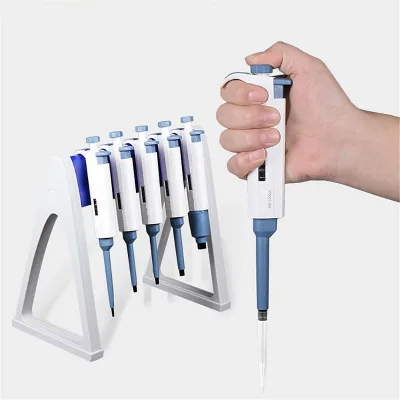
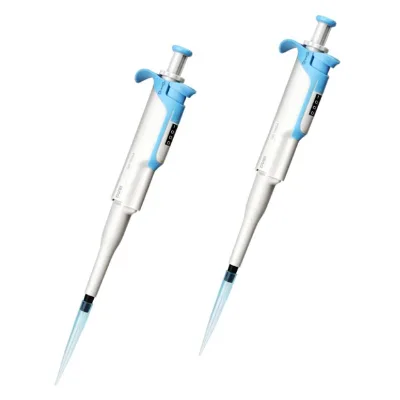
Electronic Digital Automatic Variable Pipette Gun Adjust Volume Micro Pipettes
$19.90 - $29.90
MOQ: 10 Pieces


Micropipette Single Channel Digital Variable Volume Pipette Adjustable Pipette
$6.00 - $20.00
MOQ: 100 Pieces


Chongqing New World Trading Co., Ltd.
- Trading Company
- China Chongqing
- Lead time15 days
- Avg. response≤ 4h
Main productsFlocked Swab, Pipette Filter Tips, Vtm Kits, Blood Collection Tubes, Face Mask, Pipette Tips, Microscope Slides, Centrifuge Tube, Cryotube, Petri Dish
Main marketsSouth America,Africa,Southeast Asia/ Mideast,East Asia(Japan/ South Korea),Europe,Australia,North America


12-Channel Manual Volume Adjustable Pipettor Micropipette for Laboratory
$65.00 - $75.00
MOQ: 20 Pieces


Laboratory Equipment Sterile Single Channel Transferpettor Adjustable Pipette Micropipette
$7.00 - $10.00
MOQ: 50 Pieces

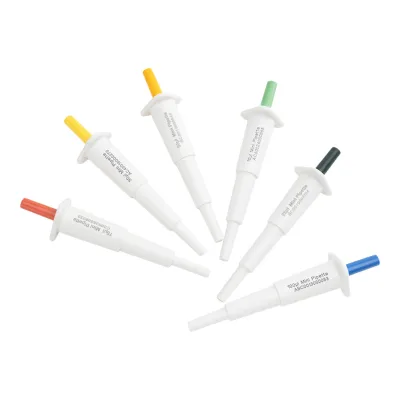
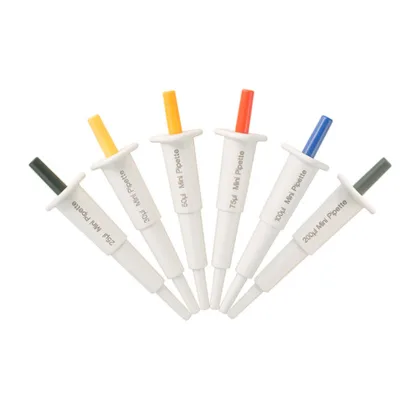
Mini Color Repetitive Micropipette Fixed Volume Pipet Micro Pipet Pipettor Pipette
$1.80 - $2.50
MOQ: 50 Pieces

Manual Fully Autoclavable Micro Fixed Adjustable Pipettors for Accurate Liquid Transfer
$7.00 - $10.00
MOQ: 50 Pieces
Chongqing New World Trading Co., Ltd.
- Verified by SGS Group
- Trading Company
- Lead time30 days
- Avg. response≤ 6h
Main productsBlood Collection Needle, Specimen Collection Swab, Urine Container, Vacuum Blood Collection Tube, Centrifuge Tube
Main marketsSouth Asia(22%), Southeast Asia(20%), Africa(16%)
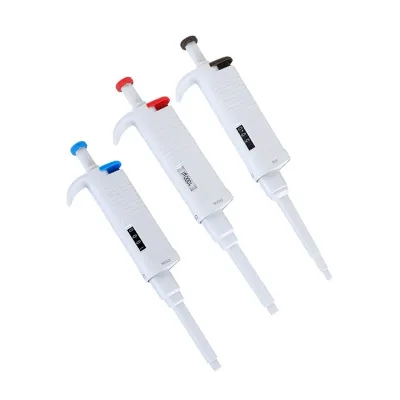
10-100ul Automatic Micropipette
$10.00 - $15.00
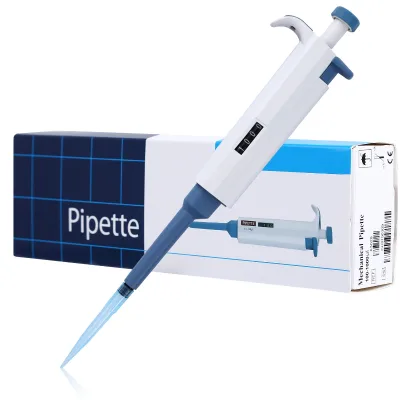
Medical Adjustable Variable Volume Micro Pipette
$8.50 - $11.00

Chongqing New World Trading Co., Ltd.
- Verified by BV
- Trading Company
- China Chongqing
- Lead time15 days
- Avg. response≤ 9h
Main productsVacuum Blood Collection Tubes, Test Tube, Pipette Tip, Urine Container, Microscope Slide, Filter Tip, Swab, Centrifuge Tube, Cryovial Tube, Blood Lancet
Main marketsSouth America,Africa,Southeast Asia/ Mideast,East Asia(Japan/ South Korea),Europe,Australia,North America

Laboratory Auotclavable Automatic Electronic Micropipette Fixed Adjustable Pipette
$12.00 - $13.50
MOQ: 100 Pieces


Lab Automatic Electric Pipette Micropipette Price Electronic Pipette Controller
$49.80 - $71.20
MOQ: 1 Pieces

Plastic Micropipette Pippets Manufacturers Plastic Fixed 10 200UL Pipette
$12.00 - $13.50
MOQ: 100 Pieces

Ningbo Yingmed Medical Instruments Co., Ltd.
- Verified by TUVRHEINLAND
- Trading Company,Manufacturer/Factory
- China Zhejiang
- Lead time23 days
- Avg. response≤ 17h
Main productsSurgical Gloves, Alcohol Pads, Surgical Mask, Syringe, IV Set, Bandage, Urine Bag, Oxygen Mask, Nebulizer Mask, Surgical Suture
Main marketsMid East,Southeast Asia,Western Europe,Africa

50-200UL Auto Pipette Adjustable Volume Pipette Automatic Adjustable Pipettes
$14.99 - $35.99
MOQ: 100 Pieces


Autoclavable Pipette (Adjustable and Fixed Volume) /Electronic Pipette
$14.99 - $35.99
MOQ: 100 Pieces
- Trading Company
- Shandong, China
- Lead time30 days
- Avg. response≤ 1h
Main productsbattery equipment,battery material,battery machine,lithium battery,Battery production line
Main marketsNorth America(30.00%), Northern Europe(15.00%), Mid East(9.00%), South America(8.00%), Eastern Europe(8.00%), South Asia(7.00%), Eastern Asia(6.00%), Southeast Asia(5.00%), Southern Europe(4.00%), Oceania(3.00%), Africa(3.00%), Western Europe(2.00%)
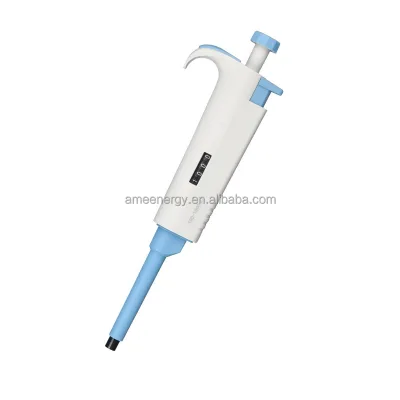
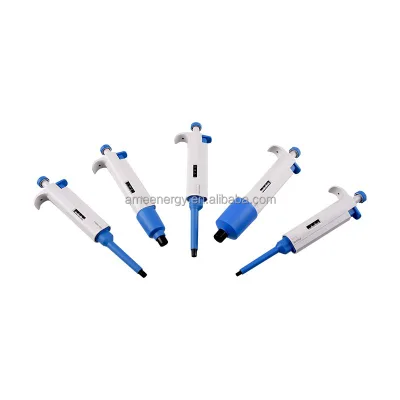
Automatic Micropette Plus Adjustable Volume Fixed Pipette
$40.00 - $50.00
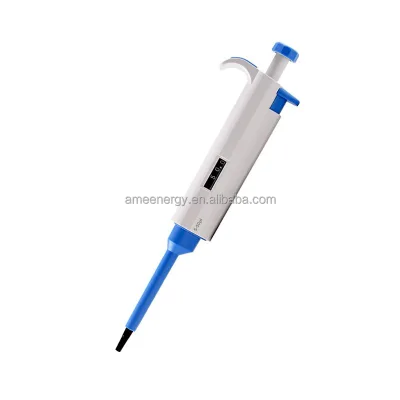
Autoclavable Adjustable Micropipette/Micropette Plus
$47.00 - $70.00
Qingdao Hiprove Medical Technologies Co., Ltd.
- Verified by TüVRheinland
- Trading Company
- Lead time15 days
- Avg. response≤ 3h
Main productsMedical Dressing And Bandage, Injection And Infusion Products, Breathing And Anaesthesia, Medical Protection Products, Laboratory Products
Main marketsAfrica(20%), Mid East(20%), South America(10%)
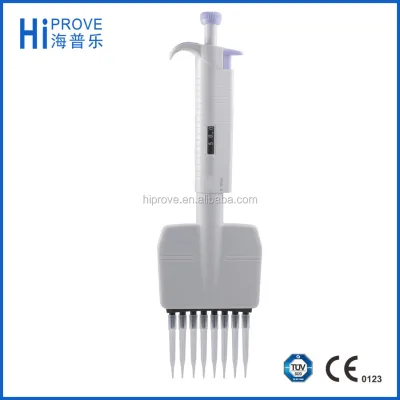
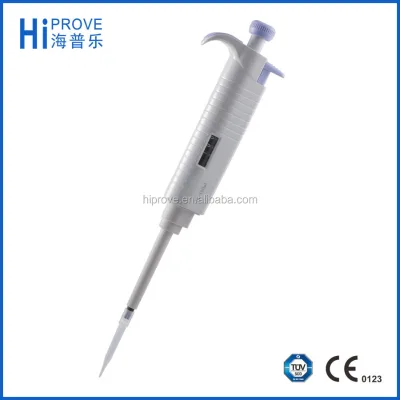
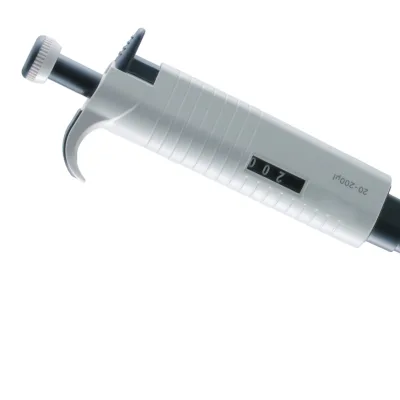
Dragon Lab Single Channel Variable Micropipette with Best Price(Adjustable and Fixed Volume)
$15.23 - $23.35
MOQ: 10 pieces

Qingdao Hiprove Medical Technologies Co., Ltd.
- Trading Company,Manufacturer/Factory,Group Corporation
- China Shandong
- Lead time15 days
- Avg. response≤ 14h
Main productsAlcohol Swabs, Blood Mixer, Blood Collection Tube, Infusion Sets, Syringe, Blood Transfusion Sets, Bandage, Infusion Pump, Gauze Rolls, Bottle Preforms
Main marketsSouth America,Eastern Europe,Mid East,North America,Southeast Asia,Eastern Asia,Oceania,Western Europe,Africa


Micropette Plus Mechanical Adjustable and Fixed Volume Pipette with Fully Autoclavable
$19.00 - $120.00
MOQ: 1 Pieces

Hunan BKMAM International Trade Co., Ltd.
- Trading Company,Manufacturer/Factory
- China Hunan
- Lead time15 days
- Avg. response≤ 6h
Main productsSterile Sampling Bag, Centrifuge Tube, Laboratory Glassware, Petri Dishes, Serologial Pipette, Glass Cuvette, Biohazard Bag, Culture Medium, Laboratory Instruments, Whirl Pack Bag
Main marketsSouth America,Eastern Europe,Mid East,North America,Southeast Asia,Eastern Asia,Oceania,Western Europe,Africa
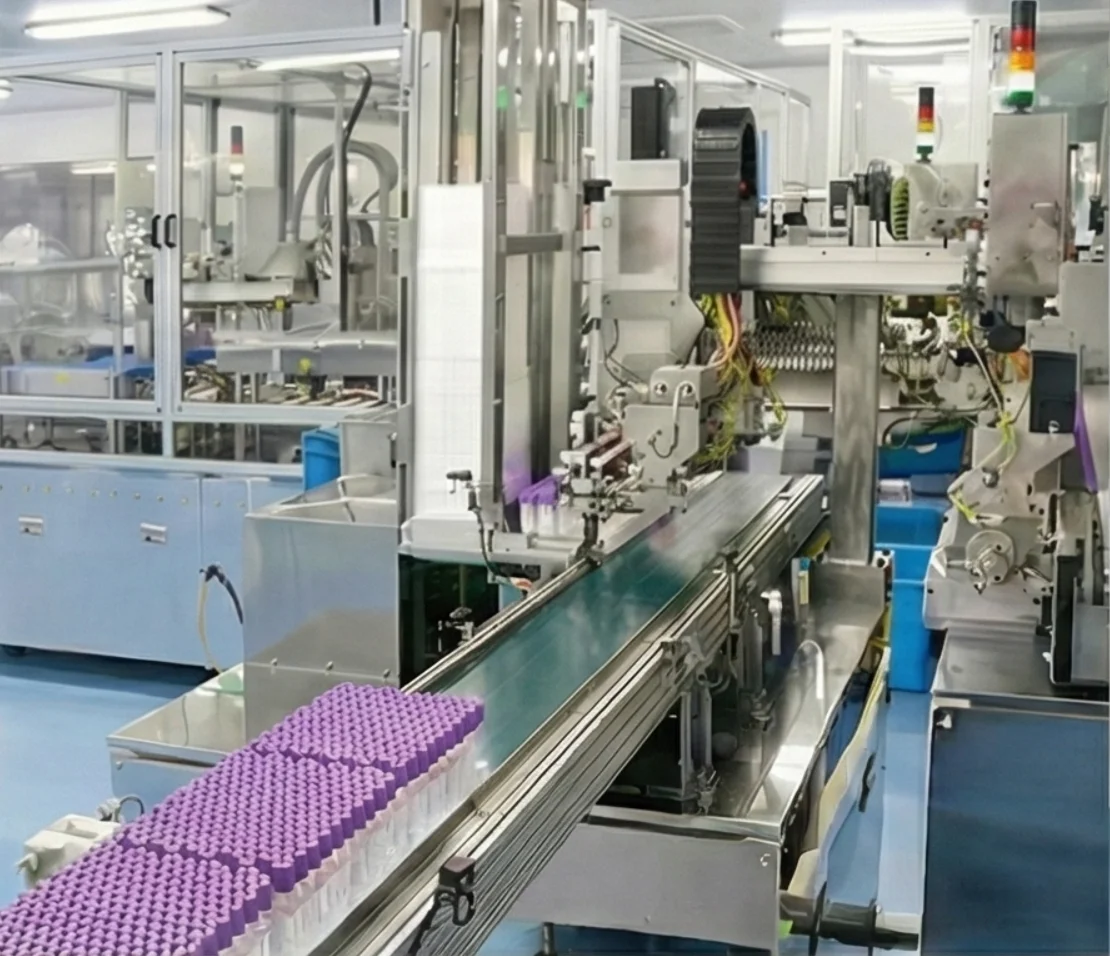
Jhtmed Medical Technology Co., Ltd.
- Trading Company
- Shanghai, China
- Lead time0 days
- Avg. response≤ 9h
Main productsPRP Collection tube,Blood Collection tube,Laboratory Consumables,Environmental& MicrobiologySampling Consumables,virus sampling collector
Main marketsSouthern Europe(10.00%), Northern Europe(10.00%), Western Europe(10.00%), Eastern Europe(10.00%), Eastern Asia(10.00%), Mid East(10.00%), Domestic Market(5.00%), South Asia(5.00%), Oceania(5.00%), Africa(5.00%), Central America(5.00%), Southeast Asia(5.00%), South America(5.00%), North America(5.00%)
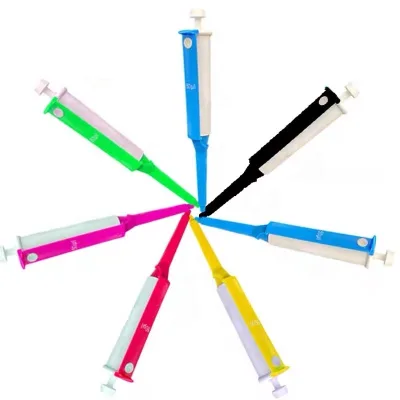
Lab Fixed Micro Mini Pipettes Micropipette Adjustable Volume Pipet Pipettor
$0.09 - $0.10
MOQ: 1000 pieces
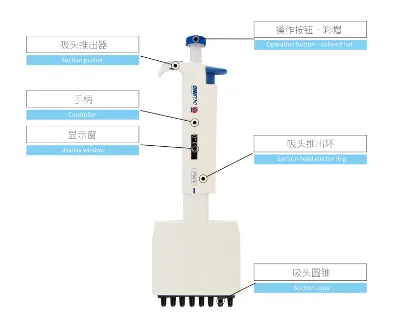
$103.09 - $104.13
MOQ: 100 meters

Zhejiang Top Cloud-Agri Technology Co., Ltd.
- China Zhejiang
- Lead time0 days
- Avg. response≤ 5h
Main productsSoil Nutrient Analyzer, Seed Tester Meter, Chlorophyll Meter, Leaf Area Meter, Fat Analyzer, Fruit Hardness Tester, Incubator, Grain Testing Meter Tester, Plant Physical Tester, Flour and Oil Testing Instrument
Cedrec Scientific Instruments (shandong) Co., Ltd.
- Manufacturer, Trading Company
- Shandong, China
- Lead time0 days
- Avg. response≤ 1h
Main productsDisinfection And Sterilization, Air Protection, Cold Chain, Laboratory Products, Incubator, Cold Chain
Main marketsMid East(15.00%), Southern Europe(15.00%), Western Europe(15.00%), Eastern Europe(15.00%), South Asia(12.00%), Southeast Asia(12.00%), Northern Europe(8.00%), Africa(8.00%)

- Trading Company,Manufacturer/Factory
- China Shandong
- Lead time0 days
- Avg. response≤ 6h
Main productsTourniquet, Nonwoven Consumables, Surgical Suture, Bandage, Ostomy Bag, Urine Bag, Cotton Wool Roll, Blood Lancet, Lab Consumable
Cedrec Scientific Instruments (Shandong) Co., Ltd.
- Verified by CTI
- Trading Company
- China Shandong
- Lead time23 days
- Avg. response≤ 6h
Main productsSterilizer, Biosafety Cabinet, Laboratory Refrigerator, Thermal Cycler, Incubator, Oven, Water Purifier, Laboratory Furniture, Autoclave, Fume Hood
Main marketsEast Asia(Japan/ South Korea),North America

Adjustable Volume Multi 8 and 12 Channel Multichannel Micropipettes Pipette
$100.00 - $150.00
MOQ: 1 Pieces


- Verified by CTI
- Trading Company
- China Zhejiang
- Lead time30 days
- Avg. response≤ 6h
Main productsPipette Tip, Nasal Swab, Oral Swab, PCR Plate, Cryo Vial, Face Mask, Virus Transport Medium, Centrifuge Tube, Robotic Tip, PCR Tube
Main marketsEurope

Single Channel 5-50UL Automatic Adjustable Micropipette with Adjustable Volume
$10.00 - $12.00
MOQ: 1 Pieces


Prosperity Biotech (shandong) Co., Ltd.
- Verified by SGS Group
- Trading Company
- Lead time20 days
- Avg. response≤ 2h
Main productsIncubator, Oven, Centrifuge, Autoclave, Fume Hood
Main marketsSouth America(15%), Eastern Europe(12%), North America(10%)
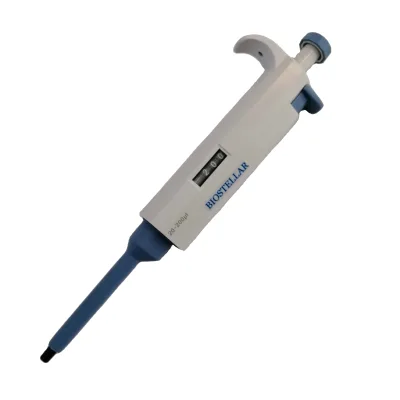
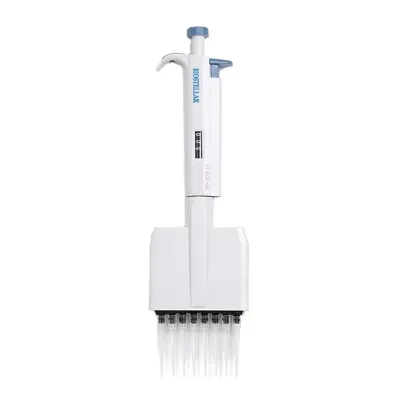
PIPETTE Micropipette Liquid Handle Half Autoclavable Adjustable Micro Pipette on Sale
$5.80 - $7.00
MOQ: 5 units

Taizhou Goddess Playingcards Co., Ltd.
- Verified by CTI
- Combined
- China Jiangsu
- Lead time30 days
- Avg. response≤ 11h
Main productsPlaying Card, Playing Cards, Plastic Playingcards, Jumbo Playingcards, Giant Playingcards, Tarot, Skat, Jeu De Cartes, Paper Playing Card, OEM Playing Card
Main marketsEast Asia(Japan/ South Korea),Domestic,Europe,North America

Lab Digital Pipette Volume Adjustable Micropipette Autoclavable Manufacturer
$7.00 - $10.00
MOQ: 1 Pieces


Faithful lnstrument (Hebei) Co., Ltd.
- Verified by BV
- Combined
- China Hebei
- Lead time15 days
- Avg. response≤ 7h
Main productsIncubator, Magnetic Stirrer, Drying Oven, Heating Mantle, Water Bath, Laminar Flow Cabinet, Stainless Steel Water Still, Disintegrator, Furnace, Vortex Mixer
Main marketsSouth America,Africa,Southeast Asia/ Mideast,Europe,Australia,North America

Zhejiang Liquan Biotechnology Co., Ltd.
- Verified by BV
- Manufacturer/Factory
- China Zhejiang
- Lead time23 days
- Avg. response≤ 11h
Main productsSerological Pipette, Pipette, Pipette Tip, Centrifuge Tube, PCR Plate, Petri Dish, Filter Tip, Blood Collection Tube, Medical Device, Test Tube
Main marketsEastern Europe,North America,Western Europe

Multi-Volume Variable Adjustable Volume Pipette Repetitive Micropipette Pipettor
$22.65 - $23.65
MOQ: 5 Pieces

Lab Supplies Medical Mechanical Single-Channel Adjustable Volume Micro Pipettor Micropipette Pipette
$22.65 - $23.65
MOQ: 5 Pieces


Micropipette Adjustable Volume Pipettor with Autoclavable Lower Portion Universal Tip
$5.90 - $6.80
MOQ: 50 Pieces
- Trading Company
- Zhejiang, China
- Lead time3 days
- Avg. response≤ 7h
Main productspipette tip,beckman tip,rainin lts tip,hamilton tip,tecan tip
Main marketsNorth America(50.00%), Mid East(30.00%), Southeast Asia(20.00%)

Shanghai Haiker Environmental Protection Equipment Co., Ltd
- Verified by SGS
- Trading Company
- China Shanghai
- Lead time15 days
- Avg. response≤ 4h
Main productsLaboratory Fume Hood, Colony Counter, Quanti-Tray System, Ultrapure Water Systems
Main marketsOthers(foreignTradeCapacity.exportBusinessCapacityMarketOther),Europe


Best-Selling Coloured Adjustable Pipette-Five Fixed Volume Micropipette Used in Laboratory
$9.43 - $11.79
MOQ: 1 pieces

Guangzhou Med Equipment Limited
- Combined
- China Guangdong
- Lead time15 days
- Avg. response≤ 4h
Main productsMedical Equipment, Lab Equipment, Hospital Bed, Hospital Equipment, Autoclave, Operation Table, X-ray Machine, Endoscope, Refractometer, Dental Chair
Main marketsDomestic

Beijing Zetron Technology Co., Ltd
- Verified by SGS
- Trading Company
- China Beijing
- Lead time15 days
- Avg. response≤ 6h
Main productsGas Detector, Gas Analyzer, Gas Alarm, Air Monitor, Air Analyzer, Dust Monitor, Gas Leakage Detector, Particle Counter, Methane Detector, Aerosol Photometer
Main marketsOthers(foreignTradeCapacity.exportBusinessCapacityMarketOther),Southeast Asia/ Mideast

Micro Qpette Adjustable 8-Channel Plastic Manual Micropipette with Pipette Tips for Laboratory Use
$35.00 - $40.00
MOQ: 1 Pieces

Micro Qpette Adjustable 12-Channel Plastic Manual Micropipette with Pipette Tips for Laboratory Use
$200.00 - $210.00
MOQ: 1 Pieces

Adjustable 8-Channel Plastic Manual Micropipette with Pipette Tips for Laboratory Use
$200.00 - $210.00
MOQ: 1 Pieces


Micropette Plus Autoclavable 5UL to 5ml Single-Channel Fixed Volume Mechanical Pipette
$20.00 - $24.50
MOQ: 1 Pieces
Jiangxi Aiyi Hi-Tech Co., Ltd.
- Verified by Intertek
- Trading Company
- Lead time15 days
- Avg. response≤ 1h
Main productsLaboratory Furniture, Chromatograph, Spectrometer
Main marketsEastern Europe(15%), Western Europe(15%), Mid East(10%)

TRYTE TECHNOLOGY (H.K.) LIMITED
- Trading Company
- China Hunan
- Lead time0 days
- Avg. response≤ 16h
Main productsLab Equipment, Lab Instrument, Testing Machine, Analyzer Instrument, Coal Testing Instrument, Oil Testing Instrument, Petroleum Testing Instrument, Bomb Calorimeter, Medical Equipment, PCB Board Related Equipment

Electronic Pipette-Electronic Micropipette-Auto Electronic Micropipette-Micropipette-Pipette
$1.00 - $100.00
MOQ: 1 Pieces

Zhejiang Top Cloud-Agri Technology Co., Ltd.
- Verified by Intertek
- Manufacturer, Trading Company
- Lead time5 days
- Avg. response≤ 4h
Main productsAgriculture Testing Instrument, Laboratory Equipment, Smart Fertilizer Machine, Water Quality And Environmental Monitoring Equipment, Genetic And Biotechnology Equipment
Main marketsDomestic Market(80%), Southeast Asia(16%), Eastern Europe(1%)

- Trading Company
- China Shandong
- Lead time15 days
- Avg. response≤ 3h
Main productsComplete Biobanking Solutions, General Laboratory Supplies, Laboratory Instruments, Pipet Tips, Celll Culture Products, PCR Products, Microbiology Products, Centrifuge Tube, Filter Tips, Petri Dishes
Main marketsSouth America,Africa,Southeast Asia/ Mideast,East Asia(Japan/ South Korea),Domestic,Europe,Australia,North America

ZHENGZHOU LABONE INSTRUMENT CO., LTD.
- Verified by TUVRHEINLAND
- Trading Company
- China Henan
- Lead time15 days
- Avg. response≤ 1h
Main productsLaboratory Equipment, Lab Instrument, Lab Device, Lab Centrifuge, Microscope, Water Quality Tester, Spray Dryer, Freeze Dryer, Glass Reactor, Rotary Evaporator
Main marketsAfrica,Southeast Asia/ Mideast,Australia,North America

Single Channel Adjustable Volume Micropette Plus Fully Autoclavable Mechanical Pipette
$18.76 - $35.00
MOQ: 1 Sets

Digital Handheld 12 Channles Micropette Plus 121º C Fully Autoclavable Mechanical Pipette
$112.90 - $210.00
MOQ: 1 Sets
GUANGZHOU GLORIA LIFE SCIENCES CO., LTD.
- Verified by TUVRHEINLAND
- Trading Company
- China Guangdong
- Lead time30 days
- Avg. response≤ 2h
Main productslaboratory centrifuge
Main marketsDomestic

Zhejiang Zegota Precision Technology Co., Ltd.
- Verified by SGS
- Trading Company
- China Zhejiang
- Lead time15 days
- Avg. response≤ 2h
Main productsBiochips, Glass Vials, Chitosan, Profiled/Shaped Wire, Clad Wire, Feeder, 3D Printing Services, Medical Supplies, Dressing, Rubber Stopper
Main marketsSouth America,East Asia(Japan/ South Korea),Australia,North America

Ergonomic Single-Channel Pipette Fully Autoclavable Liquid Handling Micropipette
$69.90
MOQ: 10000 Pieces

12-Channel Toppette Style Micropipette with Partially Autoclavable Lower Part
$69.90
MOQ: 10000 Pieces


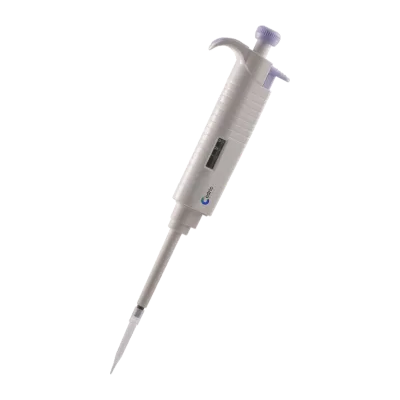
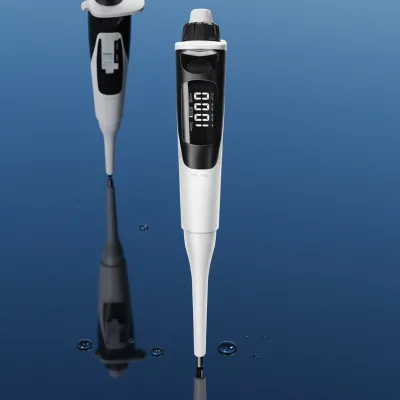


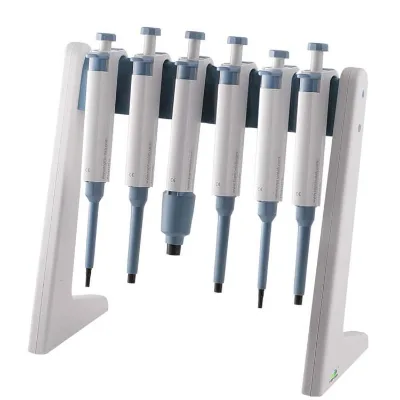
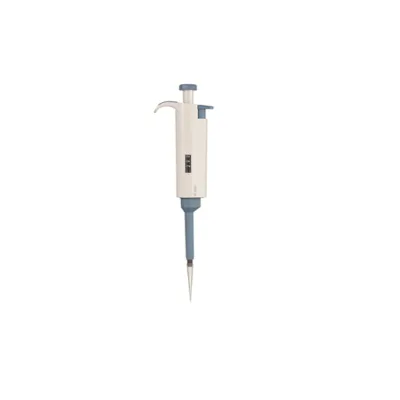




Comprehensive Sourcing Guide
Adjustable Automatic Micropipette Supplier Concentration and Factory Types
Current data indicates a concentration of suppliers in China, specifically within Shanghai and Chongqing, where trading companies and manufacturers operate. These regions host entities offering diverse product lines that include hypodermic syringes, blood collection sets, and various pipette types alongside other laboratory consumables. The presence of trading companies suggests a supply chain structure where intermediaries may aggregate goods from multiple factories, potentially affecting direct factory pricing and customization flexibility. Buyers must distinguish between pure manufacturers and trading entities by examining the company type field, as this influences the depth of technical support and the ability to modify production lines for specific volume requirements.
When evaluating factory types, the distinction between a trading company and a direct manufacturer is critical for long-term sourcing stability. Trading companies often provide broader catalogs, such as those including flocked swabs, face masks, and centrifuge tubes, which can streamline procurement but may dilute focus on core pipette engineering. Direct factories typically offer more rigorous control over the manufacturing process for items like adjustable volume micropipettes, ensuring consistent calibration and material quality. Buyers should verify if the supplier's main products align closely with the specific technical needs of automatic pipettes, rather than relying on a general laboratory supply portfolio that might indicate a lack of specialized production capacity for high-precision instruments.
How to Verify Adjustable Automatic Micropipette Suppliers
Verification of supplier credibility relies heavily on third-party audit reports and specific certification data provided in the product listings. Many suppliers in the current results display BV verification status, which serves as a baseline indicator of business legitimacy and operational stability. However, buyers must go beyond general verification to inspect specific product certifications such as ISO, CE, and ISO13485, which are explicitly listed for various pipette models. These certifications confirm that the manufacturing processes meet international quality management standards and that the products comply with safety regulations required for medical and laboratory environments. Relying solely on a general "verified" badge without checking the specific product certificates can lead to sourcing non-compliant equipment.
Beyond certifications, the response time and communication speed of a supplier are vital indicators of their operational readiness and customer service quality. Data shows response times varying between 1.86 and 3.58, which reflects the efficiency of the sales team in addressing technical inquiries and order requests. A faster response time often correlates with a more active and organized sales department capable of handling complex customization requests or urgent order changes. Buyers should test this responsiveness during the initial inquiry phase to gauge how quickly the supplier can provide detailed technical specifications, sample availability, and production schedules. Consistent delays in communication may signal underlying logistical issues or a lack of dedicated support staff for international clients.
What to Compare Across Adjustable Automatic Micropipette Suppliers
Comparing suppliers requires a detailed analysis of lead times, minimum order quantities, and pricing structures to ensure alignment with project timelines and budget constraints. Lead times in the observed data range from 15 to 23 days, with some product-specific delivery windows extending to 20-30 days. These variations can significantly impact inventory planning and project deadlines, making it essential to confirm the exact delivery window for the specific model required. Additionally, minimum order quantities vary widely, with some listings showing an MOQ of 2 pieces while others require 100 or even 1000 pieces. Buyers must calculate the total cost of ownership, including the capital tied up in inventory, to determine which supplier offers the most economical terms for their specific order volume.
Pricing and payment terms also differ substantially across the supplier pool, necessitating a careful review of the cost per unit and the flexibility of payment methods. Price ranges for similar products can span from approximately 6.00 to 29.90, influenced by factors such as channel count, automation level, and material composition. Some suppliers offer competitive pricing with flexible payment options like T/T, while others may have stricter terms. Buyers should compare the price against the stated quality attributes, such as "Excellent" quality ratings or specific material compositions like rubber and plastic blends. It is crucial to verify if the quoted price includes packaging and shipping costs, as some listings specify air or sea shipping options that can alter the final landed cost.
Common Adjustable Automatic Micropipette Sourcing Risks
One significant risk in sourcing adjustable automatic micropipettes is the discrepancy between product descriptions and actual manufacturing capabilities, particularly regarding customization and material specifications. Some listings claim customization is available, yet the product attributes may indicate non-disposable or manual power sources that contradict the "automatic" nature of the core keyword. Buyers must scrutinize the power source and customization fields to ensure the product matches the intended application, as a manual pipette cannot be mistaken for an automatic one without causing operational failures. Misalignment in these technical specifications can lead to rejected shipments and delays in laboratory operations, making precise verification of product attributes a critical risk mitigation step.
Another risk involves the variability in certification claims and the potential for non-compliance with specific regional standards. While many products list ISO and CE certifications, some entries include FDA or ISO13485, and others list only generic "Others" or incomplete certification data. Inconsistent or vague certification information can pose regulatory hurdles, especially when importing into markets with strict medical device regulations. Buyers should demand clear, verifiable documentation for every certification claimed, ensuring that the specific model number matches the certificate provided. Relying on general certification statements without model-specific validation can result in customs delays or the inability to use the equipment in regulated environments, highlighting the need for rigorous due diligence on compliance documentation.
Adjustable Automatic Micropipette Regional Sourcing and Logistics
Sourcing from China, specifically Shanghai and Chongqing, offers access to a robust manufacturing ecosystem but requires careful management of logistics and shipping methods. The observed data indicates that products are typically shipped via air, sea, or express services, with packing configurations ranging from single-piece boxes to bulk cartons. Buyers must evaluate the trade-off between shipping speed and cost, as air freight offers faster delivery but at a higher price point, while sea freight is more economical for large volumes but extends the lead time. Understanding the specific shipping terms and packaging standards is essential for calculating the total landed cost and ensuring that the delicate pipette instruments arrive without damage during transit.
Regional logistics also involve navigating the specific infrastructure and capabilities of the sourcing hubs. Shanghai and Chongqing serve as major distribution points, but the efficiency of local logistics can vary based on the supplier's experience with international shipping. Buyers should verify the supplier's history of successful exports and their ability to handle customs documentation accurately. Inconsistent logistics performance can lead to unexpected delays, even if the production lead time is short. Establishing a clear communication channel regarding shipping schedules and tracking information is vital to maintain visibility over the supply chain and to proactively address any potential bottlenecks that could disrupt the delivery of critical laboratory equipment.
Adjustable Automatic Micropipette Commercial Terms and Order Planning
Commercial terms and order planning must be meticulously aligned to avoid financial and operational disruptions, particularly regarding payment methods and sample availability. The data shows that payment terms often include T/T, but the specific conditions and timing can vary between suppliers. Buyers should negotiate clear payment schedules that protect their interests, such as partial payments upon order confirmation and the remainder upon shipment or inspection. Additionally, the availability of samples is a key factor in order planning, with some suppliers offering samples while others do not. Securing a sample before placing a bulk order allows for quality verification and ensures that the product meets the required specifications, reducing the risk of large-scale rejection.
Order planning also requires a strategic approach to managing minimum order quantities and production capacity. With MOQs ranging from 2 to 1000 pieces, buyers must balance the need for inventory against the cost of overstocking. For smaller orders, suppliers with low MOQs are preferable, while larger projects may benefit from negotiating volume discounts with suppliers offering higher capacity. It is essential to confirm the production capacity and lead time reliability before committing to a large order, as delays in production can cascade into broader supply chain issues. By carefully analyzing the commercial terms and aligning them with the project timeline, buyers can optimize their procurement strategy and ensure a steady supply of high-quality adjustable automatic micropipettes.
FAQs
What certifications do adjustable automatic micropipettes have?
Many adjustable automatic micropipettes carry ISO and CE certifications. Some models also include FDA and ISO13485 certificates for medical use. Always verify specific product attributes to ensure compliance with your regional safety standards before purchasing.
What is the typical delivery time for these pipettes?
Delivery times generally range from 15 to 30 days depending on the supplier. Some manufacturers offer fast delivery within 15 to 20 days, while others may require up to 30 days for production and shipping. Check specific product details for accurate timelines.
Are these micropipettes available in single or multi-channel versions?
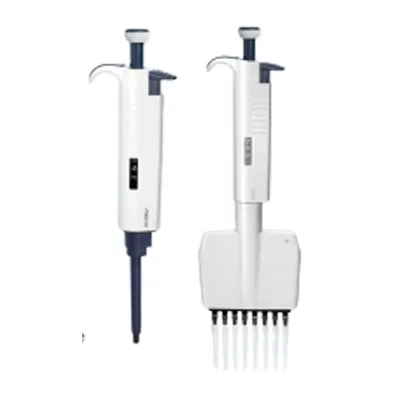
Suppliers offer both single-channel and multi-channel options including 8-channel and 12-channel configurations. You can find models designed for specific volume ranges from 0.1ul to 10000ul. Select the channel count that matches your laboratory workflow requirements.
What is the minimum order quantity for these products?
Minimum order quantities vary significantly by supplier and model. Some listings require as few as 2 pieces, while others mandate 100 or even 1000 pieces. Review the specific product page to confirm the exact MOQ before placing your order.
Where are these micropipettes manufactured?
These products are primarily manufactured in China, with suppliers located in cities like Shanghai and Chongqing. The origin is consistently listed as China for most available models. Verify the specific factory location if regional sourcing is a priority for your business.
Do suppliers offer customization for these pipettes?
Customization is available for many Adjustable Automatic Micropipette models. Buyers can request specific colors, packaging, or branding options. Confirm customization availability and requirements directly with the supplier to ensure your specific needs are met before finalizing the purchase.
What is the price range for these micropipettes?
Prices typically range from 6.00 to 29.90 per unit depending on the model and features. Basic manual versions are often cheaper, while advanced automatic or multi-channel units cost more. Check current listings for the most accurate pricing information.