Adjustable Classic Rose Quartz Bracelet Suppliers and Manufacturers
Source an Adjustable Classic Rose Quartz Bracelet from 27 listed suppliers and compare them on verified status, response time, lead time, MOQ, OEM and ODM capability, and certifications. Shortlist matching suppliers, then request quotes and samples to confirm quality before ordering.
Updated
Suppliers List
Yiwu Zhuofang Jewelry Co., Ltd.
- Manufacturer, Trading Company
- Lead time旺季: "1 - 2000":31,"> 2000":"To be negotiated", 淡季: "1 - 2000":31,"> 2000":"To be negotiated"
- Avg. response≤ 2h
Main productsNecklace , Earring, Rings, Bracelet , Brooch

East Sunrise Jewelry Co., Limited
- Verified by SGS
- Manufacturer/Factory
- China Guangdong
- Lead time23 days
- Avg. response≤ 8h
Main productsPendant, Necklace, Bracelet, Ring, Earring, Carving, Ornament, Loose Bead, Jewelry, Semi-Precious Stones
Main marketsSouth America,Eastern Europe,Mid East,North America,Southeast Asia,Eastern Asia,Oceania,Western Europe,Africa


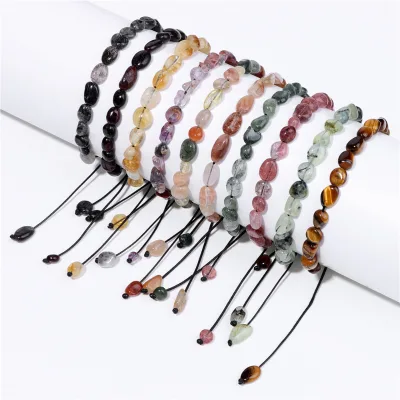
Handwoven Stone Bracelet Irregular Crushed Stone Mixed Bracelet Fashion Bracelet
Negotiable
MOQ: 100 Pieces


Fujian Junqing Trade Co., Ltd.
- Verified by CTI
- Trading Company
- China Fujian
- Lead time15 days
- Avg. response≤ 2h
Main productsDesign Necklace, Design Earring, Design Bracelet Bangle, Design Hair Accessories, Shoes, Bags, Watches, Sunglasses, Home Decoration
Main marketsSoutheast Asia/ Mideast,Europe,North America

Vintage Bohemian Crystal Turquoise Bracelet Natural Stone Metal Adjustable Bracelet
$0.46 - $1.50
MOQ: 20 Pieces

Dongguan Huiying Art&crafts Co., Ltd.
- Manufacturer, Trading Company
- Guangdong, China
- Lead time20 days
- Avg. response≤ 5h
Main productsgifts,crafts,skin care products,face rollers,gua sha massagers
Main marketsWestern Europe(25.00%), North America(25.00%), Northern Europe(10.00%), Oceania(10.00%), Mid East(5.00%), Eastern Europe(5.00%), Central America(5.00%), Southeast Asia(3.00%), Eastern Asia(3.00%), South Asia(2.00%), Southern Europe(2.00%), South America(2.00%), Africa(2.00%), Domestic Market(1.00%)
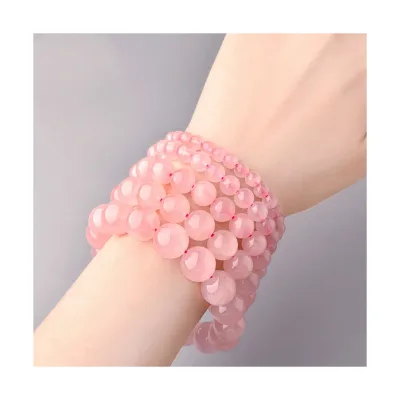
2026 Hot Sale Factory Direct Original Adjustable Pink Beaded Rose Quartz Bracelet
$1.009 - $2.006
MOQ: 100 pieces
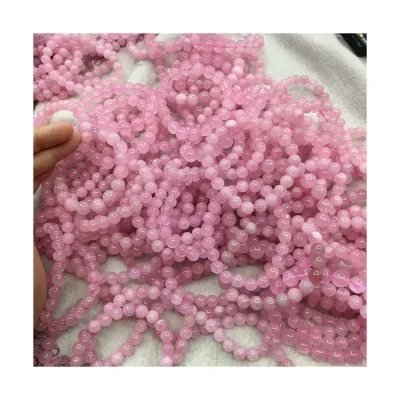
2026 Factory Direct Sales Certified Original Carnelian and Rose Quartz Bracelet
$1.009 - $2.006
MOQ: 100 pieces
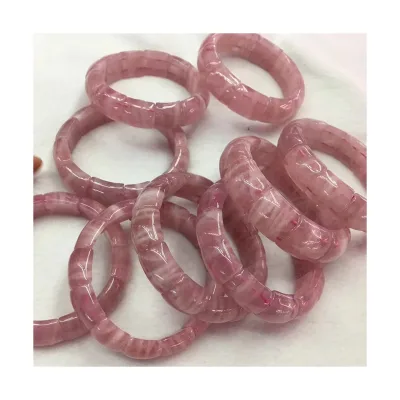
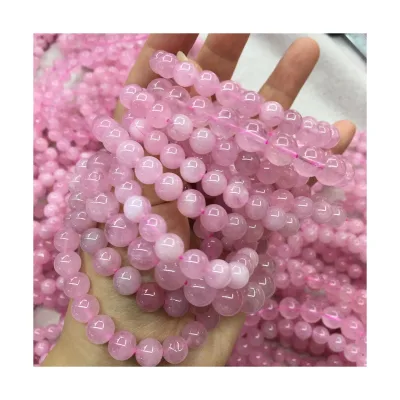
2026 Factory Price Wholesale Original Certified for Men - Perfect Gift Rose Quartz Bracelet
$1.009 - $2.006
MOQ: 100 pieces
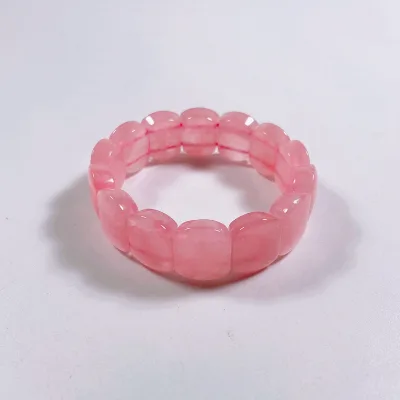
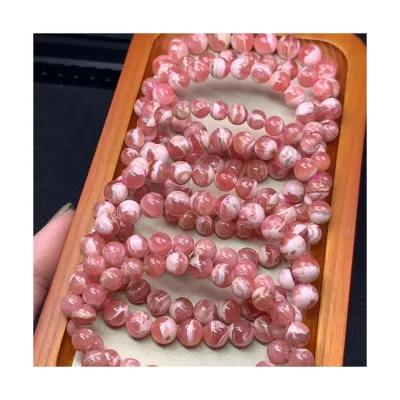
DIY Factory Direct Price Hot Sale Pink Beaded Bracelets Rhodonite Beads Bracelet
$12.00 - $16.00
MOQ: 20

YIWU JINYE IMPORT AND EXPORT CO., LTD
- Verified by SGS
- Trading Company
- China Zhejiang
- Lead time15 days
- Avg. response≤ 25h
Main productsBangle, Wrist Band, Bracelet, Fashion Jewelry
Main marketsNorth America


Fashion Jewelry Tassel Creative Crystal Love Bracelet Vintage Ethnic Style String Bracelet
$1.50 - $1.80
MOQ: 20 Pieces


- Verified by SGS
- Combined
- China Guangdong
- Lead time23 days
- Avg. response≤ 7h
Main marketsOthers(foreignTradeCapacity.exportBusinessCapacityMarketOther),Southeast Asia/ Mideast,East Asia(Japan/ South Korea),Domestic,Europe,Australia,North America

Popular Natural Stone Bracelet High- Quality Hand Polishing 18K Gold Plated Adjustable Bracelet
$1.86 - $3.85
MOQ: 100 Pieces

18K Gold Stainless Steel Wide Square Rhinestone Bracelet Adjustable Jewelry
$3.37 - $3.62
MOQ: 100 pieces


Style Simple Beaded Bracelet Elastic Stacked Bracelet Adjustable Bracelets
$1.25 - $2.15
MOQ: 60 Pieces

Style Pearl Rhinestone Bracelet Gold Color Geometric Design Charm Bracelet Se
$1.13 - $4.00
MOQ: 100 Pieces


Yiwu Ba Yuan Jewelry Co., Ltd.
- Verified by TUVRHEINLAND
- Trading Company,Manufacturer/Factory,Other
- China Zhejiang
- Lead time45 days
- Avg. response≤ 22h
Main productsBridal Jewelry and Hair Accessories, Wedding Jewelry, Tiara and Headpieces, CZ Jewelry, Tiara Crown, Zirconia Jewelry, CZ Necklace, Stretch Bracelet, Hip Hop Jewelry, Fashion Pendant
Main marketsSouth America,Eastern Europe,Mid East,North America,Southeast Asia,Eastern Asia,Oceania,Western Europe,Africa

Jinjiang Jiaxing Supply Management Co., Ltd.
- Verified by TUVRHEINLAND
- Trading Company
- China Fujian
- Lead time30 days
- Avg. response≤ 1h
Main productsEVA Clogs, Flip Flop, Shoe Charms, Shopping Bags, Wristbands, Gifts, Promotional Gifts, Slipper, Sport Cap, Ball
Main marketsNorth America
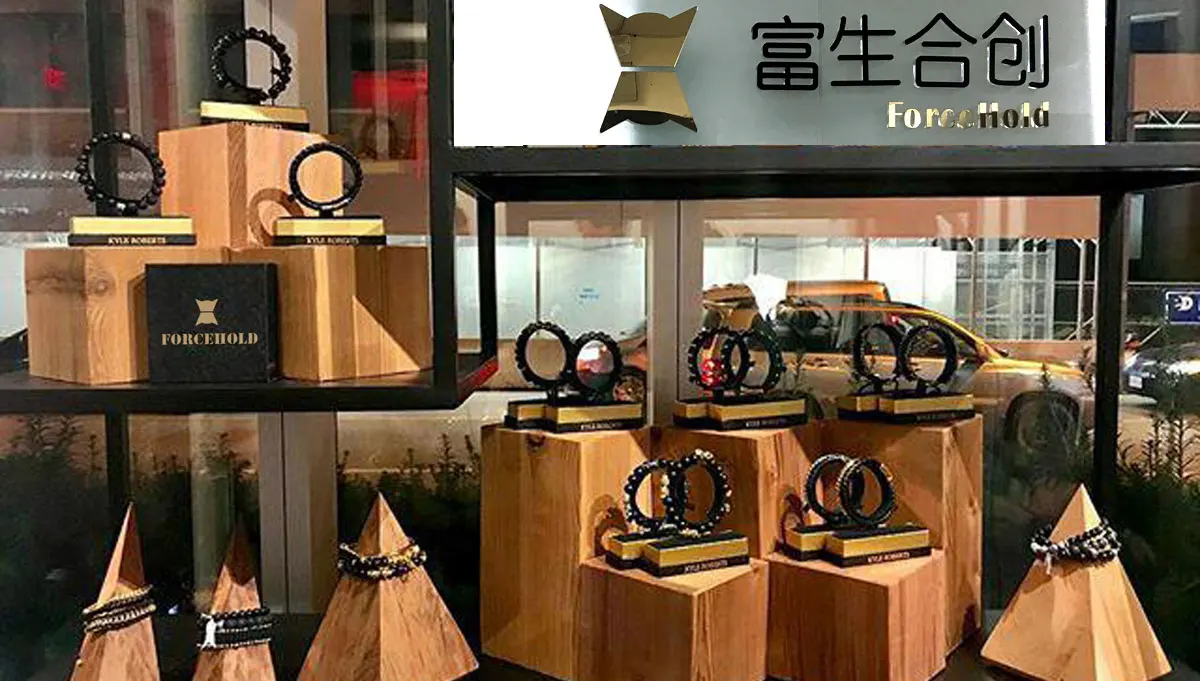
Shenzhen Forcehold Industrial Co., Ltd.
- Manufacturer, Trading Company, Business Service (Transportation, finance, travel, Ads, etc)
- Guandong, China
- Lead time5 days
- Avg. response≤ 8h
Main productsCustomization Service,Product Design,Fashion Jewelry,OEM /ODM service,Wear Accessories
Main marketsMid East(18.00%), Western Europe(15.00%), South America(15.00%), North America(13.00%), Eastern Asia(10.00%), Eastern Europe(10.00%), Northern Europe(10.00%), Oceania(4.00%), Africa(3.00%), Central America(2.00%)
- Verified by TüVRheinland
- Manufacturer, Trading Company
- Lead time7 days
- Avg. response≤ 2h
Main productsFashion Jewelry
Main marketsNorth America(75%), South America(8%), Southeast Asia(7%)

Guangzhou Mimier Jewelry, Co, Ltd.
- Manufacturer/Factory
- China Guangdong
- Lead time120 days
- Avg. response≤ 23h
Main productsFashion Jewelry, Fashion Earrings, Fashion Bracelets, Fashion Rings, Fashion Necklace, Stainless Steel Jewelry, Jewellery Accessories, Jewellery Set
Main marketsEastern Europe,North America,Western Europe,Africa
Yiwu Trendz Accessories Co., Ltd.
- Verified by Intertek
- Manufacturer, Trading Company
- Zhejiang, China
- Lead time15 days
- Avg. response≤ 5h
Main productsJewelry, Jewelry Accessories, Children's Jewelry , Adult Jewelry , Hair Accessories
Main marketsWestern Europe(60%), North America(30%), Southeast Asia(10%)
- Trading Company
- Zhejiang, China
- Lead time15 days
- Avg. response≤ 2h
Main productsjewelry,clothing
Main marketsNorth America(40.00%), Northern Europe(10.00%), Western Europe(10.00%), Mid East(10.00%), Oceania(10.00%), Southeast Asia(10.00%), South America(10.00%)
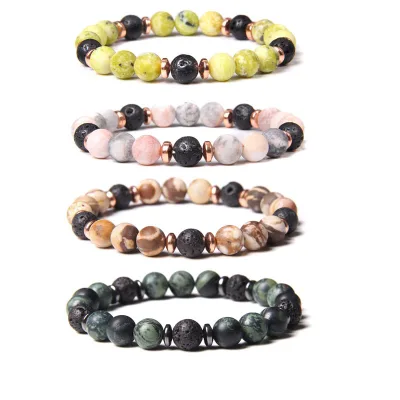
Natural Gemstone Men Women Bracelet High Quality Best Selling Black Lava Stone Oil Diffuser Bracelet
$0.95 - $2.17
MOQ: 20 Minimum
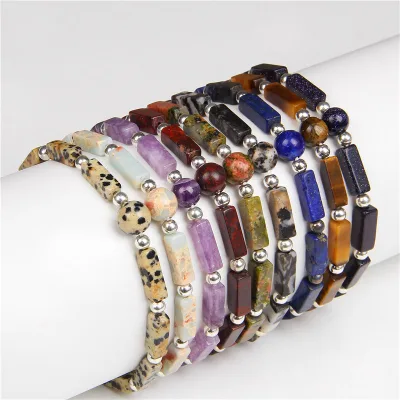
$1.018 - $1.5629
MOQ: 21 pieces

Jiuya Huitong (Qingdao) International Trade Co., Ltd.
- Verified by SGS
- Trading Company,Manufacturer/Factory
- China Shandong
- Lead time90 days
- Avg. response≤ 5h
Main productsClothes, Abaya, Camping Tent, Camping Furniture, Solar Light
Main marketsSouth America,Eastern Europe,Mid East,North America,Southeast Asia,Eastern Asia,Oceania,Western Europe,Africa


Rutilated Quartz Women Charms Bracelet Crystal Beaded Bracelets Jewelry
$1.00 - $10.00
MOQ: 500 Pieces

Longyuan (Guangzhou) Industrial Development Co., Ltd.
- Verified by TUVRHEINLAND
- Manufacturer/Factory
- China Guangdong
- Lead time23 days
- Avg. response≤ 7h
Main productsJewelry, Fashion Watch, Hair Accessories, Men Jewelry, Women Jewelry, Pendants, Brooches, Bracelets, Crowns, Necklaces
Main marketsSouth America,Eastern Europe,Mid East,North America,Western Europe


Wholesale Roman Europe Simple Fashion Copper Inlaid Zircon Ladies Gemstone Bracelet
$5.80 - $6.50
MOQ: 20 Pieces
- Trading Company
- Zhejiang, China
- Lead time14 days
- Avg. response≤ 7h
Main productsBracelet,Necklace,Keychain,Lanyard,Earrings
Main marketsNorth America(30.00%), Southeast Asia(20.00%), Eastern Europe(20.00%), South America(20.00%), Africa(5.00%), Mid East(2.00%), Western Europe(1.00%), Eastern Asia(1.00%), Oceania(1.00%)
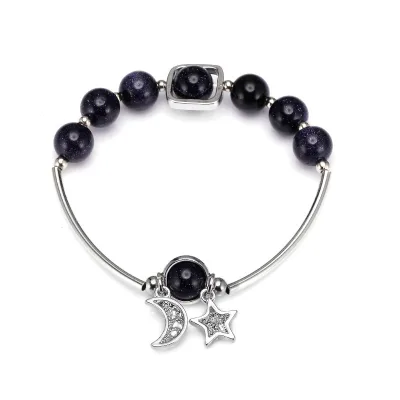
Retro Blue sandstone bracelet girls' simple lovers jewelry natural stone bracelet
$1.49 - $1.79
MOQ: 12 Minimum
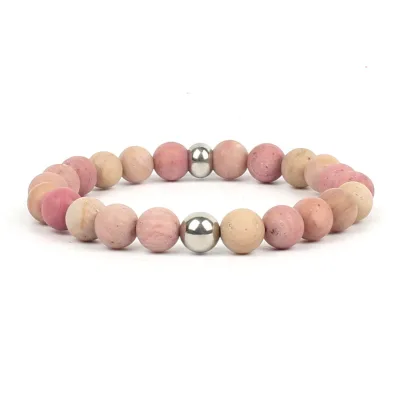

- Verified by SGS
- Manufacturer/Factory
- China Zhejiang
- Lead time30 days
- Avg. response≤ 1h
Main productsNecklace, Bracelets, Earring, Ring, Brooch, Phone Lanyard, Key Chain, Body Jewelry, Hair Clip, Hair Band
Main marketsSouth America,Eastern Europe,Mid East,North America,Southeast Asia,Eastern Asia,Oceania,Western Europe,Africa

Shenzhen Hengda Xin Jewelry Co., Ltd.
- Verified by BV
- Combined
- China Guangdong
- Lead time15 days
- Avg. response≤ 3h
Main productsJewelry, Stainless Steel Fittings, Stainless Steel Jewelry, Necklace, Bracelet, Stud Earrings, Ring, Pendant, Fashion Jewelry, Fashion Accessories
Main marketsSoutheast Asia/ Mideast,East Asia(Japan/ South Korea),Domestic,Europe,Australia,North America
- Verified by Intertek
- Manufacturer, Trading Company
- Lead time7 days
- Avg. response≤ 2h
Main productsBeaded Jewelry, Natural Stone Bracelet, Fashion Necklace, Crystal Bracelets, Pearl Necklace
Main marketsNorth America(40%), Western Europe(35%), Oceania(10%)
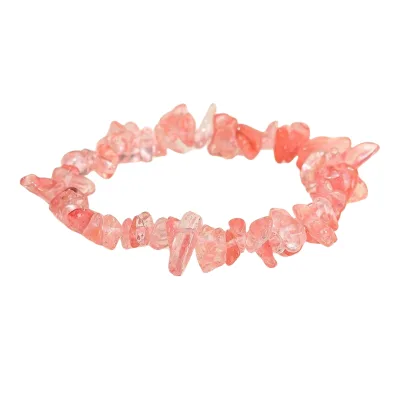
$0.4162 - $1.1422
MOQ: 10 Minimum
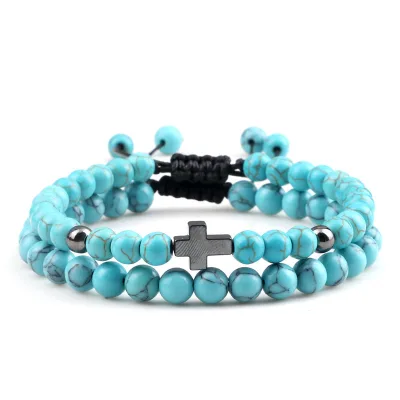
$0.8413 - $1.9955
MOQ: 10 Minimum
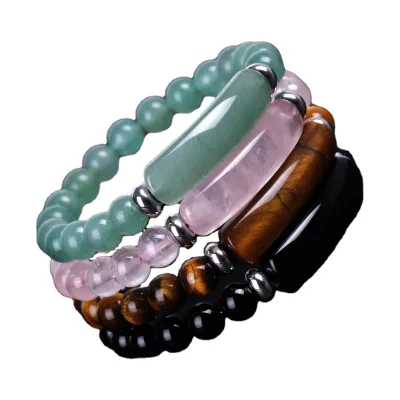
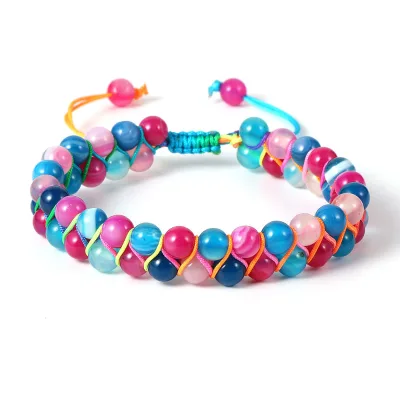
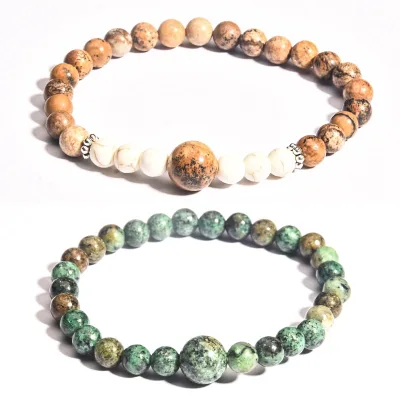
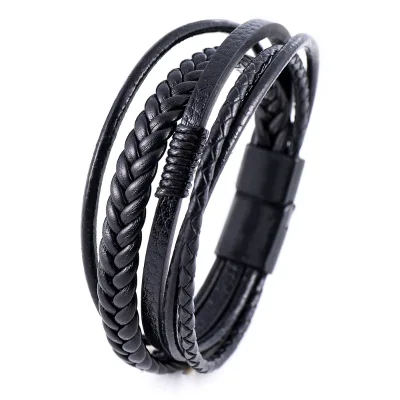
Old Fashion DIY Agate & African Turquoise Bracelet 6mm-10mm Yoga & Wedding Party Jewelry Charm Gift
$0.8338 - $1.6677
MOQ: 10 Minimum
Shenzhen Es Jewelry And Gift Co., Ltd.
- Verified by TüVRheinland
- Trading Company
- Lead time20 days
- Avg. response≤ 7h
Main productsRings, Bracelets, Necklace, Pendants, Earrings
Main marketsNorth America(30%), Eastern Europe(20%), Northern Europe(20%)
- Trading Company
- Zhejiang, China
- Lead time10 days
- Avg. response≤ 1h
Main productsEarrings,stainless steel Necklace,stainless steel Bracelet,zircon ring,necklace bracelet earrings jewelry sets
Main marketsEastern Europe(20.00%), South America(20.00%), North America(20.00%), Africa(10.00%), Southeast Asia(10.00%), Eastern Asia(5.00%), Mid East(5.00%), Oceania(5.00%), Domestic Market(1.00%), South Asia(1.00%), Northern Europe(1.00%), Central America(1.00%), Western Europe(1.00%)
Yiwu Noya Accessories Co., Ltd.
- Trading Company
- Zhejiang, China
- Lead time25 days
- Avg. response≤ 10h
Main productsaccessories,Jewelry,headband,bag,agent
Main marketsWestern Europe(30.00%), North America(30.00%), Domestic Market(10.00%), Northern Europe(10.00%), Eastern Europe(10.00%)

Yiwu Phonbon Import & Export Co., Ltd.
- Trading Company
- Zhejiang, China
- Lead time15 days
- Avg. response≤ 7h
Main productsmedal,lapel pin,metal coins,cross,rosary
Main marketsWestern Europe(16.67%), Southeast Asia(16.67%), Southern Europe(15.00%), Eastern Europe(15.00%), South America(10.00%), Africa(5.00%), Northern Europe(5.00%), Central America(5.00%), North America(5.00%), Mid East(3.00%), Eastern Asia(2.00%), South Asia(1.00%), Oceania(0.66%)
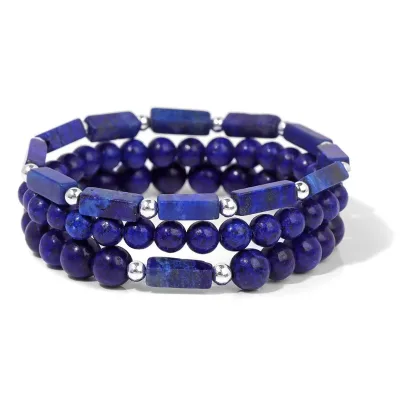
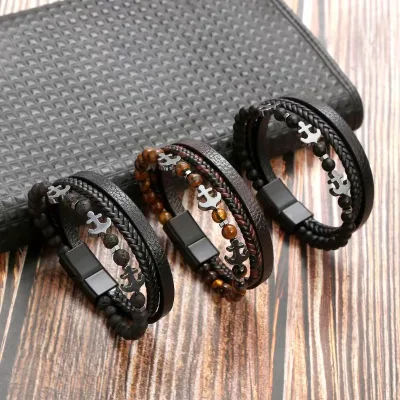
fashion bracelet sets same tone 3pcs natural stone bracelet sets for men and women
$2.20 - $3.68
MOQ: 50 Minimum
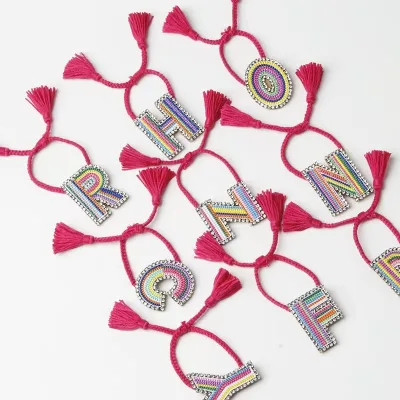
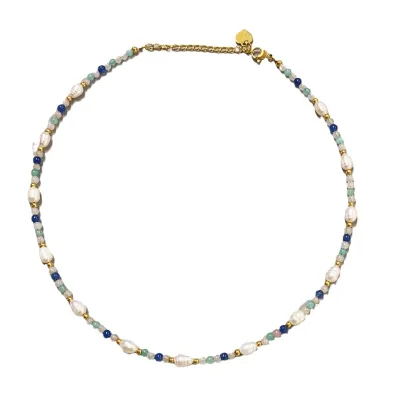
$0.85 - $1.75
MOQ: 50 Minimum
Guangzhou Yabead Jewelry Co., Ltd.
- Manufacturer, Distributor/Wholesaler
- Guangdong, China
- Lead time7 days
- Avg. response≤ 3h
Main productsjewelry,accessories,Wedding,Jewelry Making,Beading
Main marketsDomestic Market(7.14%), South Asia(7.14%), Southern Europe(7.14%), Northern Europe(7.14%), Central America(7.14%), Western Europe(7.14%), Eastern Asia(7.14%), Mid East(7.14%), Oceania(7.14%), Africa(7.14%), Southeast Asia(7.14%), Eastern Europe(7.14%), South America(7.14%), North America(7.14%)

Guangzhou IO Jewelry Co., Ltd.
- Combined
- China Guangdong
- Lead time30 days
- Avg. response≤ 5h
Main productsJewelry, Fashion Jewelry, Stainless Steel Jewelry, Custom Jewelry, Stainless Steel Beads, Stainless Steel Charms, Stainless Steel Rings, Stainless Steel Pendants, Beads, Charms
Main marketsSouth America,Domestic,Europe,Australia,North America

Jinjiang Jiayi Supply Chain Management Co., Ltd.
- Verified by BV
- Trading Company
- China Fujian
- Lead time30 days
- Avg. response≤ 1h
Main productsGift, Shoe, Garment, Machine
Main marketsDomestic

Wenzhou Guda Technology Co., Ltd.
- Verified by BV
- Combined
- China Zhejiang
- Lead time30 days
- Avg. response≤ 5h
Main marketsEurope

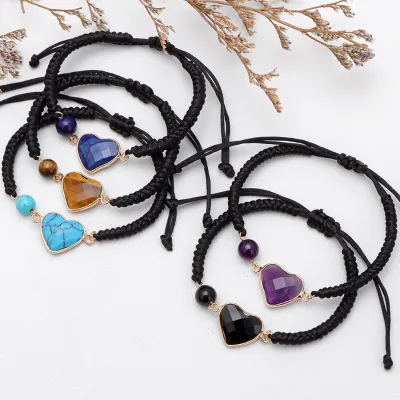
Multiple Styles Available Durable Fashionable and Beautiful Customizable Rubber Bracelet
$0.04 - $0.10
MOQ: 500 Pieces









Comprehensive Sourcing Guide
Adjustable Classic Rose Quartz Bracelet Supplier Concentration and Factory Types
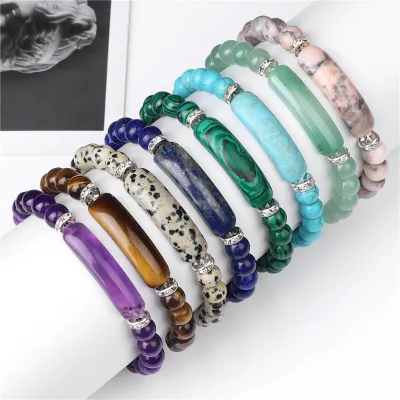
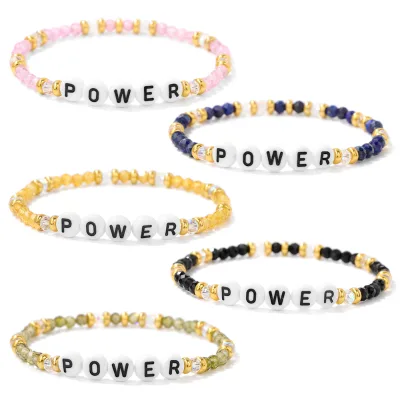
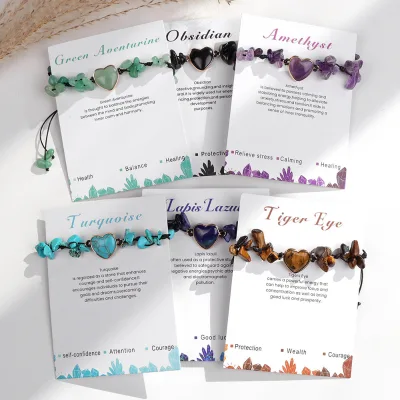
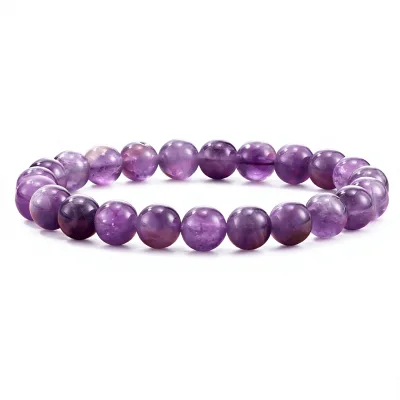
When you search for an Adjustable Classic Rose Quartz Bracelet, the results typically include two distinct supplier types: manufacturers/factories and trading companies, and both often appear side by side. Some listings show manufacturers whose main products span necklaces, earrings, rings, bracelets and brooches, while others present as combined manufacturer and trading company operations handling pendant, necklace, bracelet, ring, earring, carving, ornament, loose bead and semi-precious stone lines. Understanding which type you are dealing with matters because pricing, communication layers and customization flexibility differ. A factory usually controls beading, knotting and cord adjustment processes directly; a trading company may aggregate several workshops and offer more variety but less process visibility. Neither structure is inherently better for this category.
Location signals in current results point to Zhejiang, China for several beaded bracelet products and Guangdong, China for at least one broader jewelry supplier, so buyers can reasonably treat these as provinces where rose quartz beaded bracelet production is concentrated. Beyond those, verify cluster claims independently: check the "Place of Origin" attribute on individual product records, confirm the registered address on the supplier profile, and ask directly which province the workshop sits in. Note that some listings carry no certificate type or brand detail beyond a model number and brand name, so concentration should be inferred from repeated product origin fields and main-product listings rather than from marketing copy on a storefront.
How to Verify Adjustable Classic Rose Quartz Bracelet Suppliers
Verification starts with the attributes a supplier actually displays rather than what you assume. In this category, credible listings show specific model numbers such as 2J-ZF-250307 or ESB01218, declared place of origin, main stone type (natural stone), and detailed attributes like shape/pattern, inlay technology and single gross weight. A supplier whose product records include this level of granularity is easier to audit than one with sparse cards. Also check verification marks: at least one supplier in current results shows SGS verification and system certifications including ISO 9001 and OHSAS/OHSMS 18001, which are meaningful signals for a factory, though you must not assume every supplier holds them. Ask each candidate to state its certification status in writing.
Second, test responsiveness and transparency directly. Observed response times in the results range from about two hours to nearly eight hours, a spread you can use as a baseline when comparing candidates. Send identical technical questions to each supplier: whether the rose quartz beads are natural stone, whether "glass" appears anywhere in the material type as one listing's main stone field does, and whether the adjustable rope closure is knotted or elastic. Suppliers marketing "natural crystal" while listing glass as the main stone should be challenged on the discrepancy. Request photos of actual adjustable closures rather than relying on product titles, and confirm which model numbers the quoted specification applies to, since a single storefront may list many near-identical bracelet variants.
What to Compare Across Adjustable Classic Rose Quartz Bracelet Suppliers
Build a comparison sheet using only the dimensions suppliers disclose. Key labels seen in this category include lead time, minimum order quantity, response time, location, company type, main products, OEM/ODM capability and establishment-related profile data. One supplier lists a 23-day lead time; another quotes 31 days for orders of 1–2000 pieces with higher volumes negotiated separately. One product shows an MOQ of 50 pieces at a price range of roughly USD 1.90–2.50, while a similar item shows an MOQ of 100 with no displayed price. These differences directly affect your sampling budget and first-order cash exposure, so capture them per product rather than per company.
Also compare customization and product breadth. At least one supplier explicitly offers OEM and ODM services, and several listings state customization is available and packing can be made to customer request — relevant if you need custom logo beads or branded cards. Main-product lines tell you whether bracelets are core business or a side category; a supplier listing bracelets among necklaces, pendants, carvings and loose beads likely has deeper beading supply. Response time is a practical service metric: a supplier answering in two hours resolves sample issues faster than one averaging nearly eight. Do not treat a missing attribute as a negative by itself; instead, mark it "not displayed" and request the value during first contact, then score suppliers on completeness of the answers.
Common Adjustable Classic Rose Quartz Bracelet Sourcing Risks
Material misrepresentation is the top risk. One current listing titled around natural stone declares "Glass" as its main stone and material type in the attributes, while others declare natural stone with "None" as certificate type. If a listing claims natural rose quartz but the attribute table says glass or zircon, you risk paying natural-stone prices for glass beads. Because certificate type reads "None" across multiple products, assume no independent authentication ships with the goods unless you commission it. Ask for bead material confirmation in the proforma invoice and consider third-party spot checks before balance payment for larger orders.
Specification drift and sizing are the second risk cluster. Adjustable bracelets in these listings vary in gross weight from 0.01 kg to 0.05 kg per unit, and one listed standard is "4mm 6mm 7"" — bead diameter and length combinations that materially change cost and feel. Suppliers also list many color variants (some products offer 6, 8, or 19 color codes), so your approved sample may not match production if the color code is not pinned in the contract. Additional risks: elastic cord fatigue versus knotted rope adjustment, unclear plating (listed simply as "Other"), and packing assumptions — one supplier states packing follows customer request, so specify it. Fix model numbers, bead size, closure type, color codes and unit weight in writing before deposit.
Adjustable Classic Rose Quartz Bracelet Regional Sourcing and Logistics
Current evidence places production in two Chinese provinces: Zhejiang, shown as the place of origin on multiple beaded bracelet products, and Guangdong, home to a jewelry supplier whose main products include bracelets and semi-precious stones. Zhejiang's cluster profile fits small, lightweight beaded accessories — the products there list single gross weights as low as 0.010 kg and compact package sizes of 3×2×3 cm — which favors consolidated air freight or economical small-parcel shipping. Guangdong's supplier, a verified factory with broader semi-precious stone lines, may suit buyers combining bracelets with pendants or loose beads in one shipment. If no region is documented for a candidate, ask the supplier to confirm the province of the actual workshop rather than the sales office.
Because this category's units are tiny and light, logistics planning should focus on consolidation and packaging density, not freight class. Confirm whether the quoted unit price includes individual poly bags or blister cards, since 3×2×3 cm inner boxes add dimensional weight quickly at scale. Ask each supplier which port or courier handoff they use and whether lead times differ between peak and off-season: one supplier's data distinguishes peak-season and off-season lead times with volume tiers above 2000 pieces negotiated separately. For multi-supplier orders across provinces, plan a consolidation point, and verify who bears risk of loss between the workshop and the forwarder, since small stone beads are easy to undercount in carton audits.
Adjustable Classic Rose Quartz Bracelet Commercial Terms and Order Planning
Anchor your order plan on the concrete commercial data suppliers display. Observed figures include an MOQ of 50 pieces for one crystal beaded bracelet priced around USD 1.90–2.50, an MOQ of 100 for another with price not shown, a 23-day lead time from one factory, and 31-day lead times for 1–2000 piece orders with larger quantities quoted on request. Use these as anchors, not guarantees: request written quotations per model number, confirm whether the price covers your chosen color code and closure style, and ask what volume tier applies above the published thresholds. Payment structure should follow standard practice — a deposit with balance before shipment — but tie the balance to your inspection of adjustable closures and bead counts.
Plan a staged pipeline: sample one unit from each shortlisted supplier, comparing bead diameter (the 4mm/6mm options cited), stretch versus rope adjustment, and cord durability after repeated adjustment cycles. Then place a pilot order at or slightly above the MOQ to test color consistency across the 6–19 color codes some listings advertise. For scale-up, exploit the OEM/ODM offers and packing customization several suppliers state, adding your logo or cards. Keep lead-time buffers: the difference between a 23-day and 31-day baseline plus peak-season negotiation for over-2000-piece volumes can shift a launch by weeks, so book production slots early and reconfirm lead times at each reorder.
FAQs
What is the typical lead time for adjustable classic rose quartz bracelets?
Manufacturers generally require 31 days to produce orders ranging from 1 to 2000 units during peak seasons. For larger quantities exceeding 2000 pieces, the delivery schedule must be negotiated directly with the supplier. This timeline ensures quality control for natural stone materials and allows for proper packaging preparation before shipment.
What is the minimum order quantity for these bracelets?
Suppliers typically set the minimum order quantity at 50 pieces for standard natural stone bracelets. Some listings indicate a higher threshold of 100 units for specific styles or customization requests. Buyers should verify the exact MOQ with the manufacturer, as requirements may vary based on the material type and packaging preferences.
Are these bracelets suitable for both men and women?
Yes, many adjustable classic rose quartz bracelets are designed as unisex accessories. Product attributes often specify a gender classification of unisex, making them versatile for various wearers. The adjustable rope or elastic design ensures a comfortable fit for different wrist sizes, catering to both male and female customers effectively.
What certifications do these jewelry suppliers hold?
Verified suppliers often hold ISO 9001 and OHSAS OHSMS 18001 system certifications. These credentials indicate adherence to quality management and occupational health standards. Buyers should request specific certification documents to verify compliance, as product-level certificates may not always be provided for natural stone items.
What is the price range for natural stone bracelets?
Prices for semi-precious stone bracelets typically range from 1.90 to 2.50 USD per unit. Costs depend on the stone quality, bead size, and customization options. Buyers should confirm the final price with the supplier, as rates may vary based on order volume and specific material requirements.
Can I customize the packaging for these bracelets?
Manufacturers usually offer customizable packaging solutions to meet specific buyer requirements. Suppliers can adjust packing methods according to customer requests, ensuring safe transport and brand alignment. Buyers should discuss packaging details during the inquiry phase to ensure the final product meets their distribution needs.