Dog Agility Equipment Suppliers and Manufacturers in China
Explore 23 verified sources for Dog Agility Equipment from Jiangsu and Shanghai. Compare response times, lead times, certifications, and pricing for stainless steel and plastic options. Contact suppliers directly to request quotes and verify production capacity; review the available evidence before requesting comparable quotations from suitable candidates.
Suppliers List
Suzhou Brilliance Pet Products Co., Ltd.
- Manufacturer, Trading Company
- Jiangsu, China
- Lead time35 days
- Avg. response≤ 5h
Main productsPet Cage,Pet Carrier,Pet Crate,Pet Playpen,Pet Agility Products
Main marketsWestern Europe(36.00%), North America(30.00%), Domestic Market(10.00%), Eastern Europe(8.00%), Southern Europe(5.00%), Oceania(5.00%), South America(2.00%), Mid East(1.00%), Southeast Asia(1.00%), Eastern Asia(1.00%), Africa(1.00%)

- Verified by CTI
- Trading Company,Manufacturer/Factory
- China Shanghai
- Lead time45 days
- Avg. response≤ 4h
Main productsAirport Passenger Stairs, Luggage Towing Tractor, Aircraft Catering Truck, Aircraft Container Dolly, Dog Training Agility Equipment Jump, Horse Carriages, Horse Carts, Horse Trailers, Horse Treadmill, Airpport Pallet Dolly
Main marketsMid East,North America,Southeast Asia,Eastern Asia,Oceania,Western Europe,Africa

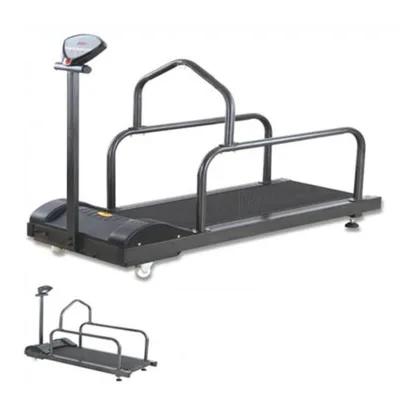
Dog Pet Under Water Treadmill Dog Agility Training Agility Equipment
$2450.00 - $2680.00
MOQ: 1 Pieces

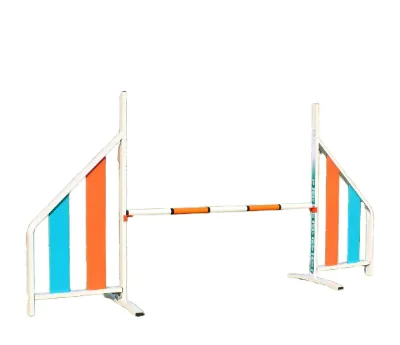
Dog Agility Equipment Aluminum Folded Hurdle Dogs Training Equipment Dog Agility Jump
$45.00 - $48.00
MOQ: 200 Sets


Suzhou Excellence Pet Products Co.,ltd.
- Verified by TüVRheinland
- Manufacturer, Trading Company
- Lead time40 days
- Avg. response≤ 8h
Main productsPet Cages, Pet Crates, Pet Carriers, Pet Ramps And Stairs, Pet Playpen
Main marketsNorth America(30%), Western Europe(26%), Northern Europe(21%)

- Verified by TUVRHEINLAND
- Combined
- China Zhejiang
- Lead time15 days
- Avg. response≤ 22h
Main productsPlayground, Outdoor Playground Equipment, Indoor Playground Equipment, Outdoor Playground, Indoor Playground, Toy, PE Playground, Tables and Chairs, Fitness Equipmet, Physical and Climber
Main marketsEast Asia(Japan/ South Korea)
Hangzhou Cute Pet Technology Co., Ltd.
- Verified by SGS Group
- Trading Company
- Lead time20 days
- Avg. response≤ 6h
Main productsSelf-Cleaning Cat Litter Box, Automatic Pet Feeder and Water Fountain, Pet Air Purifier, Pet Grooming Kit, Smart Pet Toy
Main marketsNorth America(40%), South America(10%), Southeast Asia(10%)
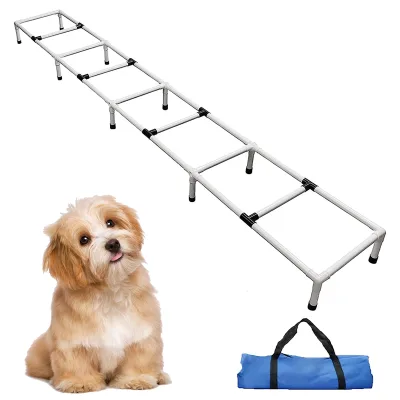
Dog Workout Equipment Dog Obstacle Course Pet Outdoor Game Dogs Agility Training Ladder
$9.02 - $10.66
MOQ: 50 sets
Ningbo E Best Leisure Product Co., Ltd.
- Verified by Intertek
- Trading Company
- Zhejiang, China
- Lead time30 days
- Avg. response≤ 6h
Main productsPet Training Supplies, Pilates Reformer , Gymnastic Bar
Main marketsNorth America(50%), South America(17%), Eastern Europe(15%)
Foshan Dafeng Ventilation Technology Co., Ltd.
- Verified by TüVRheinland
- Manufacturer, Trading Company
- Lead time15 days
- Avg. response≤ 2h
Main productsPortable Blower, Flexible Duct, Heat Resistant Duct, Aluminum Foil Tube, Explosive Proof Blower
Main marketsDomestic Market(45%), North America(12%), Southeast Asia(12%)
Dalian Usmile Pet Technology Co., Ltd.
- Verified by Intertek
- Trading Company
- Lead time7 days
- Avg. response≤ 1h
Main productsPet Cleaning and Grooming Equipment, Veterinary and Rehabilitation Equipment , Pet Smart Products , Pet Health Care And Supplements, Basic Pet Supplies
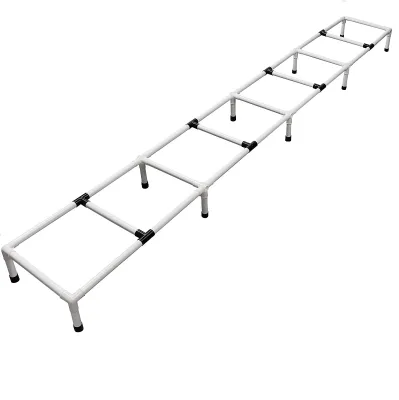
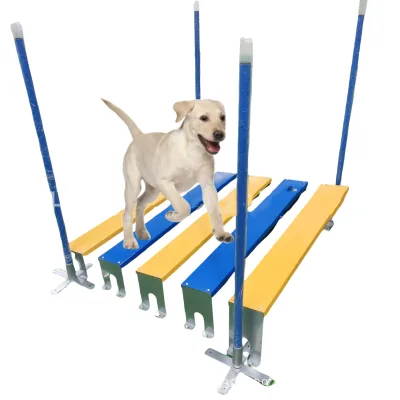
Pet Training Obstacle Ladder Dogs Agility Training Ladder Dog Outdoor Sports Equipment
$10.83 - $11.95
MOQ: 200
Hangzhou Hachong Pet Products Co., Ltd.
- Manufacturer, Trading Company
- Lead time旺季: "1 - 1000":15,"> 1000":"To be negotiated", 淡季: "1 - 1000":15,"> 1000":"To be negotiated"
- Avg. response≤ 4h
Main productsPet Beds, Pet Toys, Pet Clothes, Cat Tree, Pet Grooming
- Trading Company
- Shanghai, China
- Lead time45 days
- Avg. response≤ 3h
Main productsAviation gse Equipment,og Agility Equipment,Light Trailers,Horse Carriages,Electric Carts
Main marketsOceania(20.00%), Western Europe(20.00%), North America(15.00%), Northern Europe(14.00%), Domestic Market(10.00%), Mid East(6.00%), Southeast Asia(5.00%), Eastern Asia(5.00%), Eastern Europe(4.00%), Africa(1.00%)
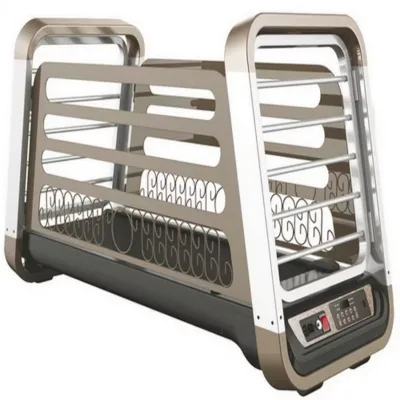
Electric Dog Agility Training Equipment Pet Dog Exercise Treadmill for Small Dogs
$510.00 - $550.00
MOQ: 1
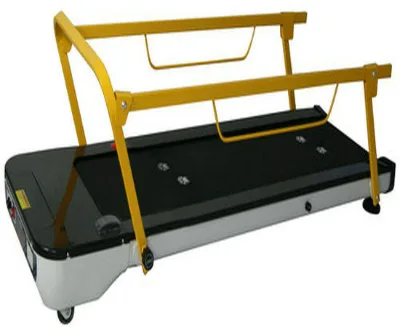
$400.77 - $441.87
MOQ: 10 pieces
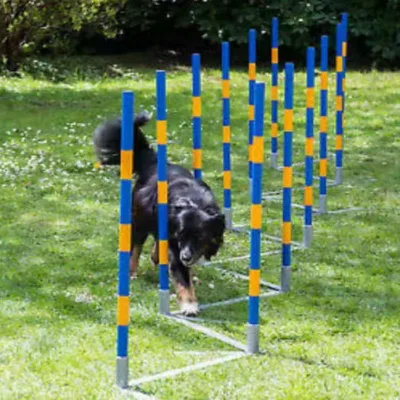
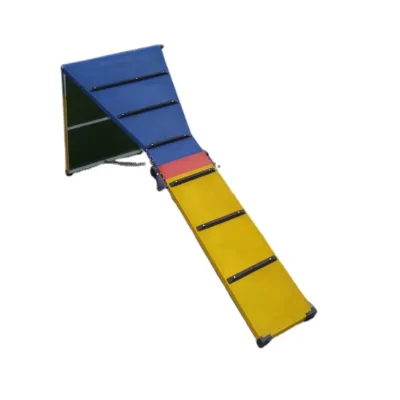
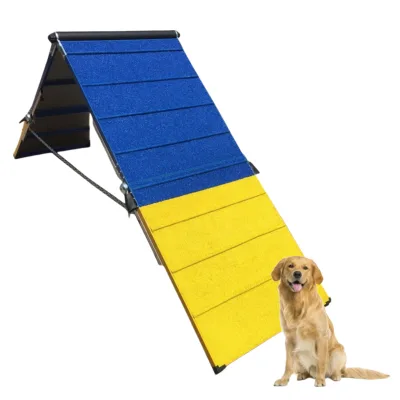
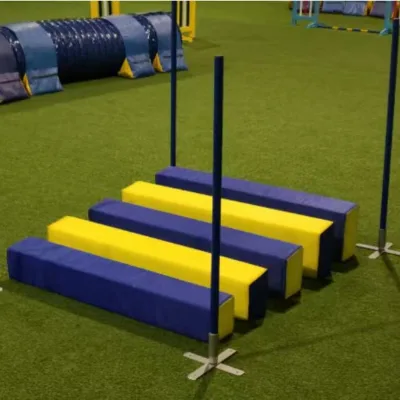
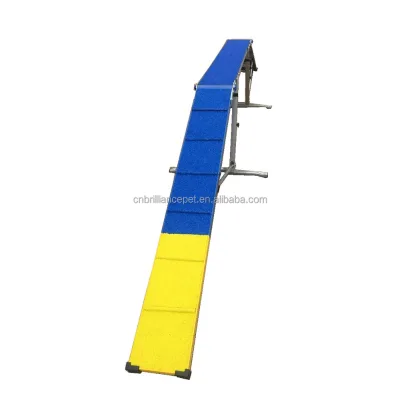
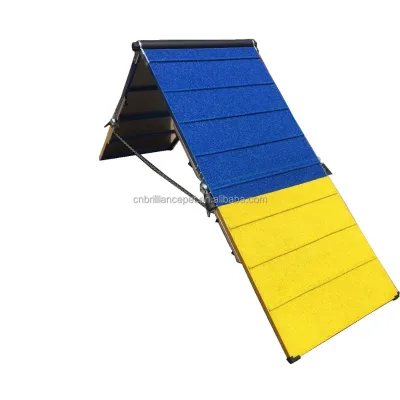
3 in 1 Dog Walk Ramp& Pause Table& A-Frame Design for Pet Agility Training
$330.00 - $370.00
MOQ: 10 Minimum
Taizhou Flourish Leisure Co., Ltd.
- Trading Company
- Zhejiang, China
- Lead time30 days
- Avg. response≤ 5h
Main productspet tent,pet product,pet toys,kids toys tent,leisure product
Main marketsSouthern Europe(11.00%), Northern Europe(11.00%), Western Europe(11.00%), Eastern Asia(11.00%), South Asia(11.00%), Southeast Asia(11.00%), Eastern Europe(11.00%), South America(11.00%), North America(11.00%), Oceania(1.00%)
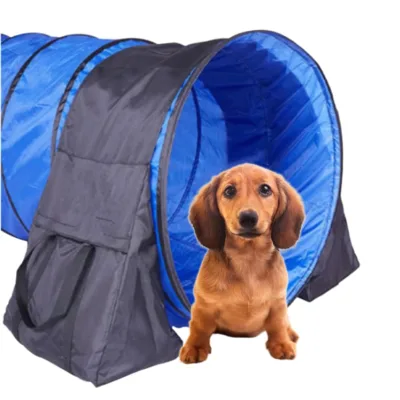
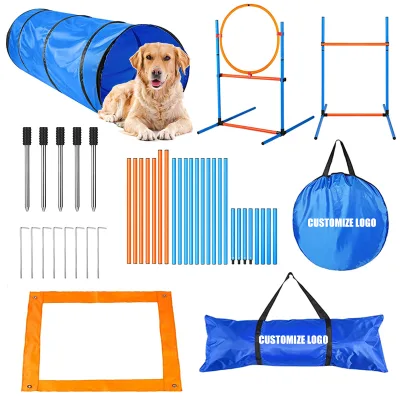
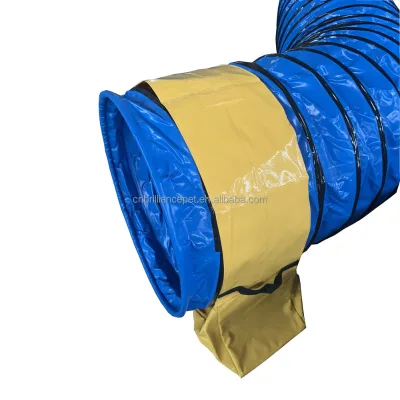
Factory Direct Sales Dog Agility Training Dog Agility Equipment 2 Pack Dog Agility Tunnel Sandbags
$11.31 - $12.34
MOQ: 10 pieces
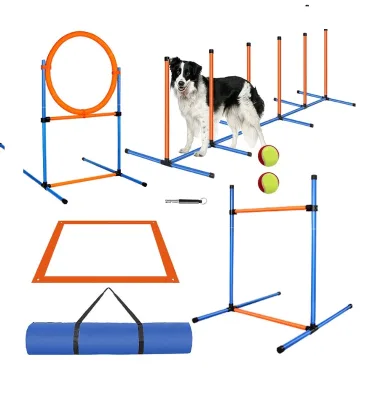
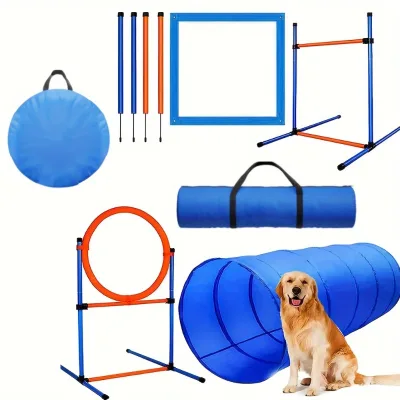
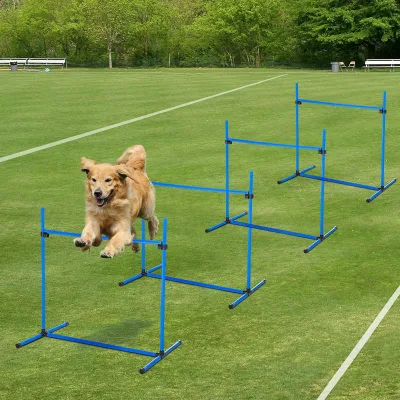
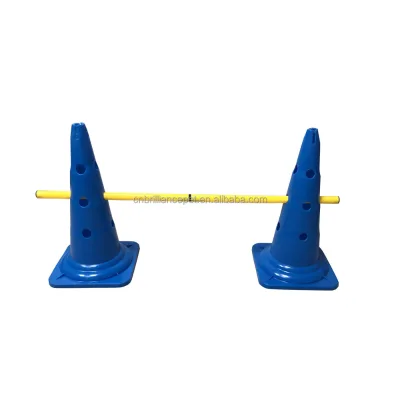
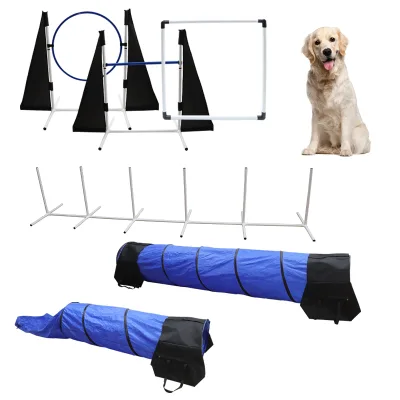
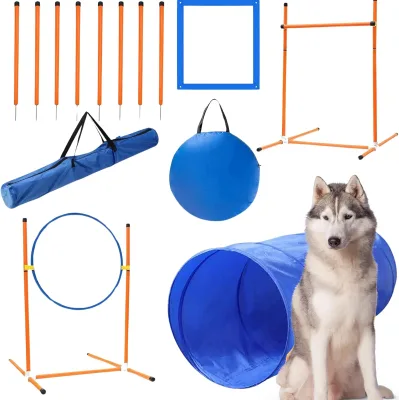
Wholesale Custom 4 Piece Dog Agility Starter Kit With Adjustable Height Jump Bars Included Carry Bag
$13.29 - $15.33
MOQ: 10 pieces
Hangzhou Heyi Pet Products Co., Ltd.
- Verified by Intertek
- Trading Company
- Lead time30 days
- Avg. response≤ 1h
Main productsPet Training Products, Electronic Training Collar, Electronic Fence, Pet GPS Tracker, Smart Litter Box
Main marketsNorth America(40%), Western Europe(10%), Eastern Europe(10%)
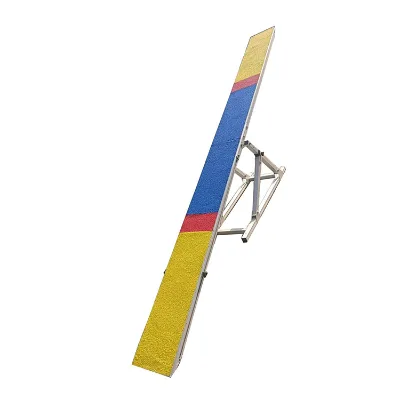
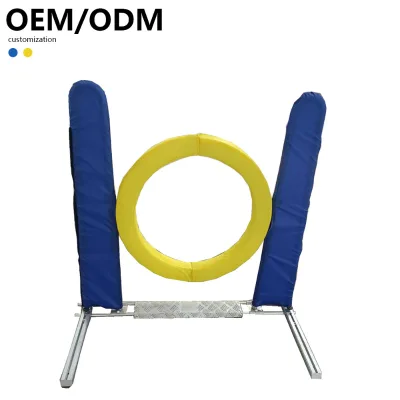
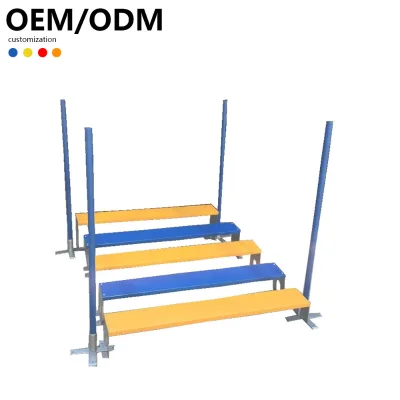
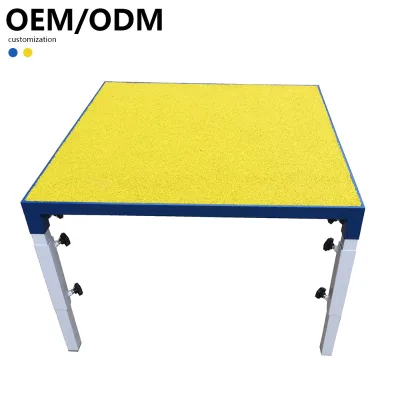
Professional Outdoor Dog Agility Training Equipment Custom SAP Weight Pet Supplies for Dog Training
$392.57 - $393.89
MOQ: 2 pieces
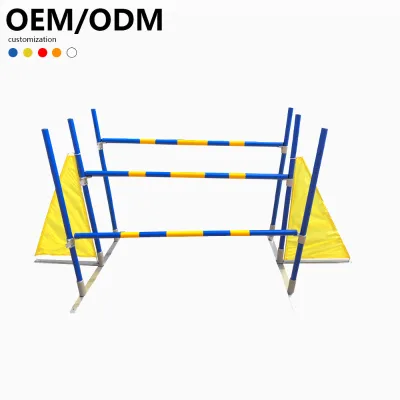
$121.91 - $123.37
MOQ: 2 pieces
$168.00 - $169.40
MOQ: 2 sets

Sanhe City Guiyuxing Sporting Goods Co., Ltd.
- Verified by TUVRHEINLAND
- Combined
- China Hebei
- Lead time15 days
- Avg. response≤ 1h
Main productsFitness Equipment, Outdoor Fitness Equipment, Outdoor Fitness, Rock Climbing Treadwalls, Outdoor Playground Equipment, Outdoor Gym, Outdoor Sports Equipment, Outdoor Fitness Goods, Park Bench, Playground
Main marketsAfrica,Southeast Asia/ Mideast,Domestic,Europe

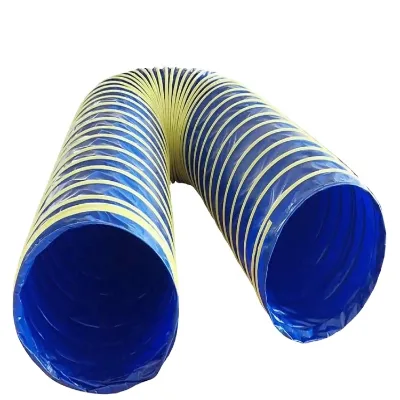
Dog Agility Training Equipment Dog Obstacle Course for Outdoor Playground with Dog Agility Tunnel
$356.00 - $466.00
MOQ: 2 Pieces


Chongqing Arlau Civic Equipment Manufacturing Co., Ltd.
- Verified by BV
- Combined
- China Chongqing
- Lead time23 days
- Avg. response≤ 3h
Main productsPicnic Table, Park Bench, Trash Bin, Dog Park Equipment, Bollard, Bike Rack, Tree Grate, Planters, Parasol, School Desk and Chair
Main marketsSoutheast Asia/ Mideast,Europe,North America

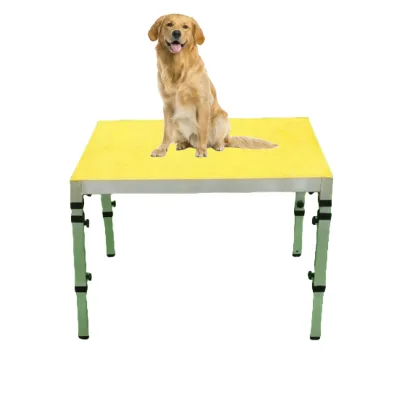
Dog Park Activities Agility Training Course Equipment Grooming Deck Dog Paw Table
$79.00 - $139.00
MOQ: 5 pieces

Dog Park Activities Products Agility Training Course Equipment Obstacle Course
$79.00 - $299.00
MOQ: 10 pieces

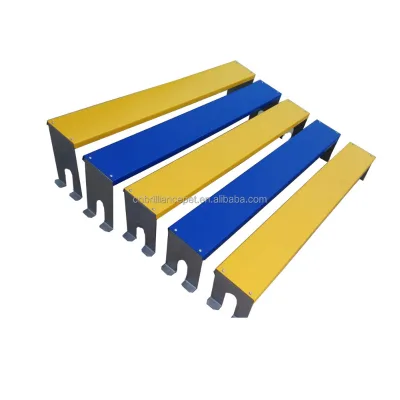
Outdoor Dog Park Playground Agility Training Equipment Embedded Steel Dog Bench
$159.00 - $199.00
MOQ: 10 pieces

Dog Park Activities Agility Training Course Equipment Embedded Dog Hoop Jump
$64.00 - $79.00
MOQ: 10 pieces

Dog Park Activities Agility Training Course Equipment Embedded Dog Hurdles
$79.00 - $149.00
MOQ: 5 pieces

Dog Park Activities Equipment Outside Backyard Playground Agility Training Course Obstacle Products
$79.00 - $299.00
MOQ: 10 pieces

- Verified by TUVRHEINLAND
- Trading Company,Manufacturer/Factory
- China Anhui
- Lead time0 days
- Avg. response≤ 8h
Main productsOperating Table, Operation Light, Hospital Bed, Medical Pendant, Medical Trolley, Medical Chair, Medical Cabinet, Veterinary Products, X-ray Machine, Hospital Furnitures
Main marketsSouth America,Eastern Europe,Mid East,North America,Southeast Asia,Eastern Asia,Oceania,Western Europe,Africa

Mt Medical Electric Big Dog Treadmill Dog Training Equipment for Pet Agility Training
$500.00 - $697.00
MOQ: 1 Pieces

Ningbo Ishow Import & Export Co., Ltd.
- Manufacturer, Trading Company
- Zhejiang, China
- Lead time10 days
- Avg. response≤ 7h
Main productsPet Grooming Tools,Pet's tick remover,Tick Removal Tool,Pet's BPA-free plastics,tick removal kit
Main marketsEastern Europe(20.00%), Central America(20.00%), North America(20.00%), Southern Europe(10.00%), Northern Europe(10.00%), South America(10.00%), Western Europe(10.00%)
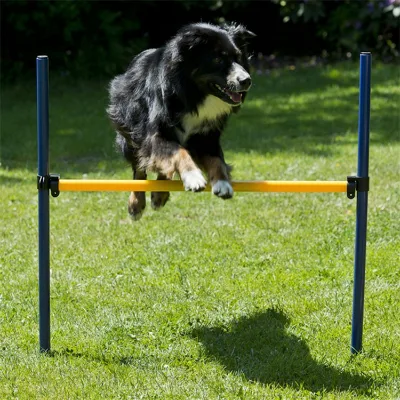
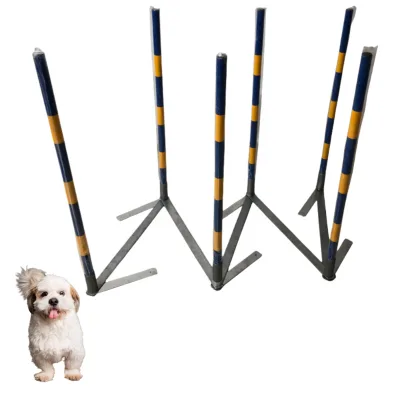
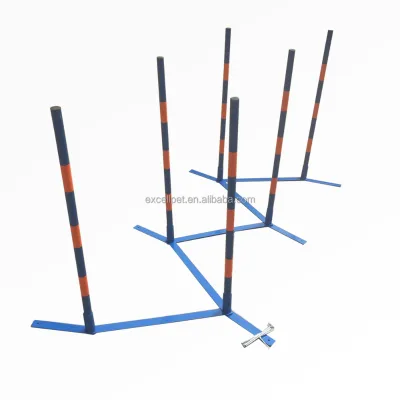
Dog Agility Weave Poles High Grade Adjustable Agility Weave Pole Set Dog Agility Equipment Set
$19.00 - $29.00
MOQ: 100 pieces
Wenzhou Gemeng Amusement Equipment Co., Ltd.
- Verified by TüVRheinland
- Manufacturer, Trading Company
- Lead time15 days
- Avg. response≤ 1h
Main productsIndoor Playground, Trampoline Park, Indoor Amusement Equipment, Slide, Outdoor Fitness Equipment
Main marketsEastern Europe(45%), Eastern Asia(25%), Mid East(15%)
$300.00 - $600.00
MOQ: 1 Minimum
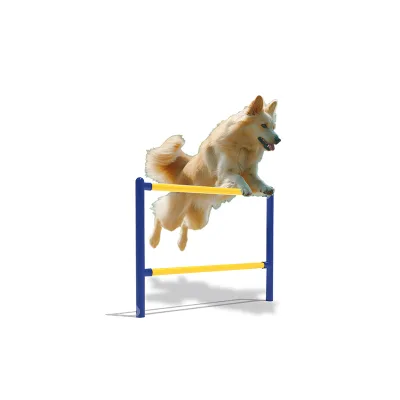
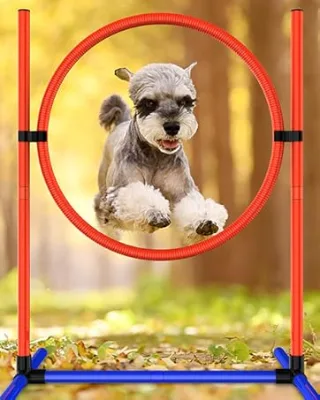
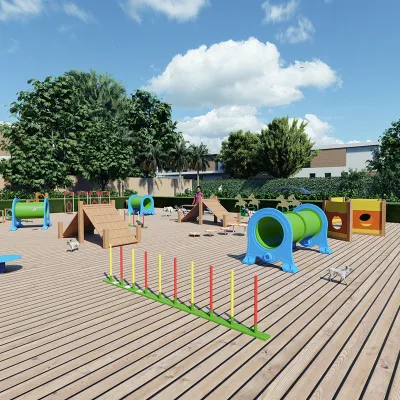
$300.00 - $600.00
MOQ: 2 Minimum
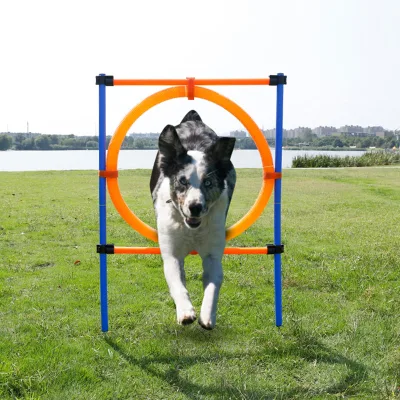
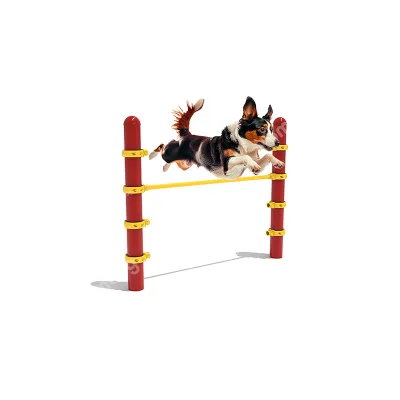
Sanhe City Guiyuxing Sporting Goods Co., Ltd.
- Manufacturer, Trading Company
- Hebei, China
- Lead time30 days
- Avg. response≤ 2h
Main productsOutdoor Fitness Equipment
Main marketsDomestic Market(89.00%), Western Europe(4.00%), Southern Europe(2.00%), Eastern Europe(2.00%), South America(1.00%), Northern Europe(1.00%), Southeast Asia(1.00%)
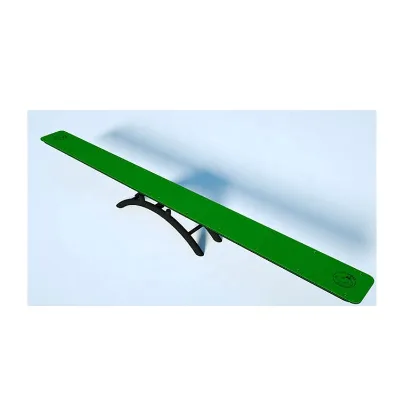
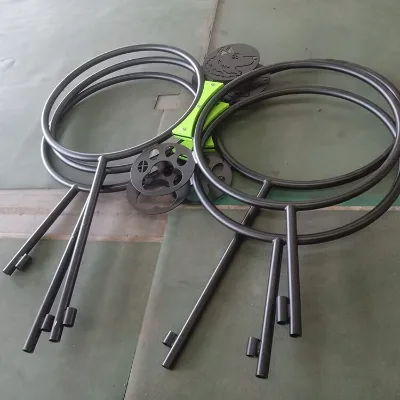
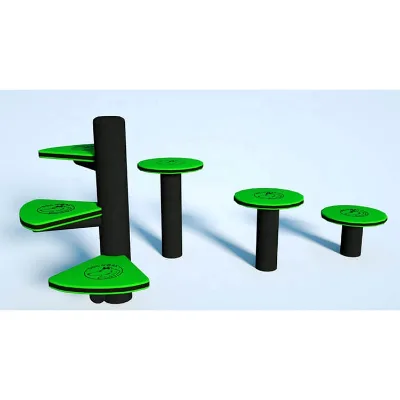
$325.91 - $336.09
MOQ: 1 sets

IVETWELL Animal Medical Limited
- Verified by SGS
- Trading Company
- China Beijing
- Lead time15 days
- Avg. response≤ 2h
Main productsVeterinary Medcial Equipment
Main marketsSoutheast Asia/ Mideast

Shanghai Pujia Metal Manufacturing Co., Ltd.
- Combined
- China Jiangsu
- Lead time15 days
- Avg. response≤ 16h
Main productsPet Cage, Dog Treadmill, Pet Operating Table, Vet Exam Table, Pet Bath Tub, Pet Grooming Table, Pet Grooming Hair Dryer, Veterinary Instruments
Main marketsSouth America,Domestic,Europe,North America

Dog Training Equipment Motorised Walking Machine, Dog Sports Pet Product Water Treadmill
$4300.00 - $4900.00
MOQ: 1 Pieces


Guangzhou Med Equipment Limited
- Combined
- China Guangdong
- Lead time15 days
- Avg. response≤ 4h
Main productsMedical Equipment, Lab Equipment, Hospital Bed, Hospital Equipment, Autoclave, Operation Table, X-ray Machine, Endoscope, Refractometer, Dental Chair
Main marketsDomestic

Shanghai Ritmark Sports Co., Ltd.
- Verified by BV
- Trading Company,Manufacturer/Factory
- China Shanghai
- Lead time23 days
- Avg. response≤ 4h
Main productsPVC Boat Fender, Fitness Ball, Fitness Sandbag, Waist Belt, Massage Tools, Acupressure Mat, Buoys, Dock Bumper, Yoga Items, Fitness Products
Main marketsSouth America,Eastern Europe,Mid East,North America,Southeast Asia,Eastern Asia,Oceania,Western Europe,Africa

CHONGQING WALKSON MACHINERY EQUIPMENT MANUFACTURING CO.,LTD.
- Verified by TUVRHEINLAND
- Manufacturer/Factory
- China Chongqing
- Lead time105 days
- Avg. response≤ 3h
Main productsAluminum Pergola, City Bus Shelters, Trash Can, Municipal Landscape Flower Planters, Signage Billboards, Outdoor Park Benches
Main marketsSouth America,Eastern Europe,Mid East,North America,Southeast Asia,Eastern Asia,Oceania,Western Europe,Africa

$68.00 - $78.00
MOQ: 1 Pieces

Agility Training Dog Park Playground Equipment a Frame Climb Stripe Panel Simple Log Wooden Backyard
$288.00 - $298.00
MOQ: 1 Pieces

$288.00 - $298.00
MOQ: 1 Pieces




Comprehensive Sourcing Guide
Dog Agility Equipment Supplier Concentration and Factory Types
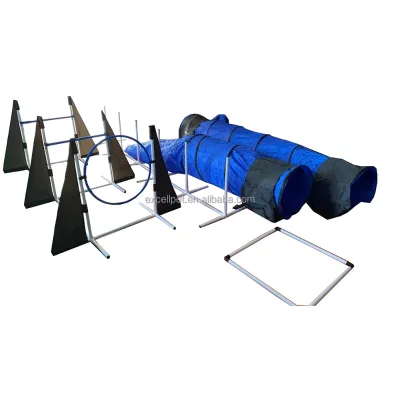
When you search for Dog Agility Equipment suppliers, most of the factories that specialize in this category operate in eastern China, and the supplier data in this category points strongly to Jiangsu Province as the primary manufacturing base, with Shanghai as an adjacent export hub. Jiangsu-based manufacturers list agility tunnels, dog walks, A-frames, jumping platforms, cone-and-bar backyard sets, and stainless steel agility training sets, indicating a cluster that covers both competition-grade and consumer-grade product lines. Because several of these companies describe themselves as both manufacturer and trading company, you should ask directly whether the items you source will come off their own production line or be resold from a nearby workshop.
Supplier type matters in this category more than in many others. A manufacturer that lists agility equipment as its main product line — often alongside pet cages, carriers, crates, and playpens — is more likely to control welding, plastic molding, and surface finishing in-house, which affects consistency on items such as contact obstacles. A trading company or factory that treats agility equipment as a sideline, as in the case of a Shanghai exporter whose catalog centers on airport ground support and horse trailers, may still offer acceptable quality but will have less control over tooling and lead times. Verify which model applies before committing to samples.
How to Verify Dog Agility Equipment Suppliers
Verification should begin with the documents a supplier can show, not the claims in its listing. Several agility equipment listings in this category state CE certification, and one supplier lists ISO 9001 and ISO 14001 system certifications with third-party verification by CTI. Ask each shortlisted supplier for the actual certificate number and issue scope, and confirm that the scope covers the product category you are buying rather than a neighboring one. For plastic tunnels and contact obstacles, request material test reports for the specific plastic and fabric batches used, since eco-friendly claims in listings are not test results.
Second, verify production reality. Suppliers in this category advertise supply abilities — for example, one Jiangsu maker states 1,000 pieces per month for its agility line — and OEM/ODM availability. Ask whether the quoted supply ability applies to the specific obstacle you plan to order, then reconcile it against a stated monthly capacity and a 30–45 day production window. Third, verify location and dispatch points. Listings in this category show Jiangsu origins and Shanghai or Ningbo dispatch ports, so confirm the actual factory address differs from the registered trading address where applicable. Finally, verify responsiveness before ordering: response times recorded for suppliers in this category range from roughly four to five hours, and a supplier that slows down during sampling will slow down further during production problems.
What to Compare Across Dog Agility Equipment Suppliers
Build a comparison sheet with the dimensions visible on supplier profiles: location, company type, main products, response time, lead time, establishment year, and whether platform protections such as escrow are offered. Not every supplier displays every attribute, so treat missing values as questions to ask rather than data to assume. In this category, recorded lead times run about 35 days for Jiangsu agility specialists and 45 days for a Shanghai-based trading and manufacturing company — a meaningful difference when you are planning a season or a retail launch. Response times in the three-to-five hour range suggest active export teams, but test this yourself with a technical question about tunnel fabric weight or A-frame rubber surfacing.
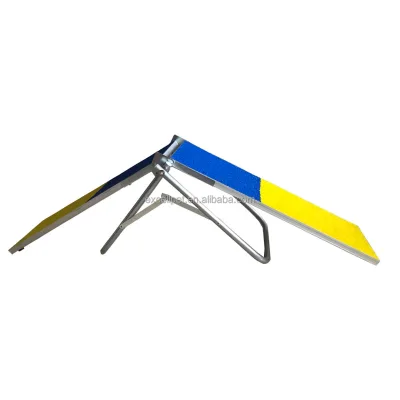
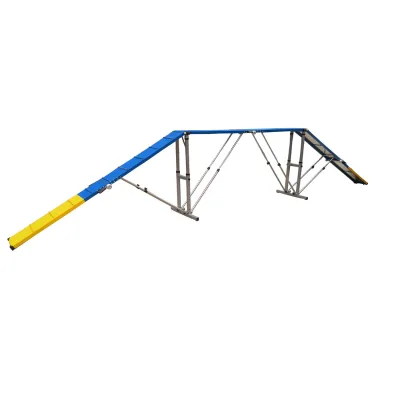
Compare products on specifications rather than photographs. Current listings allow concrete comparison: open competition tunnels with model numbers, plastic material, 15 kg single gross weight, and MOQ of 30 pieces priced roughly between $52 and $83; stainless steel agility sets at 10-piece MOQ and roughly $200–$250; iron dog walks at 6-foot length and 48 kg gross weight; and a dog water treadmill at $2,450–$2,680 with a 3HP motor and CE listing. Match these against your own requirements, and compare packaging (carton versus wooden case), color options, and customization availability across suppliers before shortlisting.
Common Dog Agility Equipment Sourcing Risks
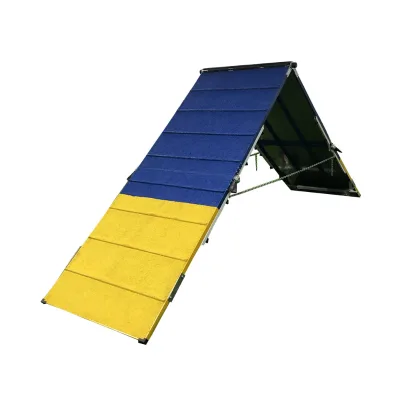
The most common risk in this category is specification drift on contact obstacles. Dog walks and A-frames in current listings weigh 48 kg to 87 kg per unit and ship in large carton dimensions, so a supplier substituting thinner-gauge iron or less rubber surfacing can pass a photo inspection but fail in use. Require a pre-shipment inspection with weight checks against the agreed specification, since gross weight is a listed attribute you can hold suppliers to. Tunnel risks are different: fabric denier, spring wire quality, and chord attachment points determine durability, and an "eco-friendly" label is not a substitute for a material test report.
Second is the hybrid manufacturer-trader risk noted earlier: a supplier whose main products span pet cages, airport equipment, and horse carriages may be brokering your order. This is not disqualifying, but it means quality control must be written into the contract rather than assumed. Third is capacity risk on made-to-order items — a stated 1,000 pieces per month may cover a whole agility line, not your specific SKU, so confirm slot availability at order placement. Fourth is freight underestimation: a 15 kg tunnel carton and an 87 kg A-frame crate have very different per-unit shipping economics, and buyers who quote freight after production rather than before often absorb margin damage. Finally, certification risk: a CE mark on a treadmill does not extend to agility obstacles, so verify certificate scope per product line.
Dog Agility Equipment Regional Sourcing and Logistics
The regional picture in this category is concentrated enough to plan around. Jiangsu Province supplies the agility-equipment factories whose listings dominate this search, with Shanghai as a nearby alternative, and the listed dispatch ports are Shanghai or Ningbo. This clustering works in your favor: suppliers sit within practical trucking distance of major container ports, and you can feasibly combine orders from two Jiangsu factories into one consolidated shipment if your volumes are small. When evaluating a supplier outside these areas, ask what its logistics advantage is — proximity to ports, in-house tooling, or a specific material supply chain — rather than assuming parity.
Logistics planning should account for the category's weight profile. Tunnel cartons at 15 kg gross, dog walks at 48 kg, and A-frames at 87 kg mean sea freight is the default for anything beyond samples, and wooden-case packing for heavy steel items adds dimensional weight. Confirm whether quoted prices include export packing (one listing specifies 1pc/ctn or wooden case; another specifies wooden case for a treadmill) and who arranges port delivery. Recorded lead times of 35 and 45 days are production times only; add booking, inland haulage, and sailing schedules when building your calendar. For buyers sourcing mixed loads — tunnels, contact obstacles, and heavier equipment — ask suppliers to quote consolidated container loading plans early, since carton dimensions of 183×15×28 cm and 113×13×105 cm affect cube utilization significantly.
Dog Agility Equipment Commercial Terms and Order Planning
Commercial terms in this category are visible enough to benchmark. Listed price ranges run from roughly $52–$83 for competition tunnels (MOQ 30), $180–$230 for 6-foot dog walks, $200–$250 for stainless steel agility sets (MOQ 10), and $2,450–$2,680 for water treadmills. Treat these as reference points and request itemized quotations covering material grade, packing type, and port of dispatch, since two listings in this category already show different packaging conventions (carton or wooden case versus wooden case). Where customization is offered — one supplier explicitly lists customization as available and another lists OEM/ODM — expect minimums and tooling discussion to move beyond the published MOQ.
Plan orders around the recorded production windows of 35 and 45 days plus freight, and place seasonal orders well before training and competition season demand. For first orders, use the low MOQs common in this category — 10 to 30 pieces — to test quality and packaging across two suppliers in parallel rather than committing a full container to one. Use escrow or platform-protected payment where offered, and stage payments for customized items. Build a reorder cadence with your chosen supplier: confirm production slot at the time of order, agree inspection points (in-line for welding and sewing, pre-shipment for weight and finish), and document specification and model numbers, such as the NDA-series references in listings, in the purchase contract to prevent substitution.
FAQs
Where is Dog Agility Equipment typically manufactured in China?
Dog Agility Equipment is commonly manufactured in Jiangsu Province, with some suppliers based in Shanghai. Products list Jiangsu as the place of origin, and Shanghai suppliers typically dispatch through Shanghai or Ningbo ports. Both regions offer access to export logistics, so buyers can compare suppliers across the two locations when evaluating shipping costs, lead times, and factory visits for agility training products.
What is the typical minimum order quantity for agility equipment?
Minimum order quantities vary by product type on the current listings. Agility exercise training equipment starts at 10 pieces per order, while open dog tunnels require 30 units. Larger items such as dog walk ramps and A-frames are usually quoted per single item. Buyers should confirm MOQ per model before requesting samples, as complex or heavy products often carry different order requirements.
How much does dog agility training equipment cost?
Prices differ widely by product category. Stainless steel agility exercise equipment ranges from roughly 200 to 250 US dollars per piece, plastic competition tunnels run between about 52 and 83 dollars, and dog walk obstacles cost 180 to 230 dollars. Professional water treadmills are considerably higher, listed from 2,450 to 2,680 dollars, reflecting motor power and specialized components.
What materials are used in Dog Agility Equipment?
Listed products use several materials depending on the item. Agility exercise frames are made of stainless steel, competition tunnels and backyard cone-and-bar sets use plastic, and dog walk ramps plus A-frames are built from iron, some with rubber surfacing for grip. Most items carry an eco-friendly feature claim. Buyers should request material specifications and surface treatment details for outdoor durability before ordering.
What certifications should I look for when sourcing agility equipment?
Several listed products carry CE certification, which is a common baseline for pet training equipment exported to Europe. Some Shanghai suppliers also hold ISO 9001 and ISO 14001 system certifications, indicating quality management and environmental standards. Third-party verification status should be confirmed for each supplier. Always request current certificate copies matching the exact model number you intend to purchase.
How long do production and response times usually take?
Lead times on current supplier profiles range from about 35 to 45 days after order confirmation, depending on product complexity and order volume. Average response times fall between roughly 4 and 5 hours, so buyers can expect reasonably quick communication. Large or customized items such as water treadmills may extend production schedules, so confirm the exact timeline for your specific model in writing.
Can suppliers provide custom or OEM agility equipment?
Yes, customization is widely available. A Jiangsu manufacturer explicitly lists OEM and ODM services for agility equipment, and a Shanghai supplier offers customization on water treadmill models and operates under its own brand with OEM and ODM options. Buyers seeking custom colors, sizing, or branding should submit detailed specifications early, since customized orders often affect minimum quantities, unit pricing, and production lead times.