Flushable Eco-Friendly Tofu Cat Litter Suppliers and Manufacturers
Discover 10 verified suppliers offering Flushable Eco-Friendly Tofu Cat Litter with customizable packaging and certifications. Compare response times, lead times, and MOQs to find the right factory for your needs. Request samples today to evaluate product quality; review the available evidence before requesting comparable quotations from suitable candidates.
Suppliers List

Qingdao KJ Bioengineering Co., Ltd.
- Verified by BV
- Trading Company,Manufacturer/Factory
- China Shandong
- Lead time15 days
- Avg. response≤ 4h
Main productsCorn COB Paper Cat Litter, Newspaper Recycled Paper Cat Litter, Tofu Cat Litter, Polymer Cat Litter, pH Tofu Cat Litter, Paper Cat Litter, Mineral Cat Litter, Crushed Tofu Cat Litter, Cassava Cat Litter
Main marketsSouth America,Eastern Europe,Mid East,North America,Southeast Asia,Eastern Asia,Oceania,Western Europe,Africa


Factory Price Tofu Cat Litter Eco-Friendly Natural Flushable Cat Sand Plant Tofu Cat Litter
$1.00 - $1.40
MOQ: 100 Bags


Haisen Pet Technology (Inner Mongolia) Co., Ltd.
- Verified by SGS
- Combined
- China InnerMongolia
- Lead time15 days
- Avg. response≤ 6h
Main productsCat Litter, Pet Food, Pet Supplies
Main marketsSouth America,Africa,Southeast Asia/ Mideast,East Asia(Japan/ South Korea),Europe,North America

Eco-Friendly Flushable Absorbent Fast Clumping Odor Control Tofu Cat Litter
$1.60 - $1.71
MOQ: 500 Bags


Low Dust Eco Friendly 99% Antibacterial Strong Clumping Tofu Cat Litter
$1.89 - $2.00
MOQ: 500 Bag/Bags

Dalian Eastland International Trading Co., Ltd.
- Verified by BV
- Trading Company,Manufacturer/Factory,Group Corporation
- China Liaoning
- Lead time23 days
- Avg. response≤ 10h
Main productsLactic Acid, L-Lactic Acid, Buffered Lactic Acid, Sodium Lactate, Chemical Product, Calcium Lactate, Chemical
Main marketsSouth America,Eastern Europe,Mid East,North America,Southeast Asia,Eastern Asia,Oceania,Western Europe,Africa


High Quality Tofu Cat Litter Flushable Cat Litter Natural Environmentally Friendly Kitty Litter
$600.00 - $680.00
MOQ: 1 Tons

Strong Clumping Eco-Friendly High-Absorption Pet-Safe Dust-Free Tofu Cat Litter
$600.00 - $680.00
MOQ: 1 Tons


- Verified by CTI
- Combined
- China Hebei
- Lead time15 days
- Avg. response≤ 5h
Main productsPet Food, Cat Food, Cat Treat, Cat Litter, Freeze-Dried Food, Dog Food, Canned Pet Food, Pet Supply, Pet Dry Food, Pet Wet Food
Main marketsAfrica,Southeast Asia/ Mideast,East Asia(Japan/ South Korea),Domestic,Europe

Linyi Xinghong Trading Co., Ltd.
- Verified by CTI
- Trading Company,Manufacturer/Factory
- China Shandong
- Lead time15 days
- Avg. response≤ 2h
Main productsPet Products, Cat Litter, Tofu Cat Litter, Bentonite Cat Litter, Mixed Cat Litter, Cat Litter Box, Pet Urine Pad, Pet Diapers, Pet Cleaning Products, Pet Supplies
Main marketsSouth America,Eastern Europe,Mid East,North America,Southeast Asia,Eastern Asia,Oceania,Western Europe,Africa

Strong Odor Removal Flushable Tofu Cat Litter Eco-Friendly Cat Sand Pet Supply
$565.93 - $587.41
MOQ: 1 Tons


Natural Orginal Flavor Dust Free Tofu Cat Litter Flushable Cat Sand for Cats
$499.11 - $566.77
MOQ: 3 Tons

$499.11 - $566.77
MOQ: 3 Tons

$451.05 - $499.11
MOQ: 5 Tons

Eco-Friendly Flushable Tofu Cat Litter Lightweight Dust Free Cat Sand for Multi Cats
$633.49 - $655.56
MOQ: 1 Tons

Yantai Lanbao Pet Products Co., Ltd.
- Verified by SGS
- Combined
- China Shandong
- Lead time15 days
- Avg. response≤ 1h
Main productsCat Litter, Tofu Cat Litter, Cassava Cat Litter, Crystal Cat Litter, Bentonite Cat Litter, Silica Gel Cat Litter, Cat Sand, Pet Litter, Pet Supply, Pet Product
Main marketsSoutheast Asia/ Mideast,East Asia(Japan/ South Korea),Domestic,Australia,North America
Puyuan (dalian) Pet Products Co., Ltd.
- Verified by SGS Group
- Manufacturer, Trading Company
- Liaoning, China
- Lead time10 days
- Avg. response≤ 1h
Main productsBentonite Cat Litter, Wood Shaving, Pine Cat Litter, Tofu Cat Litter
Main marketsSoutheast Asia(25%), South America(20%), Southern Europe(11%)

Shandong Haifang International Trade Co., Ltd.
- Verified by BV
- Combined
- China Shandong
- Lead time30 days
- Avg. response≤ 3h
Main productsCat Litter, Bentonite Cat Litter, Tofu Cat Litter, Mixed Cat Litter, Crushed Cat Litter, Pet Products, Cat Sand, Cat Litter Clumping, Pet Food, Cat Litter Suppliers
Main marketsNorth America

QINGDAO EAST LISHENG IMPORT AND EXPORT CO., LTD
- Verified by TUVRHEINLAND
- Trading Company
- China Shandong
- Lead time15 days
- Avg. response≤ 11h
Main productsSilica Gel, Bentonite, Silica Gel Crystals Cat Litter, Silica Gel Plates, Pine Wood Litter, Decolor Silica Gel Sand, Blue Silica Gel, Column Chromatography Silica Gel, Paper Cat Litter, Tofu Cat Litter
Main marketsEast Asia(Japan/ South Korea),Domestic,Europe

Haisen Huachong (Shandong) Pet Products Co., Ltd.
- Verified by SGS
- Combined
- China Shandong
- Lead time15 days
- Avg. response≤ 3h
Main productsTofu Cat Litter, Bentonite Cat Litter, Silicone Cat Litter, Crushed Tofu Cat Litter, Cat Food, Dog Food, Pet Toys, Pet Accessories, Cat Climbing Stands, Pet House
Main marketsSoutheast Asia/ Mideast,Domestic


$600.00 - $680.00
MOQ: 1 Tons

OEM Pet Supply Tofu Cat Litter Eco-Certified Low Dust Affordable High Absorbency Cat Litter
$1.88 - $2.18
MOQ: 400 Bags


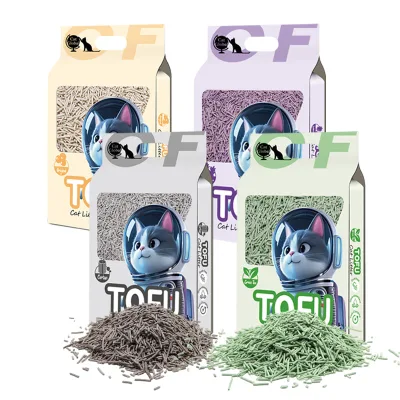
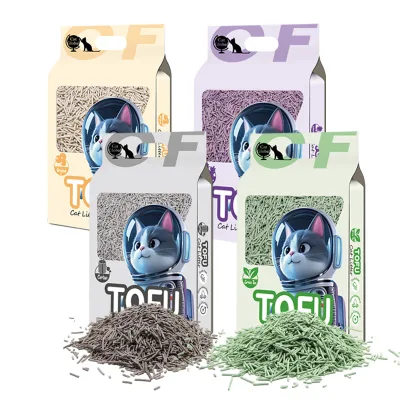


Comprehensive Sourcing Guide
Flushable Eco-Friendly Tofu Cat Litter Supplier Concentration and Factory Types
Current data indicates that manufacturing capabilities for flushable eco-friendly tofu cat litter are concentrated in specific Chinese provinces, with Shandong and Inner Mongolia appearing as verified production hubs. Suppliers in these regions often operate as a hybrid of trading companies and manufacturers, offering a blend of direct factory access and broader sourcing networks. The presence of established facilities in Shandong suggests a mature industrial cluster capable of handling large-scale production runs for various litter types, including corn cob, newspaper recycled paper, and tofu-based formulations. Buyers should prioritize verifying the physical location of the factory against the shipping origin listed in product attributes to ensure the supply chain is genuine and not merely a reseller arrangement.
Company types in this sector frequently list themselves as combined entities, allowing them to manage both OEM and ODM services while maintaining their own brand lines. This dual structure provides flexibility for buyers seeking custom formulations, such as pH-regulated or health-monitoring litters, alongside standard bulk orders. The ability to offer both trading and manufacturing services often correlates with a wider range of main products, including pet food and general pet supplies, which can streamline logistics for buyers with diverse needs. However, the distinction between a pure manufacturer and a trading company remains critical for assessing quality control depth and production capacity, as the latter may rely on third-party factories for actual output.
How to Verify Flushable Eco-Friendly Tofu Cat Litter Suppliers
Verification of suppliers in the tofu cat litter market relies heavily on third-party audit reports and specific certification markers rather than self-declared claims. Current results show that some suppliers hold BV verification status, while others display SGS verification, indicating that independent inspection agencies have assessed their business legitimacy. Buyers must cross-reference these verification badges with the specific certifications listed in product attributes, such as ISO 9001, CE, or MSDS, to ensure the supplier meets international quality and safety standards. The presence of an ISO 9001 system certification suggests a structured approach to quality management, which is essential for maintaining consistency in biodegradable litter production.
Beyond basic verification, buyers should scrutinize the specific product attributes linked to the supplier's catalog to confirm their technical capabilities. Evidence shows that suppliers offer products with features like pH monitoring, low dust, and high absorption rates, which require precise manufacturing controls. The availability of free samples, as noted in some product attributes, allows buyers to physically test the clumping performance and flushability before committing to larger orders. Additionally, the confirmation of OEM and ODM acceptance indicates that the supplier has the engineering capacity to customize raw materials, such as soybean fiber or corn starch blends, to meet specific buyer requirements. This level of detail in product attributes serves as a proxy for the supplier's operational maturity and technical reliability.
What to Compare Across Flushable Eco-Friendly Tofu Cat Litter Suppliers
When evaluating potential partners, buyers should prioritize comparing lead times and response speeds to gauge operational efficiency and communication reliability. Data indicates that response times can vary significantly, with some suppliers averaging around 3.09 hours while others may take longer, directly impacting the speed of order processing and issue resolution. Lead times are another critical metric, with standard production windows often cited around 15 days, though this can fluctuate based on order volume and customization requirements. Comparing these metrics across multiple suppliers helps identify those capable of meeting tight delivery schedules without compromising on the quality of the eco-friendly litter.
Minimum Order Quantities (MOQ) and pricing structures also require careful comparison to align with the buyer's inventory strategy and budget constraints. Current product evidence reveals a wide range of MOQs, from 100 bags to 5 tons, depending on the specific product line and packaging configuration. Pricing data shows variations, with some listings indicating a minimum price of 1.00 per unit while others start at 1.40 or higher, reflecting differences in raw material costs, packaging types, and certification levels. Buyers must analyze these figures in the context of their total landed cost, considering that lower unit prices might come with higher shipping costs or stricter MOQs that tie up capital. Understanding these commercial variables is essential for selecting a supplier that offers the best balance of cost, volume flexibility, and service speed.
Common Flushable Eco-Friendly Tofu Cat Litter Sourcing Risks
One significant risk in sourcing tofu cat litter involves the discrepancy between claimed product features and actual performance, particularly regarding flushability and clumping strength. While many suppliers advertise products as flushable and biodegradable, the physical properties of the litter, such as particle size and binding agents, must be rigorously tested to ensure they do not cause plumbing issues. Some product attributes mention specific features like "pH monitoring" or "health monitoring," which imply advanced formulations that may not be universally standardized. Buyers should request detailed test reports or perform their own trials to verify that the litter dissolves effectively in water and maintains its structural integrity during use, as failures in these areas can lead to customer complaints and returns.
Another critical risk is the inconsistency in raw material sourcing and the potential for contamination or quality degradation during storage and transport. The supply chain for ingredients like corn starch, pea fiber, and soybean fiber can be volatile, affecting the final product's absorption rate and odor control capabilities. Evidence suggests that some products are packed in PP bags with PE liners, while others use woven bags or stand-up pouches, each offering different levels of protection against moisture and contamination. If the packaging is not robust enough, the litter may absorb humidity, leading to premature clumping or mold growth before it reaches the end consumer. Buyers must verify the packaging specifications and storage conditions to mitigate these risks and ensure the product arrives in optimal condition.
Flushable Eco-Friendly Tofu Cat Litter Regional Sourcing and Logistics
Regional sourcing strategies must account for the specific geographic origins of the suppliers, as this directly influences shipping costs and delivery timelines. Verified data points to production clusters in Shandong and Inner Mongolia, with some product attributes also listing Hebei as an origin point. These regions are central to China's pet supply manufacturing, but the distance from major ports can vary, affecting the overall logistics cost. Buyers should calculate the total freight expense based on the specific port of loading associated with the supplier's location, as inland factories may incur additional trucking fees before the goods reach the vessel. Understanding these logistical nuances is vital for accurate cost modeling and ensuring competitive pricing in the final market.
Logistics planning also requires attention to the packaging specifications and how they impact container loading efficiency. Product attributes indicate various packaging formats, including 5L-4kg bags, 10L-8kg bags, and bulk options like 20kg or 24kg bags. The choice of packaging, whether it is a 3-side seal bag, a stand-up pouch, or a woven bag, determines how many units can be loaded into a standard shipping container. Buyers should work with suppliers to optimize the packing configuration to maximize container utilization, thereby reducing the per-unit shipping cost. Additionally, verifying the origin location against the shipping terms ensures that the supplier is capable of handling the necessary export documentation and customs clearance for the specific destination country.
Flushable Eco-Friendly Tofu Cat Litter Commercial Terms and Order Planning
Commercial terms for flushable eco-friendly tofu cat litter often include flexible customization options, allowing buyers to tailor the product to their brand identity. Evidence shows that suppliers welcome OEM and ODM requests, offering custom logos, flavors, and packaging designs to meet specific market demands. This flexibility extends to the raw material composition, with options to adjust the blend of soybean fiber, corn starch, and guar gum to achieve desired performance characteristics. Buyers should clearly define their customization requirements early in the negotiation process to ensure the supplier can deliver the exact specifications without delays or additional costs. The ability to customize is a key differentiator for brands looking to stand out in a competitive pet care market.
Order planning must also consider the sample availability and the transition from sampling to mass production. Many suppliers offer free stock samples, which is a valuable resource for validating product quality before placing a large order. However, buyers should be aware that sample costs may apply for custom designs or specific formulations, and these costs might be deductible from the final order value. Establishing a clear timeline for sample approval, production, and delivery is essential to avoid bottlenecks. By understanding the supplier's capacity for both small-batch customization and large-volume production, buyers can create a robust order plan that aligns with their sales forecasts and inventory management strategies, ensuring a smooth supply chain from factory to consumer.
FAQs
What is the minimum order quantity for tofu cat litter?
Minimum order quantities vary by supplier and product type. Some listings require 100 bags, while others specify 1 ton or 5 tons. Buyers should verify the specific MOQ for their chosen product size and customization needs before placing an order.
Are these cat litters flushable and biodegradable?
Many products listed are described as flushable and biodegradable, made from plant materials like corn starch and pea fiber. Features often include low dust and strong clumping capabilities. Always confirm the flushability claim with the specific supplier to ensure it meets local plumbing standards.
What certifications do the suppliers hold?
Suppliers may hold ISO 9001 system certification and product-specific MSDS certificates. Some listings also mention CE certification. Verification services like BV or SGS are used to confirm supplier status. Buyers should request current certificates to ensure compliance with safety and quality standards.
How long does it take to receive an order?
Lead times for production and shipping are typically around 15 days. Response times from suppliers average between 3 to 5 hours. Actual delivery duration depends on the shipping method and destination. Confirm the exact lead time with the supplier before finalizing the purchase agreement.
Can I customize the packaging and logo?
Customization is widely available for packaging, logos, and product features. Options include custom fragrances, bag sizes, and specific branding. Suppliers accept OEM and ODM requests. Buyers should discuss their specific design requirements and minimum order thresholds to ensure the customization is feasible.
What are the typical price ranges for this litter?
Prices generally range from 1.00 to 1.71 per unit depending on the product specifications and order volume. Specific listings show prices around 1.40 or 1.60. Costs may vary based on packaging type and material composition. Request a detailed quote to confirm the final price for your quantity.
Where are these suppliers located?
Suppliers are primarily located in China, with specific regions including Shandong, Inner Mongolia, and Hebei. These locations influence shipping logistics and potential tariffs. Buyers should verify the exact origin of the goods to understand the supply chain and ensure the location matches their sourcing preferences.