Adjustable Non-Skid Elbow Brace Suppliers and Manufacturers
Compare 23 verified suppliers of the adjustable non-skid elbow brace by location, response time, lead time, certifications, and OEM or ODM capability. Review listed pricing, MOQ, and product specifications side by side, then contact the suppliers that match your sourcing requirements.
Updated
Suppliers List

XIAMEN DORRELLA HEALTH TECHNOLOGY CO.,LTD
- Verified by SGS
- Trading Company,Manufacturer/Factory,Group Corporation
- China Fujian
- Lead time23 days
- Avg. response≤ 5h
Main productsOrthotic Brace, Ankle Brace, Arm Brace, Back Brace, Cervical Collar, Finger Splint, Hip Abduction Braces, Hand and Wrist Brace, Post-Op Shoes, Orthopedic Waiking Boot
Main marketsSouth America,Eastern Europe,Mid East,North America,Southeast Asia,Eastern Asia,Oceania,Western Europe,Africa


Elbow Joint Fixation Brace Adjustable Fracture Protector Arm Sling Elbow Joint Fixation Brace
$4.90 - $7.90
MOQ: 10 Sets

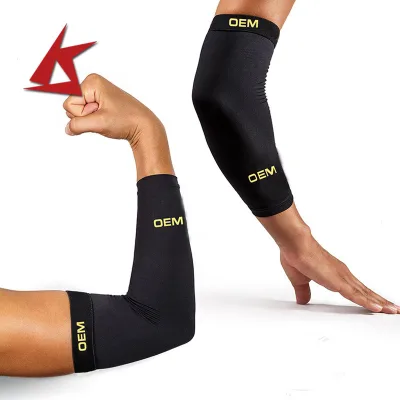
Knob - Adjustable Compression Elbow Brace for Sports Protection & Injury Recovery
$3.70 - $4.60
MOQ: 2 Sets

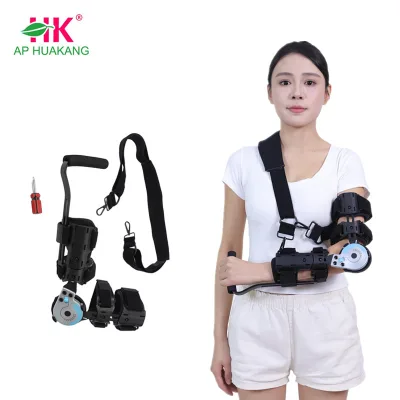
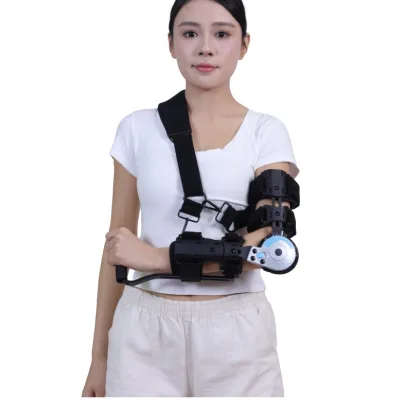
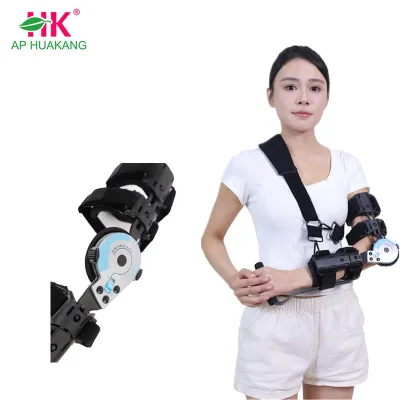
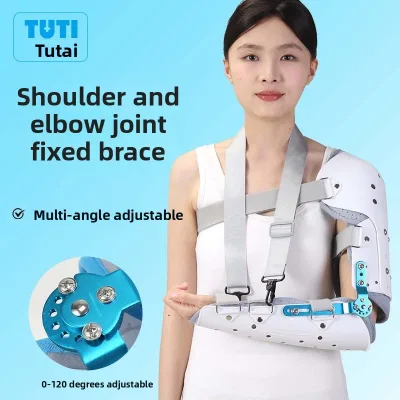
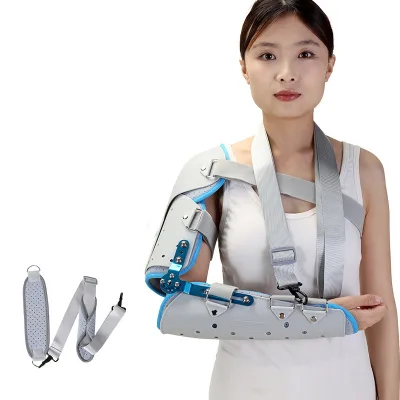
Shoulder and Elbow Fixed Brace for Arm Fracture Support with Adjustable Elbow Protector
$46.90 - $54.90
MOQ: 10 Sets

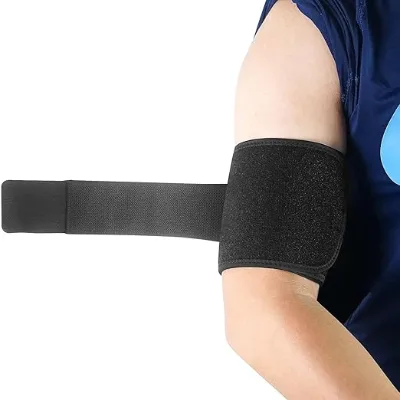
Adjustable Elbow Joint Fixation Brace Sports Protection Elbow Guard Adult Elbow Guard Support
$24.90 - $28.50
MOQ: 10 Sets

Hangzhou Kebo Orthopedic Rehabilitation Equipment Co.,Ltd
- Verified by SGS
- Combined
- China Zhejiang
- Lead time30 days
- Avg. response≤ 9h
Main productsSpine Orthosis, Orthosis Accessories, Upper Limb Orthosis, Lower Limbs Orthosis
Main marketsSoutheast Asia/ Mideast,Europe
Hengshui Jingkang Medical Device Co., Ltd.
- Manufacturer, Trading Company
- Hebei, China
- Lead time5 days
- Avg. response≤ 6h
Main productsmaternity support,lumbar support,tourmaline magnetic,crutch,arm sling
Main marketsNorth America(40.00%), South America(20.00%), Eastern Europe(15.00%), Domestic Market(5.00%)
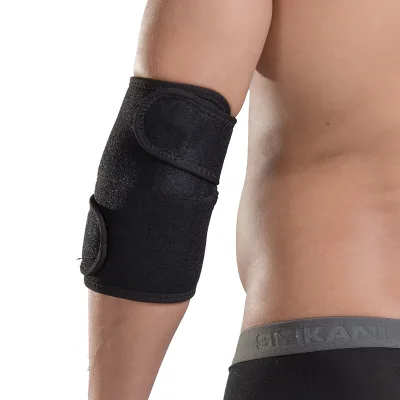
New Design Compression Elbow Support Adjustable Elbow Joint Arm Support Brace
$1.38 - $1.59
MOQ: 1 pieces
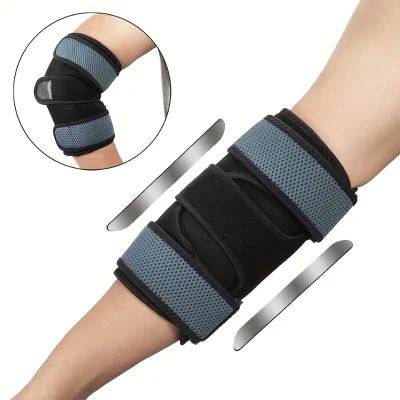
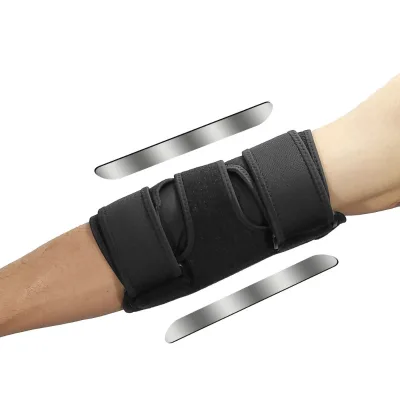
Adjustable Elbow Joint Recovery Arm Splint Brace Support Weightlifting Elbow Wrap
$1.99 - $2.47
MOQ: 1 pieces
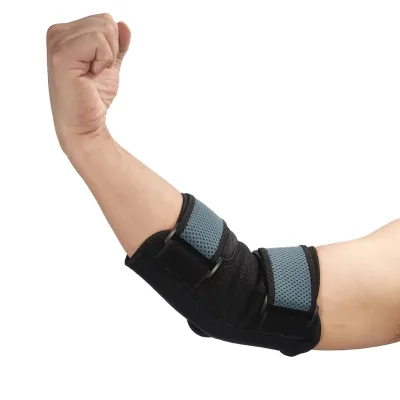
Adjustable Stabilizer Elbow Immobilized Breathable Removable Metal Splints Elbow Support
$2.0853 - $2.5883
MOQ: 1 pieces
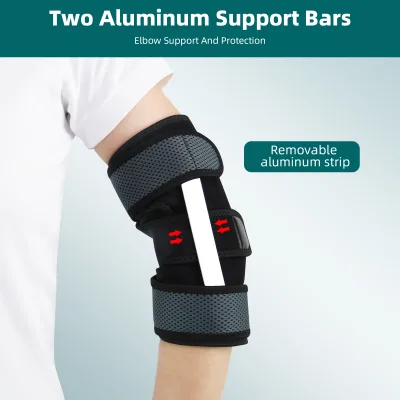
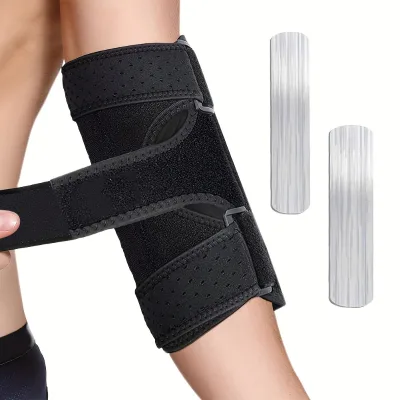
$2.0449 - $3.0733
MOQ: 10 pieces
Anping Huakang Medical Products Factory
- Verified by SGS Group
- Manufacturer, Trading Company
- Lead time35 days
- Avg. response≤ 2h
Main productsWalker brace, Wrist Brace, Knee Brace, Cervical Collar, Thoracolumbar Spine
Main marketsNorth America(70%), Western Europe(20%), South America(10%)
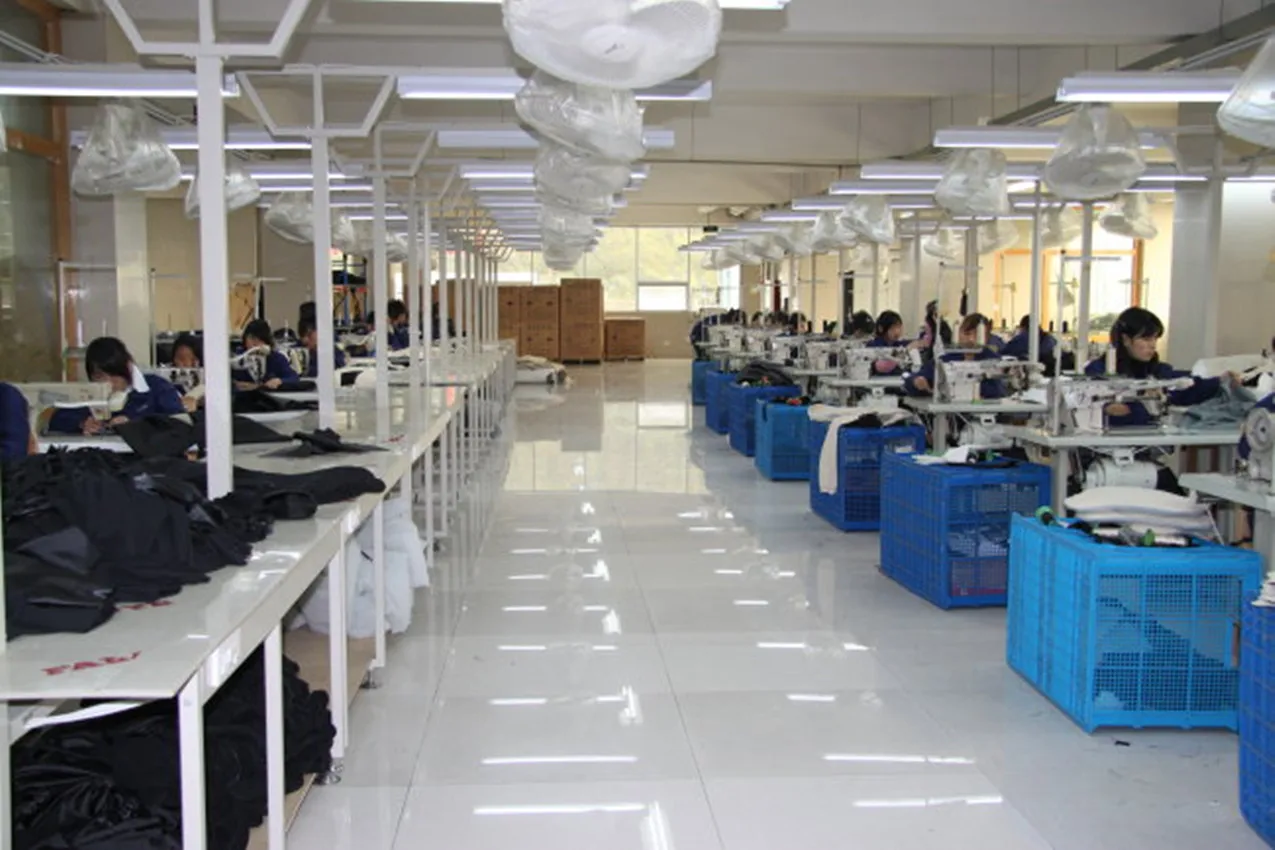
Hebei Zeyong Technology Co., Ltd.
- Trading Company
- Hebei, China
- Lead time15 days
- Avg. response≤ 3h
Main productsSports Protection,Sports clothes,Sports Shoes,Sports bags,outdoor products
Main marketsNorth America(30.00%), Eastern Europe(20.00%), Southern Europe(15.00%), Western Europe(10.00%), Eastern Asia(5.00%), Oceania(5.00%), South America(5.00%), Southeast Asia(5.00%), Northern Europe(3.00%), Mid East(1.00%), Africa(1.00%)
Hebei Jiewo Medical Instrument Co., Ltd.
- Trading Company
- Hebei, China
- Lead time5 days
- Avg. response≤ 2h
Main productsmaternity support,lumbar support,tourmaline magnetic,crutch,arm sling
Main marketsNorth America(40.00%), South America(20.00%), Eastern Europe(15.00%), Domestic Market(5.00%)
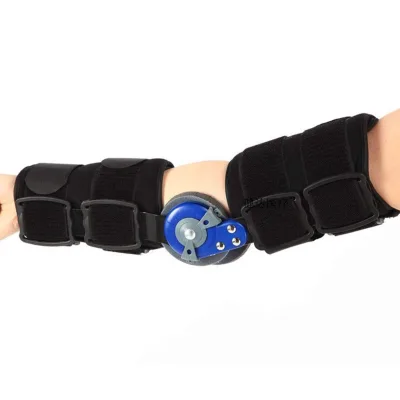
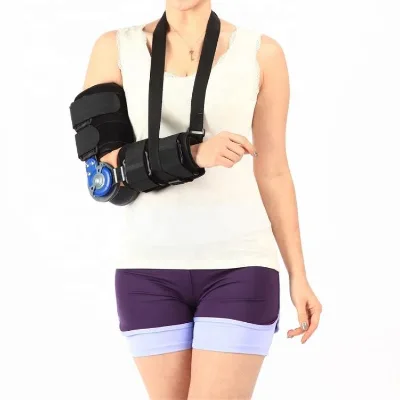
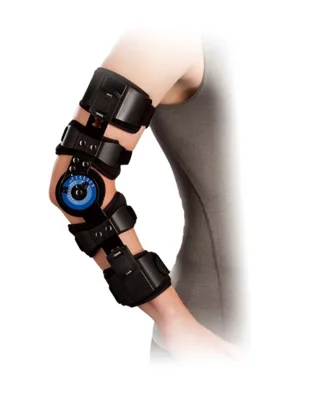
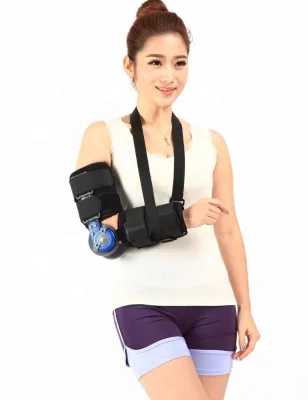
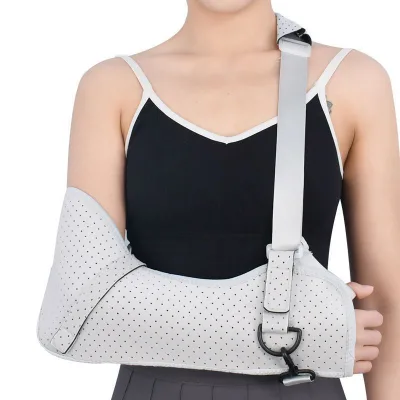
Forearm Sling Brace Shoulder and Elbow Joint Fixation Brace for Dislocated Arms
$3.40 - $3.60
MOQ: 500

Shenzhen Villsun Sports Technology Co., Ltd
- Verified by SGS
- Trading Company
- China Guangdong
- Lead time23 days
- Avg. response≤ 1h
Main productsFitness Equipment, Yoga Mats, Resistance Bands, Yoga Ball, Shin Guards, Knee Pads, Elbow Pads, Strength Fitness Equipment, Hand Grip, Yoga Wear
Main marketsSouth America,Southeast Asia/ Mideast,Europe,Australia,North America
Hengshui Jiayao Medical Equipment Co., Ltd.
- Verified by TüVRheinland
- Manufacturer, Trading Company
- Lead time5 days
- Avg. response≤ 1h
Main productsKnee Joint Brace, Ankle Fixation Brace, Medical Fixation Belt, Neck Fixed Brace, Thoracolumbar And Elbow Joint Braces
Main marketsDomestic Market(50%), South America(10%), Mid East(10%)

PLANET (ANHUI) INTERNATIONAL CO., LTD.
- Verified by BV
- Combined
- China Jiangsu
- Lead time60 days
- Avg. response≤ 4h
Main productsBandage, First Aid Kits, Band Aid, Wound Dressing, Foot Patch, Knee Brace, Knee Support, Knee Pad, Adhesive Tape, Compression Stocks
Main marketsNorth America
Nantong Get Power Fitness Equipment Co., Ltd.
- Verified by TüVRheinland
- Trading Company
- Lead time30 days
- Avg. response≤ 2h
Main productsDumbbell, Barbell, Weight Plate, Power Rack, Bench
Main marketsNorthern Europe(40%), North America(20%), Southeast Asia(20%)
Yangzhou Hongwei Sports Goods Co., Ltd.
- Verified by Intertek
- Manufacturer, Trading Company
- Lead time10 days
- Avg. response≤ 3h
Main productsSports Protective Gear, Ball Sports Protective Gear, Fitness Protective Gear, Medical Protective Gear
Main marketsDomestic Market(40%), North America(22%), Eastern Asia(6%)

Henan Eminent Medical Devices Co., Ltd.
- Verified by TUVRHEINLAND
- Manufacturer/Factory
- China Henan
- Lead time23 days
- Avg. response≤ 3h
Main productsBarber Chair, Shampoo Chair/Bed, Massage Table, Nursing Bed/Hospital Bed, Medical Brace, Mirror Salon Station, Commder Chair, Bath Chair, Nail Table Desk, Wheelchair
Main marketsSouth America,Eastern Europe,Mid East,North America,Southeast Asia,Eastern Asia,Oceania,Western Europe,Africa


$15.00 - $17.00
MOQ: 10 Pieces
Yangzhou Hongwei Sports Goods Co., Ltd.
- Manufacturer, Trading Company
- Lead time旺季: "1 - 100":16,"101 - 2000":25,"> 2000":"To be negotiated", 淡季: "1 - 100":16,"101 - 2000":25,"> 2000":"To be negotiated"
- Avg. response≤ 2h
Main productsSweat Trainer, Knee Support, Waist Support, Hip Band, Elbow Support
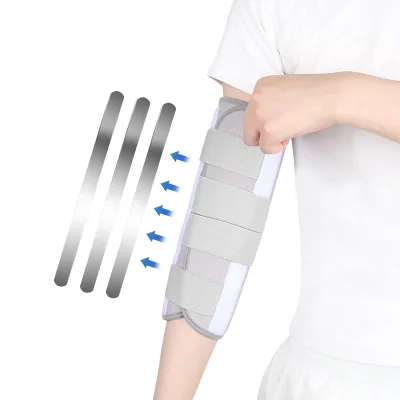
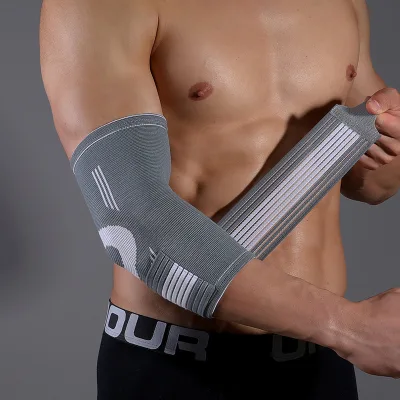
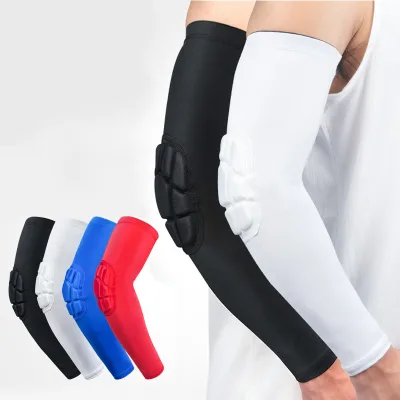
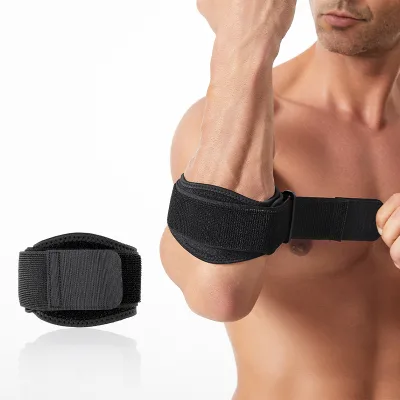
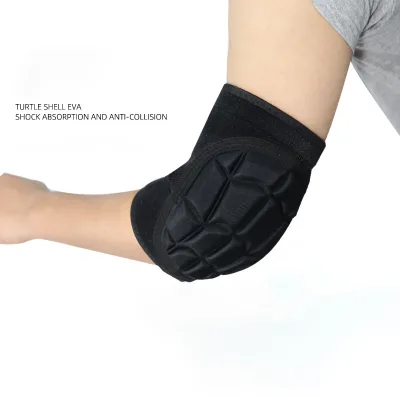
SHIWEI-HB010#Sponge Elbow Sleeve Support Protection Arm Elbow Brace for Biking,Driving
$1.97 - $2.60
MOQ: 2 pieces
TONGLU HUNTER OUTDOOR PRODUCTS INC
- Verified by SGS Group
- Manufacturer, Trading Company
- Lead time20 days
- Avg. response≤ 2h
Main productsSports Protective Gear, Diving Fabric, Rubber Rain boots
Main marketsMid East(30%), South America(15%), Western Europe(15%)
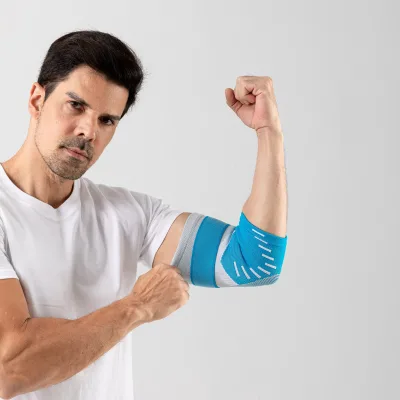
Adjustable Compression Elbow Brace - Customizable Fit for Left/Right Arm & Varying Support Levels.
$2.3668 - $2.4701
MOQ: 300 pieces
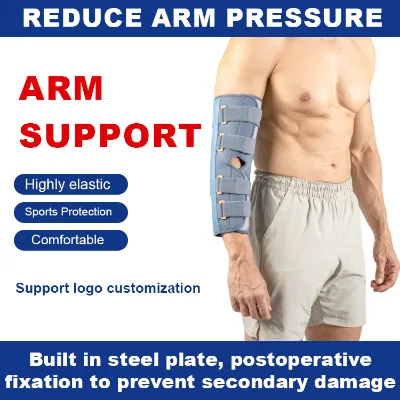
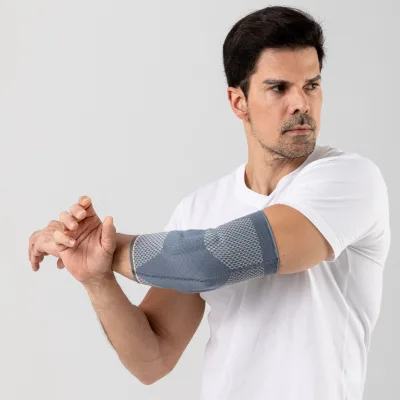
Professional Elbow Brace with Compression Support Breathable Elbow Brace Compression Sleeve
$2.3668 - $2.4701
MOQ: 300 pieces

- Verified by SGS
- Trading Company
- China Zhejiang
- Lead time15 days
- Avg. response≤ 18h
Main productsFitness Equipment, Trampoline, Treadmill, Dumbbell, Yoga Mat, Spinning Bike, Jump Rope, Pull up Bar, Gym Rack, Leg Press
Main marketsEurope,Australia

Adjustable Black Adult Gym Equipment Protector Exercise Sports Elbow Brace
$1.02 - $1.50
MOQ: 666 Pieces

Fitness Exercise Yellow Red Blue White Customizable Equipment Elbow Brace
$2.00 - $2.25
MOQ: 444 Pieces

Multicolored Fitness Machine Body Polyester Long Sports Protection Elbow Brace
$0.50 - $0.70
MOQ: 1428 Pieces

Gym Home Exercise Sports Multicolored Designed Protective Equipment Elbow Brace
$0.07 - $0.50
MOQ: 2000 Pieces


Wholesale Multiple Gym Body Training Exercise Protective Equipment Elbow Brace
$8.00 - $8.40
MOQ: 119 Pieces

- Verified by TUVRHEINLAND
- Trading Company,Manufacturer/Factory
- China Guangdong
- Lead time45 days
- Avg. response≤ 8h
Main productsElectric Wheelchair, Manual Wheelchair, Sports Wheelchair, Hospital Bed, Crtuches, Walking Aids, Shower Chair, Trailer Mobility Scooter, Commode Wheelchair, Stretcher
Main marketsSouth America,Eastern Europe,Mid East,North America,Oceania,Western Europe,Africa

Ningbo Beiduoen Health Tech. Co., Ltd.
- Verified by CTI
- Combined
- China Zhejiang
- Lead time23 days
- Avg. response≤ 8h
Main productsKnee Support, Ankle Brace, Compression Arthritis Glove, Wrist Support, Waist Belt, Foot Care, Insoles, Toe Separator, Compresson Sock Glove Knee Brace, Copper Supports
Main marketsSouth America,Southeast Asia/ Mideast,Europe,Australia,North America


Compression Adjustable Elbow Support Brace with Steel Spring for Sports Protection
$1.50 - $1.90
MOQ: 500 Pieces

Set of 4 Reinforced Knee and Elbow Support Brace for Climbing and Outdoor Activities
$4.20 - $4.50
MOQ: 500 Pairs

Hebei Denovo Medical Device Co., Ltd.
- Verified by BV
- Trading Company,Manufacturer/Factory
- China Hebei
- Lead time23 days
- Avg. response≤ 4h
Main productsBack Support, Knee Support, Posture Corrector, Foot Night Splint, Arm Slings, Hernia Belts, Cervical Collars, Abduction Orthosis
Main marketsSouth America,Eastern Europe,Mid East,North America,Southeast Asia,Eastern Asia,Oceania,Western Europe,Africa
Hebei Kang Sheng Yuan Sports Goods Co., Ltd.
- Manufacturer, Trading Company
- Lead time旺季: "1 - 100":7,"> 100":"To be negotiated", 淡季: "1 - 100":7,"> 100":"To be negotiated"
- Avg. response≤ 3h
Main productsWaist Support; Back Posture Corrector; Knee Brace; Body Shaper Corset; Hip Resistance Bands

SHANGHAI TEAMSTAND CORPORATION
- Verified by BV
- Trading Company
- China Shanghai
- Lead time23 days
- Avg. response≤ 2h
Main productsHypodermic Syringe, Blood Collection Set, Infusion Set, Huber Needle, Breathing Circuit, Prefilled Syringe, Catheter and Tube, Hemodialyser, AV Fistula Needle, Biopsy Needle
Main marketsOthers(foreignTradeCapacity.exportBusinessCapacityMarketOther)

Sport Brace & Support for Elbow with CE Certificate Shoulder Elbow Brace
$0.50 - $60.00
MOQ: 1000 Pieces

Wholesale Sport Brace & Support for Elbow with CE Certificate Shoulder Elbow Brace
$0.50 - $60.00
MOQ: 1000 Pieces
Zhejiang Fele Sports Co., Ltd.
- Verified by SGS Group
- Manufacturer, Trading Company
- Lead time20 days
- Avg. response≤ 2h
Main productsKnee Braces, Shin Guard, Sports Socks, Ankle Support, Calf Sleeves
Main marketsNorth America(40%), South America(10%), Eastern Europe(10%)

Ningbo Goshen Medical Technology Co., Ltd.
- Verified by CTI
- Combined
- China Zhejiang
- Lead time45 days
- Avg. response≤ 1h
Main productsSupport Wrist, Ankle Brace, Knee Braces, Waist Support
Main marketsDomestic

Telamon Sports Goods (Shanghai) Co., Ltd.
- Verified by BV
- Trading Company
- China Shanghai
- Lead time15 days
- Avg. response≤ 10h
Main marketsNorth America


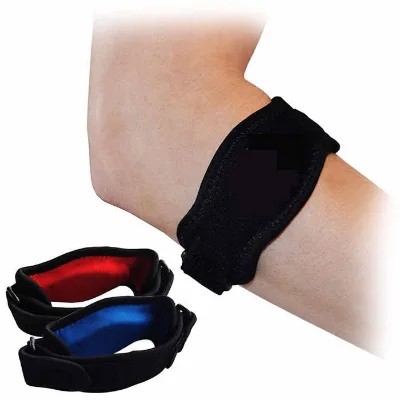
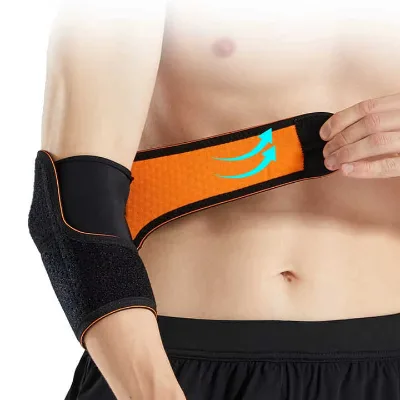


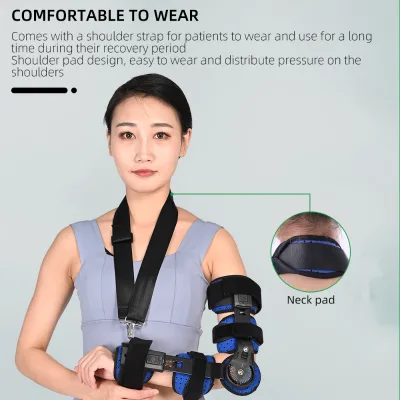
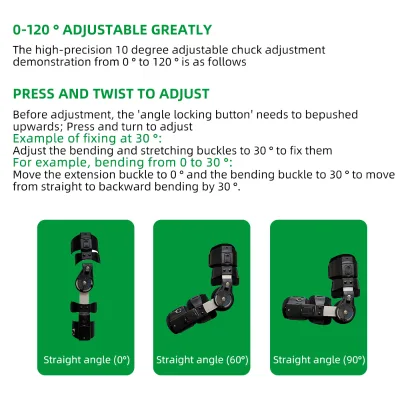


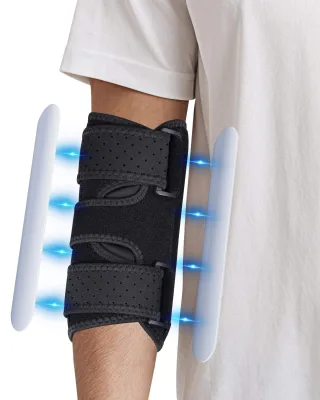
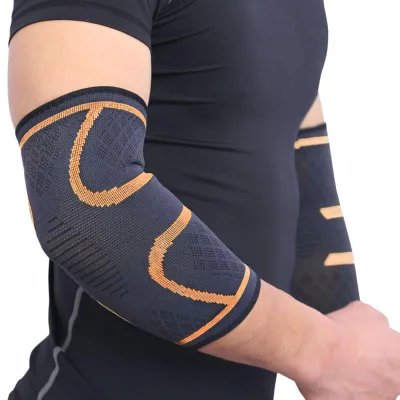
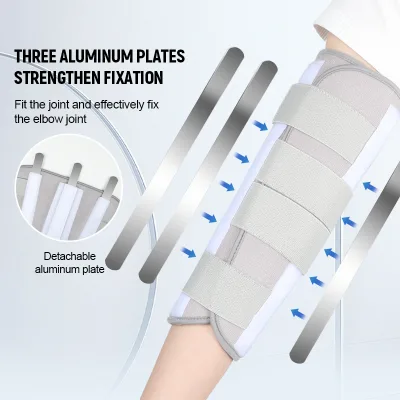
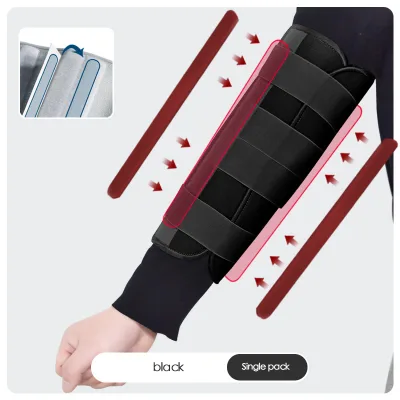


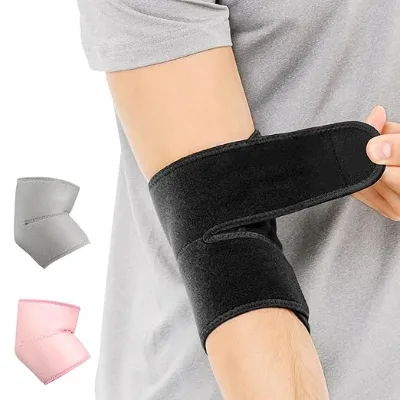
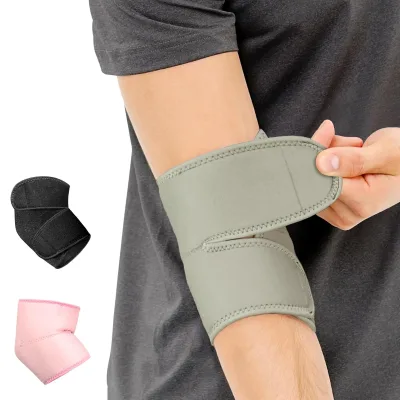


Comprehensive Sourcing Guide
Adjustable Non-Skid Elbow Brace Supplier Concentration and Factory Types
When sourcing an Adjustable Non-Skid Elbow Brace, the supplier results on this page show a clear concentration in two Chinese provinces: Fujian and Zhejiang. Fujian-based companies in these results list main products spanning orthotic braces, ankle and arm braces, cervical collars, finger splints, and post-op shoes, which indicates diversified orthopedic soft-goods manufacturers rather than elbow-brace-only specialists. Zhejiang suppliers in the results focus more narrowly on spine orthosis, orthosis accessories, upper limb orthosis, and lower limbs orthosis, suggesting a deeper orthosis manufacturing focus. Several Fujian entries also trace product origin to Xiamen, a city known in this product evidence as an elbow support production point.
Company types in the results vary meaningfully: Trading Company, Manufacturer/Factory, Group Corporation, and Combined structures all appear. This matters because a factory-type supplier typically controls stitching, hinge assembly, and quality checks in-house, while a trading company may aggregate multiple workshops and offer wider catalog breadth. Capacity labels also differ: some suppliers advertise OEM, ODM, and an own brand, while others list only ODM and OEM. Before shortlisting, check whether each candidate's main products align with hinged and adjustable elbow orthoses specifically, since a supplier whose catalog centers on fitness accessories may treat a medical-grade elbow fixation brace as an edge item rather than a core competency worth dedicated production lines.
How to Verify Adjustable Non-Skid Elbow Brace Suppliers
Verification should start with the credentials actually displayed in the results, then extend to what the buyer must confirm independently. Several suppliers in this results set show SGS verification and system certifications including ISO 13485, GMP, HACCP, QC 080000, OHSAS/OHSMS 18001, ANSI/ESD, BS 25999-2, HSE, and HQE, while at least one Zhejiang entry shows no system certification at all. That contrast is the point: do not assume certification coverage is uniform. For a non-skid elbow brace that may be marketed for fracture fixation or post-operative use, ask specifically for ISO 13485 scope documents and CE evidence rather than accepting a listing label, and check whether the claimed CE, RoHS, and ISO markings on individual product pages correspond to certificates issued to the legal entity you are contracting with.
Second, verify production reality against the claims. Product evidence in these results cites supply capacity figures such as 300,000 pieces per year from one Fujian manufacturer and 3,000 pieces per month from a Zhejiang entry; ask how those numbers were established and request recent production records for hinged elbow braces specifically. Confirm that the "Manufacturer" business-type label on a product page matches the company type shown in the supplier profile, since labels like "Maunufacturer" contain typos that warrant a direct check. Request factory photos, business licenses, and third-party audit reports, and verify non-skid features — silicone grip strips, anti-slip straps — with physical samples before scaling any order.
What to Compare Across Adjustable Non-Skid Elbow Brace Suppliers
Build a comparison matrix from the dimensions actually displayed in these supplier results. Lead times shown range from 23 days and 30 days at the supplier level to a 45-day lead time stated on a specific hinged elbow brace product page, so compare both figures per supplier and note when product-level timing is longer than the profile headline. Response times in the results run from 4.40 to 8.16, presumably hours; a faster responder typically resolves sampling disputes and specification changes more quickly. MOQs in the product evidence vary from 1 piece, to 2 pieces, to 10 pieces depending on the listing, which materially affects your sampling and pilot-order budget.
Also compare location, company structure, and main products side by side: a Fujian trading group with a broad orthopedic catalog will behave differently from a Zhejiang combined manufacturer focused on orthoses. Price evidence in the results spans wide ranges — for example, listings from roughly 3.70 to 4.60, 4.90 to 7.90, 18.75, 20.00 to 25.00, 24.90 to 28.50, and 46.90 to 54.90 — reflecting differences between simple compression straps, ROM hinged braces, and shoulder-elbow fixation systems. Make sure you compare like-for-like constructions. Finally, record customization capability: several listings state customization available, logo as requested, color as requested, and OEM/ODM service, but only a written confirmation per supplier proves it applies to your spec.
Common Adjustable Non-Skid Elbow Brace Sourcing Risks
The most common risk in this category is specification drift between a sampled brace and volume production. Adjustable ROM hinges, dial or knob-controlled compression, and non-skid grip features involve multiple components — hinges, hook-and-loop, composite fabric nylon, steel or plastic hardware as listed in the product evidence — and a supplier may substitute a cheaper hinge or weaker loop fastener after approval. Mitigate this with a signed golden sample, a bill of materials, and incoming-inspection criteria covering hinge cycle life, strap tensile strength, and slip resistance on skin and clothing.
A second risk cluster involves compliance and labeling. Some results show CE, RoHS, and ISO on product attributes, and supplier-level certifications include ISO 13485, but at least one supplier shows no system certification — so a buyer importing a fixation-use brace into a regulated market cannot assume every candidate meets medical device requirements. Verify intended-use claims: several listings describe usage as fracture fixation or external fixator type, which can trigger classification obligations that a sports-protection elbow pad would not face. Additional risks include overstated supply capacity, mixed trading-company and factory roles obscuring who controls quality, packing inconsistencies (polybag versus customized box, packing quantity of 10), and lead-time slippage on customized orders — one product page itself states 45 days, noticeably longer than some supplier-level figures, so confirm timing for your exact configuration in writing.
Adjustable Non-Skid Elbow Brace Regional Sourcing and Logistics
Both clusters surfaced in these results sit in coastal eastern China — Fujian in the southeast and Zhejiang on the central-east coast — which generally supports access to major container ports and established export forwarders for orthopedic soft goods. Product-level origin evidence points to Xiamen in Fujian and to Zhejiang province for the ROM elbow brace listings, so when you request quotations, ask suppliers to confirm the actual production city, because a Fujian-registered trading company may source from workshops elsewhere. Where a candidate's location is not displayed with confidence, identify the true cluster yourself: ask where the hinged and adjustable elbow braces in their catalog were last produced, and whether hinge hardware is sourced locally or shipped in.
Logistics planning should account for the stated lead times in these results: 23 days and 30 days at the supplier level, and 45 days for one customized hinged elbow brace listing. Build your inbound calendar around the longer, product-specific figure and add time for pre-shipment inspection. Packing evidence in the results — one polybag per piece, zip bags, cartons, or customized boxes with a packing quantity of 10 — affects both dimensional weight and retail readiness, so confirm carton dimensions and master-pack counts before booking freight. For mixed orders combining elbow braces with other orthoses from the same supplier, consolidate SKUs into shared containers and align production completion dates so one shipment covers the full order.
Adjustable Non-Skid Elbow Brace Commercial Terms and Order Planning
Order planning should exploit the low MOQs visible in these results without assuming they apply everywhere. Product evidence shows MOQs of 1 piece, 2 pieces, and 10 pieces on different elbow brace listings, which makes multi-supplier sampling inexpensive: order the same adjustable non-skid configuration from several shortlisted candidates, compare hinge smoothness, strap grip, and stitching quality side by side, then place a pilot order with the strongest one or two. Note that one Zhejiang listing states MOQ 1 PC while advertising 3,000 pieces per month of supply ability — low minimums and meaningful capacity can coexist, but get written confirmation that quoted unit pricing holds at your target volume, since some listings show price bands (for example, 3.70–4.60 for a knob-adjustable compression brace versus 46.90–54.90 for a shoulder and elbow fixation system) that shift with quantity and specification.
Commercial terms to lock down include payment structure, escrow or third-party protection where available, tooling and customization fees for logo, tag, package, size, and color changes (all listed as OEM options in the evidence), warranty terms — one listing states a 3-year warranty — and lead-time penalties. Align reorder cycles with the 23-, 30-, and 45-day lead times found in the results, holding safety stock sized to your sales velocity plus inspection and shipping time. Finally, confirm who bears freight risk under your chosen Incoterm and whether pre-shipment inspection rights are written into the contract before the first deposit.
(Total: approximately 1,385 words)
FAQs
What is the typical lead time for adjustable elbow braces?
Lead times vary by supplier and order specifics. Some manufacturers report a standard lead time of 23 days, while others may require up to 45 days for customized orders. Buyers should confirm the exact timeline with the specific factory before placing an order to ensure timely delivery.
What certifications do these elbow braces typically hold?
Many suppliers provide products with CE, RoHS, and ISO certifications. Some manufacturers also hold system certifications like ISO 13485 for medical devices or OHSAS 18001 for safety. Buyers should verify specific product certificates to ensure compliance with their local regulatory requirements before purchasing.
What is the minimum order quantity for these braces?
Minimum order quantities differ significantly between suppliers. Some vendors accept orders as low as one piece, while others require a minimum of ten pieces. Buyers must check the specific MOQ listed for each product to determine if it fits their procurement volume and budget constraints.
Where are these adjustable elbow braces manufactured?
Most suppliers are located in China, specifically in provinces like Fujian and Zhejiang. Products often originate from cities such as Xiamen. Buyers should verify the exact production location to assess shipping costs and logistics requirements for their specific sourcing needs.
Do suppliers offer customization for these braces?
Yes, customization is widely available for these products. Suppliers offer options for custom logos, colors, packaging, and even specific designs. Buyers can request tailored solutions for branding or specific medical needs, provided they meet the supplier's minimum order quantity requirements.
What is the price range for adjustable elbow braces?
Prices vary based on material and features. Some basic models start around 3.70 dollars, while more complex fixation braces can cost up to 54.90 dollars. Buyers should compare specific product listings to find the best price point that matches their quality and budget requirements.
How quickly do suppliers typically respond to inquiries?
Response times vary among different suppliers. Some factories report an average response time of 4.40 hours, while others may take up to 8.16 hours. Buyers should expect varying reply speeds and may need to follow up to ensure timely communication regarding their orders.