Adjustable Neoprene Ankle Brace Suppliers and Manufacturers
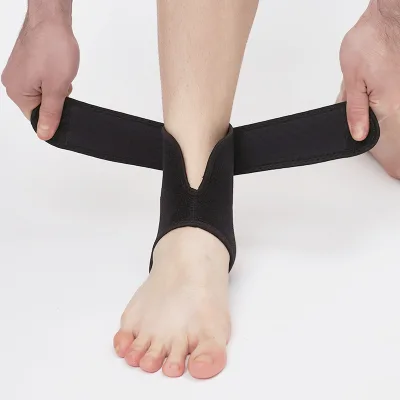
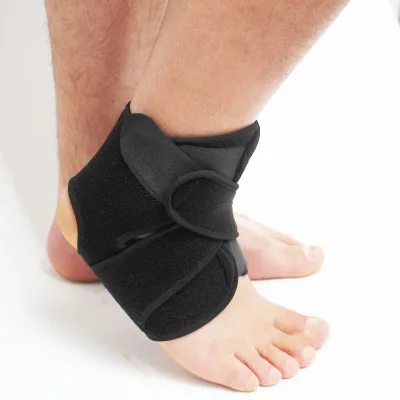
Explore 17 verified suppliers offering Adjustable Neoprene Ankle Brace options with varying lead times, response speeds, and customization capabilities. Buyers can compare specifications like material thickness, waterproof ratings, and certification status before requesting quotes; review the available evidence before requesting comparable quotations from suitable candidates.
Suppliers List

Ningbo Kangbeien Heatlh Tech. Co., Ltd.
- Verified by SGS
- Combined
- China Zhejiang
- Lead time30 days
- Avg. response≤ 9h
Main marketsDomestic


Compression Premium Neoprene Ankle Support Brace with Stylish Printed Design
$1.40 - $1.80
MOQ: 1000 Pieces


Ningbo Beiduoen Health Tech. Co., Ltd.
- Verified by CTI
- Combined
- China Zhejiang
- Lead time23 days
- Avg. response≤ 8h
Main productsKnee Support, Ankle Brace, Compression Arthritis Glove, Wrist Support, Waist Belt, Foot Care, Insoles, Toe Separator, Compresson Sock Glove Knee Brace, Copper Supports
Main marketsSouth America,Southeast Asia/ Mideast,Europe,Australia,North America

Neoprene Adjustable Breathable Compression Ankle Support Brace for Sports
$1.25 - $1.35
MOQ: 500 Pieces


Open Heel Premium Adjustable Compression Breathable Neoprene Ankle Support Brace
$1.50 - $1.90
MOQ: 100 Pieces


Yangzhou Weller Sports Goods Co., Ltd
- Verified by SGS
- Trading Company,Manufacturer/Factory
- China Jiangsu
- Lead time23 days
- Avg. response≤ 5h
Main productsKnee Brace, Posture Corrector, Sports Protection, Shin Guards, Knee Pad, Knee Support, Waist Trainer, Elbow Brace, Orthopedic Products, Kinesiology Tape
Main marketsSouth America,Eastern Europe,Mid East,North America,Southeast Asia,Eastern Asia,Oceania,Western Europe,Africa

Neoprene Ankle Support Brace Breathable Neoprene Ankle Sleeve Adjustable Wrap
$2.80 - $3.00
MOQ: 1000 Pieces

Flexible Neoprene Ankle Brace Support Wrap for Comfort and Support Sprained Ankle
$0.90 - $1.10
MOQ: 500 Pieces

Nylon Neoprene Open Ankle Brace Support with Wraps Compression for Sprained Ankle Injury Recovery
$2.80 - $3.00
MOQ: 1000 Pieces

$2.80 - $3.00
MOQ: 1000 Pieces

Neoprene Open Ankle Brace Support for Enhanced Stability Sprained Ankle Plantar Fasciitis Relief
$0.90 - $1.10
MOQ: 500 Pieces

Open Ankle Brace with Stabilizer Pad Adjustable Compression Strap Ankle Support for Injury Recovery
$2.80 - $3.00
MOQ: 1000 Pieces

XIAMEN DORRELLA HEALTH TECHNOLOGY CO.,LTD
- Verified by SGS
- Trading Company,Manufacturer/Factory,Group Corporation
- China Fujian
- Lead time23 days
- Avg. response≤ 9h
Main productsOrthotic Brace, Ankle Brace, Arm Brace, Back Brace, Cervical Collar, Finger Splint, Hip Abduction Braces, Hand and Wrist Brace, Post-Op Shoes, Orthopedic Waiking Boot
Main marketsSouth America,Eastern Europe,Mid East,North America,Southeast Asia,Eastern Asia,Oceania,Western Europe,Africa


Adjustable Sports Protection Compression Ankle Support Brace Socks Breathable Neoprene Sleeve
$1.20 - $1.50
MOQ: 10 Pieces

Ankle Support Brace Nylon Black Compression Foot Ankle Support Strap Wrap Ankle Protector
$4.50 - $5.70
MOQ: 10 Pieces

Dongguan Runhong Sports Products Co., Ltd.
- Verified by SGS
- Manufacturer
- China Guangdong
- Lead time15 days
- Avg. response≤ 15h
Main productsLoptop Bag, Cup Covers, Lunch Bag, Wine Bags, Stubby Holders, Cooler Bags, Koozies, Beach Tote Bag
Main marketsSouth America,Southeast Asia/ Mideast,Europe,Australia,North America

Hebei Denovo Medical Device Co., Ltd.
- Verified by BV
- Trading Company,Manufacturer/Factory
- China Hebei
- Lead time23 days
- Avg. response≤ 2h
Main productsBack Support, Knee Support, Posture Corrector, Foot Night Splint, Arm Slings, Hernia Belts, Cervical Collars, Abduction Orthosis
Main marketsSouth America,Eastern Europe,Mid East,North America,Southeast Asia,Eastern Asia,Oceania,Western Europe,Africa

Huaian Construction New Material CO., LTD.
- Verified by SGS
- Trading Company
- China Jiangsu
- Lead time15 days
- Avg. response≤ 5h
Main productsOrthopedic Cast Tape, Cast Padding, Elastic Bandage, Ice Cold Pack, Self Adhesive Bandage, Kinesiology Tape, Hot Water Bottle, Petrolatum Tape, Pipe Wrapping Tape, Pipe Repair Tape
Main marketsEurope,North America


Adjustable Breathable Nylon Material Super Elastic and Comfortable Ankle Brace
$0.80 - $1.60
MOQ: 10 Pieces

Adjustable Ankle Support Sports Compression Ankle Strap Brace for Sprained Ankle
$0.80 - $1.60
MOQ: 10 Pieces


Handan Wuxin Medical Devices Co., Ltd.
- Verified by TUVRHEINLAND
- Trading Company
- China Fujian
- Lead time15 days
- Avg. response≤ 2h
Main productsKnee Brace, Back Brace, Neck Brace, Waist Trainer, Body Shaper, Sportswear, Posture Corrector, Sexy Lingerie, Orthopedic Products, Gym Equipment
Main marketsEurope

Ankle Support Brace Breathable Neoprene Sleeve Adjustable Wrap Heel Brace for Heel Pain
$2.00 - $3.50
MOQ: 100 Pieces

Basketball Ankle Support Neoprene Ankle Support Adjustable Ankle Brace Sprain for Running
$0.90 - $1.50
MOQ: 100 Pieces

Light Weight Double Pressure Sports Support Elastic Neoprene Orthopedic Ankle Brace
$0.90 - $1.50
MOQ: 100 Pieces

Sports Ankle Protection Cross Pressure Ankle Brace Adjustable Elastic Ankle Support Strap
$0.90 - $1.50
MOQ: 100 Pieces

$0.90 - $1.50
MOQ: 100 Pieces

Adjustable Nylon Ankle Support Brace with Breathable Compression and Protection Stabilizer
$1.70 - $2.50
MOQ: 100 Pieces

Shanghai Goldenwell Medical Technology Co., Ltd.
- Verified by CTI
- Trading Company
- China Shanghai
- Lead time15 days
- Avg. response≤ 7h
Main productsMedical Devices, Sports Support, Medical Dressings
Main marketsSoutheast Asia/ Mideast,Europe

PLANET (ANHUI) INTERNATIONAL CO., LTD.
- Verified by BV
- Combined
- China Jiangsu
- Lead time60 days
- Avg. response≤ 3h
Main productsBandage, First Aid Kits, Band Aid, Wound Dressing, Foot Patch, Knee Brace, Knee Support, Knee Pad, Adhesive Tape, Compression Stocks
Main marketsNorth America

China Manufacture Cheap Adjustable Breathable Elastic Neoprene Ankle Brace Support
$1.67
MOQ: 2400 Pieces


Yangzhou Star Sport Goods Co., Ltd.
- Verified by TüVRheinland
- Manufacturer, Trading Company
- Lead time10 days
- Avg. response≤ 3h
Main productsKnee Brace, Waist Support, Ankle Support, Wrist Brace, Yoga Stretching Strap
Main marketsNorth America(40%), South America(30%), Eastern Asia(15%)

Shenzhen Villsun Sports Technology Co., Ltd
- Verified by SGS
- Trading Company
- China Guangdong
- Lead time23 days
- Avg. response≤ 2h
Main productsFitness Equipment, Yoga Mats, Resistance Bands, Yoga Ball, Shin Guards, Knee Pads, Elbow Pads, Strength Fitness Equipment, Hand Grip, Yoga Wear
Main marketsSouth America,Southeast Asia/ Mideast,Europe,Australia,North America


Ankle Support Adjustable Ankle Brace Breathable Nylon Material Super Elastic and Comfortable
$2.11 - $2.45
MOQ: 50 Pieces


Telamon Sports Goods (Shanghai) Co., Ltd.
- Verified by BV
- Trading Company
- China Shanghai
- Lead time15 days
- Avg. response≤ 10h
Main marketsNorth America

Fitness Ankle Support Brace Durable Comfortable Gym Training Ankle Adjustable
$1.06 - $3.11
MOQ: 100 Pieces


Good Ankle Support Protection Brace Medical Adjustable for Hiking with Straps
$1.06 - $3.11
MOQ: 100 Pieces

Good Ankle Support Protection Brace Lightweight Adjustable Black After Surgery
$1.06 - $3.11
MOQ: 100 Pieces


Hangzhou Kebo Orthopedic Rehabilitation Equipment Co.,Ltd
- Verified by SGS
- Combined
- China Zhejiang
- Lead time30 days
- Avg. response≤ 4h
Main productsSpine Orthosis, Orthosis Accessories, Upper Limb Orthosis, Lower Limbs Orthosis
Main marketsSoutheast Asia/ Mideast,Europe

- Verified by TUVRHEINLAND
- Trading Company
- China Guangdong
- Lead time60 days
- Avg. response≤ 7h
Main productsElectric Wheelchair, Manual Wheelchair, Sports Wheelchair, Hospital Bed, Crtuches, Walking Aids, Shower Chair, Trailer Mobility Scooter, Commode Wheelchair, Stretcher
Main marketsEurope

Nanjing Ihome Comfort Co., Ltd.
- Verified by SGS
- Trading Company
- China Jiangsu
- Lead time30 days
- Avg. response≤ 8h
Main productsHot Water Bottle, Ice Pack, Hot Water Bag, Kneepad, Hot Cold Pack, Bp Bulb Bladder, Fitness Equipment, Leather Bag, Test Pack, First Aid Kit
Main marketsSouth America,Africa,Others(foreignTradeCapacity.exportBusinessCapacityMarketOther),Southeast Asia/ Mideast,East Asia(Japan/ South Korea),Europe,North America

Ankle Support Brace Black Advanced Neoprene Ankle Support Sport Safety Fitness Warm
$3.00
MOQ: 1000 Pieces


- Trading Company
- China Zhejiang
- Lead time0 days
- Avg. response≤ 10h
Main productsHousehold, Personal Care, Kitchenware, Fitness, Car Items, Tools, Health Care, Paint Brush, Magic Mesh, Beauty

Ankle Support Strap Brace Bandage Foot Guard Protector Adjustable Ankle Support
$2.70 - $2.75
MOQ: 200 Pieces




Comprehensive Sourcing Guide
Adjustable Neoprene Ankle Brace Supplier Concentration and Factory Types
The available data indicates a specific manufacturing cluster in China Zhejiang for suppliers offering adjustable neoprene ankle braces. This region hosts combined company types that integrate both trading and manufacturing capabilities, allowing for flexible production models. Buyers observing this concentration should verify if the facility operates as a pure factory or a hybrid entity, as this distinction impacts direct communication with production lines. The presence of ODM and OEM capacities suggests these suppliers can handle custom branding and design modifications, which is critical for buyers seeking private label solutions.
When evaluating factory types, look for explicit statements regarding RD capacity and customization availability. Some suppliers list ODM and own brand capabilities, while others focus on OEM acceptance. It is essential to confirm whether the supplier's primary focus is on standard inventory or bespoke development. The data shows a mix of product attributes, such as adjustable versus unadjustable designs, which often correlates with the supplier's specific production lines. Buyers should request evidence of their manufacturing setup to ensure the claimed capacity aligns with their volume requirements and quality expectations.
How to Verify Adjustable Neoprene Ankle Brace Suppliers
Verification is a critical step when sourcing adjustable neoprene ankle braces, as the market contains various entity types. The provided facts highlight specific verification statuses, such as SGS and CTI, which serve as third-party validation of a supplier's business legitimacy. Buyers should prioritize suppliers displaying these verification badges, as they indicate that an independent agency has reviewed the company's credentials. However, the absence of a specific verification badge does not automatically disqualify a supplier; it simply means the buyer must conduct their own due diligence to confirm the entity's existence and operational history.
Beyond basic verification, buyers must assess the depth of the supplier's certifications and product compliance. Some product listings mention FDA Registration or FDA Registered status, which are significant for medical or health-related claims associated with the ankle braces. It is vital to request the actual certificate documents rather than relying solely on the listing text. Additionally, check for system certifications, noting that some suppliers currently show NIL status. Buyers should explicitly ask for these documents to ensure the supplier meets international safety and quality standards before committing to an order.
What to Compare Across Adjustable Neoprene Ankle Brace Suppliers
Comparing suppliers requires a detailed analysis of operational metrics such as lead time, response time, and minimum order quantities. The data reveals a range of lead times, with some suppliers offering 30 days and others providing 23 days. Response times also vary, with figures like 8.96 and 7.90 indicating different levels of communication efficiency. Buyers should calculate the total time from order placement to shipment, factoring in these response delays. A shorter lead time is advantageous for urgent orders, but it must be balanced against the supplier's ability to maintain quality during rapid production cycles.
Price and MOQ are equally critical comparison points that vary significantly across the supplier pool. Price ranges observed include minimums of 1.00 to 2.85 and maximums up to 3.20, with MOQs ranging from 100 to 1000 units. Buyers must align these figures with their budget and inventory strategy. A lower MOQ of 100 units allows for smaller initial orders, reducing financial risk, while higher MOQs might offer better unit economics. Additionally, compare the main product portfolios; some suppliers specialize in ankle braces while others offer a broader range including knee supports and compression gloves. This diversification can indicate a supplier's overall stability and capacity to handle complex orders.
Common Adjustable Neoprene Ankle Brace Sourcing Risks
One significant risk involves the discrepancy between product descriptions and actual manufacturing capabilities. Listings may claim "Adjustable" features, yet some products are listed as "Unadjustable" or have specific strap configurations that differ from the buyer's needs. Buyers must carefully review product attributes like "Adjusted" and "Customization" availability to avoid receiving non-compliant goods. The variation in materials, such as Neoprene versus Elastic Fabric, also presents a risk if the buyer has specific material requirements for comfort or durability. Misalignment in these core attributes can lead to product rejection and financial loss.
Another risk stems from inconsistent packaging and shipping standards. The data shows diverse packing methods, including Carton, OPP Bag, Poly Bag, and PE Bag, with varying packing data dimensions. Inconsistent packaging can lead to damage during transit or increased shipping costs if the volume is not optimized. Furthermore, the absence of standardized certifications like system certification in some listings creates uncertainty regarding long-term quality control. Buyers should explicitly define packaging requirements in their contracts and verify that the supplier can consistently meet these specifications to mitigate the risk of logistical failures and product damage.
Adjustable Neoprene Ankle Brace Regional Sourcing and Logistics
Sourcing from the identified cluster in China Zhejiang offers logistical advantages but requires careful planning for international shipping. The origin data confirms production in China, which influences freight costs and transit times. Buyers should evaluate the supplier's experience with export logistics, as the region's infrastructure supports high-volume shipping but may vary in efficiency depending on the specific port used. Understanding the lead time of 23 to 30 days is crucial for planning inventory replenishment and avoiding stockouts. Buyers must factor in potential customs delays and seasonal shipping bottlenecks that could extend the effective delivery window beyond the stated lead time.
Logistics also involve managing the specific product attributes that affect shipping, such as weight and dimensions. Some listings provide detailed packing data, including weight per carton and total piece counts, which are essential for calculating freight charges. For instance, a packing data of 624642 cm with 350 pieces and 23 kg provides a clear basis for freight estimation. Buyers should request this data for all potential suppliers to ensure accurate cost modeling. Additionally, verify if the supplier offers FOB or EXW terms, as this determines who bears the risk and cost of transportation from the factory gate to the destination port.
Adjustable Neoprene Ankle Brace Commercial Terms and Order Planning
Commercial terms for adjustable neoprene ankle braces vary significantly regarding pricing structures and order minimums. The observed price range spans from 1.00 to 3.20, with MOQs as low as 100 and as high as 1000 units. Buyers must negotiate terms that align with their cash flow and sales projections. A lower MOQ of 100 units is ideal for testing the market, while higher volumes may unlock better pricing tiers. It is essential to clarify whether the quoted price includes packaging costs or if additional fees apply for custom branding, as some listings indicate customization is available but do not specify the associated costs.
Order planning must also account for the supplier's capacity to handle customization and production scaling. The data shows that many suppliers accept ODM and OEM requests, but the specific requirements for these services must be defined early. Buyers should confirm the timeline for sample approval and mass production, as customization can extend the lead time beyond the standard 23 to 30 days. Additionally, verify the payment terms and escrow options to ensure financial security. Understanding the full scope of commercial terms, including warranty policies and return procedures for defective goods, is vital for a successful long-term partnership and risk management.
FAQs
What is the price range for adjustable neoprene ankle braces?
Prices typically range from $0.95 to $3.20 per unit depending on material and features. Basic neoprene models start around $1.00, while specialized designs with compression straps or printed patterns cost more. Buyers should check specific product listings for exact pricing tiers based on order volume and customization needs.
What is the minimum order quantity for these braces?
Minimum order quantities vary significantly by supplier and product model. Some manufacturers require as few as 100 pieces, while others set thresholds at 500 or 1000 units. Buyers must verify the specific MOQ for each item, as it directly impacts initial inventory costs and sample ordering strategies.
How long does production take for these orders?
Lead times generally range from 23 to 30 days after order confirmation. This duration depends on the supplier's current capacity and the complexity of customization requests. Buyers should confirm exact timelines with their chosen supplier to ensure alignment with their distribution schedules and market launch plans.
Are these ankle braces suitable for various sports activities?
Yes, these braces are designed for multiple sports including basketball, football, tennis, badminton, and table tennis. They provide compression and support to prevent injuries during high-impact activities. The adjustable nature ensures a secure fit for different ankle sizes and movement requirements across various athletic disciplines.
Can I customize the color or branding on these braces?
Customization is available for many models, including color options like black, green, pink, and blue. Some suppliers accept OEM and ODM requests for branding. Buyers should verify specific customization capabilities and minimum requirements for custom orders directly with the supplier to ensure their brand identity is properly represented.
What certifications do these products hold?
Some products hold FDA Registration or FDA Registered status, indicating compliance with specific health and safety standards. Verification services like SGS and CTI may also be involved in supplier assessments. Buyers should request current certification documents to ensure the products meet their target market's regulatory requirements.