Adjustable Silicone Gel Toe Orthotics Suppliers and Manufacturers
Source Adjustable Silicone Gel Toe Orthotics from 14 verified suppliers in China. Compare response times, lead times, and MOQs to find the right partner. Review product specs and request samples to verify quality and fit for your needs; review the available evidence before requesting comparable quotations from suitable candidates.
Updated
Suppliers List

Dongguan Topinsole Commodity Limited
- Verified by BV
- Trading Company
- China Guangdong
- Lead time15 days
- Avg. response≤ 19h
Main productsInsoles, Footcare
Main marketsSouth America,Africa,Southeast Asia/ Mideast,East Asia(Japan/ South Korea),Europe,Australia,North America


Orthotic Gel Pads for Posture Alignment & Heel Support X/O Leg Correction Insoles
$0.38 - $0.45
MOQ: 100 pairs


Nanjing Ihome Comfort Co., Ltd.
- Verified by SGS
- Trading Company
- China Jiangsu
- Lead time30 days
- Avg. response≤ 8h
Main productsHot Water Bottle, Ice Pack, Hot Water Bag, Kneepad, Hot Cold Pack, Bp Bulb Bladder, Fitness Equipment, Leather Bag, Test Pack, First Aid Kit
Main marketsSouth America,Africa,Others(foreignTradeCapacity.exportBusinessCapacityMarketOther),Southeast Asia/ Mideast,East Asia(Japan/ South Korea),Europe,North America
Shenzhen Haiyang Sports Co., Ltd.
- Manufacturer, Trading Company, Agent
- Guangdong, China
- Lead time7 days
- Avg. response≤ 4h
Main productsInsole,Hallux valgus products,foot care products,toe seperator,shoelace
Main marketsSouthern Europe(50.00%), North America(15.00%), South America(15.00%), Western Europe(10.00%), Northern Europe(5.00%), South Asia(4.00%), Domestic Market(1.00%)
Dongguan Since Household Care Co., Ltd.
- Verified by TüVRheinland
- Manufacturer, Trading Company
- Lead time15 days
- Avg. response≤ 3h
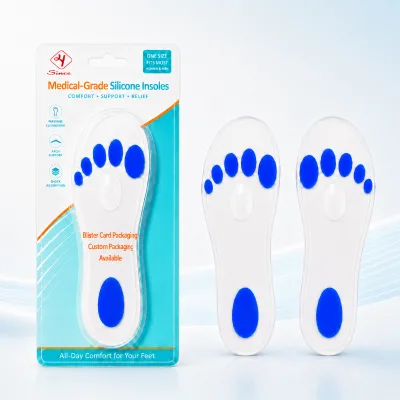
Main productsPU Gel / Silicone Insoles, TPE Gel Insoles, SEBS Gel Footcare Products, PU Foam Insoles, EVA Insoles
Main marketsNorth America(32%), Eastern Asia(22%), Domestic Market(18%)

Ningbo Beiduoen Health Tech. Co., Ltd.
- Verified by CTI
- Combined
- China Zhejiang
- Lead time23 days
- Avg. response≤ 6h
Main productsKnee Support, Ankle Brace, Compression Arthritis Glove, Wrist Support, Waist Belt, Foot Care, Insoles, Toe Separator, Compresson Sock Glove Knee Brace, Copper Supports
Main marketsSouth America,Southeast Asia/ Mideast,Europe,Australia,North America


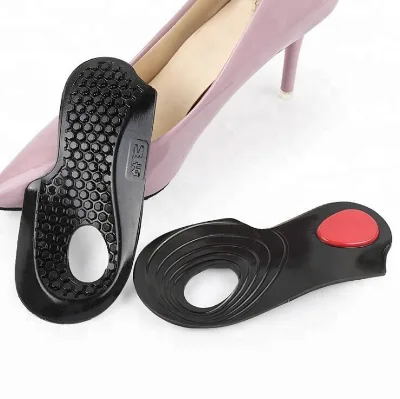
3/4 Orthotic Insole, EVA Heel Cushion, Orthotic Foot Support for Feet Health
$2.00 - $2.60
MOQ: 500 Pairs

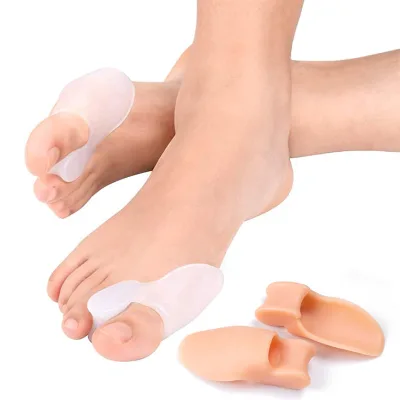
Gel Little Toe Pad Silicone Toe Orthotic Toe Protector Soft Gel Bunionette Pad
$0.60 - $0.86
MOQ: 500 Pieces

Ningbo Yiyuankang International Trade Co., Ltd.
- Combined
- China Zhejiang
- Lead time30 days
- Avg. response≤ 23h
Main productsMedical Bandage, Tape, Medical First Aid, Alcohol Pad, Face Mask, Adhesive Bandage, Bandage
Main marketsSouth America,Africa,Southeast Asia/ Mideast,East Asia(Japan/ South Korea),Europe,Australia,North America
Dongguan Feifan Silicone Products Co., Ltd.
- Verified by Intertek
- Trading Company
- Lead time7 days
- Avg. response≤ 5h
Main productsInsoles, Toe Separators, Heel Pad, Forefoot Pad, Invisible Bra
Main marketsDomestic Market(80%), North America(5%), Southeast Asia(5%)

PLANET (ANHUI) INTERNATIONAL CO., LTD.
- Verified by BV
- Combined
- China Jiangsu
- Lead time60 days
- Avg. response≤ 3h
Main productsBandage, First Aid Kits, Band Aid, Wound Dressing, Foot Patch, Knee Brace, Knee Support, Knee Pad, Adhesive Tape, Compression Stocks
Main marketsNorth America
- Trading Company
- Hebei, China
- Lead time10 days
- Avg. response≤ 3h
Main productsFoot Care Products,Orthopedic Supports Braces,Shoe Insoles Accessories,Sports Protective Gear,Yoga Fitness Products
Main marketsEastern Europe(25.00%), Western Europe(18.00%), Northern Europe(15.00%), North America(15.00%), Domestic Market(13.00%), Southern Europe(9.00%), Central America(5.00%)
Guangzhou Hengyuntong Daily Necessities Co., Ltd.
- Manufacturer, Trading Company, Distributor/Wholesaler
- Guangdong, China
- Lead time0 days
- Avg. response≤ 2h
Main productsBeauty,Shoe accessories
Main marketsSouth Asia(30.00%), Southern Europe(30.00%), Northern Europe(30.00%), Central America(30.00%), Western Europe(30.00%), Eastern Asia(30.00%), Mid East(30.00%), Oceania(30.00%), Africa(30.00%), Southeast Asia(30.00%), Domestic Market(30.00%), South America(30.00%), North America(30.00%), Eastern Europe(3.00%)
Dongguan Baifangyi Technology Co., Ltd.
- Verified by TüVRheinland
- Manufacturer, Trading Company
- Lead time7 days
- Avg. response≤ 2h
Main productsBunion Corrector, Toe Separator, Insoles, Posture Corrector, Forefoot Pads
Main marketsNorth America(20%), Western Europe(15%), Southeast Asia(10%)
Shenzhen Ai Industry Co., Limited
- Manufacturer
- Guangdong, China
- Lead time7 days
- Avg. response≤ 5h
Main productssilicone valve,3m adhesive silicone bumper,medical silicone products,silicone rubber keypad,LSR silicone injection parts
Main marketsSouth America(30.00%), North America(20.00%), Eastern Europe(15.00%), Northern Europe(10.00%)
Dongguan Danhua Technology Co., Ltd.
- Trading Company
- Guangdong, China
- Lead time15 days
- Avg. response≤ 8h
Main productsinsole,shoes,footcare products,heated socks,sandals
Main marketsNorth America(20.00%), Southeast Asia(10.00%), Eastern Europe(10.00%), Western Europe(10.00%), South Asia(5.00%), Southern Europe(5.00%), Northern Europe(5.00%), Central America(5.00%), South America(5.00%), Eastern Asia(5.00%), Mid East(5.00%), Africa(5.00%)

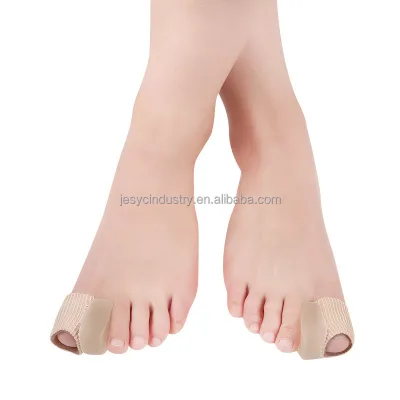
Xiamen Jesyc Industry Co., Ltd.
- Manufacturer, Trading Company, Distributor/Wholesaler
- Fujian, China
- Lead time30 days
- Avg. response≤ 2h
Main productsMouth Guard,Sports Supplies,Health care products,Silicone products,Shoes Accessories
Main marketsNorth America(50.00%), South America(23.00%), Central America(10.00%), Eastern Europe(5.00%), Western Europe(5.00%), Africa(4.00%), Mid East(3.00%)






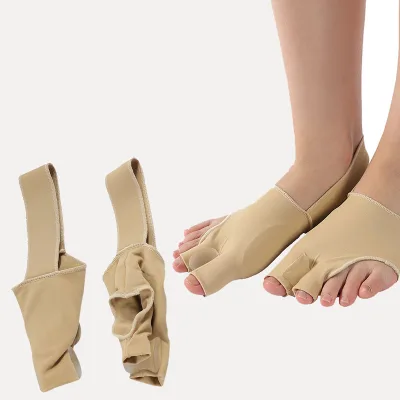
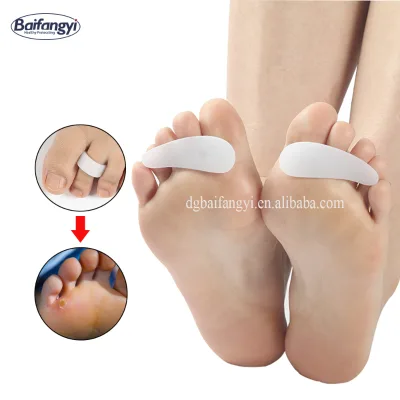
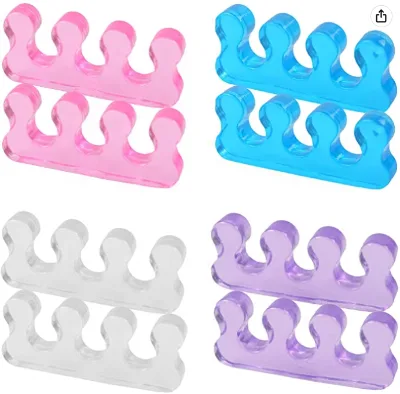
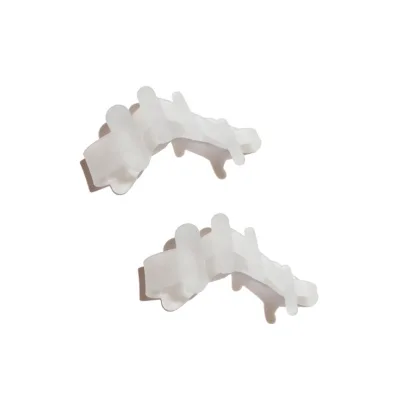
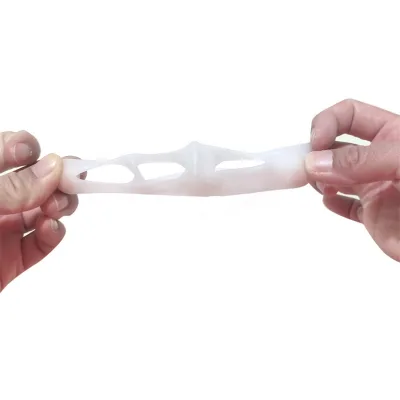
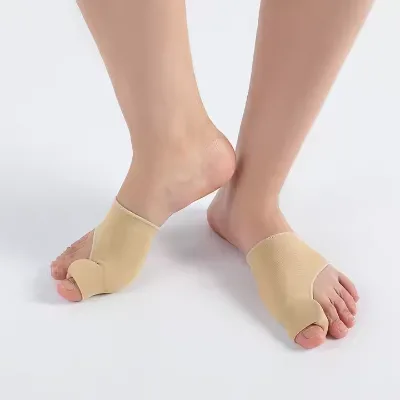
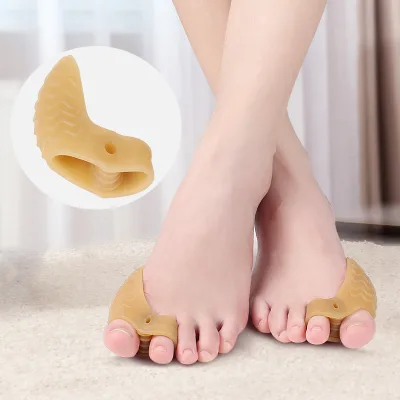
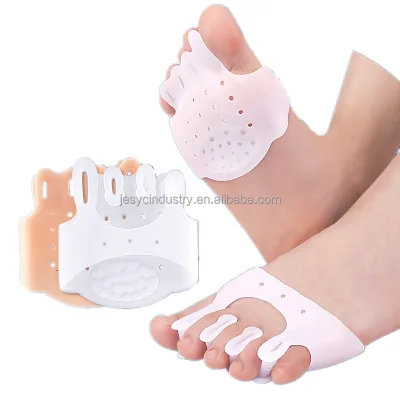
Comprehensive Sourcing Guide
Adjustable Silicone Gel Toe Orthotics Supplier Concentration and Factory Types
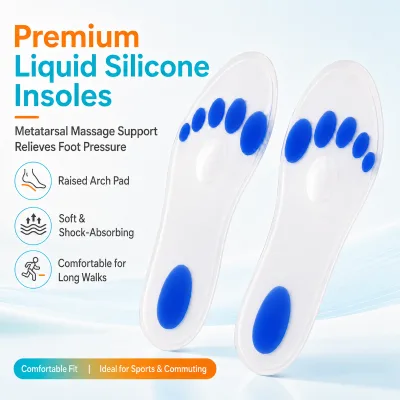
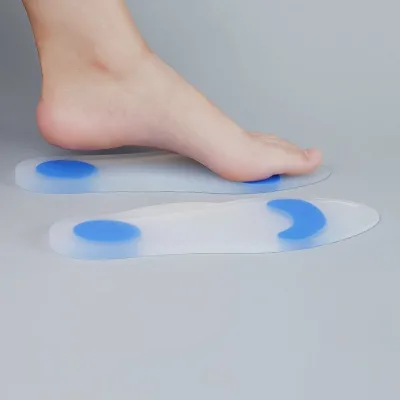
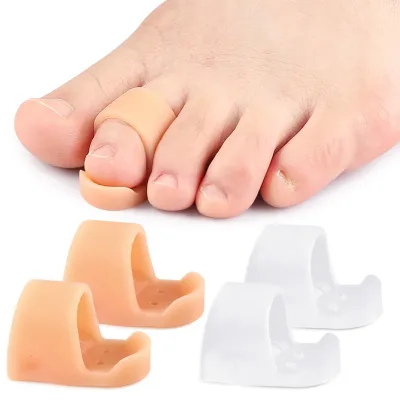
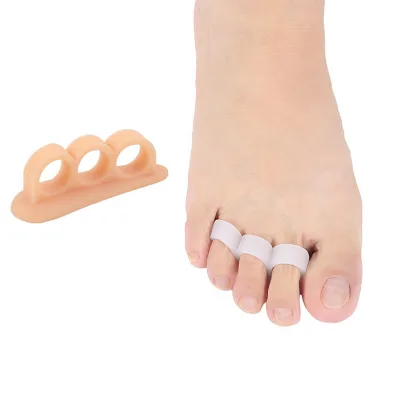
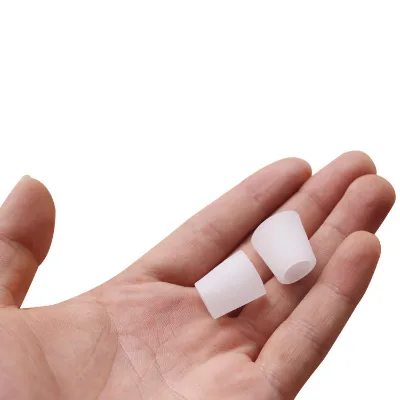
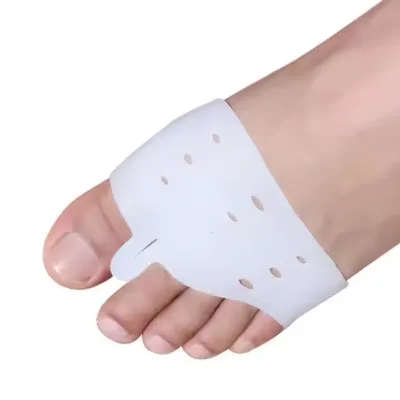
Current data indicates a concentration of suppliers in Guangdong, China, where manufacturers and trading companies operate within the footcare and sports safety sectors. These entities often list main products including insoles, foot orthotics, and rehabilitation patches, suggesting a specialized cluster for silicone gel products. Some suppliers in this region operate as trading companies, while others function as manufacturers or agents, offering a mix of direct production and sourcing capabilities. The presence of specific product models like YSJ025 and YSS019 confirms active production lines for adjustable arch supports and gel pads. Buyers should verify if a supplier is a direct factory or a trading intermediary by checking their company type designation, as this impacts production control and customization flexibility.
In contrast, other regions such as Jiangsu, China, also host suppliers with diverse product portfolios including hot water bottles and first aid kits alongside orthotic insoles. These suppliers may offer broader medical device capabilities but might not specialize exclusively in footcare. The variation in company types, ranging from pure manufacturers to mixed trading entities, requires careful assessment of the specific product line. A supplier listing "Manufacturer, Trading Company, Agent" suggests a complex supply chain that could offer competitive pricing but may introduce variability in quality control. Buyers must distinguish between suppliers focused solely on footcare and those with diversified medical or fitness equipment lines to ensure the specific expertise required for Adjustable Silicone Gel Toe Orthotics is present.
How to Verify Adjustable Silicone Gel Toe Orthotics Suppliers
Verification processes should prioritize third-party audit results and response metrics to gauge supplier reliability. Some suppliers in the dataset display BV verification status, while others hold SGS certification, indicating different levels of external validation. A response time of under eight hours, such as the 7.59-hour average observed in some listings, suggests high operational readiness, whereas longer response times may indicate slower communication channels. Buyers should request proof of these verification badges directly from the supplier rather than relying solely on platform summaries. The presence of specific certifications like "Others" or "NIL" requires further inquiry to understand the actual quality management systems in place, as a lack of listed certification does not necessarily imply poor quality but warrants deeper investigation.
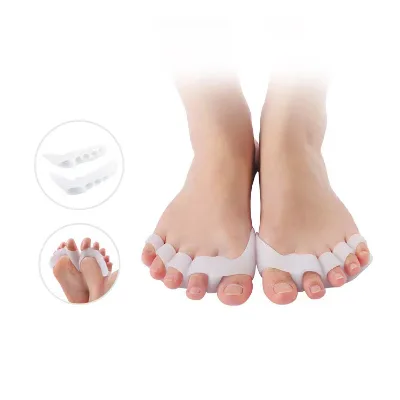
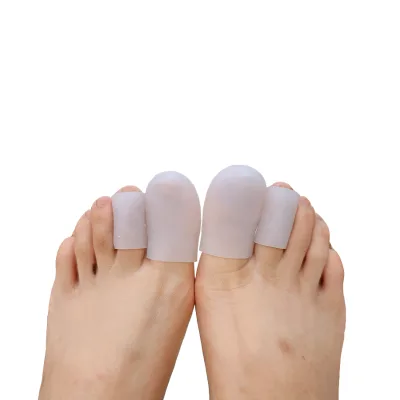
Beyond verification badges, buyers must examine the supplier's product attributes and customization capabilities to ensure alignment with specific needs. Evidence shows that many suppliers offer customization options for materials, sizes, and packaging, which is critical for branded orthotic products. The availability of free samples, as noted in some product attributes, provides a tangible method to assess material quality before committing to large orders. Buyers should also check the "Customization: Available" flag to confirm if the supplier can modify the gel density, arch height, or toe separation features. It is essential to confirm that the supplier can meet specific technical requirements, such as waterproofing or specific weight standards, before proceeding with a partnership, as these attributes vary significantly across different supplier profiles.
What to Compare Across Adjustable Silicone Gel Toe Orthotics Suppliers
When evaluating suppliers, lead time and minimum order quantity (MOQ) are critical commercial variables that differ significantly across the market. Some suppliers offer a lead time of 15 days with an MOQ of 100 units, suitable for smaller startups or trial orders, while others require 30 days and an MOQ of 1000 units, which is typical for established manufacturers seeking volume efficiency. Price ranges also vary, with some products listed between $0.38 and $0.45 per unit, while others range from $1.05 to $3.00 depending on complexity and material specifications. Buyers should create a comparison matrix that includes these specific metrics to identify which suppliers align with their budget and inventory turnover goals. It is important to note that lower prices often correlate with higher MOQs or longer lead times, requiring a strategic balance based on cash flow and demand forecasts.
Response time and product specialization further differentiate suppliers in this competitive landscape. A supplier with a response time of 4 hours may offer superior customer service compared to one taking nearly 19 hours, impacting the speed of issue resolution during production. Additionally, the main product focus helps identify specialists; suppliers listing "Insoles, Footcare" as primary products are likely more experienced in silicone gel orthotics than those with broad medical device portfolios. Buyers should also compare packaging standards, such as customized packing versus standard cartons, as this affects shipping costs and product presentation. By systematically comparing these dimensions, buyers can select partners that offer the optimal balance of speed, cost, and expertise for their specific Adjustable Silicone Gel Toe Orthotics requirements.
Common Adjustable Silicone Gel Toe Orthotics Sourcing Risks
One significant risk involves the variability in product standards and material composition across different suppliers. While some listings specify gel material and specific weights like 0.200 kg or 0.250 kg, others may lack detailed standard specifications, leading to potential inconsistencies in product quality. The absence of explicit system certifications, marked as "NIL" in some profiles, raises questions about adherence to international safety and quality standards. Buyers must verify that the silicone gel used meets medical-grade requirements, especially for products intended for long-term wear or therapeutic use. Relying solely on product descriptions without independent testing can result in receiving items that do not match the advertised functionality, such as arch support or heel cushioning capabilities.
Another risk stems from the complexity of supply chains involving trading companies and agents. Suppliers operating as a mix of manufacturer, trading company, and agent may introduce layers of communication that delay production or obscure quality control processes. If a supplier does not have direct factory control, there is a higher risk of production delays or deviations from the agreed-upon specifications. The variation in lead times, ranging from 15 to 30 days, can also disrupt inventory planning if not accurately communicated. Buyers should mitigate these risks by establishing clear contracts that define quality benchmarks, delivery schedules, and penalties for non-compliance. It is crucial to conduct pre-shipment inspections to ensure the final product matches the sample and meets all functional requirements before accepting the shipment.
Adjustable Silicone Gel Toe Orthotics Regional Sourcing and Logistics
Geographic concentration in Guangdong, China, offers logistical advantages due to established manufacturing clusters and port access. Suppliers in this region often provide products with specific origin details, such as "Guangdong, China," which can simplify customs documentation and shipping calculations. The proximity to major shipping hubs allows for faster transit times and potentially lower freight costs for international buyers. However, buyers should verify the specific port of loading, as this can vary even within the same province. For suppliers located in Jiangsu, logistics may differ slightly, potentially involving different inland transportation routes to reach coastal ports. Understanding the specific location of the factory helps in estimating the total landed cost, including inland freight and handling fees.
Logistics planning must also account for packaging dimensions and weight, which directly impact shipping efficiency. Product attributes indicate single package sizes ranging from 10x10x3cm to 18x4x2cm, with weights varying from 0.100 kg to 0.600 kg per unit. These variations affect how many units can be loaded into a standard container, influencing the overall shipping cost per unit. Buyers should request detailed packing lists and carton dimensions to optimize container utilization. Additionally, the availability of customized packing options allows suppliers to tailor packaging for retail display or bulk shipping, which can reduce damage rates and improve unloading efficiency. Careful coordination of logistics with the supplier ensures that the supply chain remains efficient and cost-effective throughout the order fulfillment process.
Adjustable Silicone Gel Toe Orthotics Commercial Terms and Order Planning
Commercial terms regarding pricing and payment structures vary widely, with some suppliers offering fixed prices while others provide ranges based on order volume. For instance, certain products are listed with a fixed price of $3.00, while others show a range from $1.60 to $1.80, indicating potential for negotiation based on quantity. Buyers should clarify whether the quoted price includes packaging, labeling, and shipping costs to avoid unexpected expenses. The MOQ of 100 units for some suppliers versus 1000 units for others dictates the initial investment required, influencing the financial feasibility of the order. Understanding these terms is essential for accurate budgeting and ensuring that the order aligns with the buyer's financial capacity and sales projections.
Order planning must also consider the customization lead time and the availability of samples. Suppliers offering free samples allow buyers to validate product quality before placing a bulk order, reducing the risk of large-scale rejection. However, the lead time for customized orders, which may extend to 30 days, requires advance planning to avoid stockouts. Buyers should establish a timeline that accounts for sample approval, production, and shipping to ensure timely delivery. It is also important to confirm the supplier's ability to handle rush orders or expedited shipping if market demand fluctuates unexpectedly. By carefully planning the order timeline and understanding the commercial terms, buyers can maintain a steady supply of Adjustable Silicone Gel Toe Orthotics while managing costs and inventory levels effectively.
FAQs
What is the price range for adjustable silicone gel insoles?
Prices for these orthotic inserts typically range from $0.38 to $3.00 per pair. The cost varies based on material thickness, customization options, and order volume. Buyers should verify specific unit costs with suppliers, as pricing depends on the selected model and packaging requirements.
What is the minimum order quantity for these products?
Minimum order quantities vary significantly by supplier. Some manufacturers accept orders as low as 100 pairs, while others require a minimum of 1000 pairs. Buyers must check individual supplier listings to confirm the specific MOQ applicable to their desired product model and customization needs.
How long does production take for these insoles?
Standard lead times for manufacturing these orthotic inserts range from 15 to 30 days. The exact duration depends on the supplier's location and current production capacity. Buyers should confirm the specific lead time with the supplier before placing an order to ensure timely delivery.
Are these insoles available for customization?
Yes, customization is available for many adjustable silicone gel insoles. Suppliers offer options for custom packaging, specific models, and tailored designs. Buyers should verify the available customization services, such as OEM or ODM options, directly with the supplier to meet their specific branding requirements.
Where are these suppliers located?
Suppliers for these orthotic products are primarily located in Guangdong and Jiangsu, China. These regions are known for their manufacturing capabilities in foot care products. Buyers should verify the specific supplier location to assess shipping logistics and potential tariffs for their target market.
What certifications do these suppliers hold?
Supplier certifications vary, with some holding BV or SGS verification. Others may have different system certifications or none listed. Buyers should verify the specific certifications and verification status of each supplier to ensure they meet their quality and compliance standards for the products.