Source USB LED Desk Nail Dryer with Clip for Salons
Find and compare 30 USB LED Desk Nail Dryer with Clip options from verified manufacturers. These units feature automatic sensors, multiple timer settings, and dual light waves for efficient curing in nail art salons and home use; compare the available evidence and request quotations based on your requirements.
Updated
Key considerations
Products List
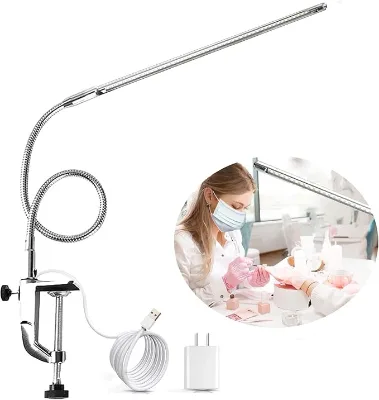
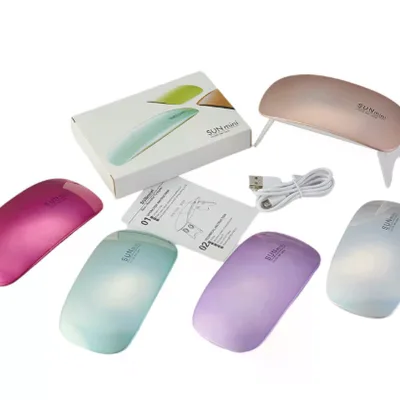
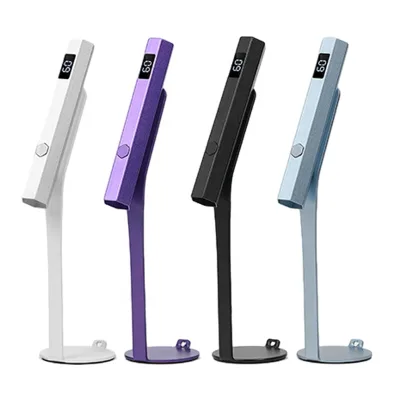
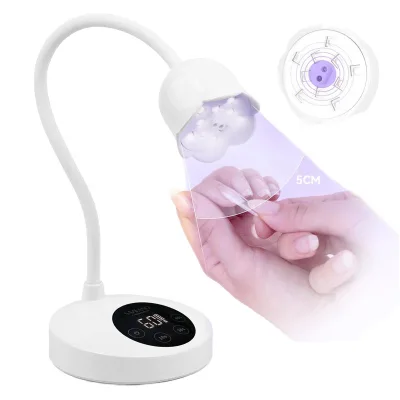
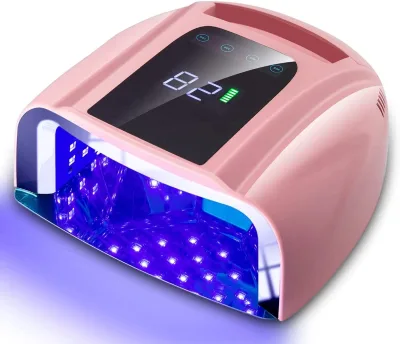

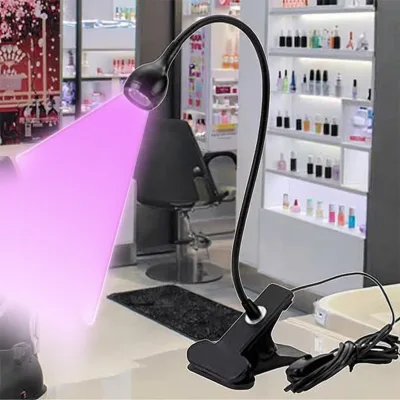
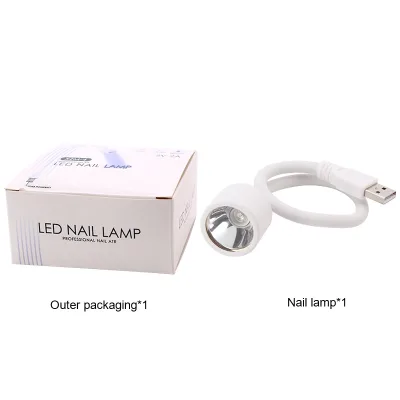


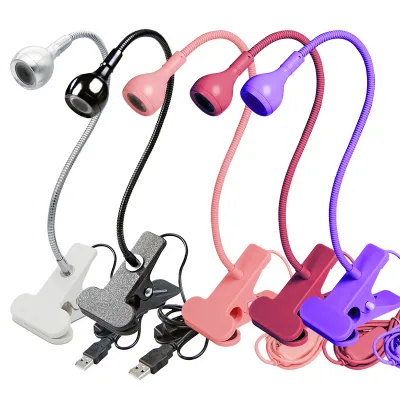

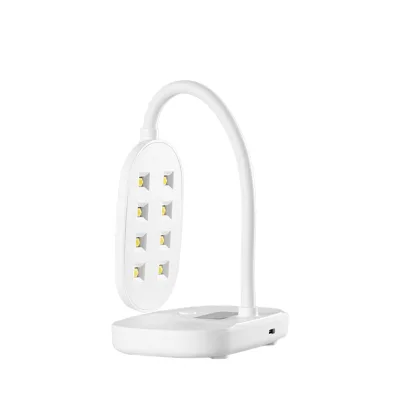
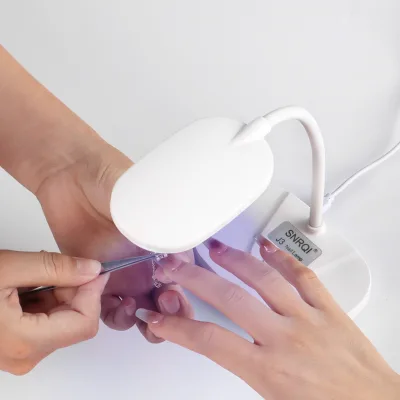
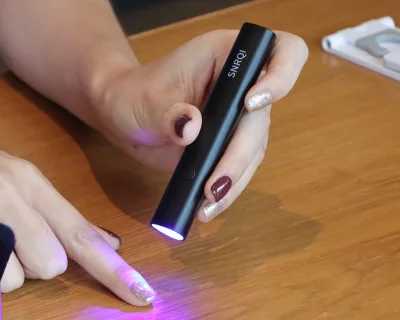


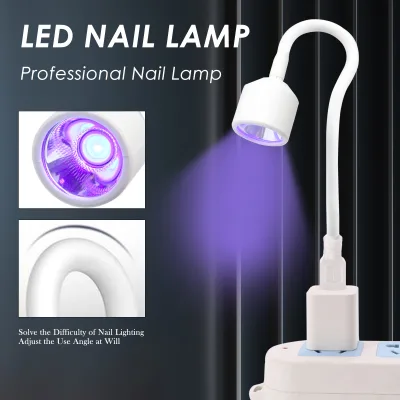
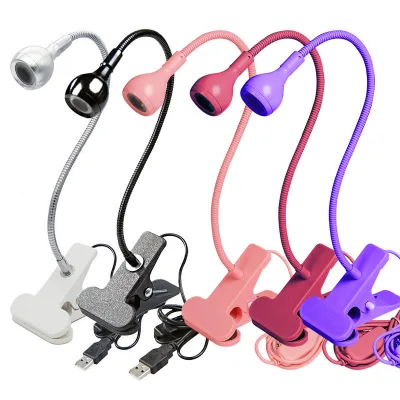
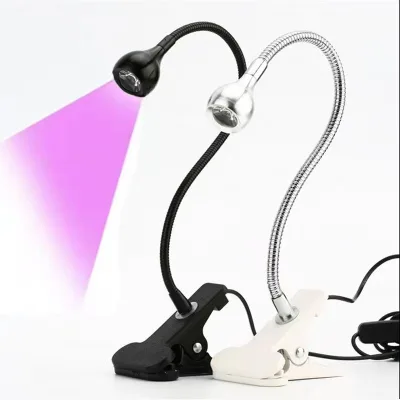
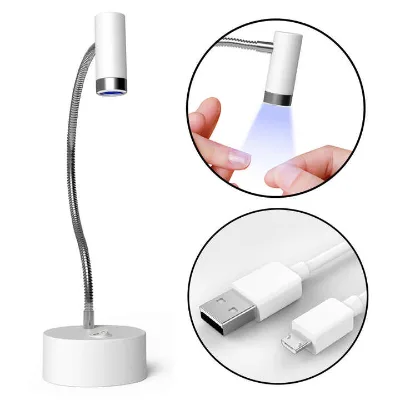

Nail Lamp LED Manicure Dryer with Black Gooseneck and Clamp for Gel Nails
$1.50 - $2.00
MOQ: 1000 Pieces


Comprehensive Sourcing Guide
USB LED Desk Nail Dryer with Clip Sourcing Guide
Sourcing a USB-powered LED nail dryer with an integrated clip requires careful evaluation of power delivery mechanisms and ergonomic design. Buyers must verify that the USB interface provides sufficient amperage to drive the LED array effectively, as low-power ports may result in extended curing times or inconsistent performance. The inclusion of a clip mechanism suggests a focus on hands-free operation, which is critical for maintaining stability during the drying process. Procurement teams should prioritize devices that offer secure attachment points to prevent slippage, ensuring that the user’s hands remain steady without manual intervention.
The market for these devices often targets both professional salon environments and home-use scenarios, necessitating a balance between durability and compactness. Observations indicate that products in this category frequently feature dual light wave technology, combining 365nm and 405nm wavelengths to ensure thorough curing of gel polishes. This dual-wave approach is a significant technical differentiator, as it addresses the varying absorption spectra of different gel formulations. Buyers should confirm that the specific model selected supports this dual-spectrum capability to avoid incomplete curing issues that can lead to premature chipping or peeling of the nail art.
Product Scope and Observed Listing Signals
Current market listings reveal a diverse range of color options, including silver, purple, green, red, gold, white, black, and rainbow finishes, allowing for significant aesthetic customization. The observed price range spans from $0.80 to $44.00 USD, reflecting variations in build quality, brand reputation, and included features such as digital displays or advanced sensors. Minimum order quantities (MOQ) typically range from 1 to 1000 units, providing flexibility for both small boutique orders and large-scale commercial procurement. This wide variance in pricing and MOQ suggests that buyers can find suitable options for various budget constraints and inventory strategies.
Product attributes indicate a strong emphasis on user convenience, with many models featuring automatic sensors and multiple timer settings such as 10s, 30s, 60s, and 99s. The presence of LED display screens and infrared sensors highlights a trend toward smart functionality, reducing the need for manual input and enhancing the user experience. Additionally, the availability of customized logos and packaging options underscores the importance of branding for B2B buyers looking to establish a distinct market presence. These signals suggest that the product category is mature enough to support both private labeling and generic sourcing strategies.
Technical Specifications to Verify
Voltage and power supply configurations are critical technical parameters that must be verified to ensure compatibility with the buyer’s operational environment. While some models operate on battery power, others are designed for plug-in use with AC 110-240V input, supporting various plug types including EU, AU, US, UK, and JP standards. Buyers must confirm the specific voltage requirements and plug types to avoid the need for additional adapters or transformers, which can add to the total cost of ownership. The power output, often cited as 30W or 48W, directly impacts the curing speed and efficiency of the device, making it a key performance indicator.
The light source specifications, particularly the wavelength and bead count, are essential for ensuring effective gel curing. Products may feature 365nm+405nm double light waves or single 395nm sources, with some models boasting up to 57 beads for enhanced coverage. The curing time, typically ranging from 60 seconds to 99 seconds depending on the timer setting, should be validated against the specific gel products used by the end-user. Additionally, the physical dimensions and weight of the device, such as a single package size of 19x11x9 cm and a gross weight of 1.5 kg, are important for logistics planning and shelf space allocation.
Compliance and Safety Documentation
Electrical safety compliance is paramount for USB-powered devices, requiring verification of adherence to regional safety standards for low-voltage electronics. Buyers should request documentation confirming that the product meets relevant electromagnetic compatibility (EMC) and radio frequency (RF) regulations, particularly if the device includes digital displays or sensors. The warranty period, often listed as one year, serves as an indicator of the manufacturer’s confidence in the product’s durability and reliability. However, buyers should not rely solely on warranty terms and should instead seek out third-party test reports that validate the electrical safety of the USB interface and internal components.
Data privacy and sensor functionality also warrant attention, especially for models equipped with infrared sensors. While these sensors enhance user convenience by automatically detecting hand placement, buyers should ensure that the device does not collect or transmit personal data without explicit consent. The absence of complex connectivity features in most models reduces this risk, but it is still advisable to review the user manual and privacy policy provided by the supplier. Ensuring that the product complies with local electronic waste disposal regulations is also important, particularly for buyers operating in regions with strict environmental laws.
Cost Drivers and Commercial Terms
The cost of USB LED nail dryers is influenced by several factors, including the complexity of the electronic components, the quality of the plastic housing, and the level of customization offered. Models with digital displays, multiple timer settings, and dual light wave technology generally command higher prices due to the increased manufacturing complexity. Customization options, such as logo printing and custom packaging, add to the unit cost but can provide significant value for brands seeking to differentiate their products in a competitive market. Buyers should negotiate clearly on the scope of customization to avoid unexpected charges that can erode profit margins.
Lead times and production schedules are critical commercial terms that impact inventory management and cash flow. Production times typically range from 25 to 30 days after receiving the deposit, with sample times of 4 to 6 days. These timelines can vary based on the order quantity and the complexity of the customization requests. Buyers should plan their procurement cycles accordingly to avoid stockouts, especially during peak seasons. Additionally, payment terms should be structured to balance risk, with a deposit securing production and the balance paid upon completion or before shipment, depending on the supplier’s policy and the buyer’s trust level.
Supplier Qualification and Quality Control
Supplier qualification is a crucial step in ensuring the reliability and consistency of the product supply. Buyers should verify the supplier’s manufacturing capabilities, including their production capacity and quality control processes. The place of origin, often Guangdong or Ningbo in China, indicates a concentration of manufacturing expertise in the electronics and beauty device sectors. However, buyers should conduct on-site audits or request third-party inspection reports to verify that the supplier adheres to good manufacturing practices (GMP) and maintains consistent quality standards across production batches.
Quality control measures should include rigorous testing of the LED array, sensor functionality, and electrical safety. Buyers should specify acceptance criteria for defects, such as uneven light distribution, sensor misalignment, or power supply issues, and require the supplier to provide a defect rate guarantee. The use of standardized packaging, such as normal brown cartons or color boxes, should also be verified to ensure that the products arrive in good condition. Establishing a clear communication channel for addressing quality issues and implementing a corrective action process is essential for maintaining long-term supplier relationships and product quality.
Long-Term Procurement Checks
Long-term procurement success depends on the ability to monitor supplier performance and adapt to market changes. Buyers should regularly review supplier metrics, including on-time delivery rates, product quality, and responsiveness to issues. Establishing a scorecard system can help track these metrics and identify areas for improvement. Additionally, buyers should stay informed about technological advancements in LED nail dryers, such as new curing wavelengths or energy-efficient designs, to ensure that their product offerings remain competitive. Regularly updating the product specification sheet based on market feedback and technological trends is essential for maintaining relevance.
Sustainability and regulatory changes also pose long-term risks that require proactive management. Buyers should monitor evolving environmental regulations related to electronic waste and plastic usage, ensuring that their suppliers are compliant with these standards. Exploring options for recyclable packaging materials or energy-efficient designs can enhance the brand’s sustainability profile and appeal to environmentally conscious consumers. Furthermore, maintaining a diversified supplier base can mitigate the risk of supply chain disruptions, ensuring continuity of supply even if one supplier faces production or logistical challenges.
FAQs
What power options are available for LED UV nail dryers?
Power options include battery-powered and plug-in electric models. Some units operate on AC 110-240V with various plug types like EU, AU, US, UK, or JP. Battery models offer portability, while plug-in versions provide consistent power for salon or home use without needing frequent recharging.
Can I customize the logo on these nail dryers?
Yes, customized logos are accepted for many LED UV nail dryer models. Buyers can request branding on the device surface or packaging. This customization service allows businesses to enhance brand visibility and create a unique product identity for their specific market or retail channel requirements.
What curing times are supported by these LED nail lamps?
These lamps typically support timer settings of 10s, 30s, 60s, and sometimes 99s. The 60-second setting is common for full curing. Quick-dry features help reduce treatment time. Users can select the appropriate duration based on the gel polish type and desired hardness for optimal results.
What light sources do these nail dryers use?
Many models use dual light waves of 365nm and 405nm for effective curing. Some units may feature 395nm LEDs. The light source is LED, often displayed on a screen. This combination ensures efficient hardening of UV gel polishes while minimizing heat generation during the drying process.
Where are these nail dryers manufactured?
Manufacturing locations include Guangdong, China, and Ningbo. These regions are known for electronics and beauty equipment production. Buyers can verify the place of origin to assess supply chain logistics. Origin details help determine shipping costs and lead times for international orders and bulk procurement needs.
What is the warranty period for these devices?
A one-year warranty is standard for many LED nail dryer models. This coverage typically includes defects in materials and workmanship. Buyers should confirm specific warranty terms with suppliers. The warranty provides assurance of product quality and offers support for any functional issues arising during normal use within the first year.