Air Cushion Belt Polyester Backpack Suppliers and Manufacturers
Compare 31 verified suppliers offering air cushion belt polyester backpacks with ISO 9001 certification and Intertek verification. Review response times, lead times, and customization options to select the right partner for your business needs; review the available evidence before requesting comparable quotations from suitable candidates.
Updated
Suppliers List
GuangZhou JuLi Leather Co.,Ltd
- Verified by Intertek
- Manufacturer, Trading Company
- Lead time0 days
- Avg. response≤ 2h
Main productsTravel Backpack, Laptop Backpack, LED Screen Backpack, Chest Sling Bag, Waist Bags
Main marketsSouth America(21%), Domestic Market(20%), Southeast Asia(15%)

Hangzhou Xianghui Internation Trading Co., Ltd
- Verified by TUVRHEINLAND
- Trading Company
- China Zhejiang
- Lead time30 days
- Avg. response≤ 7h
Main productsTote Bag, Shopping Bag, Cosmetic Bag, Sports Bag, Paper Bag, Laptop, Backpack, Brand Bag, Gift Bag, Socks
Main marketsSouth America,North America

Xianghui Travel Business Leisure Laptop Bag Backpack with Air Cushion Belt
$6.99 - $9.90
MOQ: 200 pieces


- Verified by CTI
- Trading Company
- China Anhui
- Lead time23 days
- Avg. response≤ 6h
Main productsBackpack, School Bag, Cosmetic Bag, Lunch Bag, Travel Bag, Hiking Pack
Main marketsSouth America,Africa,Southeast Asia/ Mideast,East Asia(Japan/ South Korea),Europe,Australia,North America

Oxford Waterproof Backpack with Computer Interlayer & Air Cushion Belt Backpack
$7.99 - $9.15
MOQ: 500 Pieces

PU Material Softback Backpack with Air Cushion Belt & Large Capacity Backpack
$5.99 - $9.99
MOQ: 500 Pieces

PU Waterproof Backpack with USB Port & Air Cushion Shoulder Straps Backpack
$8.72 - $10.26
MOQ: 500 Pieces

Unisex Softback Backpack with Physiological Curve Back & Soft Handle Backpack
$6.99 - $8.99
MOQ: 500 Pieces

Water Resistant Spacious Backpack with Adjustable Straps Multiple Pockets
$5.99 - $9.99
MOQ: 500 Pieces
Dongguan Hesen Leather Products Co., Ltd.
- Verified by TüVRheinland
- Trading Company
- Lead time0 days
- Avg. response≤ 2h
Main productsHandbag, Crossbody Bag, Backpack, Outdoor Bag, Wallet
Main marketsNorth America(30%), South America(10%), Eastern Europe(10%)
Baoding Bangtu Trade Co., Ltd.
- Verified by TüVRheinland
- Manufacturer, Trading Company
- Lead time15 days
- Avg. response≤ 2h
Main productsLaptop Backpack, Laptop Bag, School Bag, Diaper Bag, Travel Backpack
Main marketsMid East(30%), South America(15%), Northern Europe(12%)

Quanzhou Esson Import And Export Co., Ltd.
- Trading Company
- Fujian, China
- Lead time30 days
- Avg. response≤ 3h
Main productsschool bag,laptop bag,sport bag,mommy bag,outdoor bag
Main marketsSouthern Europe(25.00%), Africa(20.00%), Western Europe(15.00%), Mid East(15.00%), North America(15.00%), Eastern Europe(10.00%)
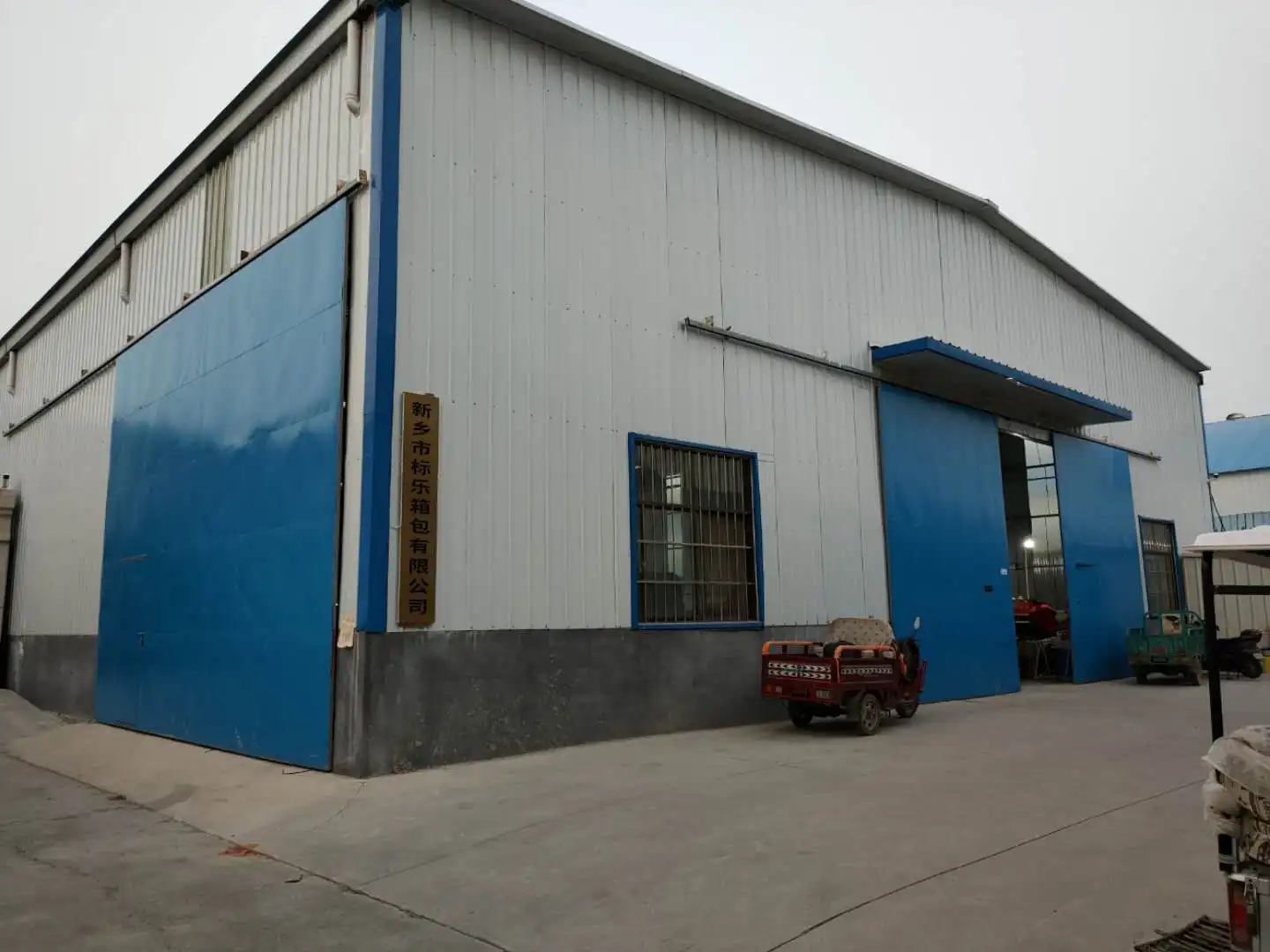
Xinxiang Buehlee Bag Co., Ltd.
- Manufacturer, Trading Company
- Henan, China
- Lead time25 days
- Avg. response≤ 2h
Main productsSchool Bag,Backpack,Cooler Bag,Fitness Bag,Waist Bag
Main marketsDomestic Market(30.00%), North America(20.00%), Southeast Asia(15.00%), Eastern Europe(9.00%), South America(5.00%), Eastern Asia(5.00%), Mid East(5.00%), Oceania(5.00%), Africa(5.00%), South Asia(1.00%)

Wenzhou Guanmin Import and Export Co., Ltd.
- Verified by BV
- Trading Company,Manufacturer/Factory
- China Zhejiang
- Lead time120 days
- Avg. response≤ 6h
Main productsShopping Bag, Cooler Bag, Notebook, Pen, Color Pencil, Lanyard, Beach Ball, Umbrella, Sunshade, Air Freshener
Main marketsSouth America,Eastern Europe,Mid East,North America,Southeast Asia,Eastern Asia,Western Europe
Quanzhou Xiangxing Bags Co., Ltd.
- Manufacturer, Trading Company
- Fujian, China
- Lead time55 days
- Avg. response≤ 4h
Main productsBackpack,Travel Bags,Ski Bags,Diaper Bags,School Bags
Main marketsEastern Europe(15.00%), South America(15.00%), North America(15.00%), Southern Europe(12.00%), Western Europe(10.00%), Central America(10.00%), Northern Europe(10.00%), Eastern Asia(7.00%), Mid East(5.00%), Southeast Asia(1.00%)

WeIVan (Hangzhou) International Import and Export Trading Co., Ltd.
- Verified by SGS
- Trading Company
- China Zhejiang
- Lead time23 days
- Avg. response≤ 3h
Main productsBag, Suitcase, Outdoor Bag, Backpack Bag, Acrylic Products
Main marketsEurope
Baoding Shengshizhixing Bags Manufacturing Co., Ltd.
- Verified by Intertek
- Manufacturer, Trading Company
- Lead time15 days
- Avg. response≤ 3h
Main productsLaptop Backpacks, Laptop Bags, Travel Bags
Main marketsSouth America(57%), Africa(30%), Domestic Market(7%)
Hebei Jutuo Leather Goods Manufacturing Co., Ltd.
- Manufacturer
- Hebei, China
- Lead time20 days
- Avg. response≤ 2h
Main productsMen's bag,Lady bags,backpack,laptop bag,Travel bag
Main marketsNorth America(20.00%), Central America(10.00%), Domestic Market(10.00%), Southeast Asia(10.00%), South Asia(10.00%), Mid East(10.00%), Northern Europe(5.00%), Eastern Europe(5.00%), Eastern Asia(5.00%), South America(5.00%), Southern Europe(3.00%), Oceania(3.00%), Africa(2.00%), Western Europe(2.00%)
Anhui Three Six Seven Travel Products Co., Ltd.
- Verified by Intertek
- Manufacturer, Trading Company
- Lead time30 days
- Avg. response≤ 2h
Main productsBackpack, Tote Bags, Crossbody Bags, Lunch Bags, Shopping Bags
Main marketsSoutheast Asia(32%), North America(22%), Western Europe(12%)
Guangzhou Boslun Industrial Co., Ltd.
- Manufacturer, Trading Company
- guangdong, China
- Lead time25 days
- Avg. response≤ 1h
Main productsLuggage & Bags,cosmetic bag,tote bag,backpack,drawstring bag
Main marketsWestern Europe(48.00%), Domestic Market(20.00%), North America(17.00%), South America(15.00%)
The Gaobeidian airborne bird skin has limits the company
- Verified by TüVRheinland
- Manufacturer, Trading Company
- Lead time20 days
- Avg. response≤ 3h
Main productsTrolley Luggage, Backpack, Female Bag, Traveling Bag
Main marketsMid East(30%), North America(20%), Eastern Europe(20%)
Anhui Three Six Seven Travel Products Co., Ltd.
- Manufacturer, Trading Company
- Lead time旺季: "1 - 100":14,"> 100":"To be negotiated", 淡季: "1 - 100":14,"> 100":"To be negotiated"
- Avg. response≤ 4h
Main productsBackpack, Makeup Bags, School Bags, Cooler Bags, Waist Bags

Xiamen Lemay Trading Co., Ltd.
- Trading Company,Manufacturer/Factory,Other
- China Fujian
- Lead time23 days
- Avg. response≤ 2h
Main productsHyration Pack, Water Bladder, Dry Bag, Self-Inflatable Mattress, Outdoor Furniture, Camping Equipment, Quick Tent, Insulation Bag, Gym Protection, Sports
Main marketsSouth America,Eastern Europe,Mid East,North America,Southeast Asia,Eastern Asia,Oceania,Western Europe,Africa

Xiamen Daysun Industrial Co., Ltd.
- Verified by SGS
- Trading Company
- China Fujian
- Lead time30 days
- Avg. response≤ 4h
Main productsBackpack, Travel Bag, Sports Bag, Laptop Bag, Shopping Bag, Cosmetic Bag, Cooler Bag, RPET Bag, Clothing, Neoprene Case
Main marketsEurope,Australia,North America

Smart Industrial (Asia) Corporation Limited
- Manufacturer/Factory
- China Guangdong
- Lead time23 days
- Avg. response≤ 13h
Main productsLaptop Bag, Backpack, School Bag, Handbag, Messenger Bag, Briefcase, Camera Bag, Trolley Bag, Tablet Case, iPad Case
Main marketsSouth America,Eastern Europe,Mid East,North America,Southeast Asia,Eastern Asia,Oceania,Western Europe,Africa
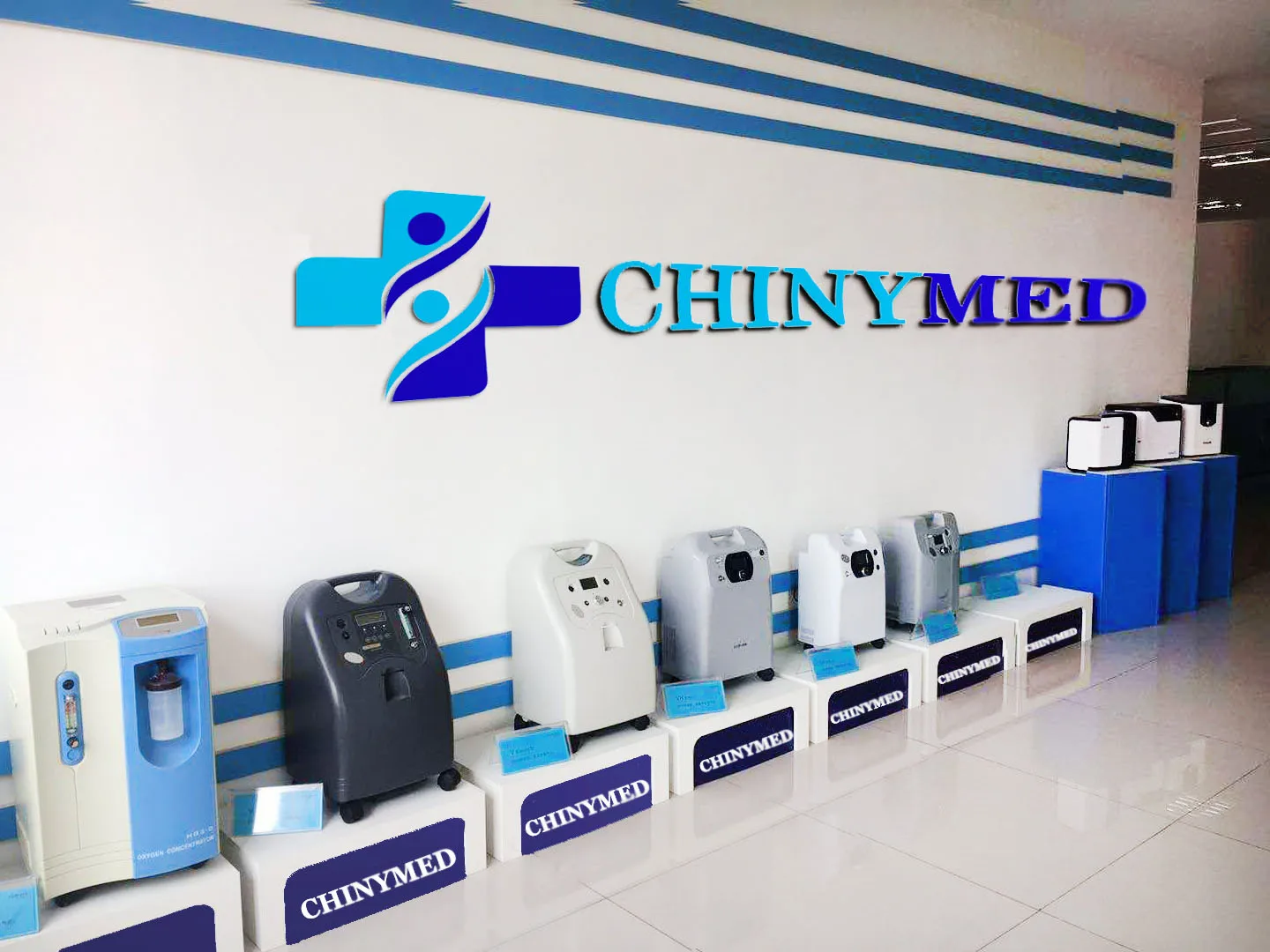
- Trading Company
- Hebei, China
- Lead time10 days
- Avg. response≤ 4h
Main productsschool bag,women bag,shoulder bag,backpack,underarm bag
Main marketsMid East(20.00%), South Asia(18.00%), Africa(15.00%), Central America(11.00%), Southeast Asia(10.00%), South America(5.00%), Northern Europe(5.00%), Southern Europe(4.00%), Eastern Asia(4.00%), Domestic Market(3.00%), Western Europe(2.00%), Eastern Europe(1.00%), North America(1.00%), Oceania(1.00%)
Yiwu Lixueshun Garments Co., Ltd.
- Trading Company
- Zhejiang, China
- Lead time20 days
- Avg. response≤ 5h
Main productsbackpack,handbag,wallet,belt,down jacket
Main marketsSouth Asia(40.00%), North America(30.00%), South America(20.00%), Africa(10.00%)

Guangzhou Juli Leather Co., Ltd
- Verified by SGS
- Combined
- China Guangdong
- Lead time30 days
- Avg. response≤ 12h
Main productsBackpack, Travel Backpack, Laptop Backpack
Main marketsSouth America,East Asia(Japan/ South Korea),Domestic,Europe


Large Capacity Vacuum Air Compression Bag Waterproof Travel Laptop Backpack
$27.00 - $29.00
MOQ: 500 Pieces


$27.00 - $29.00
MOQ: 500 Pieces

QUANZHOU HORBEST BAGS CO., LTD
- Verified by CTI
- Trading Company
- China Fujian
- Lead time90 days
- Avg. response≤ 3h
Main marketsEurope


Custom Business Multifunctional Waterproof Sports Backpack Leisure School Backpack
$6.98 - $7.14
MOQ: 500 Pieces

Xiamen Furvorite Pet Supplies Co., Ltd.
- Verified by SGS
- Trading Company,Manufacturer/Factory
- China Fujian
- Lead time45 days
- Avg. response≤ 3h
Main productsDog Harness, Pet Clothes, Dog Leash, Dog Collar, Pet Bed, Pet Accessories, Pet Grooming Tool, Pet Gates & Furniture, Pet Bowls & Feeding, Dog Brace
Main marketsSouth America,Eastern Europe,Mid East,North America,Southeast Asia,Eastern Asia,Oceania,Western Europe,Africa

Fuzhou Whole Line Trading Co., Ltd.
- Verified by BV
- Trading Company,Manufacturer/Factory
- China Fujian
- Lead time23 days
- Avg. response≤ 7h
Main productsCustomized Products, Lanyard Short Strap, Lanyard, Bandana, Pen, Bags, T-Shirt, Pillow Case, Socks, Promotional Gifts
Main marketsSouth America,Eastern Europe,Mid East,North America,Southeast Asia,Eastern Asia,Oceania,Western Europe,Africa

Vacuum Pump Compression Backpack Travel Comfortable and Durable Backpack
$22.90 - $23.20
MOQ: 50 Pieces


- Manufacturer/Factory
- China Fujian
- Lead time30 days
- Avg. response≤ 21h
Main productsBag, Polyester Bag, Promotion Gift, School Bag, Outdoor Backpack, Backpack, Rucksack, Laptop Bag, Yoga Bag, Sport Bag
Main marketsSouth America,Eastern Europe,Mid East,North America,Southeast Asia,Eastern Asia,Oceania,Western Europe,Africa

QUANZHOU DANKIN IMP AND EXP CO., LTD.
- Manufacturer/Factory
- China Fujian
- Lead time45 days
- Avg. response≤ 2h
Main productsBackpack, Cooler Bag, Tool Bag, Laptop Bag, Gun Bag, Travel Bag, Hiking Bag, Tennis Bag, Running Bag, Diaper Bag
Main marketsSouth America,Eastern Europe,Mid East,North America,Southeast Asia,Eastern Asia,Oceania,Western Europe,Africa
Baoding Changyao Import and Export Co., Ltd.
- Verified by SGS Group
- Trading Company
- Lead time7 days
- Avg. response≤ 2h
Main productsBackpacks, Waist & Sling Bags, Pet Carrier Bags, School Bags, Ladies Bags
Main marketsNorth America(30%), Western Europe(15%), Africa(10%)
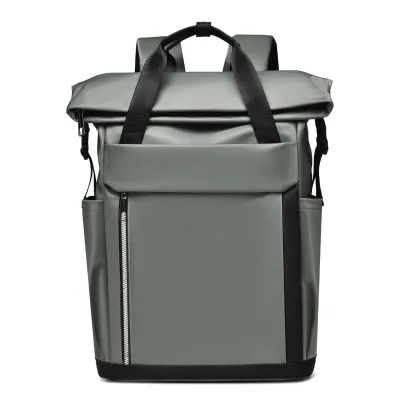
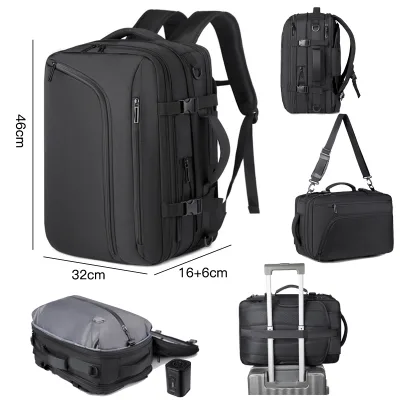
$24.26 - $26.55
MOQ: 10 pieces
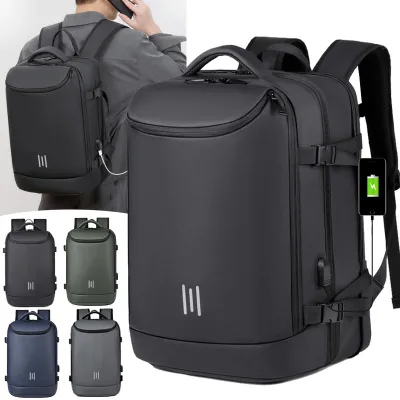

LITAI(QUANZHOU)BAGS CORP., LIMITED
- Trading Company,Manufacturer/Factory
- China Fujian
- Lead time45 days
- Avg. response≤ 8h
Main productsMilitary Bags, Military Backpack, Military Vest, Army Backpack, Tactical Backpack, Tactical Holster, Tactical Sling, Army Bags, Medical Bag
Main marketsSouth America,Eastern Europe,Mid East,North America,Eastern Asia,Western Europe,Africa
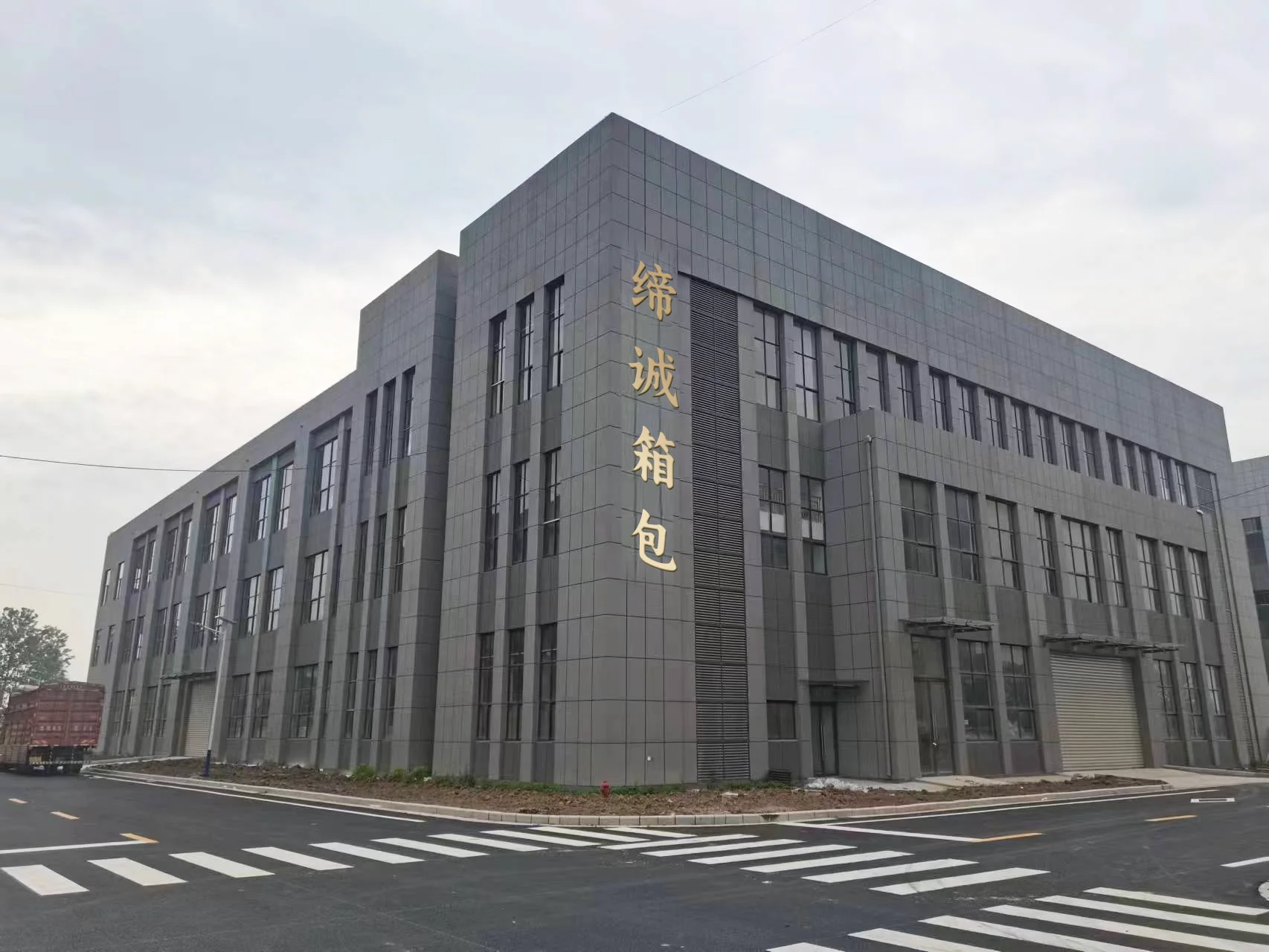
Baoding Dicheng Leather Goods Manufacturing Co., Ltd.
- Manufacturer
- Hebei, China
- Lead time7 days
- Avg. response≤ 1h
Main productsschool backpack,Men's backpack,laptop backpack,travel bag,Chest bag
Main marketsNorth America(40.00%), Mid East(10.00%), South America(9.00%), Africa(8.00%), Central America(5.00%), Western Europe(5.00%), Eastern Europe(5.00%), Southern Europe(5.00%), Northern Europe(5.00%), Domestic Market(2.00%), South Asia(2.00%), Oceania(2.00%), Southeast Asia(2.00%)
Shenzhen Pailox Industrial Co., Ltd.
- Verified by SGS Group
- Trading Company
- Lead time25 days
- Avg. response≤ 4h
Main productsLuggage, Backpack, Bag
Main marketsNorth America(20%), South America(15%), Eastern Europe(10%)
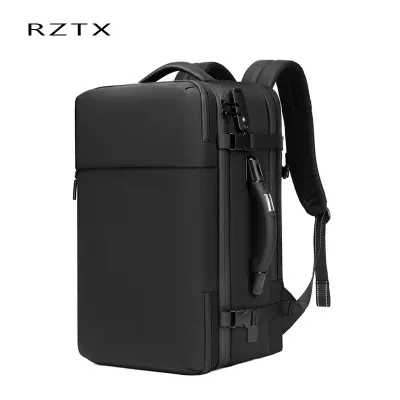
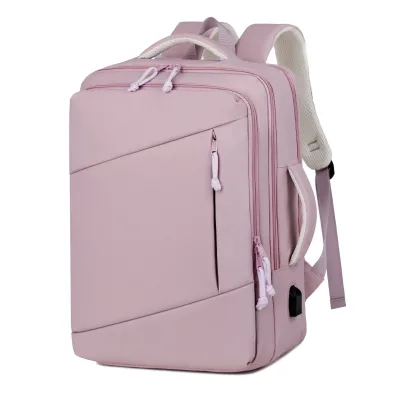
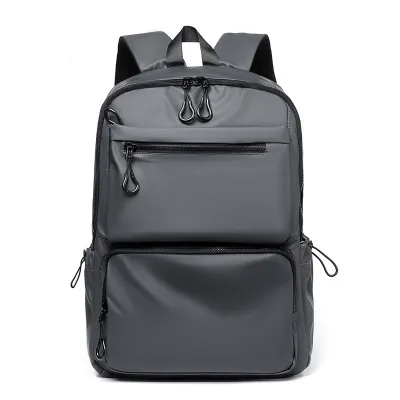


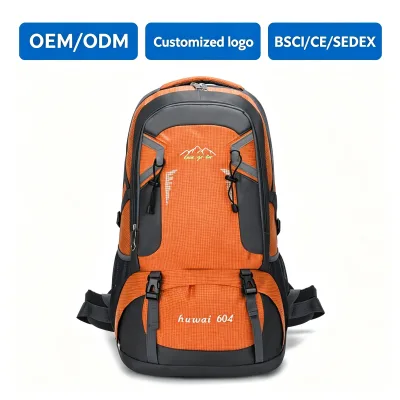
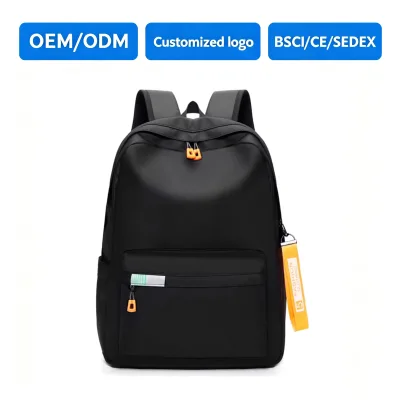


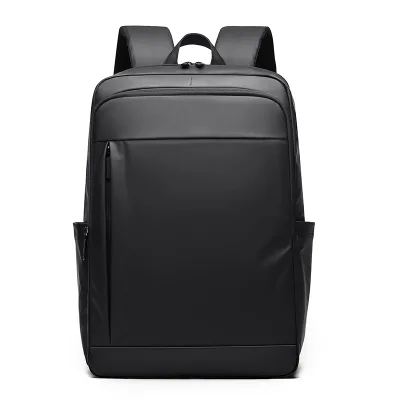
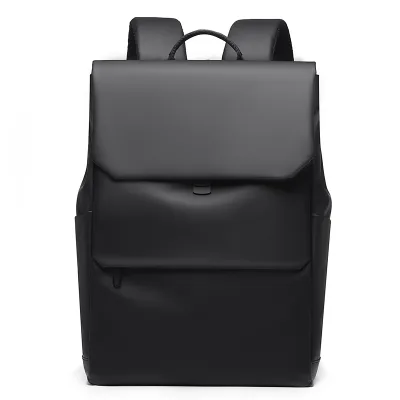
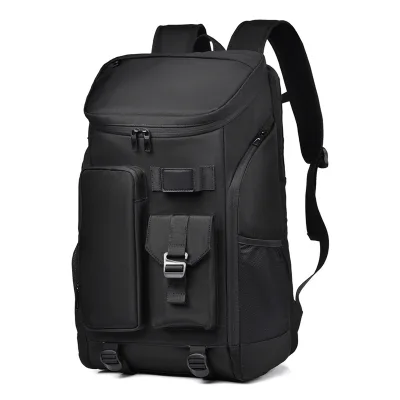
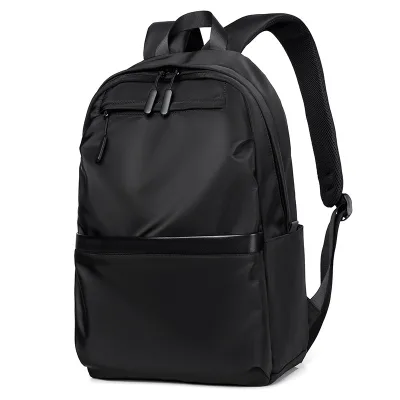
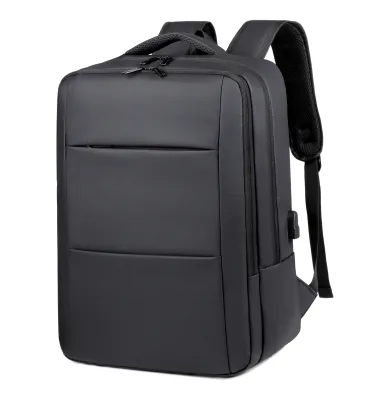
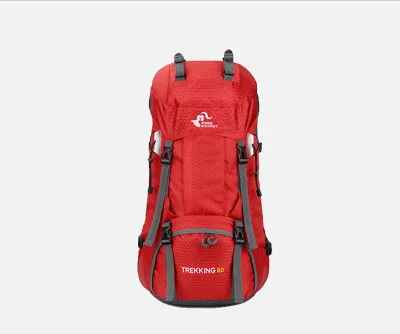
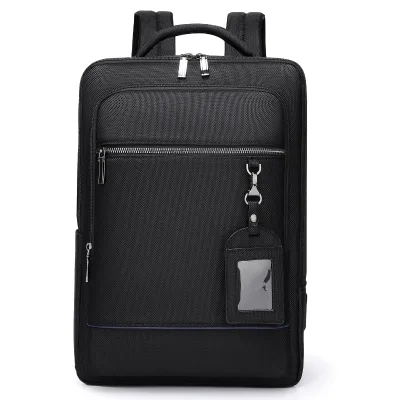
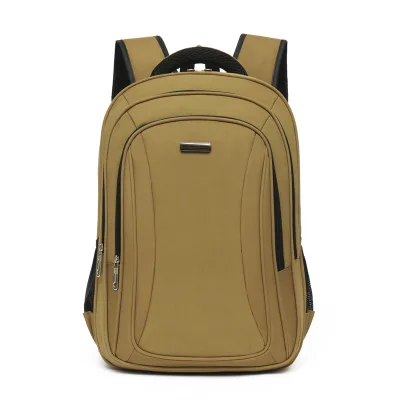




Comprehensive Sourcing Guide
Air Cushion Belt Polyester Backpack Supplier Concentration and Factory Types
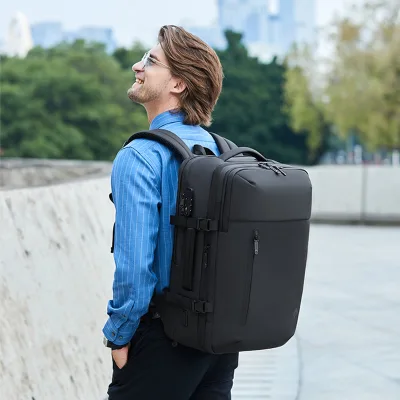
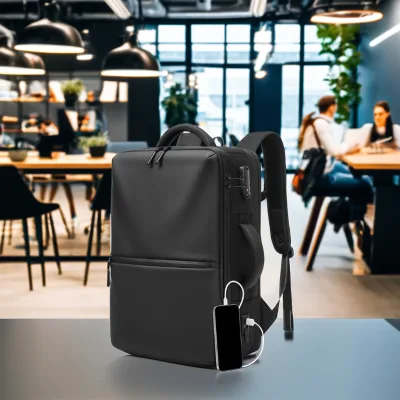
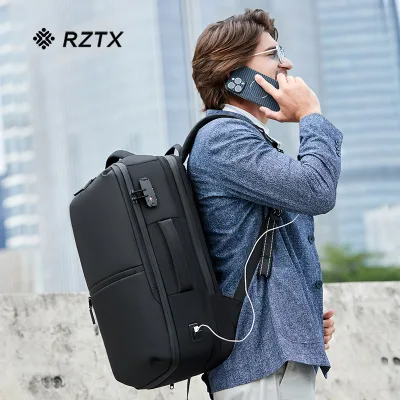
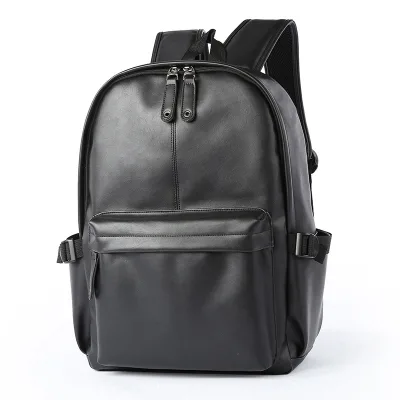
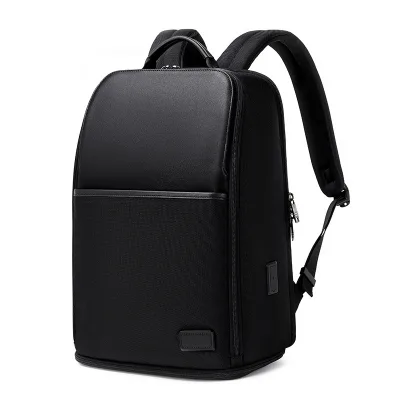
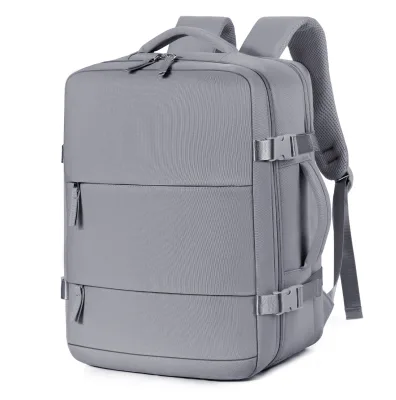
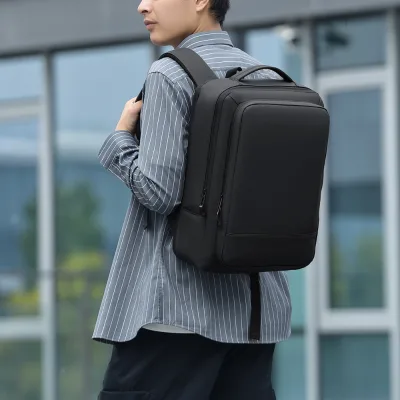
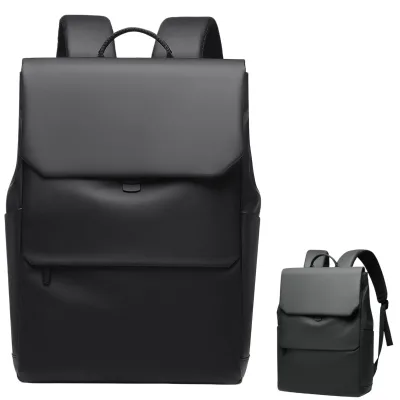
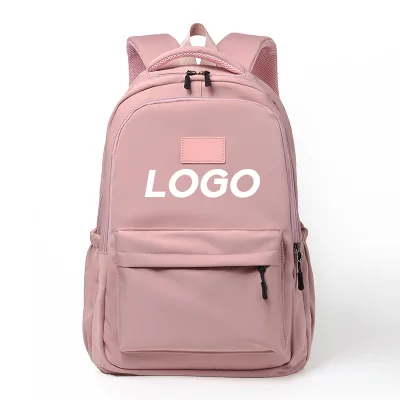
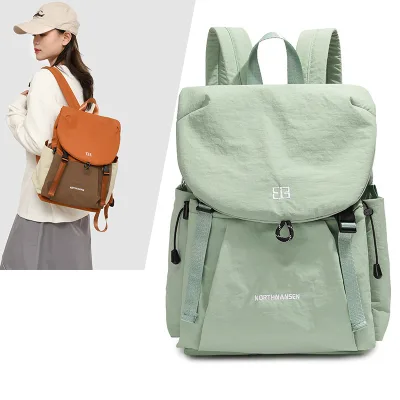
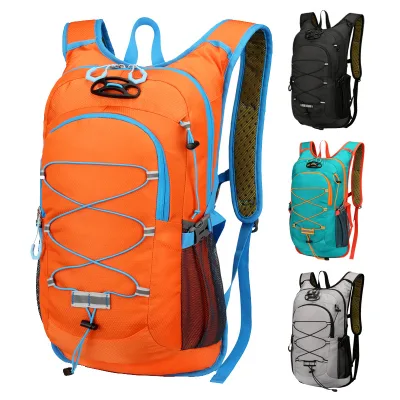
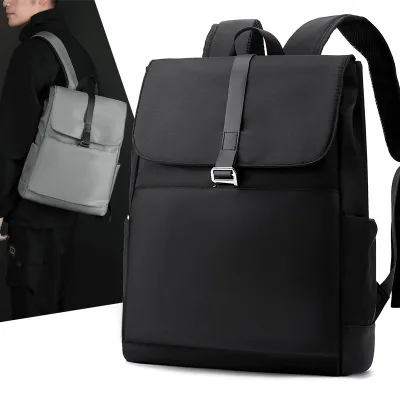
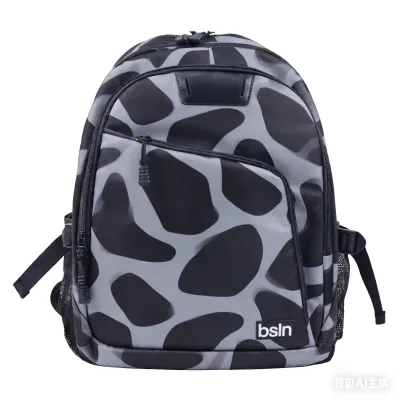
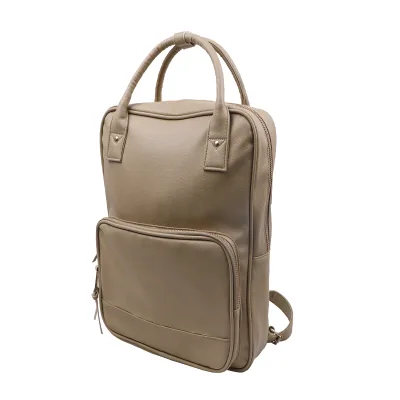
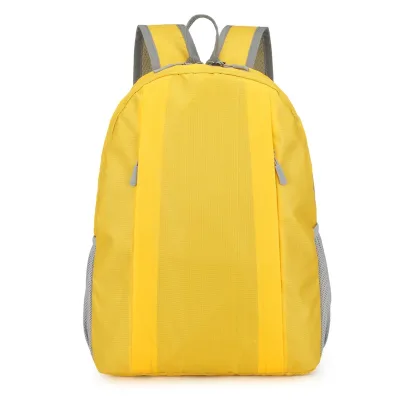
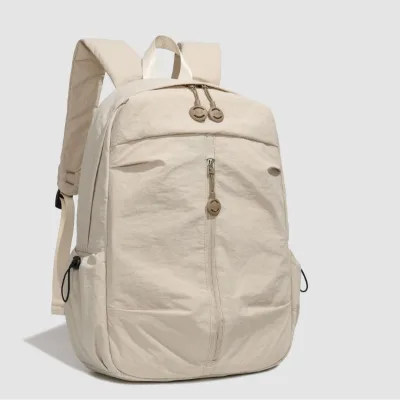
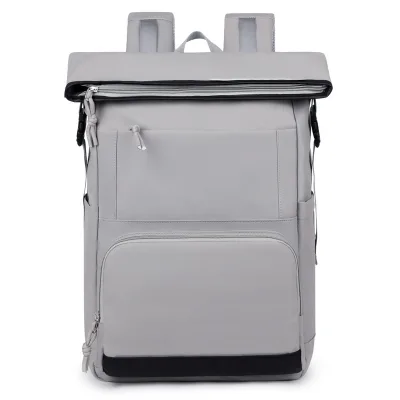
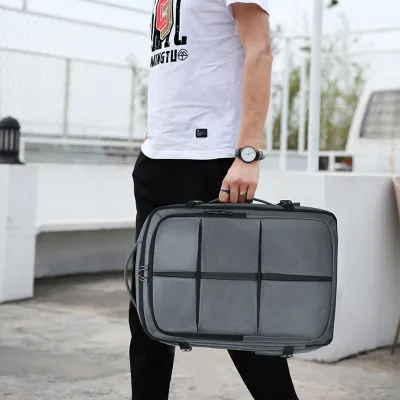
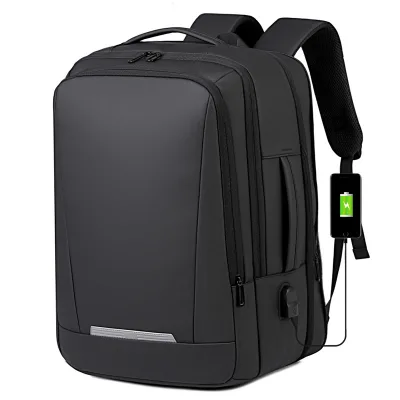
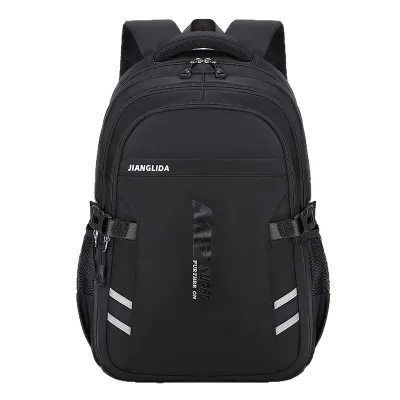
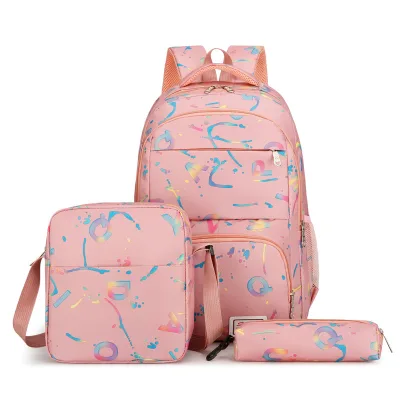
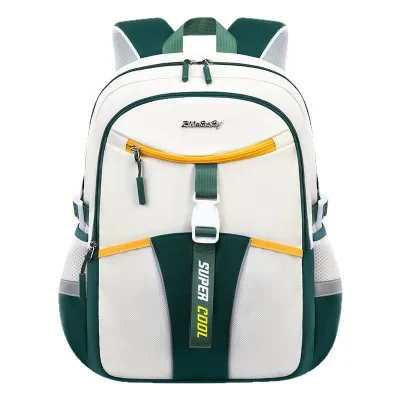
The current supplier landscape for air cushion belt polyester backpacks reveals a mix of manufacturing and trading entities operating within specific regions. Evidence indicates that production facilities are concentrated in Guangdong, China, where specific product attributes like Oxford fabric and polyester lining are standard. Some suppliers also list Zhejiang as a location, suggesting a broader regional presence for trading operations. The primary product categories observed include travel backpacks, laptop bags, and specialized vacuum compression models, all featuring air cushion straps or belts for ergonomic support. This concentration allows buyers to access a variety of styles, from solid color business models to geometric patterned designs, all originating from the same manufacturing hubs.
Company types vary between direct manufacturers and trading companies, each offering distinct advantages for sourcing. Manufacturers typically provide capabilities for light customization, sample processing, and graphic processing, allowing for tailored designs on demand. Trading companies often focus on a broader range of main products, including tote bags, cosmetic bags, and gift bags, alongside the core backpack offerings. This diversity means buyers must distinguish between a factory capable of customizing the air cushion system and a trader who aggregates products from multiple sources. Understanding this distinction is critical when evaluating the supply chain depth and the potential for direct communication regarding technical specifications like strap type or interior compartment layout.
How to Verify Air Cushion Belt Polyester Backpack Suppliers
Verification processes for these suppliers rely heavily on third-party certifications and platform-specific trust indicators. Current data shows that some suppliers hold ISO 9001 system certification, which serves as a baseline for quality management standards. Additionally, verification status is often confirmed by external agencies such as Intertek or TÜV Rheinland, providing an objective layer of credibility regarding the supplier's business operations. Buyers should prioritize suppliers displaying these specific verification badges, as they indicate a commitment to maintaining established quality protocols. The presence of these credentials helps mitigate risks associated with unverified entities that may lack the necessary infrastructure for consistent production.
Beyond certifications, buyers must assess the responsiveness and operational readiness of the supplier. Response times vary significantly, with some suppliers indicating a two-hour response window while others may take longer, such as six hours or more. This metric is a strong indicator of the supplier's capacity to handle urgent inquiries and manage the communication flow required for custom orders. Furthermore, the ability to process samples and handle graphic customization is a tangible sign of a supplier's technical capability. Buyers should verify that the supplier can actually execute the requested changes to the air cushion belt or polyester lining before committing to a larger order, ensuring that the claimed capabilities align with actual operational performance.
What to Compare Across Air Cushion Belt Polyester Backpack Suppliers
When evaluating multiple suppliers, key comparison dimensions include lead times, response speeds, and the scope of customization services. Lead times can range from immediate availability to thirty days, depending on the supplier's current production load and inventory status. A supplier with a zero-day lead time might offer ready-to-ship stock, whereas a thirty-day lead time suggests a made-to-order or batch production model. Response times also serve as a proxy for operational efficiency; a two-hour response suggests a dedicated team, while longer intervals may indicate a smaller or less structured operation. Buyers should map these metrics against their own project timelines to ensure alignment.
Product specifications and pricing structures offer another critical layer for comparison. The observed price ranges for these backpacks vary, with some models listed between thirty-two and forty-two dollars, reflecting differences in material quality, feature sets, and order volumes. Attributes such as the carrying system, whether it is an air cushion belt or a physiological curve back, and the interior layout, including laptop compartments or zipper pockets, must be scrutinized. Additionally, the main material, often Oxford fabric, and the lining material, typically polyester, should be consistent with the buyer's durability requirements. Comparing these specific product attributes alongside the stated capacity, such as 20-39 liters or 36-59 liters, ensures the selected supplier meets the functional needs of the end-user.
Common Air Cushion Belt Polyester Backpack Sourcing Risks
One significant risk involves the discrepancy between claimed customization capabilities and actual production capacity. While suppliers may advertise light customization, sample processing, and graphic processing, the extent of these services can vary widely. Some suppliers might offer only minor adjustments, while others provide full on-demand customization. Without clear evidence of the specific customization limits, buyers risk receiving products that do not match their design specifications. It is essential to verify the exact scope of customization before placing an order, particularly for features like the air cushion belt mechanism or the specific pattern type, which can affect the final product's functionality and aesthetic appeal.
Another risk pertains to the consistency of product attributes and the reliability of the supply chain. Variations in product descriptions, such as differences in handle types or closure mechanisms, can lead to confusion and potential quality issues. For instance, a supplier might list a hard handle in one instance and a soft handle in another for similar models, indicating a lack of standardized product lines. Additionally, the origin of the goods, primarily Guangdong, China, must be verified to ensure compliance with import regulations and quality expectations. Buyers should be cautious of suppliers who do not provide clear details on the place of origin or who fail to specify the exact model numbers, as this can complicate quality control and traceability efforts during the sourcing process.
Air Cushion Belt Polyester Backpack Regional Sourcing and Logistics
Regional sourcing strategies should focus on the identified manufacturing clusters in Guangdong and Zhejiang, China. These regions are known for their concentration of backpack manufacturers and trading companies, offering a dense network of suppliers capable of producing air cushion belt polyester backpacks. The proximity of these facilities to major shipping ports facilitates efficient logistics and reduces transit times for international orders. Buyers should leverage this geographic concentration to negotiate better terms and ensure faster delivery schedules. However, it is crucial to confirm the specific location of each supplier, as some may operate as trading companies with warehouses in different provinces, potentially affecting lead times and shipping costs.
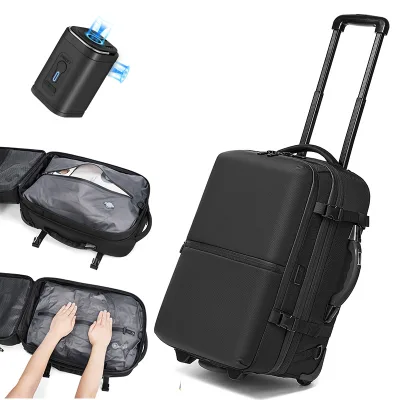
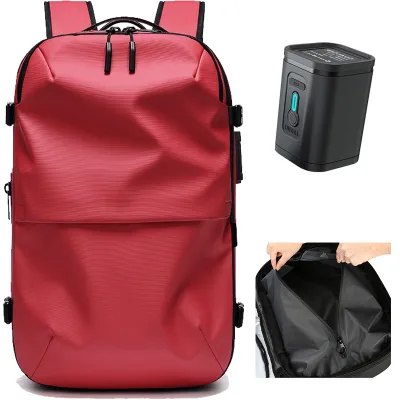
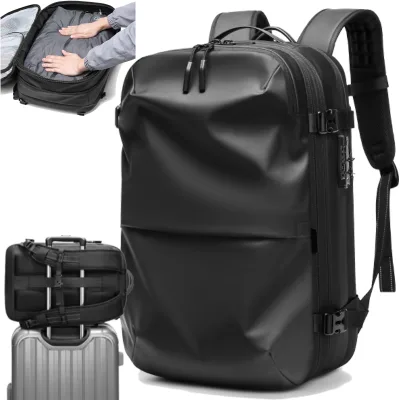
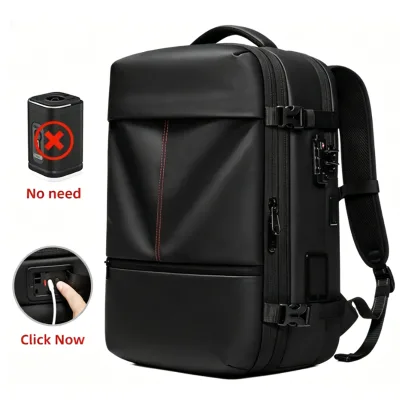
Logistics planning must account for the specific packaging and weight characteristics of the products. Observed data indicates that single package sizes can vary, with dimensions such as 55x35x22 cm or 55x35x12 cm, and single gross weights ranging from 2.0 kg to 2.565 kg. These factors directly influence shipping costs and the number of units that can be loaded into a container. Buyers should request detailed packing lists and dimensional data from suppliers to optimize freight calculations. Additionally, the presence of features like vacuum compression bags or integrated pumps may require special handling or packaging considerations to prevent damage during transit. Understanding these logistical nuances helps in planning a cost-effective and reliable supply chain.
Air Cushion Belt Polyester Backpack Commercial Terms and Order Planning
Commercial terms for these orders often include specific pricing structures based on volume and customization levels. The observed price ranges, such as thirty-two to forty-two dollars, suggest that unit costs may fluctuate depending on the order quantity and the complexity of the design. Buyers should clarify whether these prices include shipping, taxes, or other fees, as these can significantly impact the total cost of ownership. Additionally, the minimum order quantity (MOQ) and payment terms should be explicitly defined to avoid misunderstandings. Some suppliers may offer flexible terms for sample orders, while larger production runs might require stricter payment conditions or escrow services to protect both parties.
Order planning requires a clear understanding of the supplier's capacity and lead time commitments. With lead times ranging from zero to thirty days, buyers must align their production schedules accordingly to avoid delays. Suppliers with a capacity for sample processing and graphic customization can support rapid prototyping, but this may extend the overall timeline. Buyers should establish a clear communication channel to track progress and ensure that the air cushion belt and polyester components meet the required specifications. By planning for potential variations in lead times and confirming the supplier's ability to meet deadlines, buyers can mitigate risks and ensure a smooth transition from order placement to final delivery.
FAQs
What materials are used in these backpacks?
Manufacturers primarily use Oxford fabric and polyester lining for durability and water resistance. Some models feature solid color patterns while others offer geometric designs. The main materials ensure the bags withstand daily travel and office use while maintaining a professional appearance for business commuters.
What is the typical lead time for orders?
Lead times vary significantly between supplier types. Trading companies typically require around 30 days for production and shipping. In contrast, some manufacturers report much shorter lead times, sometimes near zero days for specific stock items. Buyers should confirm exact timelines with their chosen supplier before placing orders.
Are these backpacks suitable for laptop transport?
Yes, most models include dedicated laptop compartments and computer interlayers. They are designed for business, office, and school use. The interior spaces accommodate standard laptops securely. Many bags also feature additional pockets for daily essentials, making them versatile for multi-functional travel and professional commuting needs.
What certifications do the suppliers hold?
Suppliers on this page hold various verification and system certifications. Some are verified by Intertek, while others hold TUVRHEINLAND verification. System certifications include ISO 9001 standards. These credentials indicate adherence to quality management systems and product safety standards, providing buyers with confidence in the manufacturing processes.
What is the price range for these backpacks?
Prices generally range from approximately 32.50 to 41.98 per unit. The specific cost depends on the model, capacity, and features like vacuum compression or air extraction. Buyers can find options within this bracket by comparing different suppliers and their respective pricing structures for bulk or sample orders.
Where are these backpacks manufactured?
The backpacks are manufactured in China, specifically in regions like Guangdong and Zhejiang. These locations are known for their robust manufacturing infrastructure for luggage and bags. Buyers sourcing from these areas benefit from established supply chains and specialized production capabilities for travel gear and business accessories.
What customization options are available?
Manufacturers offer light customization, sample processing, and graphic processing capabilities. Some suppliers support customized orders on demand. Trading companies may focus on own-brand products. Buyers seeking specific designs or branding should verify the exact customization limits and minimum order quantities directly with the supplier to ensure their needs are met.