AI IoT Development Board Suppliers and Manufacturers
Explore 25 verified options for AI IoT Development Board from Guangdong, China. Compare response times, lead times, certifications, and prices to find suitable partners. Contact suppliers directly to request samples or custom specifications; review the available evidence before requesting comparable quotations from suitable candidates.
Suppliers List
Shenzhen Mingruisheng Technology Co., Ltd.
- Trading Company
- Guangdong, China
- Lead time0 days
- Avg. response≤ 24h
Main productsElectronic module
Main marketsWestern Europe(30.0%), Eastern Asia(30.0%), North America(30.0%)
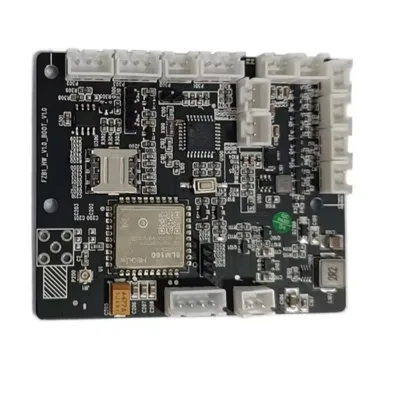
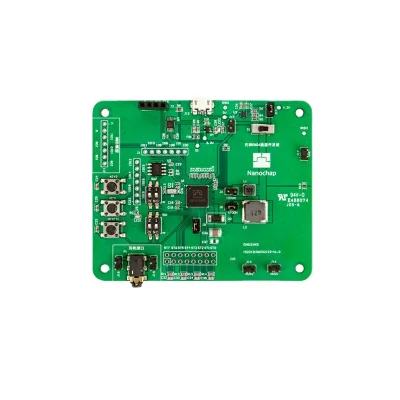
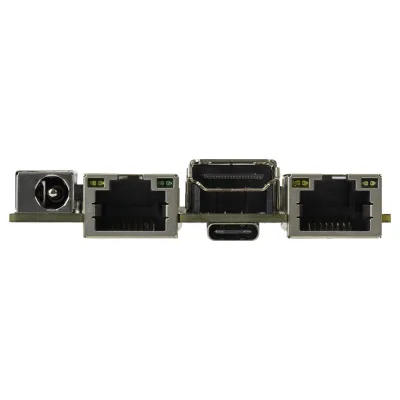
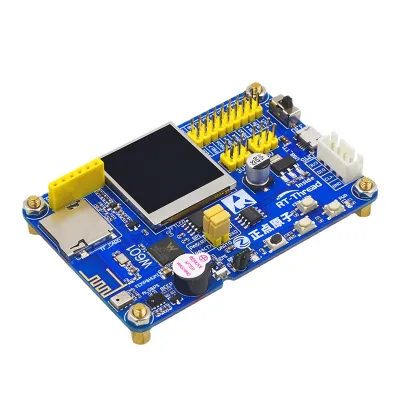
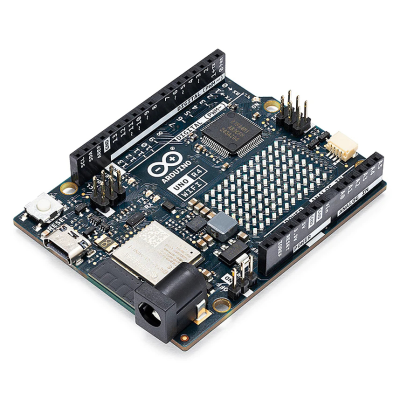
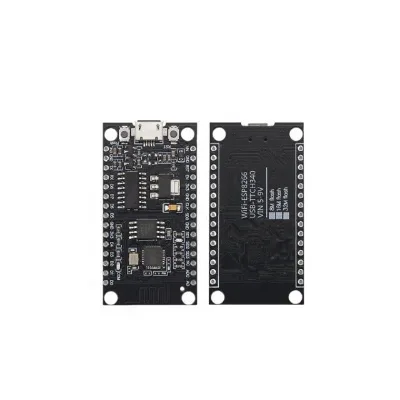
Alientek W601 WIFI IoT Development Board SOC
$27.04 - $28.12
Contact supplier
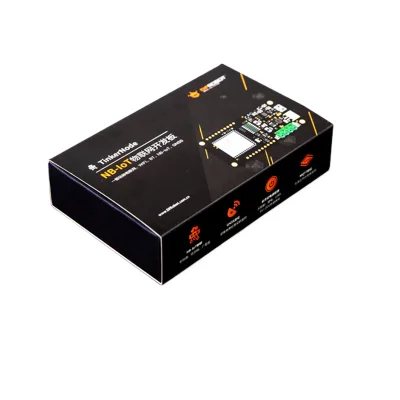
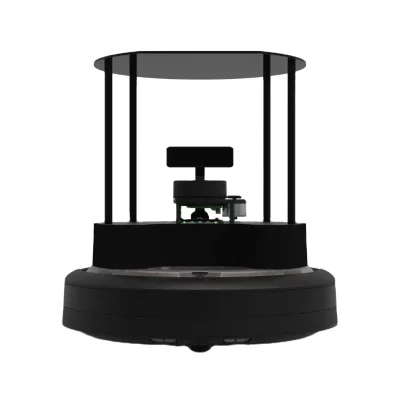
TinkerNode NB-IoT IoT Development Board Main Control Board
Contact supplier
Shenzhen Gainstrong Technology Co., Ltd.
- Verified by SGS Group
- Manufacturer, Trading Company
- Lead time30 days
- Avg. response≤ 6h
Main productsAI-Powered Hardware, AI-Powered Voice Recorders, AI-Powered Voice Assistants, AI-Powered Speakers, AI Bone Conduction Headphones
Main marketsNorth America(20%), South America(20%), Eastern Europe(15%)

Shenzhen Grandtop Electronics Co., Ltd.
- Trading Company,Manufacturer/Factory
- China Guangdong
- Lead time30 days
- Avg. response≤ 14h
Main productsPCB Assembly, Robotic Control PCB Assembly, Industrial Control PCBA, Medical PCBA, Financial PCBA, Contract Manufacturer, Automatic Control PCB Assembly, OEM &ODM PCBA, Turnkey Service PCBA, One Stop PCB Assembly
Main marketsSouth America,Eastern Europe,Mid East,North America,Southeast Asia,Eastern Asia,Western Europe,Africa


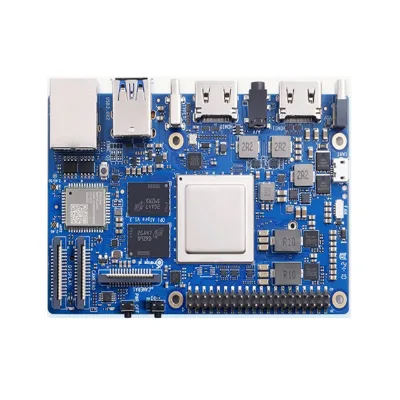
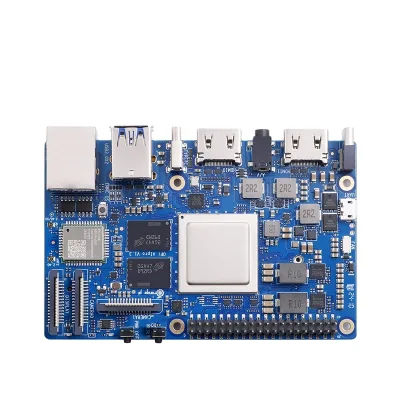
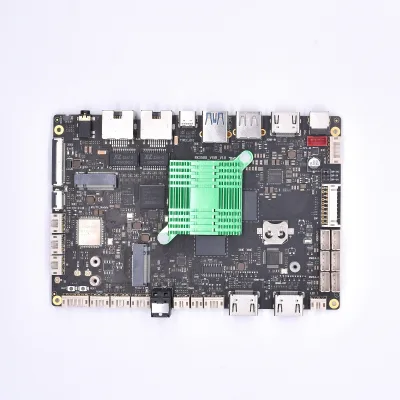
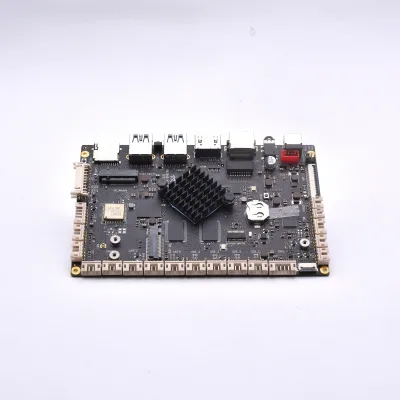
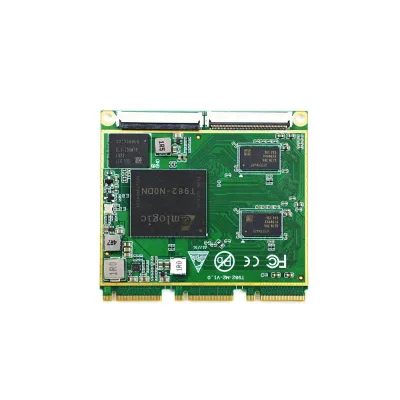
Ultimate Rk3588s Processor Development Board Motherboard for Industrial IoT & Ai Projects
$115.90 - $119.90
Moq: 10


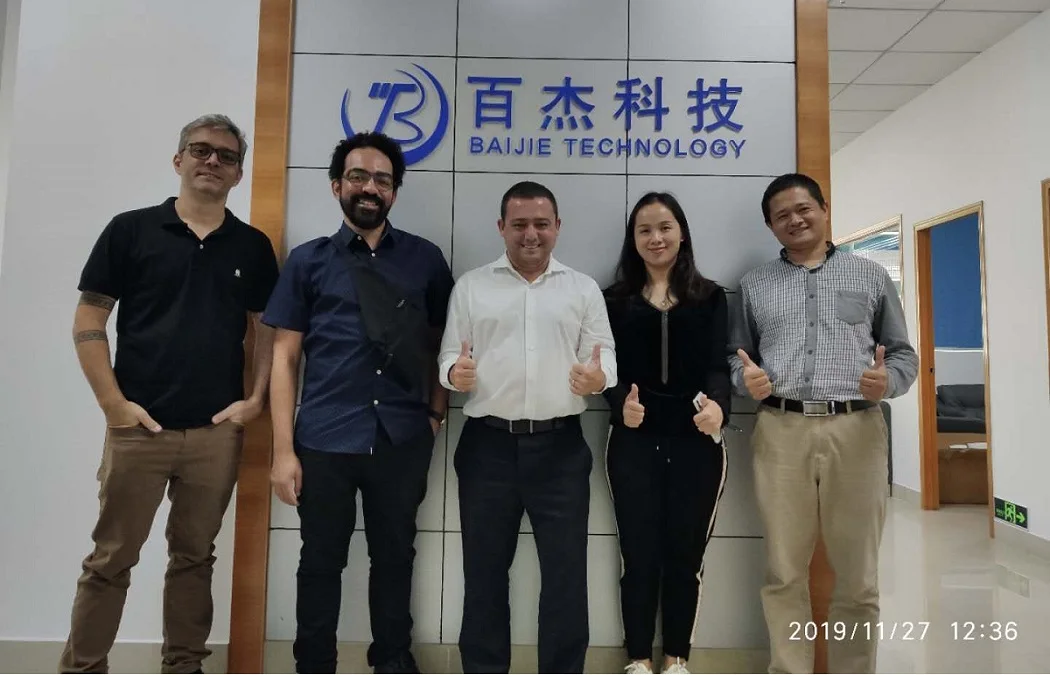
Shenzhen Baijie Technology Co., Ltd.
- Manufacturer, Trading Company
- Guangdong, China
- Lead time15 days
- Avg. response≤ 2h
Main productsDevelopment board,hardware customize,software service,embedded development board,core board
Main marketsNorth America(20.0%), Western Europe(10.0%), Domestic Market(10.0%), Mid East(10.0%), Oceania(10.0%), Southeast Asia(10.0%), Eastern Europe(10.0%), Eastern Asia(5.0%), South Asia(5.0%), Southern Europe(5.0%), Central America(5.0%)

WuHan Aismartlink Intelligent Technology Co., Ltd.
- Trading Company
- Hubei, China
- Lead time4 days
- Avg. response≤ 3h
Main productsTire Pressure Detector, Raspberry Pi Development Board, Sensor Module, PCB electronic Board, LCD Display Screen
Main marketsNorth America(30.0%), Eastern Europe(25.0%), Southeast Asia(15.0%), South America(10.0%), Western Europe(6.0%), Oceania(5.0%), Eastern Asia(4.0%), Mid East(3.0%), Africa(1.0%)
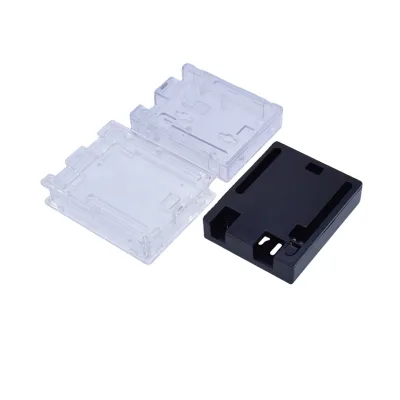
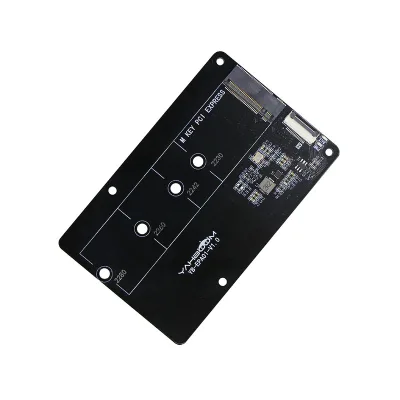
Aismartlink PCIE to M.2 Adapter Board 2280 M2 Expansion Board
Contact supplier
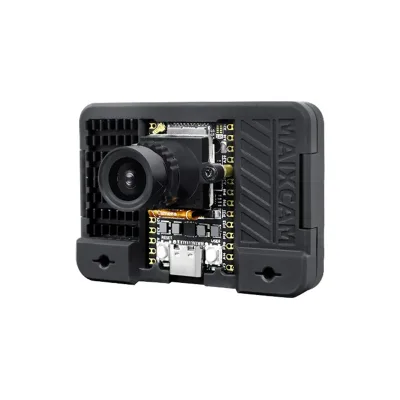
Shenzhen Jinxinrui Digital Technology Co., Ltd.
- Trading Company, Distributor/Wholesaler
- Guangdong Province, China
- Lead time5 days
- Avg. response≤ 1h
Main productsElectronics,Digital,Industrial Control,Electrical Products
Main marketsDomestic Market(100.0%), South Asia(100.0%), Southern Europe(100.0%), Northern Europe(100.0%), Central America(100.0%), Western Europe(100.0%), Eastern Asia(100.0%), Mid East(100.0%), Oceania(100.0%), Africa(100.0%), Southeast Asia(100.0%), Eastern Europe(100.0%), South America(100.0%), North America(100.0%)

Sunhokey Electronics Co., Ltd.
- Trading Company
- China Guangdong
- Lead time15 days
- Avg. response≤ 8h
Main products3D Printer
Main marketsEurope,North America

Shenyang Youda Trading Import & Export Co., Ltd.
- Verified by BV
- Combined
- China Liaoning
- Lead time30 days
- Avg. response≤ 4h
Main productsTransformer Radiator, Insulation Paper, Insulation Sheet, Electrical Insulation Paper, Insulation Films, Fish Paper, DDP Paper
Main marketsAfrica,East Asia(Japan/ South Korea)
Shenzhen Youxin Electronic Technology Co., Ltd.
- Trading Company, Distributor/Wholesaler
- Guangdong, China
- Lead time0 days
- Avg. response≤ 6h
Main productsChip,PCB,Sensor Module,Display Module,Wireless Module
Main marketsNorth America(20.0%), Domestic Market(15.0%), South America(10.0%), Western Europe(10.0%), Southeast Asia(10.0%), Eastern Asia(10.0%), Mid East(5.0%), Southern Europe(5.0%), Northern Europe(5.0%), Oceania(5.0%), Eastern Europe(5.0%)

Shenzhen Mingxingyuan Industrial Interconnection Co., Ltd.
- Verified by SGS
- Trading Company
- China Guangdong
- Lead time15 days
- Avg. response≤ 3h
Main marketsOthers(foreignTradeCapacity.exportBusinessCapacityMarketOther)
- Trading Company
- Shanghai, China
- Lead time0 days
- Avg. response≤ 2h
Main productsDevelopment Board
Main marketsNorth America(54.0%), Eastern Asia(18.0%), Western Europe(9.0%), Eastern Europe(5.0%), Domestic Market(5.0%), South Asia(1.0%), South America(1.0%), Oceania(1.0%), Southern Europe(1.0%), Central America(1.0%), Northern Europe(1.0%), Africa(1.0%), Mid East(1.0%), Southeast Asia(1.0%)
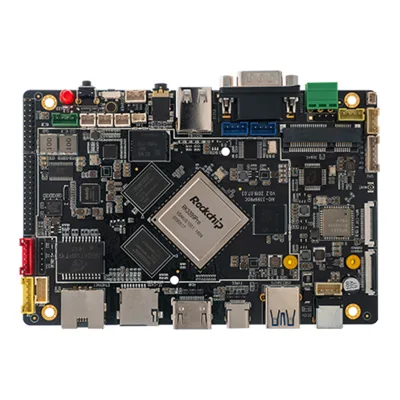
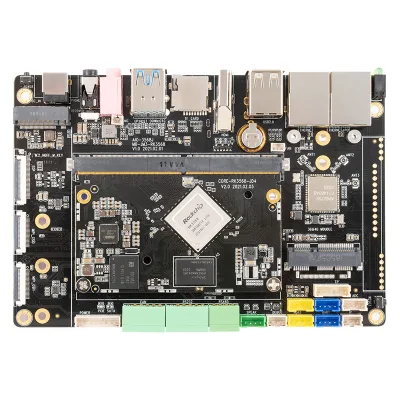
AIO-3568J Open Source Core Board High-Performance 64-bit Quad-Core AI Development Mainboard
$259.00 - $319.00
Moq: 1
Shanghai Xuanxin Technology Co., Ltd.
- Trading Company
- Lead time旺季: "1 - 1":30,"> 1":"To be negotiated", 淡季: "1 - 1":30,"> 1":"To be negotiated"
- Avg. response≤ 2h
Main productsraspberry Series,Development Boards,Electronic Modules,Education & Maker Boards,Toy Robots

Huizhou Chuangpu Electronics Co., Ltd.
- Trading Company
- China Guangdong
- Lead time0 days
- Avg. response≤ 17h
Main productsPCBA, PCB, IC
Shanghai Xuanxin Technology Co., Ltd.
- Verified by TüVRheinland
- Trading Company
- Lead time15 days
- Avg. response≤ 13h
Main productsRaspberry pi, Intelligent modules, Instrument and meter, Rockchip \\ Radxa, Orange pi
Main marketsNorth America(20%), South America(10%), Eastern Europe(10%)
Shenzhen Foing Industrial Co., Ltd.
- Manufacturer, Agent, Distributor/Wholesaler
- Guangdong, China
- Lead time7 days
- Avg. response≤ 3h
Main productsDevelopment Board,Integrated Circuit,Electronic Component,Sensor,Communication equipment
Main marketsNorth America(23.2%), Domestic Market(22.7%), South Asia(17.4%), South America(12.6%), Eastern Europe(10.8%), Mid East(7.3%), Southeast Asia(3.1%), Northern Europe(2.1%), Africa(0.5%)

Mu Star (shenzhen) Industry Co., Ltd.
- Verified by BV
- Trading Company
- China Guangdong
- Lead time15 days
- Avg. response≤ 12h
Main productsPCBA, PCB Assembly, PCB PCBA, SMT, Medical PCBA, SMD, PCB Assembly Service, EMS, PCBA Assembly
Main marketsNorth America
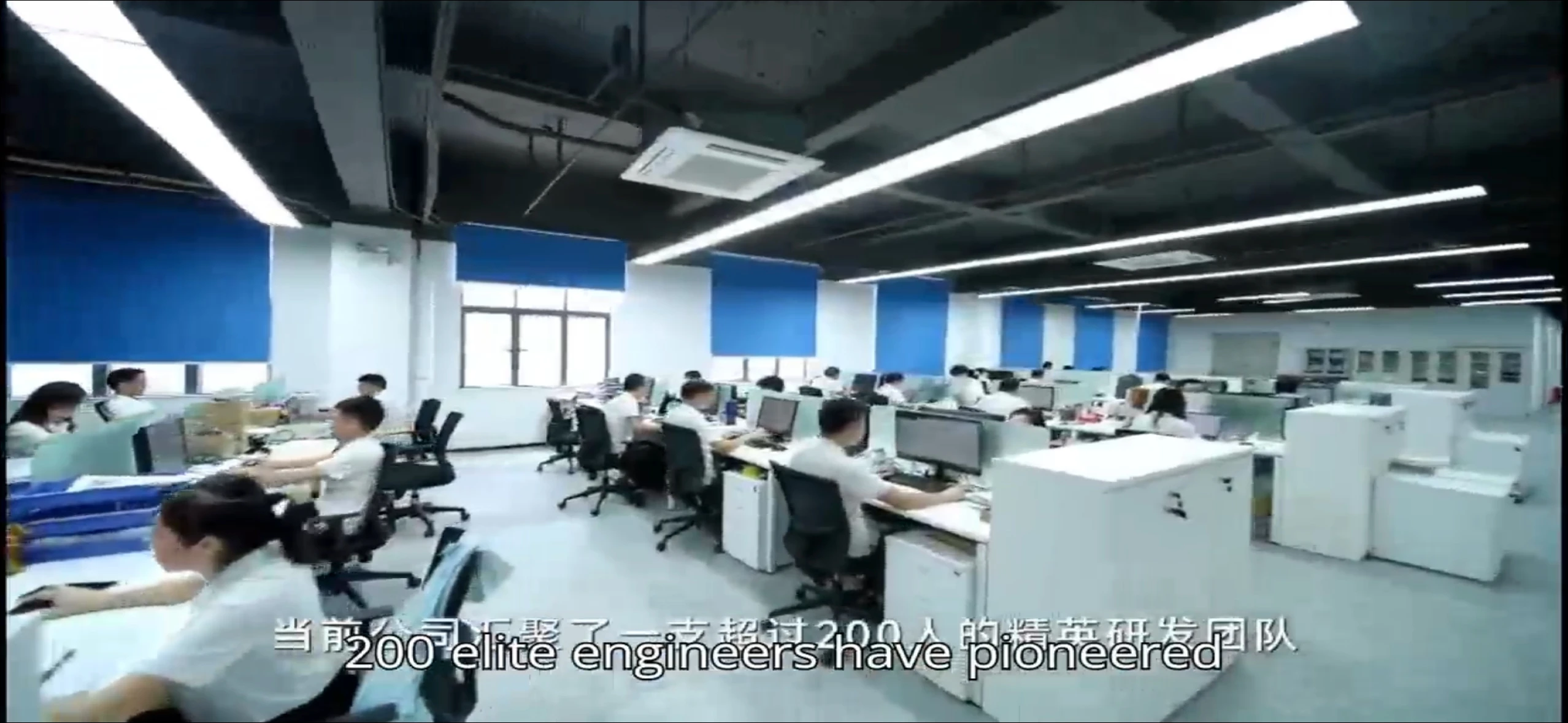
Shenzhen Chengda Intelligent Technology Co., Ltd.
- Manufacturer, Trading Company
- Guangdong, China
- Lead time0 days
- Avg. response≤ 6h
Main productsAndroid development motherboard,Embed motherboard,Endoscope camera module,AI edge computer,Electronic Service
Main marketsDomestic Market(68.0%), North America(15.0%), Western Europe(8.0%), Mid East(3.0%), Eastern Asia(2.0%), Southern Europe(2.0%), Northern Europe(2.0%)
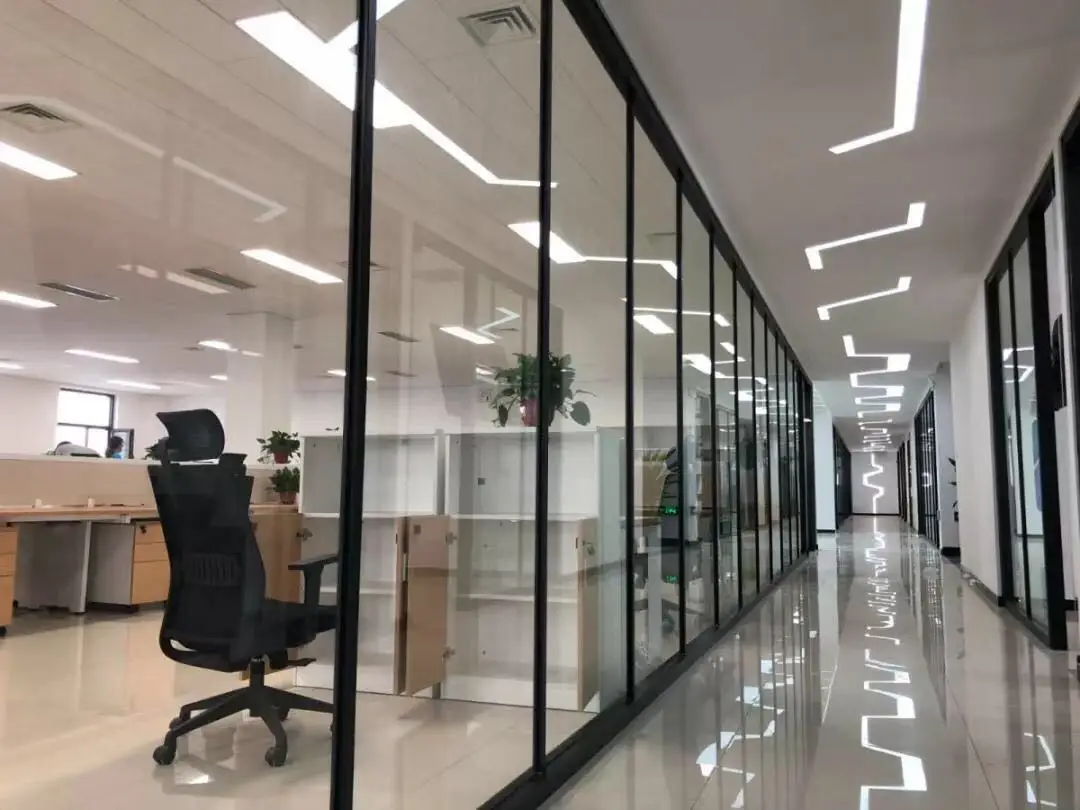
Baoding Forlinx Embedded Technology Co., Ltd.
- Manufacturer, Trading Company
- Hebei, China
- Lead time0 days
- Avg. response≤ 4h
Main productsembedded ARM single board computer,development board,CPU module,expand modules,LCD module
Main marketsDomestic Market(80.0%), Western Europe(5.0%), North America(3.0%), Southern Europe(3.0%), Eastern Asia(3.0%), Northern Europe(1.5%), South Asia(1.0%), Southeast Asia(1.0%), Eastern Europe(1.0%), South America(1.0%), Oceania(0.5%)
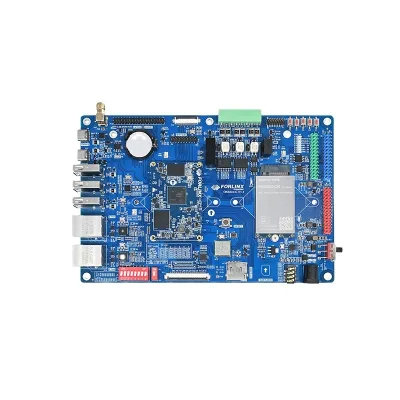
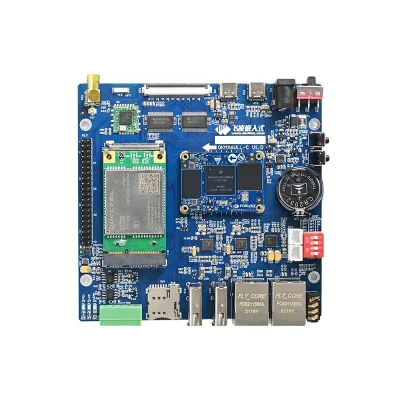
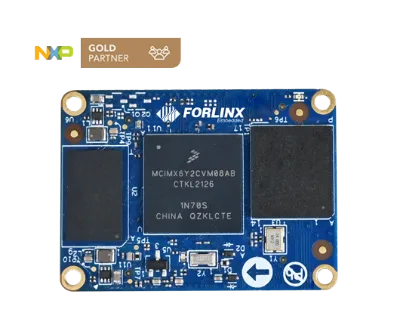
System on module product FETMX6ULL-C System on Module Yocto
Contact supplier
Shenzhen Dalu Electronics Co., Ltd.
- Manufacturer
- Guangdong, China
- Lead time0 days
- Avg. response≤ 7h
Main productsRaspberry Pi,Development board,Electronics module and kits,Display screen,PCB/Experimental Board
Main marketsSouthern Europe(22.0%), Western Europe(22.0%), Oceania(22.0%), Eastern Europe(14.000000000000002%), Domestic Market(2.0%), South Asia(2.0%), Southeast Asia(2.0%), Northern Europe(2.0%), Central America(2.0%), South America(2.0%), Eastern Asia(2.0%), Mid East(2.0%), North America(2.0%), Africa(2.0%)

- Verified by BV
- Trading Company
- China Guangdong
- Lead time15 days
- Avg. response≤ 12h
Main productsIC, Transistor, Capacitor, Diodes, Reistor, Relay, Connector, Electronic Component, Intergrated Circuit, Sensor
Main marketsSouth America,Southeast Asia/ Mideast,Europe,North America

Shenzhen Core Hecheng Electronic Technology Co., Ltd.
- Verified by CTI
- Manufacturer/Factory,Group Corporation
- China Guangdong
- Lead time15 days
- Avg. response≤ 4h
Main productsPCBA Assembly, PCBA, PCB, Quick Turn PCB Assembly, Turnkey PCB Assembly, Cheap PCB Assembly, Prototype PCB Assembly, Volume PCB Assembly, Low Cost PCB
Main marketsSouth America,Eastern Europe,North America,Southeast Asia,Eastern Asia,Western Europe
Shenzhen Chenyusheng Technology Co., Ltd.
- Trading Company, Buying Office, Distributor/Wholesaler, Other
- Guangdong, China
- Lead time0 days
- Avg. response≤ 2h
Main productsIntegrated Circuit (IC),Module,Inductor,Resistor,Capacitor
Main marketsNorth America(22.0%), South America(14.000000000000002%), Eastern Asia(12.0%), Western Europe(11.0%), Eastern Europe(8.0%), Mid East(8.0%), Oceania(5.0%), Southeast Asia(5.0%), Africa(4.0%), Southern Europe(3.0%), Northern Europe(3.0%), Domestic Market(3.0%), Central America(2.0%)

Shenzhen Chengsuchuang Technology Co., Ltd.
- Verified by BV
- Trading Company,Manufacturer/Factory
- China Guangdong
- Lead time23 days
- Avg. response≤ 2h
Main productsElectronic Hardware, Development Board, Sensors, Electronics Module, Development Accessorries, PCB&PCBA Manufacturing Service
Main marketsSouth America,Eastern Europe,Mid East,North America,Southeast Asia,Eastern Asia,Oceania,Western Europe,Africa


Open Source Traffic Light System Project for Arduino Development Board Scratch
$18.00 - $20.00
Moq: 20
Shenzhen Chengfangchip Electronic Technology Co., Ltd.
- Verified by Intertek
- Trading Company
- Lead time0 days
- Avg. response≤ 4h
Main productsPCBA, ICs, Transistor, IGBT, Development Board
Main marketsNorth America(40%), Southeast Asia(20%), Mid East(20%)
Shenzhen Anjier Technology Co., Ltd.
- Manufacturer, Trading Company, Distributor/Wholesaler
- Guangdong, China
- Lead time0 days
- Avg. response≤ 4h
Main productsandroid /linux Development Board and Kit,android embedded Core Board and Kit,Lcd display driver board,Lcd display driver board,desktop advertising machine
Main marketsNorth America(40.0%), Southeast Asia(35.0%), Northern Europe(5.0%), Central America(5.0%), Western Europe(5.0%), South America(5.0%), South Asia(3.0%), Southern Europe(2.0%)
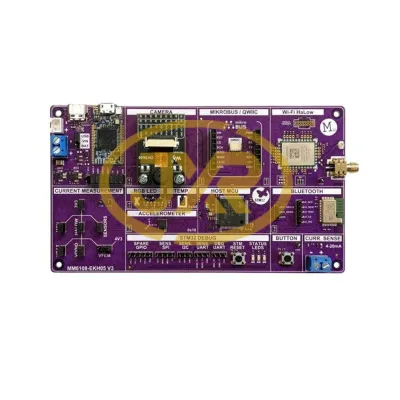
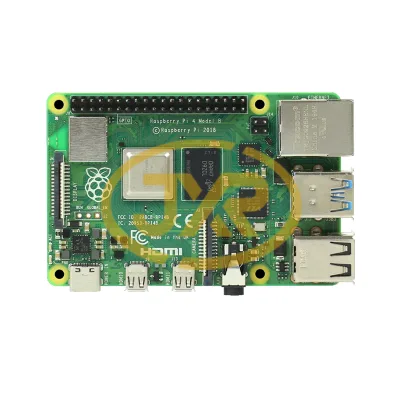
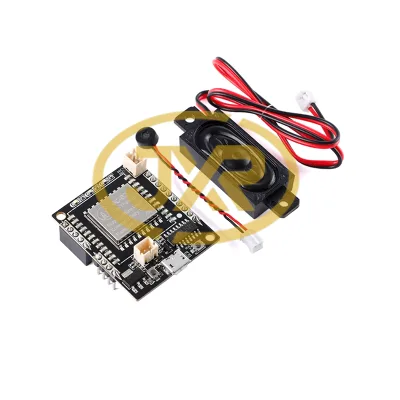
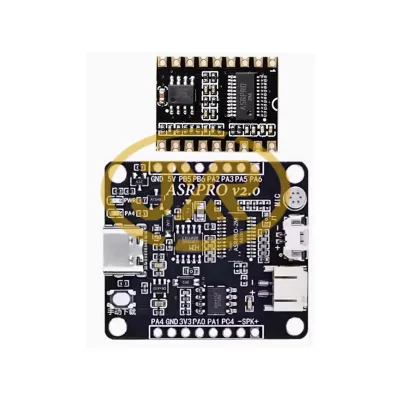










Comprehensive Sourcing Guide
AI IoT Development Board Supplier Concentration and Factory Types
Suppliers in this category concentrate heavily in Guangdong, China, and that region appears consistently in the place-of-origin fields for listed products, from NB-IoT data acquisition boards to AI development kits and open-source industrial control motherboards. Guangdong's role as an electronics manufacturing base means buyers can typically find both board-level products and the contract assembly services behind them within the same region. When a listing shows Guangdong as the origin, treat it as a signal of proximity to component supply chains and PCBA services, but still confirm the specific factory or trading office address before committing, because origin labels describe the product, not always where the work will be done.
Supplier types in this category split into trading companies, manufacturer/factory operations, and hybrid listings that combine both roles. One pattern worth noting: suppliers focused on finished boards and kits often present as trading companies, while firms offering PCB assembly, robotic control PCBA, and turnkey services combine trading and factory roles. Hybrid suppliers matter for buyers who need firmware pre-loading, custom enclosure work, or ongoing production after the development stage. Match the type to your need: if you are buying evaluation boards for prototyping, a trading company with fast turnaround may suffice; if you plan to scale from prototype to volume production, prioritize suppliers that demonstrate in-house manufacturing capability and can support the transition without changing partners.
How to Verify AI IoT Development Board Suppliers
Verification starts with the platform-displayed credentials, then moves to what you can confirm independently. Some listings in this category show system certifications such as CE, ISO 9000, ISO 9001, ISO 13485, ISO 14001, or TS 16949, and one supplier shows third-party verification by SGS Group. Never assume every supplier carries these credentials; the absence of a displayed certification is not proof of a problem, but the presence of one should be validated against a certificate number you can check with the issuing body. Ask for the specific scope of each certificate, since an ISO 9001 covering generic trading does not necessarily cover board assembly quality processes.
Beyond paperwork, verification should test operational reality. Confirm the business license and registered address, then compare that address with the place of origin stated on the products—Guangdong, China, appears on most listings here, so a mismatch with a registered address elsewhere deserves a direct question. Request references or sample orders before volume commitments. For firmware-bearing products such as AI development kits with WiFi and BLE functionality, ask how the supplier handles code delivery, intellectual property boundaries, and post-sale software support, because these are common points of ambiguity in this category. Finally, verify that product specifications shown in listings—battery capacities, transmission frequencies, interface types—match physical samples you test yourself rather than relying on listing copy alone.
What to Compare Across AI IoT Development Board Suppliers
Build a comparison table using the dimensions actually displayed on listings, and remember that not every supplier shows every attribute. Response time varies meaningfully here: some suppliers commit to answering within 24 hours, others within 6 hours, and for an engineering-heavy category like this, fast technical responses often predict smoother prototype cycles. Lead time is another split dimension—some listings indicate immediate availability while others show around 30 days—so compare quoted lead times against your project schedule rather than assuming category-wide norms.
MOQs in this category are notably accessible for evaluation purposes: displayed minimums run from single units to a handful of pieces, which supports low-risk sampling before volume orders. Price ranges differ sharply by product type, from low-cost NB-IoT acquisition boards in the mid-twenties dollar range to AI development kits and open-source motherboards that extend well above that, so compare within product tiers, not across them. Main products are a useful signal of specialization: some suppliers focus narrowly on development boards and electronic modules, while others list AI-powered speakers, voice recorders, and hardware more broadly, or PCB assembly services. Also compare location, company type (trading versus manufacturer), and any custom-design or sample-processing capabilities shown. Weight the dimensions by your stage: prototype buyers should prioritize response speed and low MOQ; production buyers should prioritize capacity evidence, certification scope, and demonstrated customization services.
Common AI IoT Development Board Sourcing Risks
The most frequent risk in this category is specification drift between listing and delivered board. Listings show attributes such as battery capacity, charging interfaces, transmission frequency bands, and PCBA dimensions, and any of these can differ in the shipped unit if the supplier sources alternative components during production. Because development boards embed processors and radio modules, a component substitution can break your firmware or certification assumptions. Mitigate this by requiring an approved sample as the binding reference and by asking for written confirmation of the bill of materials before production.
Other risks are structural. Trading companies without factory visibility may pass your requirements to a third assembly line, weakening control over quality and schedule; lead times shown as zero or as long as 30 days can shift without notice during component shortages, which are common for SoCs and radio chips. Software risk is specific to AI and IoT boards: suppliers may deliver hardware with vendor-specific firmware, incomplete documentation, or license restrictions on bundled code, complicating integration. Certification risk also deserves attention—if your end product must carry CE or similar marks, a development board's status does not automatically transfer. Finally, low MOQs that enable cheap sampling can mask weak volume capability; a supplier comfortable shipping five units may not sustain thousands. Probe capacity claims with references and staged orders rather than accepting listing statements at face value.
AI IoT Development Board Regional Sourcing and Logistics
Where a high-confidence location is visible, use it. Guangdong, China, appears across the origin fields of the development boards, AI kits, and industrial motherboards in this category, which supports regional consolidation: you can often source boards, modules, and assembly services from one province, simplifying freight consolidation and factory audits. If you audit in person or through an agent, a Guangdong cluster visit can cover multiple suppliers in a single trip, an efficiency unavailable in more dispersed categories.
If your search results do not reveal locations, identify clusters yourself before comparing suppliers. Practical markers include the origin stated in product attributes, the city in a company's registered address, and whether the supplier's main products cluster around electronics assembly or something unrelated. For logistics planning, note that this category ships favorably: boards and kits are compact, lightweight, and generally non-hazardous, so air freight and express couriers work well for samples and prototype quantities. Confirm packaging standards for PCBA products, since static-sensitive boards need appropriate ESD protection in transit, and battery-equipped kits—several listings show rechargeable lithium cells in the 3000 mAh class—may be subject to dangerous-goods shipping rules that restrict air transport and add documentation. Ask suppliers how they handle battery shipments internationally and whether they can supply battery-free variants. Build schedule buffers around the longer lead times in the category rather than assuming prototype speed will hold at volume.
AI IoT Development Board Commercial Terms and Order Planning
Order planning in this category benefits from the low entry minimums: displayed MOQs of one to five units let you buy samples first, validate firmware and hardware behavior, and only then negotiate volume terms. Structure commercial discussions in two phases—sample terms and production terms—and make production pricing conditional on sample approval. Confirm what the quoted price range includes; listings here show prices spanning from roughly the mid-twenties to over a hundred dollars depending on product, and the range may reflect configuration options such as memory variants on open-source motherboards or accessories bundled with multi-channel kits.
Negotiate payment and risk terms explicitly. Prefer payment structures that keep meaningful funds withheld until inspection, and ask whether the platform offers escrow-style protection on your specific order—do not assume it applies automatically. Agree on inspection criteria tied to the attributes that matter for boards: processor model, radio certification status, firmware version, and functional test results. For customization, clarify who owns the design files and code, especially when suppliers advertise sample processing and on-demand customization services. Plan reorders around stated lead times, which in this category can range from immediate to roughly 30 days, and confirm in writing what happens if that slips. Finally, document after-sales terms: development boards often need replacement units rather than repairs, so agree in advance on defective-unit handling, warranty duration, and who pays return freight before your first production order.
FAQs
What is a typical MOQ for AI IoT development boards?
Minimum order quantities on this page vary by product and configuration. Some listed boards ship from a single unit, while others require two or five units per order. Prototyping buyers can often start with the lowest MOQ listings, then negotiate volume pricing once a design is validated and ready for batch production.
How much do AI IoT development boards cost?
Listed prices range from roughly 16 to 152 US dollars per unit depending on functionality. Entry-level data acquisition and WiFi boards sit near the low end, while open-source AI edge-computing motherboards with larger memory configurations reach the top of the range. Request quotes per configuration to confirm current pricing.
What lead time should I expect for these boards?
One manufacturer-type supplier on this page lists a lead time of about 30 days. Stocked development boards may ship faster, while customized or assembled orders take longer. Confirm lead time in writing before ordering, and ask whether sampling and mass production are quoted on separate schedules.
Do suppliers support customization for development board projects?
Yes, some suppliers list sample processing, graphic processing, customized-on-demand, and light customization among their capabilities. This suits buyers adapting firmware, enclosures, or board configurations. Share your specifications early, since customization usually affects MOQ, unit price, and lead time compared with standard catalog boards.
Which certifications are relevant when sourcing these boards?
Suppliers on this page list CE and Declaration of Conformity system certifications, and one PCBA-focused supplier lists ISO 9000, ISO 9001, ISO 13485, ISO 14001, and TS 16949. For consumer or IoT products destined for regulated markets, verify current certificate validity and scope directly with the supplier before committing.
How quickly do these suppliers respond to inquiries?
Response times listed on this page include about 24 hours for one supplier and about 6 hours for another. Faster responses usually indicate an active sales team, which matters when iterating on technical questions. Send your specifications, target quantity, and required certifications in the first message to speed up quoting.
Where are these development board suppliers located?
The suppliers and listed products on this page are based in Guangdong, China. Guangdong's electronics supply chain offers convenient access to components, PCB assembly, and contract manufacturing services. Factory visits and third-party inspections are common practices buyers use to verify production conditions before placing larger orders.