AIGS Certified Silver Charms Suppliers and Manufacturers
Source AIGS Certified Silver Charms from 26 verified suppliers in China. Compare ISO9001:2015 and REACH certifications, lead times, and MOQs. Review product attributes and request quotes to streamline your procurement process; review the available evidence before requesting comparable quotations from suitable candidates.
Suppliers List

Dongguan Jing Hong Metal Zipper Co., Ltd.
- Verified by TUVRHEINLAND
- Combined
- China Guangdong
- Lead time15 days
- Avg. response≤ 20h
Main productsMetal Plate, Label, Snap Hook, Keychain, Buckle, Bottle Opener, Dog Tag, Bag Hanger, Jewelry, Zipper Puller
Main marketsDomestic


Decorative Charms Metal Custom Bag Accessories Bracelet Charms Necklace Pendant
$0.25
MOQ: 2000 Pieces

Custom Silver Crown Metal Charms
MOQ: 500 Pieces

MOQ: 500 Pieces

Gold Pink Butterfly Metal Charms
MOQ: 500 Pieces

MOQ: 500 Pieces
- Verified by TüVRheinland
- Manufacturer, Trading Company
- Guangdong, China
- Lead time20 days
- Avg. response≤ 3h
Main productsBracelet, Earrings, Ring, Necklace, Brooches
Main marketsWestern Europe(43%), North America(14%), Mid East(10%)
Yiwu Daochong Jewelry Co., Ltd.
- Trading Company
- Lead time旺季: "1 - 30":15,"> 30":"To be negotiated", 淡季: "1 - 30":15,"> 30":"To be negotiated"
- Avg. response≤ 5h
Main products925 Silver Bracelet,925 Silver Necklace,925 Silver Charms,925 Silver Rings,925 Silver Earrings

Guangzhou IO Jewelry Co., Ltd.
- Combined
- China Guangdong
- Lead time30 days
- Avg. response≤ 8h
Main productsJewelry, Fashion Jewelry, Stainless Steel Jewelry, Custom Jewelry, Stainless Steel Beads, Stainless Steel Charms, Stainless Steel Rings, Stainless Steel Pendants, Beads, Charms
Main marketsSouth America,Domestic,Europe,Australia,North America


Small Crown Pendant Charm with Lobster Clasp Custom 925 Sterling Silver Jewellery
$1.00 - $3.00
MOQ: 100 Pieces
- Trading Company
- Zhejiang, China
- Lead time7 days
- Avg. response≤ 2h
Main productsnecklace,bracelet,earrings,rings,brooch
Main marketsNorth America(30.00%), Northern Europe(20.00%), South Asia(10.00%), Southern Europe(10.00%), Eastern Europe(10.00%), Western Europe(10.00%), Southeast Asia(10.00%)
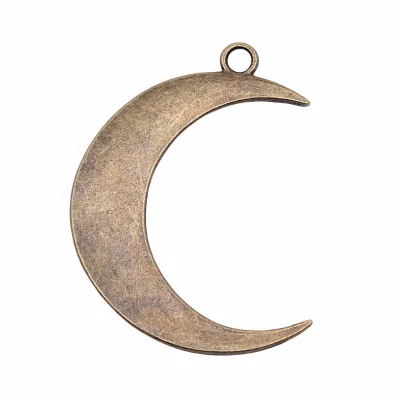
AA016465 Big Moon Charms Antique Silver Fashion Jewelry Accessories Charms Pendant 42x43mm
$0.09 - $0.12
MOQ: 50 pieces
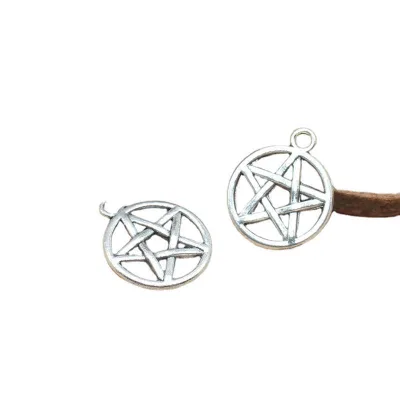
Pentagram Charms Silver Fashion Charm Pendant for Jewelry Accessories 19*16mm
$0.04 - $0.05
MOQ: 50 pieces
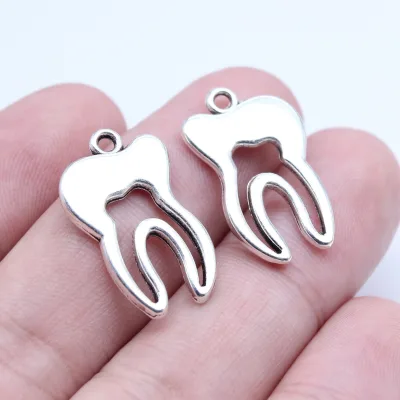
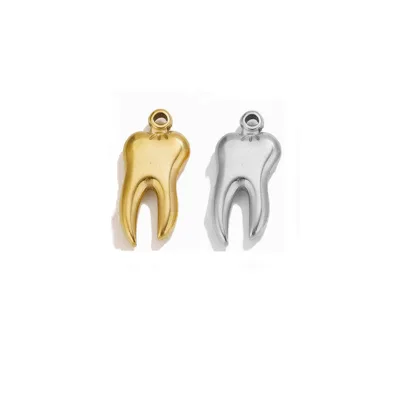
AA0160129 Silver Tooth Charms Jewelry Pendants Plated More Colors for Choice 15x24mm
$0.05 - $0.06
MOQ: 100 pieces
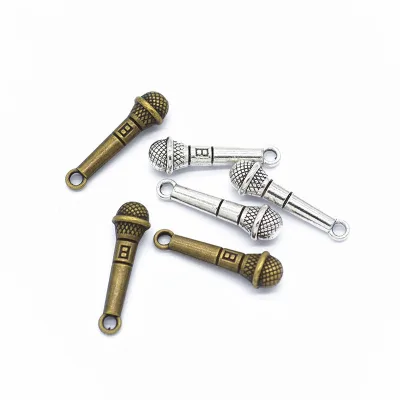
AA00905 Antique Silver Color Microphone Charms Retro Diy Fashion Handmade Pendant Charms 24*17mm
$0.03 - $0.04
MOQ: 100 pieces
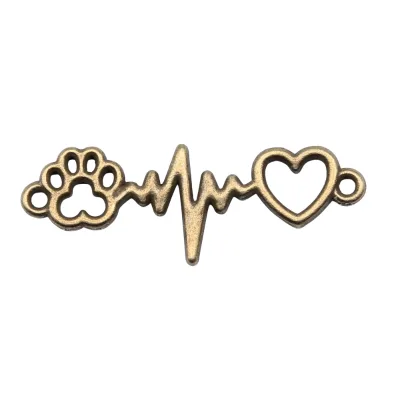
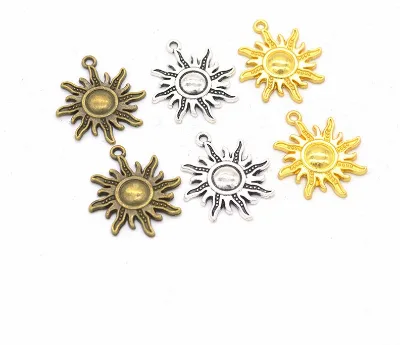
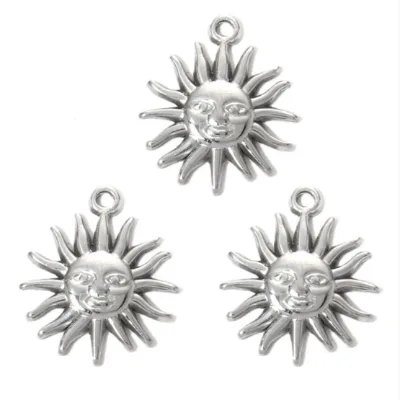
AA00264 Sun Pendant Sunshine Charms for Bracelet Necklace Jewelry Making Findings DIY
$0.05 - $0.06
MOQ: 50 pieces

Xiamen Neostar Trade Co., Ltd.
- Verified by SGS
- Trading Company
- China Fujian
- Lead time23 days
- Avg. response≤ 6h
Main productsMetal Button, Clothing Metal Label, Bag Metal Tag, Zipper Puller, Pin Badge, Leather Patch, Rubbert Patch, Heat Transfer Label, Metal Buckle, Clothing Label
Main marketsSoutheast Asia/ Mideast,Europe,North America

100 MOQ Making Silver Gold Charms Two Sides Stamped Customized Logo Jewelry Tag
$0.02 - $0.10
MOQ: 100 Pieces

Cute Style Brand Logo Stamped Silver Metal Small Jewelry Charms for Decoration
$0.05 - $0.15
MOQ: 100 pieces

Wholesale Silver Necklace Metal Alphabet Letter Logo Custom Made Charms Jewelry Tags
$0.02 - $0.10
MOQ: 100 Pieces

OEM Chinese Manufacturer Custom Made Embossed Logo Pendant Metal Jewelry Charms
$0.02 - $0.10
MOQ: 100 Pieces


Superior Quality Antioxidant Bracelet Charms Custom Made Logo Jewelry Tag
$0.02 - $0.10
MOQ: 100 Pieces

Zhongshan Lucky Art & Crafts Gifts Co., Ltd.
- Verified by BV
- Combined
- China Guangdong
- Lead time15 days
- Avg. response≤ 5h
Main productsCustom Medal, Key Chain, Custom Coin, Custom Lapel Pin, Custom Lanyard, Custom Badge, Custom Patch, Custom Air Fresheners, Custom Silicone Bracelets, Custom Cufflinks
Main marketsEast Asia(Japan/ South Korea),Europe,North America

Custom Logo Engraved Gold Pendant Metal Gold Silver Jewelry Tags Charms for Necklace Bracelet
$0.20 - $0.80
MOQ: 100 Pieces

Custom Logo Gold Sliver Plated Enamel Charms Animal Charm Colorful Pendant Charms
$0.20 - $0.80
MOQ: 100 Pieces


Fashion Pendants Different Kinds of Gold Plated Charms Enamel Pendants Charms
$0.20 - $0.80
MOQ: 100 Pieces

Custom Logo Engraved Gold Pendant Metal Jewelry Tags Charms for Necklace Bracelet
$0.20 - $0.80
MOQ: 100 Pieces

Custom Enamel Pendants Alloy Charms for Necklace Bracelet Crafts Jewelry Making Charms
$0.20 - $0.80
MOQ: 100 Pieces
Guangzhou Tenglai Trading Co., Ltd.
- Manufacturer, Trading Company
- Guangdong, China
- Lead time15 days
- Avg. response≤ 10h
Main productsRings,Pendants,Necklace,Earrings,Bracelets
Main marketsNorth America(65.00%), South Asia(10.00%), Western Europe(8.00%), South America(8.00%), Eastern Asia(5.00%), Domestic Market(4.00%)

Dongguan Lincai Metal Jewelry Co., Ltd.
- Manufacturer, Trading Company
- Guangdong, China
- Lead time15 days
- Avg. response≤ 2h
Main productsnecklaces,bracelets,pendants,earring,charms
Main marketsNorth America(38.00%), South America(27.00%), Eastern Europe(10.00%), Northern Europe(5.00%), Western Europe(5.00%), Southern Europe(4.00%), Mid East(3.00%), South Asia(2.00%), Domestic Market(1.00%), Eastern Asia(1.00%), Oceania(1.00%), Africa(1.00%), Central America(1.00%), Southeast Asia(1.00%)
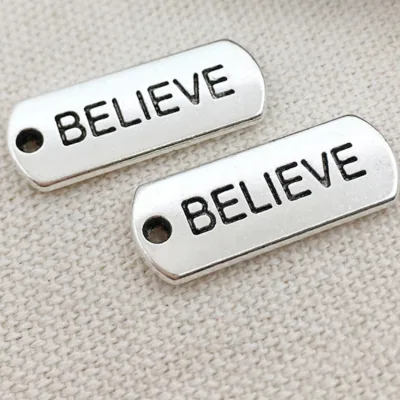
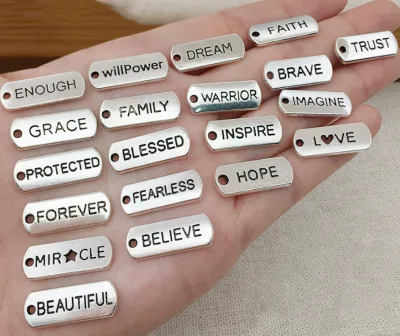
Alloy Metal Inspirational Engraved Charm BELIEVE Letter Charm DIY Dangle Charm Jewelry
$0.07 - $0.09
MOQ: 50 Minimum
- Trading Company
- Zhejiang, China
- Lead time0 days
- Avg. response≤ 12h
Main productsNecklaces,Bracelets,Earrings,Rings,Accessories
Main marketsNorth America(26.00%), Africa(18.00%), South America(16.00%), Eastern Europe(9.00%), Northern Europe(8.00%), Western Europe(8.00%), South Asia(3.00%), Southern Europe(2.00%), Oceania(2.00%), Domestic Market(2.00%), Mid East(2.00%), Eastern Asia(2.00%), Central America(1.00%), Southeast Asia(1.00%)
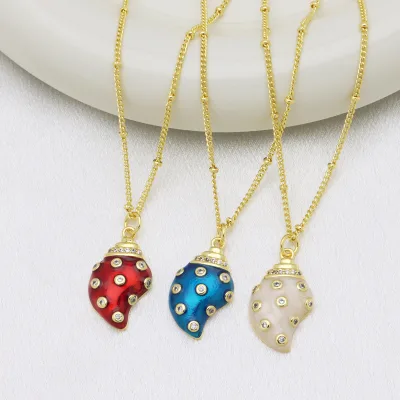
Conch Charms for Necklaces FFBCM-29 Enamel Pendants Gold Plated Charms for Jewelry Making
$1.02 - $5.11
MOQ: 10 Minimum
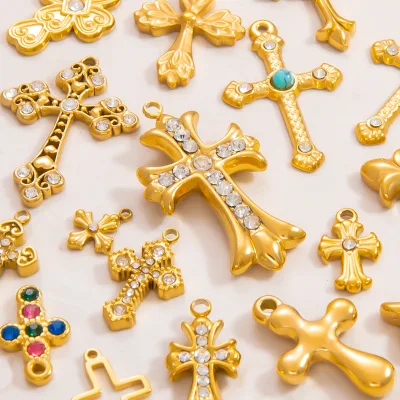
Divine Gold Plated Gem Encrusted Cross Themed Charms for Religious Ceremonies FLSCM12
$1.02 - $2.03
MOQ: 10 Minimum
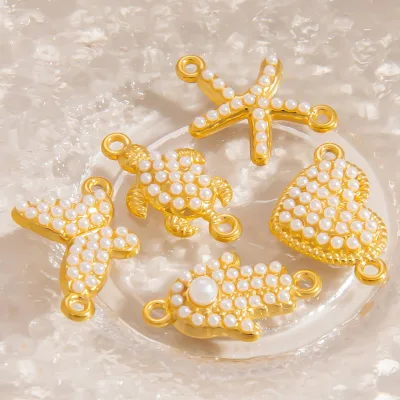
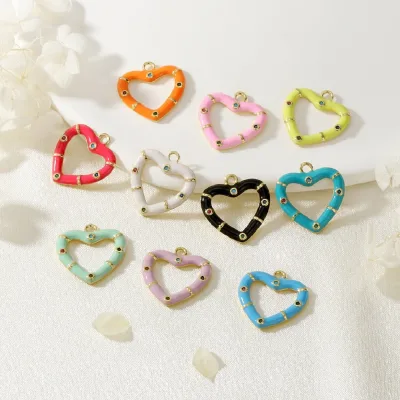
$1.02 - $3.07
MOQ: 10 Minimum
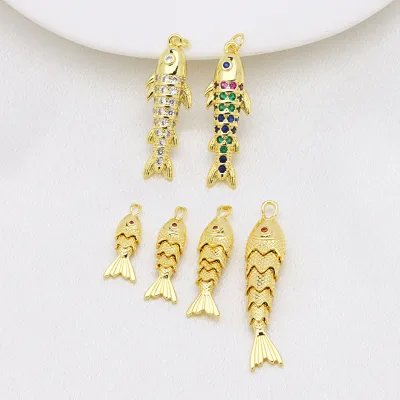
Fish Charms for Necklace Colorful Zircon Pendant FFBCM-37 Gold Plated Ocean Charms
$1.02 - $5.11
MOQ: 10 Minimum
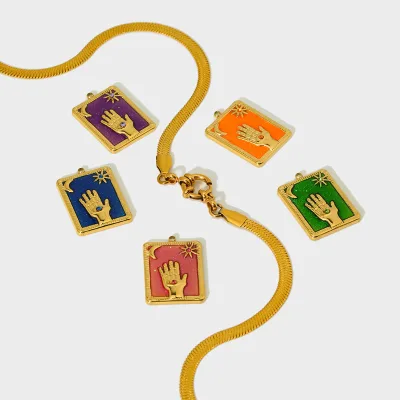
$1.00 - $3.00
MOQ: 10 Minimum
Yiwu Lvshang E-Commerce Co., Ltd.
- Trading Company
- Zhejiang, China
- Lead time25 days
- Avg. response≤ 3h
Main productsjewelry,charm,bracelets,earrings,rings
Main marketsNorth America(50.00%), Western Europe(10.00%), Africa(10.00%), Eastern Europe(10.00%), South America(10.00%), Mid East(5.00%), Eastern Asia(5.00%)
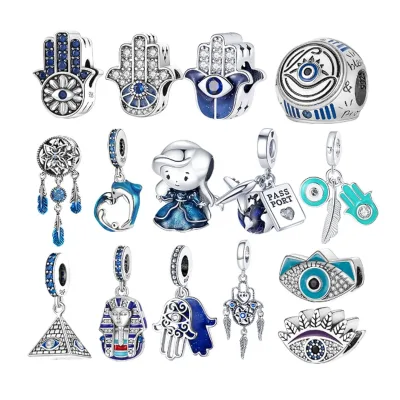
Factory Wholesale Handmade 925 Sterling Silver Charming Eye Pendants Silver Charms for Bracelets
$5.28 - $6.71
MOQ: 10 pieces

Dongguan AQ PINS&GIFTS CO.,LTD
- Verified by BV
- Trading Company,Manufacturer/Factory
- China Guangdong
- Lead time23 days
- Avg. response≤ 8h
Main productsBadges/Lapel Pins/Coins/Medals, Keychain/Belt Buckle/Tie Bar/Cuff Link, Button/Button Badges/Embroidery & Woven Patches, Lanyard/Ribbon/Dog Leash, Silicone Bracelet/Smart Bracelet/Smart Watch, Bottle Opener/Dog Tag/Divot Tool/Hat Clip, Bag Tag/Bookmark/Paper Clip/Bag Hanger/Charm, Pendent/Trophy/Award/Metal Photo Frame, Soft PVC Wristbands/Keychain/Badge/Luggage Tag, Pen/Coaster/Fridge Magnet/Mini Fan
Main marketsSouth America,Eastern Europe,Mid East,North America,Southeast Asia,Eastern Asia,Oceania,Western Europe,Africa

Promotional High Shiny Silver with Enamel or Epoxy Colors Metal Pendant and Charms (Charm-015)
$0.20 - $0.50
MOQ: 5 Pieces


Best Quality 925 Sterling Silver Charm Pendant for Bracelets or Necklaces Modern Jewelry (Charm-04)
$0.20 - $0.50
MOQ: 5 Pieces

- Trading Company
- China Guangdong
- Lead time0 days
- Avg. response≤ 5h
Main productsLock, Hinge, Clasp, Hook, Handle, Latch, Tag, Label, Button, Rivet

Metal Medal Charms Tags Pendants Charms Metal Charms Medal Refrigerator Magnet
$0.20 - $0.50
MOQ: 100 Pieces

Metal Charm Metal Pendant Tag Charm Alloy Charm Alloy Pendant Key Pendant
$0.20 - $0.50
MOQ: 100 Pieces

Quanzhou Shishi Xiangminghui Trading Co., Ltd.
- Verified by SGS
- Trading Company
- China Fujian
- Lead time15 days
- Avg. response≤ 2h
Main productsClothing Metal Tag, Handbag Metal Tag, Metal Zipper Puller, Metal Pin Badge, Metal Button, Metal Jewelry Tags, Metal Buckle, Metal Cord Stopper, Leather Label
Main marketsSouth America,Africa,Southeast Asia/ Mideast,East Asia(Japan/ South Korea),Europe,Australia,North America

Manufacturer Engraved Logo Metal Jewelry Tag Custom Metal Charms for Clothing
$0.06 - $0.15
MOQ: 100 pieces


25016 High Quality Metal Jewelry Tag Custom Metal Pendant Charm for Bracelet
$0.06 - $0.15
MOQ: 100 pieces

25094 High Quality Engraved Logo Custom Metal Charm Jewelry Tags for Pendant
$0.06 - $0.15
MOQ: 100 pieces

25065 Hot Sale Small Metal Charm Custom Metal Jewelry Tag for Decoration
$0.06 - $0.15
MOQ: 100 pieces
Dobay Commerce And Trade (shanghai) Co., Ltd.
- Verified by SGS Group
- Manufacturer, Trading Company
- Lead time7 days
- Avg. response≤ 5h
Main productsGold Vermeil Jewelry, 925 Sterling Silver Jewelry, Gold Filled Jewelry, Gold Plated Jewelry, Solid K Gold Diamond Jewelry
Main marketsWestern Europe(30%), Northern Europe(30%), North America(20%)

Wuzhou Provence Jewelry Co., Ltd.
- Verified by CTI
- Combined
- China Guangxi
- Lead time23 days
- Avg. response≤ 8h
Main productsMoissanite, Moissanite Jewelry, Cubic Zirconia, Lab Grown Diamond, Gold Jewelry
Main marketsSoutheast Asia/ Mideast,Europe,North America

Fine Jewelry Pendants Charms 925 Sterling Silver Gra Certificates Moissanite Diamond
$143.00 - $998.00
MOQ: 1 Pieces

Fine Pendants Charms 925 Sliver Gra Certificates Moissanite Diamond Pendant
$310.00 - $1521.00
MOQ: 1 Pieces

Fine Pendants Charms 925 Sterling Silver Plated White Gold Moissanite Jewelry
$445.00 - $980.00
MOQ: 1 Pieces


- Trading Company
- Zhejiang, China
- Lead time5 days
- Avg. response≤ 2h
Main productsFashion Charm Bracelets,Fashion Jewelry,Hair Accessories,Hair Clips,Baseball Caps
Main marketsCentral America(80.00%), Western Europe(8.00%), Domestic Market(1.00%), South Asia(1.00%), Southern Europe(1.00%), Northern Europe(1.00%), North America(1.00%), South America(1.00%), Eastern Asia(1.00%), Mid East(1.00%), Oceania(1.00%), Africa(1.00%), Southeast Asia(1.00%), Eastern Europe(1.00%)
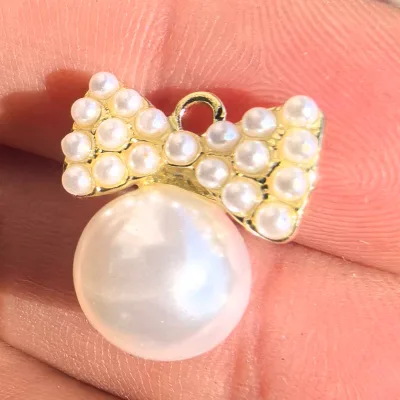
Diy Handmade Charms Pearl Jewelry Making Accessories Decoration Crafts Pendant
$0.10 - $0.16
MOQ: 120 pieces
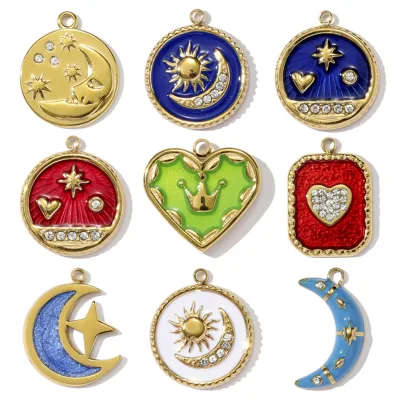
Crown Charm From Unique Collection Red Enamel Heart Shaped Charm Unisex Design
$0.59 - $1.28
MOQ: 5 pieces

GUANGZHOU ARTS JEWELLERY CO., LTD.
- Verified by SGS
- Combined
- China Guangdong
- Lead time30 days
- Avg. response≤ 8h
Main productsSilver Jewelry, Gold Jewelry, Diamond Jewelry, Silver Ring, Silver Earring, Silver Pendant, Silver Bracelet, Silver Necklace
Main marketsSoutheast Asia/ Mideast
- Verified by Intertek
- Trading Company
- Lead time4 days
- Avg. response≤ 2h
Main productsFashion Jewelry, Fine Jewelry, Necklace, Earring, Ring
Main marketsNorth America(40%), South America(5%), Eastern Europe(5%)
Guangzhou Karry Jewelry Co., Ltd.
- Manufacturer, Trading Company
- Guangdong, China
- Lead time0 days
- Avg. response≤ 12h
Main productsSilver Jewelry/Fine Jewelry/Gemstone Jewelry/Fashion Jewelry,K-gold Jewelry,Moissanite,Lab grown diamond,OEM/ODM Jewelry factory
Main marketsNorth America(40.00%), Western Europe(20.00%), Northern Europe(15.00%), Africa(10.00%), Southern Europe(10.00%), South Asia(5.00%)
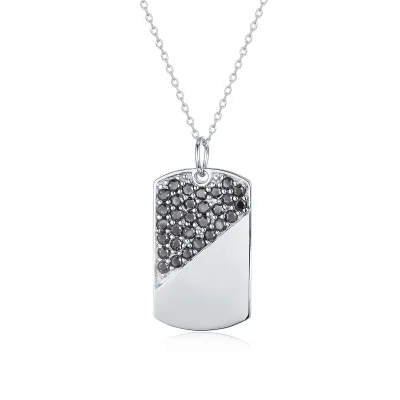
$15.90 - $19.90
MOQ: 30 Minimum
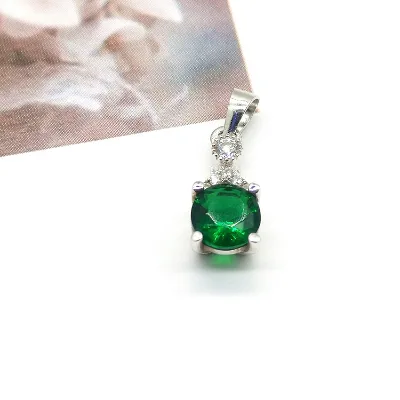
2025 Factory Direct 925 Sterling Silver Fine Pendants Charms for Emerald Jewelry Making
$15.90 - $19.90
MOQ: 30 Minimum
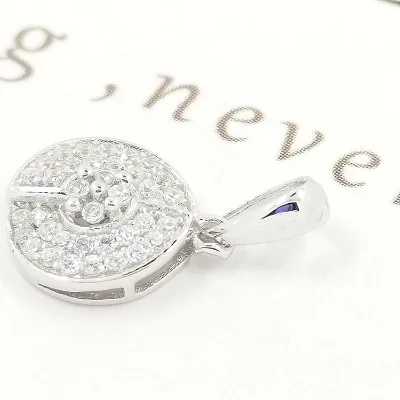
Professional Design Women's White Copper Heart Pendant Necklace Set Fine Pendants Charms
$15.90 - $19.90
MOQ: 30 Minimum

Guangzhou Huifu Jewelry Co., Ltd.
- Verified by BV
- Manufacturer/Factory
- China Guangdong
- Lead time90 days
- Avg. response≤ 4h
Main productsJewelry, Stainless Steel Jewelry, Stainless Steel Ring, Stainless Steel Pendant, Stainless Steel Earring, Fashion Jewelry, Ring, Necklace, Pendant, Bracelet
Main marketsEastern Europe,Mid East,North America,Western Europe,Africa

Wenzhou Fashion Leather Manufacture Co., Ltd.
- Combined
- China Zhejiang
- Lead time30 days
- Avg. response≤ 3h
Main productsBelt, Leather Belt, Fashion Lady Belt, Fashion Man Belt, Fashion Belt, Canvas Belt, PU Belt, Wallet, Purse, Man Wallet
Main marketsSouth America,Europe,North America
Guangzhou Tengyue Jewelry Co., Ltd.
- Manufacturer, Trading Company
- Lead time旺季: "1 - 500":30,"> 500":"To be negotiated", 淡季: "1 - 500":30,"> 500":"To be negotiated"
- Avg. response≤ 5h
Main productsPendant/Earring/Bracelet/Bead/Charms

Jinjiang Jiayi Supply Chain Management Co., Ltd.
- Verified by BV
- Trading Company
- China Fujian
- Lead time30 days
- Avg. response≤ 1h
Main productsGift, Shoe, Garment, Machine
Main marketsDomestic

Dongguan Bosin Hardware Co., Ltd.
- Trading Company
- China Guangdong
- Lead time15 days
- Avg. response≤ 3h
Main productsKey Ring, Snap Hooks, Ball Chain, Carabiner, Metal Clips, Metal Rings, Metal Buckle, Stainless Steel Chains, Key Chain, Bottle Opener
Main marketsEurope,North America
- Trading Company
- Zhejiang, China
- Lead time12 days
- Avg. response≤ 2h
Main productsbaseball hat,dad hat,golf hat,snapback hat,trucker hat
Main marketsNorth America(40.00%), Western Europe(20.00%), Southern Europe(10.00%), Eastern Europe(10.00%), Northern Europe(5.00%), Oceania(5.00%), Southeast Asia(4.00%), Domestic Market(1.00%), South Asia(1.00%), Africa(1.00%), Mid East(1.00%), Central America(1.00%), Eastern Asia(1.00%)
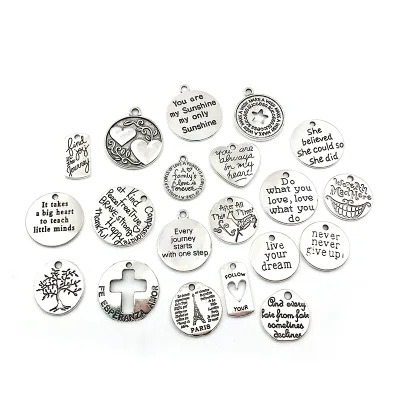
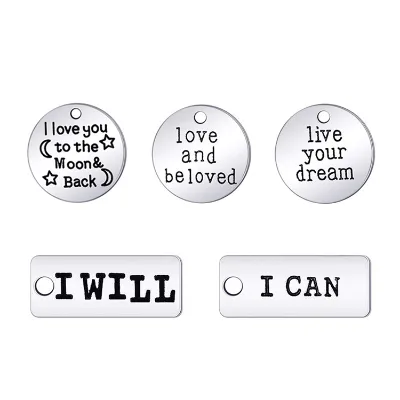
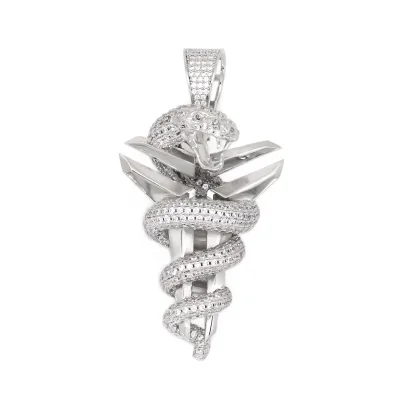
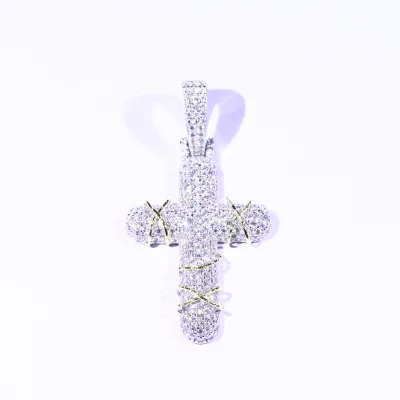
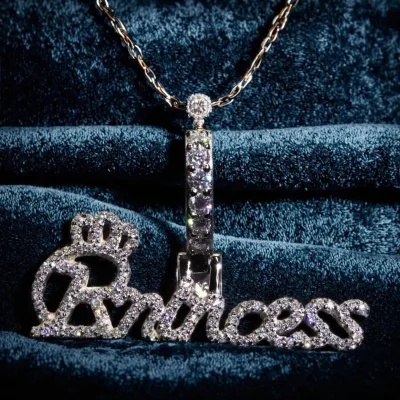
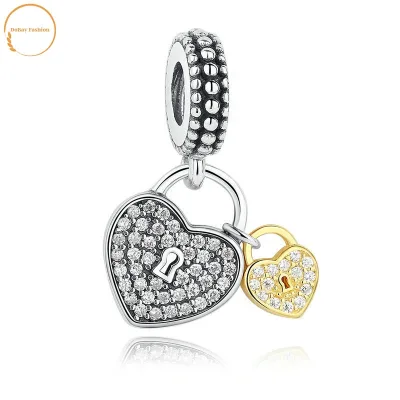
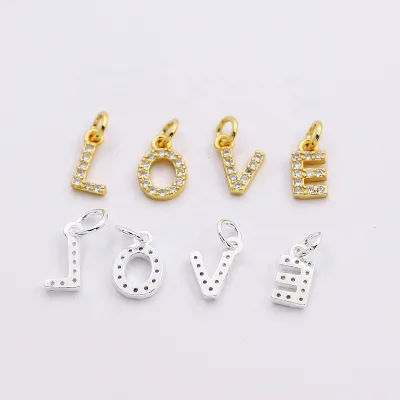


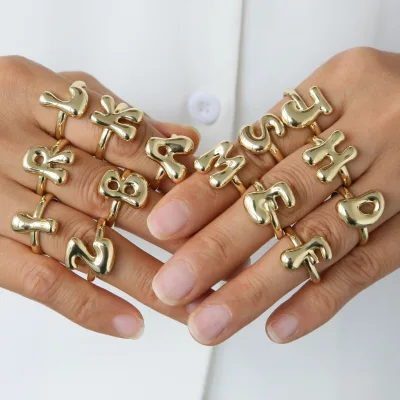
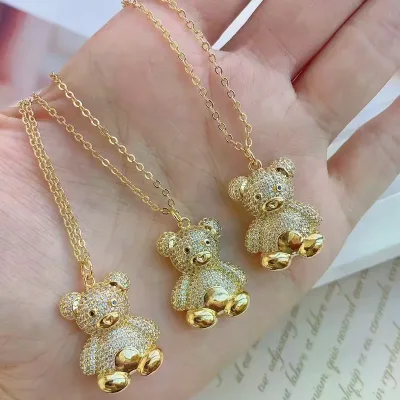


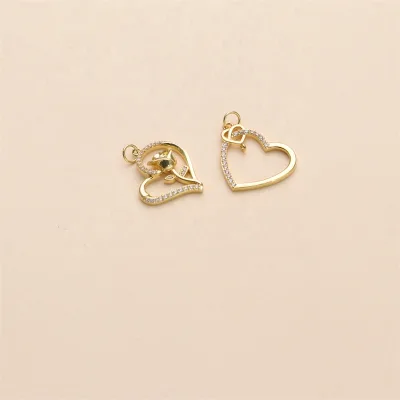
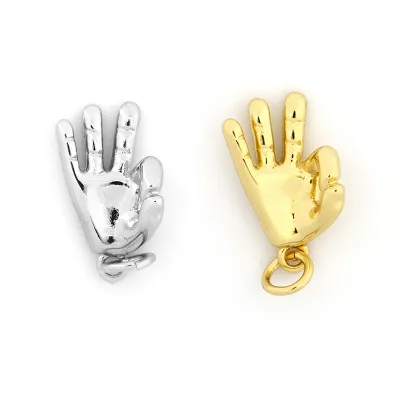
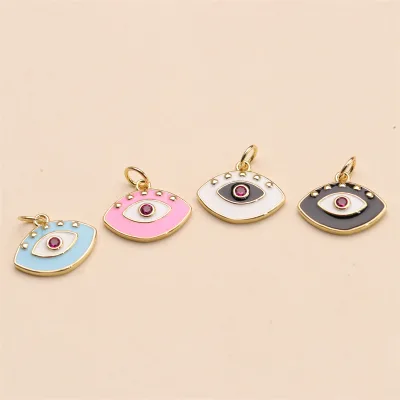
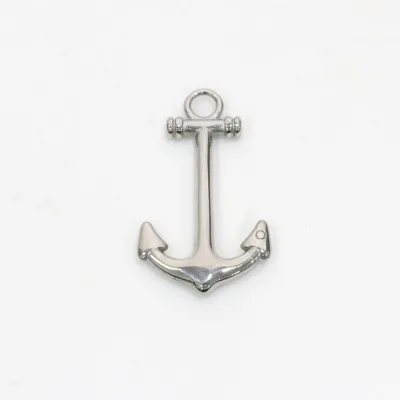
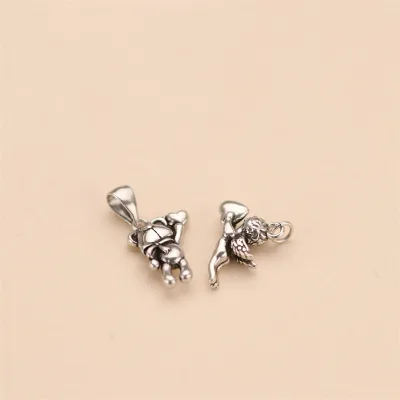
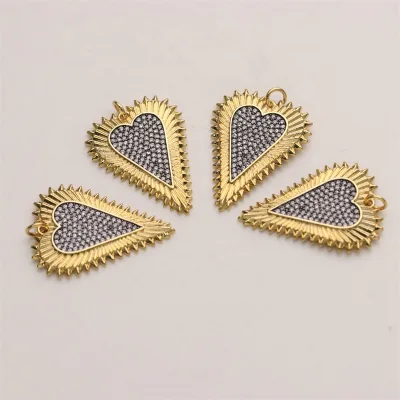


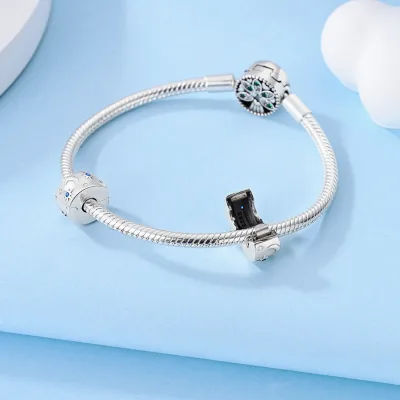
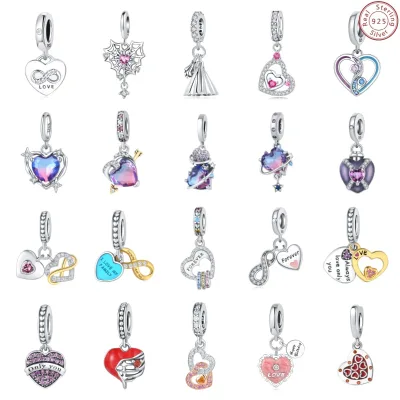
Comprehensive Sourcing Guide
AIGS Certified Silver Charms Supplier Concentration and Factory Types
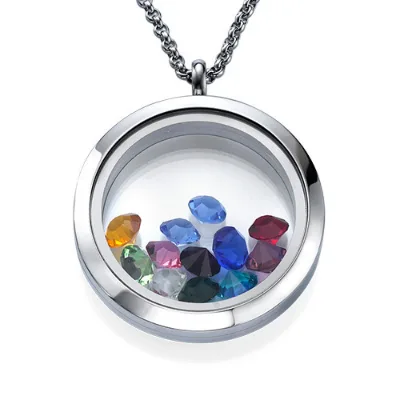
Current data indicates that suppliers offering silver charms are concentrated in Guangdong, China, specifically within the Dongguan and broader Guangdong regions. This area hosts a mix of combined entities that function as both manufacturers and trading companies, allowing for flexible production models. The primary product categories observed include metal crafts, fashion jewelry, and specific items like memory lockets and custom pendants. These facilities often list main products such as bracelets, earrings, rings, and necklaces alongside the core charm offerings. The presence of ODM and OEM capabilities suggests that many of these factories can handle customized designs and sample processing, which is critical for buyers seeking unique silver charm specifications.
When evaluating the factory types in this region, buyers should look for entities that explicitly state their capacity for graphic processing and customized on-demand production. The supplier profiles show a blend of manufacturer and trading company structures, which can impact how orders are managed and how quickly samples are delivered. Some suppliers emphasize their ability to handle bulk orders for 925 silver charms, while others focus on smaller batch customizations. It is essential to verify if the specific facility you are engaging has the physical infrastructure to produce silver-plated or solid silver items, as the distinction between plating and solid material affects both the price and the manufacturing process. The concentration in Guangdong provides a logistical advantage for sourcing these specific metal crafts, but the exact factory location must be confirmed for each potential partner.
How to Verify AIGS Certified Silver Charms Suppliers
Verification of suppliers in this category requires checking for specific third-party credentials and system certifications that validate their operational standards. Several observed suppliers hold ISO9001:2015 certificates, which indicate a commitment to quality management systems. Additionally, some entities have undergone verification by TÜV Rheinland, a recognized international testing and certification body. For silver charms specifically, buyers should look for product-level certifications such as REACH, EN 1811, RoHS, and EN 12472, which address material safety and heavy metal content. These standards are particularly relevant for jewelry items that come into contact with skin, ensuring that the silver plating or alloy materials do not contain harmful substances like excessive nickel or lead.
Beyond system certifications, buyers must scrutinize product-specific testing results and export experience to ensure reliability. Some supplier data points mention SGS testing for nickel, lead, and cadmium, which are critical for compliance in international markets like Europe and the USA. It is also important to verify the supplier's export experience, as some profiles indicate eight years of experience in these specific markets. Buyers should request current test reports rather than relying on general claims, as standards can change over time. The presence of a verified badge or specific certification logos on a supplier profile is a positive indicator, but direct confirmation of the certificate number and validity date is necessary. Always ensure that the verification status applies to the specific entity you are contracting with, as trading companies may have different verification statuses than the actual manufacturing plants.
What to Compare Across AIGS Certified Silver Charms Suppliers
When comparing potential partners, buyers should prioritize response times, lead times, and minimum order quantities (MOQ) to align with their project timelines. Observed response times vary significantly, with some suppliers responding within three hours while others take nearly twenty hours. Lead times for production also differ, ranging from fifteen days to twenty days depending on the complexity of the customization and the current order volume. MOQs are another critical variable; some suppliers require orders as low as 500 pieces, while others set thresholds at 1000 or 2000 units. Buyers must calculate whether their projected volume meets these thresholds to avoid unnecessary costs or order rejections.
Price and material specifications are equally important dimensions for comparison. Product data shows price points ranging from $0.15 to $6.00 per unit, heavily influenced by the material type, such as alloy versus sterling silver, and the plating finish. Some suppliers offer silver-plated options, while others provide solid silver or specific plating types like rhodium or rose gold. Buyers should compare the detailed product attributes, including the main stone, jewelry type, and specific model numbers, to ensure the quoted price matches the exact specifications required. Additionally, the customization options, such as logo engraving or custom shapes, should be evaluated against the supplier's stated capabilities. A lower price might come with a higher MOQ or longer lead time, so a holistic view of these commercial terms is essential for making an informed decision.
Common AIGS Certified Silver Charms Sourcing Risks
One significant risk in sourcing silver charms involves the discrepancy between claimed materials and actual product composition. While some listings specify "925 Silver" or "Sterling Silver," others may only offer silver-plated alloy items. Buyers must verify the material type explicitly, as the difference between plating and solid silver drastically affects durability and value. Some product attributes mention that material types can be changed according to need, which implies a potential for miscommunication if the final order specifications are not documented clearly. Without rigorous verification, buyers may receive items that do not meet their quality expectations or regulatory requirements for precious metals.
Another risk relates to the consistency of quality control and adherence to international safety standards. Although some suppliers claim SGS testing for heavy metals, the absence of specific test reports for every batch can lead to compliance issues in destination markets. The export experience of a supplier, often cited as eight years, does not guarantee that current production lines meet the latest safety regulations. Furthermore, the reliance on third-party certifications like REACH or RoHS requires that the supplier maintains these standards continuously, not just at the time of initial verification. Buyers should be wary of suppliers who cannot provide immediate, batch-specific test results or who have vague descriptions of their quality assurance processes. Ensuring that the supplier has a robust system for maintaining these standards is crucial to mitigating the risk of product recalls or customs delays.
AIGS Certified Silver Charms Regional Sourcing and Logistics
Sourcing from Guangdong, China, offers distinct logistical advantages due to the region's established infrastructure for metal crafts and jewelry manufacturing. The concentration of suppliers in Dongguan and surrounding areas facilitates efficient communication and faster sample delivery. However, buyers must account for the specific shipping requirements for metal items, which can be heavy and prone to scratching during transit. Product attributes often specify packing standards, such as carton packaging or custom packing, which directly impact shipping costs and product safety. Understanding the standard packing dimensions, like 24x28x34cm, helps in calculating freight charges and optimizing container space.
Logistics planning also involves considering the export experience of the supplier, as this often correlates with their ability to handle international shipping documentation and customs clearance. Suppliers with a strong track record in exporting to Europe and the USA are likely more familiar with the specific requirements for these markets, including labeling and packaging regulations. Buyers should verify the supplier's ability to handle the specific logistics of their destination, as some may have preferred freight forwarders or established relationships with shipping lines. Additionally, the lead time of 15 to 20 days must be factored into the overall supply chain timeline, including the time required for ocean freight and customs processing. A clear understanding of the regional logistics network is essential for ensuring timely delivery and minimizing the risk of delays.
AIGS Certified Silver Charms Commercial Terms and Order Planning
Commercial terms for silver charms often include specific payment methods such as T/T or Western Union, which buyers should evaluate for security and convenience. The minimum order quantities observed range from 500 to 2000 pieces, requiring buyers to plan their inventory and cash flow accordingly. Some suppliers offer flexible MOQs for customized designs, but this may come with higher unit costs or longer lead times. Buyers must carefully review the payment terms and ensure they align with their financial policies, especially when dealing with new suppliers. The price points, which can vary from $0.15 to $6.00, should be negotiated based on the order volume and the complexity of the customization required.
Order planning should also account for the customization process, including the time needed for design approval and sample production. Suppliers with ODM and OEM capabilities can accommodate custom designs, but this requires clear communication of specifications and timelines. Buyers should establish a detailed timeline that includes the response time, lead time, and shipping duration to ensure the final delivery meets their market launch dates. It is also important to consider the potential for additional costs related to custom packing or specific plating requirements. By planning for these variables, buyers can avoid unexpected delays and ensure that the final product meets their quality and design expectations. Clear communication of all commercial terms and order details is the foundation of a successful sourcing relationship.
FAQs
What certifications do the silver charms suppliers hold?
Suppliers offer ISO9001:2015, REACH, EN 1811, RoHS, and EN 12472 certifications. Some products also carry GIC certificates. Testing for nickel, lead, and cadmium is available free of charge via SGS standards to ensure safety compliance for international markets.
What are the minimum order quantities for metal charms?
Minimum order quantities vary by product type. Some custom metal charms require 500 pieces, while others start at 1000 or 2000 units. Specific silver locket charms may have a lower threshold of 70 pieces. Buyers should verify the exact MOQ for their selected design.
How long does production take for custom silver charms?
Lead times typically range from 15 to 20 days depending on the order complexity. Some suppliers offer rapid response capabilities within three days for inquiries. Production schedules depend on customization needs and current factory capacity for ODM and OEM services.
Where are the silver charm manufacturers located?
Manufacturers are primarily located in Guangdong, China, with specific facilities in Dongguan. These regions specialize in metal crafts and jewelry accessories. All listed products originate from this region, ensuring consistent supply chain logistics for international buyers seeking metal charms.
What materials are used for the custom metal charms?
Most charms are crafted from alloy with options for silver plating, gold plating, or rhodium finishes. Some premium items use sterling silver or silver-plated materials. Buyers can request custom material types, including zircon stones, to match specific design requirements and aesthetic preferences.
Do suppliers offer customization for logo and design?
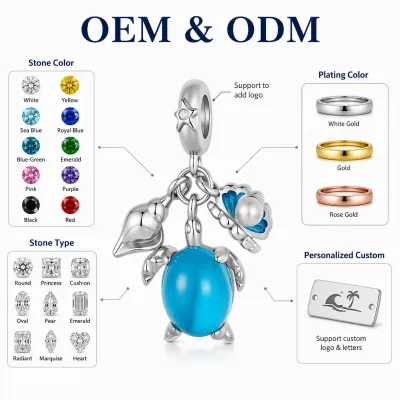
Yes, customization is available for logos, shapes, and sizes. Services include engraving, custom packing, and graphic processing. Suppliers support ODM and OEM models, allowing buyers to request unique designs, specific colors, and tailored dimensions for their branded metal charm products.
What is the price range for bulk metal charms?
Prices vary significantly based on material and complexity. Basic alloy charms start around 0.15 to 0.25 dollars per unit. Sterling silver options are priced higher, starting at 6.00 dollars per piece. Bulk orders often qualify for better rates depending on the total quantity purchased.