Aluminum Alloy Motorcycle Brake and Clutch Levers Suppliers and Manufacturers
Explore 27 verified options for Aluminum Alloy Motorcycle Brake and Clutch Levers. Compare locations, response times, lead times, certifications, and pricing to find the right partner. Contact suppliers directly to request samples or custom quotes; review the available evidence before requesting comparable quotations from suitable candidates.
Suppliers List
Nanning Bernee Machinery Technology Co., Ltd.
- Trading Company
- Guangxi, China
- Lead time0 days
- Avg. response≤ 2h
Main productsbicycle forks manufacturer,bicycle parts supply,ebike parts supply,bicycle assembly,electric bicycle assembly
Main marketsDomestic Market(50.0%), Eastern Europe(20.0%), Southeast Asia(20.0%), Northern Europe(15.0%), Western Europe(15.0%), Eastern Asia(15.0%), Mid East(15.0%), Africa(15.0%), North America(15.0%), South America(10.0%), Southern Europe(10.0%)

Changzhou Luckyway Metal Technology Co., Ltd.
- Combined
- China Jiangsu
- Lead time23 days
- Avg. response≤ 7h
Main productsMotorcycle Parts, Auto Parts, Aluminum Welding Processing, CNC Machining, Bicycle Parts, Go Kart Parts, Forging Parts Processing, Die Casting Processing, Sheet Metal Fabricatiom, Lathe Processing
Main marketsEurope,Australia,North America

Ningbo Jalyn International Trading Co., Ltd.
- Trading Company,Manufacturer/Factory
- China Zhejiang
- Lead time30 days
- Avg. response≤ 21h
Main productsMotorcycle Parts, Motorcycle Accessories, Aftermarket Motorcycle Parts, ATV Parts, Bicycle Parts, Motorcycle Plastic Parts, Motorcycle Mirror, Motorcycle Handle Grips, Motorcycle Engine, Bicycle Accessories
Main marketsSouth America,Eastern Europe,North America,Eastern Asia,Oceania,Western Europe,Africa
Guangzhou Koyu Import And Export Co., Ltd
- Manufacturer, Trading Company
- Guangdong, China
- Lead time15 days
- Avg. response≤ 1h
Main productsengine,Car lights,Motorcycle accessories,Auto accessories,Truck accessories
Main marketsNorth America(30.0%), Southeast Asia(10.0%), Northern Europe(9.69%), Western Europe(8.56%), Africa(8.0%), South America(6.3%), Eastern Europe(5.9%), Domestic Market(5.23%), South Asia(5.0%), Southern Europe(2.85%), Eastern Asia(2.5%), Oceania(2.4%), Mid East(2.0%), Central America(1.2%)

Wuxi Henderchan Industrial Co Ltd
- Verified by SGS
- Trading Company
- China Jiangsu
- Lead time45 days
- Avg. response≤ 3h
Main productsCustom CNC Machining Parts, CNC Machining Service, Custom Investment Casting Parts, Investment Casting Service, Precision Forging Service, Custom Precision Forging Parts, Hinges, Go Kart Parts, Metal Fabrication Service, Custom Metal Fabrication Parts
Main marketsEurope

Aluminium Alloy Forging Part Motorcycle Clutch Lever Brake Lever Motorcycle Parts
$5.00 - $20.00
Moq: 200


Aluminum Forging Part Motorcycle Brake Pedal Motorcycle Brake Lever Gear Shift Lever
$5.00 - $20.00
Moq: 100

Precision Forging Part Aluminium Brake Lever Motorcycle Brake Lever Brake Handle Bar
$5.00 - $20.00
Moq: 100

Guangdong Yubiao Hardware Co., Ltd.
- Verified by BV
- Combined
- China Guangdong
- Lead time15 days
- Avg. response≤ 4h
Main productsStamping Part, Spring, CNC Milling Part, CNC Turning Part, Auto Lathe Part, Fastener
Main marketsSoutheast Asia/ Mideast,Europe

Runda Accessories Import and Export Co., Ltd
- Verified by SGS
- Trading Company
- China Hebei
- Lead time23 days
- Avg. response≤ 22h
Main productsMotorcycle Accessories, Motorcycle Parts
Main marketsSouth America,North America,Southeast Asia,Africa


7/8" 22mm Motorcycle Parts Motorcycle Levers Brake and Clutch Lever for Cgl125
$0.90 - $0.95
Moq: 1000


Ningbo Dasheng Trading Co., Ltd.
- Trading Company
- Zhejiang, China
- Lead time30 days
- Avg. response≤ 10h
Main productsAUTO ACCESSORIES,AUTO PARTS,MOTORCYCLE PARTS,ELECTRONIC PRODUCTS,TOOLS
Main marketsSouth America(80.0%), Western Europe(10.0%), North America(5.0%), Eastern Asia(5.0%)
Ruian Shengyi Automobile & Motorcycle Parts Co., Ltd.
- Manufacturer
- Zhejiang, China
- Lead time30 days
- Avg. response≤ 6h
Main productsWinker Lamp/Rear Lamp/LED Lamp/Head Lamp,CNC Handle
Main marketsSouth America(60.0%), Southeast Asia(20.0%), Northern Europe(10.0%), Western Europe(10.0%)

Kingham (Fujian) Technology Co., Ltd.
- Verified by SGS
- Combined
- China Fujian
- Lead time38 days
- Avg. response≤ 4h
Main marketsSoutheast Asia/ Mideast,Europe,North America
Huangshan Benma Group Co., Ltd.
- Verified by TüVRheinland
- Manufacturer, Trading Company
- Lead time15 days
- Avg. response≤ 7h
Main productsMotorcycle Brake Pad, Motorcycle Clutch Shoes, Motorcycle Clutch Assembly, Motorcycle Clutch Disc
Main marketsDomestic Market(68%), South America(12%), Africa(5%)

Changzhou Showhum Precision Technology Co., Ltd.
- Verified by SGS
- Manufacturer/Factory
- China Jiangsu
- Lead time45 days
- Avg. response≤ 4h
Main productsCNC Part, CNC Machine Part, Car Parts, CNC Milling Part, Plastic Products, Forged Part, Welding Part, Waterjet Cutting Parts, Motorcycle Parts, Bicycle Parts
Main marketsSouth America,Eastern Europe,Mid East,North America,Eastern Asia,Western Europe

XINGTAI WINWAY IMPORT & EXPORT TRADING CO., LTD.
- Trading Company
- China Hebei
- Lead time23 days
- Avg. response≤ 23h
Main productsMotorcycle Shock Absorber, Motorcycle Brake Shoe, Motorcycle Cable, Motorcycle Sprocket, Motorcycle Mirror, Motorcycle Speedometer, Motorcycle Headlight, Motorcycle Oil Seal, Motorcycle Spark Plug, Motorcycle Kick Staerter
Main marketsSouth America,Africa,Southeast Asia/ Mideast

22mm Aluminum Alloy Motorcycle Front Left and Right Brake Clutch Lever for Cg125
$0.57 - $0.59
Moq: 500

Universal Motorcycle Part Motorbike Brake Clutch Lever Bike Clutch Brake Lever
$0.35 - $0.38
Moq: 1000



Guangzhou Fonsenx Technology Co.,ltd
- Manufacturer, Trading Company, Distributor/Wholesaler
- Guangdong, China
- Lead time15 days
- Avg. response≤ 9h
Main productsMotorcycles Parts,Dirt Bikes Parts,ATVS Parts,UTVS Parts,CNC Customization
Main marketsEastern Europe(20.0%), Western Europe(20.0%), North America(20.0%), South America(10.0%), Eastern Asia(10.0%), South Asia(5.0%), Africa(5.0%), Southeast Asia(5.0%)

Xingtai Tianjiu Bicycle Parts Co., Ltd
- Verified by SGS
- Combined
- China Hebei
- Lead time30 days
- Avg. response≤ 4h
Main productsBicycle Parts, Bicycle, Bicycle Crank&Chainwheel, Bicycle Brake Sets, Saddle, Pedal, Bicycle Accessories, Bicycle Tire, Children Toy Vehicle, Bike Parts
Main marketsAfrica,Domestic,Europe
Chongqing Hanfan Technology Co., Ltd.
- Trading Company
- Chongqing, China
- Lead time7 days
- Avg. response≤ 6h
Main productsMotorcycle parts,Electric Motorcycle,Motorcycle Motor,Electronic motorcycle Motor,Hub Motor
Main marketsWestern Europe(20.0%), North America(20.0%), Northern Europe(10.0%), Southern Europe(10.0%), Eastern Europe(10.0%), South America(5.0%), South Asia(5.0%), Central America(5.0%), Southeast Asia(5.0%), Eastern Asia(3.0%), Mid East(3.0%), Africa(2.0%), Oceania(2.0%)
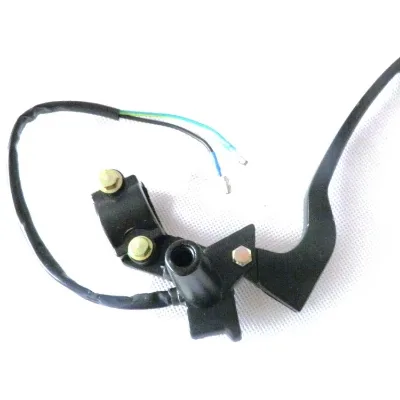
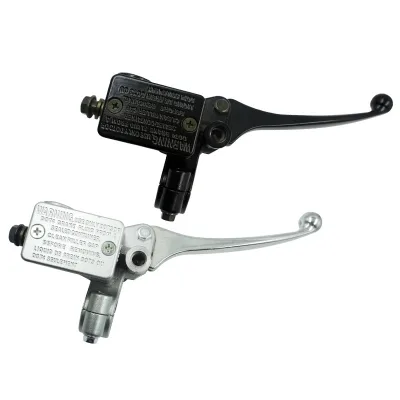
Motorcycle Dirt Bike CG150 Front Brake Brake Pump Brake Lever With Pump Complete
$2.80 - $3.20
Moq: 100
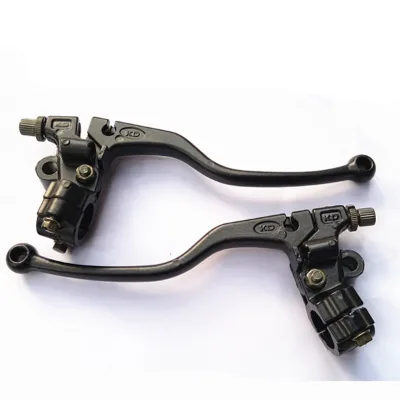

Dongguan Yanqing Precision Co., Ltd.
- Verified by CTI
- Trading Company
- China Guangdong
- Lead time15 days
- Avg. response≤ 3h
Main productsCNC Machined Parts, Custom Machined Parts, CNC Milled Parts, Auto Parts, Metal Medical Parts, Joints and Fasteners, Shafts, Bolts and Nuts, Fittings, CNC Turned Part
Main marketsSouth America,East Asia(Japan/ South Korea),Europe
Chongqing Best Creative Technology Co., Ltd.
- Manufacturer, Trading Company
- Chongqing, China
- Lead time20 days
- Avg. response≤ 4h
Main productsmotorcycle accessories,Motorcycle pedals,motorcycle wheel,Motorcycle Accessories Processing,Custom Motorcycle Fabrication & Processing
Main marketsSoutheast Asia(20.0%), Africa(20.0%), North America(20.0%), Northern Europe(10.0%), Western Europe(10.0%), South America(10.0%), Mid East(10.0%)

Yog Auto Mobile Parts Co., Ltd.
- Verified by BV
- Trading Company,Manufacturer/Factory
- China Guangdong
- Lead time30 days
- Avg. response≤ 22h
Main productsMotorcycle Accessory, Motorcycle Chain, Motorcycle Engine Parts, Motorcycle Camshaft, Motorcycle Sprocket, Motorcycle Brake, Motorcycle Horn, Motorcycle Piston and Ring, Motorcycle C. D. I
Main marketsSouth America,Eastern Europe,Mid East,Southeast Asia,Eastern Asia,Oceania,Africa
Foshan Ruizheng Machinery Manufacturing Co., Ltd.
- Verified by SGS Group
- Manufacturer, Trading Company
- Lead time20 days
- Avg. response≤ 3h
Main productsMotorcycle Crankshaft, Motorcycle Camshaft, Motorcycle Transmissions, Cylinder Piston Parts, Motorcycle Cylinder Block
Main marketsSoutheast Asia(42%), North America(20%), Eastern Europe(15%)

Hefei Chipei Auto Parts Co., Ltd.
- Trading Company,Manufacturer/Factory
- China Anhui
- Lead time45 days
- Avg. response≤ 2h
Main productsAutomotive Parts, Motorcycle Parts, Auto Parts Supplier, Suspension Parts, Engine Parts, Car AC Compressor, Cooling System Parts, Ignition System Parts, Sway Bar Bushing, CV Axle / Drive Shaft
Main marketsEastern Europe,Mid East,North America,Southeast Asia,Eastern Asia,Oceania,Africa
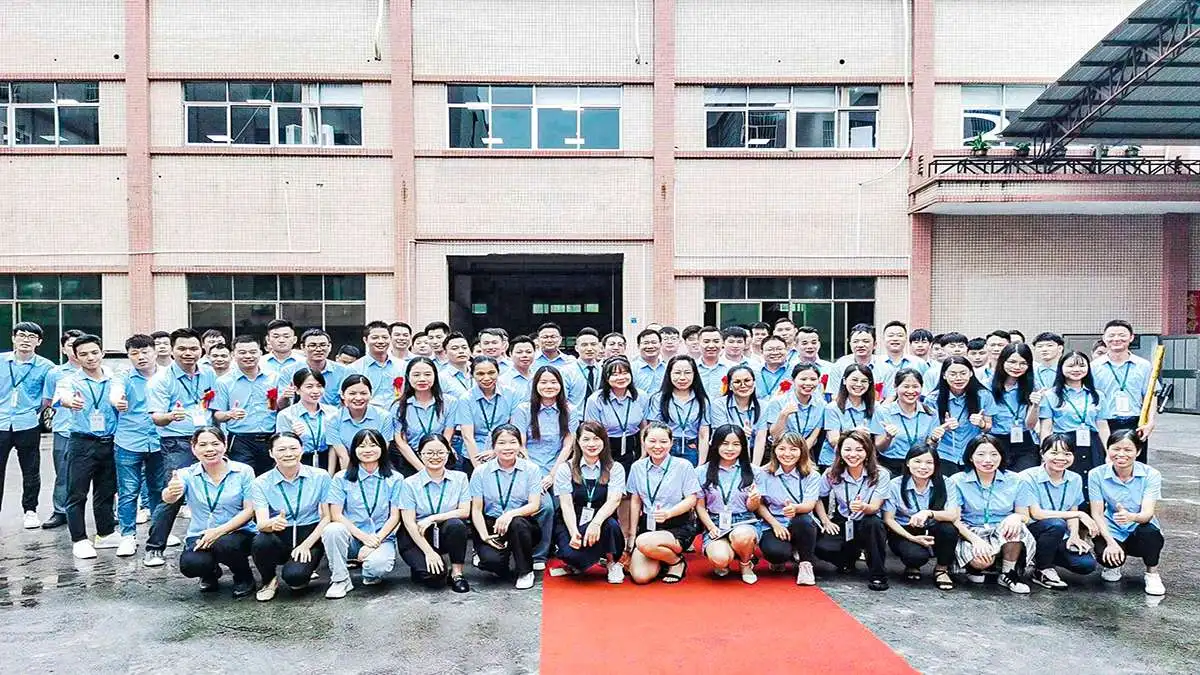
Guangzhou Baiyun District Songzhou Jinshuanglong Motorcycle Parts Store
- Manufacturer, Trading Company, Distributor/Wholesaler
- Guangdong, China
- Lead time29 days
- Avg. response≤ 4h
Main productsmotorcycle engine,Complete motorcycle,Lamps,carburetor,other motorcycle spare parts
Main marketsMid East(35.0%), Africa(33.0%), Domestic Market(10.0%), Southeast Asia(4.0%), South America(3.0%), South Asia(2.0%), Western Europe(2.0%), North America(2.0%), Eastern Europe(2.0%), Eastern Asia(2.0%), Oceania(2.0%), Northern Europe(1.0%), Central America(1.0%), Southern Europe(1.0%)

Taizhou Spare Parts Expert Import & Export Co., Ltd.
- Trading Company
- China Zhejiang
- Lead time30 days
- Avg. response≤ 7h
Main productsMotorcycle Parts, Scooters Accessories, Motorcycle Accessories, Gy6 Engine Accessories, Italika Spare Parts, Bike Accessories, Cg125 Jog 50, Bajaj, Helmet, Remote Controller
Main marketsSouth America,Southeast Asia/ Mideast,Europe
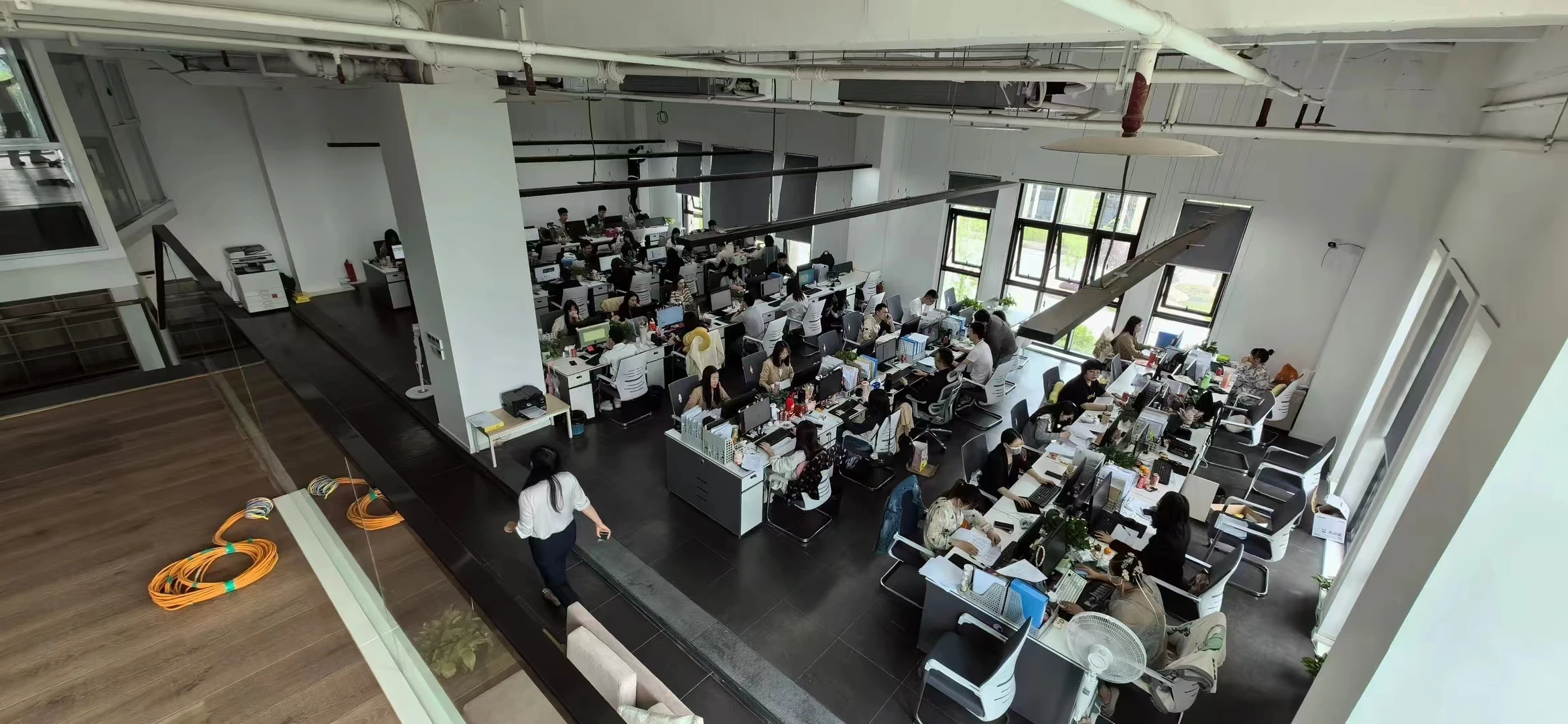
Snor (chongqing) Import And Export Trading Co., Ltd.
- Trading Company
- Chongqing, China
- Lead time7 days
- Avg. response≤ 3h
Main productsMotorcycle accessories,Car modification parts,engine,engine parts,Motorcycle
Main marketsSouth America(20.0%), Northern Europe(15.0%), North America(15.0%), Southern Europe(10.0%), Eastern Europe(10.0%), Western Europe(10.0%)
Zhuji Jiushun Technology Co., Ltd.
- Trading Company
- Zhejiang, China
- Lead time15 days
- Avg. response≤ 3h
Main productsMotorcycle Accessories,Bike Accessories,Car Accessories,Auto parts,Jerry Can
Main marketsSouth America(25.0%), North America(15.0%), Central America(10.0%), Southeast Asia(10.0%), Eastern Europe(10.0%), Southern Europe(5.0%), Western Europe(5.0%), Eastern Asia(5.0%), Mid East(5.0%), Northern Europe(5.0%), Africa(2.0%), Oceania(2.0%), South Asia(1.0%)
Jinhua Dubang Motorcycle Accessories Co., Ltd.
- Manufacturer, Trading Company
- Zhejiang, China
- Lead time30 days
- Avg. response≤ 6h
Main productsmotorcycle exhaust pipe,Motorcycle carburetor,Motorcycle lights,Motorcycle helmet,Motorcycle modification parts
Main marketsSouth America(20.0%), North America(20.0%), Western Europe(10.0%), Southern Europe(10.0%), Northern Europe(10.0%), Africa(10.0%), Eastern Europe(10.0%), Mid East(5.0%), Southeast Asia(5.0%)

Hebei Hongchi Bicycles Co., Ltd
- Verified by BV
- Manufacturer
- China Hebei
- Lead time15 days
- Avg. response≤ 8h
Main productsChainwheel&Crank, Bicycle Parts, Bicycle Accessories, Children Bike, Children Toy, Scooter, Stroller, Electric Car, Saddle, Basket


















Comprehensive Sourcing Guide
Aluminum Alloy Motorcycle Brake and Clutch Levers Supplier Concentration and Factory Types
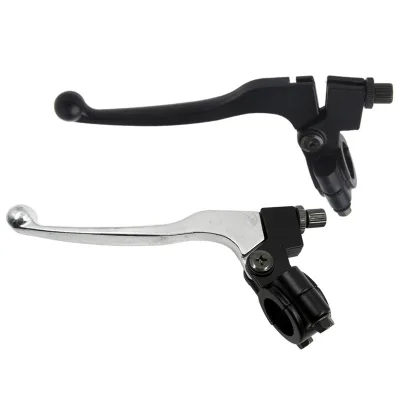
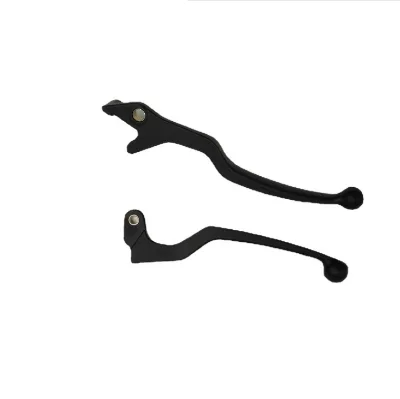
Sourcing for Aluminum Alloy Motorcycle Brake and Clutch Levers tends to center on Chinese manufacturing regions, and the supplier results on this page reflect that pattern. Some listed products show a place of origin in Guangdong, while one trading company is located in Guangxi, and a combined manufacturer-and-trader operation is based in Jiangsu. These regional signals matter because CNC-machined lever production depends on nearby anodizing, zinc plating, die casting, and forging capacity. Rather than assuming one province is best, buyers should map where listed suppliers actually operate and where their products state origin, since a company headquarters and a product's place of origin are not always the same location.
The supplier mix also varies by company type. One listing shows a Trading Company profile with a Declaration of Conformity system certification and a fast two-hour response time, focused on bicycle and ebike parts supply alongside lever products. Another shows a Combined manufacturer profile with CNC machining, aluminum welding, die casting, forging, and ODM/OEM capability, listing motorcycle parts and go-kart parts among its main products. Trading companies may be useful for small mixed orders, while manufacturers are better positioned for custom drawings, tolerance control, and material specification. Verify the company type independently, because platform labels can be outdated or describe only part of the business.
How to Verify Aluminum Alloy Motorcycle Brake and Clutch Levers Suppliers
Verification should start with the attributes a supplier chooses to display, then confirm each one. On this page, one supplier shows a two-hour response time while another shows roughly seven hours, and one lists a twenty-three-day lead time. Treat these as starting points rather than guarantees. Ask the supplier to confirm current response availability, quote an actual lead time for your specific quantity and finish, and state whether the lead time includes production only or also packaging and export documentation. Where an establishment year is displayed on a profile, cross-check it against business registration records before relying on it.
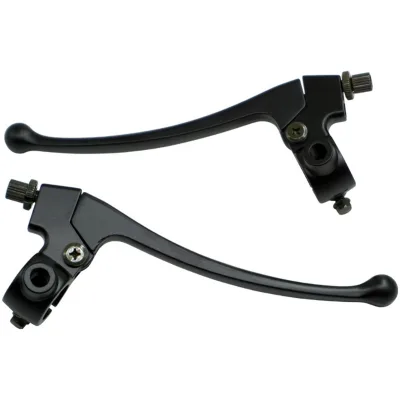
Product-level claims need the same scrutiny. One listing references ISO9001 certification and Aluminium Alloy 6061 material, while another product is listed with a Declaration of Conformity at the company system level. Neither claim should be accepted from a listing alone. Request the certificate itself, check the certificate scope covers machined aluminum components rather than an unrelated product line, and confirm the issuing body. For material claims, ask for a mill certificate or an independent material test for the alloy. Also confirm whether "universal fitment" products genuinely fit your handlebar diameter and control perch spacing, since several listings on this page describe levers as universal without listing detailed dimensions. A sample order remains the most reliable verification step.
What to Compare Across Aluminum Alloy Motorcycle Brake and Clutch Levers Suppliers
Build a comparison table using only the attributes that suppliers actually display, and leave cells blank where data is missing rather than assuming parity. Useful dimensions on this page include lead time, MOQ, response speed, company type, location, main products, and system certification. For example, listed MOQs on comparable CNC lever products range from fifty to one hundred pieces, and unit price ranges vary widely between simple universal levers near the low single digits and CNC-machined adjustable levers in the tens of dollars per piece. Those gaps reflect machining depth, adjustability mechanisms, and finishing, so compare levers of similar construction before comparing prices.
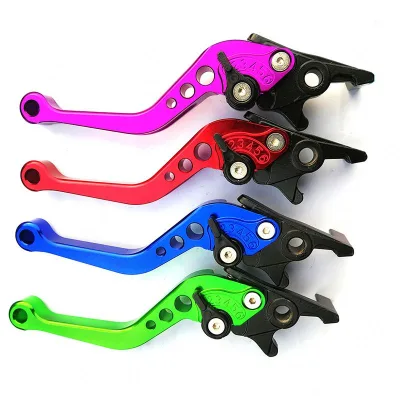
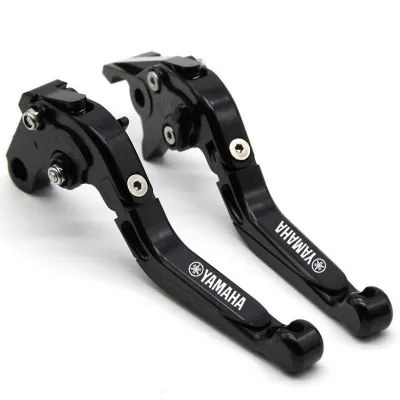
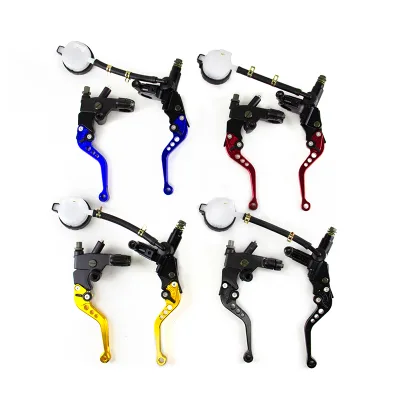
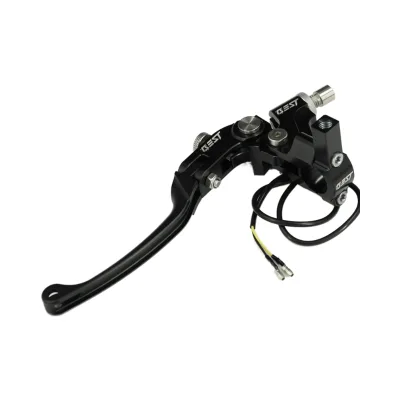
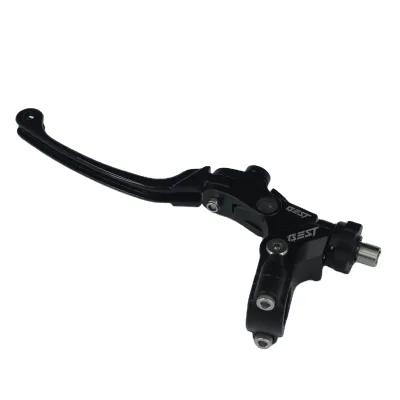
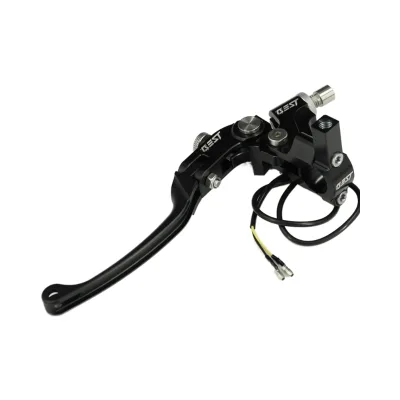
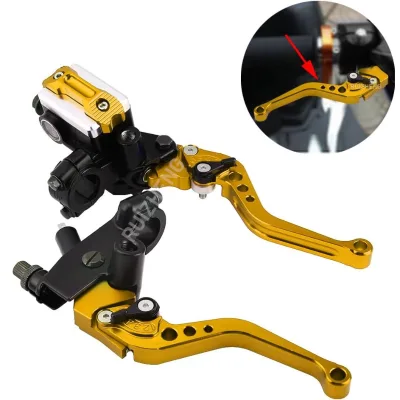
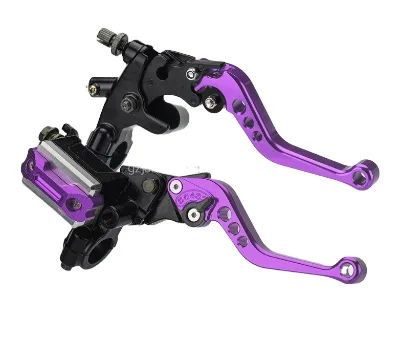
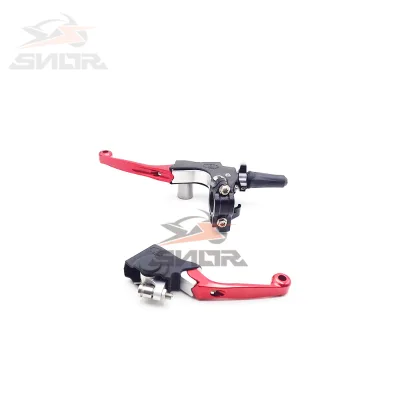
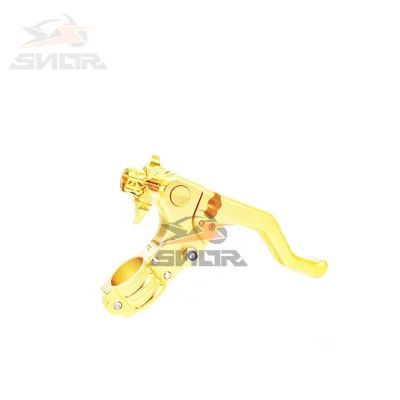
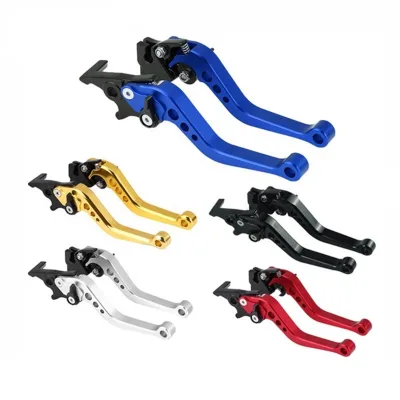
Also compare capability, not just terms. One supplier here advertises ODM and OEM service, sample availability, custom sizes and colors, anodizing or zinc plating surface treatment, and tolerance around plus or minus 0.01 on machined parts, with drawing formats such as 3D, 2D, STEP, and IGS accepted. Another supplier's listings emphasize stock universal-fitment items in fixed styles. If you need brand-specific designs, adjuster mechanisms, or custom anodized colors, the manufacturer-type supplier with documented customization is the more relevant benchmark. Weight, packaging size, and single-item selling units also differ across listings, which affects freight cost per piece and should be normalized before ranking suppliers.
Common Aluminum Alloy Motorcycle Brake and Clutch Levers Sourcing Risks
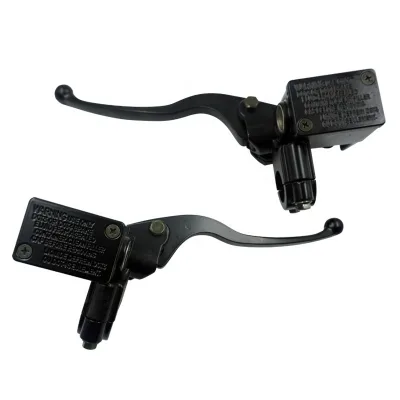
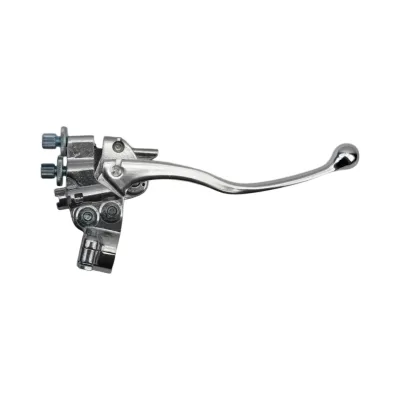
The most common risk in this category is material substitution. Listings frequently state "Aluminum Alloy" without a grade, and one exception on this page specifies 6061 with a stated tolerance. Unspecified alloy can mean softer cast material that bends or snaps at the pivot or lever blade, which is a safety issue as well as a warranty cost. Require a named alloy, request material certification, and consider a first-article inspection with hardness or composition testing. A second risk is fitment error: universal levers sold without dimension drawings can arrive with the wrong clamp bore, pivot spacing, or lever length for your model.
Other risks cluster around claims and logistics. Certifications shown on a profile may not cover the product line you are buying, so verify scope in writing. Very low quoted prices on this page correspond to simple fixed-style levers; ordering those expecting adjustable CNC versions is a frequent misunderstanding, so pin down model, finish, color, and packaging in the specification sheet. Lead times can stretch when anodizing or custom colors are added, and one displayed lead time here runs twenty-three days before any customization. Finally, mixed trading-company supply chains can obscure who controls quality, so agree on inspection responsibility and reject criteria before deposit.
Aluminum Alloy Motorcycle Brake and Clutch Levers Regional Sourcing and Logistics
The location data available here points to several distinct Chinese sourcing regions rather than a single cluster. Products on this page state origins in Guangdong, one supplier is based in Guangxi, and a manufacturer is located in Jiangsu. Jiangsu's listing is notable because the supplier's main products include CNC machining, aluminum welding, forging, and die casting, which are the upstream processes levers require; proximity to those services shortens internal routing and reduces handling. Where a listing does not state a region, ask the supplier for the factory address and the place of origin shown on export documents, then plot your shortlist geographically.
Logistics planning should account for product weight and packing dimensions visible in the listings. Several levers here show a single gross weight of about 1.5 kilograms per carton unit with package sizes around 25 by 20 by 20 centimeters to 35 by 20 by 20 centimeters, while one machined item lists a 200-gram unit weight. Confirm which figure applies to sellable units, since dimensional weight can dominate air freight cost. Sea freight suits bulk repeat orders of stock levers; air suits samples and urgent top-ups. Consolidating levers with other motorcycle or bicycle parts from the same supplier, as some mixed-product profiles here allow, can reduce shipment count and per-unit freight.
Aluminum Alloy Motorcycle Brake and Clutch Levers Commercial Terms and Order Planning
Commercial terms should be structured around the differences visible in the results. Displayed lead times on this page range from same-day dispatch signals on stock trading listings to twenty-three days for the manufacturer-type supplier, and response times range from two to roughly seven hours. Use these displayed values only as screening criteria; then request written confirmations covering your exact SKU, quantity, finish, and customization. Where MOQs are shown, they run from fifty to one hundred pieces on machined products, so plan a pilot order at or near MOQ with sample units first, then scale on a second order once inspection results are accepted.
Payment and order protection deserve explicit attention. Prefer payment structures that keep funds secured until inspection passes, and confirm in writing whether the platform's trade protections apply to your order rather than assuming coverage. Price ranges on this page span roughly two to fifty dollars per piece, which makes specification discipline essential: fix model number, alloy, anodizing color, adjuster hardware, and packaging before comparing quotes, since one listing's price may cover a basic universal lever and another's a custom-machined assembly. Finally, schedule reorders against the confirmed lead time plus an inspection buffer, and set reorder points so a twenty-plus-day production cycle never leaves you out of stock during peak season.
(Word count: approximately 1,400 words across six sections; each section falls within the 225–235-word allowance.)
FAQs
What is the price range for aluminum alloy brake levers?
Prices for these levers typically range from $2.00 to $50.00 per unit. Basic universal fitment models are available at the lower end, while precision CNC machined parts with custom anodizing cost more. Buyers should check specific product listings for exact pricing tiers based on quantity and customization needs.
What is the minimum order quantity for these parts?
Minimum order quantities vary by supplier and product type. Some listings require a minimum of 50 pieces, while others set the threshold at 100 units. Buyers seeking smaller batches should filter for suppliers offering lower MOQs, whereas bulk orders may qualify for better pricing tiers.
How long does production take for these levers?
Lead times depend on the supplier's current capacity and order volume. Some manufacturers report a lead time of 23 days for standard orders. Buyers requiring faster turnaround should verify specific production schedules with suppliers directly, as lead times can fluctuate based on material availability and customization requirements.
Are these levers made from aluminum alloy?
Yes, the majority of these brake and clutch levers are manufactured from aluminum alloy. Common materials include Aluminum Alloy 6061 for high strength and durability. The parts often undergo surface treatments like anodizing or zinc plating to enhance corrosion resistance and aesthetic appeal for motorcycle applications.
What certifications do these suppliers hold?
Suppliers may hold various certifications such as ISO9001 or provide a Declaration of Conformity. These credentials indicate adherence to quality management standards. Buyers should verify specific certification documents with the supplier to ensure the parts meet international safety and quality requirements for motorcycle components.
Can I customize the color and design of the levers?
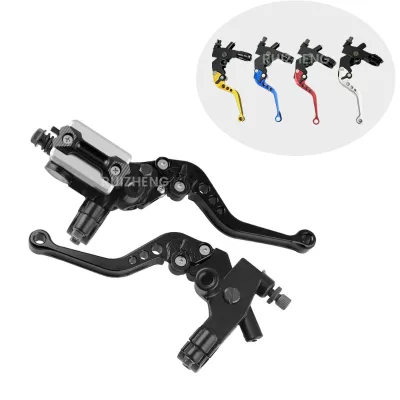
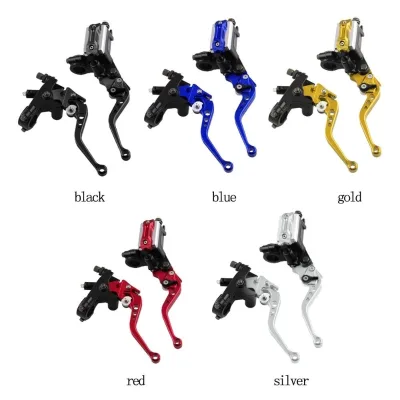
Customization is widely available for these aluminum levers. Suppliers offer various colors including red, blue, black, and silver, with options for anodizing or sandblasting. Buyers can provide 3D or 2D drawings for specific designs, and many suppliers accept OEM requests for tailored dimensions and branding.