Aluminum Freediving Equalization Tool Suppliers and Manufacturers
Explore 24 verified options for the Aluminum Freediving Equalization Tool with details on location, lead times, and MOQ. Compare supplier response times and product specifications to find the right partner for your needs; review the available evidence before requesting comparable quotations from suitable candidates.
Suppliers List

DiveDPR Technology (Shanghai) Co., Ltd.
- Trading Company
- Shanghai, China
- Lead time20 days
- Avg. response≤ 3h
Main productsSCUBA DIVING,FREE DIVING,SPEARFISHING,MARINE RESCUE,DIVING
Main marketsNorthern Europe(15.00%), Central America(15.00%), South America(10.00%), North America(10.00%), Western Europe(10.00%), Eastern Asia(10.00%), South Asia(10.00%), Eastern Europe(10.00%), Southeast Asia(5.00%), Southern Europe(5.00%)
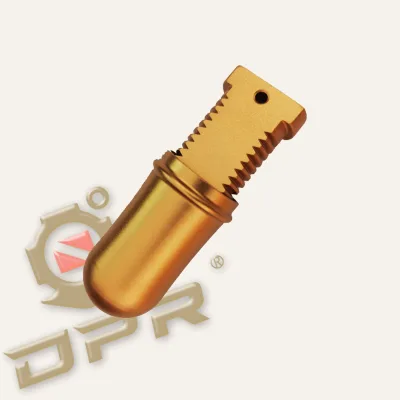
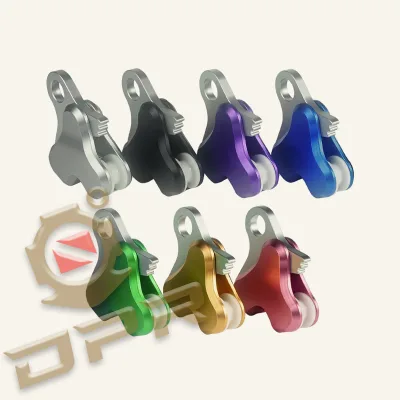
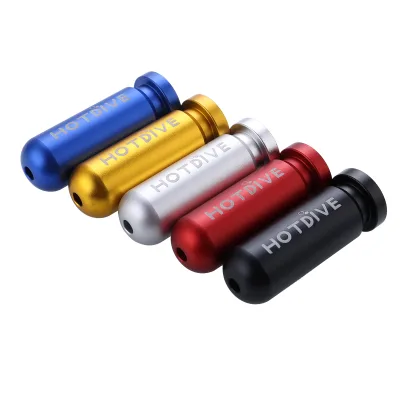
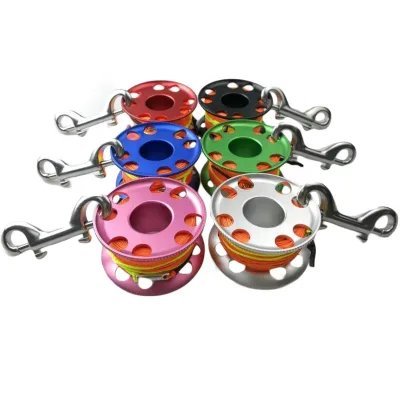
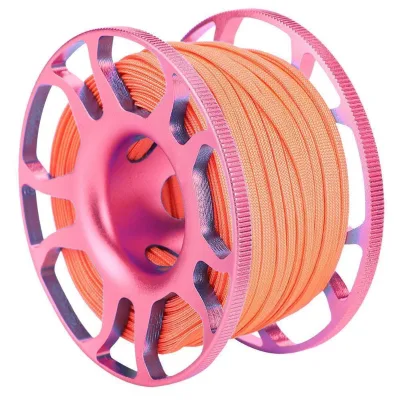
Customized Color Freediving Training Safety Products Pulling System Tool for 8-10mm Rope
$14.50 - $18.00
MOQ: 100
DIVEDIY Technology (Shanghai) Co., Ltd.
- Trading Company
- Shanghai, China
- Lead time20 days
- Avg. response≤ 3h
Main productsDiving Products,Spearfishing Products,Commercial Rescue Products,Surface marker buoy,Spearfishing knife
Main marketsCentral America(18.00%), South America(16.00%), North America(15.00%), Western Europe(10.00%), Southern Europe(10.00%), Northern Europe(10.00%), Southeast Asia(6.00%), Domestic Market(5.00%), Eastern Europe(5.00%), South Asia(3.00%), Eastern Asia(2.00%)
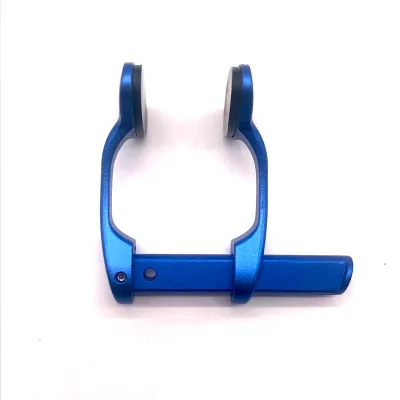
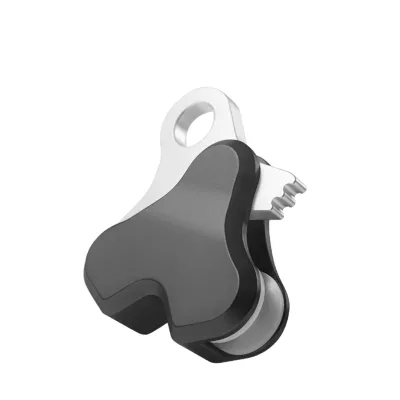
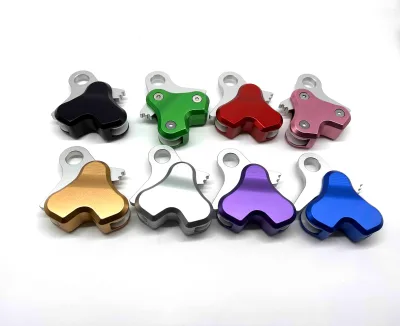
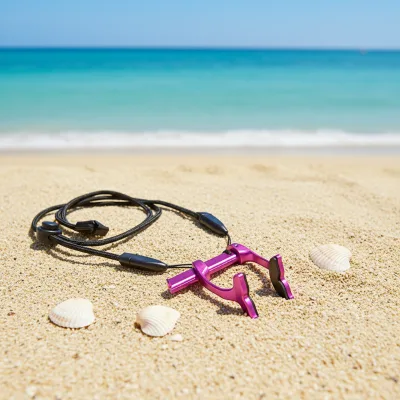
Customized Color Freediving Training Safety Products Pulling System Tool for 8-10mm Rope
$14.50 - $18.00
MOQ: 100
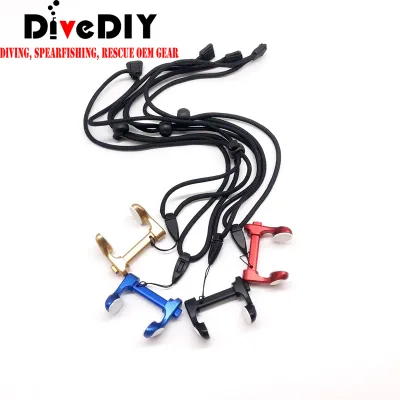
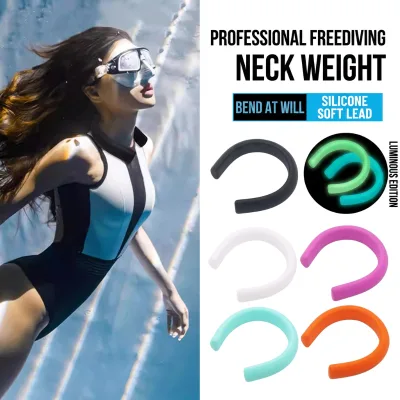
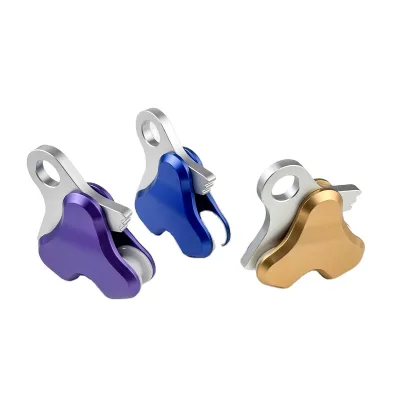
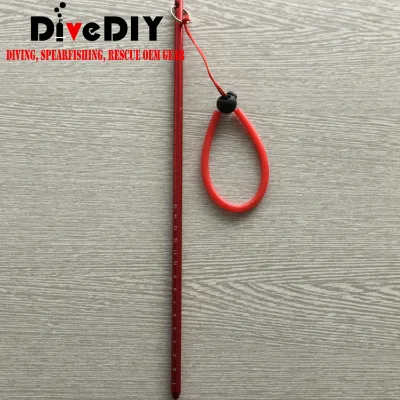
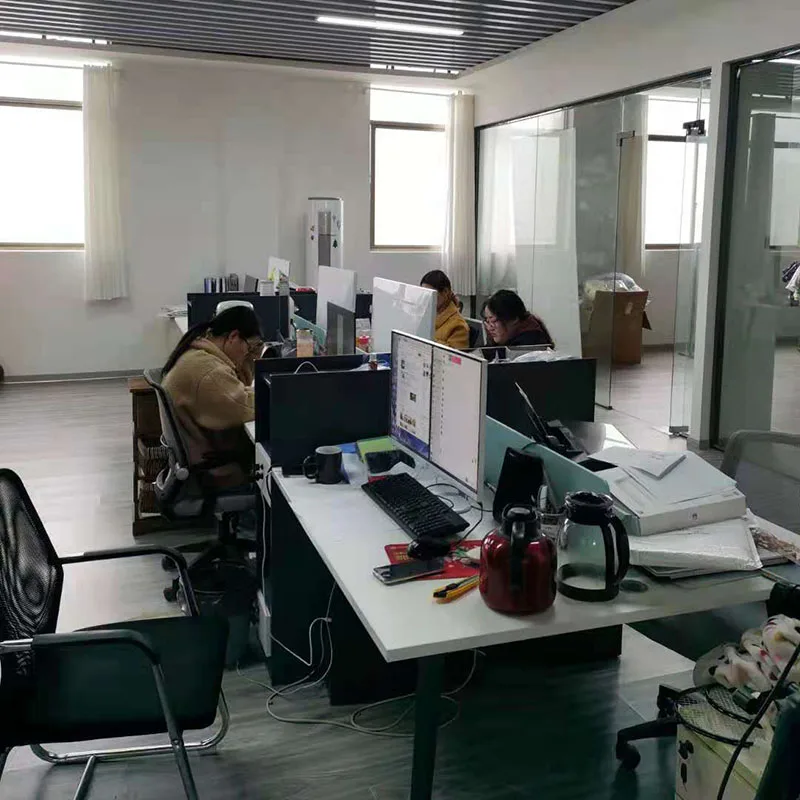
Funan Aikua Sports Goods Co., Ltd.
- Trading Company
- Anhui, China
- Lead time10 days
- Avg. response≤ 5h
Main productsdiving products,spearfishing products,swimming products,fishing products,outdoor sports products
Main marketsNorth America(25.00%), Western Europe(22.00%), South America(20.00%), Southern Europe(10.00%), Southeast Asia(10.00%), Oceania(6.00%), South Asia(3.00%), Central America(2.00%), Mid East(2.00%)
Narwhal Technology (dongguan) Co., Ltd.
- Verified by Intertek
- Manufacturer, Trading Company
- Lead time20 days
- Avg. response≤ 3h
Main productsDiving Regulator, Diving BCD; , Diving Hose, Diving Gear
Main marketsDomestic Market(33%), Southeast Asia(25%), Eastern Europe(15%)
Shanghai Futai Precision Machinery Co., Ltd.
- Trading Company
- Shanghai, China
- Lead time12 days
- Avg. response≤ 7h
Main productscnc machining,3d printing service,cnc machining parts,laser cutting service,stamping parts
Main marketsNorth America(25.00%), Southern Europe(10.00%), Western Europe(10.00%), Oceania(8.00%), South Asia(5.00%), Eastern Europe(5.00%), Northern Europe(5.00%), Central America(5.00%), South America(5.00%), Eastern Asia(5.00%), Domestic Market(5.00%), Southeast Asia(5.00%), Africa(5.00%), Mid East(2.00%)

Shanghai Yongjia International Trading Co., Ltd.
- Trading Company
- China Shanghai
- Lead time30 days
- Avg. response≤ 12h
Main productsExhibition Booth, Light Box, Glasses, Trade Show Stands, Tent, Pop up Stands
Main marketsSouth America,Africa,Southeast Asia/ Mideast,East Asia(Japan/ South Korea),Domestic,Europe,Australia,North America

Dongguan Hongjun Sports Goods Co., Ltd.
- Verified by BV
- Manufacturer/Factory
- China Guangdong
- Lead time23 days
- Avg. response≤ 7h
Main productsDiving Equipment, Diving Mask, Snorkel, Diving Goggles, Diving Fins, Scuba Equipment, Scuba Gear, Swimming Goggles, Swimming Cap, Silicone Product
Main marketsSouth America,Eastern Europe,Mid East,North America,Southeast Asia,Eastern Asia,Oceania,Western Europe,Africa

Aquadive Aluminum Scuba Diving Masks Gear Freediving Spearfishing Snorkeling Metal Diving Mask
$12.00 - $12.50
MOQ: 300 Pieces

Freediving Scuba Choice Spearfishing Free Dive Low Volume Comfort Fit Silicone Diving Mask
$4.50 - $5.20
MOQ: 300 Pieces

New Design Scuba Anti Fog Diving Classic Silicone Aluminum Frame Scuba Diving Free Diving Mask
$12.00 - $12.50
MOQ: 300 Pieces

Professional Freediving Goggles Spearfishing Free Snorkeling Dive Gear Equipment Scuba Diving Mask
$4.13 - $4.63
MOQ: 300 Pieces

Free Diving Gear Equipment for Adults Silicone Scuba Snorkeling Diving Mask
$6.50 - $8.00
MOQ: 300 Pieces


Qingdao Joineasy International Trade Co., Ltd.
- Verified by TUVRHEINLAND
- Trading Company,Manufacturer/Factory
- China Shandong
- Lead time0 days
- Avg. response≤ 9h
Main productsInflate & Deflate Valves &, Oars & Accessories, Mooring Ropes, PVC Fabrics, Rubbing Strips, Outdoor Folding Series, Pumps & Accessories, Feeding Bucket, Boat The Accessories, Ice Bath Tub


Custom Tech Diving Portable Webbing Slots Backmount Bcd Nylon Wing Swim Diving Diving Equipment
$110.00 - $120.00
MOQ: 50 Pieces

Jiangsu Baizhou Safety Technology Co., Ltd.
- Combined
- China Jiangsu
- Lead time15 days
- Avg. response≤ 4h
Main productsLife Jacket, Inflatable Life Jacket, Life Buoy, Rescue Tube, FRP Box, Fire Hose Box, Scba
Main marketsSouth America,Africa,Southeast Asia/ Mideast,East Asia(Japan/ South Korea),Domestic,Europe,Australia,North America


Diving Equipment Nylon Reflective Floating Tool Float Rod Surface Marker Buoy
$13.97 - $14.70
MOQ: 50 Pieces

Shenzhen Bifu Industrial Co., Ltd.
- Verified by SGS
- Trading Company
- China Guangdong
- Lead time15 days
- Avg. response≤ 19h
Main productsCNC Machining, Bicycle Parts, Motorcycle Part, Auto Part, Archery Parts, Glock Accessories, Ar15 Accessories, Screw Bolt, Nut, Pool Cue Parts
Main marketsSouth America

Tianhe Oil Technology Co., Ltd.
- Verified by SGS
- Combined
- China Heilongjiang
- Lead time15 days
- Avg. response≤ 13h
Main productsPetroleum Machinery, Drilling Stem Tools Casing Scraper, Drill Collar Hwdp Kelly, Fishing Tool, Stabilizers Hole Opener, Roller Reamer Drilling Jar
Main marketsOthers(foreignTradeCapacity.exportBusinessCapacityMarketOther),Europe

Shenzhen Pengyifa Precision Mould co., Ltd.
- Verified by TUVRHEINLAND
- Combined
- China Guangdong
- Lead time45 days
- Avg. response≤ 1h
Main productsSki Goggles, Snow Goggles, Swimming Goggles, Swimming Caps, Sporting Sunglasses, Swimming Accessories, Swimming Paddles, Nose Clips, Swim Goggles, Swimming Float
Main marketsSouth America,Southeast Asia/ Mideast,Europe,Australia,North America


Scuba Diving Snorkeling Freediving Dive Mask
Contact supplier


Customized Underwater Waterproof Dive Gear Equipment
Contact supplier
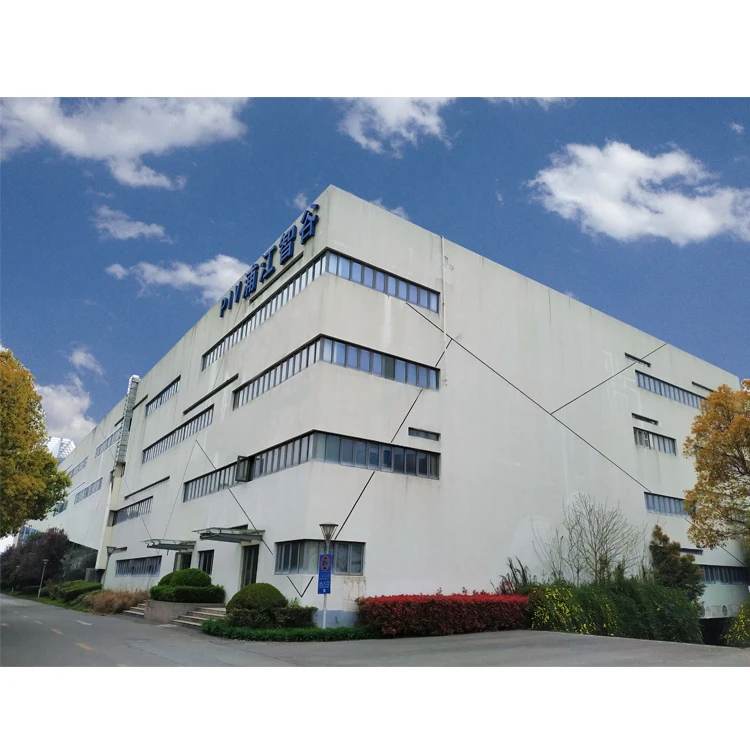
Shanghai Divtop International Trade Co., Ltd.
- Trading Company
- Shanghai, China
- Lead time35 days
- Avg. response≤ 6h
Main productsScuba Diving Accessories,Waterproof Bags,Soft Water Bottle,Massage Product,Yoga Mat
Main marketsNorth America(60.00%), Oceania(10.00%), Southeast Asia(10.00%), Western Europe(10.00%), Domestic Market(5.00%), South America(3.00%), Northern Europe(2.00%)
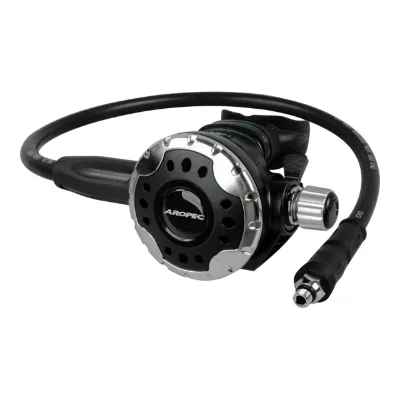
- Verified by SGS Group
- Manufacturer, Trading Company
- Lead time30 days
- Avg. response≤ 10h
Main productsWetsuit, Rash Guard, Diving Boots, Diving Socks, Life Vest
Main marketsMid East(32%), Oceania(20%), Southeast Asia(10%)
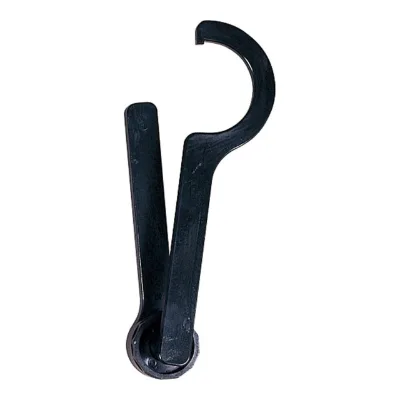
$9.80

Hangzhou Hegong Machinery Co., Ltd.
- Verified by TUVRHEINLAND
- Combined
- China Zhejiang
- Lead time15 days
- Avg. response≤ 5h
Main productsMachining Part, Milling Part, Turning Part, Metal Fabrication, CNC Machining, Aluminum Machining, UHMW Machining, Sheet Metal Fabrication
Main marketsDomestic
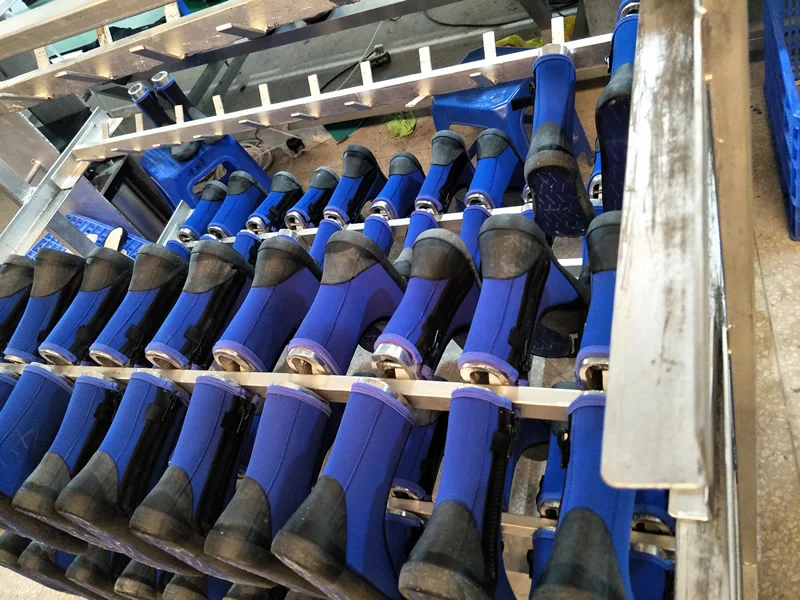
Shenzhen Yarui Technology Co., Ltd.
- Trading Company
- Guangdong, China
- Lead time15 days
- Avg. response≤ 3h
Main productsDiving Hard Boot,Diving Boots,Diving Upstream Boots,Neoprene Wader,Fishing Wader
Main marketsMid East(20.00%), North America(20.00%), Northern Europe(10.00%), Western Europe(10.00%), South America(10.00%), Southeast Asia(10.00%)
Ningbo Daohong Machine Co., Ltd.
- Manufacturer, Trading Company
- Zhejiang, China
- Lead time25 days
- Avg. response≤ 5h
Main productsSurf Products,Spearfishing Products,Hydrofoil Products,Diving Products,CNC Machining Parts
Main marketsEastern Europe(20.00%), North America(15.00%), Western Europe(10.00%), Mid East(10.00%), Southern Europe(10.00%), Southeast Asia(10.00%), Central America(10.00%), Africa(5.00%), Northern Europe(5.00%), South America(5.00%)

Shenyang Snow Rain Technology Co., Ltd
- Verified by CTI
- Trading Company
- China Liaoning
- Lead time23 days
- Avg. response≤ 1h
Main productsGas Cylinder, Frequency Converter, Valve, Soft Starter
Main marketsSouth America,Africa,Southeast Asia/ Mideast,East Asia(Japan/ South Korea),Europe,Australia,North America

Shenzhen Reanson Products Co., Ltd.
- Manufacturer/Factory
- China Guangdong
- Lead time90 days
- Avg. response≤ 10h
Main productsSkiing Goggle, Swimming Goggle, Diving Mask, Diving Fins, Snorkel, Textile Swimming Cap, Silicone Swimming Cap, PU Coating Swimming Cap, Hand Paddle, Swimming Training Products
Main marketsNorth America,Eastern Asia,Oceania,Western Europe

Guang Dong Yong Huang Leisure Products Co., Ltd.
- Verified by SGS
- Manufacturer/Factory
- China Guangdong
- Lead time23 days
- Avg. response≤ 9h
Main productsLead Fishing Sinker, Metal Jigs, Fishing Gear, Scuba Diving Weights, Curtain Weights, Fishing Lure, Fishing Lead Weight, Metal Jigging Lure, Diving Equipment, Fishing Tackle
Main marketsSouth America,Eastern Europe,Mid East,North America,Southeast Asia,Eastern Asia,Oceania,Western Europe,Africa


Scuba Diving Spear Fishing Lead Weight Diving Equipment Scuba Diving Lead Weight
$2.20 - $3.20
MOQ: 2 Pieces


Jiangsu Bright Trading Co., Ltd.
- Trading Company
- Jiangsu, China
- Lead time15 days
- Avg. response≤ 6h
Main productsPollution prevention equipment,Fire fighting equipment,Life-saving equipment,Diving equipment,Marine equipment
Main marketsDomestic Market(50.00%), Southeast Asia(7.00%), South Asia(7.00%), Mid East(6.00%), North America(5.00%), Eastern Asia(5.00%), Oceania(5.00%), Eastern Europe(3.00%), Southern Europe(3.00%), Western Europe(3.00%), Central America(2.00%), Northern Europe(2.00%), Africa(1.00%), South America(1.00%)
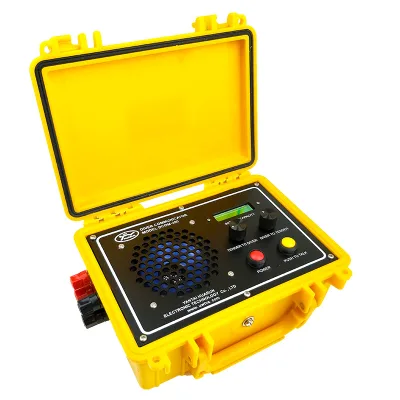
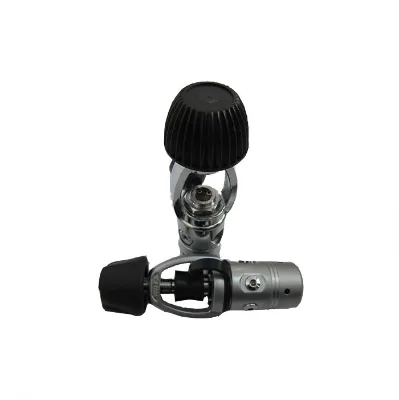
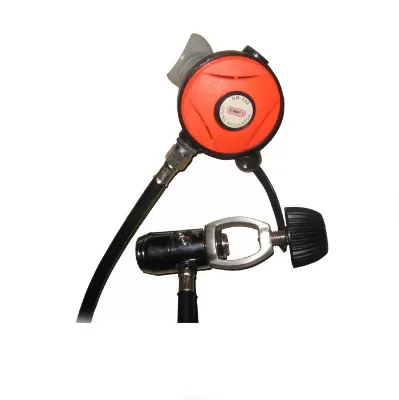
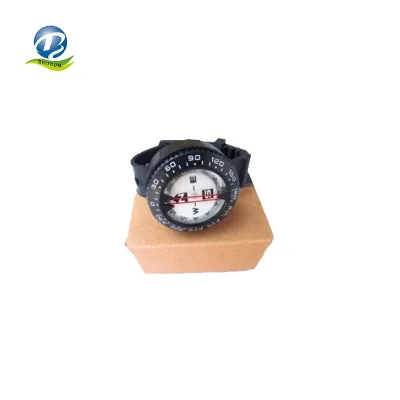
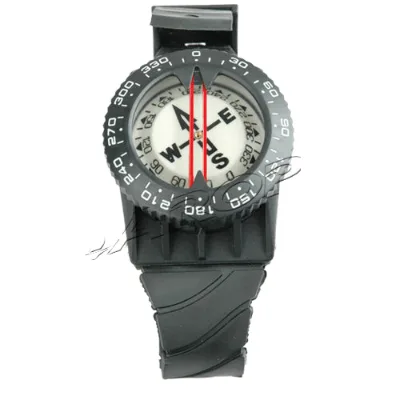
Scuba Diving Accessory Diving Compass Wrist Sole Compass
Contact supplier

Xuzhou Huayan Gas Equipment Co., Ltd.
- Verified by SGS
- Manufacturer/Factory
- China Jiangsu
- Lead time45 days
- Avg. response≤ 1h
Main productsCompressor, Diaphragm Compressor, Piston Compressor, Hydrogen Compressor, CNG Compressor, Reciprocating Compressor, Diesel Generator, Pem Hydrogen Generator, Hydrogen Plant
Main marketsSouth America,Eastern Europe,Mid East,North America,Southeast Asia,Eastern Asia,Oceania,Western Europe,Africa

Hc-W400z Hot Sale Electric Diving Breathing Apparatus Scuba High Pressure Air Compressor
$2000.00 - $5000.00
MOQ: 1 Sets

Hc-W300z Diving Diver Dive Equipment High Pressure Breathing Air Compressor
$2000.00 - $5000.00
MOQ: 1 Sets
HANG FUNG INDUSTRIAL COMPANY LIMITED
- Trading Company
- Hong Kong S.A.R.
- Lead time0 days
- Avg. response≤ 5h
Main productsLong Blade Scuba Diving Fins,Diving Fin,Removable Long Blade Scuba Diving Fin,Pneumatic Spear Guns,Spear
Main marketsSouthern Europe(10.00%), Northern Europe(10.00%), Central America(10.00%), Western Europe(10.00%), Eastern Asia(10.00%), Oceania(10.00%), Southeast Asia(10.00%), Eastern Europe(10.00%), South America(10.00%), North America(10.00%)
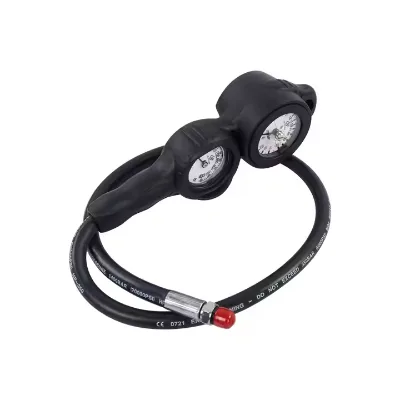
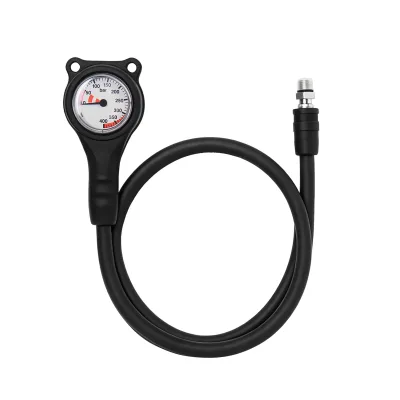
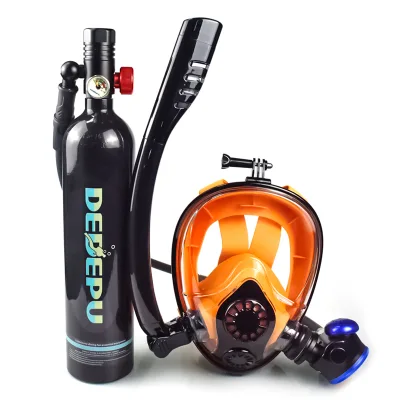
Shenzhen Dedepu Technology Co., Ltd.
- Manufacturer, Trading Company
- Guangdong, China
- Lead time0 days
- Avg. response≤ 1h
Main productsHardware Accessories,Mini Scuba Diving Equipment,scuba dive gear,diving equipments,compressor
Main marketsNorth America(69.00%), South America(12.00%), Domestic Market(3.00%), Northern Europe(3.00%), Western Europe(3.00%), Eastern Europe(3.00%), Southern Europe(2.00%), Mid East(1.00%), Eastern Asia(1.00%), Oceania(1.00%), Central America(1.00%), Africa(1.00%)






Comprehensive Sourcing Guide
Aluminum Freediving Equalization Tool Supplier Concentration and Factory Types
When buyers search for an Aluminum Freediving Equalization Tool, the visible supplier pool tends to cluster in eastern China. Location data attached to the product listings in this category points to Shanghai, and neighboring Jiangsu province also appears as a declared place of origin for related freediving pulling-system hardware. This matters because proximity between machining workshops, anodizing shops and port facilities in one region usually shortens internal logistics and simplifies factory visits. Shanghai's listing data also indicates a supplier whose main products span SCUBA diving, free diving, spearfishing and marine rescue, which is typical of diversified water-sports trading companies rather than single-product factories.
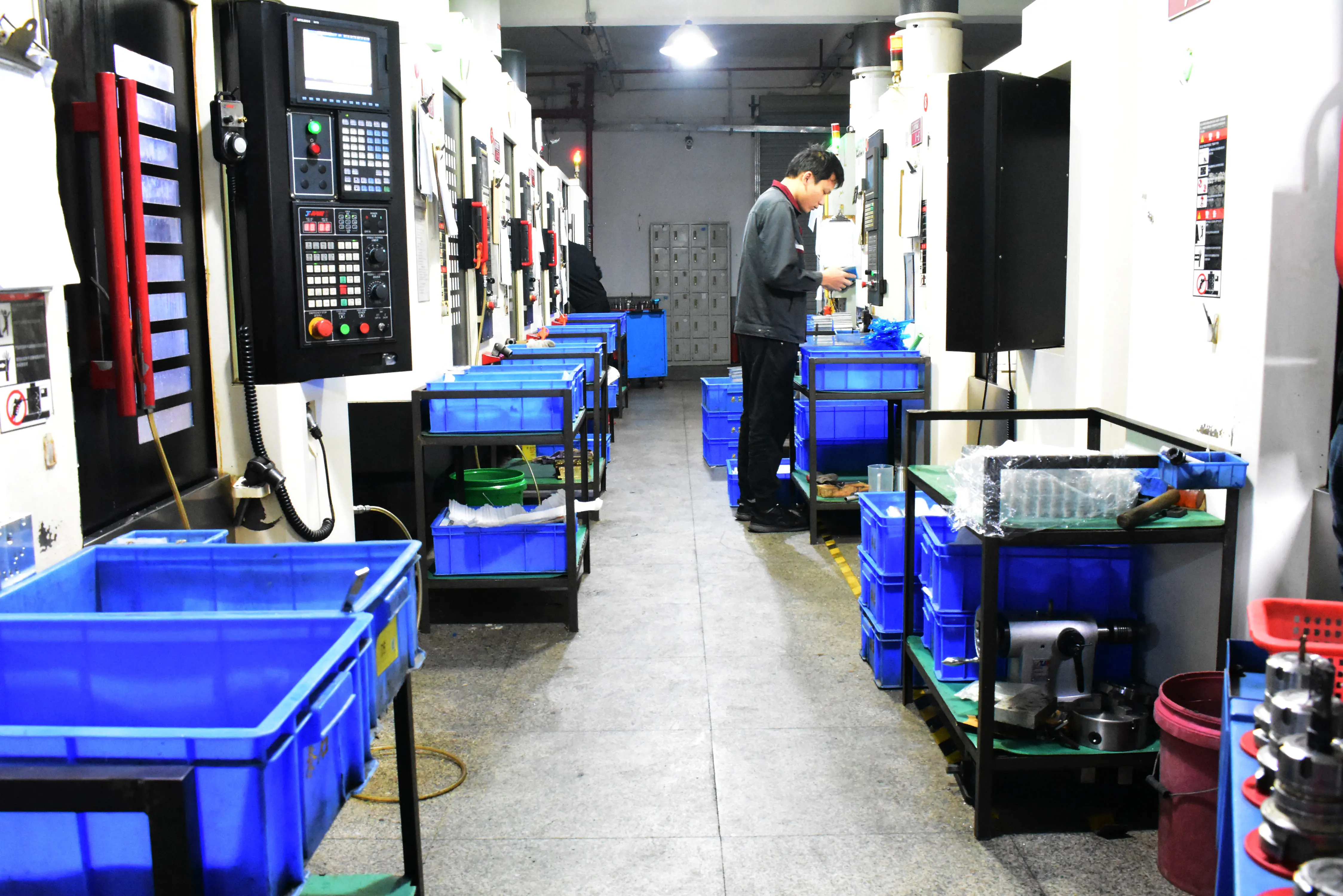
Supplier type is the second structural fact to understand. The company-type label in the observed results identifies at least one trading company rather than a manufacturer. That is neither good nor bad in itself: trading companies in this niche often consolidate small aluminum components, noseclips, multi-tools and pulling-system parts from several workshops, which helps mixed-SKU orders but can add a margin layer. To identify clusters when location data is not displayed, check the declared place of origin on individual product attribute tables, the port of dispatch field, and whether model numbers repeat across a catalog, which suggests a genuine in-house line. Ask each candidate directly whether it machines the equalization tool itself or subcontracts, and request photos of the CNC or lathe stage specific to aluminum body production.
How to Verify Aluminum Freediving Equalization Tool Suppliers
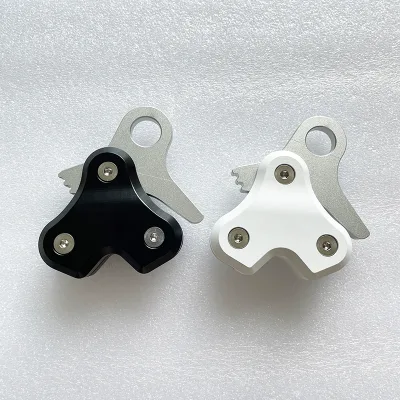
Verification starts with the attributes a supplier chooses to display, because those fields are self-declared and checkable. In this category, credible listings show a place of origin, a model number, material declared as aluminum or aluminum alloy, package dimensions, unit weight, supply ability, and a port of dispatch. A Shanghai-based listing for a freediving equalization tool, for example, declares a model number, standard size, aluminium material, a 0.05 kg unit weight, PP-bag packaging and Shanghai as the dispatch port. When a supplier fills these fields consistently across products, it signals an organized catalog operation; blank or contradictory fields are an early warning.
Beyond the listing, request evidence tied to aluminum work specifically: material composition confirmation, anodizing or surface-finish samples, and dimensional checks on the nose-contact surfaces, since equalization tools fail in use if edges are poorly deburred. Ask whether the displayed brand name is the supplier's own or an OEM placeholder; several listings in this category show OEM or no-brand arrangements, which means you should confirm who owns any tooling. Verify trading-company status by asking for the manufacturing entity's name and, where relevant, whether escrow-backed transaction options are offered on the platform you use. Response time is another practical check: one observed supplier reports a three-hour response figure, which you can treat as a benchmark when comparing candidates. Finally, order a sample before committing, weigh it against the declared specification, and test the adjustment mechanism repeatedly to confirm it matches the listing description.
What to Compare Across Aluminum Freediving Equalization Tool Suppliers
Build a comparison table from the dimensions suppliers actually display, without assuming every candidate shows every field. Useful columns include: declared location and port of dispatch; company type (trading company or manufacturer); response time; lead time; MOQ per product; price range; supply ability; and main product categories. In the observed results, lead-time data appears as roughly twenty days for at least one supplier, MOQs range widely from as low as five pieces on one pulling-system tool and ten pieces on an equalization tool, up to thirty pieces on a noseclip and one hundred pieces on a customized pulling system, and supply ability is stated as five hundred pieces per month for one item and one thousand pieces per week for a stainless multi-tool.
Use those numbers to match suppliers to your order profile. A small test order favors the low-MOQ listings; a recurring program favors the supplier with the higher stated supply capacity and a stable model number. Compare main-product breadth too: a supplier whose catalog covers diving, spearfishing and marine rescue can consolidate a full kit order, while a narrow specialist may offer deeper unit-level attention. Price ranges are comparable only within similar specifications, so normalize by material, weight and packaging before ranking. Establishment year and escrow or trade-assurance status should be captured wherever displayed, but treat missing values as unknowns to verify in conversation, not as automatic disqualifiers. Score each dimension, weight MOQ and lead time by your inventory plan, and shortlist two or three for sampling.
Common Aluminum Freediving Equalization Tool Sourcing Risks
The most frequent risk in this category is specification drift between listing and shipment. Listings declare a standard size and an aluminium material, but aluminum comes in many alloys and tempers, and anodizing quality varies. If you do not pin the alloy, finish color tolerance and edge finishing in writing, a reordered batch can look and feel different from your approved sample. A second risk is brand ambiguity: some listings carry a named brand, others state OEM or none, so confirm in the contract who owns the design, whether custom logo printing is genuinely available, and whether the same model could be sold to your competitors.
Quantity and packaging risks follow closely. Low MOQs of five or ten pieces are attractive for sampling but often carry proportionally higher unit prices, and the per-unit price may also shift once customization is added. Packaging is declared as a PP bag or OPP package on several items in this category, which offers little protection for machined aluminum; if retail presentation matters, negotiate inner boxes early. Weight declarations as low as 0.05 kg per unit mean freight is rarely the dominant cost, but small parcel shipments can still suffer loss, so agree on tracking and consolidation. Finally, verify supply ability claims before promising delivery dates to your own customers: a stated monthly capacity can be shared across many products. Mitigate all of these by sampling, written specifications, staged payments and a defined acceptance checklist.
Aluminum Freediving Equalization Tool Regional Sourcing and Logistics
The regional picture in the observed data is concentrated: declared places of origin are Shanghai and Jiangsu, and the port of dispatch stated for the equalization tool is Shanghai. For buyers, this concentration is convenient. Shanghai is a major export gateway with frequent sailings to most markets, so both full-container and consolidated LCL shipments are practical, and air-freight options from the same region are abundant for urgent top-ups. Because the products are tiny and light, with declared single gross weights around 0.05 to 0.5 kg depending on the item, most orders ship economically by air courier or by sea as part of a mixed water-sports container.
When you evaluate suppliers without a displayed location, reconstruct the logistics picture yourself. The port of dispatch field, the declared place of origin on the product attribute table, and the supplier's registered address together tell you where goods actually leave from. Ask whether stock is held near the port or must move from an inland workshop, since that affects the lead time quoted. For buyers outside China, plan around the stated lead time — roughly twenty days appears in the observed data for one supplier — plus transit and customs. Clarify Incoterms in writing, confirm who handles export documentation, and ask how small-quantity orders are packed and consolidated if you are ordering an equalization tool alongside heavier items like fins or wetsuits from the same supplier.
Aluminum Freediving Equalization Tool Commercial Terms and Order Planning
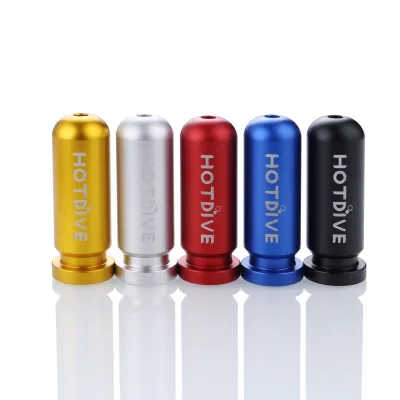
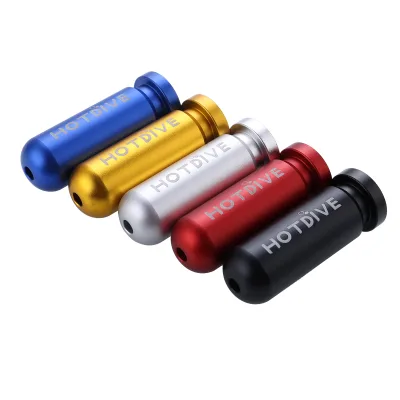
Commercial terms in this category are unusually accessible to small buyers, and the observed listings show why. One equalization tool listing declares an MOQ of ten pieces with a unit price range of roughly eight to nine dollars; a branded pulling system lists an MOQ of five pieces at thirteen to twenty dollars; a customized pulling system starts at one hundred pieces at fourteen and a half to eighteen dollars; and a fish-tail aluminum noseclip lists thirty pieces at roughly six to seven dollars. These figures let you plan a tiered entry: sample at the lowest MOQ, validate demand, then move to the customized, higher-MOQ tier once volumes justify tooling and color customization, which several listings explicitly accept.
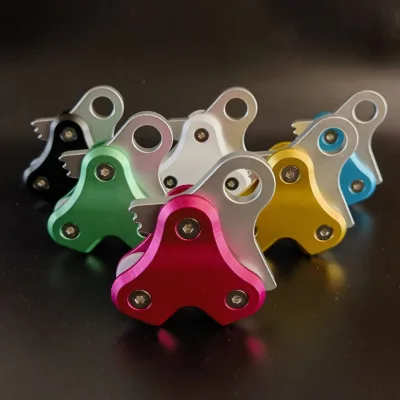
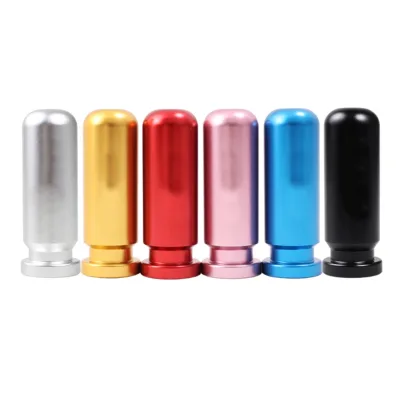
Structure your order plan around the declared lead time and supply ability. With a lead time near twenty days quoted in the observed data and a stated capacity of five hundred pieces per month on one item, a small brand can realistically run quarterly replenishments without heavy inventory. Negotiate payment in stages on first orders, use escrow-backed or trade-assurance transactions where the platform offers them, and confirm whether logo printing and color choices — gold, silver, pink, blue and others are listed as available — affect price or lead time. Get the model number, material, weight, packaging and dispatch port written into the purchase order, and agree an acceptance-inspection standard tied to your approved sample. Finally, reorder the identical model number to avoid silent specification changes between batches.
FAQs
What is an Aluminum Freediving Equalization Tool used for?
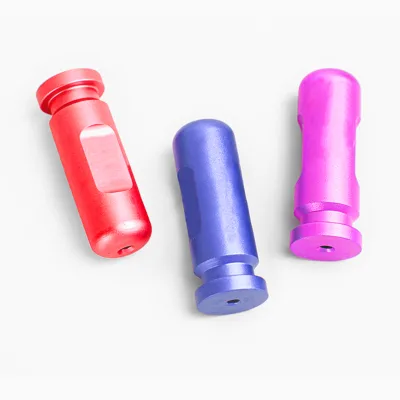
An Aluminum Freediving Equalization Tool helps divers practice equalization techniques on dry land or between dives. Lightweight aluminum construction resists corrosion in saltwater and keeps the tool portable for travel. Many models in this category are also designed as training safety accessories, such as line pulling devices for 8 to 10mm freediving ropes used during depth training sessions.
What is the typical MOQ when sourcing these tools from China?
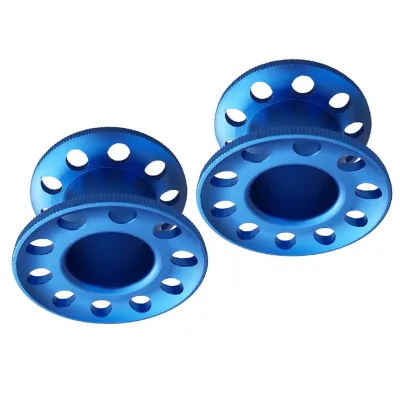
Reported MOQs in this category vary widely by product type, from as low as 5 pieces for aluminum line pulling systems to 10 pieces for equalization tools, 20 for multi dive tools, 30 for noseclips, and 100 pieces for customized pulling system tools. Confirm the exact MOQ for your chosen model directly with the supplier before ordering samples.
What price range should buyers expect for aluminum freediving tools?
Listed prices on this page range from about 5.86 to 7.25 dollars per piece for aluminum noseclips, 8.00 to 9.10 dollars for equalization tools, and 13.00 to 20.00 dollars for line pulling systems. Final pricing usually depends on order quantity, customization, and finish, so request a formal quotation for your target volume.
Can suppliers customize the color and logo of these aluminum tools?
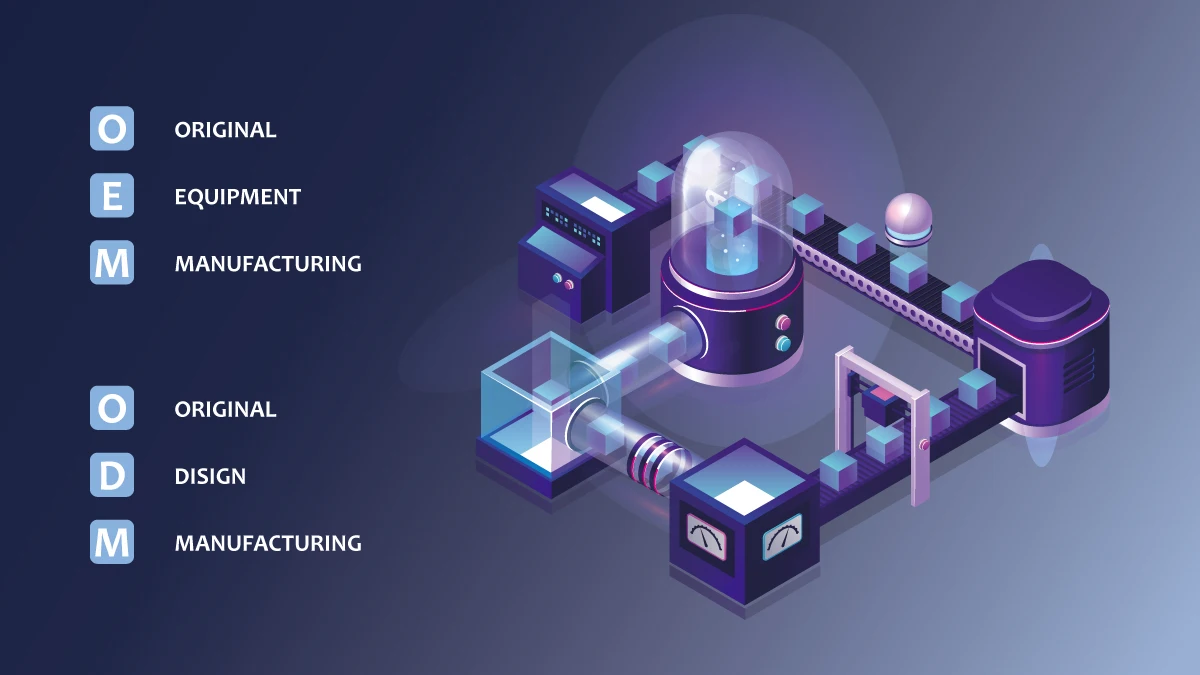
Yes, customization is commonly available. Several aluminum freediving tools on this page list options for custom logo printing and customized colors, including gold, silver, pink, blue, yellow, beige, and red. Suppliers under OEM or ODM arrangements typically accept custom branding, but minimum order quantities for customized pulling system products are higher, often around 100 pieces.
What materials are used in these freediving equalization and pulling tools?
Most products in this category use aluminum or aluminum alloy for a lightweight, corrosion-resistant body suited to saltwater use. One multifunction dive tool on this page is made from stainless steel 316, which also offers strong corrosion resistance. Always confirm the exact material grade, surface treatment, and finish with the supplier for your application.
What are typical lead times and response times for these suppliers?
A lead time of around 20 days is reported for suppliers on this page, with an average response time of about 3 hours. Lead times can vary by order size, customization level, and production season. Ask each supplier to confirm current production schedules and whether sample lead times differ from bulk order lead times.
Where are these freediving tools manufactured and shipped from?
The products listed on this page are manufactured in Shanghai and Jiangsu, China. The equalization tool and several pulling systems and accessories originate in Shanghai, while the customized pulling system tool originates in Jiangsu. Shanghai is also listed as a port of dispatch for some products, so clarify shipping terms and port options when requesting quotations.
Which rope sizes do aluminum freediving line pulling systems support?
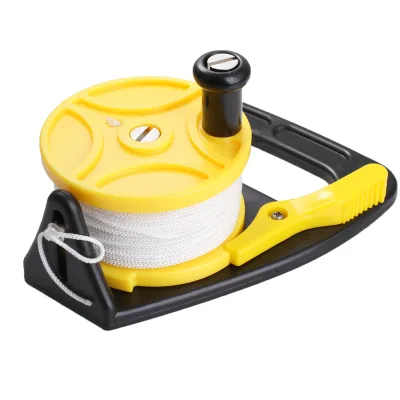
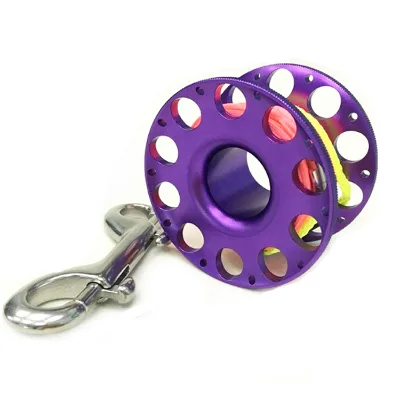
The aluminum pulling systems on this page are designed for freediving lines from 8 to 10mm in diameter, allowing effortless deployment and retrieval of the training line. If your training setup uses a different rope diameter, confirm compatibility with the supplier before ordering, since models list specific diameter ranges and customized sizes may be available.