Anti-Dandruff Hair-Repairing Hair Treatment Suppliers and Manufacturers
Source 26 verified suppliers for Anti-Dandruff Hair-Repairing Hair Treatment. Compare dimensions including location, lead time, MOQ, response time, and certifications. Review product specs and pricing to identify suitable partners for your business needs; review the available evidence before requesting comparable quotations from suitable candidates.
Suppliers List

Yangzhou Nano Aviation Technology Co., Ltd.
- Verified by SGS
- Combined
- China Jiangsu
- Lead time15 days
- Avg. response≤ 2h
Main marketsSoutheast Asia/ Mideast,Domestic

Suzhou Darpool Import and Export Co., Ltd.
- Verified by BV
- Trading Company
- China Jiangsu
- Lead time15 days
- Avg. response≤ 2h
Main productsShampoo, Body Lotion
Main marketsSoutheast Asia/ Mideast

Guangzhou Aixin Cosmetic Co., Ltd.
- Verified by TUVRHEINLAND
- Trading Company
- China Guangdong
- Lead time15 days
- Avg. response≤ 5h
Main productsSkin Care, Cosmetic, Face Mask, Beauty, Body Scrub, Face Care, Body Care, Skin Care Product, Mask, Cream
Main marketsDomestic

Beauty Cosmetics Skin Care Control Dandruff Treat Hair Loss Onion Hair Oil
$2.50 - $3.50
MOQ: 100 Pieces

Beauty Cosmetics Skin Care Control of Oil Anti-Hair Loss Hair Growth Oil
$2.20 - $3.00
MOQ: 100 Pieces
Guangzhou Youmei Cosmetic Co., Ltd.
- Verified by SGS Group
- Manufacturer, Trading Company
- Lead time7 days
- Avg. response≤ 2h
Main productsFace Cream, Facial Cleanser, Essential Oil, Body Scrub, Shampoo and Conditioner
Main marketsDomestic Market(80%), North America(5%), Southeast Asia(5%)
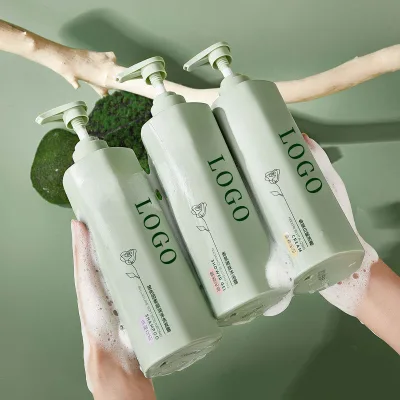
$2.46 - $2.87
MOQ: 1 pieces
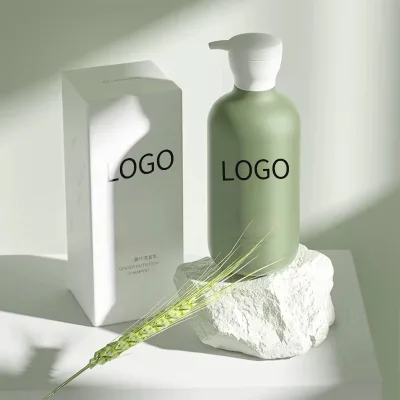
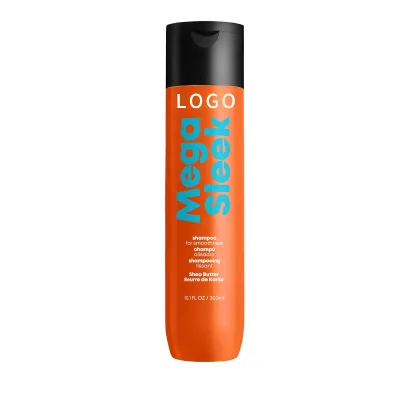

Guangdong Boda Cosmetics Co,.Ltd.
- Verified by BV
- Manufacturer/Factory
- China Guangdong
- Lead time23 days
- Avg. response≤ 6h
Main productsHair Bleaching Powder, Hair Dye, Hair Care, Shampoo, Hair Conditioner, Hair Bleach Cream, Silver Shampoo, Olaplex, Hair Perm, Hair Mask
Main marketsSouth America,Eastern Europe,Mid East,North America,Southeast Asia,Eastern Asia,Oceania,Western Europe,Africa

New Hair Care Product Hair Treatment Keratin Smoothing Treatment for Damaged Hair
$2.55 - $2.80
MOQ: 100 Pieces


Hair Care Products Collagen Shampoo Extra-Strength Daily Anti Dandruff Shampoo
$2.00 - $2.50
MOQ: 24 Pieces


Repairing Hair Products Nutrient-Nourishing Shampoo Best Treatment Hair Shampoo and Conditioner
$2.00 - $2.50
MOQ: 24 Pieces

Guangzhou Sevich Biology Technology Co., Ltd.
- Verified by SGS
- Trading Company
- China Guangdong
- Lead time15 days
- Avg. response≤ 5h
Main productsHair Building Fibers, Hair Fiberes, Keratin Hair Fibers, Keratin Fiber Powder, Hair Fibers Building, Hair Loss Treatment, Hair Loss Concealer, Hair Loss Men, Hair Loss Women
Main marketsSouth America,Southeast Asia/ Mideast,East Asia(Japan/ South Korea),Europe,Australia,North America

Gray Hair Reversal Repair Lotion Treatment Spray Anti Grey Hair Scalp Conditioner
$1.74 - $1.90
MOQ: 1000 Pieces

Hair Growth Treatment Products Strengthening Repair Hair Growing Serum Oil
$1.34 - $1.89
MOQ: 500 Pieces

Hair Treatment Conditioner Repair Hair Dry Hair Care Leave-on Conditioner
$1.25 - $1.99
MOQ: 50 Pieces


Hangzhou Zishi Technology Co., Ltd.
- Verified by TUVRHEINLAND
- Trading Company
- China Zhejiang
- Lead time15 days
- Avg. response≤ 4h
Main productsmedical hygienic cause, drug wholesale; Veterinary drug management
Main marketsAfrica

Reina Cosmetics (Guangzhou) Co., Ltd.
- Manufacturer/Factory
- China Guangdong
- Lead time30 days
- Avg. response≤ 24h
Main productsSkin Care Products, Hair Care Products, Personal Care Products, Hair Color and Perm Products, Sunscreen Products, Minoxidil, Suncare Products, Body Care Products, OTC Personal Care, Aerosol Personal Care
Main marketsSouth America,Eastern Europe,Mid East,North America,Southeast Asia,Eastern Asia,Oceania,Western Europe

Guangzhou Beaver Cosmetic Co., Ltd.
- Verified by BV
- Combined
- China Guangdong
- Lead time30 days
- Avg. response≤ 4h
Main productsHair Care, Hair Styling, Hair Building Fiber, Hair Smoothing Treatment, Body Care, Hand Care, Pet Care
Main marketsAfrica,Others(foreignTradeCapacity.exportBusinessCapacityMarketOther),Southeast Asia/ Mideast,East Asia(Japan/ South Korea),Europe,Australia,North America

SUZHOU LONGLIFU IMP. & EXP. CO., LTD.
- Verified by TUVRHEINLAND
- Manufacturer/Factory
- China Jiangsu
- Lead time23 days
- Avg. response≤ 7h
Main productsDaily Chemicals, Skin Care Products, Hair Care Products, Oral Care, Household Cleaning Products, Cosmetics, Animal Care, Perfume, Pet Care Products
Main marketsSouth America,Mid East,Southeast Asia,Eastern Asia,Western Europe,Africa


400ml Nourishing Hair Repair No Silicone Anti-Dandruff Shampoo Nourish Shampoo
$0.45 - $0.50
MOQ: 5000 Pieces

Hangzhou Huiji Biotechnology Co., Ltd.
- Verified by BV
- Combined
- China Zhejiang
- Lead time30 days
- Avg. response≤ 6h
Main productsShampoo, Detergent, Dish Washing, Hand Liquid Soap, Air Freshener, Conditioner, Urinal Block, Shower Gel, Glass Cleaner, Floor Cleaner
Main marketsSouth America,Africa,Southeast Asia/ Mideast,East Asia(Japan/ South Korea),Domestic,Europe,Australia,North America

Fully Cosmetic (GZ) Co., Limited
- Verified by TUVRHEINLAND
- Trading Company
- China Guangdong
- Lead time30 days
- Avg. response≤ 6h
Main productsHair Building Fibers, Hair Dye Fast Color Mousse, Hairline Powder, Hair Dye, Hair Shampoo, Spray Applicator, 360 Degree Mirror, Fastcolor Comb, Hair Conditioner, Hairline Optimizer
Main marketsOthers(foreignTradeCapacity.exportBusinessCapacityMarketOther)
Guangzhou Sun Young Cosmetics Co., Ltd.
- Verified by Intertek
- Trading Company
- Guangdong, China
- Lead time0 days
Main productsHair Care, Hair Dye, Hair Styling, Body Care, Hair Treatment

Guangzhou Mebamy Cosmetics Co., Ltd.
- Verified by TUVRHEINLAND
- Manufacturer/Factory
- China Guangdong
- Lead time15 days
- Avg. response≤ 5h
Main productsFace Serum, Soap, Face Cream, Sunscreen, Eyelash Growth Serum, Teeth Whitening, Face Mask, Facial Cleanser, Essential Oil, Hair Care Series
Main marketsNorth America,Western Europe


Repair Hair Smooth and Improve Dry and Frizzy Hair Care Hair Growth Oil
$2.50 - $2.69
MOQ: 1000 Pieces

Guangzhou AOMA Biological Technology Co., Ltd.
- Verified by CTI
- Trading Company,Manufacturer/Factory
- China Guangdong
- Lead time15 days
- Avg. response≤ 10h
Main productsHyaluronic Acid Filler, Mesotherapy Solution, Plla Filler, Dermal Filler, Hyaluronic Aicd Injection, Lips Filler, Lipolytic Solution, Sodium Hyaluronate, 100iu Injection
Main marketsSouth America,Eastern Europe,Mid East,North America,Southeast Asia,Eastern Asia,Oceania,Western Europe,Africa
Guangzhou Aining Technology Co. LTD
- Verified by TüVRheinland
- Trading Company
- Lead time5 days
- Avg. response≤ 2h
Main productsHair Fiber, Hair Vitamin Capsule, Hair Care Oil, Beard Care, Hair Styling Product
Main marketsNorth America(30%), Northern Europe(10%), Southern Europe(10%)

Zhaoqing Kaijoe Technology Co., Ltd.
- Verified by TUVRHEINLAND
- Combined
- China Guangdong
- Lead time23 days
- Avg. response≤ 6h
Main productsHair Shampoo, Hair Conditioner, Hair Gel, Hair Color, Bleaching Powder, Hair Dye, Bleching Powder, Hair Treatment, Hair Serum
Main marketsSoutheast Asia/ Mideast
Guangzhou Hodm Professionals Cosmetics Co., Ltd.
- Manufacturer, Trading Company
- Lead time旺季: "1 - 1000":10,"1001 - 2000":15,"> 2000":"To be negotiated", 淡季: "1 - 1000":10,"1001 - 2000":15,"> 2000":"To be negotiated"
- Avg. response≤ 1h
Main productsShampoo & Conditioner, Hair Oil, Hair Mask, Hair Styling Products, Hair Care Spray
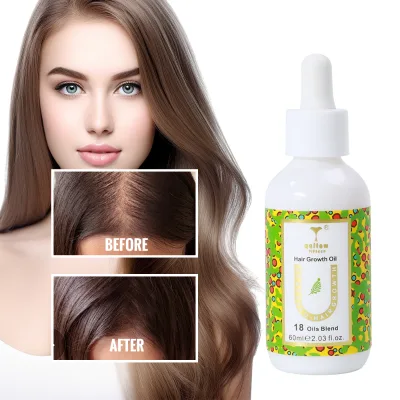
Wholesale Anti Hair Loss Organic Strengthening Repair Hair Treatment Extract Hair Growth Oil
$1.72 - $2.24
MOQ: 50 pieces
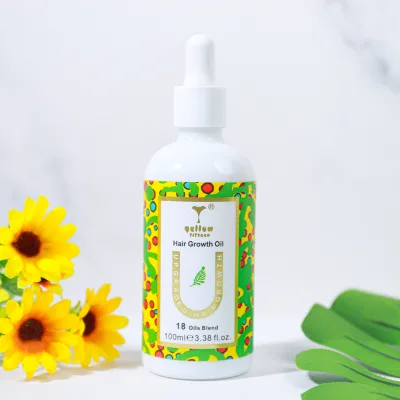
Yellow Fifteen U Wholesale Anti Hair Loss Organic Repair Hair Treatment Extract Hair Growth Oil
$1.62 - $1.66
MOQ: 50 pieces

Zhejiang Jifu Daily Chemical Co., Ltd
- Verified by SGS
- Combined
- China Zhejiang
- Lead time30 days
- Avg. response≤ 4h
Main productsDetergent, Laundry Detergent, Shampoo, Liquid Hand Soap, Hand Sanitizer, Softner, Shower Gel, Body Wash, Dishwash Detergent, Conditioner
Main marketsSouth America,Africa,East Asia(Japan/ South Korea),Domestic,Australia,North America


Black Hair Shampoo & Hair Dye Shampoo for Natural Hair Color, Hair Care, and Hair Treatment
$1.51 - $4.98
MOQ: 10000 Pieces
NANTONG TIANLAN COSMETICS CO., LTD.
- Combined
- China Jiangsu
- Lead time30 days
- Avg. response≤ 13h
Main productsSkin Whitening Cream, Toothpaste, Shampoo, Essential Balm, Balm, Cosmetics, Cream, Baby Powder, Inhaler, Hair Relaxer
Main marketsSouth America,Africa,Southeast Asia/ Mideast

MOQ: 20000 Pieces

MOQ: 20000 Pieces

MOQ: 30000 Pieces

MOQ: 30000 Pieces

MOQ: 30000 Pieces

Guangzhou Yiyi Biotechnology Co., Ltd.
- Verified by BV
- Trading Company,Manufacturer/Factory
- China Guangdong
- Lead time45 days
- Avg. response≤ 4h
Main productsSkin Care, Hair Care, Body Care
Main marketsSouth America,Eastern Europe,Mid East,North America,Southeast Asia,Eastern Asia,Oceania,Western Europe,Africa

Hony(Guangdong) New Material Co., Ltd.
- Combined
- China Guangdong
- Lead time15 days
- Avg. response≤ 25h
Main productsShampoo, Skin Care Products, Hair Conditioner, Facial Cream, Sunscreen, Body Wash, Body Care Products, Hair Care Products, Silicone Oil & Emulsions, Emollients&Humectants
Main marketsSouth America,Africa,Southeast Asia/ Mideast,East Asia(Japan/ South Korea),Domestic,Europe,Australia,North America

Hubei YJT Intelligent Technology Group Co., Ltd.
- Verified by SGS
- Combined
- China Hubei
- Lead time15 days
- Avg. response≤ 1h
Main productsLaser Treatment Instrument, Physiotherapy Rehabilitation, Medical Laser Physical Therapy, Rehabilitation Therapy Equipment, Low Level Laser Therapy, Home Healthcare, Laser Acupuncture, Cold Laser Treatment Instrument, Health Care, Health Care Cold Laser Therapeutic
Main marketsSoutheast Asia/ Mideast,East Asia(Japan/ South Korea),Domestic,Europe,Australia,North America

Immense Care (Suzhou) Biotechnology Co., Ltd.
- Verified by TUVRHEINLAND
- Trading Company
- China Jiangsu
- Lead time30 days
- Avg. response≤ 23h
Main productsHand Sanitizer
Main marketsEurope

- Verified by BV
- Trading Company
- China Guangdong
- Lead time15 days
- Avg. response≤ 7h
Main productsShampoo, Hair Care, Hair Styling, Hair Dry Product, Conditioner, Body Product, Skin Product
Main marketsDomestic,North America
Guangzhou Yucaitang Cosmetics Co., Ltd.
- Verified by SGS Group
- Manufacturer, Trading Company
- Lead time25 days
- Avg. response≤ 3h
Main productsHair Dye Shampoo, Hair Building Fibers, Anti-hair Loss Shampoo, Hair Color Cream, Argan Oil
Main marketsAfrica(26%), South Asia(15%), North America(10%)
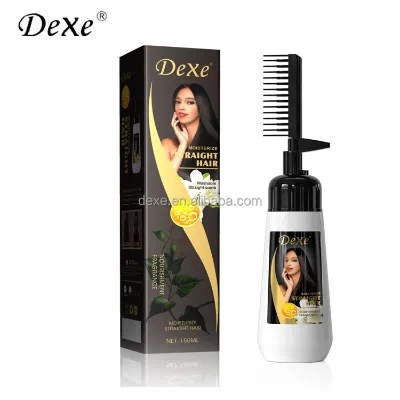
$0.59 - $1.29
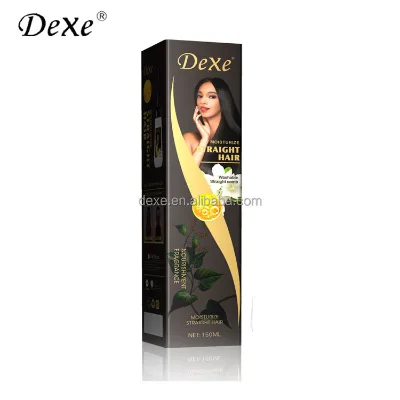
$0.59 - $1.29


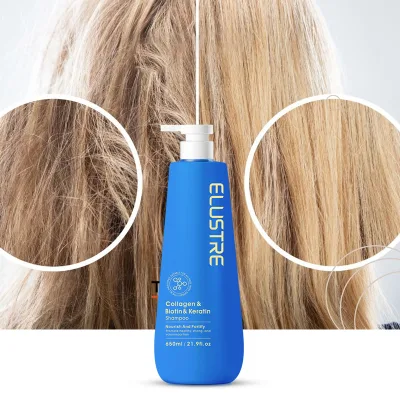





Comprehensive Sourcing Guide
Anti-Dandruff Hair-Repairing Hair Treatment Supplier Concentration and Factory Types
Current data indicates a concentration of suppliers in China Jiangsu and China Guangdong, with specific product origins listed as Jiangsu, China. These regions host a mix of combined companies and trading companies that offer hair care solutions. Some entities are verified by SGS, while others hold BV verification status, suggesting varying levels of third-party assessment. The available product evidence shows a range of offerings, including anti-dandruff shampoos and various hair treatments, with specific models like JJ-31-1 and JJ-17-1 appearing in the results. This geographic clustering allows buyers to potentially consolidate logistics, though the exact number of active factories in these zones is not fixed in the current dataset.
Factory types vary significantly among the results, with some operating as combined entities capable of ODM services and others functioning strictly as trading companies. The presence of ODM capacity suggests that some suppliers can handle custom formulation and manufacturing, while trading companies may focus on sourcing and logistics. Main products listed include shampoo, body lotion, and various hair treatments, indicating that many suppliers operate within a broader personal care portfolio rather than specializing solely in anti-dandruff treatments. Buyers should verify if a supplier's primary focus aligns with their specific volume needs, as trading companies might offer different flexibility compared to direct manufacturers with established R&D capabilities.
How to Verify Anti-Dandruff Hair-Repairing Hair Treatment Suppliers
Verification is a critical step when evaluating suppliers for hair care products, as the current results show mixed verification statuses including SGS and BV. Buyers must confirm that the specific supplier they engage holds the claimed certification, as not all entities in the search results may maintain active verification. The presence of a verification badge does not guarantee product quality for every item listed, so cross-referencing the supplier's current status with the specific product model is essential. For instance, while some listings show SGS verification, others may only display BV, and the scope of these certifications regarding chemical ingredients or manufacturing processes should be explicitly requested.
Beyond third-party verification, buyers should assess the supplier's response time and communication reliability as indicators of operational stability. The observed response times in the data range from 1.33 to 1.85, which can serve as a benchmark for expected communication speed. A supplier with a slower response time might indicate a larger volume of inquiries or less dedicated support staff, potentially affecting project timelines. Additionally, checking the customization availability and service types like OEM or ODM is vital to ensure the supplier can meet specific formulation requirements for anti-dandruff treatments. Buyers should request proof of these capabilities directly rather than relying solely on the initial search result summary.
What to Compare Across Anti-Dandruff Hair-Repairing Hair Treatment Suppliers
When comparing suppliers, key dimensions include lead time, minimum order quantity (MOQ), and pricing structures, all of which vary across the available results. Lead times observed in the data are around 15 days, but this figure should be confirmed for each specific order as it may fluctuate based on production schedules. MOQs also differ significantly, with some products requiring 1,000 units while others demand 5,000 units, directly impacting the initial investment and inventory risk for the buyer. Pricing ranges from approximately $0.40 to $1.60 per unit depending on the product type, such as shampoo versus specialized treatments, necessitating a detailed cost analysis before committing to a supplier.
Product attributes and specifications provide another layer for comparison, including volume, form, and ingredient composition. The data shows products ranging from 250ml to 400ml volumes, with forms varying between lotion and cream, and ingredients listed as chemical or organic. Buyers must verify if the specific product attributes, such as pH levels or hair type suitability, match their target market requirements. Furthermore, the availability of customization services, including private labeling and custom packaging, should be evaluated against the supplier's stated capabilities. Comparing these technical details ensures that the selected supplier can deliver a product that meets both regulatory standards and consumer expectations for anti-dandruff efficacy.
Common Anti-Dandruff Hair-Repairing Hair Treatment Sourcing Risks
One significant risk involves the variability in product standards and ingredient claims, as the data lists both chemical and organic formulations without a unified standard. Buyers must ensure that the specific product they order adheres to the intended safety and efficacy standards, as "organic" claims require rigorous verification to avoid regulatory issues in the destination market. The presence of different product models and specifications suggests that quality control processes may vary between suppliers, making it essential to request batch testing reports or certificates of analysis for each shipment. Relying on general product descriptions without specific test results can lead to inconsistencies in the final product quality.
Another risk relates to the reliability of supply chain commitments, particularly regarding lead times and production capacity. While a lead time of 15 days is noted in the data, this may not account for potential delays in raw material sourcing or production bottlenecks. Trading companies may face additional layers of coordination that could extend delivery times compared to direct manufacturers. Additionally, the variation in MOQs means that smaller buyers might face higher per-unit costs or be forced to order more inventory than necessary, increasing storage costs and financial risk. Buyers should establish clear contractual terms regarding penalties for delays and quality deviations to mitigate these potential disruptions.
Anti-Dandruff Hair-Repairing Hair Treatment Regional Sourcing and Logistics
Sourcing from China Jiangsu and China Guangdong offers logistical advantages due to established manufacturing clusters, but buyers must verify the specific origin of each product. The data confirms product origins in Jiangsu, China, and general origins in China, which influences shipping routes and customs procedures. Suppliers in these regions may have different export capabilities and experience with international logistics, affecting the overall cost and speed of delivery. Buyers should confirm the exact port of loading and the supplier's experience with shipping to their specific destination to avoid unexpected freight charges or delays.
Logistics planning must also account for the packaging specifications and volume requirements of the order. The data indicates standard packaging options as well as customized packing, which can impact container loading efficiency and shipping costs. For instance, products packed in boxes with specific carton quantities like 12PCS/CTN require precise calculation to maximize container space. Buyers should work with suppliers to optimize packaging dimensions to reduce freight costs, especially for high-volume orders. Additionally, understanding the shelf life of the products, which is listed as up to three years for some treatments, is crucial for planning inventory turnover and ensuring products remain viable during transit and storage.
Anti-Dandruff Hair-Repairing Hair Treatment Commercial Terms and Order Planning
Commercial terms vary significantly among suppliers, with payment methods including L/C, T/T, and Western Union, as indicated in the product evidence. Buyers must clarify the specific payment terms and conditions before placing an order, as these can affect cash flow and financial risk. Some suppliers may require a deposit before production begins, while others might offer more flexible terms for established clients. It is essential to negotiate terms that align with the buyer's financial policies and to ensure that the payment method provides adequate protection for both parties throughout the transaction process.
Order planning should be based on a realistic assessment of MOQs and lead times to ensure timely market entry. With MOQs ranging from 1,000 to 5,000 units, buyers need to calculate the optimal order quantity to balance inventory costs with demand forecasts. Lead times of approximately 15 days should be factored into the production schedule, allowing buffer time for quality inspections and potential delays. Buyers should also consider the customization lead time if private labeling or specific formulations are required, as these processes may extend the overall timeline. Careful planning ensures that the supply chain remains efficient and that the buyer can meet customer demand without overstocking or facing stockouts.
FAQs
What is the price range for Anti-Dandruff Hair-Repairing Hair Treatment products?
Prices for these treatments range from 0.40 to 1.60 per unit depending on the specific formulation and volume. Some shampoo options start at 1.00 while specialized conditioners may cost between 0.40 and 0.65. Buyers should verify exact pricing based on their required quantity and customization needs.
What are the minimum order quantities for these hair care products?
Minimum order quantities vary significantly by product type. Shampoo listings often require 1000 units, whereas certain conditioners and treatments may demand 5000 units. Buyers must check specific product pages to confirm the exact MOQ before placing an order for their business needs.
How long does it take to receive orders for these hair treatments?
Lead times for these products are typically around 15 days from order confirmation. This duration allows for production and quality checks before shipping. Buyers should confirm current lead times with suppliers as production schedules can fluctuate based on order volume and customization requirements.
Are these hair care products available for private label customization?
Yes, customization is available for many of these hair care products including private labeling. Suppliers offer OEM and ODM services to meet specific brand requirements. Buyers can request custom packaging and formulations while ensuring the product meets their specific market standards and regulatory needs.
Where are the manufacturers of these hair care products located?
Manufacturers are located in China, specifically in Jiangsu and Guangdong provinces. These regions are known for their robust personal care manufacturing capabilities. Buyers should verify the specific factory location to ensure logistics compatibility and to understand any regional shipping advantages or constraints.
What certifications do these suppliers hold for their hair care products?
Suppliers hold verification from recognized agencies such as SGS and BV. These certifications indicate that the suppliers have undergone specific quality and compliance audits. Buyers should request current certification documents to ensure the products meet international safety and quality standards for their target markets.
What is the typical response time for supplier inquiries?
Supplier response times are generally fast, averaging around 1.33 to 1.85 hours. This ensures quick communication regarding product details, pricing, and order status. Buyers can expect timely updates on their sourcing requests, facilitating faster decision-making and order placement processes.