anti-embolism compression stockings Suppliers and Manufacturers
Find 10 verified suppliers offering anti-embolism compression stockings with GRS and BSCI certifications. Compare response times, lead times, and MOQs directly. Contact suppliers to request samples or custom orders; review the available evidence before requesting comparable quotations from suitable candidates.
Updated
Suppliers List
Hangzhou Fishjumping Industry Co., Ltd.
- Verified by Intertek
- Manufacturer, Trading Company
- Lead time30 days
- Avg. response≤ 3h
Main productsSports Socks, Compression Socks, Yoga Pants, Tights, Pantyhose
Main marketsNorth America(65%), Eastern Europe(14%), Eastern Asia(6%)
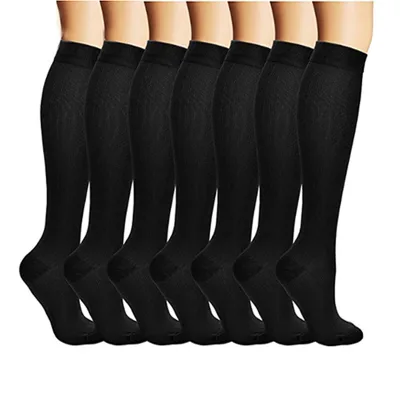
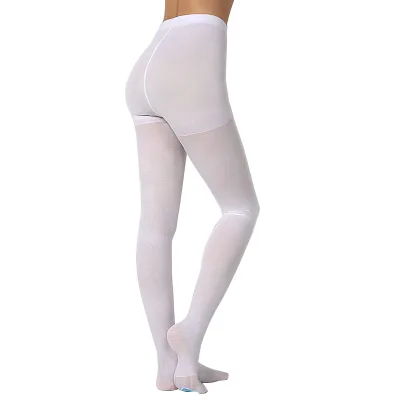
$1.6347 - $2.0449
MOQ: 500 pairs
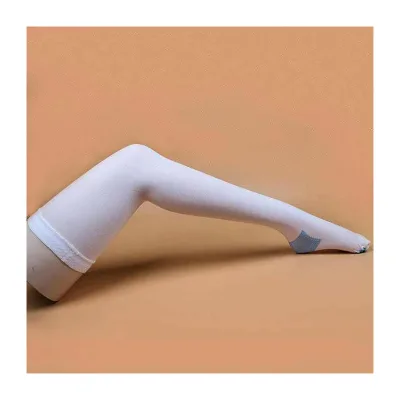
Thigh High Anti-embolism Stockings Medical Varicose Veins Compression Stockings
$3.0838 - $3.9057
MOQ: 50 pairs
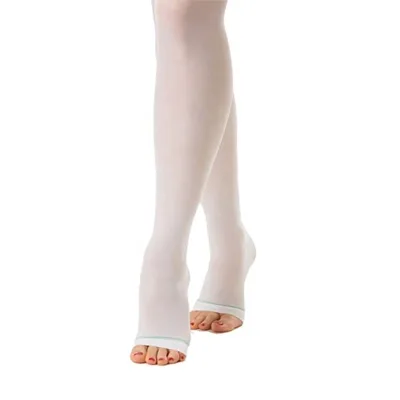
Graduated 15-20mmhg Thigh High Anti Embolism Medical Compression Stockings
$3.0838 - $3.6991
MOQ: 10 pieces
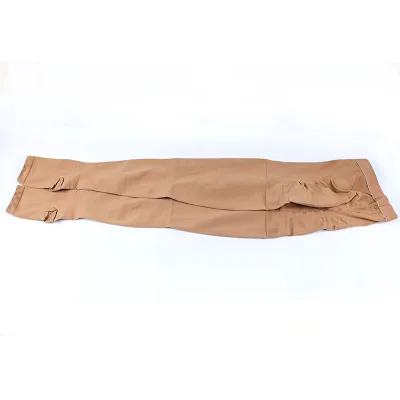
Anti Embolism High Compression Tights Thick Medical Stockings for Men and Women
$7.8143 - $8.3353
MOQ: 50 pieces
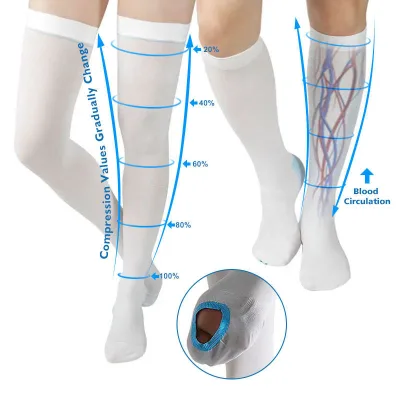
$1.4476 - $2.6781
MOQ: 1 Minimum

PLANET (ANHUI) INTERNATIONAL CO., LTD.
- Verified by BV
- Combined
- China Jiangsu
- Lead time60 days
- Avg. response≤ 3h
Main productsBandage, First Aid Kits, Band Aid, Wound Dressing, Foot Patch, Knee Brace, Knee Support, Knee Pad, Adhesive Tape, Compression Stocks
Main marketsNorth America

Anti-Embolism Thigh High Medical Compression Socks 13-18mmhg Compression Stockings
$2.53 - $2.82
MOQ: 2000 Pairs


Hospital Grade Materials Gradual Compression 13-18 Mmhg Medical Anti Embolism Compression Stockings
$2.19 - $2.43
MOQ: 2000 Pairs


Hangzhou Wehere Medical Technology Co., Ltd.
- Verified by BV
- Trading Company
- China Zhejiang
- Lead time30 days
- Avg. response≤ 3h
Main productsProtective Gown, Face Mask, Thermometer, Dust Mask, Respirator, Pulse Oximeter, Forehead Thermometer, Cadaver Bag, Isolation Gown, Surgical Drape
Main marketsSouth America,Africa,East Asia(Japan/ South Korea),Europe

Thigh High Medical Compression Stockings Anti Embolism Medical Compression Stockings
$3.52 - $4.65
MOQ: 50 Pairs

Anti Embolism Stockings Medical Compression Varicose Pantyhose Compression Socks Medical
$3.06 - $7.99
MOQ: 100 Pieces


Medical Anti Thrombotic Thigh High Stockings Compression Anti Embolism Open-Toe Stockings
$3.50 - $4.65
MOQ: 50 Pairs


Medical Anti Embolism Socks Knee High Stocking 15-20mmhg Nurse Compression Socks
$1.02 - $3.06
MOQ: 50 Pairs

HANGZHOU WEIZE IMP & EXP CO., LTD.
- Verified by TUVRHEINLAND
- Trading Company
- China Zhejiang
- Lead time30 days
- Avg. response≤ 3h
Main productsProtective Mask
Main marketsAfrica,Southeast Asia/ Mideast,Europe,North America

High Quality Compression Stockings Anti-Embolism Medical Compression Socks
$5.59 - $6.62
MOQ: 100 Pairs

Anti-Embolism Medical Compression Socks Knee High 13-18mmhg Compression Stockings
$3.53 - $4.41
MOQ: 100 Pairs


Wholesale Compression Stockings Anti-Embolism Knee High Medical Compression Socks
$3.28 - $4.62
MOQ: 100 Pairs

Hot Sale Anti-Embolism Compression Stockings 23-32mmhg Medical Socks Stockings
$3.45 - $4.49
MOQ: 50 Pieces

SHANGHAI TEAMSTAND CORPORATION
- Verified by BV
- Trading Company
- China Shanghai
- Lead time23 days
- Avg. response≤ 2h
Main productsHypodermic Syringe, Blood Collection Set, Infusion Set, Huber Needle, Breathing Circuit, Prefilled Syringe, Catheter and Tube, Hemodialyser, AV Fistula Needle, Biopsy Needle
Main marketsOthers(foreignTradeCapacity.exportBusinessCapacityMarketOther)

Anti Embolism Stockings Medical Compression Varicose Pantyhose Compression Socks
$3.50 - $4.65
MOQ: 50 Pairs

Knee Compression Medical Stockings Orthopedic Socks Anti Embolism Stockings
$3.00 - $6.00
MOQ: 1000 Pieces

Anti-Embolism Stockings Men Women Knee High Calf Length Compression Stockings
$3.00 - $6.00
MOQ: 1000 Pieces

High Elastic Nylon Anti Embolism Socks 23-32mmhg Medical Compression Stockings
$3.50 - $4.65
MOQ: 50 Pairs


Medical Anti Embolism Socks Knee High Stocking 15-20mmhg Nurse Compression Socks
$3.50 - $4.65
MOQ: 50 Pairs
Jinhua Beili Knitting Co., Ltd.
- Manufacturer, Trading Company
- Zhejiang, China
- Lead time30 days
- Avg. response≤ 1h
Main productscompression socks,medical compression socks,fashion socks,sports socks,socks
Main marketsNorth America(30.00%), Domestic Market(10.00%), Southern Europe(10.00%), Northern Europe(10.00%), Central America(10.00%), South America(10.00%), South Asia(5.00%), Southeast Asia(5.00%), Eastern Europe(5.00%), Oceania(1.00%), Western Europe(1.00%), Africa(1.00%), Eastern Asia(1.00%), Mid East(1.00%)
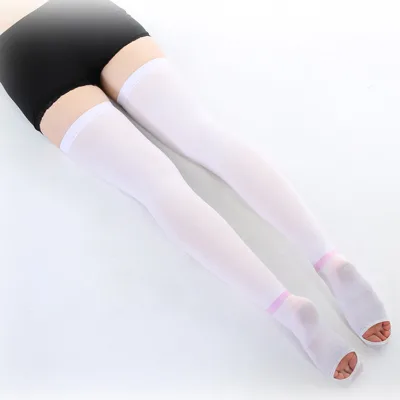
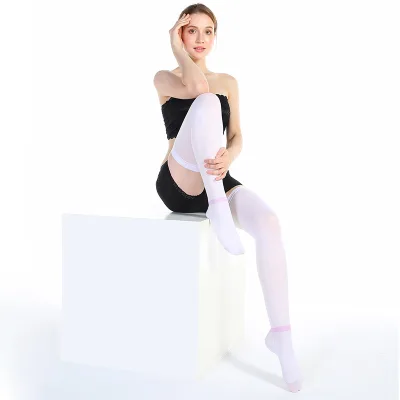
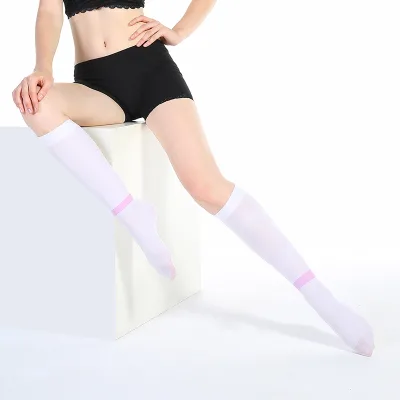
Medical Compression Stockings 15-21 Anti Embolism Compression Socks White Ted Hose Embolism Socks
$3.65 - $3.85
MOQ: 100 pairs
- Verified by TüVRheinland
- Manufacturer, Trading Company
- Lead time40 days
- Avg. response≤ 3h
Main productsMedical Wound Dressing, Medical Silicone Gel, Medical Compression Stocking, Medical Wound Closure Device, Silicone Gel Sheet Dressing
Main marketsDomestic Market(80%), Eastern Asia(8%), North America(3%)
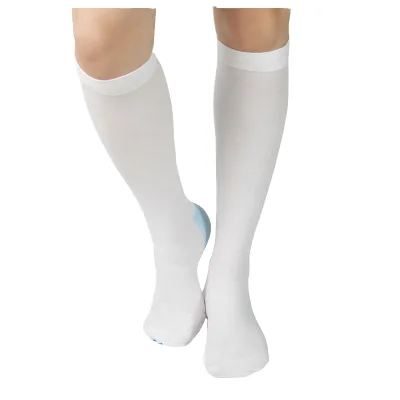
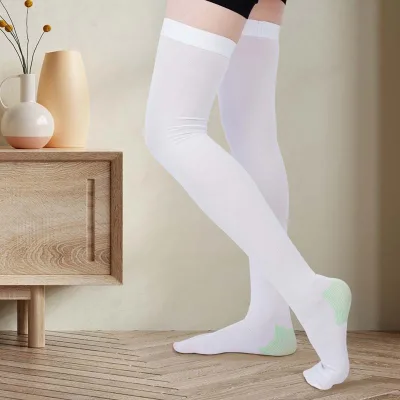
$5.6991 - $7.1497
MOQ: 10 pairs
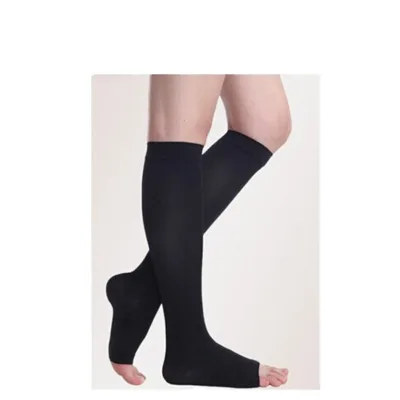
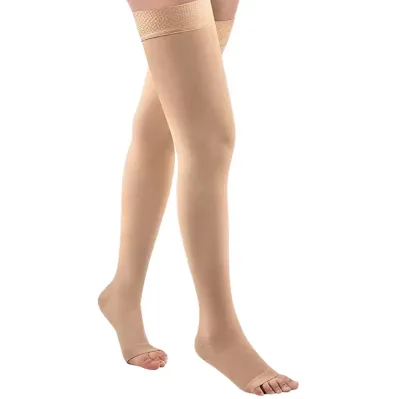
Zhejiang Compports Sports Socks Co., Ltd.
- Verified by SGS Group
- Manufacturer, Trading Company
- Lead time0 days
- Avg. response≤ 3h
Main productsMedical Compression Socks, Sports Socks, Anti slip socks, Tights, Sports Compression Sleeve
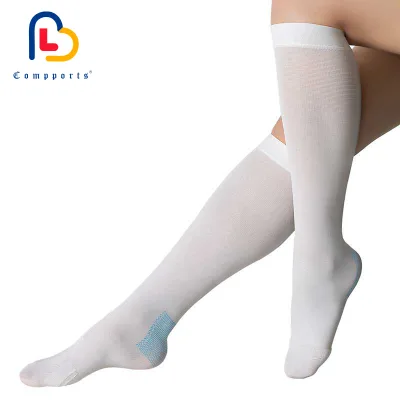
$1.8413 - $2.4177
MOQ: 20 pairs
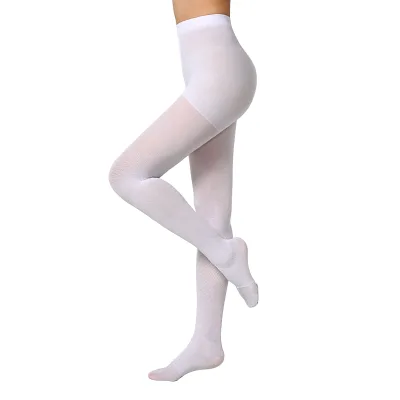
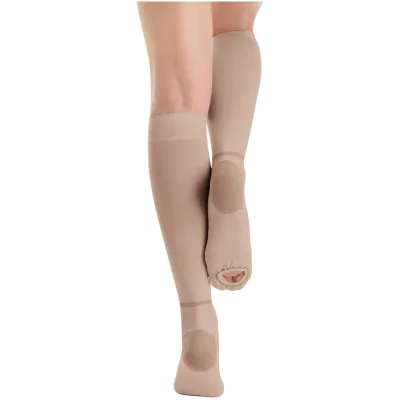
$1.1991 - $2.0748
MOQ: 2 pairs
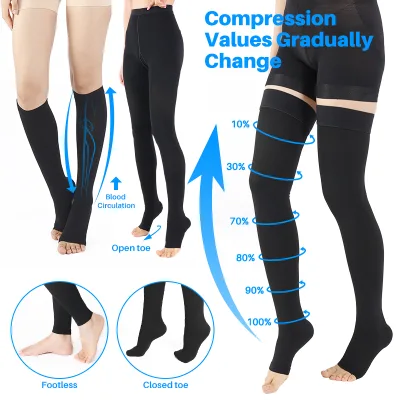
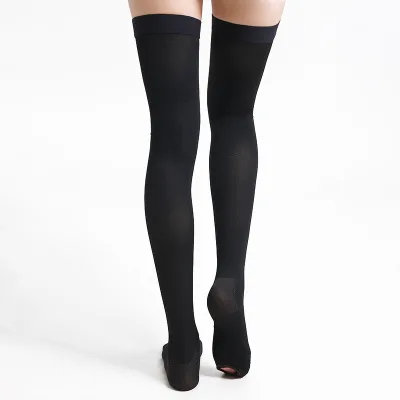
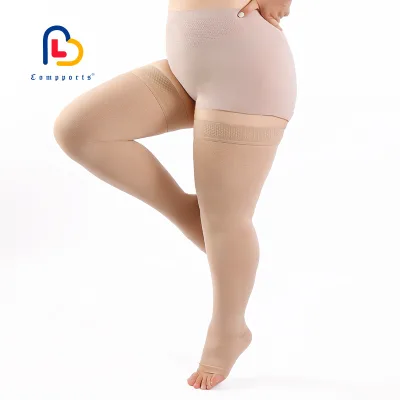
$2.3653 - $2.7665
MOQ: 500 pairs

Huaian Construction New Material CO., LTD.
- Verified by SGS
- Trading Company
- China Jiangsu
- Lead time15 days
- Avg. response≤ 5h
Main productsOrthopedic Cast Tape, Cast Padding, Elastic Bandage, Ice Cold Pack, Self Adhesive Bandage, Kinesiology Tape, Hot Water Bottle, Petrolatum Tape, Pipe Wrapping Tape, Pipe Repair Tape
Main marketsEurope,North America

2024 Hot Sale Anti-Embolism Medical Prevent Varicose Veins Compression Socks
$1.428 - $1.52
MOQ: 500 Pieces


Suzhou Hengxiang Import & Export Co., Ltd.
- Trading Company
- China Jiangsu
- Lead time15 days
- Avg. response≤ 20h
Main productsDust Mask, Bandage, Surgical Drape, Suture, Operation Lamp, First Aid Kits, Surgical Tape, Infusion Set, Blood Transfusion Set
Main marketsSouth America,Africa,Europe


Comprehensive Sourcing Guide
Anti-Embolism Compression Stockings Supplier Concentration and Factory Types
Sourcing results for anti-embolism compression stockings consistently point to Zhejiang Province in China as the stated place of origin for this product category. Listings in these results identify Zhejiang as the manufacturing base, which is typical for knitted hosiery production where circular-knitting capacity, yarn supply chains, and finishing services cluster together. Buyers should treat this regional signal as a starting point for factory searches, then confirm each supplier's exact facility address, whether production happens in-house, and which operations are subcontracted. Because the stated origin appears across multiple listings, it is reasonable to build a shortlist of Zhejiang-based candidates before widening the search to other knitting regions.
The supplier mix in this category includes both manufacturers and trading companies, with at least one result explicitly labeling itself as both. Manufacturers are generally better positioned for graduated compression engineering, custom logo work, and size-range adjustments such as S/M/L/XL/XXL or fully customized sizing. Trading companies can be useful when a buyer wants to consolidate sports compression socks, thigh-high medical stockings, and compression tights from multiple sources into one shipment. The main products listed in these results span sports compression socks, anti-embolism stockings, compression tights, yoga pants, and pantyhose, so buyers should check whether a supplier's core competence is medical-grade hosiery or general fashion legwear, since graduated compression tolerances require dedicated expertise.
How to Verify Anti-Embolism Compression Stockings Suppliers
Verification should begin with the supplier's own credentials and third-party checks. In the current results, one supplier carries a GRS system certification and an Intertek verification badge, which are meaningful trust signals but not universal across the category, so buyers must confirm what each individual supplier displays rather than assuming shared status. Product-level certifications matter even more for medical compression stockings: several listings state BSCI and ISO 13485 credentials, while another lists BSCI with ISO. Ask for certificate copies that are current, match the legal entity name, and cover the specific product being quoted. For anti-embolism stockings intended for hospitals or clinical retail, verify the claimed compression class through independent lab testing of finished samples rather than relying on catalog claims alone.
Beyond paperwork, verify capability through samples and direct communication. Results show sample availability on at least one listing, a stated response time of around three hours, and a standard lead time of roughly thirty days, all of which should be confirmed directly during first contact. Request details on knitting technology, needle detection, and quality control checkpoints; one listing confirms needle detection is performed, which is relevant for medical hosiery. Check whether the supplier offers light customization, sample processing, graphic processing, and on-demand customization, as stated for at least one supplier in the results. Finally, compare the registered establishment year, business scope, and export history so the company profile matches the order scale you intend to place.
What to Compare Across Anti-Embolism Compression Stockings Suppliers
Build a comparison table using the attributes actually displayed on supplier profiles and listings, while remembering that not every supplier shows every field. Useful dimensions include lead time, minimum order quantity, response speed, verification status, system certifications, location, company type, and main products. In the current results, MOQs vary widely, from as low as ten pieces on one thigh-high listing to fifty pieces on others and five hundred on a medical sock listing, so MOQ alone can determine which suppliers suit a pilot order versus volume production. Stated price ranges also differ by product type, with knee-high sports compression socks quoted lower per pair than thigh-high anti-embolism stockings, so always compare like-for-like lengths and compression levels.
Product-level comparisons should cover material composition, compression range, size options, packaging, and customization depth. The listings reference spandex and nylon blends, knitted construction, knee-length and thigh-high lengths, sizes from S through XL or XXL, and packaging formats such as polybags with insert cards or opp bags by the dozen. Supply capacity is another differentiator: one listing states a capacity of thirty-five thousand pairs per month, which buyers should verify against their own volume forecasts. Also compare which logo positions are supported, since one listing identifies cuff, body, bottom, and header-card placement options. Response time, escrow availability, and willingness to accept OEM service round out the practical comparison set.
Common Anti-Embolism Compression Stockings Sourcing Risks
The most serious risk in this category is compression inconsistency. Anti-embolism stockings depend on graduated pressure, typically stated as ranges like fifteen to twenty or twenty to thirty millimeters of mercury in the listings, and a supplier who excels at fashion hosiery may not hold tight tolerances across sizes and production runs. Mitigate this by requiring pre-production samples tested by an independent laboratory, then testing random units from each bulk shipment. A second risk is certification mismatch: a listing may display BSCI, ISO 13485, or GRS credentials that belong to a parent company, a different factory, or an expired audit. Always request the certificate document, check validity dates, and confirm the certificate holder matches the contracting entity.
Commercial and quality risks are equally common. Listings show product attributes such as snagging resistance, anti-slip cuffs, and breathable knits, but these claims require physical verification because descriptions are written for marketing. Sample order speed can be a hidden bottleneck; one listing explicitly states that seven-day sample lead time is not supported, so confirm realistic sampling timelines before committing. MOQ surprises are frequent when buyers assume all products in a catalog share one minimum; the results show minimums ranging from ten to five hundred pieces. Finally, trading-company intermediaries may mark up prices or obscure the actual factory, so clarify who performs knitting, finishing, and inspection, and who bears responsibility for defective goods.
Anti-Embolism Compression Stockings Regional Sourcing and Logistics
The listings in these results consistently state Zhejiang, China as the place of origin, which gives buyers a concrete region to target when mapping the supply base for this category. Zhejiang hosts dense knitting and hosiery infrastructure, and sourcing from that region can reduce the friction of finding qualified mills, yarn suppliers, and packaging vendors nearby. Buyers who source elsewhere should apply the same cluster-identification method: search the stated origin fields on supplier listings, note which regions repeat across multiple suppliers, and investigate whether knitting capacity and medical-hosiery experience genuinely exist there. Region matters less than demonstrated capability, but proximity to established clusters usually shortens sampling and production cycles.
On logistics, the listings state express or sea shipping options, with single gross weights around one hundred grams per pair for socks and roughly two hundred fifty grams for thigh-high stockings. Package dimensions are compact, such as twenty by thirteen by five centimeters for knee-highs and twenty-two by fifteen by ten centimeters for thigh-high items, which makes sea freight economical for bulk orders while express suits samples and urgent top-ups. One listing describes cartons of one hundred pieces measuring fifty-five by forty-five by thirty-five centimeters, a useful reference for calculating container utilization. Confirm Incoterms, consolidation options for mixed products such as socks plus tights, and whether the supplier exports regularly to your destination market with correct documentation.
Anti-Embolism Compression Stockings Commercial Terms and Order Planning
Commercial terms should be locked down in writing before any deposit. The results indicate a standard lead time of about thirty days and a stated response time of roughly three hours, which set reasonable expectations for planning but must be reconfirmed for each order, especially during peak seasons. Price references in the listings range from about one and a half to two and a half dollars for knee-high sports compression socks and roughly one dollar sixty to three dollars ninety for thigh-high medical and anti-embolism stockings, depending on style, material, and quantity. Treat these as indicative only; obtain quotes tied to your exact compression level, length, size mix, and packaging specification, and confirm whether packaging, labels, and logo printing are included in the quoted price.
Order planning should sequence MOQ, payment terms, and quality gates. With MOQs in the results spanning ten to five hundred pieces, start with the smallest viable batch on a new supplier, use escrow or a staged payment structure where available, and reserve final payment until post-shipment inspection results are accepted. Build a timeline that includes sample production, lab testing of compression performance, bulk production of around thirty days, shipping, and customs clearance, adding buffer for medical-market regulatory review on your side. Confirm stated monthly capacity, such as the thirty-five thousand pairs per month listed by one supplier, against your reorder schedule so a growing program is not constrained by a single under-capacity source.
FAQs
What compression levels are available for anti-embolism stockings?
Available compression levels include 15-20 mmHg and 20-30 mmHg for medical and sports use. These graduated pressures help prevent blood clots and reduce fatigue. Select the level based on specific medical needs or athletic recovery requirements for optimal performance.
What is the minimum order quantity for these stockings?
Minimum order quantities vary by product, ranging from 10 pairs to 500 pairs. Some suppliers accept small orders of 10 units for testing, while others require 500 pairs for custom medical stockings. Check specific listings to confirm the exact MOQ before placing an order.
How long does it take to receive a sample order?
Sample processing is available for most suppliers, but seven-day sample order lead times are not supported. Standard lead times for production are around 30 days. Verify specific sample availability and processing times directly with the supplier before requesting a quote.
Are these stockings suitable for both men and women?
Yes, many anti-embolism stockings are designed for unisex use, while others are specifically for women. Options include knee-high, thigh-high, and full tights styles. Check the gender specification and size chart for each product to ensure the correct fit for your intended user.
What certifications do the suppliers hold for these products?
Suppliers often hold GRS, BSCI, and ISO certifications for their manufacturing processes. Some products specifically list BSCI and ISO standards to ensure quality and ethical production. Verify the specific certification details on the product page to confirm compliance with your sourcing requirements.
Can I customize the logo and packaging for these stockings?
Customized logos and labels are accepted by many suppliers offering OEM services. You can often request specific packaging details like polybags or color cards. Confirm the customization options and any additional costs with the supplier before finalizing your order specifications.
What materials are used to make these compression stockings?
Common materials include Spandex and Nylon blends for durability and elasticity. The knitted technics ensure breathability and comfort during wear. Check the product attributes for specific material compositions to ensure they meet your comfort and performance standards.