Anti Fall Pillow Baby Backpack Suppliers and Manufacturers
Source 28 verified suppliers for Anti Fall Pillow Baby Backpack products. Compare lead times, certifications like EN 71 and ASTM F963, and MOQs. Request samples to evaluate quality and customization options; review the available evidence before requesting comparable quotations from suitable candidates.
Suppliers List
Suzhou Mygreen Textiles Co., Ltd.
- Verified by Intertek
- Trading Company
- Lead time15 days
Main productsBaby Blanket, Plush Toy, Baby Clothes, Baby Towel
Main marketsNorth America(35%), Eastern Europe(25%), South America(5%)

Kingsun Baby Products Co., Ltd.
- Verified by TUVRHEINLAND
- Trading Company,Manufacturer/Factory
- China Guangdong
- Lead time23 days
- Avg. response≤ 5h
Main productsBaby Bottle, Nipple, Pacifier, Breast Pump, Teethers, Baby Water Bottle, Nasal Aspirator, Baby Dinner Set, Baby Products, Feeding Accessories
Main marketsSouth America,Eastern Europe,Mid East,North America,Southeast Asia,Oceania,Western Europe,Africa

Ningbo Best Travel Industry and Trade Co., Ltd.
- Verified by BV
- Manufacturer/Factory
- China Zhejiang
- Lead time45 days
- Avg. response≤ 11h
Main productsTrolley Bag, Travel Bag, Shopping Bag, Backpack, Diaper Bag, Cooler Bag, First Aid Bag, Polyester Luggage, ABS PC Luggage
Main marketsSouth America,Eastern Europe,Mid East,North America,Southeast Asia,Eastern Asia,Oceania,Western Europe,Africa

Guangzhou Fu Li Ya Industry Co., Ltd.
- Verified by TUVRHEINLAND
- Combined
- China Guangdong
- Lead time30 days
- Avg. response≤ 10h
Main productsShopping Bag, Promotional Bag, Canvas Bag, Polyester Bag, Cotton Bag, Tote Bag, Non Woven Bag, Garment Bag, Cooler Bag, Hand Bag
Main marketsEurope,North America

ANHUI GOOD LUCK INDUSTRIAL CO., LTD.
- Verified by BV
- Trading Company
- China Anhui
- Lead time15 days
- Avg. response≤ 3h
Main productsCosmetic Bag, Backpack, Lunch Bag, Cooler Bag, Shopping Bag, Diaper Bag, Sports Bag, Handbag, Beach Bag, Make up Bag
Main marketsSouth America,Africa,Southeast Asia/ Mideast,East Asia(Japan/ South Korea),Domestic,Europe,Australia,North America

QINGDAO KINGSOO GARMENT CO., LTD.
- Verified by SGS
- Trading Company,Manufacturer/Factory
- China Shandong
- Lead time30 days
- Avg. response≤ 6h
Main productsCloth Diaper, Cloth Nappy, Baby Diaper, Baby Nappy, Wet Bag, Sanitary Pads, Pet Diaper, Pet Nappy
Main marketsSouth America,Eastern Europe,North America,Southeast Asia,Western Europe
Ningbo General Union Co., Ltd.
- Verified by SGS
- Trading Company
- China Zhejiang
- Lead time45 days
- Avg. response≤ 9h
Main productsChristmas Tree, Party Supply, Christmas Ball, LED Light Strip, Halloween Product, Holiday Decoration, Santa Claus, Valentine's Day Product, Balloon Decoration, Birthday Decoration
Main marketsSouth America,Europe,North America

- Verified by CTI
- Manufacturer/Factory
- China Fujian
- Lead time23 days
- Avg. response≤ 5h
Main productsTrolley Luggage, Travel Bags, School Bag, Cooler Bag, Special Backpack, Delivery Bag, Picnic Bag, Hunting Bag, Duffel Bag, Rolling Bag
Main marketsMid East,North America,Southeast Asia,Western Europe


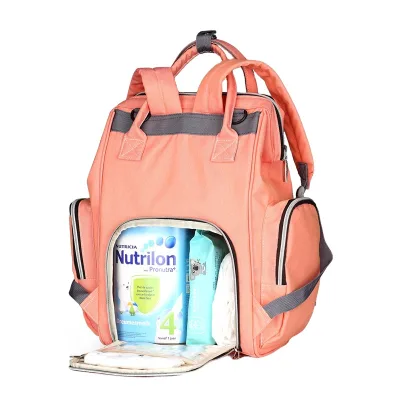
Large Multifunction Lightweight Waterproof Travel Baby Diaper Changing Backpack
$4.25 - $11.88
Moq: 500


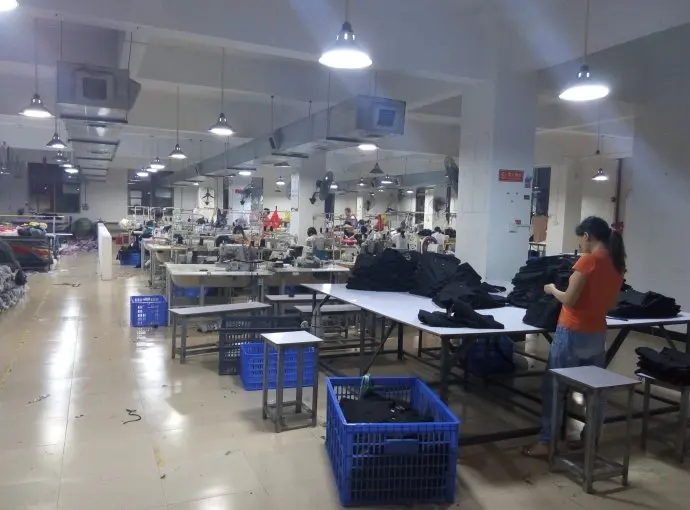
Shantou Minxin Clothing Co., Ltd.
- Manufacturer, Trading Company
- Guangdong, China
- Lead time5 days
- Avg. response≤ 5h
Main productsBaby Sleeping Bag, Baby Swaddle Blanket, Baby Products, Baby Clothing, Baby Sleeping Pillow
Main marketsDomestic Market(90.0%), Southeast Asia(5.0%), Eastern Europe(3.0%), North America(2.0%)

- Verified by SGS
- Trading Company
- China Zhejiang
- Lead time0 days
- Avg. response≤ 14h
Main productsTents, BBQ Grill, Luggage, Kids Toy, Fitness Equpments, Cookware, Kitchen Utensils and Gadgets, Yoga Mat, Bathroom Rugs, Pets Items
Main marketsSouth America,Eastern Europe,Mid East,North America,Southeast Asia,Eastern Asia,Oceania,Western Europe,Africa

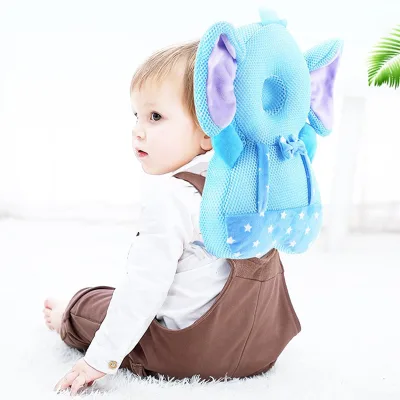
Cushion Toddler Head Protection Backpack Baby Drop Pillow with Knee Pads&Anti-Slip Socks
$3.06 - $3.08
Moq: 1000


PUYANG SELFAIDING INDUSTRIAL CO., LTD.
- Verified by SGS
- Manufacturer
- China Henan
- Lead time15 days
- Avg. response≤ 2h
Main productsAdult Bib, Pet Pad, Underpad, Baby Bib, Protective Panties, Washable Sanitary Pad, Compression Stockings, Patient Care Clothing, Pet Nest, Pet Toy

Xiamen Lemay Trading Co., Ltd.
- Trading Company,Manufacturer/Factory,Other
- China Fujian
- Lead time23 days
- Avg. response≤ 2h
Main productsHyration Pack, Water Bladder, Dry Bag, Self-Inflatable Mattress, Outdoor Furniture, Camping Equipment, Quick Tent, Insulation Bag, Gym Protection, Sports
Main marketsSouth America,Eastern Europe,Mid East,North America,Southeast Asia,Eastern Asia,Oceania,Western Europe,Africa

Xiamen Chuanghuasheng Imp.& Exp.Co., Ltd.
- Verified by BV
- Manufacturer/Factory
- China Fujian
- Lead time15 days
- Avg. response≤ 7h
Main productsBackpack, School Bag, Cooler Bag, Duffle Bag, Sporting Bag, Laptop Bag, Mommy Bag, Hydration Backpack, Cosmetic Bag, Promotion Bag
Main marketsSouth America,Eastern Europe,Mid East,North America,Southeast Asia,Eastern Asia,Oceania,Western Europe,Africa


Multifunction Baby Nappy Bags Waterproof Travel Diaper Backpack with Changing Pad
$9.90 - $12.00
Moq: 1000


QUANZHOU DANKIN IMP AND EXP CO., LTD.
- Manufacturer/Factory
- China Fujian
- Lead time45 days
- Avg. response≤ 2h
Main productsBackpack, Cooler Bag, Tool Bag, Laptop Bag, Gun Bag, Travel Bag, Hiking Bag, Tennis Bag, Running Bag, Diaper Bag
Main marketsSouth America,Eastern Europe,Mid East,North America,Southeast Asia,Eastern Asia,Oceania,Western Europe,Africa


Baby Nappy Changing Bags Multifunction Waterproof Travel Back Pack with Changing Pad
$8.05 - $13.05
Moq: 500


Xiamen Ederbou Industry&Trade Co., Ltd.
- Verified by CTI
- Combined
- China Fujian
- Lead time30 days
- Avg. response≤ 6h
Main productsCooler Insulated Bags, Backpacks, Delivery Bags, Travel Bags, Sports Bags, Picnic Bags
Main marketsSouth America,Southeast Asia/ Mideast,East Asia(Japan/ South Korea),Europe,Australia,North America

- Manufacturer/Factory
- China Fujian
- Lead time30 days
- Avg. response≤ 23h
Main productsBag, Polyester Bag, Promotion Gift, School Bag, Outdoor Backpack, Backpack, Rucksack, Laptop Bag, Yoga Bag, Sport Bag
Main marketsSouth America,Eastern Europe,Mid East,North America,Southeast Asia,Eastern Asia,Oceania,Western Europe,Africa
Ningbo General Union Co., Ltd.
- Trading Company
- Zhejiang, China
- Lead time25 days
- Avg. response≤ 24h
Main productsSilicone Feeding Set, Baby Toy, Baby Teether, Baby Clothes, Baby Accessories
Main marketsWestern Europe(30.0%), North America(28.000000000000004%), Northern Europe(10.0%), Eastern Asia(8.0%), Eastern Europe(8.0%), Mid East(5.0%), South America(3.0%), Oceania(2.0%), South Asia(1.0%), Southern Europe(1.0%), Central America(1.0%), Africa(1.0%), Domestic Market(1.0%), Southeast Asia(1.0%)
Xiamen Daysun Industrial Co., Ltd.
- Verified by SGS
- Trading Company
- China Fujian
- Lead time30 days
- Avg. response≤ 4h
Main productsBackpack, Travel Bag, Sports Bag, Laptop Bag, Shopping Bag, Cosmetic Bag, Cooler Bag, RPET Bag, Clothing, Neoprene Case
Main marketsEurope,Australia,North America
Hebei Chongfeng Technology Co., Ltd.
- Verified by SGS Group
- Trading Company
- Lead time7 days
Main productsPosture Corrector, Waist Support Belt, Knee Brace, Maternity Belt, Ankle Brace
Main marketsNorth America(25%), Western Europe(20%), Eastern Europe(13%)

Quanzhou Lingyuan Bags Co., Ltd.
- Verified by SGS
- Combined
- China Fujian
- Lead time45 days
- Avg. response≤ 3h
Main productsSchool Bag, Sports Bag, Trolley Bag, Promotional Bag, Ladies Bag, Backpack, Hiking Backpack, Ski Bag, Hockey Bag, Bike Bag
Main marketsEurope,North America
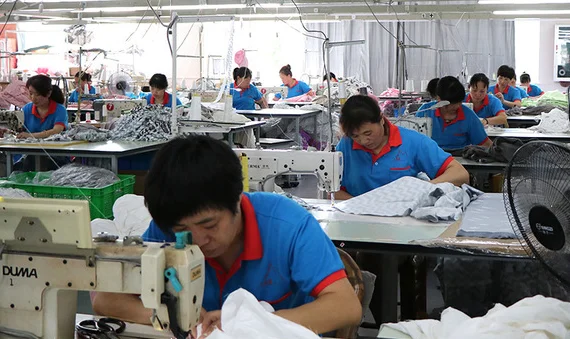
Hangzhou Xibei Children Products Co., Ltd.
- Manufacturer, Trading Company
- Zhejiang, China
- Lead time25 days
- Avg. response≤ 5h
Main productsSilicone Bowl Kit,Baby Belly Wrap,Baby Potty,Baby Nursery Kit,Baby Bath Tub
Main marketsSouth America(30.0%), Mid East(20.0%), Eastern Europe(20.0%), Domestic Market(15.0%), Southeast Asia(15.0%)

Wenzhou Guanmin Import and Export Co., Ltd.
- Verified by BV
- Trading Company,Manufacturer/Factory
- China Zhejiang
- Lead time120 days
- Avg. response≤ 6h
Main productsShopping Bag, Cooler Bag, Notebook, Pen, Color Pencil, Lanyard, Beach Ball, Umbrella, Sunshade, Air Freshener
Main marketsSouth America,Eastern Europe,Mid East,North America,Southeast Asia,Eastern Asia,Western Europe
- Verified by Intertek
- Manufacturer, Trading Company
- Lead time30 days
- Avg. response≤ 6h
Main productsBaby Products
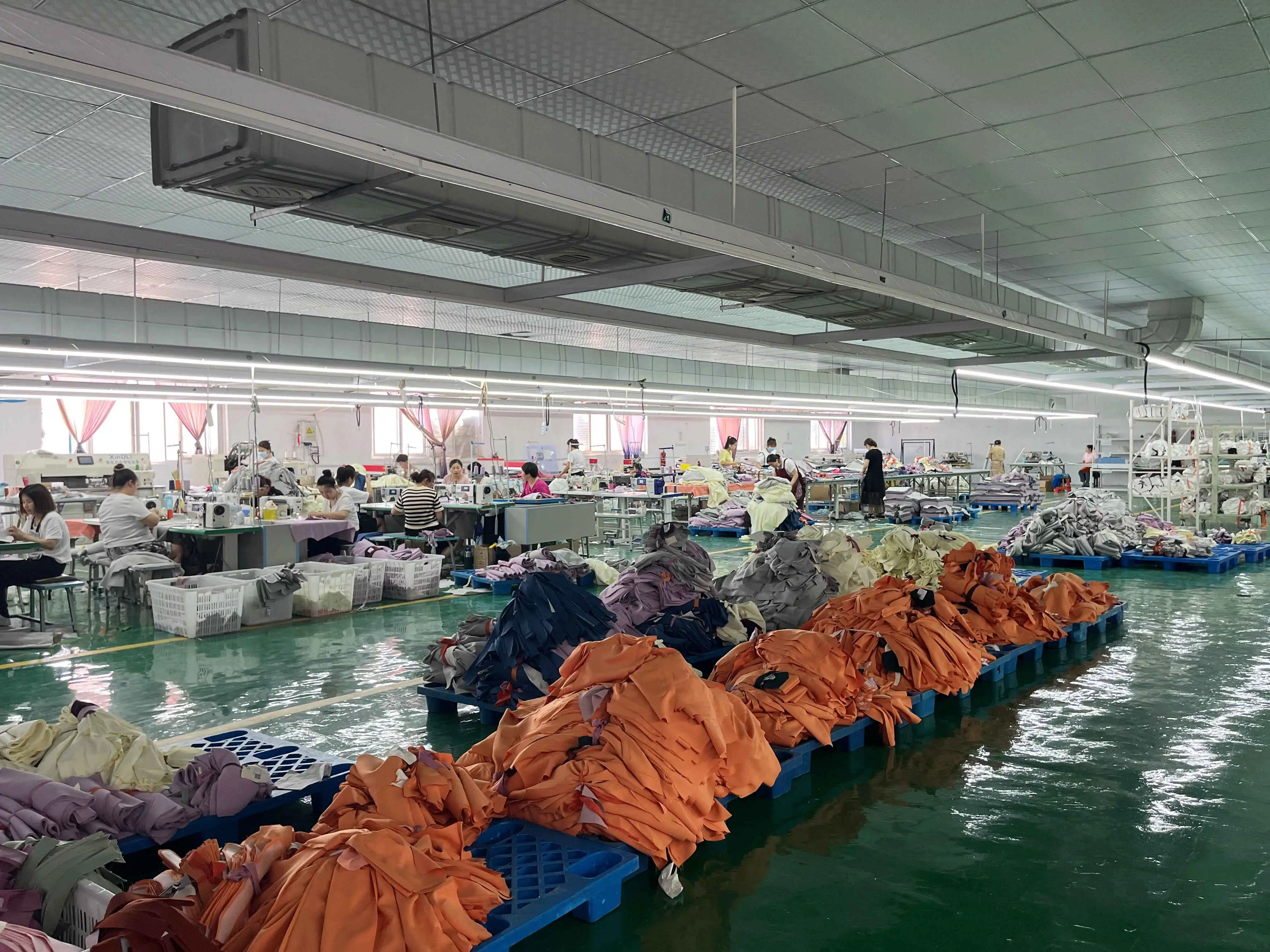
Yiwu Keqin Baby Products Factory
- Manufacturer, Trading Company
- Zhejiang, China
- Lead time0 days
- Avg. response≤ 2h
Main productsbaby carrier,baby walking assistant,Mommy bag,Children's anti-lost rope,Baby sleeping bag
Main marketsSoutheast Asia(10.0%), Domestic Market(5.0%), South Asia(5.0%), Southern Europe(5.0%), Northern Europe(5.0%), Central America(5.0%), Western Europe(5.0%), Eastern Asia(5.0%), Mid East(5.0%), Oceania(5.0%), Africa(5.0%), North America(5.0%), Eastern Europe(5.0%), South America(5.0%)
- Verified by TUVRHEINLAND
- Trading Company,Manufacturer/Factory,Group Corporation
- China Zhejiang
- Lead time23 days
- Avg. response≤ 16h
Main productsLuggage, Shool Bag, Suitcase, Packpack, Trollycase, Kids Bag, Schoolbag, Luggage Set, Children Backpack, Kids Luggage
Main marketsSouth America,Eastern Europe,Mid East,North America,Southeast Asia,Eastern Asia,Oceania,Western Europe,Africa

Fuzhou Haomin Imp. & Exp. Co., Ltd.
- Verified by SGS
- Manufacturer/Factory
- China Fujian
- Lead time23 days
- Avg. response≤ 4h
Main productsBackpacks, Beach Bags, School Bags, Shopping Bags, Canvas Bags, Sports Bags, Cosmetic Bags, Pet Bags, Cotton Bag, Travel Bag
Main marketsSouth America,Eastern Europe,Mid East,North America,Southeast Asia,Eastern Asia,Oceania,Western Europe,Africa
- Verified by BV
- Trading Company
- China Fujian
- Lead time30 days
- Avg. response≤ 25h
Main productsBackpack Bag, School Bag, Travel Bag, Backpack, Waterproof Bag, Cooler Bag, Trolley Suitcase, Luaggage
Main marketsSouth America,Europe,North America


Durable Lightweight Comfort Breathable Mesh Back Outdoor Backpack for Girl Trip
$10.70 - $11.70
Moq: 500
- Verified by SGS
- Trading Company
- China Zhejiang
- Lead time23 days
- Avg. response≤ 3h
Main productsBaseball Cap, Hat, Handbag, Duffle Bag, UV Hat, Sport Cap, Sport Hat, Travel Bag, Cosmetic Bag, Storage Bag
Main marketsSouth America




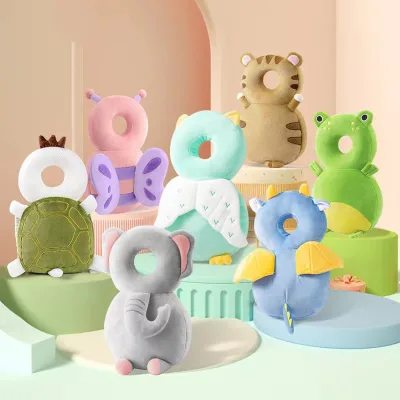
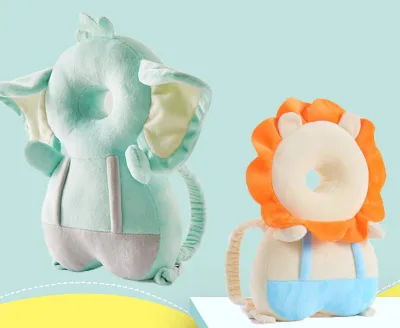


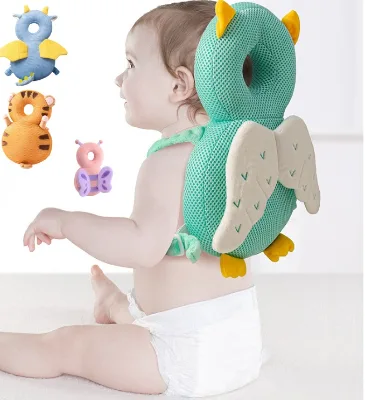
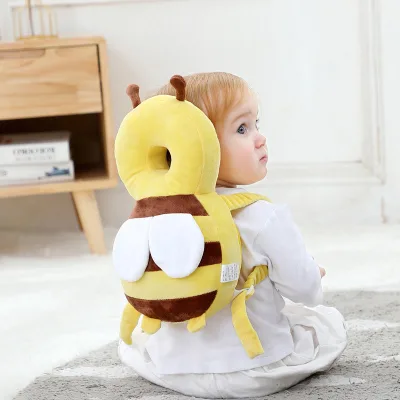


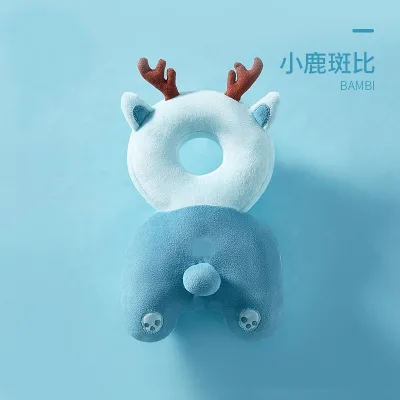
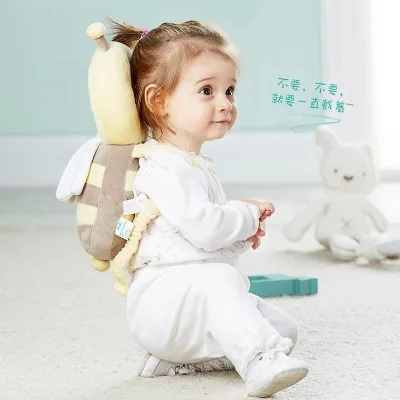


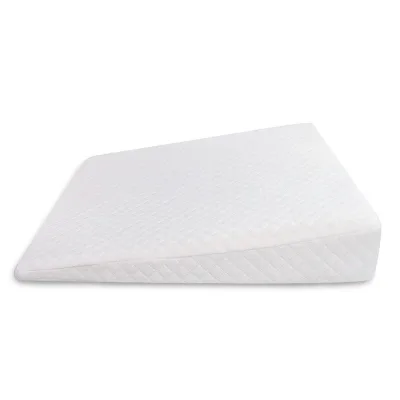
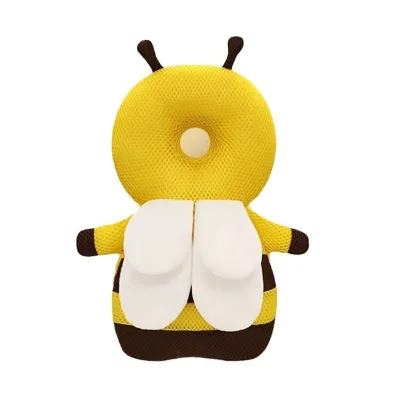
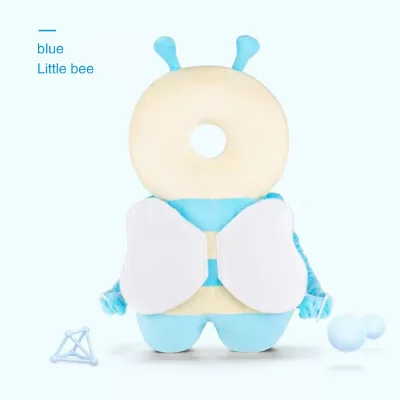
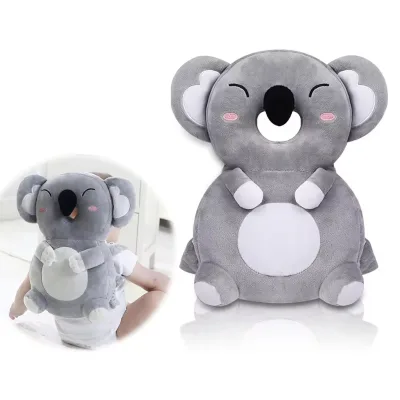
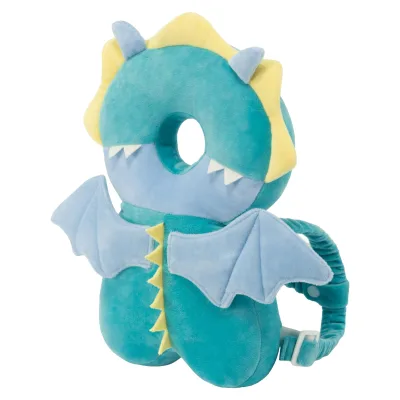


Comprehensive Sourcing Guide
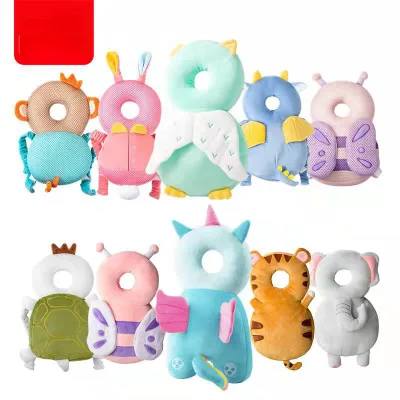
Anti Fall Pillow Baby Backpack Supplier Concentration and Factory Types
The current search results indicate a concentration of suppliers operating as trading companies, with some entities also functioning as manufacturers or factories. This mixed structure is common in the baby products sector, where trading companies often aggregate goods from various production facilities to offer a broader catalog. The observed supplier types include those specializing in trading operations and others that combine trading with direct manufacturing capabilities. Buyers should note that the presence of a trading company does not preclude direct factory access, but it often implies an intermediary layer in the supply chain.
When evaluating the factory types, it is essential to distinguish between pure trading entities and those with in-house production. Some suppliers list capabilities such as OEM, ODM, and own-brand development, suggesting a manufacturing base. Others focus on sample processing, graphic processing, and customized on-demand services, which may indicate a lighter manufacturing footprint or a strong design focus. The main products observed include baby blankets, plush toys, and various bedding items, indicating that these suppliers often operate within a broader baby product ecosystem rather than specializing solely in anti-fall pillows.
How to Verify Anti Fall Pillow Baby Backpack Suppliers
Verification is a critical step when sourcing anti-fall pillow baby backpacks, as the safety of infants is paramount. The available data shows that some suppliers have undergone verification by recognized third-party agencies such as Intertek and TÜV Rheinland. These verifications provide a baseline of confidence regarding the supplier's operational legitimacy and adherence to certain quality standards. Buyers should prioritize suppliers with these specific verification badges, as they indicate that an external body has assessed the company's business practices and product safety protocols.
Beyond third-party verification, buyers must scrutinize the specific certifications held by the supplier. The observed results include compliance with international safety standards such as EN 71, ASTM F963, CPSIA, REACH, and CE. These certifications are non-negotiable for baby products, as they ensure the materials and construction meet rigorous safety requirements. A supplier claiming to sell baby pillows should be able to provide valid documentation for these specific standards. If a supplier cannot produce these certificates or if the certificates are expired, the buyer should treat the offer with caution and request immediate proof of compliance before proceeding with any order.
What to Compare Across Anti Fall Pillow Baby Backpack Suppliers
When comparing suppliers, the lead time is a primary metric that influences inventory planning and delivery schedules. The data indicates a range of lead times, with some suppliers offering a 15-day turnaround while others require up to 23 days. This variation can significantly impact the ability to meet seasonal demand or restock critical inventory. Buyers should calculate the total time from order placement to shipment, factoring in the specific lead time provided by each supplier to ensure it aligns with their business timeline.
Another crucial comparison point is the Minimum Order Quantity (MOQ) and the associated sample costs. The observed MOQs vary widely, with some suppliers requiring as few as 5 pieces for certain items, while others set a standard of 20 pieces for stock items. Sample costs also differ, ranging from 35 USD to 38 USD including shipping. Buyers must weigh the financial commitment of the sample against the potential order volume. A lower MOQ allows for smaller initial investments and risk mitigation, whereas a higher MOQ might be necessary to secure a lower unit price. Additionally, response times, such as the observed 4.32-hour average, should be considered to gauge the supplier's responsiveness to inquiries and potential issues.
Common Anti Fall Pillow Baby Backpack Sourcing Risks
One significant risk in sourcing baby products is the inconsistency in material quality and safety compliance. While some suppliers list materials like cotton muslin, polyester, and PP cotton, the specific quality of these materials can vary between batches. There is a risk that a supplier might claim compliance with standards like CPSIA or ASTM F963 but fail to maintain that standard in every production run. Buyers must ensure that the specific product they order matches the certified samples and that the materials used are consistent with the safety claims made in the product description.
Another risk involves the reliability of the supply chain and the accuracy of delivery timelines. The observed delivery times range from 3-5 days after payment for some items to 5-7 days for others, with general lead times extending to 15 or 23 days. If a supplier consistently misses these deadlines, it can disrupt the buyer's sales cycle and lead to stockouts. Furthermore, the complexity of customizing products, such as adding digital printing or specific logos, introduces a risk of production errors. Buyers should verify the supplier's capacity for light customization and their track record in handling custom orders to avoid receiving products that do not meet their specific design requirements.
Anti Fall Pillow Baby Backpack Regional Sourcing and Logistics
The geographic location of suppliers plays a vital role in logistics planning and cost estimation. The data indicates that many suppliers are based in Jiangsu, China, while others are located in Guangdong. These regions are known for their robust manufacturing infrastructure and logistics networks, but they also present specific logistical considerations. Buyers should account for the distance from the port of origin to their destination, as this affects shipping costs and transit times. Understanding the specific location of the factory helps in estimating the total landed cost of the goods.
Logistics also involve the packaging and handling of the products during transit. The observed packaging details, such as OPP bags, PE bags, and specific single package sizes, are critical for calculating shipping volume and weight. For instance, a single package size of 35x20x8 cm with a weight of 0.36 kg will have different shipping implications compared to a larger item like a nap mat. Buyers must ensure that the packaging is robust enough to protect the baby products during shipping, especially given the soft and plush nature of the items. Proper packaging not only prevents damage but also ensures that the products arrive in a condition that meets the buyer's quality standards.
Anti Fall Pillow Baby Backpack Commercial Terms and Order Planning
Commercial terms, including pricing and payment conditions, are fundamental to successful order planning. The observed price ranges for anti-fall pillows and related items vary, with some products priced between 3.03 USD and 3.44 USD, while others range from 7.07 USD to 7.79 USD. These prices are subject to change based on order volume, customization requirements, and material costs. Buyers should request detailed quotations that break down the unit price, tooling fees, and any additional costs for customization to ensure there are no hidden expenses.
Order planning must also consider the sample process and the transition to mass production. The sample costs observed, such as 35 USD or 38 USD including shipping, are typically non-refundable but serve as a necessary investment to validate the product. Once the sample is approved, the buyer should confirm the final production timeline, which can range from 3 to 23 days depending on the supplier's capacity. It is also important to verify the supplier's ability to handle the specific order volume required. If the order exceeds the supplier's current capacity, the buyer may need to negotiate a staggered delivery schedule to ensure timely fulfillment without compromising quality.
FAQs
What certifications do these baby backpack pillows hold?
Suppliers provide EN 71, ASTM F963, CPSIA, REACH, Declaration of Conformity, CE, and CPC certifications. These standards ensure safety for children. Verify specific documents with the trading company before placing bulk orders to confirm compliance with your local regulations.
How long does it take to receive samples?
Sample processing typically requires five to seven days after payment confirmation. Some suppliers offer delivery within three to five days for specific items. Shipping costs are usually included in the thirty-eight dollar sample fee. Confirm exact timelines with the manufacturer before requesting samples.
What is the minimum order quantity for custom designs?
Minimum order quantities vary by product, ranging from five pieces for nap mats to twenty pieces for backpacks. Customization options include digital printing and logo hangtags. Verify the specific MOQ for your selected model number before finalizing the purchase agreement with the supplier.
Where are these baby products manufactured?
Products originate from Jiangsu, China, with some suppliers located in Guangdong. The place of origin is consistently listed as Jiangsu for most bedding and backpack items. Confirm the specific factory location during the negotiation phase to ensure accurate logistics planning for your shipment.
What materials are used for the baby pillows?
Materials include cotton muslin fabric with cotton filling, polyester, and various plush fabrics like elephant or dinosaur designs. Some items use woven techniques with pp cotton filling. Check the specific material composition listed for each model to ensure it meets your safety and comfort requirements.
How quickly do suppliers respond to inquiries?
Response times vary, with some suppliers averaging around four hours for initial contact. Lead times for production generally range from fifteen to twenty-three days after payment. Contact the trading company directly to confirm current availability and expected response speed for your specific inquiry.
Are these products suitable for all seasons?
Most listed items, including backpacks and nap mats, are designed for all-season use. Features like cooling properties and breathable fabrics support year-round comfort. Verify the specific seasonal rating for each product model to ensure suitability for your target market conditions.