anti-slip breathable floor socks Suppliers and Manufacturers
Source anti-slip breathable floor socks from 24 verified suppliers in China. Compare key dimensions including lead times, MOQs, and response speeds to identify the right partner. Review product attributes and pricing to streamline your procurement process; review the available evidence before requesting comparable quotations from suitable candidates.
Updated
Suppliers List

Jingjiang Pingdong Import & Export Co., Ltd.
- Verified by TUVRHEINLAND
- Trading Company
- China Jiangsu
- Lead time30 days
- Avg. response≤ 20h
Main productsSock
Main marketsEurope,North America
Haining Huming Knitting Factory
- Manufacturer, Trading Company
- Zhejiang, China
- Lead time35 days
- Avg. response≤ 4h
Main productsrunning socks,printing socks,ski socks,merino wool socks,sports socks
Main marketsNorth America(70.00%), Eastern Asia(28.00%), Domestic Market(2.00%)
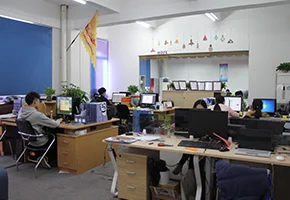
Yiwu Haohan Daily Necessities Co., Ltd.
- Trading Company
- Zhe Jiang, China
- Lead time10 days
- Avg. response≤ 5h
Main productsTop loader,card sleeves,fashion bag,travel bag,yoga suits
Main marketsNorthern Europe(20.00%), North America(20.00%), Southern Europe(10.00%), South America(10.00%), Central America(10.00%), Western Europe(10.00%), Mid East(10.00%), Eastern Europe(10.00%)

Sungnan Import & Export Co., Ltd.
- Verified by TUVRHEINLAND
- Combined
- China Zhejiang
- Lead time30 days
- Avg. response≤ 6h
Main productsScarf, Socks, China Scarf, Leggings, Hats, Bags, Gloves
Main marketsNorth America

Zhuji Dongling Knitting & Textile Co., Ltd.
- Combined
- China Zhejiang
- Lead time30 days
- Avg. response≤ 9h
Main productsSocks, Man Socks, Lady Socks, Sport Socks, Baby & Kids Socks, Tights, Wristband, Non-Slip Socks, Mobile Phone Pouch, Hiking Socks
Main marketsAfrica,Europe,North America
- Verified by TüVRheinland
- Manufacturer, Trading Company
- Lead time20 days
- Avg. response≤ 2h
Main productsBamboo Socks, Compression Socks, Soccer Socks, Wool Socks, Children Socks
Main marketsNorth America(25%), Northern Europe(25%), Western Europe(20%)

Chinapack Ningbo Import & Export Co., Ltd.
- Verified by SGS
- Trading Company,Manufacturer/Factory
- China Zhejiang
- Lead time23 days
- Avg. response≤ 17h
Main productsSnowboard, Water Bottle, Promotional Hats, Glass Bottle, Ski Set, Snowboot, Snowboard Binding, Home Sock, Hood, Scarf
Main marketsSouth America,Eastern Europe,North America,Southeast Asia,Eastern Asia,Oceania,Western Europe
Haining Litian Socks Co., Ltd.
- Verified by TüVRheinland
- Manufacturer, Trading Company
- Lead time30 days
- Avg. response≤ 2h
Main productsSocks
Main marketsWestern Europe(50%), North America(30%), South America(10%)
Foshan Nanhai Fengxiang Knit Factory
- Verified by Intertek
- Manufacturer, Trading Company
- Lead time0 days
- Avg. response≤ 2h
Main productsSocks
Main marketsDomestic Market(65%), North America(15%), Eastern Europe(10%)
Yiwu Donghong Knitting Co., Ltd.
- Manufacturer, Trading Company
- Lead time旺季: "1 - 100":10,"> 100":"To be negotiated", 淡季: "1 - 100":10,"> 100":"To be negotiated"
- Avg. response≤ 11h
Main productsSocks, Shin Pads

- Verified by CTI
- Trading Company
- China Zhejiang
- Lead time30 days
- Avg. response≤ 5h
Main productsSocks, Men Socks, Sports Socks, Cotton Socks, Custom Socks, Women Socks, Merino Wool Socks, Grip Socks, Bamboo Socks, Pilates Socks
Main marketsSoutheast Asia/ Mideast
Jiangyin Hongguang Socks Industry Co., Ltd.
- Verified by Intertek
- Manufacturer, Trading Company
- Lead time21 days
- Avg. response≤ 4h
Main productsBasketball Socks, Compression Socks, Running Socks, Wool Socks, Yoga Socks

Ningbo Youkiunite Imp &Exp Co., Ltd
- Verified by CTI
- Trading Company
- China Zhejiang
- Lead time15 days
- Avg. response≤ 6h
Main productsSocks, Hat/Cap, Slippers, Shoelaces, Scarf, Gloves, Pet Products, Shoes Accessories, Garment Accessories, Shoes
Main marketsSouth America,Europe,North America
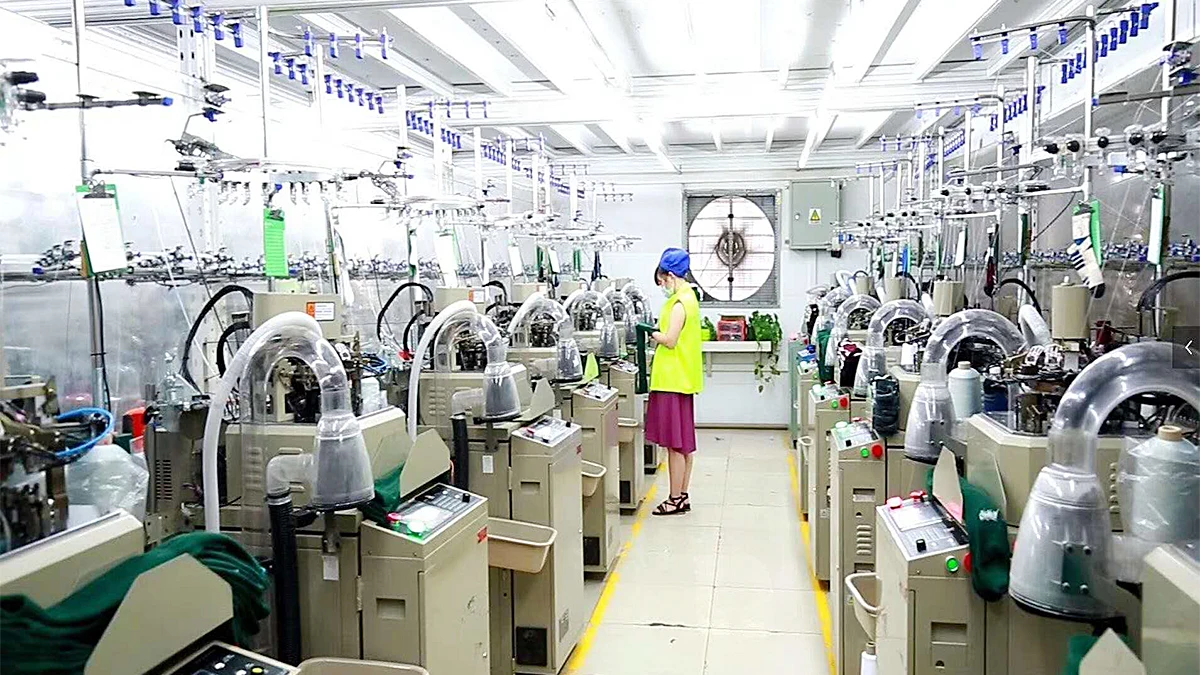
NANHAI JIXINGFENG KNIT FACTORY
- Manufacturer, Trading Company
- Guangdong, China
- Lead time15 days
- Avg. response≤ 14h
Main productsSocks,Hats,Gloves,Scarves
Main marketsDomestic Market(60.00%), North America(20.00%), Southern Europe(5.00%), Western Europe(5.00%), Northern Europe(2.00%), Eastern Europe(2.00%), South Asia(1.00%), Oceania(1.00%), Eastern Asia(1.00%), Mid East(1.00%), Central America(1.00%), South America(1.00%)
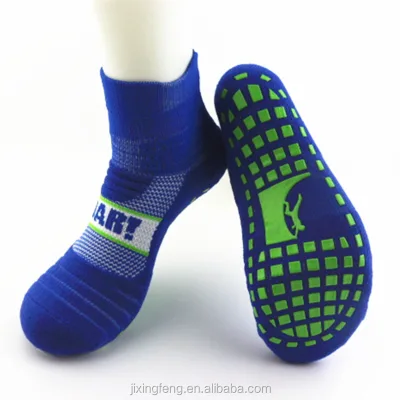
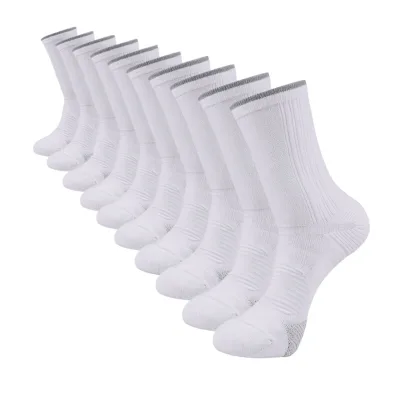
China Socks Factory Specializes in the Production of Customized Wholesale Anti Slip Sock
$1.10 - $1.20
MOQ: 1000
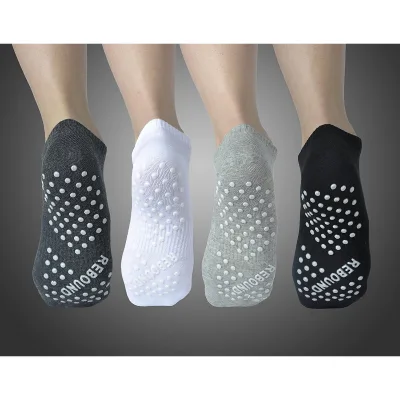
Zhuji K-Fly Commodity Co., Ltd.
- Verified by SGS Group
- Manufacturer, Trading Company
- Lead time20 days
- Avg. response≤ 2h
Main productsSport Socks, Custom Socks, Non-slip socks, Compression socks, toe socks
Main marketsNorth America(25%), Western Europe(20%), Eastern Europe(10%)
Foshan Lion King Clothing Co., Ltd.
- Manufacturer
- Guangdong, China
- Lead time20 days
- Avg. response≤ 1h
Main productsmen's socks,women's socks,sports socks,Children's socks,Yoga socks
Main marketsWestern Europe(40.00%), Domestic Market(20.00%), North America(20.00%), Oceania(10.00%), South America(10.00%)

- Verified by CTI
- Trading Company
- China Anhui
- Lead time23 days
- Avg. response≤ 2h
Main productsFurniture, Home Furniture
Main marketsSoutheast Asia/ Mideast
- Manufacturer, Trading Company
- Lead time旺季: "1 - 500":31,"> 500":"To be negotiated", 淡季: "1 - 500":31,"> 500":"To be negotiated"
- Avg. response≤ 2h
Main productsSocks
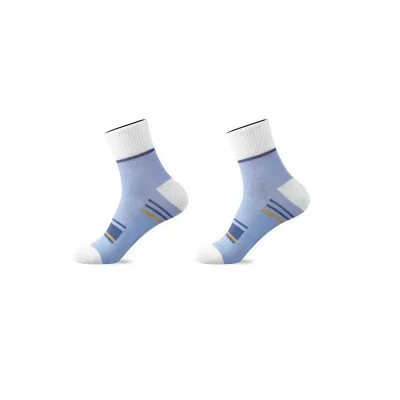
Wholesale Sports Cotton Soled Socks With Good Anti Slip and Breathable Running Elastic Socks for Men
$1.24 - $1.85
MOQ: 100 pairs
Hebei Fryan Technology Co., Ltd.
- Trading Company
- Hebei, China
- Lead time3 days
- Avg. response≤ 6h
Main productsHip Lifting Pants,Compression pants & Shirts,Sporsts Kneepads,Motorcycle Armor Jacket,Body Shaper
Main marketsNorth America(22.00%), South America(21.00%), Central America(20.00%), Southern Europe(10.00%), Eastern Europe(10.00%), Western Europe(10.00%), Domestic Market(1.00%), South Asia(1.00%), Oceania(1.00%), Africa(1.00%), Southeast Asia(1.00%), Eastern Asia(1.00%), Mid East(1.00%)
Foshan Nanhai Baichuan Socks Industry Co., Ltd.
- Manufacturer, Trading Company
- Guandong, China
- Lead time0 days
- Avg. response≤ 20h
Main productsSocks
Main marketsMid East(30.00%), North America(30.00%), Southern Europe(10.00%), Western Europe(10.00%), Eastern Europe(10.00%), Eastern Asia(10.00%)
Haining Jinhu Sport Socks Co., Ltd.
- Verified by Intertek
- Trading Company
- Zhejiang, China
- Lead time7 days
- Avg. response≤ 3h
Main productsMens Socks, Womens Socks, Baby and Kid socks, Sports Wear, Sports Socks
Main marketsNorth America(70%), South America(5%), Oceania(5%)
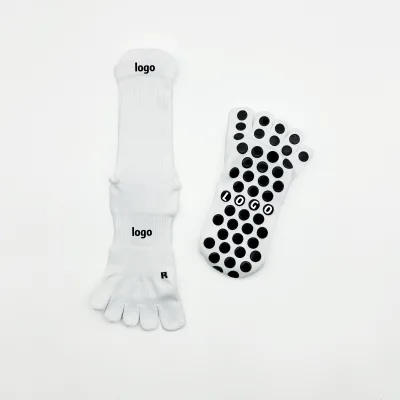
$0.3994 - $1.2192
MOQ: 500 pairs
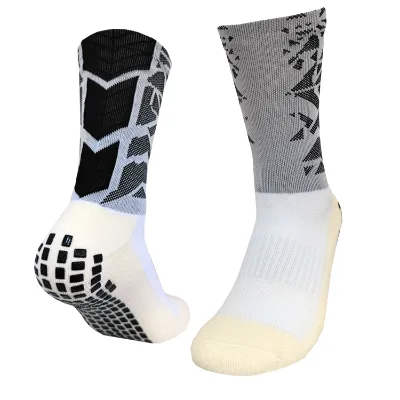
High Quality Resist Dirty Elite Grip Sports Socks Men Sport Anti Slip Non Skid Custom Grip Socks
$0.99 - $1.44
MOQ: 10 pairs

GUANGZHOU BOUNCIA INFLATABLES LIMITED
- Verified by BV
- Manufacturer/Factory
- China Guangdong
- Lead time23 days
- Avg. response≤ 6h
Main productsInflatable Water Park Items, Other Air Sealed Inflatables, Inflatable Water Park, Floating Water Park, Water Inflatables, Water Park Toys, Water Park Games
Main marketsSouth America,Eastern Europe,Mid East,North America,Southeast Asia,Eastern Asia,Oceania,Western Europe,Africa
- Verified by Intertek
- Manufacturer, Trading Company
- Lead time7 days
- Avg. response≤ 5h
Main productsSocks
Main marketsNorth America(40%), Eastern Europe(30%), South America(20%)
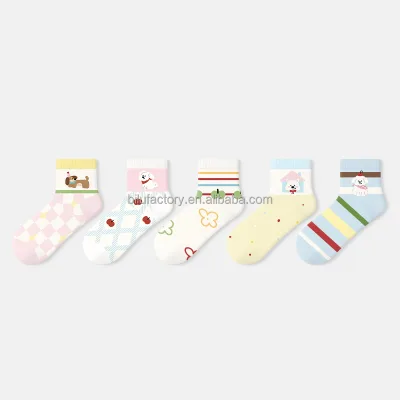
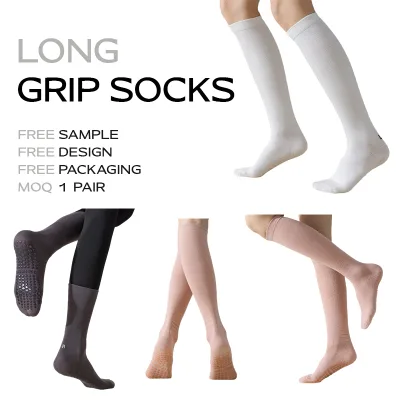
Compression Grip Socks Grip Socks Grip Socks White Non-Slip Sole Free Design Help Limited Stock
$1.5364 - $1.8446
MOQ: 1 pairs
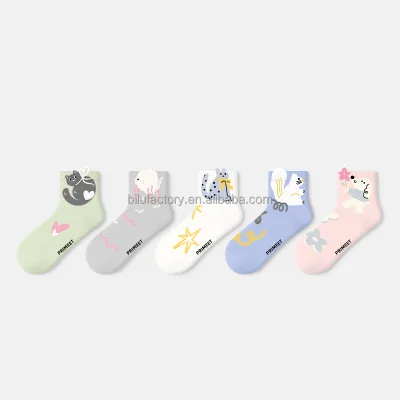
$0.1047 - $0.9948
MOQ: 2 pairs

Yangzhou Shitong Hotel Supply Co., Ltd.
- Combined
- China Jiangsu
- Lead time15 days
- Avg. response≤ 1h
Main productsHotel Amenity, Hotel Slipper, Hotel Shampoo
Main marketsSoutheast Asia/ Mideast,Domestic


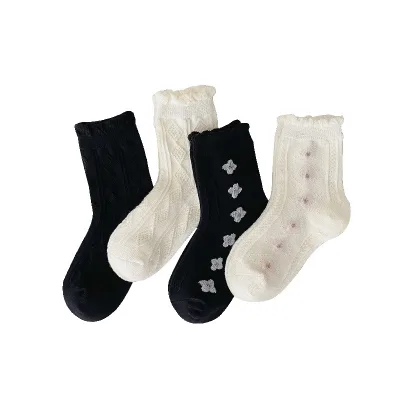
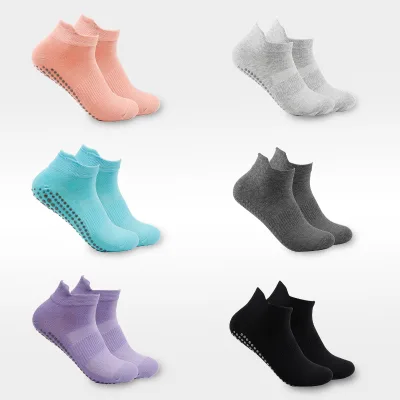
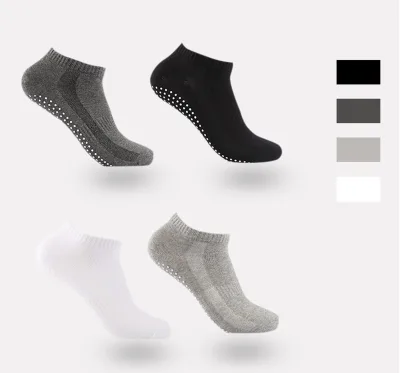


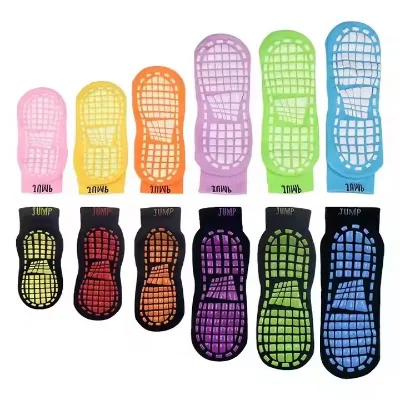
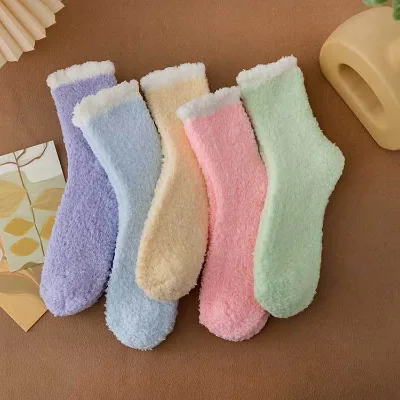


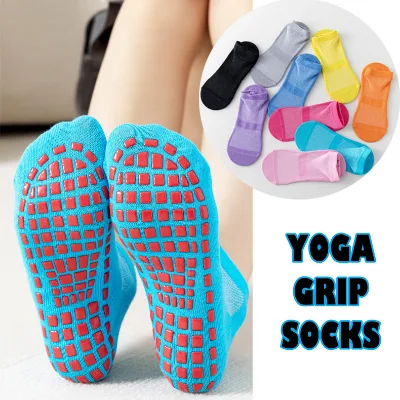
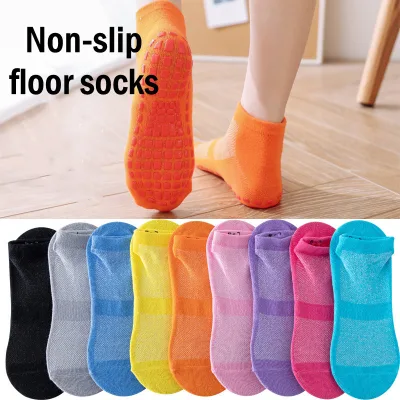
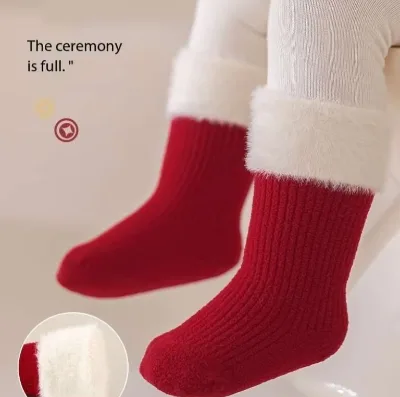
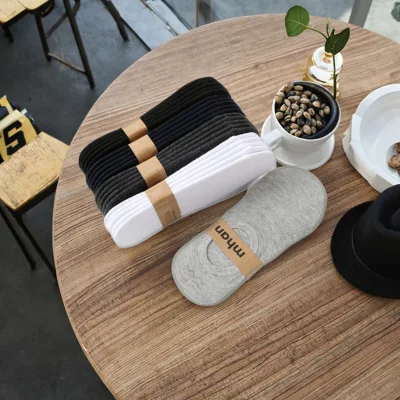
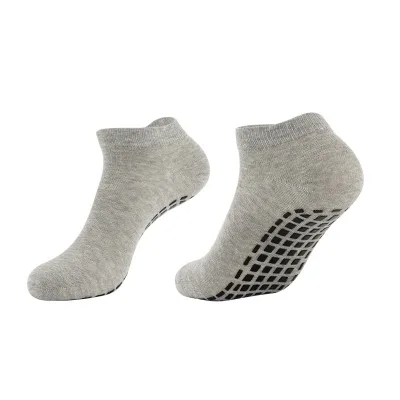
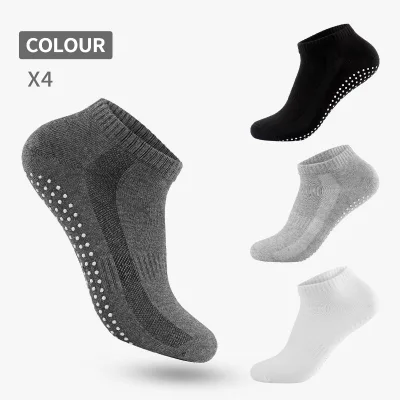


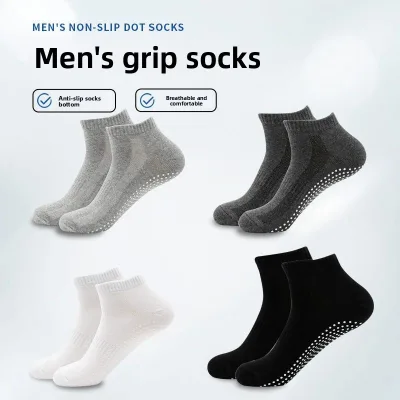
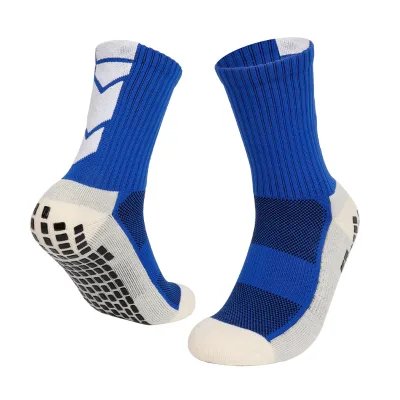


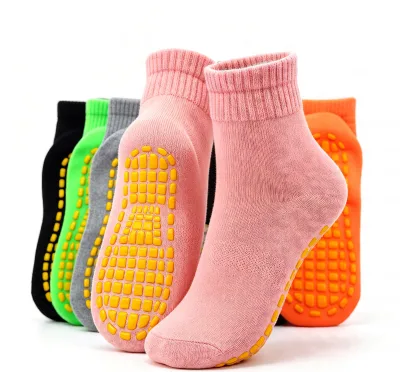
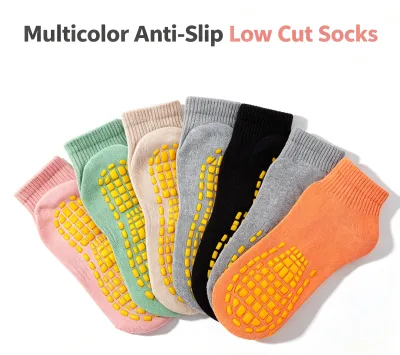
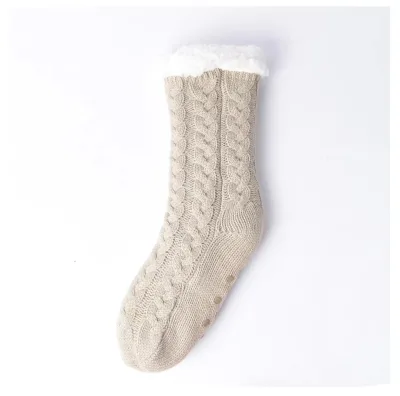
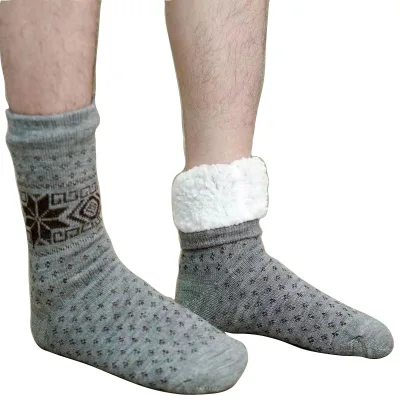


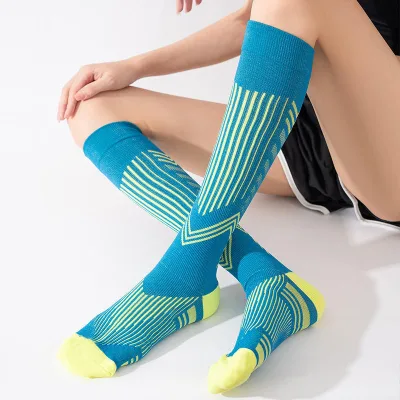
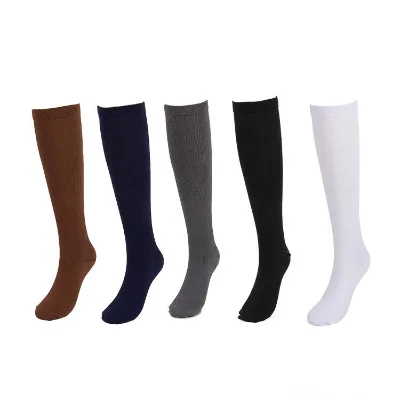
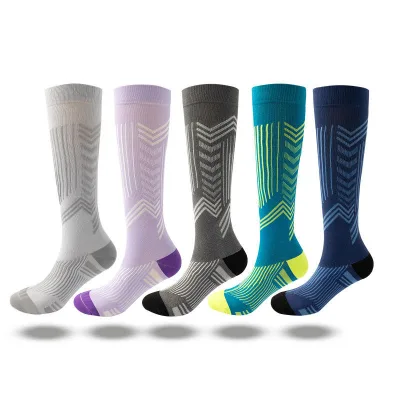
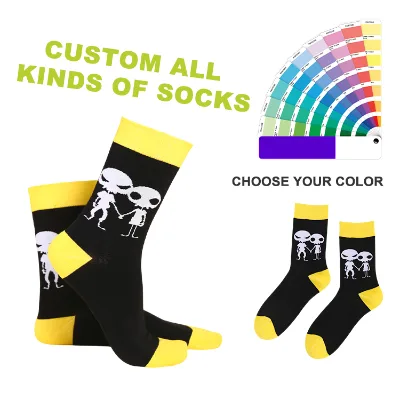
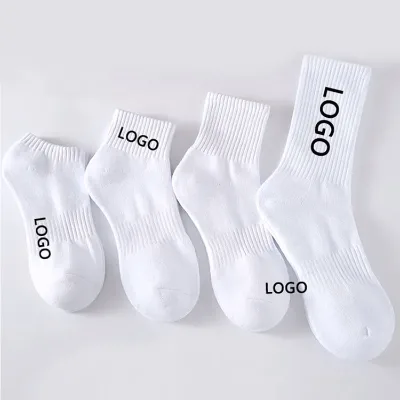
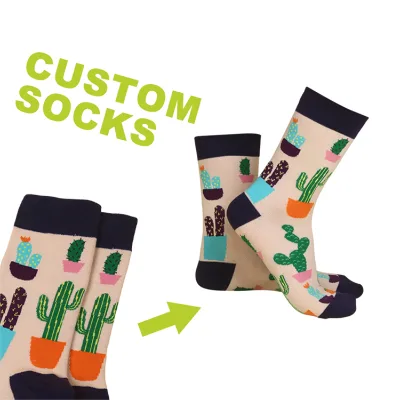
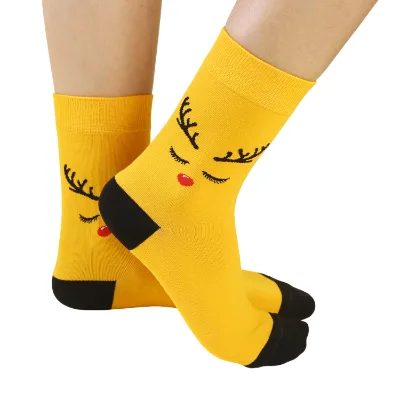


Comprehensive Sourcing Guide
Anti-Slip Breathable Floor Socks Supplier Concentration and Factory Types
Anti-slip breathable floor socks sit at the intersection of hosiery knitting and light footwear, and the supplier base on this page reflects two distinct company types. Some listings come from combined manufacturer-and-trading operations based in Zhejiang, China, whose main products span running socks, printing socks, ski socks, merino wool socks and sports socks. Others are pure trading companies, such as one in Jiangsu, China, whose core product line is socks itself. For a buyer, this split matters: a manufacturer can usually support OEM services, custom logo placement and needle-detection checks in-house, while a trading company may offer wider product aggregation but adds a layer between you and the knitting floor.
When you cannot confirm a cluster from verified data, identify one yourself rather than assuming it. Search the location field on each supplier profile, note which provinces appear repeatedly across floor sock and hosiery listings, and cross-check whether the same region shows up in the place-of-origin attributes on individual products. On this page, several products explicitly declare Zhejiang as their origin, which is a useful corroboration signal. Also look at product evidence for cluster traits: knitted construction, OEM supply type, and anti-slip features grouped together suggest specialized local supply chains. Treat trading companies as legitimate options, but ask each one whether the floor socks are knitted at a partner factory or sourced from open-market stock.
How to Verify Anti-Slip Breathable Floor Socks Suppliers
Verification should start with the credentials a platform actually displays, not with promises made in chat. On this page, at least one supplier carries a TÜV Rheinland verification badge, which is an example of the third-party verification marks you should look for and record before requesting samples. Note the supplier type as well: a listing that states "Manufacturer, Trading Company" tells you the entity can both produce and resell, while a plain "Trading Company" label means you should ask who performs knitting, anti-slip printing and final inspection. Response time is a verifiable behavioral signal too—this page shows one supplier averaging around 4 hours and another around 19 hours, so log each profile's stated figure and test it with a technical question about grip-dot application.
Beyond profile badges, use product-level evidence to verify capability claims. Listings that declare customization available, list anti-slip and breathable among their features, and specify polyester material with carton packing give you concrete attributes to match against your specification. Ask for the factory's knitting machine types and whether silicone or PVC grip dots are applied in-house. Request the exact product origin stated on the listing and compare it to the supplier's registered location; a Zhejiang origin paired with a distant registration office is common but should be explained. Never accept a verification claim you cannot see on the platform page—ask for the certificate number and check it against the issuing body's public database before any deposit is paid.
What to Compare Across Anti-Slip Breathable Floor Socks Suppliers
Build a comparison grid using the dimensions displayed on supplier and product pages, starting with lead time and response speed. On this page, quoted lead times range around 30 to 35 days, and response times vary from roughly 4 hours to over 19 hours. Both figures should go into your grid as stated, then be stress-tested: ask each supplier to confirm the lead time against your actual quantity and decoration requirements, because a 30-day quote for stock goods may stretch considerably once custom colors or grip patterns are added. MOQ is equally decisive—floor sock listings here show minimums around 1,000 pairs, which sets your sampling and pilot-order budget.
Next, compare product ranges and price bands rather than single quotes. One supplier's floor sock listings span roughly 1.25 to 1.55 per pair for polyester anti-slip styles, 1.68 to 1.82 for chunky winter floor socks, and up toward 1.88 to 2.15 for double-layer cotton-lined non-slip designs, with another supplier's yoga-style floor socks quoted at 1.66 to 2.50. These bands tell you where each supplier is positioned: budget polyester slipper socks versus thicker, lined or specialty styles. Also compare the attribute depth—whether a listing declares size ranges, weight, season, customization availability and packing—and note that not every supplier displays every attribute, so treat missing fields as questions to ask, not disqualifiers. Rank suppliers on demonstrated detail, not on who replies fastest with the fewest specifics.
Common Anti-Slip Breathable Floor Socks Sourcing Risks
The most frequent risk in this category is specification drift on the anti-slip feature itself. Listings promise anti-slip, breathable and eco-friendly properties, but those words on a product page are not test results. A supplier may switch from silicone dots to a cheaper printed pattern, or reduce dot coverage on the sole, without telling you. Protect yourself by specifying dot material, coverage area, and wash-durability expectations in a signed specification sheet, and by keeping a sealed golden sample from your approved run. The same applies to material: several listings here declare polyester, while one thick ski-style floor sock lists material only as "Other," which is a red flag requiring written fiber composition before ordering.
Another cluster of risks involves packaging, sizing and labeling. Floor socks on this page are packed in cartons and sold in sizes such as 9-11 and 10-13, so confirm the size standard your market uses, because sock sizing conventions differ between regions. Verify carton dimensions, gross weight and assortment ratios—many buyers receive single-size cartons when they expected mixed sizes. Also beware of lead-time erosion: a 30 or 35 day quote can slip during peak season, especially for suppliers juggling winter sock programs. Finally, check needle-detection claims; at least one listing states needle detection is performed, which matters for footwear worn indoors. Ask each supplier which of these controls they actually perform, and reject vague answers.
Anti-Slip Breathable Floor Socks Regional Sourcing and Logistics
Regional evidence on this page points clearly to eastern China. Zhejiang appears both as a supplier location and as the declared place of origin on individual floor sock and yoga sock products, and Jiangsu appears as the base of a socks-focused trading company. Both provinces sit within China's established eastern-coast manufacturing belt, which matters for logistics: proximity to major container ports typically shortens inland trucking time and gives you more freight-forwarder options when booking shipments. When a product's origin and the supplier's registered location differ, ask how goods move from factory to consolidation point, because that leg adds cost and time to your quoted lead time.
Plan logistics around the category's seasonal shape. Floor socks are heaviest in autumn and winter programs—several listings here are positioned for winter or spring/autumn seasons—so capacity tightens in the months before those retail windows. If your quoted lead time is 30 to 35 days, work backward from your in-store date and add buffer for anti-slip printing, which is often a secondary process after knitting and can be the bottleneck. Confirm Incoterms in writing before comparing quotes, since a low unit price on FOB terms may lose to a slightly higher price on DDP once inland haulage and export documentation are added. Also confirm carton packing details early, because floor socks are bulky relative to their value and volume drives freight cost more than weight does.
Anti-Slip Breathable Floor Socks Commercial Terms and Order Planning
Structure your commercial terms around a staged order plan. Use the displayed MOQs—around 1,000 pairs on floor sock listings here—as your pilot-order baseline, and negotiate a first order that mixes two or three styles so you can test both a basic polyester anti-slip slipper sock at the 1.25–1.55 price band and a thicker lined style at 1.88–2.15 before committing to volume. Confirm whether the quoted price holds after customization, since several listings state customization is available, and custom grip patterns, colors or packaging usually move the price off the published band. Ask which payment protections the platform offers, such as escrow or trade-assurance style arrangements, and use them for at least your first two orders.
Lock the operational terms into a simple purchase agreement: exact material composition, grip-dot specification, size breakdown, carton packing, needle-detection requirement, and the agreed lead time of roughly 30–35 days with a defined late-delivery remedy. Schedule quality inspection after production and before shipment, focusing on dot adhesion after a wash test and on size conformity to the 9-11 or 10-13 standards where those apply. Plan reorders by booking capacity ahead of the winter season rather than reacting to stockouts, and keep your tooling—grip templates and size-specific patterns—documented so a second supplier could reproduce the product if needed. Finally, record every supplier's stated response time and verification status in your vendor file so renewal decisions rest on evidence, not memory.
FAQs
What is the price range for anti-slip breathable floor socks?
Prices for these socks typically range from $1.25 to $2.93 per pair. The cost varies based on material composition, thickness, and specific features like anti-slip properties. Buyers should expect higher prices for specialized winter or thickened versions compared to standard summer options.
What is the minimum order quantity for these socks?
The minimum order quantity is generally 1000 pairs. This standard MOQ applies to most wholesale listings for anti-slip breathable floor socks. Buyers seeking smaller quantities may need to negotiate directly with suppliers or look for ready-to-ship stock options that have different terms.
How long does production take for these socks?
Production lead times typically range from 30 to 35 days. This duration allows for manufacturing, quality control, and preparation for shipment. Buyers should factor this timeline into their inventory planning to ensure timely delivery, especially during peak seasons or for custom orders.
What materials are used in anti-slip floor socks?
Common materials include polyester, nylon, cotton, and blends. These fabrics are chosen for breathability, durability, and comfort. Some socks feature eco-friendly treatments or specific knitting techniques to enhance the anti-slip grip and overall performance for indoor or yoga use.
Where are these socks manufactured?
These socks are primarily manufactured in China, specifically in Jiangsu and Zhejiang provinces. These regions are known for their strong textile and apparel manufacturing capabilities. Buyers can verify specific factory locations and production capacities during the supplier vetting process.
Do suppliers offer customization for these socks?
Yes, customization is available for many anti-slip floor sock products. Buyers can often request custom logos, packaging, or specific design elements. OEM services are common, allowing brands to create unique products that meet their specific market requirements and quality standards.