Anti-Slip Guitar Finger Cots Suppliers and Manufacturers
Explore 25 verified suppliers offering Anti-Slip Guitar Finger Cots with options for wholesale and OEM services. Compare response times, lead times, and product specifications like material and origin before contacting vendors directly; review the available evidence before requesting comparable quotations from suitable candidates.
Suppliers List
Alwaysfaith International Trade Co., Ltd. (huizhou)
- Verified by Intertek
- Trading Company
- Lead time0 days
- Avg. response≤ 5h
Main productsUkulele, Electric Guitar, Acoustic Guitar
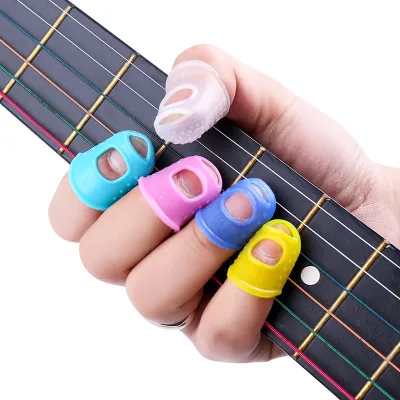
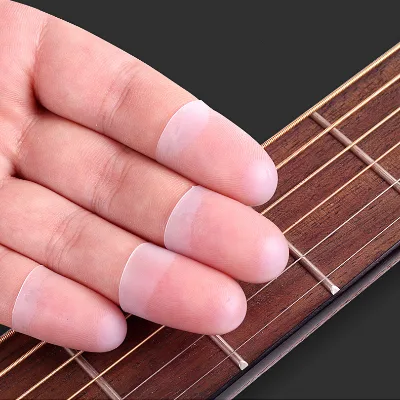
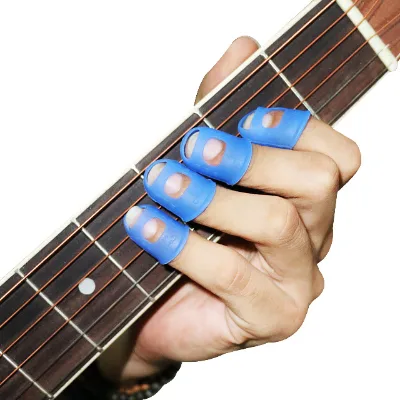
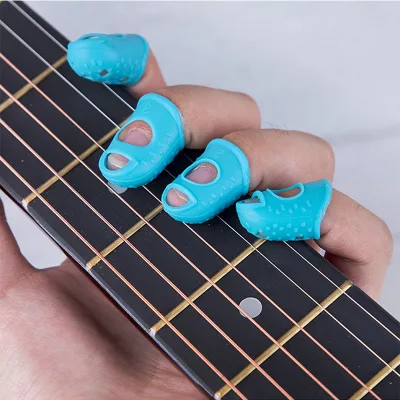
Hot Selling Silica Gel Ukulele Guitar Finger Protector Guitar Accessories Finger Cots
$0.05
MOQ: 1000 Minimum

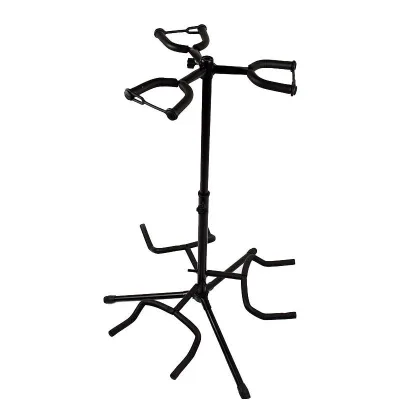
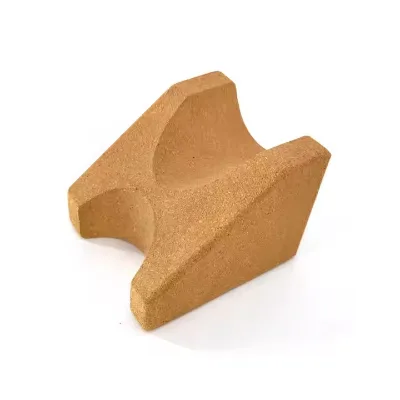
Hot Sale 3 Head Guitar Stand Classical Guitar Stand with Anti Slip Design
$7.51 - $7.71
MOQ: 10 pieces
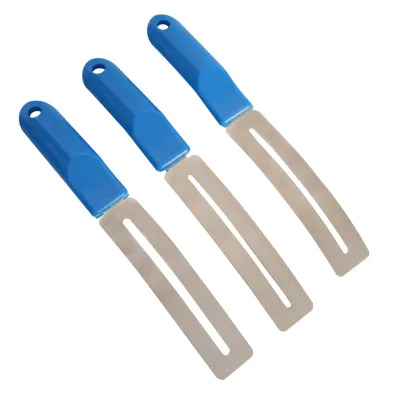
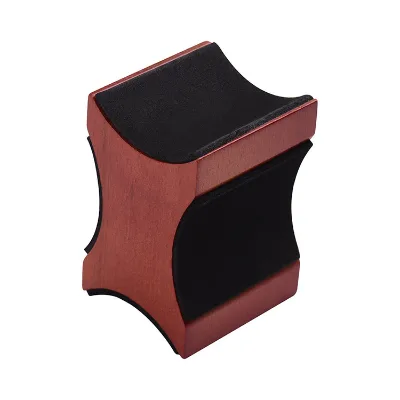
Guitar Repair Tool Scratch Resistant Finger Board Pad Guitar Fret Polishing Pad
$15.31 - $16.03
MOQ: 1 pieces
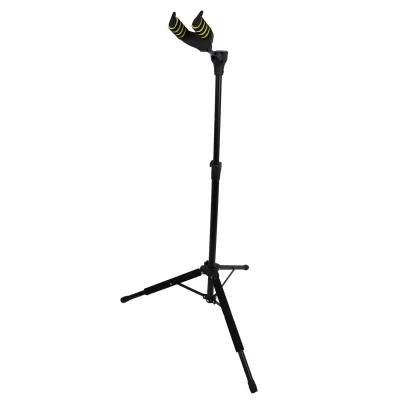
Wholesale Guitar Stand with Protective Rubber Feet Self Lock Guitar Stand
$16.45 - $17.48
MOQ: 1 pieces
- Manufacturer
- Tianjin, China
- Lead time45 days
- Avg. response≤ 4h
Main productsDrum,Melodica,Accordion,Wind Instrument,Guitar
Main marketsSouth America(50.00%), Domestic Market(25.00%), Africa(25.00%)
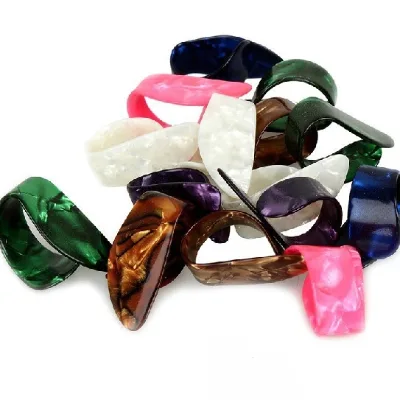
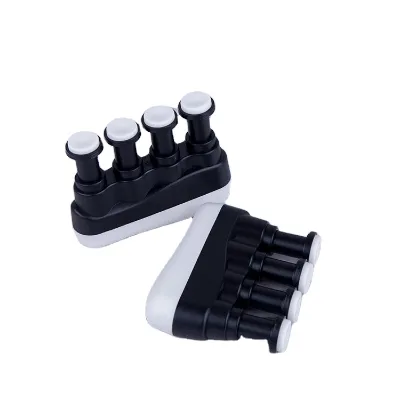
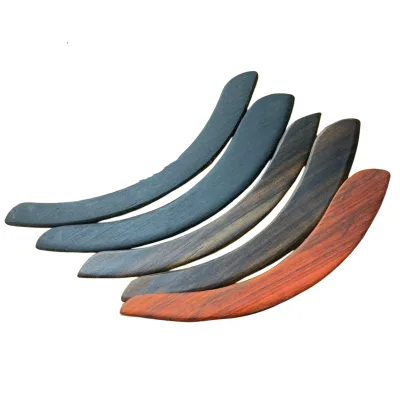
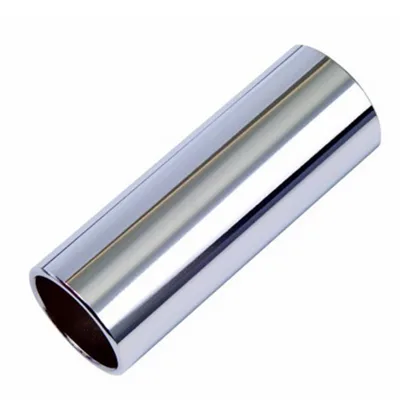
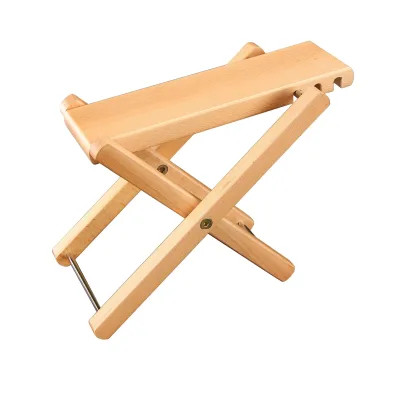
Guitar Finger, Piano Grip, Guitar Finger Trainer, Finger Trainer, Piano Finger Trainer, Stretchable
$0.58 - $0.77
MOQ: 1 pieces

SuZhou ShuoGuo Purification &Technology Co.,Ltd
- Verified by SGS
- Trading Company
- China Jiangsu
- Lead time15 days
- Avg. response≤ 8h
Main productsFinger Cots/Cots, Clean Room Paper, Clean Room Wiper, Workout Hand Grip, Clean Notebook, Sticky Mats, ESD Table Mats, Working Gloves
Main marketsSoutheast Asia/ Mideast,East Asia(Japan/ South Korea),Domestic,North America

- Trading Company
- Hong Kong S.A.R.
- Lead time30 days
- Avg. response≤ 1h
Main productsMusical Instrument Production,Trade in musical instruments,import and export trade,Integrated services,Product Sales
Main marketsDomestic Market(30.00%), South America(20.00%), North America(15.00%), Eastern Europe(10.00%), Southeast Asia(10.00%), Oceania(3.00%)
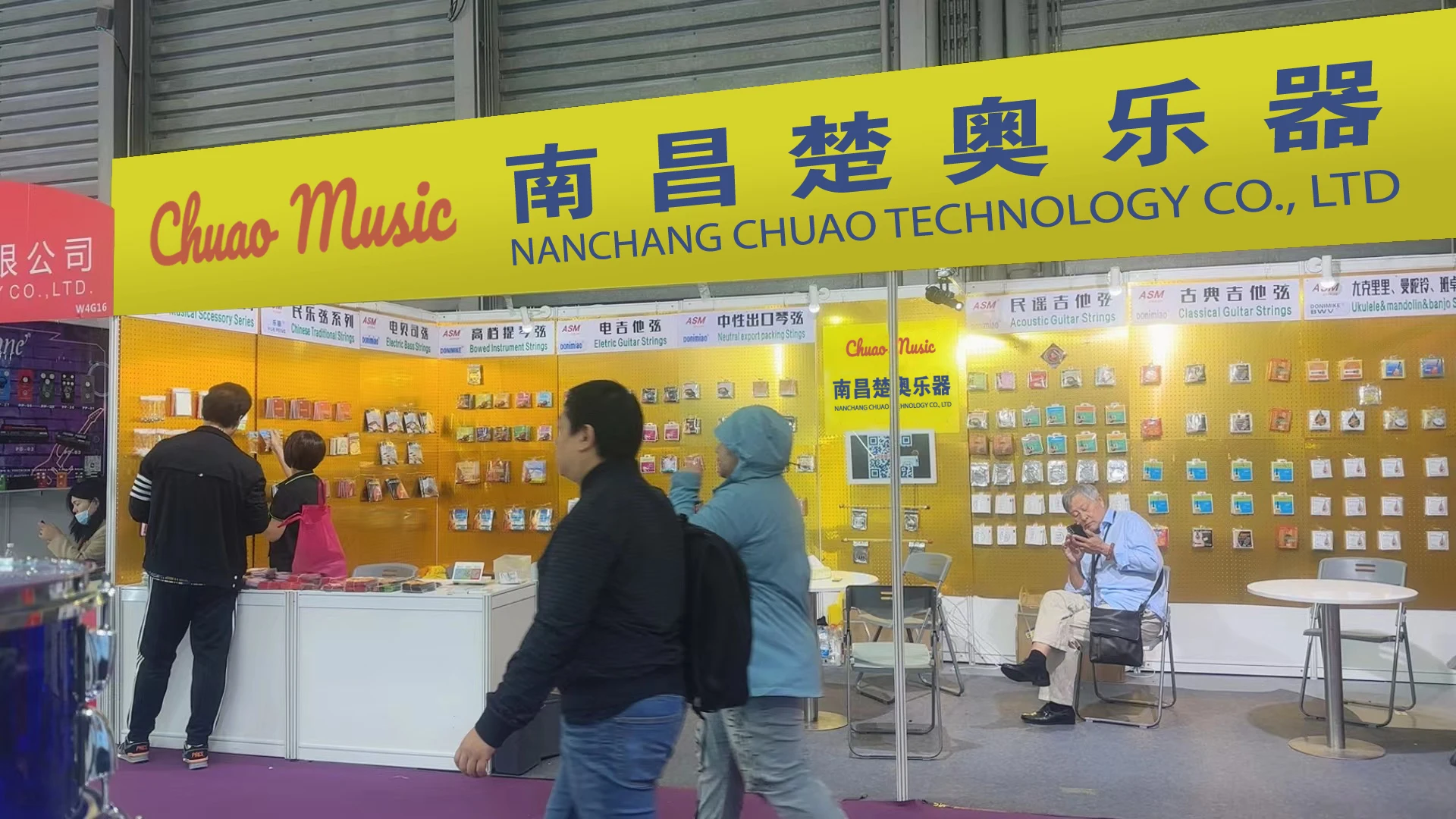
Nanchang Chuao Technology Co., Ltd.
- Trading Company
- Jiangxi, China
- Lead time7 days
- Avg. response≤ 1h
Main productsguitar,guitar accessories,drum,drumsticks,ukulele
Main marketsMid East(10.00%), Eastern Asia(10.00%), Africa(10.00%), Southeast Asia(10.00%), South Asia(10.00%), South America(10.00%), North America(10.00%), Central America(8.00%), Domestic Market(5.00%), Northern Europe(5.00%), Oceania(3.00%), Eastern Europe(3.00%), Southern Europe(3.00%), Western Europe(3.00%)

Langfang Ruijian International Trade Co., Ltd.
- Trading Company
- China Hebei
- Lead time0 days
- Avg. response≤ 15h
Main productsPiano Floor Stand, Guitar Floor Stand, Piano Stool, Music Stand, Silent Drum Stand, Violin Stand, Pedal, Microphone Stand
Alwaysfaith International Trade Co., Ltd. (Huizhou)
- Trading Company
- Lead time旺季: "1 - 5000":15,"> 5000":"To be negotiated", 淡季: "1 - 5000":15,"> 5000":"To be negotiated"
- Avg. response≤ 7h
Main productsUkulele, Electric Guitar, Acoustic Guitar
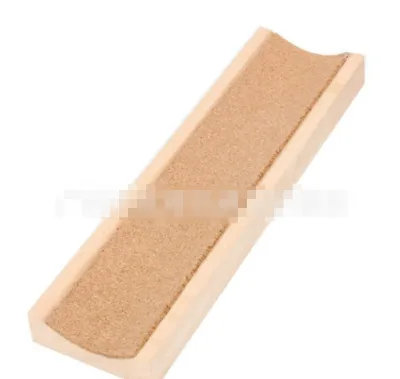
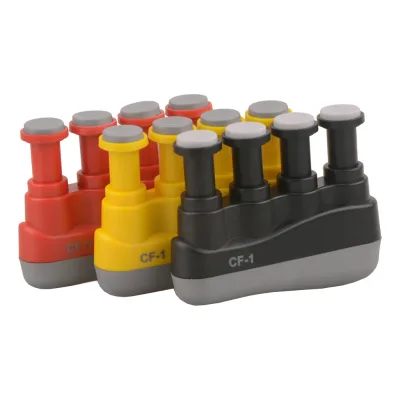
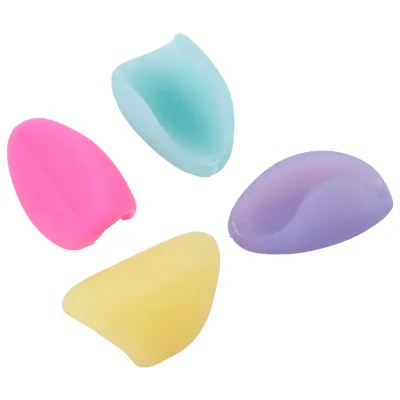
High Grade for New Beginners Hot Sale Guitar Finger Exerciser with Multiple Colors
$1.10 - $1.15
MOQ: 50 pieces
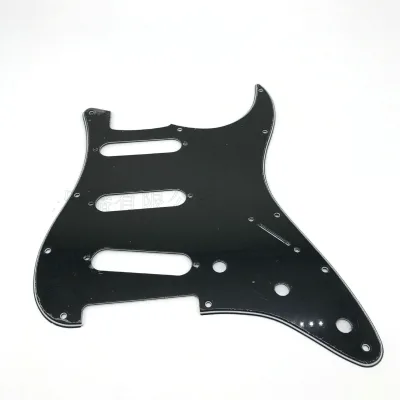

Tianjin H&W Instrument Co., Ltd.
- Trading Company,Manufacturer/Factory
- China Tianjin
- Lead time23 days
- Avg. response≤ 25h
Main productsGuitar, Violin, Trumpet, Musical Instrument, Drum Set, Saxophone, African Drum, Miniature Musical Instrument, Mandolin, Percussion Instrument
Main marketsSouth America,Eastern Europe,Mid East,North America,Southeast Asia,Eastern Asia,Oceania,Western Europe,Africa
- Manufacturer, Trading Company, Distributor/Wholesaler
- Guangdong, China
- Lead time30 days
- Avg. response≤ 2h
Main productsoutdoor products,bike accessories,car accessories
Main marketsCentral America(20.00%), North America(20.00%), South America(17.00%), Southeast Asia(10.00%), Southern Europe(8.00%), Eastern Europe(8.00%), Mid East(5.00%), Western Europe(4.00%), Northern Europe(3.00%), Eastern Asia(2.00%), South Asia(2.00%), Africa(1.00%)

- Verified by CTI
- Manufacturer/Factory
- China Fujian
- Lead time23 days
- Avg. response≤ 7h
Main productsTrolley Luggage, Travel Bags, School Bag, Cooler Bag, Special Backpack, Delivery Bag, Picnic Bag, Hunting Bag, Duffel Bag, Rolling Bag
Main marketsMid East,North America,Southeast Asia,Western Europe


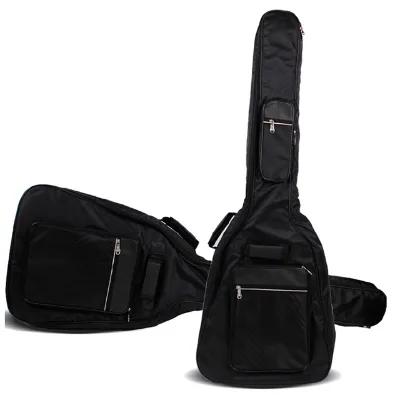
Upgraded Padded Premium Version Acoustic Guitar Gig Bag Soft Guitar Bag Case
$5.57 - $8.99
MOQ: 500 Pieces

Bass Guitar Gig Bag Thick Padding Soft Bass Case for Musical Instrument
$8.27 - $11.99
MOQ: 500 Pieces

Wholesales High Quality Classical Guitar Case Shockproof Guitar Case Bag Bass
$9.66 - $13.82
MOQ: 500 Pieces

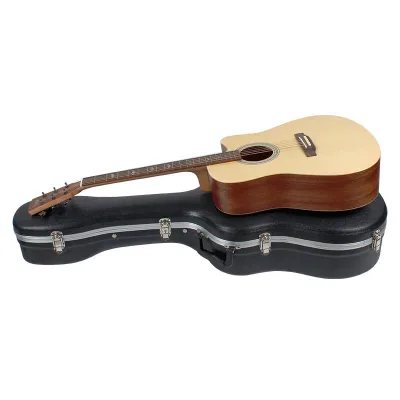
Custom Classical Hard Waterproof Shockproof High Quality Lightweight Guitar Case
$5.22 - $11.20
MOQ: 500 Pieces

2022 Durable Nylon Waterproof High Quality Lightweight Soft Guitar Case
$5.89 - $11.58
MOQ: 500 Pieces

TIANJIN ARCHER IMP. & EXP CO., LTD
- Verified by SGS
- Trading Company
- China Tianjin
- Lead time30 days
- Avg. response≤ 3h
Main productsMusical Instrument, Saxophone, Trumpet, Flute, Guitar, Violin, Drum, Percussion, Accordion, Keyboard
Main marketsSouth America,East Asia(Japan/ South Korea),Europe

Guangzhou Vines Musical Instruments Co., Ltd
- Verified by TUVRHEINLAND
- Trading Company
- China Guangdong
- Lead time15 days
- Avg. response≤ 5h
Main productsAcoustic Guitar, Electric Guitar, Classical Guitar, Electric Bass Guitar, Ukulele, Guitar Strings, Musical Instrument Accessories, Violin, Guitar Amplifier, Drum Piano
Main marketsAfrica,Europe,North America

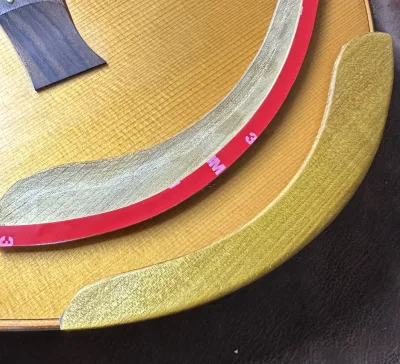
Hot Sale Guitar Accessories Acoustic Guitar Pickguard with Special Pattern
$0.40 - $2.00
MOQ: 100 Pieces


Hangzhou Shunlian Technology Co., Ltd.
- Verified by TüVRheinland
- Trading Company
- Lead time0 days
- Avg. response≤ 3h
Main productsDrum, Wind Instrument, Musical Instrument Accessories, Guitar, Violin
Main marketsSouth America(60%), Western Europe(20%), Eastern Europe(10%)

Nantong Emuse Musical Instruments Co., Ltd.
- Trading Company
- China Jiangsu
- Lead time30 days
- Avg. response≤ 7h
Main productsViolin, Guitar, Cello, Classic Guitar, Double Bass, Acoustic Guitar, Ukulele, Electric Guitar, String Instruments Accessories, Violin Bow
Main marketsSouth America,Others(foreignTradeCapacity.exportBusinessCapacityMarketOther),Europe


High Quality Fiberglass 39 Inch Classical Guitar and 41 Inch Acoustic Guitar
$70.00 - $72.00
MOQ: 1 Pieces

- Manufacturer, Trading Company
- Guangdong, China
- Lead time15 days
- Avg. response≤ 2h
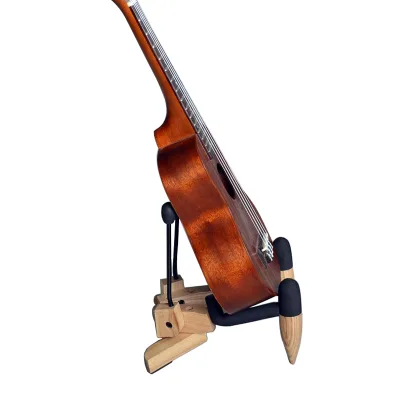
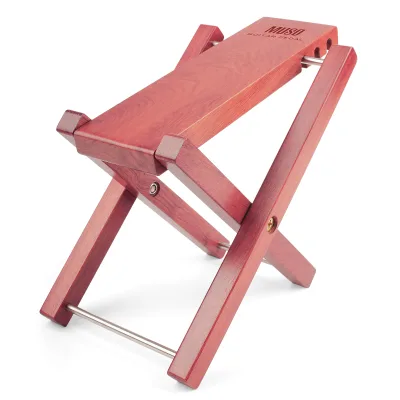
Main productsPiano Pedal Extender, Piano Foot Pads, Guitar Stand And Hook, Capo, Drumsticks
Main marketsNorth America(60.00%), South America(20.00%), Southeast Asia(20.00%)
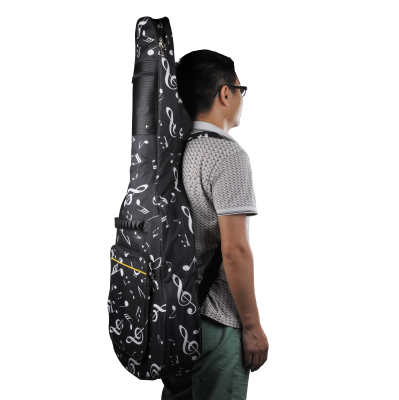
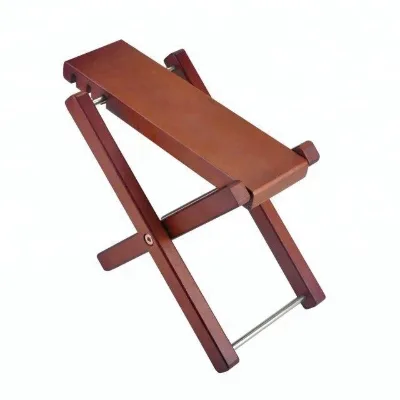
$4.64 - $5.41
MOQ: 100 pieces
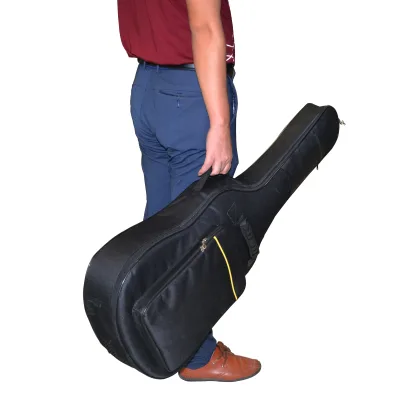
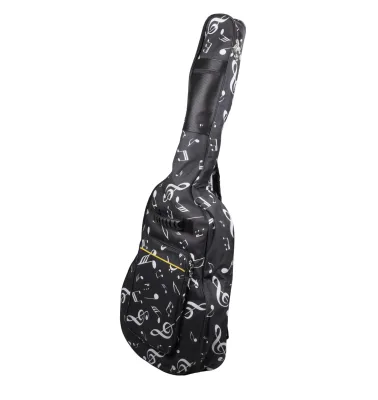

Quanzhou Lingyuan Bags Co., Ltd.
- Verified by SGS
- Combined
- China Fujian
- Lead time45 days
- Avg. response≤ 3h
Main productsSchool Bag, Sports Bag, Trolley Bag, Promotional Bag, Ladies Bag, Backpack, Hiking Backpack, Ski Bag, Hockey Bag, Bike Bag
Main marketsEurope,North America


Waterproof Acoustic Guitar Bag Padding Guitar Case Gig Bags with Back Hanger Loop
$2.00 - $3.50
MOQ: 500 Pieces
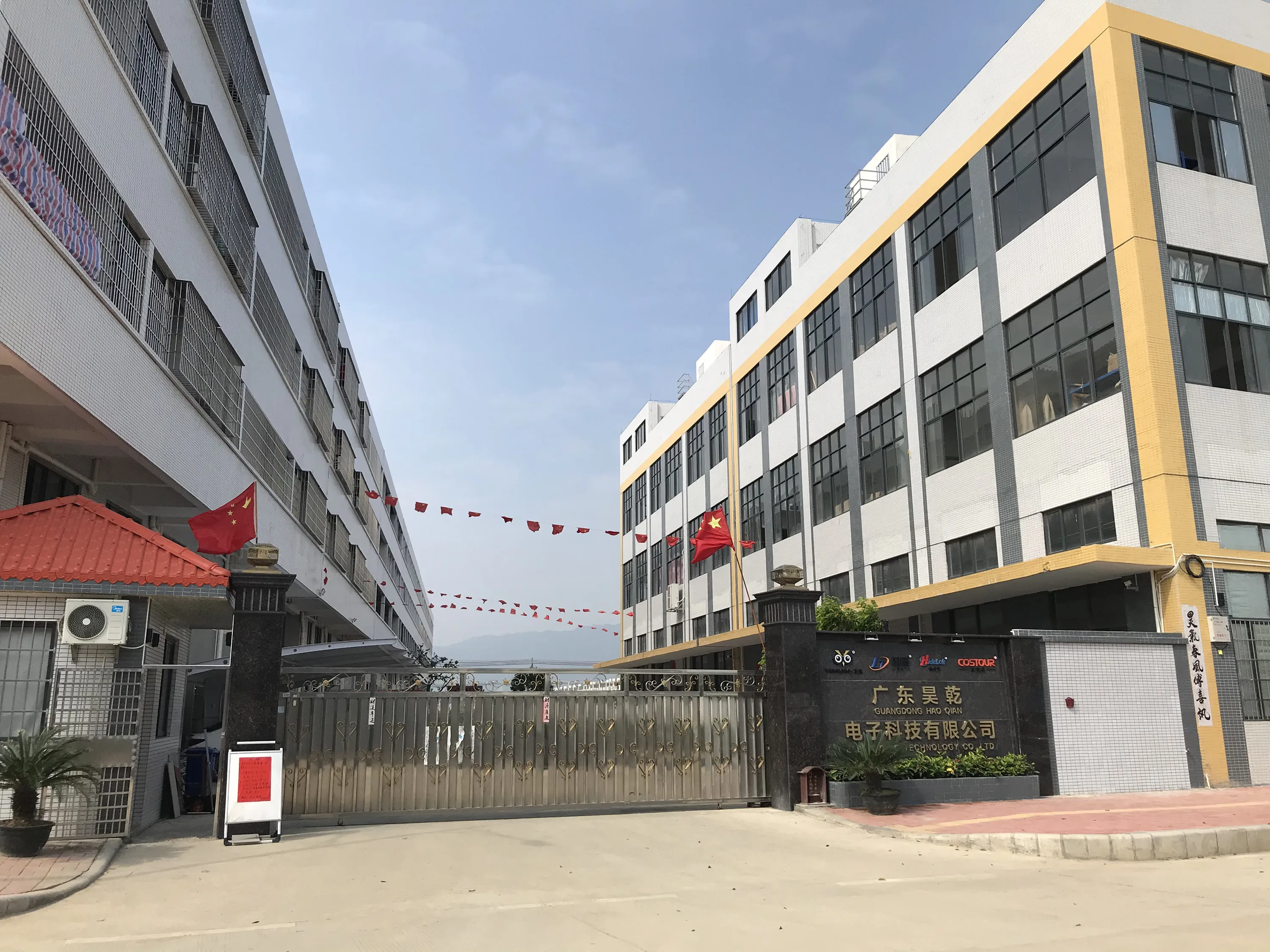
Zhaoqing Gaoyao District Costour Musical Instrument Products Co., Ltd.
- Manufacturer, Trading Company
- Guangdong, China
- Lead time10 days
- Avg. response≤ 13h
Main productsElectronic Piano,Roll Up Piano,Roll Up Drum Kit,Drumstick,Keyboard Stand
Main marketsNorth America(40.00%), South America(30.00%), Southeast Asia(15.00%), Eastern Asia(10.00%), Western Europe(5.00%)

Nantong Sinomusic Enterprise Limited
- Manufacturer/Factory
- China Jiangsu
- Lead time38 days
- Avg. response≤ 10h
Main productsStringed Instruments, Violin/Viola/Cello, Guitar/Bass/Ukulele, Keyboard Instruments, Digital Piano, Woodwind Brasswind, MIDI Controller, Percussion
Main marketsSouth America,Eastern Europe,Mid East,North America,Southeast Asia,Eastern Asia,Oceania,Western Europe,Africa


Armrest Design Lattice Brace Classical Guitar
MOQ: 1 Pieces
Changsha Bullfighter Instrument Co., Ltd.
- Verified by SGS Group
- Manufacturer, Trading Company
- Lead time7 days
- Avg. response≤ 2h
Main productsElectric Guitar; Electric Bass Guitar; Acoustic Guitar, Electronic Drum Set, Guitar Amplifier, Violin
Main marketsDomestic Market(50%), North America(13%), Southeast Asia(12%)

Jinjiang Jiaxing Supply Management Co., Ltd.
- Verified by TUVRHEINLAND
- Trading Company
- China Fujian
- Lead time30 days
- Avg. response≤ 1h
Main productsEVA Clogs, Flip Flop, Shoe Charms, Shopping Bags, Wristbands, Gifts, Promotional Gifts, Slipper, Sport Cap, Ball
Main marketsNorth America
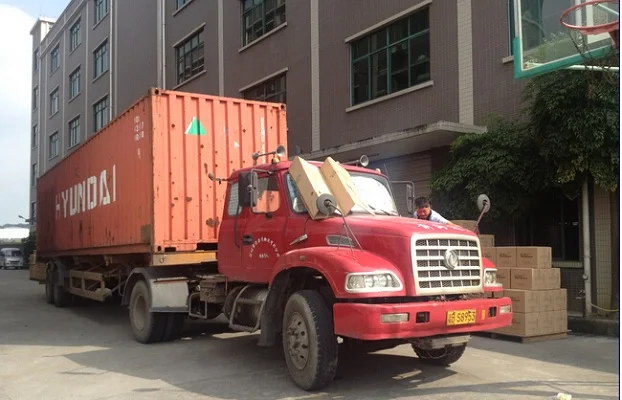
Alwaysfaith International Trade Co., Ltd. (Huizhou)
- Manufacturer, Trading Company
- Guangdong, China
- Lead time15 days
- Avg. response≤ 4h
Main productsOutdoor Entertainment,Musical Instrument,Audio Speaker,Tents
Main marketsNorth America(40.00%), South America(15.00%), Western Europe(10.00%), Central America(8.00%), Northern Europe(5.00%), Eastern Europe(5.00%), Mid East(5.00%), Eastern Asia(4.00%), Southeast Asia(4.00%), Oceania(2.00%), Africa(2.00%)
Guangzhou Huayi Musical Instruments Co., Ltd.
- Verified by SGS Group
- Manufacturer, Trading Company
- Lead time3 days
- Avg. response≤ 4h
Main productsGuitar, Ukulele, Violin, Amplifier, Guitar Accessories
Main marketsSouth America(30%), Eastern Europe(18%), Southeast Asia(16%)

Guangzhou Lebeth Musical Instrument Co., Ltd.
- Verified by BV
- Manufacturer/Factory
- China Guangdong
- Lead time0 days
- Avg. response≤ 5h
Main productsMusical Accessories, Music Stand, Keyboard Stand, Piano Stool, Guitar Stand, Speaker Stand, Drum Stand

Cc-51 Custom 600d Oxford Waterproof Guitar Bag Handcase 39 Inch Guitar Hard Case
$23.20 - $24.40
MOQ: 100 Pieces

GS-04A Hot Selling Foldable Single Acoustic and Electric Guitar Stand Acoustic Guitar Stand
$1.41 - $1.86
MOQ: 100 pieces

GS-202y Hot Sale Self-Locking Double Guitar Necks High Quality Portable Guitar Stand
$10.00 - $10.50
MOQ: 100 pieces


Guangzhou Hebikuo Musical Instrument Co., Ltd.
- Manufacturer/Factory
- China Guangdong
- Lead time30 days
- Avg. response≤ 9h
Main productsGuitar, Guitar Stand, Guitar Bags, Keyboard Piano, Digital Piano, Keyboard Stand, Piano Benches, Drums, Drum Stool, Ukulele/Violin
Main marketsSouth America,Mid East,North America,Southeast Asia,Eastern Asia,Oceania,Western Europe,Africa
Gaoyao Jinli Fenghe Musical Instrument Metal Factory
- Verified by SGS Group
- Manufacturer, Trading Company
- Lead time10 days
- Avg. response≤ 3h
Main productsMusic Stand, Microphone Stand, Guitar Accessories, Keyboard Piano Accessories, Drum Accessories
Main marketsSouth America(15%), North America(10%), Eastern Europe(10%)


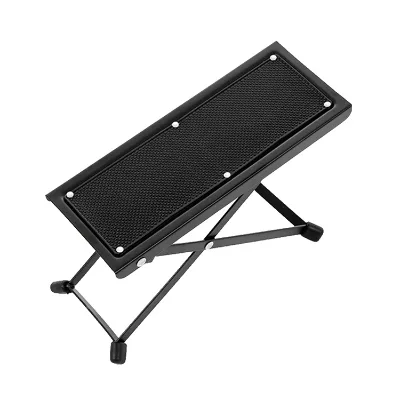
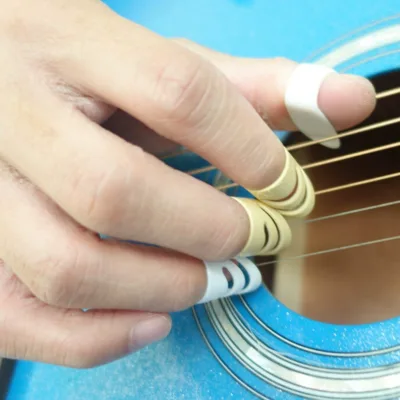
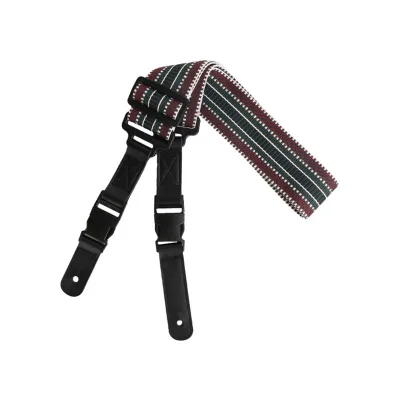
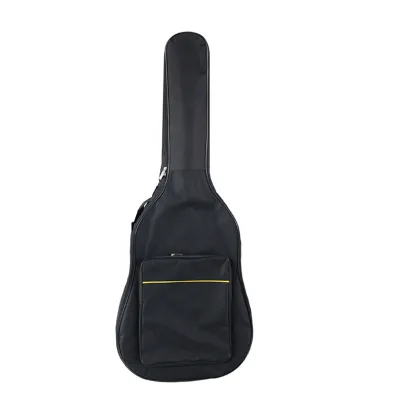








Comprehensive Sourcing Guide
Anti-Slip Guitar Finger Cots Supplier Concentration and Factory Types
The current supplier landscape for Anti-Slip Guitar Finger Cots reveals a distinct split between trading companies and manufacturers, each offering different value propositions for buyers. Trading companies appear frequently in the results, often listing diverse main products such as ukuleles, electric guitars, and acoustic guitars alongside accessories. These entities typically serve as intermediaries that aggregate products from various factories, providing a broader catalog but potentially adding layers to the supply chain. In contrast, manufacturer profiles are also present, with some listing specific instrument types like drums, melodicas, and accordions alongside guitars, suggesting a broader production capability that may include custom molding for silicone or celluloid components.
Geographic concentration is a critical factor when evaluating these supplier types, as production clusters often dictate cost structures and logistics efficiency. Available data indicates that a significant portion of the product evidence points to Guangdong, China, as a primary place of origin for items like silica gel finger protectors and guitar stands. Another location, Tianjin, China, is also identified as a source for specific celluloid-based finger picks and covers. Buyers should verify if a supplier's claimed factory location matches their actual production capacity, as trading companies may list a single origin while sourcing from multiple facilities. Understanding whether a supplier is a direct factory or a trading intermediary helps in predicting lead times and the ability to customize materials like silica gel or ABS plastic for specific anti-slip requirements.
How to Verify Anti-Slip Guitar Finger Cots Suppliers
Verification of supplier credibility relies heavily on third-party audit reports and specific platform verification badges rather than self-reported claims. In the current results, Intertek verification is explicitly noted for certain suppliers, serving as a concrete indicator that an independent inspection has occurred. Buyers should prioritize suppliers displaying such recognized verification status, as it confirms that the company's business license, production capacity, and quality control processes have been reviewed by an external agency. Without this specific badge or similar third-party validation, the reliability of a supplier's claims regarding their manufacturing capabilities remains unproven, regardless of how professional their product listings appear.
Beyond verification badges, buyers must scrutinize the response time and communication speed as indicators of operational maturity. The data shows response times ranging from four to five units, which suggests a baseline level of responsiveness among the active suppliers. A faster response time often correlates with a more organized sales team and better project management, which is crucial when sourcing specialized accessories like finger cots that may require specific material testing. Buyers should test the communication channel by asking detailed questions about material composition, such as whether the anti-slip surface is made of silica gel or celluloid, and observe how quickly and accurately the supplier replies. This interaction provides a practical measure of the supplier's ability to handle custom orders and resolve potential issues before a contract is signed.
What to Compare Across Anti-Slip Guitar Finger Cots Suppliers
When comparing suppliers, the minimum order quantity (MOQ) and unit pricing are the most immediate differentiators that affect budget planning and inventory strategy. The observed data reveals a wide variance in MOQs, with some suppliers requiring a minimum of 1,000 units for items like silica gel finger cots, while others offer single-item purchasing options for products like guitar thumb picks. This disparity forces buyers to decide between high-volume wholesale pricing, which can drop to approximately $0.05 per unit, and lower-volume flexibility that may cost upwards of $0.29 per unit. Buyers must align their order volume with their sales forecast to avoid tying up capital in excess inventory or facing prohibitive per-unit costs due to low MOQs.
Lead time and production capacity are equally critical comparison points that influence the overall supply chain reliability. While some suppliers in the results list a lead time of zero, others indicate a standard production window of 45 days, reflecting the difference between ready-to-ship stock and custom manufacturing cycles. A supplier with a 45-day lead time is likely a manufacturer producing goods to order, whereas a zero-lead-time claim often suggests a trading company holding pre-existing stock. Buyers should also compare the main product focus; a supplier whose primary business is guitars may offer better integration for finger cots than a general trading company selling a mix of wind instruments and drums. These factors combined determine the total cost of ownership and the speed at which new inventory can reach the market.
Common Anti-Slip Guitar Finger Cots Sourcing Risks
One significant risk in sourcing Anti-Slip Guitar Finger Cots involves the discrepancy between claimed materials and actual product specifications. The product evidence shows variations in materials, ranging from silica gel to celluloid and ABS plastic, each offering different levels of grip and durability. A supplier might advertise a "silica gel" product but deliver a harder plastic alternative if the order is not strictly defined in the contract. Buyers must ensure that the material specification, such as "Silica gel" or "Celluloid," is explicitly written into the purchase order and verified against the product attributes listed in the catalog. Without this explicit confirmation, there is a risk of receiving a product that does not meet the intended anti-slip performance standards required by musicians.
Another prevalent risk is the inconsistency in packaging and shipping details, which can lead to damage or logistical delays. The data indicates that packaging varies significantly, from simple OPP bags to sturdy paper boxes or cartons, with some listings showing undefined package sizes like "XX cm." This lack of standardization can result in products being damaged during transit or incurring unexpected shipping costs if the supplier underestimates the volume. Buyers should verify the exact package dimensions and weight per batch, such as the 3.000 kg gross weight noted for certain batches, to calculate accurate freight charges. Relying on vague packaging descriptions can lead to disputes over damaged goods and delays in receiving the order, undermining the efficiency of the sourcing process.
Anti-Slip Guitar Finger Cots Regional Sourcing and Logistics
Regional sourcing strategies must account for the specific geographic origins identified in the supplier data, primarily Guangdong and Tianjin in China. Guangdong is frequently cited as the place of origin for a wide array of guitar accessories, including finger cots and stands, suggesting a mature supply chain ecosystem in that region. Tianjin, on the other hand, is highlighted as a source for specific celluloid-based finger picks, indicating a specialized production cluster for that material. Buyers should verify the exact location of the factory to understand the local logistics infrastructure, as proximity to major ports in Guangdong or Tianjin can significantly impact shipping times and freight costs. Ignoring these regional nuances can lead to unexpected delays if the supplier is located in an area with less developed transport networks.
Logistics planning should also consider the specific shipping requirements associated with different product types and packaging. The product evidence shows that some items are packaged in cartons while others use paper boxes or OPP bags, which affects how they are palletized and shipped. For instance, a large order of silica gel finger cots in cartons may require different handling than a small batch of celluloid picks in OPP bags. Buyers need to confirm the gross weight and package size per batch to ensure the supplier's logistics partner can handle the shipment efficiently. Additionally, the response time of the supplier, which ranges from four to five units, can influence how quickly shipping documents are prepared and dispatched, making it essential to choose a supplier with a proven track record of timely documentation and dispatch from their specific region.
Anti-Slip Guitar Finger Cots Commercial Terms and Order Planning
Commercial terms regarding pricing and payment structures vary widely among suppliers, requiring careful analysis of the minimum and maximum price points. The data shows unit prices ranging from approximately $0.05 for high-volume orders to over $1.00 for specialized or lower-volume items. Buyers must calculate the total landed cost by factoring in these unit prices, the MOQ requirements, and any potential volume discounts that may not be immediately visible in the listing. For example, an order of 1,000 units at $0.05 per unit presents a different financial profile than a single-item order at $0.29. Understanding these price tiers allows buyers to negotiate effectively and plan their cash flow to accommodate the specific payment terms and volume commitments required by each supplier.
Order planning must also integrate the lead time and response time data to ensure timely delivery and inventory management. Suppliers with a 45-day lead time require advanced planning and potentially larger safety stock levels to prevent stockouts, whereas those with zero lead time offer more flexibility for just-in-time inventory strategies. The response time, observed between four and five units, serves as a proxy for the supplier's ability to handle order changes or urgent requests. Buyers should align their order schedules with the supplier's production cycle, ensuring that the lead time allows for sufficient buffer before the product is needed in the market. By carefully mapping out the commercial terms against the logistical realities of lead times and response speeds, buyers can create a robust order plan that minimizes risk and maximizes operational efficiency.
FAQs
What is the minimum order quantity for guitar finger cots?
The minimum order quantity varies by product type. Some items require a batch of 1,000 units, while others allow single item purchases. Buyers should check specific product listings to confirm the exact MOQ before placing an order for wholesale or retail needs.
Where are these guitar accessories manufactured?
Most of the listed guitar finger cots and accessories originate from Guangdong, China. A smaller selection of products, such as celluloid thumb picks, is manufactured in Tianjin, China. Buyers can verify the specific place of origin on individual product detail pages.
What materials are used for guitar finger protection?
Common materials include silica gel, celluloid, ABS plastic, and stainless steel. Silica gel offers a soft hand feel, while celluloid provides durability for thumb picks. Stainless steel is often used for repair tools rather than finger covers, ensuring different functional benefits for musicians.
How long does it take to receive these guitar parts?
Lead times vary significantly between suppliers. Some listings indicate a lead time of zero days, while others specify a 45-day production period. Response times for inquiries are typically fast, ranging from four to five days depending on the specific supplier's availability and workload.
Are these suppliers verified for quality assurance?
Yes, some suppliers have undergone verification by Intertek to ensure product quality and reliability. This verification helps buyers trust the manufacturing standards and safety of the guitar accessories. Buyers should look for the Intertek badge on supplier profiles to confirm this status before purchasing.
What is the price range for guitar finger cots?
Prices for guitar finger cots range from approximately 0.05 to 1.03 USD per unit depending on the material and design. Higher-priced items like steel guitar stands or repair tools can cost between 7.50 and 17.48 USD. Bulk orders often affect the final unit price significantly.
Do these products come in multiple colors?
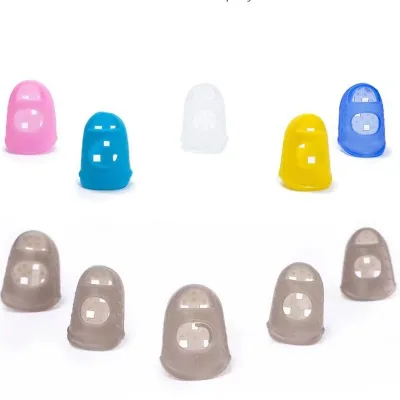
Yes, many guitar finger cots are available in various colors including gray, pink, transparent white, sky blue, and dark blue. Some thumb picks come in standard black. Buyers can select specific colors to match their personal style or branding requirements when ordering wholesale quantities.