anti-slip korean style baby socks Suppliers and Manufacturers
Source anti-slip korean style baby socks from 27 verified suppliers in China. Compare key dimensions including ISO 9001 certification, SGS verification, response times, and pricing. Review product specifications and request quotes directly to streamline your procurement process; review the available evidence before requesting comparable quotations from suitable candidates.
Updated
Suppliers List

Nantong Bi'antong Textile Fabrics Trade Co., Ltd.
- Verified by SGS
- Trading Company
- China Jiangsu
- Lead time0 days
- Avg. response≤ 23h
Main productsCotton Socks, Hat, Scarf, Blanket, Knee Pad, Cap, Underwear, Wash Accessories, Fabric, Tool Bag

Sungnan Import & Export Co., Ltd.
- Verified by TUVRHEINLAND
- Combined
- China Zhejiang
- Lead time30 days
- Avg. response≤ 6h
Main productsScarf, Socks, China Scarf, Leggings, Hats, Bags, Gloves
Main marketsNorth America
Quanzhou Xiami Baby Products Co., Ltd.
- Trading Company
- Fujian, China
- Lead time10 days
- Avg. response≤ 5h
Main productsbaby clothes,baby romper,baby pants,baby socks,baby products
Main marketsNorth America(50.00%), Oceania(40.00%), South America(10.00%)

- Verified by TUVRHEINLAND
- Combined
- China Shanghai
- Lead time15 days
- Avg. response≤ 3h
Main productsInfant Clothes, Baby Clothes, Kids Wear, Underwear, Sock, Pajama, Night Dress, Sleep Bag, Yoga Clothes, Nursing Tee
Main marketsEurope,Australia,North America

Zhuji Dongling Knitting & Textile Co., Ltd.
- Combined
- China Zhejiang
- Lead time30 days
- Avg. response≤ 9h
Main productsSocks, Man Socks, Lady Socks, Sport Socks, Baby & Kids Socks, Tights, Wristband, Non-Slip Socks, Mobile Phone Pouch, Hiking Socks
Main marketsAfrica,Europe,North America
Zhejiang Kaite Knitting Co., Ltd.
- Verified by TüVRheinland
- Manufacturer, Trading Company
- Lead time25 days
- Avg. response≤ 6h
Main productsYoga Socks, Custom Socks, Sport Socks, Men's Socks, Tights
Main marketsNorth America(70%), Western Europe(12%), Oceania(5%)
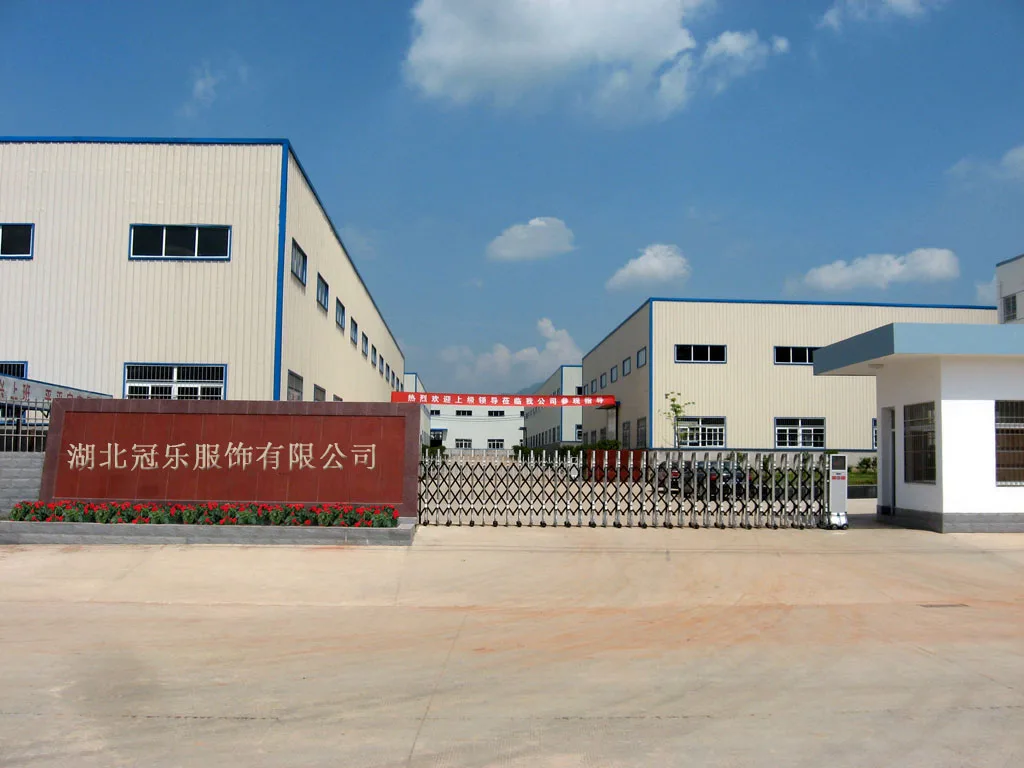
Hubei Guanle Apparel Co., Ltd.
- Trading Company
- Hubei, China
- Lead time10 days
- Avg. response≤ 4h
Main productsBaby Rompers & Bodysuits,Baby Sleeping Bag,Baby Blanket&Swaddle,Baby Nest&Lounger,Baby Shirts & Tops
Main marketsNorth America(25.00%), South America(20.00%), Southeast Asia(15.00%), Eastern Europe(15.00%), Eastern Asia(10.00%), Africa(5.00%), Mid East(5.00%), Oceania(5.00%)
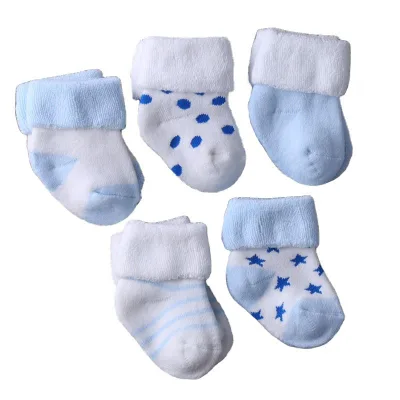
Promotion Custom Fashion Color Baby Socks Winter Thick Baby Anti Slip Socks Sock for Babies
$0.40 - $0.46
MOQ: 25 pairs
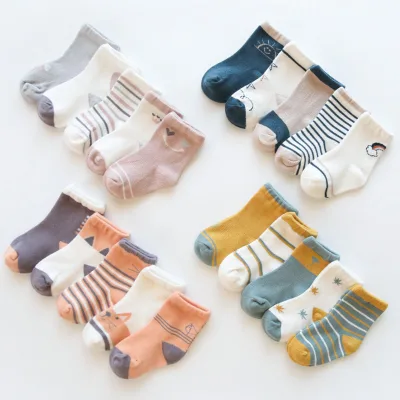
$0.60 - $0.70
MOQ: 10 pieces
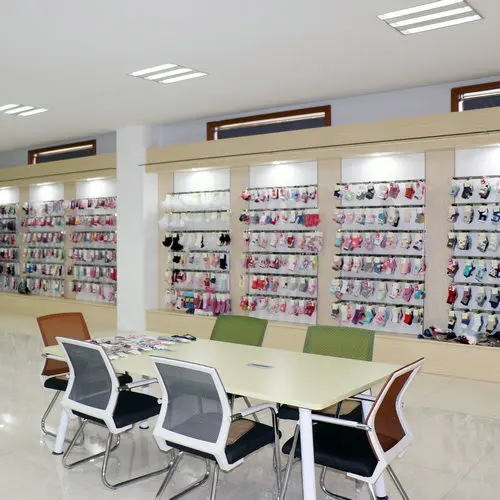
- Manufacturer, Trading Company
- Zhejiang, China
- Lead time15 days
- Avg. response≤ 2h
Main productssocks,women socks,men socks,wholesale socks,custom socks
Main marketsNorth America(38.00%), Western Europe(14.00%), Northern Europe(11.00%), Eastern Europe(8.00%), Eastern Asia(6.00%), South America(5.00%), Southern Europe(4.00%), Southeast Asia(4.00%), Central America(3.00%), South Asia(3.00%), Domestic Market(1.00%), Oceania(1.00%), Africa(1.00%), Mid East(1.00%)
Yiwu Donghong Knitting Co., Ltd.
- Manufacturer, Trading Company
- Lead time旺季: "1 - 1000":7,"1001 - 3000":12,"3001 - 20000":25,"> 20000":"To be negotiated", 淡季: "1 - 1000":7,"1001 - 3000":12,"3001 - 20000":25,"> 20000":"To be negotiated"
- Avg. response≤ 11h
Main productsSocks, Shin Pads
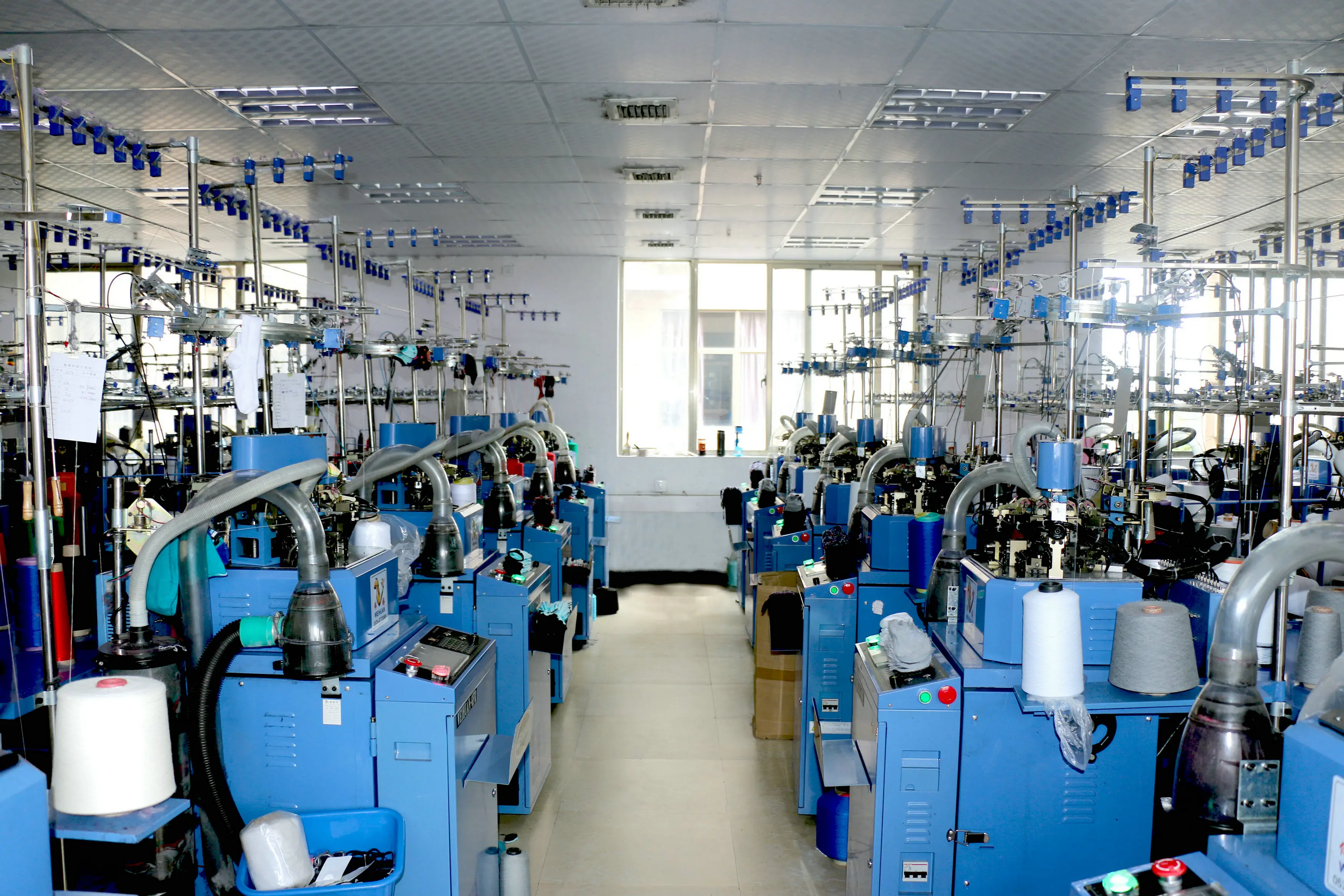
Zhejiang Coobird Technology Co., Ltd.
- Manufacturer, Trading Company
- Zhejiang, China
- Lead time20 days
- Avg. response≤ 2h
Main productsSocks,sports socks,men socks,custom socks,cotton socks
Main marketsNorth America(55.00%), Western Europe(30.00%), South America(5.00%), Oceania(5.00%), Southeast Asia(5.00%)

- Verified by TUVRHEINLAND
- Trading Company,Manufacturer/Factory
- China Chongqing
- Lead time38 days
- Avg. response≤ 5h
Main productsBaseball Cap, Beanie Hat, Trucker Hat, Bucket Hat, Snapback Hat, Scarf, Gloves, Apron, Sock, T Shirt&Polo Shirt
Main marketsSouth America,Eastern Europe,Mid East,North America,Southeast Asia,Eastern Asia,Oceania,Western Europe,Africa
Yiwu City Meiban Clothing Co., Ltd.
- Manufacturer, Trading Company
- Zhejiang, China
- Lead time60 days
- Avg. response≤ 4h
Main productsShoes,hat&cap,hair accessories,sportswear,clothing
Main marketsNorth America(60.00%), Western Europe(20.00%), Northern Europe(10.00%), Mid East(5.00%), South America(5.00%)
Huzhou Zhili Jingcheng Apparel Co., Ltd.
- Verified by Intertek
- Manufacturer, Trading Company
- Lead time0 days
- Avg. response≤ 6h
Main productsKid Clothes, Apparel Accessory, Baby Supplies, Kids Shoes
Main marketsMid East(45%), Africa(30%), North America(15%)
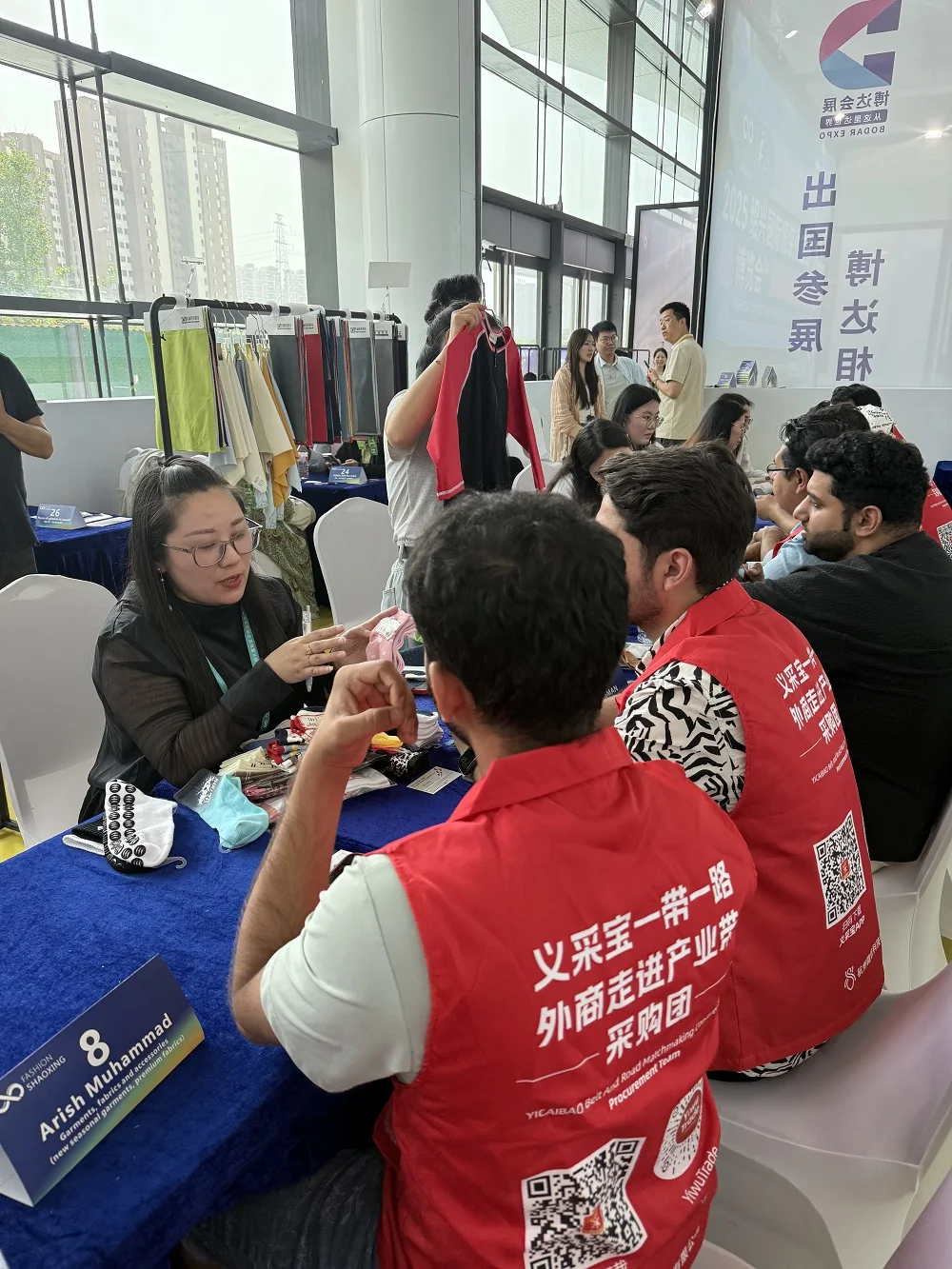
Yiwu Long Glory Imp. & Exp. Co., Ltd.
- Trading Company
- Zhejiang, China
- Lead time25 days
- Avg. response≤ 3h
Main productssocks,shoes
Main marketsNorthern Europe(30.00%), North America(30.00%), Mid East(20.00%), Central America(5.00%), South America(5.00%), Oceania(5.00%), Africa(3.00%), Domestic Market(2.00%)
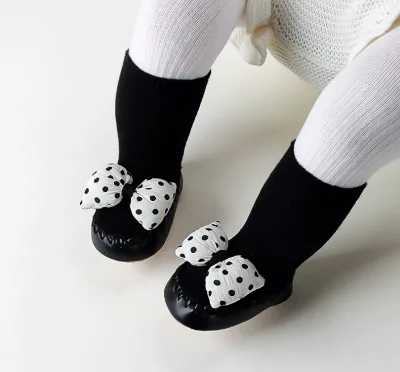
$0.3396 - $3.5994
MOQ: 30 pieces
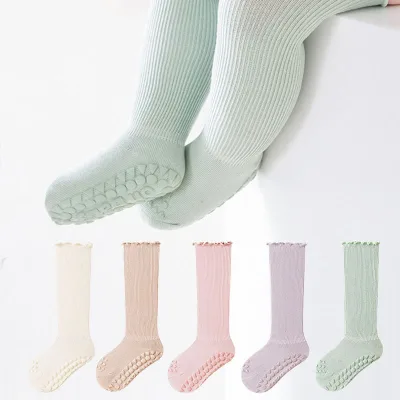
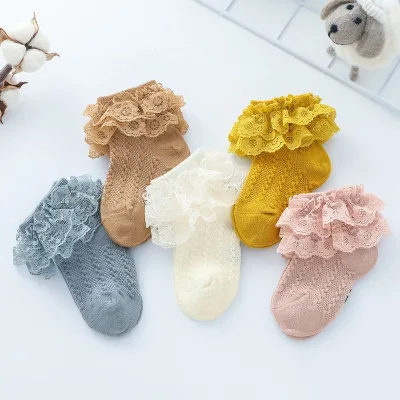
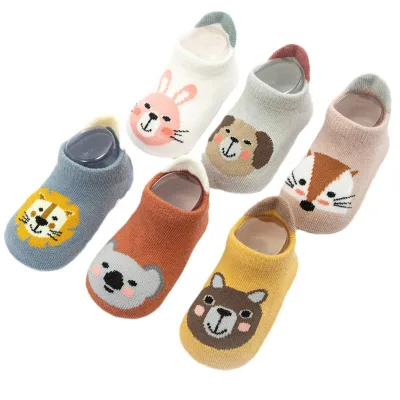
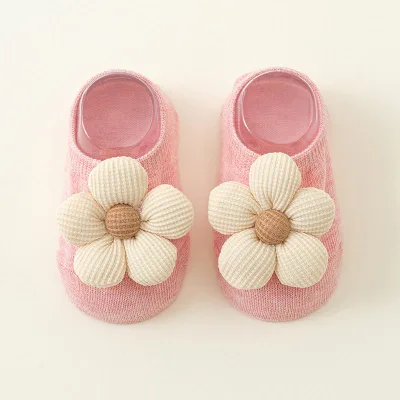
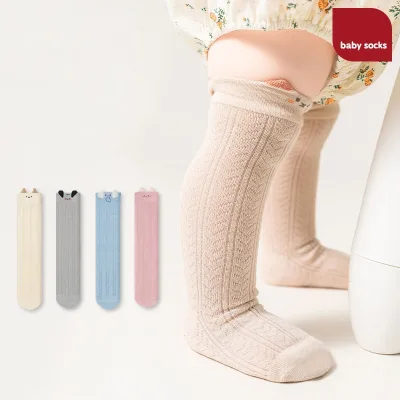
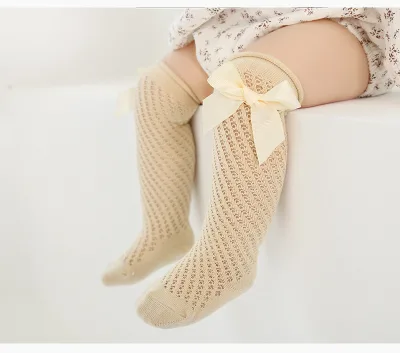
Spring Summer Newborn Baby Socks Breathable Non-Constricting Cartoon-Printed Knee High Socks
$0.79 - $4.00
MOQ: 30 pieces

Shanghai Jspeed Industry Co., Ltd.
- Verified by BV
- Trading Company
- China Shanghai
- Lead time60 days
- Avg. response≤ 7h
Main productsMen/Women Swimwear, Underwear, Bra, Socks, Men/Women Pants, Men/Women Jackets, Dress, Sportwear, Skirt, Shirt
Main marketsEurope
- Verified by SGS Group
- Manufacturer, Trading Company
- Lead time35 days
- Avg. response≤ 1h
Main productsSport Socks and Cotton Socks, Wrist Band, Pilates socks, Gym Socks, Gift Socks
Main marketsNorth America(33%), Western Europe(15%), South America(10%)

shanghai jspeed industry co.,ltd
- Trading Company
- China Shanghai
- Lead time60 days
- Avg. response≤ 5h
Main productsSwimwear, Underwear, Sportswear, Socks, Dress, Skirt, Pants, Shorts, Textile
Main marketsSouth America,Southeast Asia/ Mideast,Domestic,Europe,Australia,North America
- Manufacturer, Trading Company
- Zhejiang, China
- Lead time0 days
- Avg. response≤ 5h
Main productssocks,sleeves,underwear,pantyhose,hat
Main marketsDomestic Market(100.00%), South Asia(100.00%), Southern Europe(100.00%), Northern Europe(100.00%), Central America(100.00%), Western Europe(100.00%), Eastern Asia(100.00%), Mid East(100.00%), Oceania(100.00%), Africa(100.00%), Southeast Asia(100.00%), Eastern Europe(100.00%), South America(100.00%), North America(100.00%)
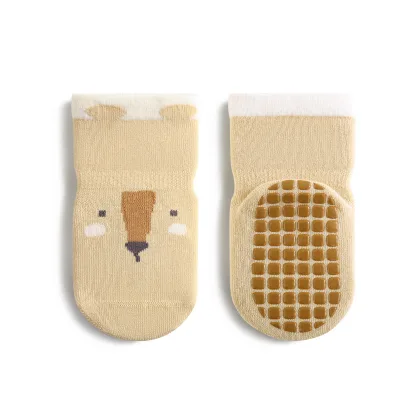
$0.6104 - $0.9215
MOQ: 1000 pairs

- Verified by CTI
- Trading Company
- China Anhui
- Lead time23 days
- Avg. response≤ 2h
Main productsFurniture, Home Furniture
Main marketsSoutheast Asia/ Mideast
Anhui Yaoshun Intelligent Technology Group Co. , Ltd.
- Verified by SGS Group
- Manufacturer, Trading Company
- Lead time30 days
- Avg. response≤ 11h
Main productsSocks
Main marketsDomestic Market(80%), Western Europe(15%), Eastern Europe(5%)
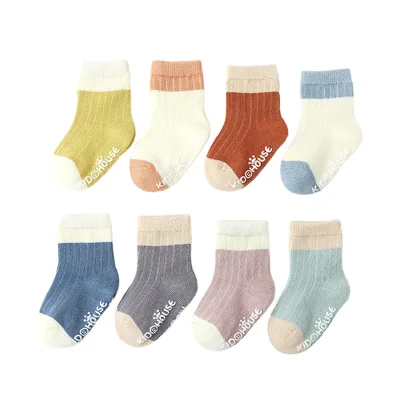
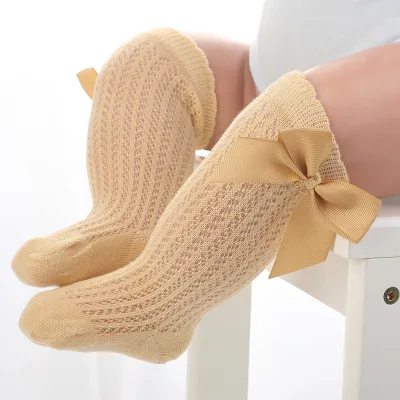
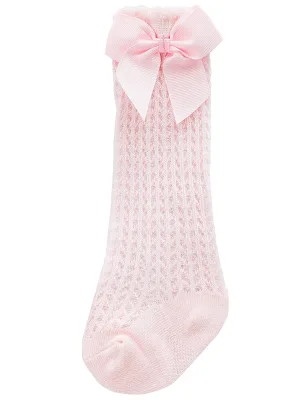
Wholesale Custom Logo Age 0-3 Months Socks Anti Slip Grip Bottom Cotton Baby Socks
$0.20 - $0.42
MOQ: 1000

Shanghai Hexuan Baby Products Co., Ltd.
- Verified by SGS
- Trading Company
- China Shanghai
- Lead time15 days
- Avg. response≤ 5h
Main productsBaby Wear Baby Cloth Diaper Bibs Baby Rompers
Main marketsSouth America,Africa,Southeast Asia/ Mideast,East Asia(Japan/ South Korea),Europe,Australia,North America


$0.35 - $4.50
MOQ: 10 Pieces

High Quality New Style Cotton Socks Boys and Girls Socks for Kids Autumn and Winter Baby Socks
$0.35 - $4.50
MOQ: 10 Pieces


- Verified by CTI
- Combined
- China Zhejiang
- Lead time30 days
- Avg. response≤ 2h
Main productsCottton Sock, Crew Sock, Kids Sock, Adult Sock, Men Sock, Sports Sock, Pilates Sock, Football Sock, Ankle Sock
Main marketsEurope,Australia,North America


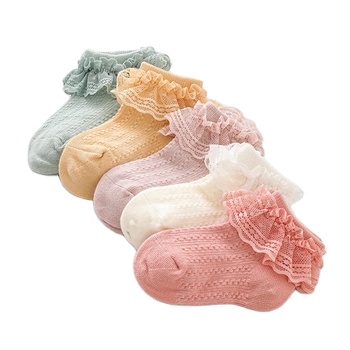
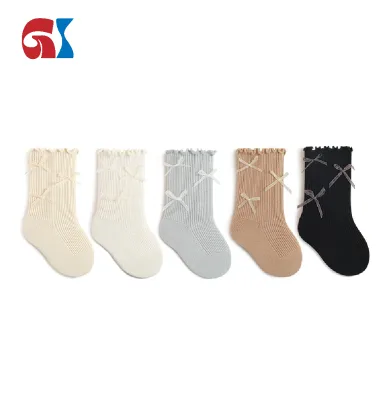
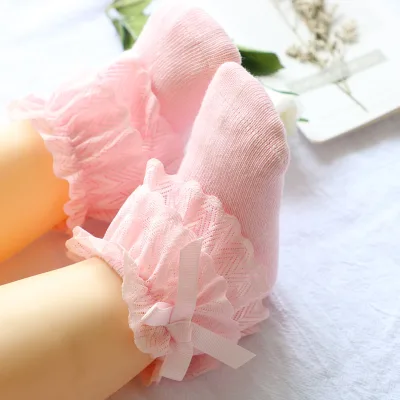
Breathable High Elasticity Cute Lace Cotton Anti-Slip Ankle Baby Girl Socks
$0.49 - $1.95
MOQ: 100 Pairs

Shijiazhuang Cearth Imp & Exp Co., Ltd.
- Trading Company
- Hebei, China
- Lead time15 days
- Avg. response≤ 3h
Main productsSport Protective Gear,Bodyshaper,Socks,Waist Trainer,Belly Belt
Main marketsNorth America(30.00%), Eastern Europe(20.00%), South America(20.00%), Southeast Asia(10.00%), Western Europe(8.00%), Eastern Asia(3.00%), Africa(3.00%), Oceania(2.00%), South Asia(1.00%), Mid East(1.00%), Southern Europe(1.00%), Central America(1.00%)
- Verified by TüVRheinland
- Trading Company
- Fujian, China
- Lead time10 days
- Avg. response≤ 2h
Main productsSports Socks, Shoes, Apparel
Main marketsNorth America(60%), Western Europe(30%), Northern Europe(5%)
$1.2252 - $1.4287
MOQ: 100 pairs
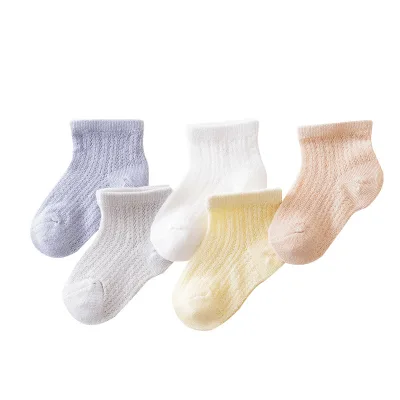
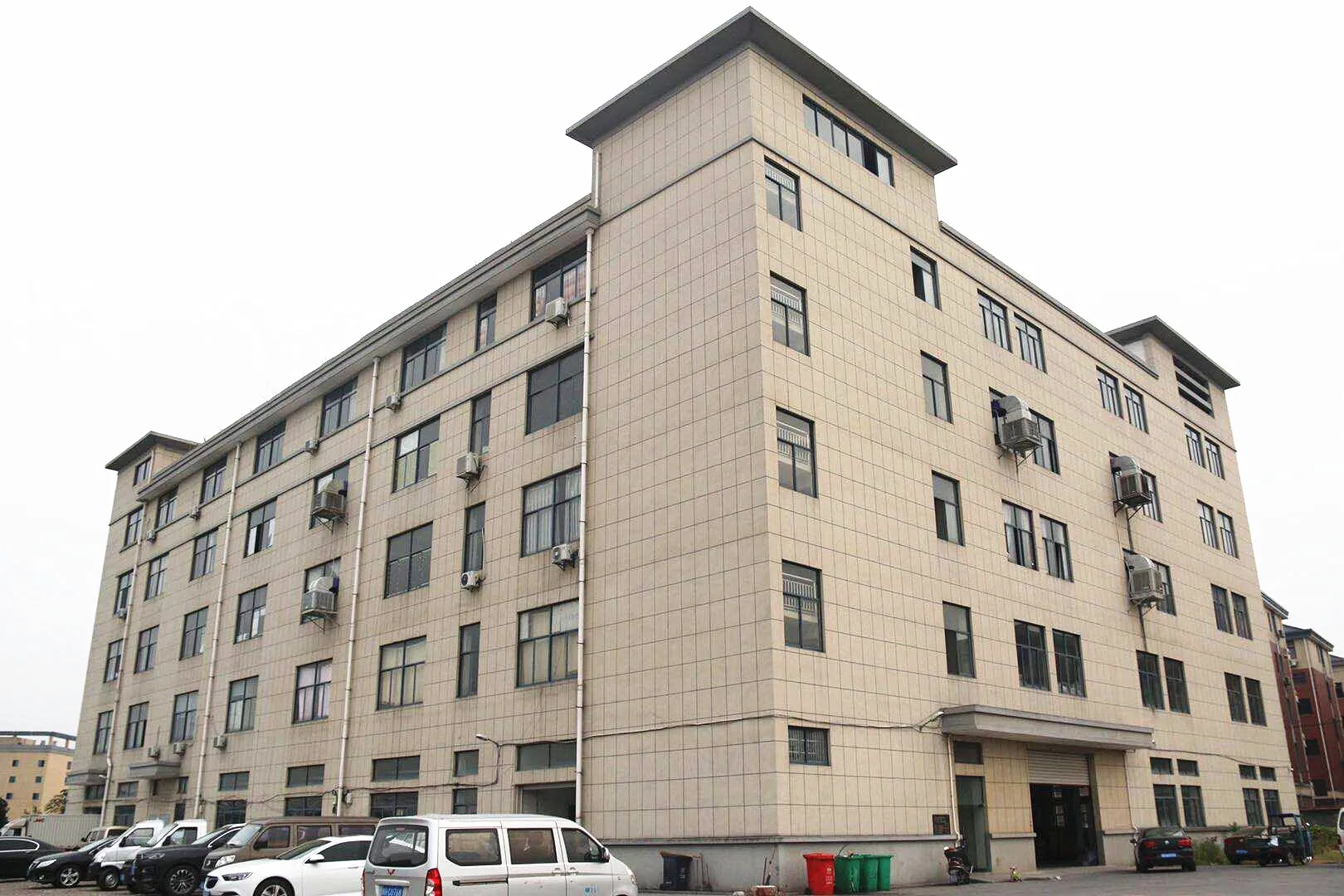
- Manufacturer, Trading Company
- Zhejiang, China
- Lead time20 days
- Avg. response≤ 2h
Main productsSocks,Pantyhose,Leggings,Stockings,Tights
Main marketsNorth America(19.00%), Southern Europe(15.00%), Western Europe(15.00%), Oceania(15.00%), Northern Europe(15.00%), Eastern Europe(15.00%), Central America(3.00%), Southeast Asia(3.00%)
Shijiazhuang Followmee Trade Co., Ltd.
- Trading Company
- Hebei, China
- Lead time15 days
- Avg. response≤ 2h
Main productsFashion keychain,Clothing and Accessories,Fashion Sock sand Gloves,Fur balls & Tassels,Fur Product Accessories
Main marketsNorth America(40.00%), South America(15.00%), Northern Europe(7.00%), Southern Europe(7.00%), South Asia(7.00%), Africa(7.00%), Southeast Asia(7.00%), Eastern Europe(7.00%), Western Europe(2.00%), Eastern Asia(1.00%)
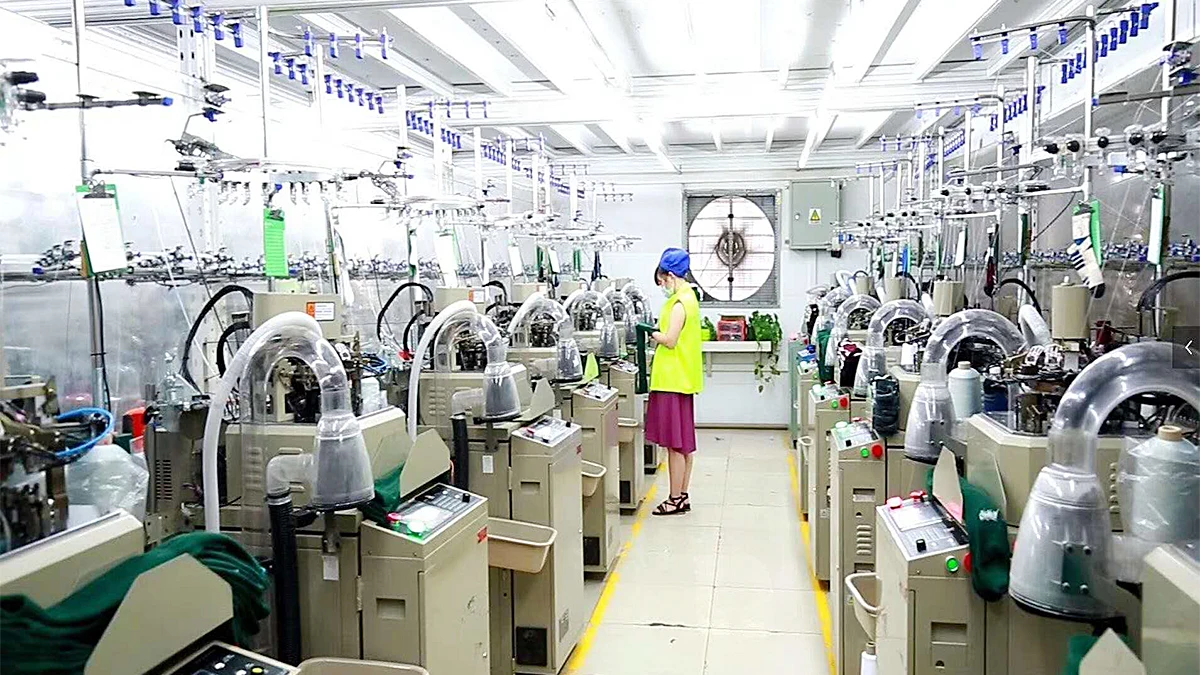
NANHAI JIXINGFENG KNIT FACTORY
- Manufacturer, Trading Company
- Guangdong, China
- Lead time15 days
- Avg. response≤ 14h
Main productsSocks,Hats,Gloves,Scarves
Main marketsDomestic Market(60.00%), North America(20.00%), Southern Europe(5.00%), Western Europe(5.00%), Northern Europe(2.00%), Eastern Europe(2.00%), South Asia(1.00%), Oceania(1.00%), Eastern Asia(1.00%), Mid East(1.00%), Central America(1.00%), South America(1.00%)


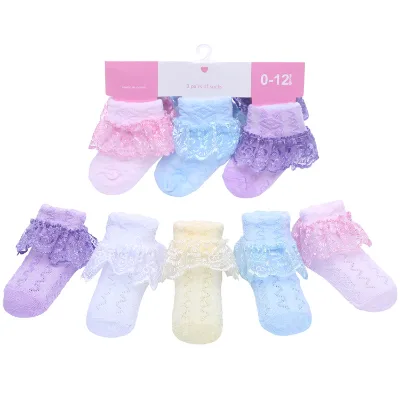



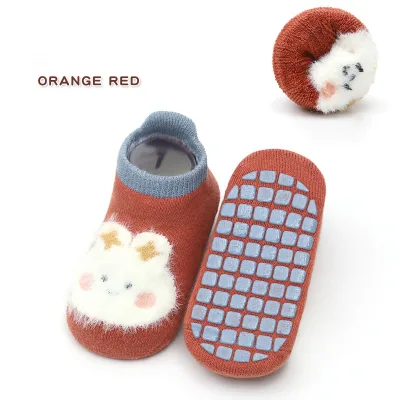
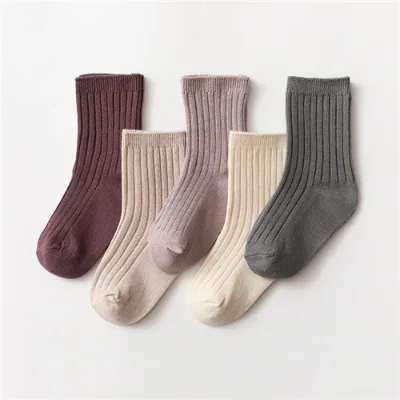
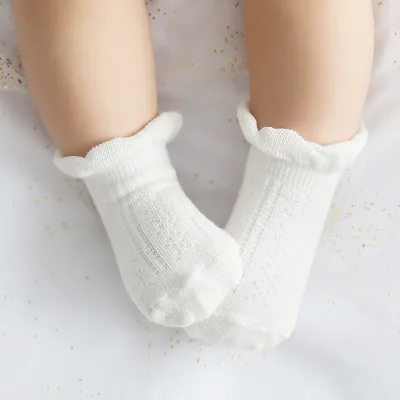


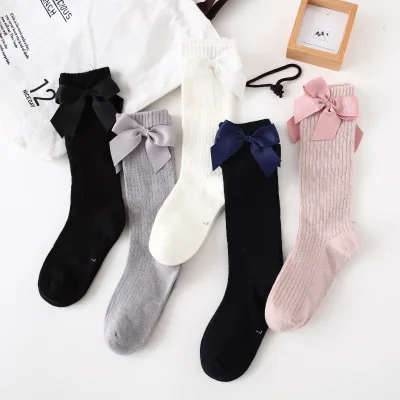




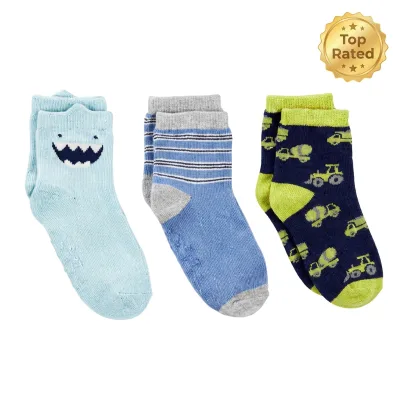
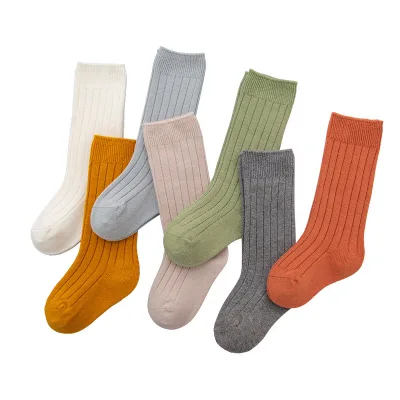
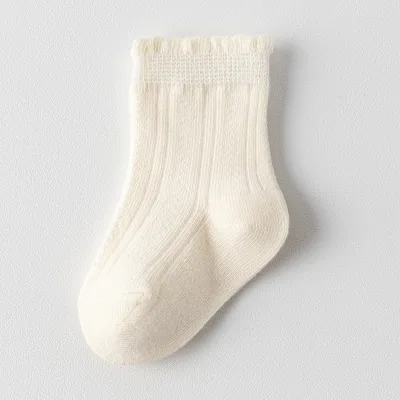
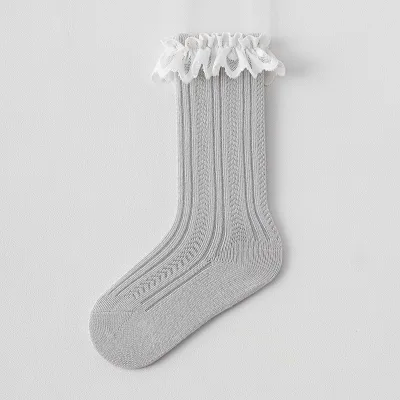
Comprehensive Sourcing Guide
Anti-Slip Korean Style Baby Socks Supplier Concentration and Factory Types
The current supplier landscape for anti-slip Korean style baby socks reveals a concentration of manufacturing and trading entities primarily located in China, with specific operational hubs identified in Jiangsu and Zhejiang provinces. These regions are critical for sourcing because they host the textile infrastructure necessary for producing cotton-based hosiery with specialized features like anti-slip grips. Suppliers in these areas often operate as trading companies or combined entities, which influences how buyers interact with the supply chain. Trading companies typically aggregate products from multiple factories, offering a broader catalog that includes related items such as hats, scarves, and blankets, while combined entities may possess both trading and manufacturing capabilities. This structural diversity means that buyers must carefully distinguish between pure traders and those with direct factory access, as this distinction impacts pricing flexibility and production control. The presence of ISO 9001 certification among some suppliers indicates a baseline level of quality management system implementation, which is a positive indicator for consistency in production processes. However, not all suppliers display this certification, so the absence of visible credentials does not necessarily imply poor quality but rather a lack of public disclosure. Buyers should recognize that the geographic concentration in Jiangsu and Zhejiang suggests a mature supply chain ecosystem, but it also requires diligent verification to ensure that the claimed location matches the actual production site. Understanding the company type is the first step in assessing whether a supplier can meet specific customization needs or if they are merely reselling existing stock.
Factory types vary significantly in their ability to handle the specific demands of baby sock production, particularly regarding material safety and design flexibility. Many suppliers offer customization options, allowing for custom logos and artwork, which is essential for brands seeking to differentiate their Korean-style products. The main products listed by suppliers often extend beyond socks to include accessories like gloves and bags, suggesting that many facilities are versatile textile manufacturers rather than specialized sock-only factories. This versatility can be advantageous for buyers looking to consolidate orders, but it may also mean that sock production is not the sole focus of the facility. Some suppliers highlight specific product attributes such as cotton material, anti-slip features, and age-specific sizing for babies and children, which are critical for meeting regulatory and consumer expectations. The availability of customization is a key differentiator, with some suppliers offering OEM and ODM services, enabling buyers to develop unique product lines. However, the extent of customization capabilities varies, and buyers must verify whether the supplier can handle complex designs or limited-run orders. The combination of trading and manufacturing roles in some entities allows for greater flexibility in order sizes and lead times, but it also introduces an additional layer of communication that must be managed effectively. Buyers should prioritize suppliers who clearly articulate their manufacturing capabilities and provide evidence of their ability to produce high-quality, customized baby socks that meet international standards.
How to Verify Anti-Slip Korean Style Baby Socks Suppliers
Verification is a critical step in ensuring that the suppliers you engage with are legitimate and capable of delivering high-quality products. One of the primary methods for verification is checking for third-party certifications and verification badges, such as SGS or TÜV Rheinland, which indicate that the supplier has undergone independent assessment. These verifications provide a layer of trust, confirming that the supplier meets certain operational and quality standards. However, it is important to note that not all suppliers display these badges, and the absence of a verification badge does not automatically disqualify a supplier. Buyers should actively seek out suppliers with visible verification credentials and request documentation to confirm the validity of these certifications. Additionally, system certifications like ISO 9001 should be reviewed to ensure that the supplier has a robust quality management system in place. This certification is particularly relevant for baby products, where consistency and safety are paramount. Buyers should also examine the supplier’s response time, as a quick and professional response can indicate a well-organized and customer-focused operation. A response time of less than six hours, for example, suggests that the supplier is attentive and likely to provide timely support throughout the procurement process.
Beyond certifications and response times, buyers should verify the supplier’s production capabilities and product evidence. Requesting detailed product specifications, including material composition, size charts, and feature descriptions, is essential to ensure that the supplier can meet your specific requirements. For anti-slip Korean style baby socks, it is crucial to confirm that the anti-slip features are effective and safe for babies, and that the materials used are breathable and eco-friendly. Buyers should also ask for samples to physically inspect the quality of the product, checking for stitching integrity, grip durability, and overall comfort. Additionally, verifying the supplier’s main products and catalog can help determine if they have experience in producing baby socks specifically, rather than just general hosiery. Suppliers that specialize in baby products are more likely to understand the unique requirements and regulations associated with infant apparel. Buyers should also check the supplier’s order history and customer reviews, if available, to gauge their reliability and reputation in the market. By combining these verification methods, buyers can build a comprehensive profile of each supplier, reducing the risk of partnering with unreliable or unqualified vendors. This thorough approach ensures that the final products meet the highest standards of quality and safety.
What to Compare Across Anti-Slip Korean Style Baby Socks Suppliers
When evaluating multiple suppliers, it is essential to compare key operational metrics to determine which vendor best aligns with your business needs. One of the most critical factors to compare is the minimum order quantity (MOQ), as this directly impacts your inventory management and cash flow. Suppliers may offer varying MOQs, ranging from small batches of 120 pairs to larger orders of 2000 pairs or more. Understanding these differences allows you to select a supplier that matches your order volume and storage capacity. Additionally, lead times are a crucial comparison point, as they determine how quickly you can receive your goods and respond to market demand. Some suppliers may have lead times as short as 3-7 days for samples, while production lead times can range from 20 to 30 days. Comparing these timelines helps you plan your supply chain more effectively and avoid delays. Price is another significant factor, with costs varying based on material, customization, and order size. Buyers should request detailed quotes that break down costs for different order quantities to identify the most cost-effective option. It is also important to compare the customization options available, such as the ability to add custom logos or design specific patterns, as this can enhance your brand’s uniqueness.
Beyond operational metrics, buyers should compare the supplier’s product range and specialization. Some suppliers may offer a wide variety of sock styles, including ankle, middle, and thickening options, while others may focus on specific niches. Comparing the product attributes, such as material composition, thickness, and features like anti-slip or breathable properties, helps ensure that the supplier can meet your specific product requirements. Additionally, comparing the supplier’s packaging options is important, as proper packaging is essential for protecting the product during transit and enhancing its market appeal. Some suppliers may offer individual polybag packaging, while others may use bulk carton packaging. Buyers should also compare the supplier’s communication style and responsiveness, as effective communication is vital for resolving issues and ensuring smooth order processing. Suppliers with faster response times and clearer communication are generally easier to work with and less likely to encounter misunderstandings. Finally, comparing the supplier’s certification and verification status provides insight into their commitment to quality and compliance. By systematically comparing these factors, buyers can make informed decisions and select the supplier that offers the best balance of quality, cost, and service for their anti-slip Korean style baby socks.
Common Anti-Slip Korean Style Baby Socks Sourcing Risks
Sourcing anti-slip Korean style baby socks involves several potential risks that buyers must be aware of and mitigate. One of the primary risks is the inconsistency in product quality, which can arise from variations in manufacturing processes or material sourcing. Without proper quality control measures, suppliers may deliver products that do not meet the specified standards for anti-slip performance or material safety. This risk is particularly acute when dealing with trading companies that may not have direct oversight of the production process. To mitigate this risk, buyers should request detailed quality assurance protocols and conduct regular inspections of the production line. Another significant risk is the delay in lead times, which can disrupt your supply chain and result in missed market opportunities. Suppliers may underestimate the time required for production, especially when handling custom orders or large volumes. Buyers should establish clear lead time expectations in their contracts and include penalties for delays to incentivize timely delivery. Additionally, there is a risk of intellectual property infringement, particularly when working with suppliers who offer customization services. Buyers must ensure that their designs and logos are protected and that the supplier does not share them with competitors.
Communication barriers and language differences can also pose risks, leading to misunderstandings about product specifications or order requirements. Miscommunication can result in incorrect orders, which may be costly to rectify and delay the overall procurement process. To address this, buyers should use clear and concise language in their communications and confirm all details in writing. Another risk is the lack of transparency in pricing, where suppliers may add hidden fees for customization, packaging, or shipping. Buyers should request comprehensive quotes that include all costs to avoid unexpected expenses. Furthermore, there is a risk of relying on suppliers who lack proper certifications or verification, which can expose buyers to regulatory compliance issues. Buyers should prioritize suppliers with visible certifications and verification badges to ensure that they meet international standards. Finally, the risk of supplier insolvency or operational disruptions cannot be ignored. Buyers should diversify their supplier base and maintain relationships with multiple vendors to reduce dependency on a single source. By identifying and addressing these common risks, buyers can create a more resilient and reliable sourcing strategy for their anti-slip Korean style baby socks.
Anti-Slip Korean Style Baby Socks Regional Sourcing and Logistics
The geographic location of suppliers plays a significant role in determining logistics costs and delivery efficiency. Suppliers located in China, particularly in Jiangsu and Zhejiang provinces, offer advantages in terms of proximity to major shipping ports and established logistics networks. These regions are well-equipped to handle international shipments, reducing transit times and costs for buyers. However, buyers must also consider the potential for logistical bottlenecks, such as port congestion or customs delays, which can impact delivery schedules. To mitigate these risks, buyers should work with suppliers who have experience in international shipping and can provide accurate tracking information. Additionally, the choice of shipping method, whether by sea, air, or express courier, will affect both cost and lead time. Sea freight is generally more cost-effective for large orders but has longer transit times, while air freight and express courier services offer faster delivery at a higher cost. Buyers should evaluate their order volume and urgency to select the most appropriate shipping method.
Logistics planning also involves considering the supplier’s packaging capabilities, as proper packaging is essential for protecting the product during transit. Suppliers may offer different packaging options, such as individual polybags or bulk cartons, each with its own advantages and disadvantages. Buyers should choose packaging that minimizes damage risk and optimizes space utilization during shipping. Additionally, buyers must be aware of import regulations and duties in their home country, which can impact the total cost of goods. Working with suppliers who are familiar with international trade compliance can help navigate these complexities. Buyers should also consider the environmental impact of their logistics choices, opting for suppliers who use eco-friendly packaging and sustainable shipping practices. By carefully planning and managing logistics, buyers can ensure that their anti-slip Korean style baby socks are delivered efficiently and cost-effectively, maintaining the integrity of the product from factory to customer.
Anti-Slip Korean Style Baby Socks Commercial Terms and Order Planning
Commercial terms and order planning are critical components of a successful sourcing strategy for anti-slip Korean style baby
FAQs
What is the price range for anti-slip baby socks?
Prices for anti-slip baby socks typically range from $0.49 to $1.30 per pair. Specific models like the BAT-B03 are priced between $0.50 and $0.53. Other options such as the SNJJ21052901 vary from $0.49 to $0.99. Buyers should check individual product listings for exact pricing based on customization and order volume.
What is the minimum order quantity for these socks?
Minimum order quantities vary by supplier and product model. Some suppliers require a minimum of 2000 pairs for standard items like the BAT-B03. Others offer lower MOQs, such as 120 pairs for the SNJJ21052901 or just 50 pairs for the SN-20210610. Buyers should verify the specific MOQ for their chosen style and customization needs.
Where are these baby socks manufactured?
These socks are manufactured in China, specifically in the Jiangsu and Zhejiang provinces. Suppliers in these regions offer various styles including cotton and anti-slip designs. Buyers can source from trading companies or combined suppliers located in these key textile manufacturing hubs in China.
How long does delivery take for these orders?
Lead times depend on the supplier and product. Some suppliers report a lead time of 30 days, while others offer faster delivery times of 3-7 days for specific items. Custom samples may take 3-7 days, with production lead times around 20-25 days. Buyers should confirm delivery schedules with their chosen supplier.
Are these socks customizable with logos or designs?
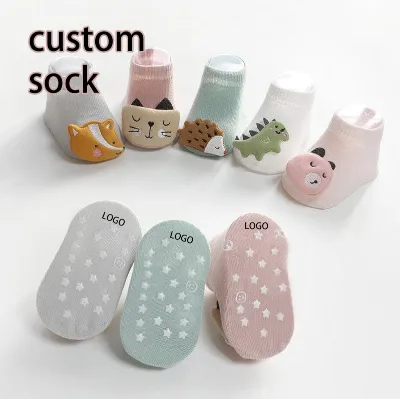
Yes, customization is available for many anti-slip baby sock models. Suppliers offer options to add custom logos on packages or design according to artwork and samples. Features like color and style can often be tailored. Buyers should inquire about specific customization capabilities and any associated costs or minimum order requirements.
What certifications do these suppliers hold?
Certifications vary among suppliers. Some hold ISO 9001 system certification, while others are verified by SGS or TÜV Rheinland. Some suppliers may not list specific system certifications. Buyers should verify the current certification status and verification type of their chosen supplier to ensure compliance with their quality standards.