Adjustable Sports Court Tape Machine Suppliers and Manufacturers
Source from 27 verified suppliers offering Adjustable Sports Court Tape Machine options with CE certification and ISO 9001 standards. Compare lead times, MOQs, and response rates to identify suitable partners. Contact suppliers directly to request samples and verify production capabilities.
Suppliers List
Shanghai Honggang Machinery Manufacturing Co., Ltd.
- Verified by TüVRheinland
- Manufacturer, Trading Company
- Lead time5 days
- Avg. response≤ 4h
Main productsEngineering&Construction Machine, Agricultural Machine, Boring And Welding Machinery, Punching And Woodworking Machine, Forklift
Main marketsNorth America(23%), Eastern Europe(20%), Africa(20%)
Shijiazhuang Goodi Trade Co., Ltd.
- Trading Company,Manufacturer/Factory
- China Hebei
- Lead time23 days
- Avg. response≤ 4h
Main productsTape Machine, Nail Machine, Adhesive Tape, Paper Core Machine, Tape Coating Machine, Coil Nail Machine, Wire Drawing Machine
Main marketsSouth America,Eastern Europe,Mid East,North America,Southeast Asia,Eastern Asia,Africa


Cotton Fabric Cloth Hockey Stick Tape Making Machine Sport Tape Rewinding Machine
$10000.00 - $20000.00
MOQ: 1 Sets

Automatic Hockey Stick Tape Adhesive Sport Tape Cutting Cutter Machine
$16000.00 - $23000.00
MOQ: 1 Sets


Dongguan Haixiang Adhesive Products Co., Ltd.
- Verified by BV
- Combined
- China Guangdong
- Lead time15 days
- Avg. response≤ 2h
Main productsFoam Tape, Duct Tape, Carpet Tape, Washi Tape, Masking Tape, Filament Tape, Seam Sealing Tape, Kraft Paper Tape, Plate Mounting Tape, BOPP Tape
Main marketsSouth America,Africa,Southeast Asia/ Mideast,East Asia(Japan/ South Korea),Europe,Australia,North America

Quick Court Indoor Pickleball Court Marking Tape with Instructions Included for Fast Court Marking
$3.69 - $4.31
MOQ: 10 Pieces

Ultra Durable Multipurpose Outdoor Cloth Pickleball Court Line Tape for Games Activities Court
$3.69 - $4.31
MOQ: 10 Pieces
Dong Guan Joyda Technology Co., Ltd.
- Verified by SGS
- Trading Company,Manufacturer/Factory
- China Guangdong
- Lead time23 days
- Avg. response≤ 7h
Main productsKrafter Paper Cement Bag Making Machine, Sack Bag Making Machine, Flour Paper Bag Making Machine, Valve Bag Making Machine, Courrier Bag Making Machine, Paper Package Sealing
Main marketsSouth America,Eastern Europe,Mid East,North America,Southeast Asia,Eastern Asia,Oceania,Western Europe,Africa


Taping Machine Automatic Double Side Tape Applicator Machine Tear Tape Applicator
$12800.00 - $21800.00
MOQ: 1 Sets


Taping Machine Double Sided Tape Applicator Machine Release Paper Tape Silicone Tape Applicator
$3000.00 - $19999.00
MOQ: 1 Sets


- Verified by BV
- Combined
- China Guangdong
- Lead time23 days
- Avg. response≤ 3h
Main productsSoldering Machine, Wire Harness Processing Machine, Customize Automatic Machine, Wire Stripper, Terminal Crimping Machine, Automatic Wire Cutting and Stripping Machine, Winding and Binding Machine, Tinning Machine, Automatic Cutting Stripping Crimping Machine, Cable Testing Machine
Main marketsSouth America,Southeast Asia/ Mideast,East Asia(Japan/ South Korea),Europe,Australia,North America
DONG GUAN DO HEARTS TECHNOLOGY CO.,LTD.
- Verified by BV
- Combined
- China Guangdong
- Lead time30 days
- Avg. response≤ 10h
Main productsPVC Dispensing Machine, Silicone Label Machine, Silicone Coating Machine, Silicone Molding Machine, PVC Injection Machine, Embossing Machine, Silicone Heat Transfer Machine, Screen Printing Machine, Hight Frequency Machine
Main marketsSouth America,Southeast Asia/ Mideast,Europe,North America

Shenzhen Wentong Machinery Co., Ltd.
- Verified by SGS
- Combined
- China Guangdong
- Lead time30 days
- Avg. response≤ 3h
Main productsChildren Book Machine, Playing Cards Machine, Die Cutting Machine, Punching Machine, Packaging Machine, Smart Card Making Machine, RFID Machine, Testing Machine
Main marketsDomestic,Europe
HEBEI LAIJI IMP& EXP CO., LTD.
- Verified by BV
- Manufacturer
- China Hebei
- Lead time15 days
- Avg. response≤ 9h
Main productsRazor Barb Wire, Wire Mesh Welding Machine, Crimp Wire Mesh, Brick Force Making Machine, Razor Wire Making Machine, Nail Making Machine, Crimped Wire Mesh Machine, Expanded Metal Mesh Machine, Chain Link Fence Machine, China Wire Mesh Fence Machine
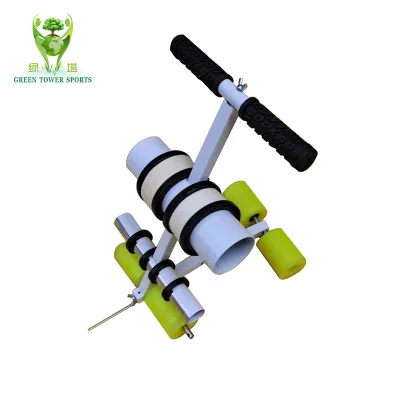
Guangzhou Green Tower Sports Facilities Co., Ltd.
- Trading Company
- Guangdong, China
- Lead time7 days
- Avg. response≤ 4h
Main productsArtificial Grass, Rubber Tile, Rubber Running Track, Plastic Interlocking Flooring, PVC Sports Flooring
Main marketsSoutheast Asia(20.00%), North America(10.00%), Western Europe(10.00%), Northern Europe(10.00%), Eastern Europe(10.00%), Mid East(10.00%), South Asia(5.00%), Eastern Asia(5.00%), Oceania(5.00%), Southern Europe(5.00%), Africa(5.00%), South America(3.00%), Central America(2.00%)
Kunshan Yuanhan Electronic Equipment Co., Ltd.
- Combined
- China Jiangsu
- Lead time30 days
- Avg. response≤ 17h
Main productsWire Stripping Machine, Termianl Crimping Machine, Automatic Cutting Machine
Main marketsDomestic,Europe,North America

Wholesale Tape Wrapping Machine Tape Wrapping Machine for Hose Automatic Tape Wrapping Machine
$5400.00 - $5500.00
MOQ: 1 Pieces


Wholesale Automatic Tape Wrapping Machine/ Spot Tape Wrapping Machine/ Tape Wrapping Machine Cable
$5400.00 - $5500.00
MOQ: 1 Pieces

- Trading Company,Manufacturer/Factory,Individuals/Soho,Group Corporation
- China Hebei
- Lead time23 days
- Avg. response≤ 2h
Main productsCorrugated Carton Box Making Machine, Flexo Printer Slotter Die-Cutter, Folder Gluer, Die-Cutting and Creasing Machine, Stitcher, Slitter Scorer, Single Facer Corrugation Line, Flute Laminator, Automatic Paper Reel to Sheet Cutter, Corrugated Cardboard Production Line
Main marketsSouth America,Eastern Europe,Mid East,North America,Southeast Asia,Eastern Asia,Oceania,Western Europe,Africa

Anping Shenghua Wire Mesh Products Factory
- Verified by SGS
- Manufacturer
- China Hebei
- Lead time30 days
- Avg. response≤ 13h
Main productsWire Mesh Machine, Fence Machine, Welded Mesh Machine, Wire Mesh, Chicken Mesh Machine, Filter Mesh Machine, Fence, Wire Machine, Welded Wire Mesh, Gabion Mesh Machine
Main marketsSouth America,Africa,Southeast Asia/ Mideast

Qingdao Yulong Packaging Machinery Co., Ltd.
- Verified by BV
- Combined
- China Shandong
- Lead time30 days
- Avg. response≤ 7h
Main productsSlitting Machine, Cutting Machine, Tape, BOPP Tape, Tape Jumbo Roll, Rewinding Machine, Coating Machine, Stretch Film, Tape Machine, Packing Machine
Main marketsSouth America,Africa,Southeast Asia/ Mideast,East Asia(Japan/ South Korea),Europe

Kunshan Xuxin Industrial Equipment Co., Ltd.
- Verified by SGS
- Trading Company
- China Jiangsu
- Lead time15 days
- Avg. response≤ 21h
Main productsWire Stripping Machine, Terminal Crimping Machine, Automatic Tape Dispenser, Wire Winding and Tie Machine, Harness Tape Wrapping Machine, Component Lead Cut Machine, Automatic Tape Cutting Machine, Automatic Label Dispenser, Automatic Labeling Machine, Filling and Capping Machine
Main marketsSouth America,Africa,Others(foreignTradeCapacity.exportBusinessCapacityMarketOther),Southeast Asia/ Mideast,East Asia(Japan/ South Korea),Domestic,Europe,Australia,North America
- Verified by TUVRHEINLAND
- Manufacturer/Factory
- China Fujian
- Lead time15 days
- Avg. response≤ 6h
Main productsRigid Box Making Machine, Collapsible Box Making Machine, Slipcase Making Machine, Box Assembly Machine, Hard Cover Making Machine, Round Box Making Machine
Main marketsEastern Europe,Mid East,Southeast Asia,Eastern Asia,Western Europe


Semi-Automatic Adhesive Tape Pasting Machine Double-Sided Tape Machine
$15000.00 - $15500.00
MOQ: 1 set

High Efficiency Automatic Double-Sided Tape & Easy-Tear Tape Machine Accurate Positioning
$16200.00 - $16500.00
MOQ: 1 set

High Precision Automatic Double-Sided Adhesive Tape & Easy-Tear Tape Pasting Machine
$16200.00 - $16500.00
MOQ: 1 set


Double Side Tape Applicator Adhesive Taping Machine for Stable and Accurate Pasting
$15000.00 - $15500.00
MOQ: 1 set
Dongguan Xuli Textile Co., Ltd
- Verified by SGS
- Manufacturer
- China Guangdong
- Lead time15 days
- Avg. response≤ 1h

Woven Elastic Loop Tape Sports Equipment Elastic Hook and Loop Tape Elastic Band
$0.10 - $3.80
MOQ: 1000 Meters

Hangzhou Gff Import & Export Co., Ltd.
- Verified by SGS
- Combined
- China Zhejiang
- Lead time30 days
- Avg. response≤ 1h
Main marketsSoutheast Asia/ Mideast,Domestic,Europe,North America

$4358.00 - $4443.00
MOQ: 1 Pieces

High Performance Line Strip Machines Athletic Sports Road Line Marking Machine
$2025.00 - $2065.00
MOQ: 1 Pieces

Best Quality Rubber Running Paving Machinery for Sports & Entertainment Court Equipment
$5805.00 - $5925.00
MOQ: 1 Pieces
HEFEI BETTER TECHNOLOGY CO., LTD.
- Verified by BV
- Trading Company,Manufacturer/Factory
- China Anhui
- Lead time45 days
- Avg. response≤ 5h
Main productsAutomatic Cutting Machine, Cable Cutting&Stripping Machine, Terminal Crimping Machine, Harness Taping Machine, Tube Cutting Machine, Wire Winding Tying Machine, Metal Cutting Machine, Wire Terminal Welding Machine, Tape Cutting Machine, Wire Feeding Machine
Main marketsSouth America,Eastern Europe,Mid East,North America,Southeast Asia,Eastern Asia,Oceania,Western Europe,Africa
HENGXIN PRINTING TECHNOLOGY CO., LIMITED
- Manufacturer/Factory
- China Guangdong
- Lead time23 days
- Avg. response≤ 9h
Main productsDigital Printing Machine, Roller UV Label Printing Machine, UV One Pass Printer, Paper Bag Digital Printing Machine, Single Pass Printer, UV Roll to Roll Digital Printer, Roller Label Printing Machine, UV Single Pass Printer, Package Printing Machine, Plastic Cup UV One Pass Printer
Main marketsSouth America,Eastern Europe,Mid East,North America,Southeast Asia,Eastern Asia,Oceania,Western Europe,Africa

Qingdao Zhongrui Plastics Machinery Co., Ltd.
- Verified by BV
- Trading Company
- China Shandong
- Lead time90 days
- Avg. response≤ 2h
Main productsPet/PP Packing Straps Production Line, PP/PE Fiber Strapping Production Line, PMMA/PS/PC/Sheet Production Line, PP/PE/PVC/WPC Plastic Profile Production Line, PVC/WPC Foam Board Production Line, PP Building Template Production Line, PVC Imitation Marble Slab Production Line, PE Three-Layer Co-Extruded Plate Production Line, PVC Garden Reinforced Hose Production Line, PVC/PE/HDPE/PPR Pipe Production Line
Main marketsSouth America,Eastern Europe,Mid East,North America,Southeast Asia,Eastern Asia,Oceania,Western Europe,Africa

Polyester Strapping Tape Production Equipment/PP Reinforced Tape Production Machine
$40999.00 - $45999.00
MOQ: 1 Pieces

High Efficiency PP Fiber Packaging Tape/Environmental Fiber Tape Production Machine
$31999.00 - $39999.00
MOQ: 1 Sets

ANJI HONGDE MEDICAL PRODUCTS CO., LTD.
- Combined
- China Zhejiang
- Lead time30 days
- Avg. response≤ 5h
Main productsFlocked Swab, Bandage, Tape, Gauze Roll/Swab/Ponge Swab, Cotton Roll/Cotton Ball/ Dental Cotton, Face Mask, Tongue Depressor, Vasline/Paraffin Gauze
Main marketsDomestic
Changzhou Huijian Machinery Co., Ltd.
- Combined
- China Jiangsu
- Lead time23 days
- Avg. response≤ 5h
Main productsHot Air Seam Sealing Machine, Hot Air PVC Mesh Cloth Welding Machine, Hot Air Inflatable Boat Welding Machine, Hot Air Inflatable Tent Welding Machine, Pleating Machine, Fabric Pleating Machine
Main marketsOthers(foreignTradeCapacity.exportBusinessCapacityMarketOther),Domestic,Europe

Zhejiang Green Valley Sports Industry Co., Ltd.
- Verified by BV
- Trading Company,Manufacturer/Factory
- China Zhejiang
- Lead time15 days
- Avg. response≤ 4h
Main productsRubber Tiles, Rubber Rolls, EPDM Granule, EPDM/SBR Rubber Mats, Rubber Flooring, PU Adhesive/Glue, Playground Rubber Tile, Rubber Machine, Elastic Interlocking Tiles, PVC Flooring
Main marketsSouth America,Eastern Europe,Mid East,North America,Southeast Asia,Eastern Asia,Oceania,Western Europe,Africa

High Quality Rubber Line Marking Machine for Running Tracks and Sports Court
$2000.00 - $2500.00
MOQ: 1 Sets

Zhangjiagang Meywada International Trading Co., Ltd.
- Trading Company
- China Jiangsu
- Lead time45 days
- Avg. response≤ 20h
Main productsRoto Molding Machine, Galvanized Wire Machine, PVC Ball Pad Printing Machine, Copper Plating Machine, Tin Plating Machine, Electro Galvanizing Machine, CCA Wire Machine, Annelaing Furnace, CCS Wire Plating Machine, Wire Drawing Machine
Main marketsSouth America,Southeast Asia/ Mideast,Europe
Dongguan Creto Technology Co.Ltd
- Verified by BV
- Combined
- China Guangdong
- Lead time15 days
- Avg. response≤ 1h
Main productsFolding Machine, Gluing Machine, Budding Machine, Laser Cutting Machine, Banding Machine
Main marketsAfrica,Domestic

Sportswear Center Seam Taping Machine for Professional Seam Sealing Machine
$3500.00 - $4000.00
MOQ: 1 Pieces

Adhesive Sportswear Making Equipment with Easy Operation and High Power
$3500.00 - $4000.00
MOQ: 1 Pieces

Yiwu Sifan Import & Export Co., Ltd.
- Verified by BV
- Trading Company
- China Zhejiang
- Lead time30 days
- Avg. response≤ 8h
Main productsSoccer Ball Football PU Ball, Football PVC Football PU Football, Promotional Football Cheap Sosccer Ball, Soccer Jersey T-Shirts Football Jersey, Volleyball Rubber Ball Rubber Volleyball, Football Jersey Soccer Jersey Tshirts, Sports Goods Sporting Goods, T-Shirts Soccer T-Shirts Football T-Shirts, Soccer Uniform Football Uniform, Basketball Rubber Ball Rubber Basketball
Main marketsEurope,North America

Wenzhou Qianding Mechanical Technology Co., Ltd.
- Verified by TUVRHEINLAND
- Combined
- China Zhejiang
- Lead time15 days
- Avg. response≤ 24h
Main productsStripping Machine, Die Cutting Machine, Stamping Machine, Paper Box Machine, Paper Box Making Machine, Paper Cutting Machine, Paper Cup Stripping Machine, Paper Box Stripping Machine, Blanking Machine, Paper Bag Machine
Main marketsSoutheast Asia/ Mideast,East Asia(Japan/ South Korea)




Comprehensive Sourcing Guide
Adjustable Sports Court Tape Machine Supplier Concentration and Factory Types
The current supplier landscape for adjustable sports court tape machines reveals a mix of manufacturer and trading company entities, with specific facility types varying by product focus. Evidence indicates that some suppliers operate as manufacturers capable of sample processing, graphic processing, and customized on-demand production, while others function primarily as trading companies bridging the gap between factories and buyers. This distinction is critical because manufacturers often control the engineering and core component sourcing, such as engines or bearings, whereas trading companies may aggregate products from multiple sources to offer a broader catalog including tape machines, nail machines, and adhesive tape equipment. Buyers should look for suppliers explicitly stating their company type to understand the depth of their technical capability and supply chain control.
Geographic concentration of these suppliers is observed in specific regions, with Shanghai and Hebei appearing as documented locations for certain product lines. For instance, manual court tape machines and road marking equipment have been linked to Shanghai origins, while other tape processing machinery is associated with Hebei. When a specific location is not confirmed in the search results, buyers must verify the factory's physical address and production capacity directly rather than assuming a cluster exists. The presence of diverse main products, ranging from engineering and construction machinery to agricultural machines, suggests that some facilities are multi-product factories, while others specialize in specific tape or road marking applications. Understanding this concentration helps in assessing logistics and the likelihood of finding specialized expertise for adjustable sports court tape machines.
How to Verify Adjustable Sports Court Tape Machine Suppliers
Verification of Adjustable Sports Court Tape Machine suppliers requires a rigorous check of their certification and verification status to ensure operational legitimacy. Some suppliers in the current results hold TüVRheinland verification, which serves as a third-party validation of their business practices and product quality. Additionally, system certifications such as CE, ISO 9000, and ISO 9001 are present in the data, indicating adherence to international quality management and safety standards. Buyers should prioritize suppliers displaying these specific credentials, as they provide a baseline assurance that the manufacturing processes meet recognized benchmarks. It is essential to request current certificates directly from the supplier to confirm that the documentation has not expired and applies specifically to the Adjustable Sports Court Tape Machine models being considered.
Beyond certifications, buyers must assess the supplier's response time and their willingness to provide video outgoing-inspections. The data shows response times ranging from approximately 3.7 to 4 hours, which can be a useful metric for gauging communication efficiency. Suppliers offering video outgoing-inspections allow buyers to visually verify the machine's condition and functionality before shipment, a critical step for high-value machinery. Furthermore, the availability of machinery test reports and video evidence of the production process adds another layer of transparency. Buyers should explicitly ask for these reports and videos during the initial inquiry phase. If a supplier cannot provide these specific proofs or if their response time is significantly slower than the observed averages, it may indicate a lack of operational maturity or a potential risk in the transaction.
What to Compare Across Adjustable Sports Court Tape Machine Suppliers
When comparing suppliers, the primary dimensions to evaluate include lead time, minimum order quantity (MOQ), and pricing structures, as these factors directly impact project planning and budget. The observed data indicates lead times can vary significantly, with some suppliers offering a 5-day turnaround while others require up to 23 days for production and delivery. MOQs also differ, with some suppliers accepting single-item orders, which is beneficial for testing or small-scale projects, while others may have higher thresholds. Pricing ranges are similarly diverse, with specific models showing price points from $130 to $218 for manual units and significantly higher ranges for automated slitting machines. Buyers must align these metrics with their specific operational needs, ensuring that the lead time fits their schedule and the MOQ does not exceed their inventory requirements.
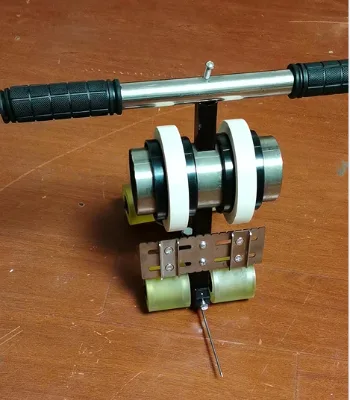
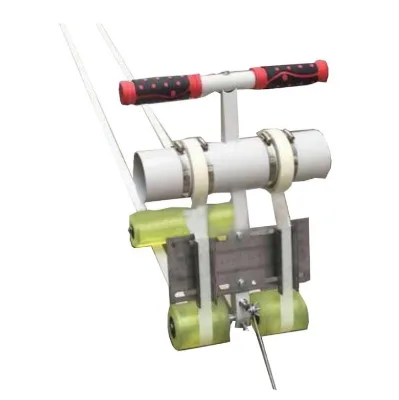
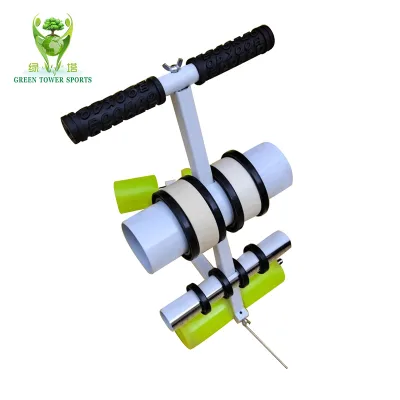
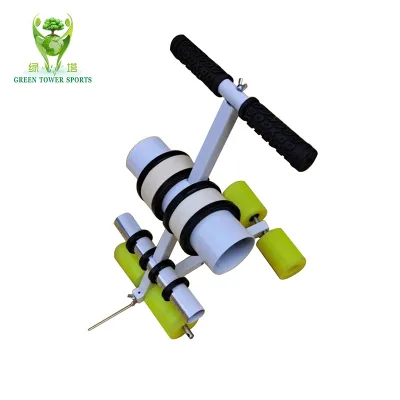
In addition to logistical metrics, buyers should compare the technical specifications and core components of the machines offered by different suppliers. The evidence highlights variations in core components, such as engines from brands like Loncin or Honda, and bearings, which affect the machine's durability and performance. Features like "easy to operate," "long lifetime," and specific wheel dimensions (e.g., 6.5cm diameter, 8.5cm width) are key differentiators that influence the machine's suitability for different court surfaces. Some suppliers offer customized colors and adjustable tape spacing, while others provide standard configurations. Buyers should create a comparison matrix that lists these technical attributes alongside the commercial terms to identify which supplier offers the best balance of performance, customization, and cost. This detailed comparison ensures that the selected machine meets the specific functional requirements of the sports court application.
Common Adjustable Sports Court Tape Machine Sourcing Risks
One significant risk in sourcing adjustable sports court tape machines is the potential mismatch between the advertised capabilities and the actual product specifications. Suppliers may claim features such as "adjustable tape spacing" or "high-speed slitting," but the actual machine might lack these functionalities or use inferior components. The presence of diverse product keywords, such as "road marking machine" versus "tape making machine," can sometimes lead to confusion about the machine's primary application. Buyers must carefully scrutinize the product attributes, such as the driving method (manual vs. automatic) and the specific application (city road edge line vs. sports court), to ensure the machine is designed for the intended use. Relying solely on marketing keywords without verifying the detailed product attributes can result in purchasing equipment that is unsuitable for the specific sports court environment.
Another critical risk involves the reliability of the supply chain and the consistency of the product quality over time. While some suppliers offer warranties of one year and provide machinery test reports, the actual longevity and performance of the machine depend on the quality of the core components and the manufacturing process. The variation in lead times, from 5 to 23 days, suggests that production capacity and scheduling may be inconsistent across different suppliers. If a supplier fails to meet the agreed-upon lead time or delivers a product that does not match the provided specifications, it can disrupt project timelines and incur additional costs. Buyers should mitigate this risk by establishing clear contractual terms regarding delivery schedules, quality standards, and penalties for non-compliance. Additionally, verifying the supplier's ability to provide after-sales support and spare parts is essential to ensure long-term operational reliability.
Adjustable Sports Court Tape Machine Regional Sourcing and Logistics
Regional sourcing decisions for adjustable sports court tape machines are heavily influenced by the geographic location of the suppliers, which impacts shipping costs, transit times, and customs procedures. The data indicates that suppliers are located in regions such as Shanghai and Hebei in China, which are known manufacturing hubs. Sourcing from these regions may offer advantages in terms of product availability and competitive pricing, but buyers must also consider the logistical complexities of international shipping. The dimensions of the machines, such as 233729mm for smaller units or 510370210mm for larger ones, affect packaging requirements and freight costs. Buyers should calculate the total landed cost, including freight, insurance, and duties, to ensure that the regional advantage translates into actual savings.
Logistics planning also involves understanding the packaging standards and handling requirements for the machinery. Some suppliers use wooden boxes or film packaging, while others utilize cartons, which can influence the protection of the machine during transit. The presence of specific packaging materials, such as wood for larger machines, suggests that heavy-duty packaging is necessary to prevent damage. Buyers should verify the packaging details with the supplier to ensure that the machine will arrive in good condition. Furthermore, the lead time of 23 days for some suppliers may include the time required for packaging and preparation for shipment. Buyers should factor in these logistical steps when planning their procurement timeline to avoid delays. Clear communication with the supplier regarding packaging and shipping methods is essential to ensure a smooth delivery process.
Adjustable Sports Court Tape Machine Commercial Terms and Order Planning
Commercial terms for adjustable sports court tape machines often include specific pricing structures, payment conditions, and warranty provisions that must be carefully reviewed before placing an order. The observed price ranges, from $130 to $218 for manual units and higher for automated systems, indicate that pricing can vary based on the machine's complexity and features. Buyers should negotiate terms that align with their budget and cash flow, considering whether the supplier offers flexible payment options or requires full payment upfront. The inclusion of a one-year warranty in some product listings provides a safety net for buyers, but the specific terms of the warranty, such as coverage for parts and labor, should be clarified. Understanding these commercial terms is crucial for managing financial risk and ensuring that the investment is protected.
Order planning for adjustable sports court tape machines requires a strategic approach to managing inventory and production schedules. The variation in lead times, from 5 to 23 days, necessitates careful planning to ensure that the machines are available when needed. Buyers should consider the MOQ, which can range from single items to larger quantities, and plan their orders accordingly to optimize costs and inventory levels. Additionally, the availability of customization options, such as color and specific dimensions, should be factored into the order planning process. Buyers should communicate their customization requirements clearly to the supplier to avoid delays or misunderstandings. By aligning their order planning with the supplier's capabilities and lead times, buyers can ensure a smooth procurement process and timely delivery of the adjustable sports court tape machines.
FAQs
What is the price range for manual court tape machines?
Manual court tape machines are priced between $130 and $150 per unit. This range applies to basic models with a minimum order quantity of one. Buyers should verify specific feature sets and customization options before finalizing the purchase price for their project.
How long does delivery take for these machines?
Standard lead times for these machines are approximately five days. Some suppliers may require up to twenty-three days depending on the specific model and customization needs. Buyers should confirm the exact delivery schedule with the supplier before placing an order.
What certifications do these machines have?
Many available machines hold CE system certification. This indicates compliance with European safety standards for machinery. Buyers should request valid certification documents from the supplier to ensure the equipment meets local regulatory requirements for their specific market operations.
Where are these machines manufactured?
These machines are primarily manufactured in China, with specific origins noted in Shanghai and Hebei. Buyers can verify the exact place of origin for each product listing. This information helps assess logistics costs and supply chain reliability for international orders.
What is the minimum order quantity?
The minimum order quantity for manual court tape machines is one unit. This allows buyers to test the equipment with a single purchase. Bulk orders may offer different pricing tiers, so buyers should inquire about volume discounts for larger quantities.
How quickly do suppliers respond to inquiries?
Suppliers typically respond to inquiries within three to four days. This response time helps buyers evaluate supplier engagement levels. Faster response times often indicate better customer service and more reliable communication channels for resolving technical questions or order details.
What core components are used in these machines?
Core components include engines, bearings, and specific wheel mechanisms. Some models feature engines from brands like Loncin or Honda. Buyers should verify the specific component specifications to ensure compatibility with their operational requirements and maintenance capabilities.