Carbon Steel Ball Pein Hammer Suppliers and Manufacturers
Source 21 verified suppliers for Carbon Steel Ball Pein Hammer tools. Compare dimensions like lead time, MOQ, and certifications from China-based factories. Verify specific product attributes and request quotes directly; review the available evidence before requesting comparable quotations from suitable candidates.
Suppliers List
Tuopu Hardware Tool Factory in Hedong District, Linyi City
- Verified by TUVRHEINLAND
- Combined
- China Shandong
- Lead time15 days
- Avg. response≤ 5h
Main productsTool Set, Plier, Axe, Hammer, Pliers, Wrench, PPR Pipe Welding Machine
Main marketsDomestic


3lb Ball Pein Hammer with Fiberglass Handle, Forged Steel Head, Anti-Slip Grip
$1.50 - $2.00
MOQ: 10 Pieces

Ball Pein Hammer with Fiberglass Handle, Forged Steel Head for Metalworking & Riveting
$1.50 - $2.00
MOQ: 10 Pieces

2lb Ball Pein Hammer, Shockproof Non-Slip Grip for Engineering & Workshop Use
$1.50 - $2.00
MOQ: 10 Pieces

Heavy Duty 4lb Ball Pein Hammer, Shockproof Fiberglass Handle, for Metal Working & Engineering
$1.50 - $2.00
MOQ: 10 Pieces

Hebei Ouyang Safety Tools Co., Ltd.
- Verified by TUVRHEINLAND
- Manufacturer/Factory
- China Hebei
- Lead time15 days
- Avg. response≤ 24h
Main productsNon-Sparking Safety Tools, Non-Sparking Wrenches, Non-Sparking Chain Hoist Block, Steel Impact Socket, Hammer, Pliers, Stainless Steel Wrenches, Titanium Hand Tools, Insulated Hand Tools, 40 Cr-V Steel Hand Tools
Main marketsEastern Europe,Mid East,North America,Southeast Asia,Eastern Asia,Oceania,Western Europe

MOQ: 1 Pieces

Non Sparking Safety Tool Ball Pein Hammer
MOQ: 1 Pieces


Titanium Tool Ball Pein Hammer 230g-680g
MOQ: 2 Pieces

Ningbo Herovas Electronics Technology Co., Ltd.
- Manufacturer/Factory
- China Zhejiang
- Lead time23 days
- Avg. response≤ 2h
Main productsDC Inverter Welder, Electrical Soldering Iron, RJ45 Connector, Hex Key, Wrench, Measuring Wheel, Special Drill, Screwdriver, Bolt Cutter, Pliers
Main marketsSouth America,Eastern Europe,Mid East,North America,Southeast Asia,Eastern Asia,Oceania,Western Europe,Africa


$0.50 - $3.00
MOQ: 1000 Pieces


Shandong Best Import and Export Co., Ltd.
- Verified by SGS
- Trading Company
- China Shandong
- Lead time30 days
- Avg. response≤ 6h
Main productsPlastering Trowel, Hammer, Axe, Carpenter Pencil, Wrecking Bar, Bricklaying Trowel, Solar Panel, Other Hardware Tools
Main marketsSouth America,Africa,Southeast Asia/ Mideast,East Asia(Japan/ South Korea),Domestic,Europe,North America

FUZHOU CONIC INDUSTRIAL CO., LTD.
- Verified by BV
- Trading Company
- China Fujian
- Lead time23 days
- Avg. response≤ 16h
Main productsHand Tools, Hardware, Measuring Tools, Insulator, Cutting Tools, Vernier Caliper, Micrometer, Furniture
Main marketsSouth America,Africa,Southeast Asia/ Mideast,East Asia(Japan/ South Korea),Europe,Australia,North America

Saame Tools (Shanghai) Import & Export Co., Ltd.
- Combined
- China Shanghai
- Lead time30 days
- Avg. response≤ 16h
Main productsHand Tools, Power Tool Accessory, Tool Set, Wrench, Plier, Screwdriver, Drill Bit, Knife, Tape Measure, Hammer
Main marketsAfrica,Southeast Asia/ Mideast,Europe

Kendo Hammers Tools Mini Size Carbon Steel Small Wood Wood Handle Ball Pein Hammer
$10.00 - $20.00
MOQ: 24 Pieces

Kendo Wood Handle Ball Pein Hammer with Compression Wedge Hickory Handle
$10.00 - $20.00
MOQ: 24 Pieces

Kendo Fiberglass Handle Ball Pein Hammer Enhanced on Grip Comfort and Prevent Slippagee
$10.00 - $20.00
MOQ: 24 Pieces

Ningbo Shiji Bosi Tools Co., Ltd.
- Manufacturer
- Zhejiang, China
- Lead time10 days
- Avg. response≤ 8h
Main productsHand Tools,Power Tools
Main marketsDomestic Market(80.00%), Southeast Asia(10.00%), Mid East(10.00%)

Cangzhou Dean Safety & SPECIAL Type Tools Producing Co., Ltd.
- Verified by SGS
- Combined
- China Hebei
- Lead time15 days
- Avg. response≤ 8h
Main productsWrench, Non Sparking Tools, Hammer, Pliers, Screwdriver
Main marketsSouth America,East Asia(Japan/ South Korea),Europe

Lanxi Kingway International Trade Co., Ltd.
- Verified by TUVRHEINLAND
- Trading Company,Manufacturer/Factory
- China Zhejiang
- Lead time23 days
- Avg. response≤ 4h
Main productsRoofing Sheets, Doors, Iron Nails, Hinges, Paint Brush, Hand Tools, Locks, Measuring Tools, Hammers, Coffin Fitting
Main marketsSouth America,Eastern Europe,Mid East,North America,Southeast Asia,Eastern Asia,Africa

$2.89 - $4.50
MOQ: 500 Pieces

OEM Professional High Carbon Steel Ball Pein Peen Hammer with Wooden Handle
$2.89 - $4.50
MOQ: 500 Pieces


Manufacturer Custom Size Round Machined Heads Fiberglass Handle Drop Forgred Ball Pein Peen Hammer
$2.89 - $4.50
MOQ: 500 Pieces

Tangshan Las Import & Export Co., Ltd.
- Trading Company,Manufacturer/Factory
- China Hebei
- Lead time45 days
- Avg. response≤ 16h
Main productsHandle Shovel, Pick, Hoe, Fork, Axe and Hammer, Shovel Head, Nails, Sickle, Wire Mesh, Machete
Main marketsSouth America,Mid East,Southeast Asia,Eastern Asia,Africa

Hebei Sinotools Industrial Co., Ltd.
- Verified by CTI
- Trading Company
- China Hebei
- Lead time30 days
- Avg. response≤ 5h
Main productsScrewdriver, Plier, Wrench, Hammer, Tape Measure, Pruning Shear, Knife, Tool Set
Main marketsEurope


Best 8oz Ball Pein Hammers Tools 6.25" Mini Size Carbon Steel Hand Small Hammer
$1.23 - $1.30
MOQ: 1000 Pieces

Shandong Yifa Casting & Forging Co., Ltd.
- Verified by SGS
- Manufacturer/Factory
- China Shandong
- Lead time45 days
- Avg. response≤ 7h
Main productsRigging Hardware, Shackle G209 G210 G2130 G2150, Load Binder L140 L150 EU. Safety Type, Wire Rope Clip DIN741 DIN1142 JIS Type, Hook G70 G80 Grab Hook Slip Hook Rtj Hook, Power Line Fittings Turnbuckle Wire Rope, Carabiner& Belt Hook Quick Links, Chain En818-2 G100 Alloy Lifting&Lashing DIN766, Stainless Steel Items&Swivel&Thimble&Block, Construction Accessories Links Eyebolt&Nut
Main marketsSouth America,Eastern Europe,Mid East,North America,Southeast Asia,Eastern Asia,Oceania,Western Europe,Africa
Hunan Pengda Electromechanical Equipment Manufacturing Co., Ltd.
- Manufacturer
- Hunan, China
- Lead time0 days
- Avg. response≤ 1h
Main productsWrench,Pliers,drill,Screwdriver,tape measure
Main marketsSouthern Europe(30.00%), Western Europe(15.00%), Northern Europe(15.00%), Eastern Europe(15.00%), Mid East(10.00%), Central America(10.00%), North America(5.00%)

Shandong Enming Building Materials Co., Ltd.
- Trading Company,Manufacturer/Factory
- China Shandong
- Lead time45 days
- Avg. response≤ 6h
Main productsRoofing Tiles, Roof Tiles, Stone Coated Roof Tile, Bond Tile, Stone Coated Metal Roof Tile, Shingle Tile, Roman Tile, Wood Tile, Milan Tile, Rainbow Tile
Main marketsSouth America,Mid East,Southeast Asia,Eastern Asia,Africa
Huzhou Foxwoll International Trade Co., Ltd.
- Manufacturer, Trading Company
- Zhejiang, China
- Lead time15 days
- Avg. response≤ 17h
Main productshand tools,outdoor furnitures,screwdriver setss,socket sets,pliers
Main marketsNorth America(35.00%), Eastern Europe(10.00%), Southeast Asia(10.00%), Domestic Market(5.00%), South America(5.00%), South Asia(5.00%), Southern Europe(5.00%), Northern Europe(5.00%), Western Europe(5.00%), Eastern Asia(5.00%), Mid East(5.00%), Oceania(5.00%)
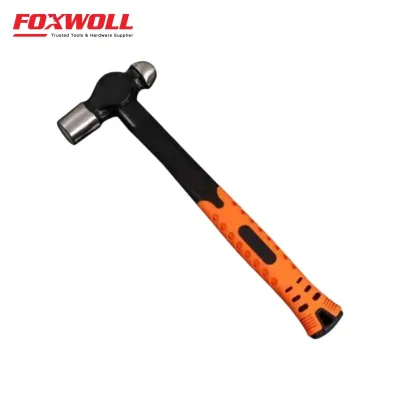
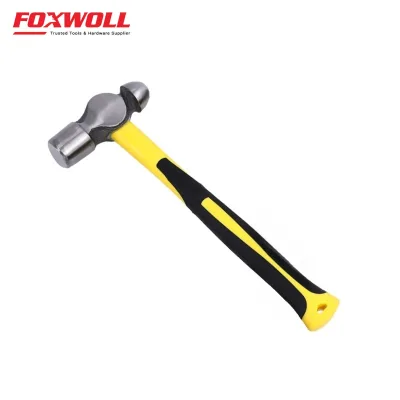
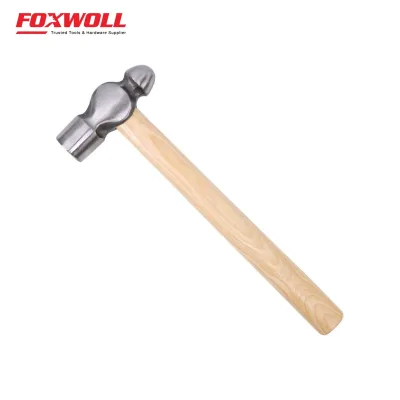
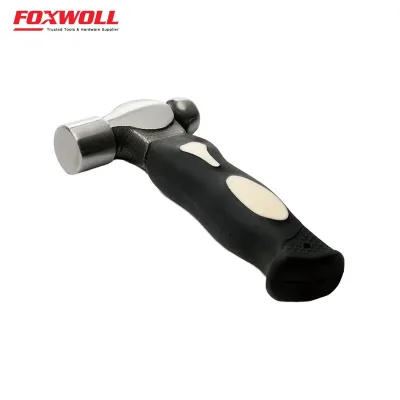
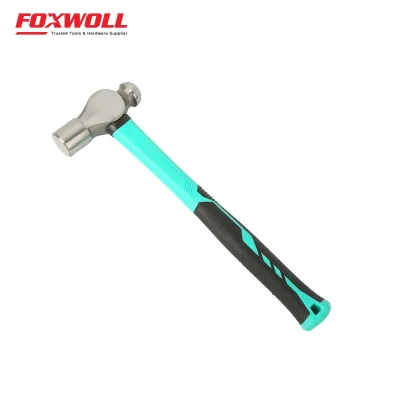
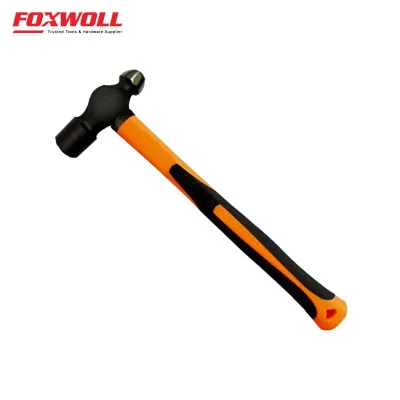
16 oz Ball Peen Hammers with Shock Reduction Grip
$1.70 - $2.20

ZHEJIANG SHALL TOOLS CO., LTD.
- Combined
- China Zhejiang
- Lead time23 days
- Avg. response≤ 11h
Main productsPower Tools, Garden Tools, Hand Tools, Pneumatic Tools, Automotive Accessories, Hardware, Fastener
Main marketsSoutheast Asia/ Mideast,Europe,Australia,North America

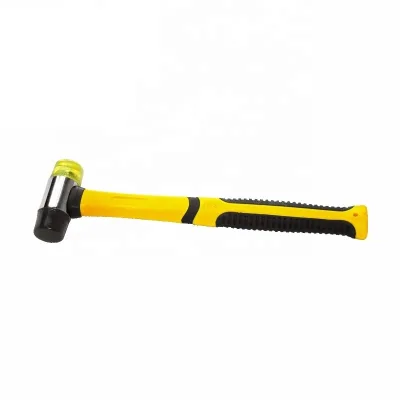
32oz Ball Pein Hammer with Fiberglass Handle for Riveting, Shaping, and Bending Metal
$1.80 - $2.20
MOQ: 400 Pieces


- Verified by SGS
- Trading Company,Manufacturer/Factory
- China Jiangsu
- Lead time45 days
- Avg. response≤ 7h
Main productsTrowel, Pliers, Tool Set, Socket Set, Adjustable Wrench, Knife, Hand Saw, Safety Googles, Hammer, Shear
Main marketsSouth America,Eastern Europe,North America,Western Europe,Africa

Linyi Qikun Imp. & Exp. Co., Ltd.
- Trading Company
- China Shandong
- Lead time15 days
- Avg. response≤ 1h
Main productsHammer, Gloves, Paint Roller, Paint Brush, Paint Scraper, Pipe Wrench, Sanding Block, Trowel, Cold Chisel, Garden Hoe
Main marketsSouth America,Southeast Asia/ Mideast,Europe,North America
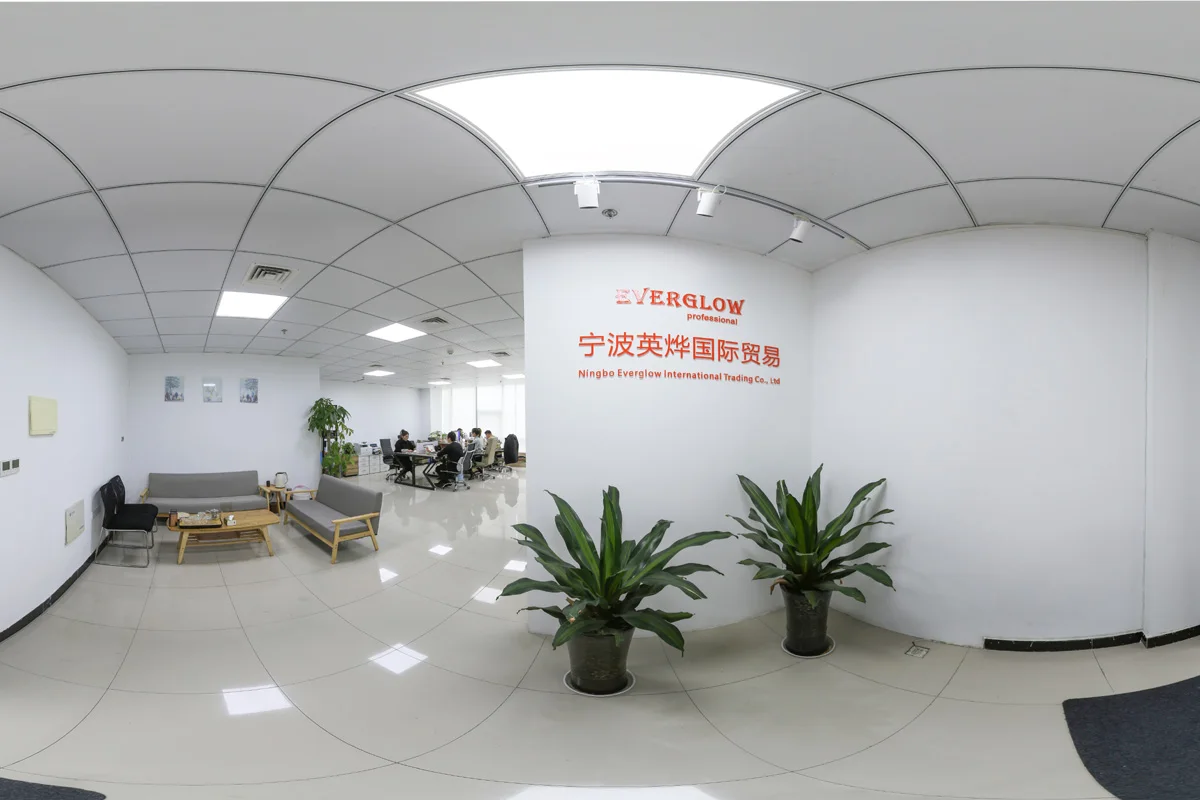
Ningbo Everglow International Trading Co., Ltd.
- Trading Company
- Zhejiang, China
- Lead time45 days
- Avg. response≤ 3h
Main productsTOOL SET,HAND SAW,WRENCH,PLIER,TAPE MEASURE
Main marketsSouth America(30.00%), Western Europe(20.00%), Central America(20.00%), Domestic Market(10.00%), Southern Europe(10.00%), North America(10.00%)
Cangzhou Bohai Safety & Special Tools Group Co., Ltd.
- Manufacturer, Trading Company
- Hebei, China
- Lead time7 days
- Avg. response≤ 2h
Main productsSpecial Tools,Non-Sparking Tools,Non-Magnetic Tools,Terrace Measuring Tools
Main marketsDomestic Market(40.00%), Western Europe(15.00%), Mid East(10.00%), Eastern Europe(6.00%), Southeast Asia(5.00%), Northern Europe(5.00%), South Asia(3.00%), Oceania(3.00%), North America(3.00%), Southern Europe(3.00%), Central America(2.00%), South America(2.00%), Eastern Asia(2.00%), Africa(1.00%)

Shandong Gangyan Grinding Ball Co., Ltd.
- Verified by BV
- Combined
- China Shandong
- Lead time15 days
- Avg. response≤ 23h
Main productsGrinding Ball, Steel Balls for Ball Mill, Forged Steel Ball, Grinding Media Ball, Grinding Steel Ball, Forged Grinding Ball, Forged Grinding Steel Ball, Hot Rolled Steel Ball, Forged Media Ball, Forged Ball for Sag Mill
Main marketsDomestic


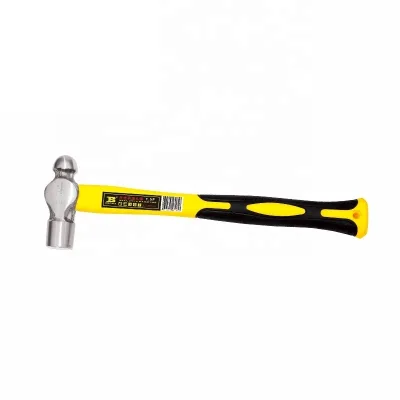
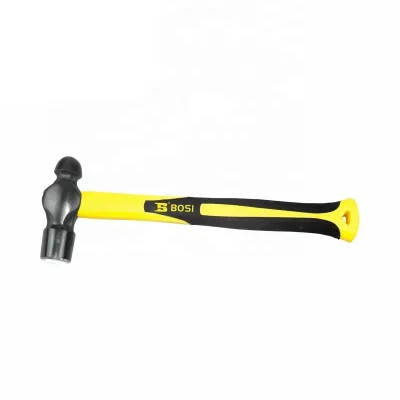
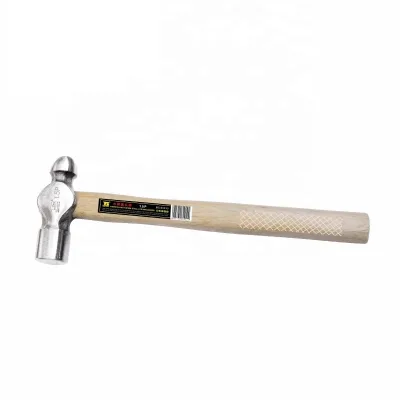


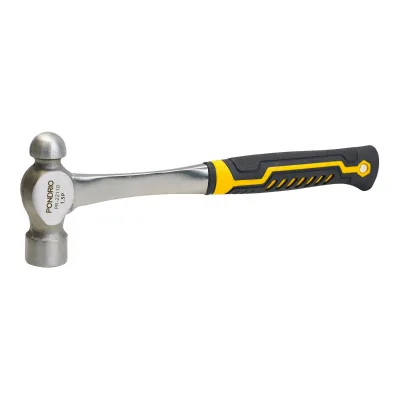


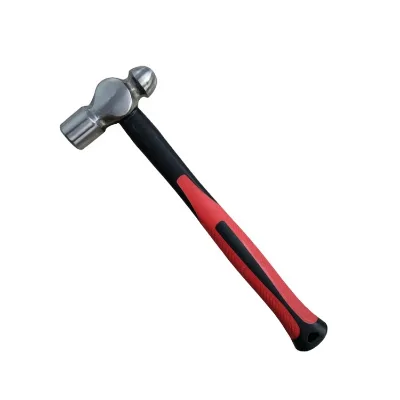

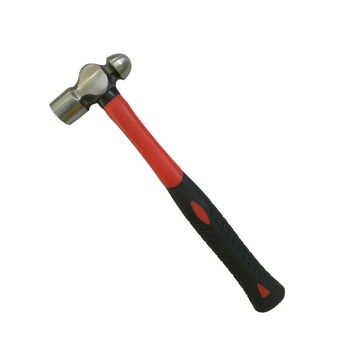
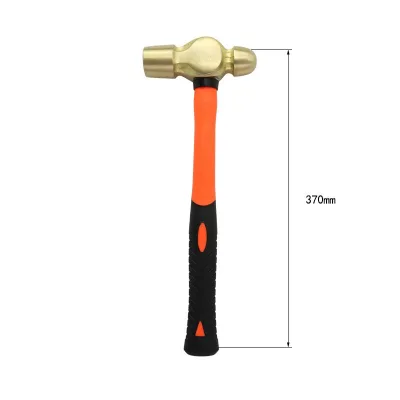


Comprehensive Sourcing Guide
Carbon Steel Ball Pein Hammer Supplier Concentration and Factory Types
The current supplier landscape for carbon steel ball pein hammers reveals a distinct concentration of manufacturing activity within specific Chinese provinces, with Shandong and Hebei emerging as primary hubs for this hardware category. Fact-based observations indicate that suppliers in Shandong, China, often operate as combined entities offering a broad range of hand tools including pliers, wrenches, and welding machines alongside their hammer lines. These combined suppliers frequently list carbon steel ball pein hammers as part of a larger inventory, suggesting a diversified production capability that may streamline logistics for buyers seeking multiple tool types from a single source. The presence of these combined entities implies a supply chain structure capable of handling varied product lines, which can be advantageous for buyers looking to consolidate orders.
In contrast, suppliers located in Hebei, China, often present themselves as specialized manufacturers or factories focusing heavily on safety and non-sparking tools. These entities frequently hold extensive system certifications such as ISO 9001, ISO 14001, and ASME, indicating a rigorous approach to quality management and safety standards that may differ from the combined suppliers in Shandong. The distinction between combined trading entities and dedicated manufacturing factories is critical for buyers, as it influences the depth of technical expertise available and the flexibility of the production line. While some suppliers in Zhejiang also appear in the results, the primary clusters for this specific hammer type remain anchored in the northern and eastern industrial zones of China. Buyers should verify the specific factory type of each potential partner to ensure alignment with their quality and volume requirements.
How to Verify Carbon Steel Ball Pein Hammer Suppliers
Verification of Carbon Steel Ball Pein Hammer suppliers requires a meticulous examination of their certification status and verification badges, as these elements provide the most concrete evidence of operational legitimacy. Some suppliers in the current results display TUVRHEINLAND verification, a significant indicator of third-party assessment, while others list comprehensive system certifications including QHSE, OHSAS 18001, and ISO 9001. These certifications are not merely decorative; they signal adherence to international standards for quality management and occupational health and safety, which is particularly relevant for industrial tools like ball pein hammers used in demanding environments. Buyers must cross-reference these claims against the supplier's profile to ensure the certifications are current and applicable to the specific product lines being sourced.
Beyond certifications, the response time and verification status of a supplier offer immediate insights into their operational efficiency and reliability. Data indicates that response times can vary significantly, with some suppliers responding within approximately two hours while others may take nearly twenty-four hours. A faster response time often correlates with a more active sales team and a higher likelihood of prompt communication regarding order status or technical queries. Additionally, buyers should scrutinize the "is_verified" status, as verified suppliers have undergone a more rigorous vetting process by the platform. It is essential to confirm that the specific product attributes, such as the material composition of the hammer head or the handle type, are explicitly detailed in the product evidence rather than assumed based on general company descriptions.
What to Compare Across Carbon Steel Ball Pein Hammer Suppliers
When evaluating potential partners, buyers must compare key operational metrics such as lead time, minimum order quantity (MOQ), and pricing structures to determine the best fit for their procurement strategy. The observed data shows lead times ranging from fifteen days to twenty-three days, a variance that can significantly impact inventory planning and project timelines. Similarly, MOQs vary widely, with some suppliers requiring orders as low as one unit while others mandate a minimum of one hundred units. This disparity allows buyers to select suppliers that align with their specific volume needs, whether they are testing a new market with small batches or securing bulk supply for large-scale industrial operations. Understanding these thresholds is crucial for avoiding unnecessary capital tie-up or production delays.
Pricing and customization capabilities also serve as critical comparison points across the supplier base. Current product evidence lists prices for carbon steel ball pein hammers starting at specific low-dollar amounts, but these figures must be contextualized against the MOQ and shipping terms. Furthermore, the availability of OEM and ODM services varies, with some suppliers explicitly stating that customization is available for logos and product models, while others may have more rigid offerings. Buyers should compare the specific product attributes, such as the hammer material, handle type, and weight specifications, to ensure the supplier can meet the exact technical requirements of their application. A supplier offering flexible customization options may provide better value for specialized projects, even if their base price is slightly higher than a standard offering.
Common Carbon Steel Ball Pein Hammer Sourcing Risks
One of the primary risks in sourcing carbon steel ball pein hammers involves the discrepancy between product claims and actual material specifications, particularly regarding explosion-proof capabilities and material composition. While some suppliers list their hammers as explosion-proof with specific certifications like FM and GS, others explicitly state that their products are not explosion-proof. This distinction is vital for buyers operating in hazardous environments where non-sparking tools are mandatory. Relying on general product keywords without verifying the specific product attributes can lead to the procurement of tools that fail to meet safety regulations, potentially resulting in workplace accidents or compliance violations. Buyers must demand clear, documented evidence for every safety claim made by a supplier.
Another significant risk relates to the consistency of product standards and the reliability of the supply chain regarding lead times and capacity. The observed lead times and capacity claims, such as ODM and OEM capabilities, may not always translate to immediate availability for custom orders. If a supplier claims to offer custom logos or specific hammer weights, buyers must verify the actual production capacity and the timeline required to fulfill these customizations. Inconsistent quality control can also be a risk, especially when dealing with combined suppliers who may not specialize exclusively in hammer manufacturing. Buyers should request samples and third-party test reports to validate the durability and performance of the carbon steel before committing to large orders, ensuring that the product meets the rigorous demands of industrial use.
Carbon Steel Ball Pein Hammer Regional Sourcing and Logistics
Regional sourcing strategies for carbon steel ball pein hammers must account for the specific geographic origins of the suppliers, as this directly influences logistics costs and delivery timelines. The current data highlights suppliers located in Shandong, Hebei, and Zhejiang, each presenting different logistical profiles. Suppliers in Shandong and Hebei are situated in northern China, which may offer different shipping routes and port access compared to those in Zhejiang on the eastern coast. Buyers should consider the proximity of the supplier to major shipping ports to minimize inland transportation costs and reduce the overall carbon footprint of the shipment. Understanding the regional distribution of manufacturers allows buyers to optimize their supply chain for efficiency and cost-effectiveness.
Logistics planning also involves evaluating the shipping terms and packaging standards provided by the suppliers. Product evidence indicates that hammers are typically packed in carton boxes, but the specific packing standards and dimensions can vary between suppliers. Buyers need to confirm whether the packaging is robust enough to prevent damage during transit, especially for heavy-duty tools like ball pein hammers. Additionally, the availability of shipping terms such as FOB, EXW, and DDP affects the buyer's responsibility for freight and insurance. A supplier offering DDP terms may simplify the logistics process by handling all delivery responsibilities, whereas FOB terms require the buyer to arrange and pay for freight from the port of origin. Careful analysis of these regional and logistical factors is essential for a smooth procurement experience.
Carbon Steel Ball Pein Hammer Commercial Terms and Order Planning
Commercial terms and order planning for carbon steel ball pein hammers require a detailed understanding of the payment structures, shipping terms, and customization policies offered by suppliers. The observed data shows that suppliers accept various shipping terms including FOB, EXW, and DDP, each carrying different implications for cost and risk allocation. Buyers must carefully review these terms to determine who is responsible for freight, insurance, and customs clearance. Additionally, the availability of customization, such as logo printing or specific weight configurations, should be confirmed in the commercial agreement to avoid misunderstandings later in the production process. Clear communication of these terms ensures that both parties have a shared understanding of the order requirements.
Order planning must also consider the minimum order quantities and the potential for scaling production. With MOQs ranging from one unit to one hundred units, buyers have the flexibility to start with small orders to test quality before committing to larger volumes. However, for large-scale industrial projects, buyers should negotiate volume discounts and ensure that the supplier has the capacity to meet increased demand without compromising quality. The response time of the supplier is also a critical factor in order planning, as a slower response can delay the entire procurement cycle. Buyers should establish a clear timeline for order placement, production, and delivery, factoring in the lead times observed in the supplier data to ensure timely receipt of goods.
FAQs
What is the minimum order quantity for carbon steel ball pein hammers?
Minimum order quantities vary by supplier and specific product model. Some listings require 10 units, while others set the threshold at 100 pieces. Buyers should verify the exact MOQ for their selected hammer type before placing an order to ensure compliance with supplier policies.
Are explosion-proof carbon steel ball pein hammers available?
Standard carbon steel ball pein hammers are generally not explosion-proof. However, specialized non-sparking safety tools made from copper or titanium alloys are available as explosion-proof alternatives. Buyers seeking hazardous environment tools should specifically look for non-sparking certifications rather than standard steel models.
What is the typical lead time for these hammers?
Lead times for carbon steel ball pein hammers typically range from 15 to 23 days depending on the supplier location and order volume. Suppliers in Shandong and Hebei regions often report specific lead times within this window. Buyers should confirm the exact delivery schedule with the manufacturer before finalizing the purchase agreement.
Can suppliers provide custom logos on these hammers?
Yes, most suppliers offer customization services including custom logos on the hammer head or handle. This service is available for both OEM and ODM orders. Buyers can request logo placement on various models, ensuring the design meets their branding requirements while maintaining the structural integrity of the tool.
What certifications do these hammer suppliers hold?
Certifications vary significantly among suppliers, with some holding ISO 9001, ISO 14001, or ASME standards. Others may have specific safety certifications like FM or GS for non-sparking tools. Buyers must verify the specific system certifications held by each supplier to ensure they meet industry compliance requirements for their intended application.
Where are these carbon steel ball pein hammers manufactured?
Manufacturing locations for these hammers include provinces such as Shandong, Hebei, and Zhejiang in China. Specific origins may be listed as Botou, Hebei, or general Shandong regions. Buyers should check the product origin details to understand the supply chain location and potential shipping logistics associated with the specific supplier.
What is the price range for these hammers?
Prices for carbon steel ball pein hammers typically range from 1.50 to 3.00 USD per unit depending on weight and material specifications. Some models with fiberglass handles or custom features may fall within this range. Buyers should compare unit prices against minimum order quantities to determine the total cost of their procurement.