Milling Head Wire Stripper Suppliers and Manufacturers
Explore 19 verified suppliers offering Milling Head Wire Stripper tools with varying lead times, response speeds, and certifications. Compare specifications like weight, size, and customization options to select the right factory for your needs. Contact suppliers directly to request quotes.
Suppliers List

Ningbo Meilan Communication Equipment Co., Ltd.
- Verified by TUVRHEINLAND
- Trading Company,Manufacturer/Factory
- China Zhejiang
- Lead time15 days
- Avg. response≤ 2h
Main productsFTTH Terminal Box, Finer Optic Cable, Fiber Optic Closure, FTTH Accessories, Fiber Optic Patch Cord, Patch Panel, Copper Connection Module, Distribution Box, ONU, Telecom Tools
Main marketsSouth America,Eastern Europe,Mid East,North America,Southeast Asia,Eastern Asia,Oceania,Western Europe,Africa

NANJING IGEELY TOOLS CO., LIMITED.
- Verified by TUVRHEINLAND
- Manufacturer/Factory
- China Jiangsu
- Lead time45 days
- Avg. response≤ 20h
Main productsCable Crimping Tools, Wire Crimping Tools, Cable Strippers, Wire Strippers, Cable Cutter, Cable Cutting Tools, Pipe Crimping Tools, Hydraulic Crimping Tools, Cable Clamp, Hose Crimping Tool
Main marketsSouth America,Eastern Europe,Mid East,North America,Southeast Asia,Eastern Asia,Oceania,Western Europe,Africa

Kunshan Xuxin Industrial Equipment Co., Ltd.
- Verified by SGS
- Trading Company
- China Jiangsu
- Lead time15 days
- Avg. response≤ 21h
Main productsWire Stripping Machine, Terminal Crimping Machine, Automatic Tape Dispenser, Wire Winding and Tie Machine, Harness Tape Wrapping Machine, Component Lead Cut Machine, Automatic Tape Cutting Machine, Automatic Label Dispenser, Automatic Labeling Machine, Filling and Capping Machine
Main marketsSouth America,Africa,Others(foreignTradeCapacity.exportBusinessCapacityMarketOther),Southeast Asia/ Mideast,East Asia(Japan/ South Korea),Domestic,Europe,Australia,North America

Shenzhen Leo Network Technology Co., Ltd.
- Verified by TUVRHEINLAND
- Trading Company
- China Guangdong
- Lead time15 days
- Avg. response≤ 16h
Main productsPatch Panel, Keystone Jack, LAN Cable, Network Cabinet, RJ45 Connector, PLC Splitter, Fiber Optic Cable, Patch Cord, Network Rack, Server Rack
Main marketsDomestic


Network Tool Wire Stripper for Stripping Cables
MOQ: 100 Pieces

Wire Stripper for Round/Flat Cable
MOQ: 100 Pieces

Wire Stripper for Round Cables (SK-7501)
MOQ: 100 Pieces

Zhengzhou Jawo Machinery Co., Ltd.
- Verified by TUVRHEINLAND
- Manufacturer/Factory
- China Henan
- Lead time15 days
- Avg. response≤ 6h
Main productsSausage Making Machine, Dumpling Machine, Frozen Meat Cutter, French Fries Production Line, Garlic Separator, Egg Grading Machine, Sand Blasting Machine, Metal Detector, Embroidery Machine, Spray Dryer
Main marketsSouth America,Eastern Europe,Mid East,North America,Southeast Asia,Eastern Asia,Oceania,Western Europe,Africa

HEFEI BETTER TECHNOLOGY CO., LTD.
- Verified by BV
- Trading Company,Manufacturer/Factory
- China Anhui
- Lead time45 days
- Avg. response≤ 5h
Main productsAutomatic Cutting Machine, Cable Cutting&Stripping Machine, Terminal Crimping Machine, Harness Taping Machine, Tube Cutting Machine, Wire Winding Tying Machine, Metal Cutting Machine, Wire Terminal Welding Machine, Tape Cutting Machine, Wire Feeding Machine
Main marketsSouth America,Eastern Europe,Mid East,North America,Southeast Asia,Eastern Asia,Oceania,Western Europe,Africa

Electric Wire Cutting and Stripping Machine/Electrical Cable Wire Stripper
$200.00 - $1000.00
MOQ: 1 Sets


Zhengzhou Honest Machinery Co., Ltd.
- Trading Company,Manufacturer/Factory
- China Henan
- Lead time15 days
- Avg. response≤ 8h
Main productsFood Machinery, Packing Machines, Microwave Equipment, Drying Machines, Grain Product Making Machines, Commodity Making Machines, Texitle Machines, Construction Machinery
Main marketsSouth America,Eastern Europe,Mid East,North America,Southeast Asia,Eastern Asia,Oceania,Western Europe,Africa


Electric Wire Stripper / Wire Cutting and Stripping Machine / Cable Stripper Machine
$449.00 - $729.00
MOQ: 1 set


Zhejiang Huawei Machinery Co., Ltd.
- Verified by BV
- Combined
- China Zhejiang
- Lead time30 days
- Avg. response≤ 3h
Main productsAutomatic Blanking Machine, Automatic Flute Laminating Machine, Flute Laminator, Paper Laminating Machine, Stripping Machine, Box Die Cut Machine, Box and Label Stripping Machine, Waste Paper Blanking Machine, High Speed Blanking Machine, Drinking Straw Naking Machine
Main marketsSouth America,Southeast Asia/ Mideast,North America

Suzhou Crown Electronic Technology Co., Ltd.
- Verified by SGS
- Manufacturer/Factory
- China Jiangsu
- Lead time23 days
- Avg. response≤ 8h
Main productsWire Harness Processing Machine, Terminal Crimping Machine, Wire Stripping Cutting Machine, Tape Cutting Machine, Tube/Pipe Cutting Machine, Wire Taping Machine, Wire Coil Winding Machine, Labelling Machine, Wire Binding Machine, Protective Mask
Main marketsSouth America,Eastern Europe,Mid East,North America,Southeast Asia,Eastern Asia,Oceania,Western Europe,Africa


2 Core Wire Cutting Stripping 2 Core Wire Cutting and Stripping Machine Wl-30
$3500.00 - $5500.00
MOQ: 1 set

Jiangsu Bozhiwang Automation Equipment Co., Ltd.
- Verified by TUVRHEINLAND
- Combined
- China Jiangsu
- Lead time15 days
- Avg. response≤ 12h
Main productsCrimping Machine, Stripping Machine, Automatic Terminal Machine, Tinning Machine, Wire Tying Machine, Wire Marking Machine, Applicator, Wire Inspecting Machine, Tensile Testing Machine
Main marketsSouth America,Africa,Others(foreignTradeCapacity.exportBusinessCapacityMarketOther),Southeast Asia/ Mideast,East Asia(Japan/ South Korea),Domestic,Europe,Australia,North America

- Verified by BV
- Combined
- China Guangdong
- Lead time23 days
- Avg. response≤ 3h
Main productsSoldering Machine, Wire Harness Processing Machine, Customize Automatic Machine, Wire Stripper, Terminal Crimping Machine, Automatic Wire Cutting and Stripping Machine, Winding and Binding Machine, Tinning Machine, Automatic Cutting Stripping Crimping Machine, Cable Testing Machine
Main marketsSouth America,Southeast Asia/ Mideast,East Asia(Japan/ South Korea),Europe,Australia,North America
Eternal (Jinzhai) Machinery Manufacturing Co., Ltd.
- Verified by SGS
- Trading Company
- China Anhui
- Lead time23 days
- Avg. response≤ 5h
Main productsCar Washer, High Pressure Washer, Hot Water High Pressure Cleaner, Chipper Shredder, Wood Splitter, Log Splitter, Airless Sprayer, Sprayer Machine
Main marketsEurope

Wire Stripper Machine Simply by Automating The Fundamental Task of Wire Stripping
$440.00 - $460.00
MOQ: 1 pieces

High-Efficiency Wire Stripper Machine with One Versatile and Powerfully Precise Tool
$396.00 - $436.00
MOQ: 1 pieces

Wenzhou East World Automation Equipment Co., Ltd.
- Verified by BV
- Combined
- China Zhejiang
- Lead time30 days
- Avg. response≤ 4h
Main productsStripping Machine, Crimping Machine, Cutting Machine, Connector & Terminal, Wind & Nylon Tying Machine, Prefeeding& Deposit System, Moulds, Tape Bundling Machine, Heat Shrinkage Machine, Labeling Machine
Main marketsSouth America,East Asia(Japan/ South Korea),Europe,Australia,North America

Kunshan Yuanhan Electronic Equipment Co., Ltd.
- Combined
- China Jiangsu
- Lead time30 days
- Avg. response≤ 17h
Main productsWire Stripping Machine, Termianl Crimping Machine, Automatic Cutting Machine
Main marketsDomestic,Europe,North America
Kunshan Bojin Trading Co., Ltd.
- Trading Company
- Jiangsu, China
- Lead time3 days
- Avg. response≤ 7h
Main productsPackage Machines and Wire Harness Processing Machine
Main marketsDomestic Market(58.09%), North America(9.52%), Western Europe(8.04%), South Asia(4.45%), Northern Europe(4.24%), Southeast Asia(3.81%), Mid East(3.33%), Oceania(2.00%), South America(1.70%), Southern Europe(1.34%), Eastern Asia(1.30%), Eastern Europe(0.86%), Central America(0.80%), Africa(0.52%)
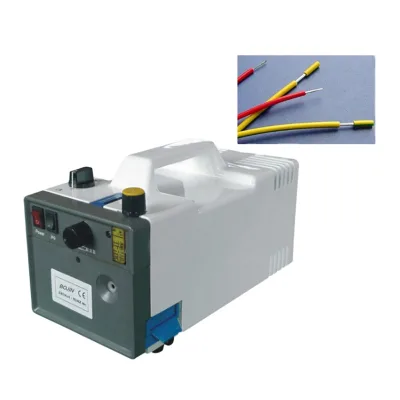
BJ-0319 Table Type Electric Wire Stripper for Stripping Purposes
$1100.00 - $1500.00
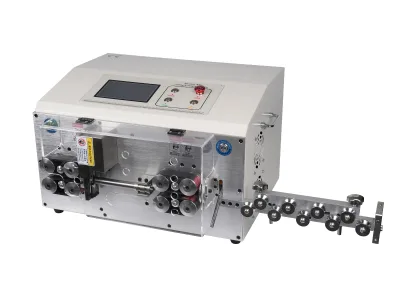
BJ-06MAXS Eight Drivers Wire Stripping Machine 70mm²
$2200.00 - $2750.00
Suzhou Sanao Electronic Equipment Co., Ltd.
- Verified by TUVRHEINLAND
- Combined
- China Jiangsu
- Lead time23 days
- Avg. response≤ 8h
Main productsCrimping Machine
Main marketsEast Asia(Japan/ South Korea),Europe,North America


$450.00 - $499.00
MOQ: 1 Pieces

Nanjing Tianxingtong Electronic Technology Co., Ltd.
- Verified by BV
- Combined
- China Jiangsu
- Lead time23 days
- Avg. response≤ 12h
Main productsFusion Splicer, Fiber Cleaver, OTDR, Fiber Splicing Machine, Vfl, Optic Fiber Laser Source, Optical Power Meter, Pon Network Tester, Fiber Optic Construction Tools, Network Tools
Main marketsSouth America,Africa,Southeast Asia/ Mideast,East Asia(Japan/ South Korea),Domestic,Europe,Australia,North America
Shenzhen Junsheng Automation Equipment Co., Ltd.
- Verified by TUVRHEINLAND
- Trading Company
- China Guangdong
- Lead time15 days
- Avg. response≤ 5h
Main productsCable Wire Strippers, Cable Wire Cutting Stripping Machine, Terminal Crimping Machine, Automatic Cable Soldering Machine, Cable Wire Stripping Twisting Machinery, Cable Wire Winding Bundling Machine, Cable Coiling Machine, Sleeve Cutting Machine, Waterproof Plug Insertion Machine, Heat Shrink Tube Heating Machine
Main marketsOthers(foreignTradeCapacity.exportBusinessCapacityMarketOther),Europe

Automatic Wire Stripping Machine with a Wire Stripping Size of 1mm2-6mm2
$600.00 - $820.00
MOQ: 1 Pieces

The Wire Stripping Machine Has a Long Service Life and Does Not Require Maintenance
$750.00 - $905.00
MOQ: 1 Pieces

Guangdong Tuorong Automation Equipment Co., Ltd.
- Verified by BV
- Combined
- China Guangdong
- Lead time15 days
- Avg. response≤ 1h
Main productsWiring Harness Processing Equipments, Wire Cut Strip Machine, Terminal Crimp Machine, Coaxial Cable Stripping Machine, Wire Cut Strip Tinning Machine, Fully Automatic Wire Cut Strip Crimp Machine, New Nernegy Wiring Harness Processing Equipments
Main marketsDomestic


High-Precision 7mm Multi-Layer Wire Stripping Machine for Professionals
$1850.00 - $1950.00
MOQ: 1 Pieces


Comprehensive Sourcing Guide
Milling Head Wire Stripper Supplier Concentration and Factory Types
The available data indicates that suppliers for milling head wire strippers are concentrated in specific Chinese provinces, with Zhejiang and Jiangsu emerging as primary manufacturing hubs. Fact records show a distinct split in company types, where some entities operate as both trading companies and manufacturers, while others function exclusively as factories. This structural diversity means buyers must distinguish between a direct factory source and a trading intermediary, as the latter may add a layer of markup or communication delay. The presence of "Own Brand" capabilities alongside OEM and ODM services suggests that some facilities possess the engineering capacity to customize milling head designs, whereas others may only offer standard catalog items.
When evaluating the concentration of these suppliers, it is critical to note that not all listed entities possess the same depth of technical capability. Some suppliers list extensive product ranges including fiber optic closures and copper connection modules, which implies a broader industrial focus rather than a specialized niche in wire stripping tools. Conversely, other entries highlight specific tooling lines like cable crimping and hydraulic tools, indicating a potential alignment with heavy-duty industrial applications. Buyers should verify if the supplier's primary product focus includes the specific milling head technology required, as a generalist factory might lack the precision tooling expertise found in a specialized workshop. The geographic clustering in Zhejiang and Jiangsu offers logistical advantages, but the specific factory type determines the level of direct control over the production process and quality assurance protocols.
How to Verify Milling Head Wire Stripper Suppliers
Verification of Milling Head Wire Stripper suppliers requires a rigorous check of their stated certifications and third-party audit results. The data reveals a wide spectrum of system certifications, ranging from ISO 9001 and ISO 14001 to industry-specific standards like IFS, BRC, and ASME. However, the presence of a certification list does not guarantee that every product line, including the Milling Head Wire Stripper, is covered under that specific audit scope. Buyers must specifically request evidence that the milling head tooling process adheres to the claimed standards, as a factory certified for food packaging or medical devices may not have the same quality controls for industrial hand tools. Additionally, verification status from bodies like TÜV Rheinland provides a layer of confidence, but this should be cross-referenced with the specific product model numbers to ensure the audit covers the exact item being sourced.
Beyond certifications, the response time and verification status of the supplier offer immediate indicators of operational reliability. Some suppliers demonstrate a rapid response time of under two hours, while others may take nearly twenty hours to reply, which can significantly impact the speed of the sourcing process. A fast response time often correlates with a dedicated sales team and efficient internal communication channels, which are vital when discussing technical specifications for milling head tools. Buyers should also scrutinize the "is_verified" flag, ensuring it is current and not a legacy status. It is essential to confirm that the verification covers the specific manufacturing site and not just the corporate headquarters, as production quality can vary between different facilities owned by the same parent company.
What to Compare Across Milling Head Wire Stripper Suppliers
Comparing suppliers requires a detailed analysis of lead times, minimum order quantities, and pricing structures to ensure alignment with project needs. The observed data shows lead times varying significantly, with some suppliers offering a 15-day turnaround while others require up to 45 days. This variance is often linked to the supplier's capacity for OEM customization versus their ability to ship from existing stock. Similarly, minimum order quantities (MOQ) can range from a single unit to thousands, directly affecting the initial investment and inventory risk. Buyers must calculate the total cost of ownership, including the unit price which can fluctuate between $1.00 and $30.00 depending on the complexity of the milling head design and the material specifications.
In addition to logistics and pricing, the customization capabilities and product attributes are critical comparison points. Some suppliers offer full customization for milling head tools, allowing for specific cutting ranges or ergonomic designs, while others provide only non-customized, standard models. The product evidence highlights specific attributes such as weight, size, and cutting diameter ranges, which must match the buyer's application requirements. For instance, a tool designed for high-voltage cables may require different specifications than one for standard copper wire. Buyers should also compare the packaging standards, as some suppliers use individual boxes while others utilize palletized shipping, which impacts shipping costs and storage efficiency. A comprehensive comparison ensures that the selected supplier can meet both the technical and commercial demands of the order.
Common Milling Head Wire Stripper Sourcing Risks
One of the primary risks in sourcing milling head wire strippers is the potential mismatch between a supplier's broad product portfolio and their actual expertise in this specific tool category. Many suppliers list extensive ranges including fiber optic accessories, copper modules, and various hand tools, which can dilute their focus on the precision engineering required for milling head mechanisms. This generalist approach may lead to inconsistencies in quality control or a lack of specialized knowledge regarding the specific wear and tear characteristics of milling heads. Buyers must verify that the supplier has a dedicated production line or a proven track record specifically for wire stripping tools, rather than relying on a general factory that produces a wide array of unrelated hardware items.
Another significant risk involves the reliability of the stated certifications and the actual production capabilities regarding customization. While suppliers may list numerous certifications like ISO 9001 or CE, these may not apply to the specific milling head model being ordered. There is also a risk that the "customization" option is limited to superficial changes rather than functional modifications to the milling mechanism. Furthermore, the variation in response times and lead times can create supply chain bottlenecks, especially if the supplier overpromises on delivery schedules. Buyers should be cautious of suppliers who claim to offer both OEM and ODM services without providing clear evidence of their engineering team's capacity to handle complex tooling designs.
Milling Head Wire Stripper Regional Sourcing and Logistics
Sourcing milling head wire strippers from China, specifically from the Zhejiang and Jiangsu provinces, offers distinct logistical advantages due to the established manufacturing infrastructure in these regions. These areas are known for their dense networks of industrial suppliers and efficient port access, which can facilitate faster shipping times for international orders. However, the distance between the factory and the port, as well as the specific logistics provider chosen, can influence the final delivery timeline. Buyers should account for the potential variability in lead times, which can range from 15 to 45 days depending on the supplier's current production load and the complexity of the order. Understanding the regional concentration helps in planning the supply chain more effectively, as suppliers in these hubs are often accustomed to handling export documentation and international shipping requirements.
Logistics planning must also consider the packaging and weight specifications provided by the suppliers, as these factors directly impact shipping costs. The product data indicates that weights can vary from lightweight hand tools to heavier industrial machines, and packaging ranges from individual boxes to palletized shipments. Buyers need to calculate the volumetric weight and ensure that the packaging is robust enough to protect the precision milling heads during transit. Additionally, the location of the supplier within the province can affect inland transportation costs before the goods reach the port. It is advisable to request detailed shipping quotes that include inland freight, insurance, and customs clearance fees to avoid unexpected costs that could erode the initial savings gained from sourcing in these regions.
Milling Head Wire Stripper Commercial Terms and Order Planning
Commercial terms for milling head wire strippers vary significantly based on the supplier's capacity for customization and their established brand presence. Some suppliers offer flexible pricing models with minimum order quantities as low as one unit, while others require bulk orders of 1000 units or more to achieve competitive pricing. The price range observed spans from $1.00 to $30.00, reflecting differences in material quality, manufacturing complexity, and brand positioning. Buyers must carefully evaluate the total cost, including any additional fees for customization, tooling setup, or expedited shipping, to ensure the final price aligns with their budget constraints. Understanding these commercial terms is essential for accurate financial planning and avoiding hidden costs that may arise during the negotiation phase.
Order planning should also account for the supplier's response time and their ability to handle urgent requests. With response times ranging from under two hours to nearly twenty hours, the speed of communication can impact the overall project timeline. Buyers should establish clear communication protocols and set realistic expectations for order confirmation and production scheduling. It is also crucial to verify the supplier's ability to meet the required lead times, as delays in production can disrupt the entire supply chain. By carefully analyzing the commercial terms and planning for potential delays, buyers can mitigate risks and ensure a smooth procurement process for their Milling Head Wire Stripper needs.
FAQs
Where are the wire strippers manufactured?
The wire strippers are manufactured in China, specifically in the Zhejiang and Jiangsu provinces. These regions host both trading companies and manufacturers offering a wide range of fiber optic and copper cable tools for global distribution.
What is the typical lead time for orders?
Lead times vary by supplier, with some offering 15 days and others requiring up to 45 days for production. Buyers should confirm specific timelines based on the selected manufacturer and order volume to ensure timely delivery.
Are ISO 9001 certifications available for these tools?
Yes, many suppliers hold ISO 9001 certification, with some products specifically noting the 2008 version. Additional certifications like CE, RoHS, and ISO 14001 are also common among the listed manufacturers to ensure quality and safety standards.
What is the minimum order quantity for wire strippers?
Minimum order quantities differ significantly, ranging from 1 unit for some items to 1000 units for others. Buyers must check the specific product listing to determine the exact MOQ required before placing an order with the supplier.
How quickly do suppliers typically respond to inquiries?
Response times vary, with some suppliers replying within approximately 1.88 hours while others may take around 19.39 hours. Buyers should expect different communication speeds depending on the specific company and their current workload.
Can these tools be customized for specific needs?
Customization is available for many wire stripper models, allowing buyers to request specific features or branding. However, some products are listed as non-customized, so verifying the customization option for each specific item is essential before purchasing.
What is the price range for these tools?
Prices vary widely, with some basic models starting as low as 1.00 and others reaching up to 30.00. The final cost depends on the specific model, features, and the minimum order quantity required by the supplier.