Antique Solid Wood Restaurant Sofa Suppliers and Manufacturers
Source 25 verified suppliers for Antique Solid Wood Restaurant Sofa options. Compare key dimensions including lead times, MOQs, and certifications like ISO 9001 and CE. Review product attributes and request quotes directly from factories in China Guangdong; review the available evidence before requesting comparable quotations from suitable candidates.
Suppliers List

Hebei Ximu Furniture Sales Co., Ltd.
- Trading Company,Manufacturer/Factory
- China Guangdong
- Lead time45 days
- Avg. response≤ 4h
Main productsFurniture, Home Furniture, Living Room Furniture., Ding Room Furniture, Bed Room Furniture, Coffee Table, TV Stand, Dining Table, Chairs, Bath Room Furniture
Main marketsSouth America,Eastern Europe,North America,Southeast Asia,Western Europe


Solid Wood Carved European Style Sofa, Genuine Leather Sofa, French Cowhide Hotel Business Sofa
$608.00 - $612.00
MOQ: 1 Pieces

Solid Wood Sofa Carved Luxury American and European Royal Living Room Sofa
$708.00 - $712.00
MOQ: 1 Pieces
Foshan Hexiang Furniture Company
- Verified by SGS
- Trading Company,Manufacturer/Factory,Group Corporation,Other
- China Guangdong
- Lead time23 days
- Avg. response≤ 2h
Main productsRestaurant Furniture, Restaurant Chair, Restaurant Table, Restaurant Booth, Coffee Shop Furniture, Club Furniture, Hotel Furniture, Bar Furniture, Outdoor Furniture, Wedding Furniture
Main marketsSouth America,Eastern Europe,Mid East,North America,Southeast Asia,Eastern Asia,Oceania,Western Europe,Africa

Solid Wood Restaurant Furniture with Booth Sofa Themed Restaurant Table and Chair
$45.00 - $135.00
MOQ: 5 Pieces

Antique Vintage Retro Style Classical Hotel Wooden Frame Furniture Sofa
$45.00 - $150.00
MOQ: 5 Pieces

Wooden Framed Restaurant Sofa with Fabric Cushions and Matching Wood Table Furniture
$35.00 - $150.00
MOQ: 5 Pieces

Classical Luxury Style Coffee Shop Furniture Cafe Seating Sofa Wooden Restaurant Furniture
$45.00 - $135.00
MOQ: 5 Pieces

Hot Selling Wooden Top Leather Cafe Restaurant Sofa Booth Seating Restaurant Furniture
$45.00 - $135.00
MOQ: 5 Pieces

Guangzhou Mega Import and Export Co., Ltd.
- Verified by TUVRHEINLAND
- Trading Company
- China Guangdong
- Lead time30 days
- Avg. response≤ 7h
Main productsOffice Chair, Office Table, Office Cubicle, Restaurant Furniture, Conference Table, Office Sofa, Executive Desk, Restaurant Sofa, Hotel Furniture, Executive Furniture
Main marketsEurope,North America
Foshan Hanse Industrial Co., Ltd.
- Verified by SGS
- Manufacturer/Factory
- China Guangdong
- Lead time23 days
- Avg. response≤ 10h
Main productsHotel Bedroom Furniture, Hotel Lobby Furniture, Hotel Restaurant Furniture, Garden Sofas, Outdoor Sofa, Garden Set, Dining Table Set, Sun Loungers/Daybed, Patio Swing, Outdoor Chair
Main marketsSouth America,Eastern Europe,North America,Southeast Asia,Oceania

Custom Luxury Velvet Restaurant Sofa Seating Modern Hotel Restaurant Furniture Sofa
$380.00 - $799.00
MOQ: 2 Pieces


Foshan Ron Hospitality Supplies Co., Ltd.
- Manufacturer/Factory,Group Corporation
- China Guangdong
- Lead time23 days
- Avg. response≤ 3h
Main productsRestaurant Furniture, Customized Restaurant Product, Restaurant Table, Restaurant Chair, Restaurant Booth, Cafe Furniture, Bar Furniture, Coffee Shop Furniture, Dinnerware, Glassware
Main marketsSouth America,Eastern Europe,Mid East,North America,Southeast Asia,Eastern Asia,Oceania,Western Europe,Africa


Rustic Coffee Cafe Shop Wood Leather Sofa Booth Seating Furniture Restaurant Table and Chair Sets
$48.00 - $129.00
MOQ: 2 pieces


Vintage Square Wood Cafe Table and Chair Customized Leather Restaurant Sofa Booth
$65.00 - $128.00
MOQ: 2 sets
Foshan Ron Hospitality Supplies Co., Ltd.
- Verified by BV
- Manufacturer/Factory,Group Corporation
- China Guangdong
- Lead time45 days
- Avg. response≤ 3h
Main productsRestaurant Furniture, Restaurant Booth, Restaurant Chair, Restaurant Table, Bar Stools, Wedding Chairs, Flatware Sets, Dinnerware Sets, Garden Chairs, Disposable Dinnerware & Tableware
Main marketsSouth America,Eastern Europe,Mid East,North America,Southeast Asia,Eastern Asia,Oceania,Western Europe,Africa

Modern Fabric Sofa Solid Wood Table Coffee Shop Furniture for Cafe and Restaurant
$39.00 - $129.00
MOQ: 2 Pieces


Restaurant Wholesale Half Round Booth Sofa Solid Wood Wood Leg Table and Chairs Furniture
$39.00 - $129.00
MOQ: 2 Pieces


Modern Style Black Restaurant Booths Wooden Elegant Sofa for Restaurant Furniture
$105.00 - $145.00
MOQ: 10 pieces

Customizable Solid Wood Sofa Restaurant Table and Chair Set Furniture for Cafe
$59.00 - $129.00
MOQ: 2 Pieces

Shenzhen Prima Industry Co., Ltd.
- Manufacturer/Factory
- China Guangdong
- Lead time45 days
- Avg. response≤ 6h
Main productsStaircase, Railing, Kitchen, Wardrobe, Building Glass, Movable Partition, Shower, Window&Door, Tiles&Flooring, Bathroom Accessories
Main marketsSouth America,Eastern Europe,Mid East,North America,Southeast Asia,Eastern Asia,Oceania,Western Europe,Africa

Modern Living Room Villa Hotel Furniture Solid Wood Genuine PU Leather Sofa
$400.00 - $500.00
MOQ: 1 Sets


FOSHAN SHANGDIAN HOTEL FURNITURE MANUFACTURING CO., LTD.
- Manufacturer/Factory
- China Guangdong
- Lead time45 days
- Avg. response≤ 15h
Main productsHotel Furniture, Hotel Bedroom Furniture, Bedroom Furniture Set, Apartment Furniture, Customized Furniture, Villia Furniture, Resort Furniture, Hotel Chair, Restaurant Furniture, Hotel Sofa
Main marketsSouth America,Eastern Europe,Mid East,North America,Southeast Asia,Eastern Asia,Oceania,Western Europe,Africa

Hot Sales Solid Wood Modern Restaurant Diner Booth, Restaurant Booth Sofa (KL S05)
$199.00 - $239.00
MOQ: 10 Sets


FOSHAN H&P (DUGAO) FURNITURE CO., LTD
- Trading Company
- China Guangdong
- Lead time45 days
- Avg. response≤ 18h
Main productsHotel Furniture, Hotel Bedroom Furniture, Hotel Public Area Furniture, Wooden Paneling/Fixed Furniture, Villa Furniture, Apartment Furniture, Restaurant Furniture, Hotel FF&E Furniture, Hotel Chair, Coffee Chop Furniture
Main marketsSoutheast Asia/ Mideast,Australia,North America

Hotel Lobby and Restaurant Use Comfortable Solid Wood Frame Base One Seat Sofa for Hotel
$200.00 - $800.00
MOQ: 10 Sets


5 Star Luxury Solid Wood Timber Sofa Antique Hotel Lobby Furniture for Custom
$1299.00 - $2299.00
MOQ: 10 Sets

Classic 5 Star Hotel Furniture Hot Sale Antique Hardwood Frame Direct Seat Lounge Lazy 3 Seater Sofa
$200.00 - $800.00
MOQ: 10 Sets


Hotel Wooden Sofa Fabric Leather Comfortable Bedroom Living Room Soft Sofa Set
$200.00 - $800.00
MOQ: 10 Sets

GUANGDONG ZHIDA FURNISHINGS INDUSTRIAL CO., LTD
- Verified by TUVRHEINLAND
- Combined
- China Guangdong
- Lead time30 days
- Avg. response≤ 5h
Main productsHotel Furniture, Hotel Bedroom Furniture, Restaurant Furniture, Lobby Furniture, Sofa, Curtain, Fabric, Coffee Table, Chair, Bed
Main marketsEurope
Foshan Xinda Furniture Co., Ltd.
- Verified by SGS
- Manufacturer/Factory
- China Guangdong
- Lead time30 days
- Avg. response≤ 3h
Main productsRestaurant Furniture, Bar Furniture, Hotel Bedroom Furniture
Main marketsSouth America,Eastern Europe,Mid East,North America,Southeast Asia,Eastern Asia,Oceania,Western Europe,Africa


European Classic Style Coffee Shop Furniture Cafe Restaurant Wood Corner Booth Seating Sofa
$98.00 - $120.00
MOQ: 10 Meters

Premium Quality Vintage Sustainable Luxury Durable Commercial Restaurant Sofa
$80.00 - $120.00
MOQ: 10 Meters

Wooden Modern Vintage Durable Stylish High-End Factory Price Restaurant Sofa
$80.00 - $120.00
MOQ: 10 Meters

Italian Sofa Seat Leather Wood Sofa Modern Furniture Living Room Sofa
$560.00 - $3120.00
MOQ: 2 Pieces

Wooden Ergonomic Heavy Duty Elegant Sustainable Modern Indoor Restaurant Sofa
$90.00 - $110.00
MOQ: 10 meter

Foshan Ulink Furniture Limited
- Manufacturer/Factory
- China Guangdong
- Lead time23 days
- Avg. response≤ 9h
Main productsBedroom Furniture, Coffee Table and TV Stand, Bathroom Furniture, Kitchen Furniture, Dining Furniture, Bathroom Vanity
Main marketsSouth America,Eastern Europe,Mid East,North America,Southeast Asia,Eastern Asia,Oceania,Western Europe,Africa

Modern Restaurant Furniture Dining Table Chair Booth Restaurant Sofa for Coffee Shop
$88.00 - $98.00
MOQ: 10 Pieces

Modern Restaurant Furniture Table Chair Set Restaurant Booth Seating Sofa
$88.00 - $98.00
MOQ: 10 Pieces

Restaurant Furniture Set Wooden Booth Seating Restaurant Sofa with PU Upholstered
$88.00 - $98.00
MOQ: 10 Pieces
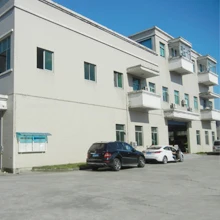
Hangzhou Zhuoli Furniture Co., Ltd.
- Trading Company
- Zhejiang, China
- Lead time45 days
- Avg. response≤ 4h
Main productsDining Chair,Dining Table,living Room Sofa,Lounge Chiar,Bedroom Furniture
Main marketsNorth America(25.00%), Mid East(20.00%), South America(15.00%), Eastern Europe(10.00%), Domestic Market(10.00%), Northern Europe(8.00%), Western Europe(8.00%), Africa(4.00%)
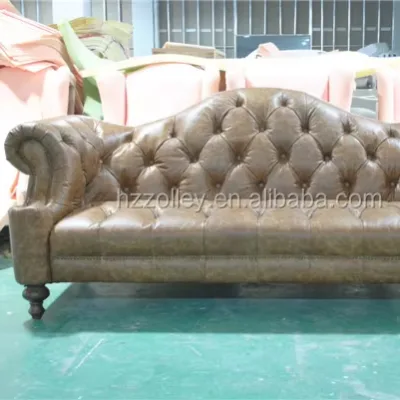
Traditional Style Restaurant Leather Sofa Wood Fabric Booth Sofa for Apartment or Villa Use
$430.00 - $800.00
MOQ: 2 Minimum
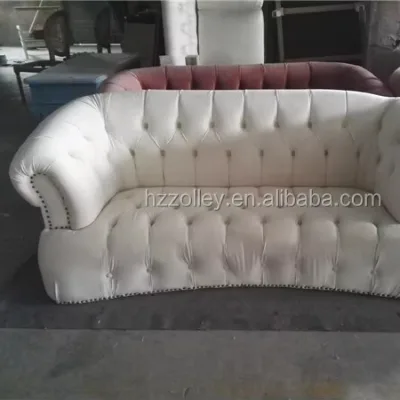
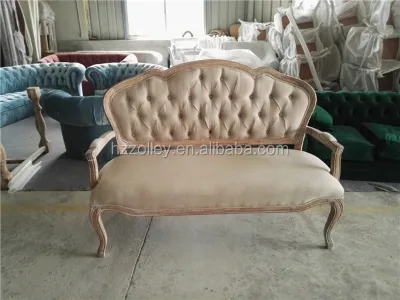

Nanhai Homely Furniture Factory
- Verified by BV
- Trading Company
- China Guangdong
- Lead time30 days
- Avg. response≤ 8h
Main productsHotel Chair, Banquet Table, Wedding Sofa, Table Cloth, Chair Cover, Outdoor Chair, Outdoor Table, Dining Table, Stainless Steel Chair, Pedicure Chair
Main marketsSouth America,Southeast Asia/ Mideast,Europe,North America


Luxury Wooden Living Room Double Seat Sofa for Wedding/Restaurant/Hotel/Home
$420.00 - $480.00
MOQ: 1 Pieces

Jiangmen Fenmi Furniture Co., Ltd.
- Verified by BV
- Trading Company,Manufacturer/Factory
- China Guangdong
- Lead time23 days
- Avg. response≤ 8h
Main productsHotel Furniture, Hotel Bedroom Furniture, Bedroom Set, Bedroom Furniture Set, Hospitality Furniture, Office Sofa, Office Chair, Office Desk, Workstation
Main marketsSouth America,Eastern Europe,Mid East,North America,Southeast Asia,Eastern Asia,Oceania,Western Europe,Africa


Living Room Lounge Sectional Sofa Hotel Suite Antique Furniture
$369.00 - $699.00
MOQ: 30 Square Meters


Shanghai Miaolian Industry Co., Ltd.
- Verified by TUVRHEINLAND
- Manufacturer/Factory
- China Shanghai
- Lead time45 days
- Avg. response≤ 4h
Main productsFurniture, Restaurant Furniture, Hotel Furniture, Chair, Table, Sofa, Bed, Cabinet, Restaurant, Hotel
Main marketsSouth America,Eastern Europe,Mid East,North America,Southeast Asia,Eastern Asia,Oceania,Western Europe,Africa

- Verified by SGS
- Trading Company
- China Guangdong
- Lead time60 days
- Avg. response≤ 14h
Main productsSofa Dining Table Bed Chair Coffee Table, Living Room Furniture, Dining Room Furniture, Bedroom Furniture, Hotel Furniture, Office Furniture, Outdoor Furniture, Mattress
Main marketsSouth America,Eastern Europe,Mid East,North America,Southeast Asia,Eastern Asia,Oceania,Western Europe,Africa


Retro Living Room Fabric Wooden Hand Carved Sofa - Living Room Furniture Home Furniture Sofa
$2000.00 - $20000.00
MOQ: 1 Pieces

$2000.00 - $20000.00
MOQ: 1 Pieces

Zhongshan Uptop Furnishings Co., Ltd.
- Verified by BV
- Combined
- China Guangdong
- Lead time15 days
- Avg. response≤ 2h
Main productsRestaurant Furniture, Restaurant Table and Chair, Hotel Table and Chair, Cafeteria Table and Chair, Bar Table and Chair, Canteen Furniture, Plastic Chair, Cafe Furniture, Contract Furniture, Commercial Furniture
Main marketsSouth America,Africa,Southeast Asia/ Mideast,East Asia(Japan/ South Korea),Europe,Australia,North America


Modern Wooden Restaurant Sofa Set Double Sided Restaurant Booth Seating and Metal Chair
$49.00 - $468.00
MOQ: 10 Sets


Foshan Shuaige Furniture Co., Ltd.
- Verified by TUVRHEINLAND
- Combined
- China Guangdong
- Lead time23 days
- Avg. response≤ 4h
Main productsWedding Chair, Wedding Table, Dining Furniture, Dining Chair, Dining Table Set, Stainless Steel Chair, Wedding Furniture, Wedding Backdrop, Banquet Furniture, Hotel Chair and Table
Main marketsDomestic

Foshan Axcellent Industry Co., Ltd.
- Verified by BV
- Manufacturer/Factory
- China Guangdong
- Lead time38 days
- Avg. response≤ 4h
Main productsRestaurant Furniture, Hotel Furniture, Hotel Public Fumiture, Banquet Furniture, Dining Furmiture, Bar Furniture
Main marketsSouth America,Eastern Europe,Mid East,North America,Southeast Asia,Eastern Asia,Oceania,Western Europe,Africa


Luxury Orange Leather Wooden Restaurant Sofa Set Restaurant Booth Seating
$98.00 - $130.00
MOQ: 10 Pieces

- Combined
- China Guangdong
- Lead time30 days
- Avg. response≤ 8h
Main productsCoffee Table, TV Cabinet, Kitchen Furniture, Dining Furniture, Living Room Cabinet, Storage Cabinet, Living Room Furniture, Bedroom Furniture, Wardrobe, Chest Drawers
Main marketsSouth America
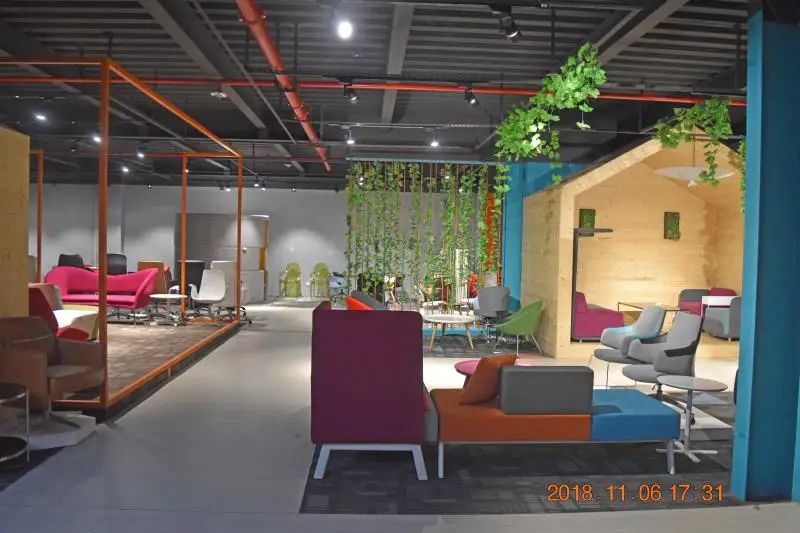
Foshan Lvye Furniture Co., Ltd.
- Manufacturer, Trading Company
- Guangdong, China
- Lead time18 days
- Avg. response≤ 9h
Main productsOffice Chair,furniture hardware,office furniture,interior design,Office Desk
Main marketsNorth America(18.00%), Eastern Europe(15.00%), Mid East(13.00%), Northern Europe(13.00%), Southeast Asia(12.00%), Western Europe(8.00%), Southern Europe(7.00%), Africa(3.00%), South America(3.00%), South Asia(2.00%), Oceania(2.00%), Eastern Asia(2.00%), Central America(2.00%)
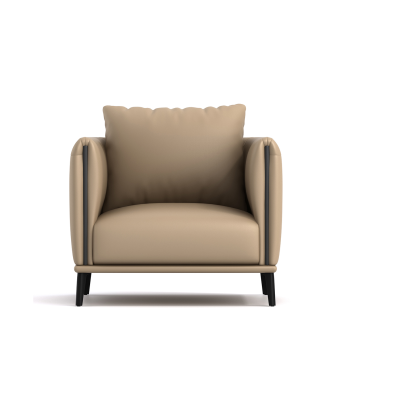
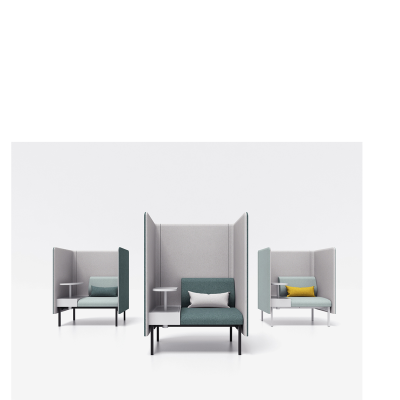
$502.00 - $502.30

Foshan Beaute Furniture Co., Ltd.
- Trading Company,Manufacturer/Factory,Group Corporation
- China Guangdong
- Lead time15 days
- Avg. response≤ 16h
Main productsHotel Furniture, Hotel Bedroom Furniture, Apartment Furniture, Villa Furniture, Restaurant Furniture, Dining Furniture, Sofa Bed, Chair, Restaurant Furniture for Hotel, Dining Sets for Hotel
Main marketsSouth America,Eastern Europe,Mid East,North America,Southeast Asia,Eastern Asia,Oceania,Western Europe,Africa
Guangdong Chuangheng Furniture Co., Ltd.
- Verified by SGS Group
- Manufacturer, Trading Company
- Lead time75 days
- Avg. response≤ 1h
Main productsCustomized Sofa, Customized Bed, Customized Desk, Customized Dining Table, Customized Cabinets
Main marketsNorth America(80%), Southeast Asia(15%), Africa(5%)

Foshan Mingle Furniture Co., Ltd.
- Verified by CTI
- Trading Company,Manufacturer/Factory
- China Guangdong
- Lead time15 days
- Avg. response≤ 7h
Main productsAirport Chair, Waiting Chair, Office Chair, Office Seating, Office Telephone Booth, Office Pods, Airport Check in Counter, Office Sofa, Leisure Seating, Office Furniture
Main marketsSouth America,Eastern Europe,Mid East,North America,Southeast Asia,Eastern Asia,Oceania,Africa


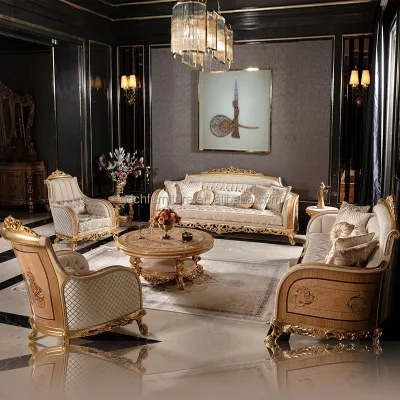
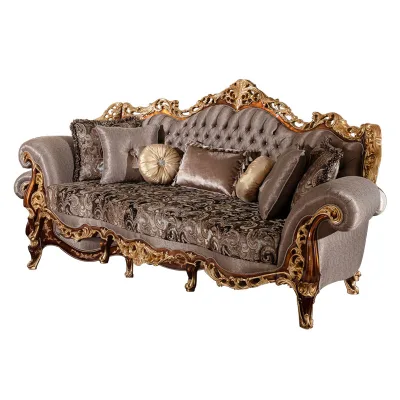


Comprehensive Sourcing Guide
Antique Solid Wood Restaurant Sofa Supplier Concentration and Factory Types
When sourcing antique solid wood restaurant sofas, identifying the correct manufacturing cluster is critical for cost efficiency and quality control. High-confidence data indicates that a significant portion of suppliers are located in Guangdong, China. This region is known for its robust furniture supply chain, offering both trading companies and direct manufacturers. Buyers should distinguish between these two types, as factories often provide better pricing for large volumes, while trading companies may offer more flexibility in design and logistics. Understanding the specific location helps in planning site visits and assessing the local infrastructure for heavy wood transport.
The distinction between manufacturer and trading company status is vital for antique-style furniture. Manufacturers typically have in-house carving and finishing capabilities, which are essential for the intricate details of antique designs. Trading companies, on the other hand, may aggregate products from various factories, potentially offering a wider range of styles but with less direct control over production quality. Buyers should verify the actual production capabilities of any supplier claiming to be a factory. Look for evidence of dedicated workshops for wood carving and upholstery. This ensures that the supplier can handle the specific craftsmanship required for antique solid wood pieces, rather than simply reselling standard modern furniture with a veneer finish.
How to Verify Antique Solid Wood Restaurant Sofa Suppliers
Verification is the cornerstone of risk mitigation when dealing with antique solid wood furniture. Start by checking for system certifications such as ISO 9001, which indicates a standardized quality management system. Additionally, look for product-specific certifications like FSC or EPA, which verify the sustainability and safety of the wood materials used. These credentials are particularly important for restaurant furniture, which must meet strict health and safety standards. Requesting third-party inspection reports from agencies like SGS can further validate the supplier’s claims about material quality and structural integrity.
Beyond certifications, assess the supplier’s response time and communication efficiency. A responsive supplier is often more reliable in handling custom requests and resolving issues during production. Check the supplier’s main product list to ensure they specialize in restaurant or commercial furniture, rather than just residential items. This specialization suggests a deeper understanding of the durability requirements for high-traffic environments. Finally, request samples of the specific wood species, such as red toon or rubber wood, to verify the grain, color, and finish quality before committing to a large order. This step ensures that the final product matches the antique aesthetic you envision.
What to Compare Across Antique Solid Wood Restaurant Sofa Suppliers
When comparing suppliers, focus on key operational metrics that directly impact your project timeline and budget. Lead time is a critical factor, as antique solid wood furniture often requires extensive hand-carving and finishing. Some suppliers may quote lead times of 23 to 45 days, depending on the complexity of the design and the order volume. Shorter lead times may indicate a more efficient production line, but buyers should ensure that speed does not compromise the quality of the craftsmanship. Compare these timelines against your project schedule to identify suppliers who can meet your deadlines without rushing the production process.
Minimum Order Quantity (MOQ) is another crucial comparison point. Some suppliers may require a minimum of 50 units, while others accept orders as low as 1 unit. A lower MOQ is beneficial for smaller projects or pilot orders, allowing you to test the quality before scaling up. However, higher MOQs often come with better unit prices, which can be advantageous for large-scale restaurant renovations. Additionally, compare the customization options available. Look for suppliers who offer OEM and ODM services, allowing you to modify dimensions, wood types, and upholstery materials. This flexibility is essential for achieving the unique antique look that distinguishes your restaurant from competitors.
Common Antique Solid Wood Restaurant Sofa Sourcing Risks
One of the primary risks in sourcing antique solid wood furniture is the variability in wood quality and species. Suppliers may substitute cheaper woods for more expensive ones, such as using rubber wood instead of red toon, without explicit consent. This can affect the durability and aesthetic appeal of the final product. To mitigate this risk, specify the exact wood species in your contract and request detailed material certificates. Additionally, be wary of suppliers who do not provide clear information about their fire retardant standards. Restaurant furniture must comply with local safety regulations, so ensure that the supplier can provide documentation proving that their products meet ISO or other relevant fire safety standards.
Another significant risk is the potential for damage during shipping. Antique solid wood sofas are large, heavy, and often have intricate carvings that are susceptible to breakage. Inadequate packaging can lead to significant losses, especially when shipping internationally. Verify that the supplier uses export-standard safe packing, such as cartons with additional protective materials. Request photos of the packaging process to ensure that the furniture is secured properly. Furthermore, consider the risk of design discrepancies. Antique styles can vary widely, so provide detailed drawings or 3D models to the supplier to minimize the chance of receiving a product that does not match your specifications.
Antique Solid Wood Restaurant Sofa Regional Sourcing and Logistics
Regional sourcing plays a significant role in the overall cost and logistics of antique solid wood furniture. Suppliers located in Guangdong, China, benefit from a well-established supply chain for wood and upholstery materials. This proximity to raw material sources can reduce production costs and lead times. However, buyers must consider the logistics of shipping heavy furniture from this region to their destination. Calculate the total landed cost, including freight, insurance, and customs duties, to determine the most economical sourcing option. Working with a supplier who has experience in international shipping can help navigate these complexities and ensure timely delivery.
Logistics planning should also account for the specific requirements of antique furniture. Unlike modern furniture, antique pieces may require special handling due to their weight and fragility. Coordinate with the supplier to ensure that the furniture is packed in a way that protects the carved details and upholstery. Consider using a freight forwarder who specializes in furniture to manage the shipping process. This can help avoid delays and damage, ensuring that the furniture arrives in perfect condition. Additionally, plan for the installation process, as antique sofas may require professional assembly and placement to maintain their structural integrity and aesthetic appeal.
Antique Solid Wood Restaurant Sofa Commercial Terms and Order Planning
Negotiating commercial terms is essential for securing a favorable deal on antique solid wood restaurant sofas. Focus on the payment structure, as suppliers may offer different terms such as 30% deposit and 70% balance before shipment. Ensure that the payment terms align with your cash flow and risk tolerance. Consider using escrow services to protect your funds until the product is verified and shipped. Additionally, clarify the warranty terms, including the duration and scope of coverage for defects in materials and workmanship. A clear warranty agreement provides peace of mind and ensures that any issues are resolved promptly.
Order planning should include a detailed timeline for production, inspection, and shipping. Break down the project into milestones, such as sample approval, bulk production, and pre-shipment inspection. This structured approach helps manage expectations and ensures that all parties are aligned on the project’s progress. Communicate regularly with the supplier to address any changes or concerns that may arise during production. By maintaining open lines of communication and adhering to a well-defined plan, you can minimize risks and ensure a successful sourcing experience. This disciplined approach to commercial terms and order planning is crucial for achieving the desired outcome in your restaurant renovation project.
FAQs
What is the typical lead time for antique solid wood restaurant sofas?
Manufacturers in China Guangdong generally require 45 days for standard production runs. Some suppliers with optimized workflows can deliver within 23 days. Buyers should confirm specific timelines based on order volume and customization needs before placing deposits.
What certifications do these sofas typically carry?
Common certifications include ISO 9001, HSE, and GMP for manufacturing standards. Product-specific certifications often feature EPA, FSC, and Oeko-Tex Standard 100. These ensure material safety and environmental compliance for commercial hospitality environments.
What is the minimum order quantity for custom orders?
MOQs vary significantly by product type. Some solid wood sofas require a minimum of 50 units. Others, particularly European style or leather options, may accept orders as low as one piece. Restaurant sets often start at five units.
What materials are used in antique solid wood restaurant sofas?
Frames are typically constructed from solid wood, including Red Toon and Rubber Wood. Upholstery options range from genuine cowhide to fabric cushions. The wood is often carved to achieve a classical or retro aesthetic suitable for high-end dining.
How quickly do suppliers respond to inquiries?
Response times vary by supplier efficiency. Average response times are recorded around 3.19 hours. More responsive suppliers can reply within 1.81 hours. Prompt communication is essential for negotiating custom dimensions and pricing details.
What is the price range for these sofas?
Prices depend on material quality and design complexity. Basic restaurant sets range from $45 to $135 per unit. Antique carved solid wood sofas typically cost between $336 and $356. Premium European styles with leather can reach $712.
Can these sofas be customized for specific restaurant themes?
Yes, most manufacturers offer OEM and ODM services. Customization includes size adjustments, wood finishes, and upholstery materials. Suppliers provide one-stop design services to match specific hospitality themes, ensuring the furniture fits the intended commercial space perfectly.