Antique Wooden Pooja Mandir Suppliers and Manufacturers
Source 24 verified suppliers for Antique Wooden Pooja Mandir products. Compare key dimensions including lead times, MOQs, certifications, and response rates. Review product specifications and request quotes directly from manufacturers in Shandong, China; review the available evidence before requesting comparable quotations from suitable candidates.
Suppliers List
Qingdao Enjoy Global Industry Co., Ltd.
- Verified by TüVRheinland
- Manufacturer, Trading Company
- Lead time25 days
- Avg. response≤ 1h
Main productsWooden Shelf, Wooden Cat Tree, Wooden Box, Wooden Crafts, Wooden Furniture
Main marketsNorth America(40%), Eastern Asia(15%), Western Europe(14%)
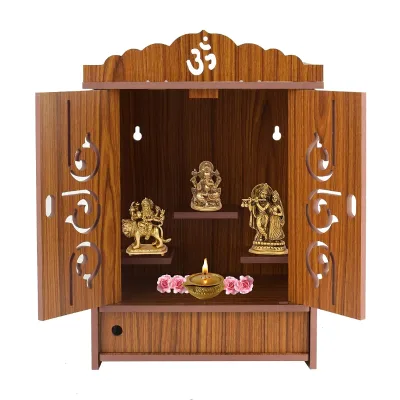
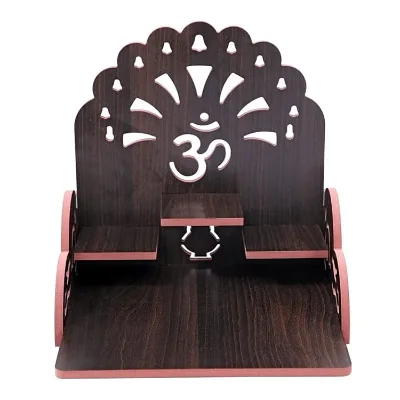
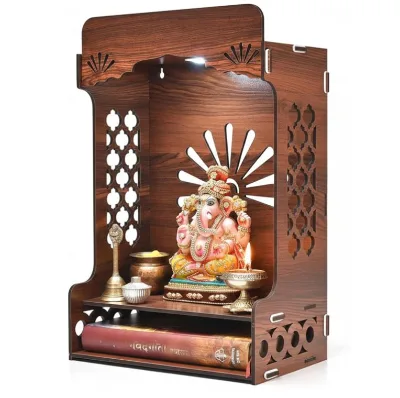
Home Brown Pooja Mandir Temple Freestanding Decor Hindu Wooden Temple With Doors
$8.95 - $11.32
Moq: 300
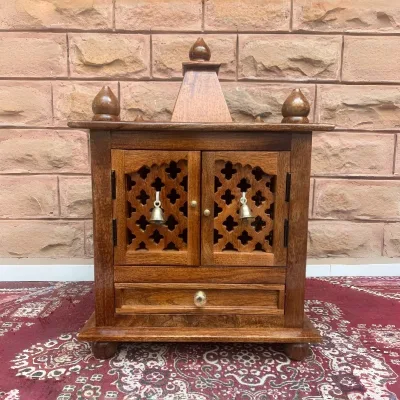
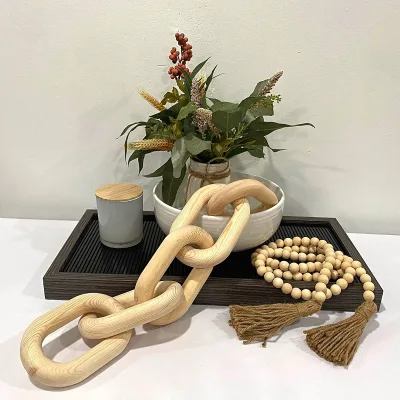
Caoxian Baisenwo Crafts Co., Ltd.
- Manufacturer, Trading Company
- Shandong, China
- Lead time25 days
- Avg. response≤ 5h
Main productsWooden Boxes,Wooden Pet Products,Wooden Kids' Products,Wooden Kitchen Products,Wooden Shelves
Main marketsNorth America(24.0%), Western Europe(20.0%), Mid East(10.0%), Domestic Market(8.0%), South America(6.0%), Eastern Asia(5.0%), Southern Europe(5.0%), Oceania(5.0%), Eastern Europe(5.0%), Northern Europe(5.0%), Southeast Asia(3.0%), Central America(2.0%), Africa(1.0%), South Asia(1.0%)
Heze Long River Wooden Products Co., Ltd.
- Verified by SGS Group
- Manufacturer, Trading Company
- Lead time0 days
- Avg. response≤ 4h
Main productsWood Box, Wood Craft, Wood Shelf, Pet House, Home Decor
Main marketsNorth America(50%), Western Europe(30%), Mid East(10%)
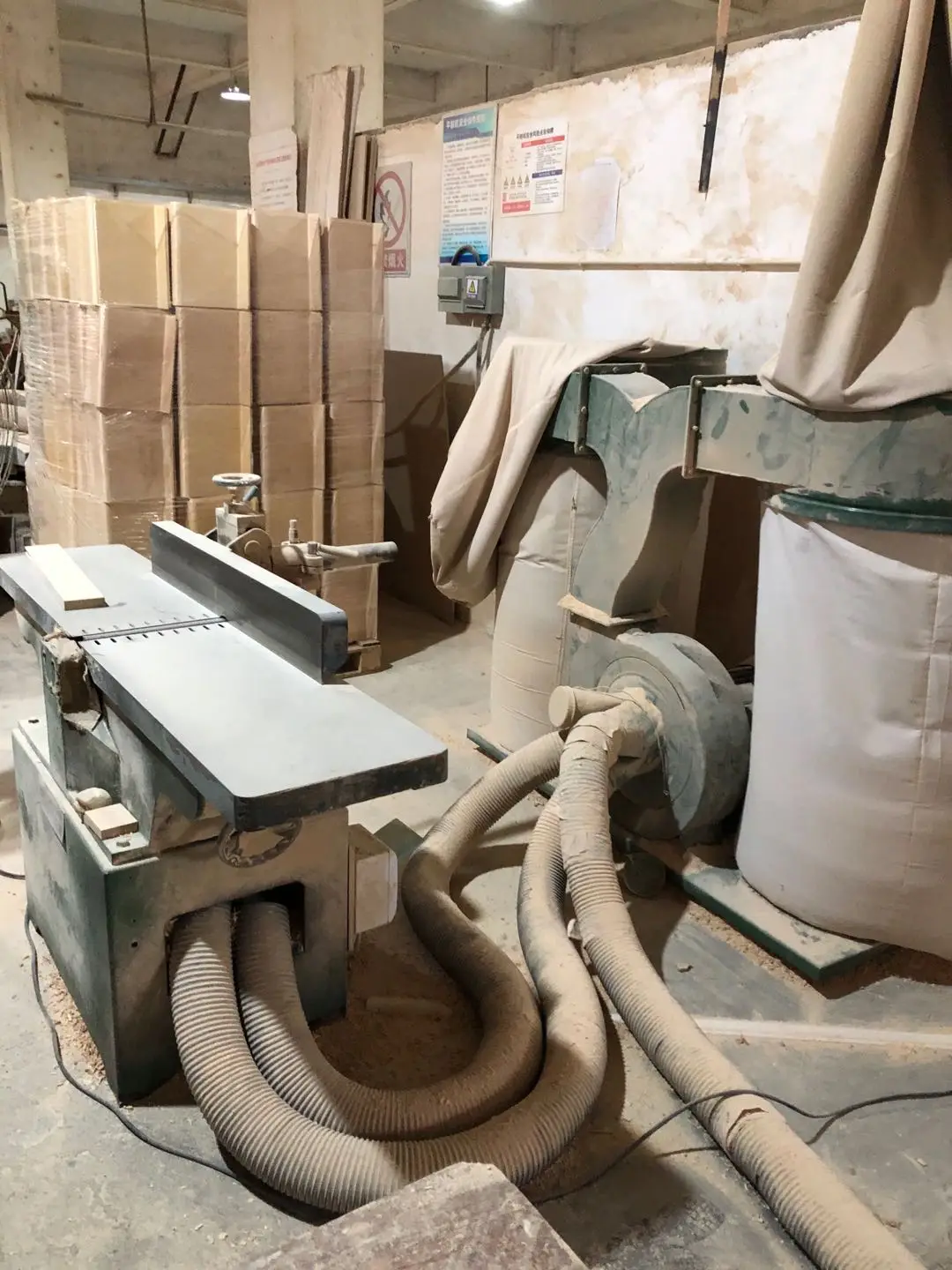
Dongguan Tailai Arts & Crafts Co., Ltd.
- Manufacturer, Trading Company
- Guangdong, China
- Lead time30 days
- Avg. response≤ 3h
Main productsWooden Box/Christmas Decoration/Wooden Craft/Baby Gift/Plywood Laser Cutout,plywood crafts,wooden holder,Festival Ornament,Wooden Crafts
Main marketsNorth America(50.0%), Domestic Market(20.0%), Southeast Asia(10.0%), Eastern Europe(5.0%), Southern Europe(5.0%), Northern Europe(5.0%), Western Europe(5.0%)
Cao County Kailiyang Handicrafts Co., Ltd.
- Manufacturer, Trading Company
- Shandong, China
- Lead time0 days
- Avg. response≤ 3h
Main productsWood Box,Wood Tray,Wood Shelf,Wood Craft
Main marketsNorth America(45.0%), Oceania(15.0%), Domestic Market(10.0%), Eastern Europe(5.0%), Southeast Asia(5.0%), Eastern Asia(5.0%), Western Europe(5.0%), Northern Europe(5.0%), South Asia(5.0%)
Saint Mai Yi (Guangzhou) Craft Co., Ltd.
- Trading Company
- China Guangdong
- Lead time0 days
- Avg. response≤ 1h
Main productsVintage Wooden Treasure Chest, Wooden jewelry Box, Wooden Gift Box, Wooden Wine Box, Wooden Storage Box, Wooden Trunk, Custom Wooden Box


Vintage Wooden Abacus with Clock Antique Collectible Chest for Home and Study Decor
$10.50 - $11.25
Moq: 50


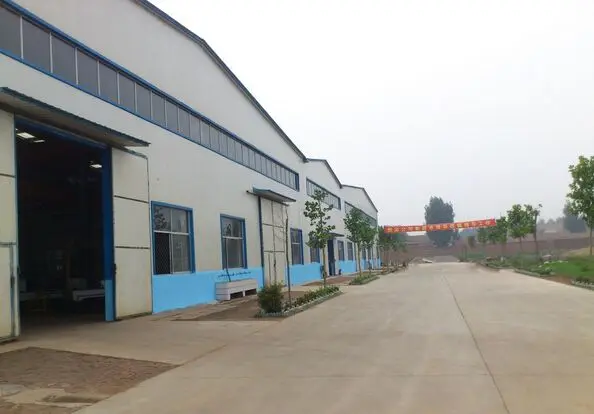
Liaocheng Boge Jiangxin Arts And Crafts Co., Ltd.
- Trading Company
- Shandong, China
- Lead time8 days
- Avg. response≤ 6h
Main productslaser cut wood,laser etch wood ornament,acrylic ornament,wood card,holiday decorations
Main marketsWestern Europe(40.0%), Southern Europe(25.0%), Northern Europe(20.0%), South America(10.0%), South Asia(5.0%)

Shijiazhuang Tabo Candles Sales Co., Ltd.
- Verified by BV
- Combined
- China Hebei
- Lead time15 days
- Avg. response≤ 6h
Main productsCandle
Main marketsSoutheast Asia/ Mideast,East Asia(Japan/ South Korea),Europe,Australia,North America
Caoxian Dehui Wood Industry Co., Ltd.
- Verified by SGS Group
- Manufacturer, Trading Company
- Lead time18 days
- Avg. response≤ 3h
Main productsFinger Joint Board, Paulownia Board, Solid Board, Furniture Board, Decorative Wood Moulding
Main marketsDomestic Market(50%), Eastern Asia(30%), North America(4%)

SHIJIAZHUANG FUMESH IMPORT & EXPORT CO., LTD.
- Verified by CTI
- Trading Company
- China Hebei
- Lead time105 days
- Avg. response≤ 3h
Main productsGarden House, Cast Iron Statue, Metal Crafts, Metal Decorative Pieces, Cast Iron Furniture and Sculptures, Garden Decorations, Container House, Metal Decoration of Christmas, Ferro Art, Wrought Iron
Main marketsAfrica,Europe,Australia,North America

Guangxi Guilin Winsun Hanger Co., Ltd.
- Verified by BV
- Combined
- China Guangxi
- Lead time30 days
- Avg. response≤ 19h
Main productsWooden Hanger, Velvet Hanger, Plastic Hanger, Metal Hanger
Main marketsSouth America,Africa,Southeast Asia/ Mideast,East Asia(Japan/ South Korea),Europe,Australia,North America
Cao County Huiy Arts & Crafts Factory
- Verified by SGS Group
- Manufacturer, Trading Company
- Lead time30 days
Main productsWooden Box, Wooden Decoration, Bird House, Wood Craft, Wood Homeware
Main marketsNorth America(22%), Western Europe(18%), Eastern Asia(16%)

Ningbo Sunda International Trade Co., Ltd.
- Verified by SGS
- Trading Company
- China Zhejiang
- Lead time30 days
- Avg. response≤ 10h
Main productsScented Candle, Incense Stick, Scented Sachet, Air Freshener
Main marketsSoutheast Asia/ Mideast,East Asia(Japan/ South Korea),Domestic,Europe,Australia,North America

- Trading Company
- Zhejiang, China
- Lead time0 days
- Avg. response≤ 4h
Main productsCustom Logo branded products for ASI SAGE PPAI DC etc,Custom Jewelry & Parts,Stock Jewelry/Bag 1 pcs dropshippingas required,Magazine Gifts and Toys,Personalized gift and capsule toys
Main marketsNorthern Europe(20.0%), Central America(20.0%), Western Europe(20.0%), South America(20.0%), North America(20.0%)

Yiwu Pingyun Trading Co., Ltd.
- Trading Company
- Zhejiang, China
- Lead time15 days
- Avg. response≤ 5h
Main productsIncense burner,Perfume Bottle,Lantern,Party Decoration
Main marketsMid East(70.0%), Northern Europe(10.0%), Western Europe(10.0%), North America(10.0%)
Sichuan Lantu Culture Technology Co., Ltd.
- Verified by SGS Group
- Trading Company
- Lead time45 days
- Avg. response≤ 3h
Main productsScented Candle, Candle Sets, Reed Diffuser, Candle Warmer, Candle Tool
Main marketsNorth America(60%), Western Europe(30%), Southeast Asia(10%)
Shenzhen Lanborui Technology Co., Ltd.
- Trading Company
- Guangdong, China
- Lead time15 days
- Avg. response≤ 6h
Main productsHOME DECOR,Home storage,Aromatherophy items,Decorative & Gift,Gardern items
Main marketsNorth America(40.0%), Mid East(10.0%), Oceania(10.0%), Southern Europe(9.0%), Western Europe(8.0%), Africa(5.0%), Eastern Europe(5.0%), Southeast Asia(5.0%), Northern Europe(5.0%), South America(2.0%), Eastern Asia(1.0%)
Yiwu Jiesiming E-Commerce Co., Ltd.
- Trading Company
- Jinhua, China
- Lead time0 days
- Avg. response≤ 3h
Main productsDaily provisions
Main marketsCentral America(30.0%), North America(30.0%), Mid East(20.0%), South Asia(10.0%), Southeast Asia(10.0%)
Hefei Ownswing Houseware Co.,ltd
- Verified by SGS Group
- Trading Company
- Lead time7 days
- Avg. response≤ 7h
Main productsBamboo Kitchen Organizer, Wood Tray, Wood Wall Mounted Shelves, Wood Cutting (Cheese) Board
Main marketsNorth America(50%), Mid East(15%), Western Europe(10%)

Yiwu Rongsheng Jewelry Co., Ltd.
- Trading Company
- Zhejiang, China
- Lead time30 days
- Avg. response≤ 5h
Main productsJewelry,fashion accessories,nail desk,salon chair,necklace
Main marketsWestern Europe(30.0%), Eastern Europe(30.0%), North America(20.0%), Northern Europe(10.0%), South America(10.0%)

- Verified by SGS
- Trading Company
- China Guangdong
- Lead time60 days
- Avg. response≤ 17h
Main productsSofa Dining Table Bed Chair Coffee Table, Living Room Furniture, Dining Room Furniture, Bedroom Furniture, Hotel Furniture, Office Furniture, Outdoor Furniture, Mattress
Main marketsSouth America,Eastern Europe,Mid East,North America,Southeast Asia,Eastern Asia,Oceania,Western Europe,Africa

Ekar Sovereign Manor Luxury Nightstand Hand-Carved Weathered Wood Bedside Chest
$500.00 - $1500.00
Moq: 1


Hebei Ximu Furniture Sales Co., Ltd.
- Trading Company,Manufacturer/Factory
- China Guangdong
- Lead time45 days
- Avg. response≤ 3h
Main productsFurniture, Home Furniture, Living Room Furniture., Ding Room Furniture, Bed Room Furniture, Coffee Table, TV Stand, Dining Table, Chairs, Bath Room Furniture
Main marketsSouth America,Eastern Europe,North America,Southeast Asia,Western Europe


Modern Minimalist Small Apartment Log Ultra-Narrow Mini Bedside Single Dresser
$75.00 - $90.00
Moq: 50

- Verified by TUVRHEINLAND
- Trading Company,Manufacturer/Factory,Group Corporation
- China Shandong
- Lead time45 days
- Avg. response≤ 17h
Main productsElectric Guitar, DIY Guitar Kit, Acoustic Guitar, Mandolin, Banjo, Resonator Guitar, Electric Bass Guitar, Dobro Guitar, Acrylic Electric Guitar, Octave Mandolin
Main marketsSouth America,Eastern Europe,North America,Southeast Asia,Eastern Asia,Oceania,Western Europe
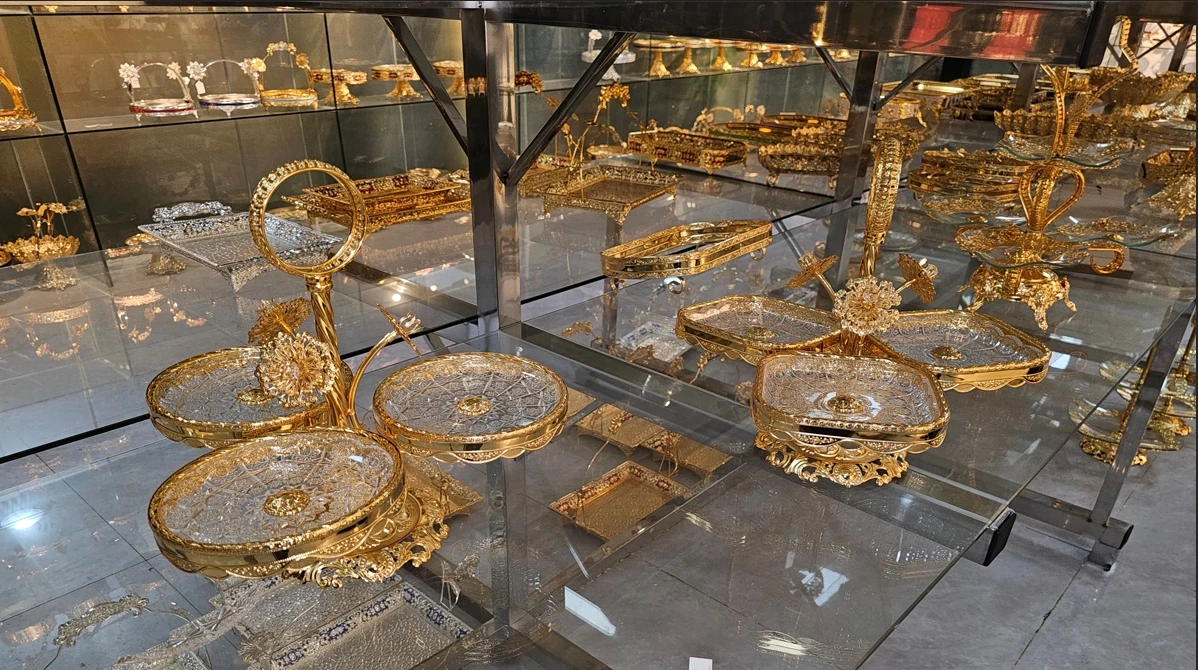
Haikou Jusheng Xin Hardware Products Co., Ltd.
- Manufacturer, Trading Company
- Hainan, China
- Lead time0 days
- Avg. response≤ 2h
Main productsStainless Steel Dinning Trays,Serving Trays,Hardware Trays,Food Trays,Candy Trays
Main marketsMid East(1.0%)

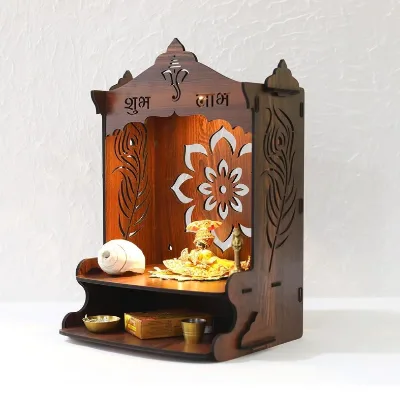
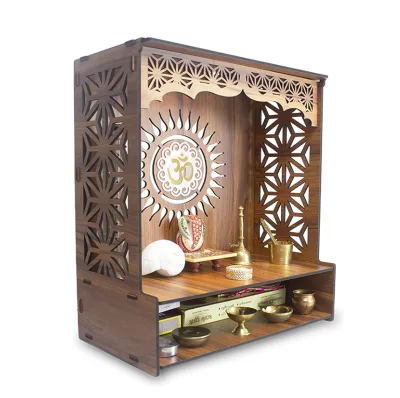
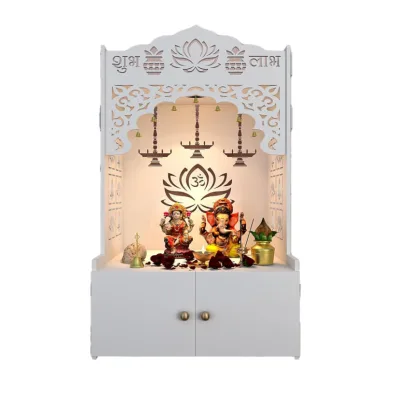
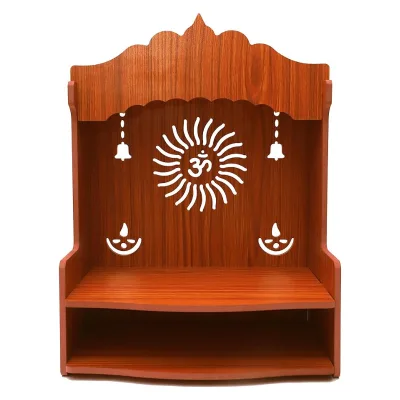



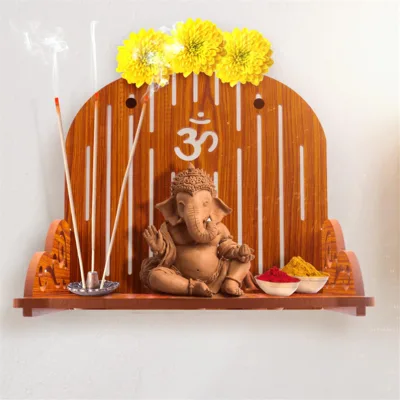




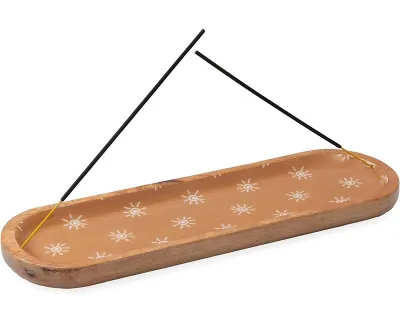




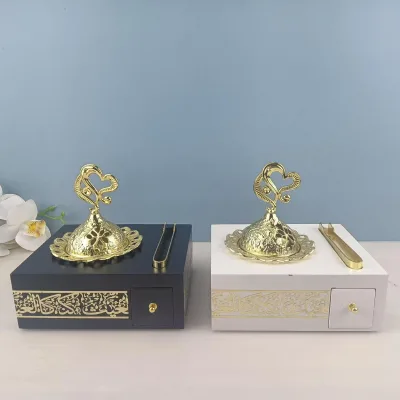

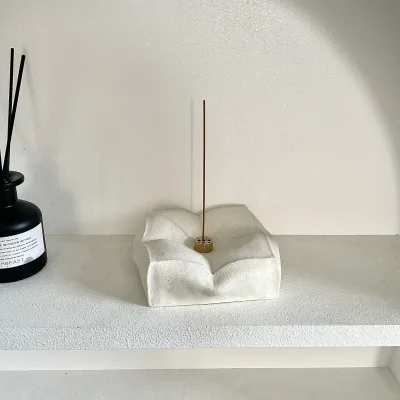







Comprehensive Sourcing Guide
Antique Wooden Pooja Mandir Supplier Concentration and Factory Types
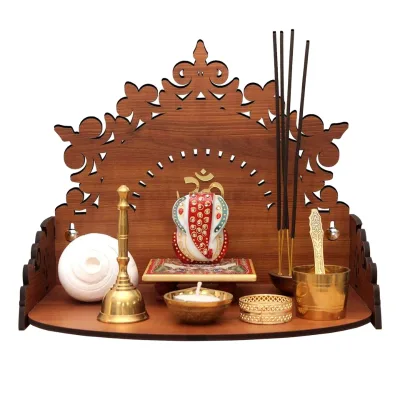
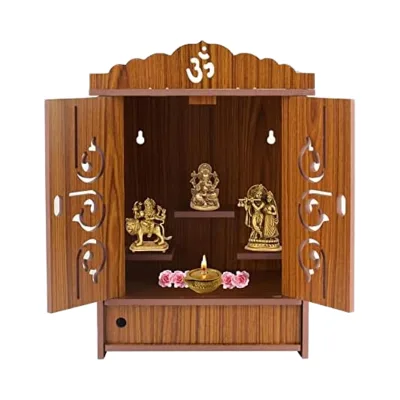
The current supplier landscape for antique wooden pooja mandirs reveals a distinct concentration of manufacturing activity within Shandong, China, based on verified product origin data. Multiple product listings explicitly state Shandong as the place of origin for items ranging from freestanding temples to tabletop stands, indicating a regional cluster where specialized woodworking capabilities are established. This geographic focus suggests that buyers seeking authentic wooden religious furniture should prioritize suppliers with documented operations in this specific province to ensure access to established supply chains and consistent material sourcing. The presence of multiple manufacturers and trading companies in this region implies a competitive environment where specialized skills in carving and lacquer finishing are likely concentrated.
Supplier types in this category vary between direct manufacturers and trading companies, each offering different advantages for sourcing antique-style wooden mandirs. Manufacturers typically possess in-house capabilities for sample processing, graphic processing, and customized on-demand production, which is critical for adapting traditional designs to specific buyer requirements. Trading companies may offer a broader portfolio of wooden products, including shelves, boxes, and pet products, potentially simplifying the procurement process for buyers needing complementary items. However, verifying the actual factory ownership is essential, as trading companies might source from different workshops, potentially affecting quality control consistency and lead time reliability for custom antique finishes.
How to Verify Antique Wooden Pooja Mandir Suppliers
Verification of suppliers in the Antique Wooden Pooja Mandir sector requires rigorous checking of system certifications and third-party audit reports to ensure compliance with international standards. Available data indicates that some suppliers hold Sedex, BSCI, FSC, and CE certifications, which signal adherence to ethical labor practices, sustainable forestry, and safety standards respectively. Buyers must confirm that these certifications are current and specifically cover the production of wooden religious items, as general company certifications may not guarantee the quality of specific antique finishes or structural integrity. Additionally, verification status from recognized bodies like TüVRheinland provides an independent layer of assurance regarding the supplier's operational legitimacy and financial stability.
Beyond certifications, buyers should scrutinize response times and sample processing capabilities to gauge supplier reliability and communication efficiency. The observed response time of one day for some suppliers suggests a high level of operational readiness, which is crucial when discussing custom antique designs or resolving production issues. Furthermore, the availability of sample processing and graphic processing capabilities allows buyers to validate design accuracy before committing to large orders. Buyers should request detailed sample timelines, as some listings indicate a sample lead time of twenty workdays, which significantly impacts the overall project schedule. Confirming these operational metrics ensures that the supplier can meet the specific demands of sourcing intricate wooden mandirs without unnecessary delays.
What to Compare Across Antique Wooden Pooja Mandir Suppliers
When evaluating potential partners, buyers must compare minimum order quantities (MOQ) and pricing structures to align with their budget and inventory strategy. Product data shows MOQs starting at 300 pieces for certain wooden temple models, while other listings suggest customization options that may alter these thresholds. Price ranges vary significantly, with some items listed between $8.95 and $11.32, while others range from $27.41 to $29.56, reflecting differences in material quality, such as solid wood versus rash wood, and the complexity of the carving techniques used. Buyers should analyze these price points against the specified material and finish to determine the true value proposition and avoid underestimating costs for high-quality antique reproductions.
Lead times and production capacity are equally critical comparison factors that influence supply chain planning and delivery schedules. While some suppliers offer a standard lead time of twenty-five days, others may require twenty workdays just for sample approval, extending the total timeline for custom orders. Capacity for customized on-demand production varies, with some suppliers offering adjustable features and detachable designs, while others focus on fixed classic styles. Buyers should explicitly compare these lead times and capacity limits to ensure the supplier can meet their specific volume requirements and delivery deadlines. Additionally, comparing the range of main products, such as wooden shelves or boxes, can help identify suppliers capable of providing a comprehensive solution for home storage and decoration needs.
Common Antique Wooden Pooja Mandir Sourcing Risks
One significant risk in sourcing antique wooden pooja mandirs involves discrepancies in material specifications and dimensional tolerances that can affect the final product's authenticity and fit. Product attributes indicate varying material descriptions, from solid wood to rash wood, and dimensional tolerances ranging from less than ±5mm to less than ±1cm. These variations can lead to issues where the finished mandir does not match the visual expectations of an antique piece or fails to fit the intended space. Buyers must carefully review the specific material and tolerance data provided for each listing to ensure the product meets their strict quality standards and design requirements.
Another critical risk is the potential for inconsistent branding and logo customization capabilities, which can impact the buyer's ability to create a unique product line. While some suppliers accept OEM requests and offer logo customization, others may have limited options or require specific minimum order volumes to accommodate branding. The presence of brand names like "Enjoy Global" or "EnjoyGlobal" in product listings suggests that some suppliers may be operating under established brand identities, which could complicate private labeling efforts. Buyers should verify the flexibility of the supplier regarding logo placement, branding, and customization to ensure they can maintain their brand identity and avoid conflicts with existing supplier branding on the final product.
Antique Wooden Pooja Mandir Regional Sourcing and Logistics
The regional sourcing landscape for antique wooden pooja mandirs is heavily influenced by the concentration of manufacturers in Shandong, China, which dictates logistics and shipping strategies. Since the majority of verified product origins are listed as Shandong, buyers should anticipate shipping routes that originate from this specific province, affecting transit times and freight costs. Understanding the local logistics infrastructure in Shandong is essential for planning efficient delivery schedules and managing inventory levels. Buyers should also consider the single package sizes and weights, which vary from 3.000 kg to 10.0 kg, to calculate accurate shipping volumes and ensure that the packaging is robust enough to protect the delicate wooden structures during transit.
Logistics planning must also account for the specific packaging requirements and dimensional constraints of the wooden mandirs to prevent damage during international shipping. Product data indicates single package sizes ranging from 43x20x15 cm to 80x50x40 cm, with varying gross weights that impact freight classification and costs. Buyers should verify the packing specifications, such as whether customization is available for packaging, to ensure that the products arrive in pristine condition. Additionally, the use of specific techniques like lacquer or carving may require special handling instructions to avoid scratches or finish damage. Coordinating with suppliers on packaging standards and shipping methods is crucial to maintaining the quality and aesthetic appeal of the antique wooden mandirs upon arrival.
Antique Wooden Pooja Mandir Commercial Terms and Order Planning
Commercial terms for antique wooden pooja mandirs often include specific conditions regarding sample approval, payment structures, and delivery timelines that must be clearly defined before order placement. The availability of sample processing and graphic processing capabilities suggests that buyers should plan for a sample approval phase, which can take up to twenty workdays, before full-scale production begins. This timeline must be factored into the overall order planning to avoid delays in meeting market launch dates or customer delivery expectations. Buyers should also clarify the terms for customization, including any additional costs or lead time extensions associated with specific design modifications or branding requirements.
Order planning should also consider the flexibility of the supplier regarding order modifications and the handling of weight and dimensional tolerances. Product attributes indicate weight tolerances of less than ±5% and dimensional tolerances of less than ±5mm or ±1cm, which buyers must account for in their inventory and display planning. Understanding these tolerances helps in setting realistic expectations for the final product dimensions and weight, ensuring that the mandirs fit the intended spaces and meet quality standards. Additionally, buyers should verify the supplier's capacity for handling large orders and their ability to maintain consistent quality across batches, as this is critical for maintaining brand reputation and customer satisfaction in the competitive home decor market.
FAQs
What is the typical lead time for wooden pooja mandirs?
The typical lead time for these wooden items is 25 days. This duration applies to standard orders from verified manufacturers in Shandong, China. Buyers should confirm specific timelines for custom designs or large volume requests before finalizing payment terms.
What is the minimum order quantity for wooden temple products?
The minimum order quantity is 300 pieces for standard wooden temple models. Some customized options may require different thresholds, so verify the specific MOQ with the supplier. This quantity ensures cost-effective production while maintaining quality standards for export.
Which certifications do these wooden furniture suppliers hold?
Suppliers often hold Sedex, BSCI, FSC, and CE certifications. These credentials verify compliance with international labor and safety standards. Buyers should request current certificates to ensure the wooden products meet specific regulatory requirements for their target markets.
How quickly do suppliers typically respond to inquiries?
Response times vary, with some suppliers replying within one day and others taking up to five days. Fast response is common for verified manufacturers. Buyers should prioritize suppliers with shorter response windows to ensure efficient communication during the sourcing process.
What materials are used for antique wooden pooja mandirs?
Materials include solid wood, mango wood, and pine wood. Some products feature lacquer finishes or carved details for a classic look. Buyers should specify material preferences to ensure the final product matches the desired aesthetic and durability requirements.
Are custom sizes available for wooden temple stands?
Custom sizes are available for many wooden temple models. Suppliers offer customization options for dimensions and styles to fit specific home decor needs. Buyers should provide exact measurements to ensure the final product fits the intended space perfectly.
What is the price range for wooden pooja mandirs?
Prices range from approximately 3.00 to 29.56 per unit depending on size and material. Smaller decorative items cost less, while larger solid wood structures are more expensive. Buyers should compare specific product listings to find the best value for their budget.