Artificial Floor Vase Suppliers and Manufacturers
Source 18 verified suppliers for Artificial Floor Vase products. Compare key dimensions including location, lead time, MOQ, and response time to find the right partner. Review product specifications and pricing details to make an informed sourcing decision today; review the available evidence before requesting comparable quotations from suitable candidates.
Suppliers List
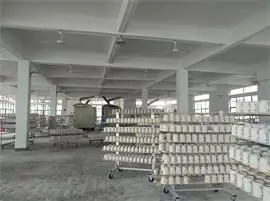
Jingdezhen Suolide Ceramic Co., Ltd.
- Manufacturer, Trading Company
- Jiangxi, China
- Lead time30 days
- Avg. response≤ 2h
Main productsCeramic Vase/Ceramic Jar/Ceramic Table Lamp/Ceramic Stool/Ceramic Floor Vase,ceramic lamp,ceramic dinnerware,ceramic jar
Main marketsDomestic Market(15.00%), Southern Europe(15.00%), Africa(10.00%), Northern Europe(10.00%), South America(10.00%), Central America(6.00%), North America(6.00%), Mid East(5.00%), Oceania(5.00%), Southeast Asia(5.00%), Eastern Europe(5.00%), Western Europe(5.00%), Eastern Asia(3.00%)
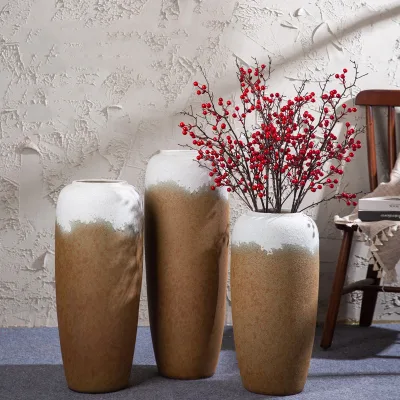
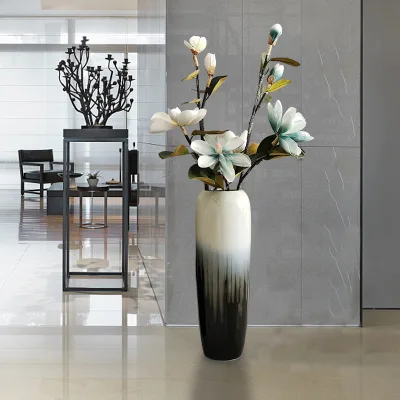
extra Large Floor Vase Rustic Floor Vase Arrangement Ideas Home Decorative Floor Vase and Plant
$48.20 - $57.60
MOQ: 2 pieces
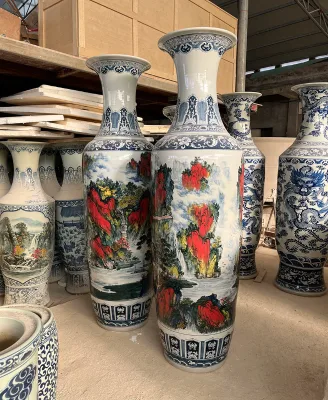

Golden Ace Industrial Co., Ltd.
- Verified by BV
- Combined
- China Shandong
- Lead time60 days
- Avg. response≤ 8h
Main productsGlassware, Kitchenware, Houseware, Glass Vase, Giftware
Main marketsAfrica,Southeast Asia/ Mideast,Europe,Australia,North America

- Verified by BV
- Trading Company
- China Shandong
- Lead time30 days
- Avg. response≤ 2h
Main productsCeramic Mugs, Ceramic Dinnerware, Ceramic Tea Set, Ceramic Kitchen Ware, Custom Drum Shape Ceramic Coffee Mug, 24oz Large Capacity 3D Embossed Mug, Porcelain Cappuccino Cup and Saucer, 14oz Custom Souvenirs Ceramic Mug, 12 Sets Vintage Reactive Glazed Tableware, Custom Royal White Ceramic Milk Jar
Main marketsNorth America

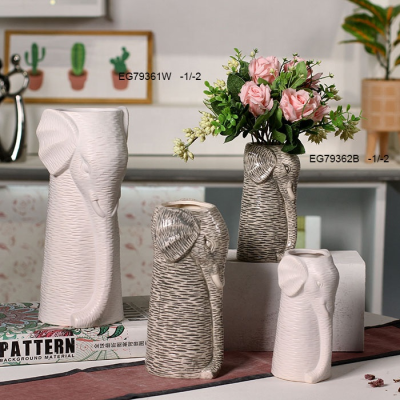
Matte Ceramic Vase Ins Style Porcelain Flower Vase Simple Ceramic Floor Vase
$1.00 - $3.00
MOQ: 3000 Pieces

Chinese Factory Small Indoor Vase Green Plant Vase Custom Color Size Ceramic Flower Vase
$0.75 - $3.00
MOQ: 3000 Pieces

Modern Ceramic Art Vase Ceramic Hand Flower Vase Unique Gift Porcelain Vase
$1.00 - $3.00
MOQ: 3000 Pieces

Custom Ceramic Flower Vase Simple Gift Flower Vase Indoor Decoration Flower Vase
$1.00 - $3.00
MOQ: 3000 Pieces


- Trading Company
- China Guangdong
- Lead time15 days
- Avg. response≤ 4h
Main productsHouseware, Bathroom Set, Bathroom Accessory, Kitchenware, Tableware, Wine Accessory, Bath Set, Home Decoration, Soap Dispenser, Bath Ensembles
Main marketsDomestic,North America

Decorative Flower Vase Nordic Floor Standing Vase Polyresin Fashion Vase
$3.78 - $4.20
MOQ: 100 Pieces

$12.96 - $13.93
MOQ: 2 Pieces

Jinan Glass International Trade Co., Ltd.
- Manufacturer/Factory
- China Shandong
- Lead time15 days
- Avg. response≤ 7h
Main productsGlass Smoking Pipe, Glass Pipe, Printing and Package, Laboratory Glassware, Home Glassware, Machine, Sticker, Wall Decal
Main marketsSouth America,Eastern Europe,North America,Southeast Asia,Eastern Asia,Oceania,Western Europe,Africa

Ningbo Paiaopai Display Co., Ltd
- Verified by TUVRHEINLAND
- Combined
- China Zhejiang
- Lead time30 days
- Avg. response≤ 3h
Main productsMakeup Cosmetic Display Organizer Beauty, Jewelry Display Stand for Necklace Breclet Tray, Counter Display for Retial Store Sunglass, Buffet Display for Cake Dessert Party Stand, Funko Pop Acrylic Box Pokemon Etb Booster Pack, Acrylic Sign Label Price Tag Display Holder Fram, Juice Wine Display Racking Shelf Showcase, Acrylic Floor Display Pop up Display Side Table, House Decoration Display Stand Desktop Vase, Store Display Rack Supermarket Metal Acrylic PVC
Main marketsDomestic,North America

Ningbo H&G Home Decoration Limited
- Combined
- China Zhejiang
- Lead time60 days
- Avg. response≤ 9h
Main productsMetal Candle Lantern, Wood Candle Lantern, LED Candle Lantern, LED String Light Lantern, Metal Candle Holder, Candlestick, Wall Sconce Candle Holder, Flower Pot Stand, Metal Planter, Metal Plant Stand
Main marketsAfrica,Europe,Australia,North America

- Trading Company
- Fujian, China
- Lead time120 days
- Avg. response≤ 1h
Main productsA wide range of Ceramic/Porcelain/Stoneware items,such as Spring/Valentine/Easter/Summer/Autumn/Halloween/Christmas/Bathroom wares/Tableware/ Home Decor,Etc...
Main marketsEastern Europe(35.00%), Northern Europe(30.00%), Western Europe(20.00%), Southern Europe(10.00%), North America(5.00%)
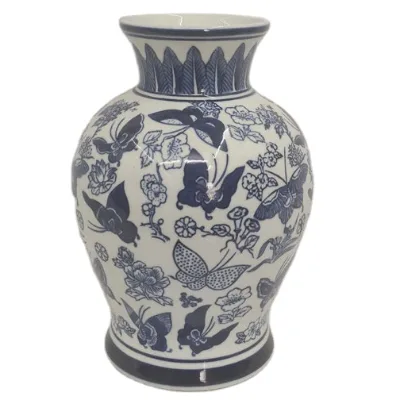
Flower Vase Blue and White Ceramic, New, Vintage, Chinese, Decorative Home
$9.03 - $33.54
MOQ: 300 Minimum
Jingdezhen High-Tech Zone Xituwa Ceramic Factory (individual Business)
- Trading Company
- Jiangxi, China
- Lead time15 days
- Avg. response≤ 1h
Main productsHigh-temperature Daily Ceramic Products,High-temperature Art & Display Ceramics,Special High-temperature Funeral Ceramics,Customized High-temperature Ceramic Products,Special Industrial High-temperature Ceramics
Main marketsDomestic Market(50.00%), North America(10.00%), Southeast Asia(10.00%), Southern Europe(5.00%), Eastern Europe(5.00%), Western Europe(5.00%), South America(5.00%), South Asia(4.00%), Mid East(1.00%), Oceania(1.00%), Eastern Asia(1.00%), Africa(1.00%), Northern Europe(1.00%), Central America(1.00%)

- Trading Company
- China Zhejiang
- Lead time30 days
- Avg. response≤ 11h
Main productsHome Appliance, Cookware Set, Thermos, Home Storage, Furniture, Pet Supplies, Garden Tools, Outdoor Supplies, Baby Supplies, Houesehold Items
Main marketsSouth America,Africa,Southeast Asia/ Mideast,East Asia(Japan/ South Korea),Domestic,Europe,Australia,North America

Jinjiang Jiayi Supply Chain Management Co., Ltd.
- Verified by BV
- Trading Company
- China Fujian
- Lead time30 days
- Avg. response≤ 1h
Main productsGift, Shoe, Garment, Machine
Main marketsDomestic
Chaozhou Jizhi Ceramics Co., Ltd
- Manufacturer, Trading Company
- Guangdong, China
- Lead time40 days
- Avg. response≤ 7h
Main productsFlower vase,ceramic pot,ceramic animal,table lamp,ceramic fruit plate
Main marketsNorthern Europe(30.00%), South America(20.00%), South Asia(10.00%), North America(10.00%), Eastern Asia(10.00%), Southeast Asia(10.00%), Eastern Europe(10.00%)

Dongguan Chinyik Plastic and Hardware Products Factory
- Verified by SGS
- Combined
- China Guangdong
- Lead time30 days
- Avg. response≤ 12h
Main productsMould, Acrylic Mould Injection, LED, Plastic Injection Mould
Main marketsDomestic
Guangzhou Ruiteng Plexiglass Products Co., Ltd.
- Manufacturer, Trading Company
- Guangdong, China
- Lead time15 days
- Avg. response≤ 18h
Main productsAcrylic Furniture Leg/Acrylic Vase/Acrylic Shift Knob/Acrylic Furniture/Acrylic Display Stand
Main marketsNorth America(36.00%), Eastern Europe(15.00%), Western Europe(15.00%), Eastern Asia(6.00%), Southeast Asia(6.00%), Domestic Market(3.00%), Africa(3.00%), Northern Europe(3.00%), Central America(3.00%), South America(3.00%), Mid East(3.00%), Oceania(2.00%), Southern Europe(1.00%), South Asia(1.00%)

Ningbo General Union Co., Ltd.
- Verified by SGS
- Trading Company
- China Zhejiang
- Lead time45 days
- Avg. response≤ 9h
Main productsChristmas Tree, Party Supply, Christmas Ball, LED Light Strip, Halloween Product, Holiday Decoration, Santa Claus, Valentine's Day Product, Balloon Decoration, Birthday Decoration
Main marketsSouth America,Europe,North America


Ceramic Vase Set Simple White Unglazed Ceramic Vase Crafts Decoration Ornaments
$2.70 - $2.80
MOQ: 100 Pieces

- Verified by TUVRHEINLAND
- Trading Company
- China Hunan
- Lead time45 days
- Avg. response≤ 2h
Main productsCeramic Mug, Vacuum Flask, Dinner Set, Cup, Mug, Thermal Bottle, Ceramic Dinner Set, Glass Jar, Glass Cup, Wine Cup
Main marketsSoutheast Asia/ Mideast

Yancheng Xinboyuan Glass Co., Ltd.
- Verified by BV
- Trading Company,Manufacturer/Factory
- China Jiangsu
- Lead time23 days
- Avg. response≤ 13h
Main productsGlass Table Lamp, Glass Perfume Bottles, Glass Lampshade, Glass Labware, Glass Bottles & Jars, Glass Candlesticks, Borosilicate Mug & Cups, Glass Vases & Terrariums, Glass Beakers, Glass Reagent Bottles
Main marketsEastern Europe,Mid East,North America,Western Europe

Creative Pigment Flower Glass Vase Color Modern Vase Flowers Creative Flower Vase
$1.00 - $3.50
MOQ: 50 Pieces


XIAMEN SINO TOPSTONE IMP & EXP TRADE CO., LTD.
- Verified by TUVRHEINLAND
- Trading Company
- China Fujian
- Lead time15 days
- Avg. response≤ 5h
Main productsMarble Crafts, Marble Furniture, Marble Slabs, Granite Tile, Countertop, Landscaping Stones, Marble Sink & Bathtub, Marble Mosaic, Waterjet and Medallions, Tombstone
Main marketsEurope









Comprehensive Sourcing Guide
Artificial Floor Vase Supplier Concentration and Factory Types
Current data indicates a concentration of ceramic floor vase manufacturers in Jiangxi, China, where specific factories produce rustic and hand-painted ceramic designs. These suppliers often operate as both manufacturers and trading companies, offering a blend of direct production capabilities and broader sourcing networks. The primary product lines in this cluster include ceramic vases, jars, table lamps, and stools, with a specific focus on large floor arrangements suitable for home decor. Buyers should note that the Jiangxi cluster specializes in glazed and frosted ceramic finishes, often featuring rustic or new Chinese pastel landscape styles.
In contrast, glass floor vase suppliers are frequently located in Shandong, China, where combined entities handle glassware, kitchenware, and giftware alongside decorative vases. These facilities often hold ISO9001:2015 and ISO14001:2015 certifications, indicating a structured approach to quality and environmental management. The glass sector includes mouth-blown and hand-made options with customization available for shape, size, and color. When evaluating factory types, buyers must distinguish between pure manufacturers and trading companies, as the latter may aggregate products from multiple sources rather than producing the items in-house.
How to Verify Artificial Floor Vase Suppliers
Verification begins with checking for third-party audit badges such as BV verification, which confirms that a supplier has undergone an external assessment of their business operations. For glassware suppliers, specific factory audits like BSCI and FSC may be listed, providing insight into labor standards and sustainable forestry practices. Buyers should also look for system certifications like ISO9001:2015, which signals adherence to international quality management standards. If a supplier claims to be a manufacturer, requesting proof of the factory audit report is essential to validate their production capacity and ethical compliance.
Response time is another critical verification metric, with some suppliers showing a response time of 2 days while others take up to 7.66 days. A faster response time often correlates with better communication channels and more active sales teams, which is vital for resolving custom design queries quickly. Buyers should also examine the supplier's main product list to ensure it aligns with their specific needs, such as distinguishing between ceramic and glass options. If a supplier lists glassware as a primary product but lacks specific details on floor vase production, further inquiry is necessary to confirm their actual capability in this niche.
What to Compare Across Artificial Floor Vase Suppliers
When comparing suppliers, lead time is a primary differentiator, with some ceramic producers offering a 30-day lead time while glass manufacturers may require up to 60 days. This variance significantly impacts inventory planning and order fulfillment schedules, especially for large decorative orders. Buyers must also compare minimum order quantities, which range from as low as 2 pieces for specific ceramic models to 300 pieces for glass vases. Understanding these thresholds helps determine whether a supplier can accommodate small trial orders or requires bulk commitments that might strain initial capital.
Price ranges also vary widely depending on the material and complexity of the design, with ceramic floor vases ranging from approximately $48 to $57 per unit, while glass options can range from $1 to $20. However, high-end hand-painted or mouth-blown glass vases may command prices between $15 and $475, reflecting the labor intensity and artistic value involved. Buyers should compare these price points against the specified attributes, such as glaze type, size, and customization options. It is crucial to verify if the quoted price includes packaging standards like cartons or brown boxes, as these details affect the final landed cost and product safety during transit.
Common Artificial Floor Vase Sourcing Risks
One significant risk involves the discrepancy between advertised product attributes and actual delivery, particularly regarding size and finish. For instance, a supplier may list a floor vase as "Extra Large" with a rustic design, but the actual dimensions or glaze type might differ from the product evidence provided. Buyers should carefully cross-reference the model number and specific attributes like "MATT" glaze or "Blue and white" color against the physical samples received. Inconsistent product descriptions can lead to mismatched inventory and customer dissatisfaction, especially when the item is intended for specific interior design themes.
Another risk is the variability in response times and lead times, which can disrupt supply chain planning. A supplier with a 7.66-day response time might delay critical communications, while a 60-day lead time for glass vases could extend the total project timeline significantly. If a supplier claims to offer OEM or ODM services, buyers must verify the actual development technology and customization capabilities to ensure they can meet unique design requirements. Failure to confirm these capabilities early can result in production delays or the inability to produce custom-sized vases, forcing buyers to settle for standard inventory that may not fit their needs.
Artificial Floor Vase Regional Sourcing and Logistics
Sourcing from Jiangxi, China, offers access to a specialized ceramic cluster known for producing rustic and hand-painted floor vases. This region is well-established for ceramic manufacturing, providing a robust supply chain for clay-based products. However, buyers must consider the logistics of transporting heavy ceramic items, which require careful packing to prevent breakage. The specific model numbers and dimensions, such as "Height 120cm" or "Dia.10X35cm H," must be clearly communicated to logistics providers to ensure appropriate container loading and handling procedures are followed.
In contrast, sourcing from Shandong, China, provides access to a glassware hub that specializes in mouth-blown and hand-made glass vases. This region is known for its glass production capabilities, including various shapes and finishes like transparent or colored glazed options. Logistics for glass products require specialized handling due to their fragility, and buyers should verify the packing standards, such as "Carton" or "Brown Box," to ensure adequate protection. The origin location directly influences the shipping route and potential transit times, making it essential to align regional sourcing with the buyer's logistical capabilities and delivery deadlines.
Artificial Floor Vase Commercial Terms and Order Planning
Commercial terms often include specific customization options, with many suppliers offering OEM and ODM services for glass and ceramic vases. Buyers should confirm the availability of customization for size, color, and design style, as these factors can significantly alter the production timeline and cost. For example, a "Customized" order might require additional time for mold creation or design approval, which must be factored into the overall order planning. Understanding the specific development technology and factory audit requirements is also crucial for ensuring that the final product meets the buyer's quality and ethical standards.
Order planning must account for the minimum order quantities and price tiers, which can vary from 2 pieces to 300 pieces depending on the product type. Buyers should calculate the total cost of ownership, including the unit price, packaging, and potential shipping costs, to determine the most economical order size. For large orders, negotiating a lower unit price or securing a longer lead time for production might be necessary. Additionally, verifying the product standard and packing details, such as "12.5x18.2m H" or "30x30x45," ensures that the order aligns with the buyer's storage and display requirements, preventing logistical issues upon arrival.
FAQs
What materials are common for artificial floor vases?
Ceramic and glass are the most common materials for artificial floor vases in the supplier results. Ceramic options include rustic matte-glazed and hand-painted blue and white designs, while glass options include mouth-blown, transparent, and color-glazed finishes. Both materials are marketed for home decoration, and buyers can choose based on weight, style, and the decorative setting they have in mind.
What is the typical lead time for Artificial Floor Vase orders?
Lead times vary by supplier, with listed figures ranging from about 30 days for some ceramic vase manufacturers to around 60 days for glassware suppliers. Larger or customized orders generally take longer than stock designs. Buyers should confirm the lead time for their specific quantity, finish, and customization requirements before placing an order, and plan shipping time on top of production.
What minimum order quantities should buyers expect?
Minimum order quantities differ widely between products. Some large ceramic floor vases list an MOQ as low as 2 pieces, since items are bulky and higher in unit value, while wholesale glass vases can list MOQs around 300 pieces. Always verify the MOQ for the exact model you want, because it depends on the product's size, price point, and production process.
How much do artificial floor vases cost?
Prices vary greatly by material, size, and craftsmanship. Large rustic ceramic floor vases in small, medium, and large sizes are listed in a range of roughly $48 to $58 per piece, while hand-painted 120cm ceramic floor vases can reach several hundred dollars. Smaller wholesale glass vases can cost just a few dollars each. Request quotes for your exact specifications.
Which supplier locations are relevant for artificial floor vases?
The supplier results point to two main production regions in China: Jiangxi, known for ceramic vases, jars, lamps, and dinnerware, and Shandong, known for glassware, kitchenware, and decorative glass vases. Both regions host manufacturers and trading companies serving home decor buyers. Considering region matters because ceramic and glass production clusters offer different craftsmanship, product ranges, and logistics options.
Can artificial floor vases be customized or produced under OEM terms?
Yes, several listed suppliers support customization. Glass vase listings describe customization as available and identify the makers as OEM and ODM capable, covering custom shapes, sizes, colors, and packaging. Ceramic suppliers offer varied sizes and glaze types such as matte finishes. Discuss design files, sample approval, and tooling costs with suppliers before committing, since customization typically affects price and lead time.
How quickly do these suppliers respond to buyer inquiries?
Response times differ by supplier. One ceramic vase supplier lists an average response time of about 2 hours, while a glassware supplier lists roughly 7 to 8 hours. Faster response generally helps during sampling and order negotiation, so consider response speed when shortlisting. You can test responsiveness yourself by sending a detailed inquiry and comparing reply quality and timing.
What certifications or verification should buyers check?
The glassware supplier results reference ISO9001:2015 and ISO14001:2015 quality and environmental management certificates, plus third-party verification. Some product listings also mention factory audits such as BSCI and FSC. Buyers should ask for current certificate copies, confirm they apply to the producing factory rather than a trading arm, and consider arranging their own audit or third-party inspection before large orders.