Class II Dental Panoramic Machine Suppliers and Manufacturers
Source 23 verified suppliers for Class II Dental Panoramic Machine units. Compare grounded dimensions including CE and ISO certifications, Guangdong and Jiangsu origins, response times, and pricing ranges. Review specifications and request quotes directly; review the available evidence before requesting comparable quotations from suitable candidates.
Suppliers List
Guangzhou Umy Medical Equipment Co., Ltd.
- Verified by SGS
- Manufacturer
- China Guangdong
- Lead time15 days
- Avg. response≤ 4h
Main marketsDomestic

Nanjing AMIS Medical Technology Co., Ltd.
- Trading Company,Manufacturer/Factory,Other
- China Jiangsu
- Lead time15 days
- Avg. response≤ 8h
Main productsUltrasound Scanner, ECG Machine, Patient Monitor, Laboratory Analyzer, Infant Incubator, X Ray Machine, Health Beauty, Pathology Products, Autoclave Sterilizer, Dental Chair
Main marketsSouth America,Eastern Europe,Mid East,North America,Southeast Asia,Eastern Asia,Oceania,Western Europe,Africa

Panoramic X Ray Dental Machine 2023 Dental Panoramicl X Ray Machine Panaromic Xray
$10000.00 - $300000.00
Moq: 1

Dental Opg X-ray Machine 3D Panoramic Dental X-ray Panorama Dental X Ray Machine
$30000.00 - $50000.00
Moq: 1

Cephalometric Dental X-ray Machine Dental Panoramic X Ray Unit Xray Panoramic Dental X-ray
$10000.00 - $20000.00
Moq: 1

Guangzhou Happycare Medical Equipment Co., Ltd.
- Verified by SGS
- Manufacturer/Factory
- China Guangdong
- Lead time15 days
- Avg. response≤ 5h
Main productsUltrasound Scanner, Sperm Analyzer, Microscope, X Ray Machine and Accessories, Hospital Equipment, Hematology Analyzer, Animal Insemination Equipment, Chemistry Analyzer, Ent Endoscope, Cr System
Main marketsSouth America,Eastern Europe,Mid East,North America,Southeast Asia,Eastern Asia,Oceania,Western Europe,Africa


Hc-D016c Dental Equipment 2D Panoramic Device Panoramic Dental X Ray Machine
$21000.00 - $28000.00
Moq: 1

Hc-D016c Dental Equipment 2D Dental Panoramic Machine Head Side X Ray Machine
$25000.00 - $32000.00
Moq: 1


Hc-D016e Panorama Dental X Ray Machine Oral Equipment Panoramic X-ray Unit
$14000.00 - $17000.00
Moq: 1

Hc-D016D 3D Dental Panoramic X-ray Machine Cbct Dental Tomography Panorama Dental X Ray Equipment
$25000.00 - $30000.00
Moq: 1

Guangzhou Maya Medical Equipment Co., Ltd.
- Verified by BV
- Combined
- China Guangdong
- Lead time15 days
- Avg. response≤ 7h
Main productsMedical Equipment, Medical X-ray Machine, B Ultrasound Scanner, Hemodialysis Machine, Patient Monitor, Anesthesia Machine, Medical Disposable Material, Dental Equipment, Laboratory Equipment, Hospital Furniture
Main marketsAfrica


CE Certified High Quality Image Panoramic Dental X Ray Machine with Competitive Price
$15000.00 - $19000.00
Moq: 1

Guangdong Maikang Medical Co., Ltd.
- Verified by BV
- Combined
- China Guangdong
- Lead time15 days
- Avg. response≤ 5h
Main productsMedical Equipment, Medical X-ray/CT/ MRI Machine, Ultrasound Scanner, Operation Room Equipment, Dental Equipment, Veterinary Equipment, Hospital Furniture, Lab Equipment, Patient Monitor
Main marketsAfrica

Dental CT X-ray Equipment Digital Xray System 2D Panoramic Dental X Ray Machine
$21584.00 - $32376.00
Moq: 1

My-D065K Multifunction Dental Equipments 3D Cbct Panoramic Dental X Ray Machine
$39999.00 - $59999.00
Moq: 1

My-D065K Professional Medical X-ray Machine Computed Tomography 3D Dental Panoramic
$39999.00 - $59999.00
Moq: 1

Guangzhou Med Equipment Limited
- Combined
- China Guangdong
- Lead time15 days
- Avg. response≤ 3h
Main productsMedical Equipment, Lab Equipment, Hospital Bed, Hospital Equipment, Autoclave, Operation Table, X-ray Machine, Endoscope, Refractometer, Dental Chair
Main marketsDomestic

Foshan SCS Medical Instrument Co., Ltd.
- Verified by BV
- Manufacturer/Factory
- China Guangdong
- Lead time15 days
- Avg. response≤ 6h
Main productsDental Unit / Dental Chair, Ent Unit, Dental Handpiece, Curing Light, Autoclave, Air Compressor, Scaler, Oral Camera / Monitor, X-ray Equipment, Diamond Burs / Files
Main marketsSouth America,Eastern Europe,Mid East,North America,Southeast Asia,Eastern Asia,Oceania,Western Europe,Africa

2D Lab Machine Hospital Operation Product Mechanical Dental Panoramic Device
$29500.00 - $30000.00
Moq: 1


Henan Forever Medical Co., Ltd.
- Trading Company
- China Henan
- Lead time15 days
- Avg. response≤ 7h
Main productsBiochemistry Analyzer, Surgical Gown, Face Mask, Endoscope, Surgical Pilers, Film Image Equipment, Hemadialysis Machine, Urine Analyzer, Medical Refrigerator, Medical Atomizer
Main marketsSouth America,Africa,Southeast Asia/ Mideast,Domestic,Europe,North America


High Performance 3D Cbct Dental Panoramic Xray Machine with Cephalometric
$18500.00 - $31250.00
Moq: 1

Healicom Medical Equipment Co., Ltd.
- Trading Company
- China Jiangsu
- Lead time23 days
- Avg. response≤ 4h
Main productsAutoclave, Ultrasound Scanner, Infant Products, Dental Equipment, X-ray Machines, Anesthesia Machine, Ventilator, Hospital Furniture, Patient Monitor
Main marketsSouth America,Africa,Southeast Asia/ Mideast,Europe,Australia,North America

- Verified by BV
- Combined
- China Guangdong
- Lead time15 days
- Avg. response≤ 7h
Main productsUltrasound Machine, X-ray Machine, Blood Analyzer, ECG, Radiation Protection
Main marketsSouth America,Africa,Southeast Asia/ Mideast,East Asia(Japan/ South Korea),Europe,Australia,North America

3D Dental Panoramic Xray Machine Cbct Dental X Ray Machine Dental Equipment
$15050.00 - $25000.00
Moq: 1

Dental Equipment Panorama Xray Cephalometric Dental X-ray Machine Digital Opg Panoramic 3D Cbct
$2990.00 - $19990.00
Moq: 1

2D/3D Image Cbct Panorama Dental X-ray Machine Dental Equipment Cheap Price
$10000.00 - $19000.00
Moq: 1
Guangzhou Umy Medical Equipment Co., Ltd.
- Verified by SGS
- Manufacturer
- China Guangdong
- Lead time15 days
- Avg. response≤ 4h
Main productsX Ray Machine, Flat Panel Detector


Advanced 2D Panoramic Dental X-ray Machine - Umcbct001 for Efficient Patient Care
$17000.00 - $30000.00
Moq: 1

Advanced 2D Dental X - Ray Panoramic System - Umcbct001 for Enhanced Diagnostic Accuracy
$17000.00 - $30000.00
Moq: 1

High-Resolution Imaging for Precision Diagnostics Dental Panoramic Device 2D PRO
$17000.00 - $30000.00
Moq: 1
FOSHAN CONCERN MEDICAL EQUIPMENT CO.,LTD.
- Manufacturer/Factory
- China Guangdong
- Lead time15 days
- Avg. response≤ 9h
Main productsOperation Equipment, Lab Equipment, Veterinary Equipment, Ultrasound, X-ray Room Equipment, Dental Equipment, Sterilization Equipment, Mortuary Equipment, Hospital Furniture, Gynecology & Obstetrics Equipment
Main marketsSouth America,Mid East,North America,Southeast Asia,Eastern Asia,Oceania,Africa

Henan Shengbang Medical Technology Co., Ltd.
- Verified by SGS
- Manufacturer
- China Henan
- Lead time15 days
- Avg. response≤ 20h
Main productsInvestment Material
Main marketsOthers(foreignTradeCapacity.exportBusinessCapacityMarketOther),Europe

Anjue Medical Equipment Co., Ltd.
- Verified by TUVRHEINLAND
- Trading Company
- China Anhui
- Lead time15 days
- Avg. response≤ 15h
Main productsAnesthesia Machine, Ventilator, Medical Sterilization Packaging, Dialysis Machine, Dental Unit, Autoclave, Patient Monitor, Ultrasound Scanner, Hospital Equipmtent, Laboratory Equipment
Main marketsAfrica,Southeast Asia/ Mideast
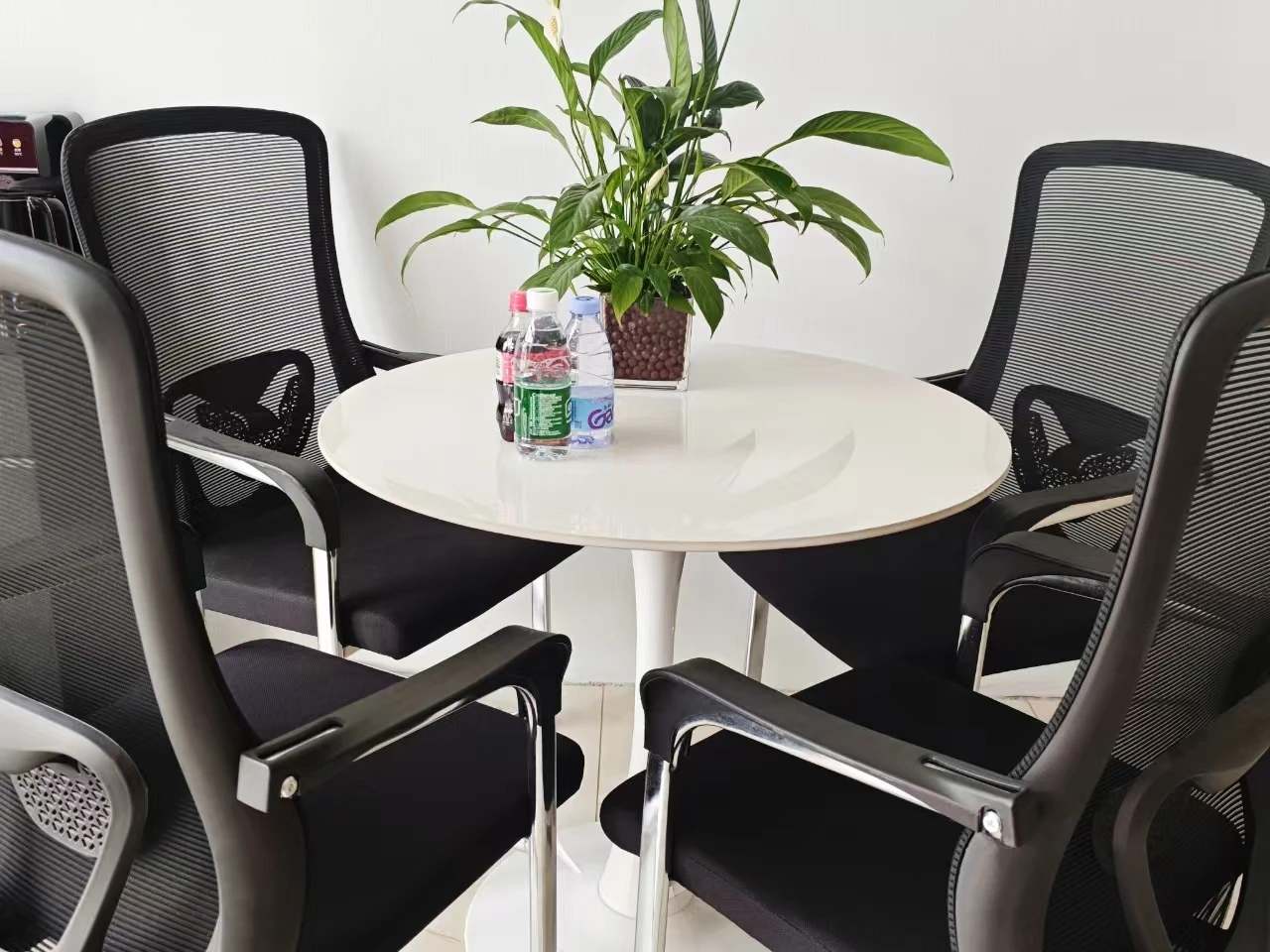
Beijing Jingxin Medical Technology Co., Ltd.
- Trading Company
- Beijing, China
- Lead time0 days
- Avg. response≤ 4h
Main productsCBCT,Intraoral scanner,Intraoral sensors,X-ray machine,Oral medical equipment
Main marketsMid East(20.0%), Eastern Europe(15.0%), Africa(10.0%), Domestic Market(5.0%), South Asia(5.0%), Southern Europe(5.0%), Northern Europe(5.0%), Central America(5.0%), Western Europe(5.0%), Eastern Asia(5.0%), North America(5.0%), Oceania(5.0%), South America(5.0%), Southeast Asia(5.0%)
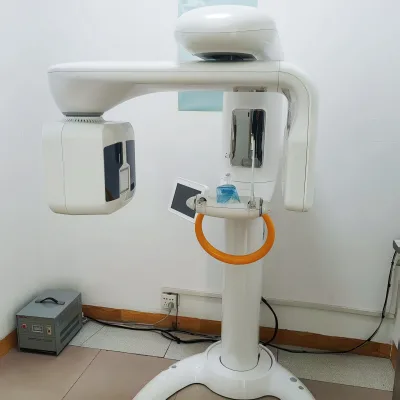
Second-Hand Dental Intraoral Scanner Panorama Machine for Various Years Dental Clinic
$4305.21 - $5022.40
Moq: 1
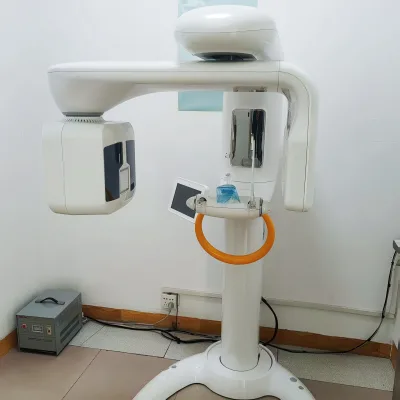
Professional Medical Devices Slight Used Dental Panorama Machine for Dental Clinics
$4243.56 - $4944.39
Moq: 1
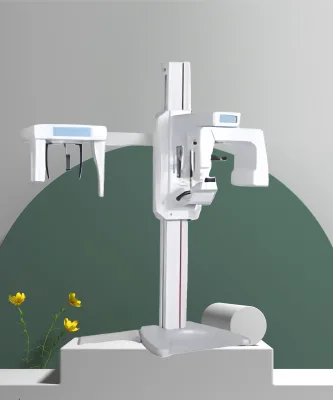
Nanjing Long Medical Technology Co., Ltd.
- Verified by TUVRHEINLAND
- Trading Company
- China Jiangsu
- Lead time15 days
- Avg. response≤ 3h
Main productsUltrasound Equipment, Laboratory Machine, Medical X-ray Machine, Operation Room Equipment, Dental Equipment, Autoclave Sterilizer, Disposable Material, Veterinary Equipment, Ophthalmic Equipment, Gynaecology & Neonatal Equipment
Main marketsAfrica,Others(foreignTradeCapacity.exportBusinessCapacityMarketOther),Southeast Asia/ Mideast,Europe,North America

Medical Digital Dental X Ray Portable Panoramic Dental Cbct X-ray Machine
$11800.00 - $12480.00
Moq: 1


Sunny Medical Equipment Limited
- Verified by SGS
- Trading Company,Manufacturer/Factory
- China Guangdong
- Lead time15 days
- Avg. response≤ 15h
Main productsUltrasound Scanner, Laboratory Equipment, Patient Monitor, Operation Room Equipment, Endoscope, Dental Equipment, Medical X-ray Machine, Hospital Furniture, ECG, Gynecology Equipment
Main marketsSouth America,Eastern Europe,Mid East,North America,Southeast Asia,Eastern Asia,Western Europe,Africa

Sy-D043 Medical Oral Panoramic X-ray Unit Panoramic Dental X-ray Machine with Ceph
Contact supplier
Moq: 1

Foshan Senmei Technology Co., Ltd.
- Verified by Intertek
- Manufacturer, Trading Company
- Lead time7 days
- Avg. response≤ 2h
Main productsPortable X Ray Machine, Dental Unit, Dental Loupes, CBCT, High-Speed & Low-speed Handpieces
Main marketsDomestic Market(30%), North America(20%), Southeast Asia(10%)
Guangzhou E-Luck Medical Technology Co., Ltd.
- Trading Company
- Guangdong, China
- Lead time10 days
- Avg. response≤ 9h
Main productsDental unit,Dental High Speed Handpiece,Dental Orthodontic,Dental Endomotor,Diamond Burs
Main marketsSoutheast Asia(40.0%), Mid East(30.0%), Domestic Market(5.0%), South America(5.0%), Africa(5.0%), North America(5.0%)

Sainty International Group Jiangsu Yangzhou Sumex Imp. & Exp. Co., Ltd.
- Trading Company
- China Jiangsu
- Lead time30 days
- Avg. response≤ 12h
Main productsSyringe, Suction Catheter, Endotracheal Tube, Drainage Bag, Bandage, Dental Instrument, Surgical Gown, Vaginal Speculum, Vacutainer, Suture
Main marketsSouth America,Africa,Southeast Asia/ Mideast,East Asia(Japan/ South Korea),Europe,Australia,North America

Tangshan UMG Medical Instrument Co., Ltd.
- Verified by BV
- Combined
- China Hebei
- Lead time23 days
- Avg. response≤ 2h
Main productsDental Handpiece, Dental Material, Dental Equipment, Dental Disposable Instrument, Dental Orthodontic, Dental Teach Simulation, Dental Prophy Angles, Latex Free Disposable Prophy Cups, Disposable Prophy Brush, Dental Unit
Main marketsSouth America,Africa,Southeast Asia/ Mideast,East Asia(Japan/ South Korea),Domestic,Europe,Australia,North America
Shanghai Jingzhan Precision Machinery Co., Ltd.
- Verified by BV
- Combined
- China Shanghai
- Lead time23 days
- Avg. response≤ 1h
Main productsRoot Canal File Machine, Tool Grinder, Knife Grinder, Root Canal Nail Machine, Dental Root Canal File Grinder, Dental Drill Grinder, Laser Detector, EDM Wheel Truing Machine, Nickel-Titanium File Grinding Machine, Pg Drill Grinder
Main marketsEast Asia(Japan/ South Korea)

Henan Geesion Medical Devices Co., Ltd.
- Verified by BV
- Trading Company
- China Henan
- Lead time15 days
- Avg. response≤ 7h
Main productsPain Relief Patch, Cooling Gel Patch, Detox Foot Patch, Slimming Patch, Capsicum Plaster, Stop Smoking, Nasal Strips, Dental Mouthguard, Cough Relieve Patch, Wormwood Knee Patch
Main marketsSouth America,Africa,Southeast Asia/ Mideast,East Asia(Japan/ South Korea),Europe,Australia,North America




Comprehensive Sourcing Guide
Class II Dental Panoramic Machine Supplier Concentration and Factory Types
The current supplier landscape for Class II dental panoramic machines shows a concentration of manufacturers primarily located in China's Guangdong province, with additional facilities operating in Jiangsu. These regions host a mix of factory types, including dedicated manufacturers, trading companies, and hybrid entities that combine production with sales operations. The data indicates that some suppliers possess ODM and own-brand capabilities, suggesting they can customize designs, while others focus on OEM services or general trading. This diversity in company types means buyers must distinguish between a pure manufacturer and a trading company that may source from multiple factories.
When evaluating the factory type, it is critical to verify the specific business structure rather than assuming all listed entities are production facilities. Some suppliers in the results are explicitly identified as manufacturers with specific R&D capacities, whereas others list themselves as trading companies or other types. The presence of manufacturers in Guangdong and Jiangsu suggests established industrial clusters, but buyers should not assume every supplier in these regions has the same production depth. Instead, verify the company type directly to understand whether the supplier controls the manufacturing process or acts as an intermediary. This distinction impacts quality control, customization flexibility, and direct communication with the production floor.
How to Verify Class II Dental Panoramic Machine Suppliers
Verification of suppliers for Class II dental panoramic machines requires checking specific credentials and verification statuses provided in the supplier profile. Some suppliers in the current results display SGS verification status, which serves as a third-party validation of their business legitimacy. Additionally, system certifications such as ISO 13485 and ISO 9001 are present for certain manufacturers, indicating adherence to medical device quality management standards. Buyers should prioritize suppliers who explicitly list these certifications and verification badges, as these are concrete indicators of compliance and operational stability.
Beyond certifications, buyers must confirm the instrument classification and product specifications to ensure the supplier offers genuine Class II devices. The product evidence shows some items classified as Class I, while others are listed as Class II, highlighting the need to verify the specific classification for the intended machine. Furthermore, checking the response time, which ranges from approximately 3.69 to 7.27 hours in the data, can indicate the supplier's operational readiness and customer service efficiency. A supplier with a slow response time may struggle with post-sales support or urgent technical inquiries. Always cross-reference the listed certifications and response metrics with the specific product model to ensure the supplier is qualified for the exact equipment required.
What to Compare Across Class II Dental Panoramic Machine Suppliers
Comparing suppliers involves analyzing key operational metrics such as lead time, minimum order quantity, and response speed to determine the best fit for your procurement timeline. The available data shows lead times of around 15 days for certain manufacturers, while response times vary significantly across the supplier pool. Buyers should compare these figures to estimate delivery schedules and communication efficiency. Additionally, the minimum order quantity (MOQ) is a critical factor, with some suppliers offering an MOQ of just one unit, which is advantageous for smaller clinics or trial orders.
Price ranges and warranty terms also require careful comparison across different suppliers. The observed price data indicates a wide variance, with some machines listed between $2,000 and $9,500, while others range from $25,000 to $50,000 or higher. This disparity often reflects differences in technology, such as 3D capabilities or specific imaging resolutions like 2.0 Lp/mm. Warranty periods also vary, with some suppliers offering one year and others providing two years of coverage. Buyers must align these commercial terms with their budget and long-term operational needs. Do not assume all suppliers offer the same warranty or price point; instead, request detailed quotes that specify the exact model, warranty duration, and included after-sales services to make an informed decision.
Common Class II Dental Panoramic Machine Sourcing Risks
One significant risk in sourcing Class II dental panoramic machines is the potential mismatch between product classification and actual regulatory compliance. The data shows a mix of Class I and Class II instruments, and some listings may lack clear certification details for the specific model being purchased. Buyers must verify that the machine intended for purchase is indeed classified as Class II and holds the necessary CE, ISO, or local regulatory approvals. Relying on general product descriptions without confirming the specific classification can lead to compliance issues upon import or installation.
Another risk involves the reliability of after-sales support and spare parts availability. While some suppliers list "Online Technical Support" or "Free Spare Parts," the extent of these services is not always detailed. The data mentions specific safety standards like GB15979-2002, but buyers should confirm if these standards apply to the specific export version of the machine. Additionally, the shelf life and warranty duration vary, with some products listing a shelf life of one year and others three years. If a supplier does not clearly define their support scope or warranty terms, the buyer may face unexpected costs or downtime. Always request a written service agreement that details the scope of support, response times for repairs, and the availability of critical spare parts before finalizing the order.
Class II Dental Panoramic Machine Regional Sourcing and Logistics
Sourcing from China, specifically from Guangdong and Jiangsu provinces, offers access to a dense network of medical device manufacturers, but logistics planning is essential. The concentration of suppliers in these regions suggests efficient supply chains, yet buyers must account for shipping times and customs clearance procedures. The data indicates that products are often packed in wooden cases or standard cartons, which affects freight costs and handling requirements. Buyers should verify the packing specifications to ensure the equipment arrives without damage during transit.
Logistics also involve understanding the origin of the components and the final assembly location. Some products list their origin as Guangdong, China, while others specify Jiangsu, China. This distinction can impact the shipping route and potential tariffs depending on the buyer's location. Additionally, the response time of the supplier, which can range from under four hours to over seven hours, may influence how quickly shipping documents and tracking information are provided. Buyers should confirm the Incoterms and who is responsible for freight insurance. Without clear logistics terms, delays can occur at the port of entry, affecting the installation schedule. Always clarify the shipping method and insurance coverage with the supplier to mitigate regional transit risks.
Class II Dental Panoramic Machine Commercial Terms and Order Planning
Commercial terms for Class II dental panoramic machines include payment conditions, pricing structures, and customization options that must be clearly defined before ordering. The data shows that customization is available for many models, allowing buyers to tailor features to their specific clinical needs. However, the price range is broad, and buyers must ensure that the quoted price includes all necessary accessories, installation guides, and training materials. Some suppliers list prices starting as low as $990, while others exceed $300,000, so verifying the exact scope of the quote is vital to avoid hidden costs.
Order planning should also consider the establishment year and capacity of the supplier to ensure they can meet demand. While specific establishment years are not always listed, the presence of R&D capabilities like ODM and OEM suggests a mature manufacturing base. Buyers should plan for lead times, which are observed to be around 15 days, and factor in additional time for quality inspections and shipping. Escrow services can provide a layer of financial security, ensuring that payment is released only after the goods meet the agreed specifications. Always review the warranty terms, which range from one to two years, and confirm the process for claiming warranty support. Clear commercial terms and a realistic order timeline are essential for a successful procurement process.
FAQs
What is the price range for Class II dental panoramic machines?
Prices for Class II dental panoramic machines typically range from $990 to $35,000 depending on specifications. Basic units start near $990, while advanced digital panoramic systems cost between $20,000 and $35,000. Buyers should verify specific model pricing and customization options directly with suppliers to ensure accurate budgeting for their facility needs.
What certifications are standard for these dental X-ray machines?
Standard certifications include CE, ISO, and RoHS for most Class II dental panoramic machines. Some models also carry CCC quality certification. Buyers must verify specific compliance documents with suppliers, as standards vary by manufacturer and destination country regulations. Always request valid certificates before finalizing procurement to ensure regulatory adherence.
What is the typical lead time for manufacturing these machines?
Typical lead times for manufacturing Class II dental panoramic machines are around 15 days. This duration applies to standard production runs for units originating from Guangdong, China. Buyers should confirm exact delivery schedules with suppliers, as lead times may vary based on customization requirements, order volume, and current production capacity constraints.
What is the minimum order quantity for dental panoramic equipment?
The minimum order quantity for Class II dental panoramic machines is generally one unit. Suppliers often accept single-unit purchases for both basic and advanced models. This flexibility allows clinics to test equipment or replace existing units without committing to bulk orders. Buyers should confirm MOQ policies directly with individual suppliers during negotiation.
What warranty periods are offered for these dental X-ray units?
Warranty periods for Class II dental panoramic machines typically range from one to two years. Some suppliers offer one-year warranties for standard models, while others provide two-year coverage for advanced digital systems. Buyers should verify specific warranty terms and after-sales support details, such as online technical support or free spare parts, with each supplier.
Where are Class II dental panoramic machines primarily manufactured?
Class II dental panoramic machines are primarily manufactured in China, specifically in Guangdong and Jiangsu provinces. These regions host numerous manufacturers and trading companies specializing in medical imaging equipment. Buyers should verify the exact place of origin and supplier location to assess logistics costs and ensure alignment with their sourcing preferences and supply chain requirements.