Automatic Commercial Crepe Maker Suppliers and Manufacturers
Compare 25 verified suppliers of Automatic Commercial Crepe Maker units based on location, lead time, and certification. Review product specifications like voltage and power source before contacting factories for quotes; review the available evidence before requesting comparable quotations from suitable candidates.
Suppliers List

Heavybao Commercial Kitchenware Co., Ltd.
- Verified by SGS
- Combined
- China Guangdong
- Lead time30 days
- Avg. response≤ 2h
Main productsRestaurant Equipment / Catering Equipment, Kitchen Equipment / Fast Food Equipment, Cooking Equipment / Bakery Equipment, Coffee Urn / Coffee Maker / Coffee Percolator, Electric Grill / Deep Fryer / Electric Fryer, Gn Pan/Toaster / Salamander / Waffle Maker, Dog Wash / Dog Cage / Pet Bathtub / Pet Dryer, Workbench / Working Table / Folding Table, Trolley Cart / Trolley / Service Trolley / Cart, Buffet Chafing Dish / Food Warmer / Chafing Dish
Main marketsSouth America,Europe,North America
Guangzhou Tailang Industrial Co., Ltd.
- Verified by TUVRHEINLAND
- Combined
- China Guangdong
- Lead time15 days
- Avg. response≤ 2h
Main productsDeep Fryer, Popcorn Machine, Crepe Maker, Cotton Candy Machine, Panini Grill, Griddle, Waffle Maker, Fishball Grill, Bain Marie
Main marketsSouth America

Yichu (Qingdao) Kitchen Equipment Co., Ltd
- Verified by SGS
- Trading Company
- China Shandong
- Lead time30 days
- Avg. response≤ 4h
Main productsShowcase, Commercial Refrigerator, Neutral Stainless Steel, Gn Pan, Gas Range, Ice Maker, Meat Ager, Working Table, Wine Cooler, Bottle Cooler
Main marketsSoutheast Asia/ Mideast,Europe,Australia,North America

Henan Jiahuang Mechanical And Electrical Equipment Co., Ltd.
- Trading Company
- Henan, China
- Lead time0 days
- Avg. response≤ 1h
Main productsFood machinery,Packaging machinery,Fruit processing machine,Meat processing machine,Commercial Equipment & Machinery
Main marketsSouth America(40.0%), North America(25.0%), Western Europe(20.0%), Africa(15.0%)
Tsingtao Haiyou Electrical Appliances Co., Ltd.
- Verified by SGS
- Trading Company
- China Shandong
- Lead time30 days
- Avg. response≤ 11h
Main productsCommercial Refrigerator, Neutral Stainless Steel, Cooking Equipment, Bakery Equipment, Forrd Processing Machine, Pet Equipment, Pet Veterinary Equipment, Gn Pan, Gas Range, Beverage Cooler
Main marketsEurope
FOSHAN LIBOSA HOTEL SUPPLIES CO., LTD.
- Manufacturer, Trading Company
- Guangdong, China
- Lead time15 days
- Avg. response≤ 2h
Main productsoven,mixer,proffer,ice maker,cakeshowcase
Main marketsMid East(20.0%), Eastern Europe(10.0%), South America(10.0%), North America(10.0%), Southeast Asia(5.0%), Domestic Market(5.0%), South Asia(5.0%), Southern Europe(5.0%), Northern Europe(5.0%), Central America(5.0%), Western Europe(5.0%), Eastern Asia(5.0%), Oceania(5.0%), Africa(5.0%)
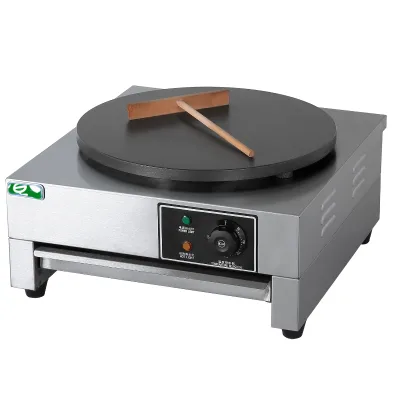
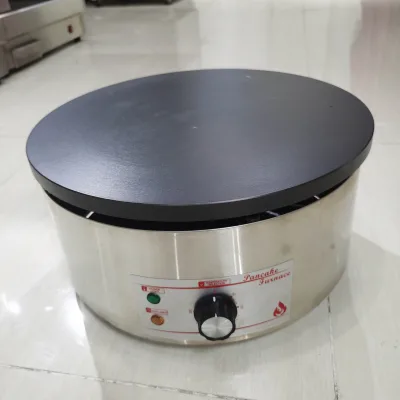
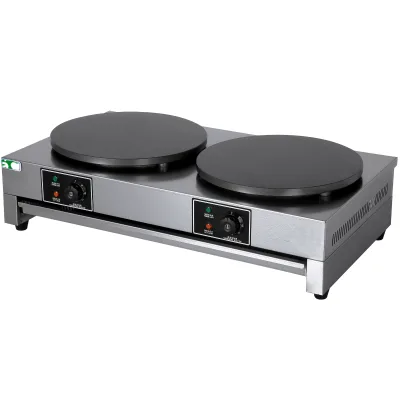
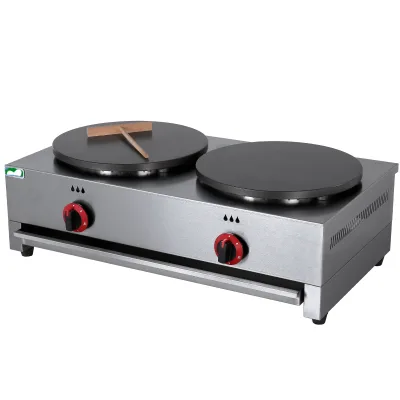
Round Crepe and Pancake Makers Gas Crepe Maker Gas Type
$91.50 - $119.00

- Verified by BV
- Combined
- China Guangdong
- Lead time15 days
- Avg. response≤ 2h
Main productsHood Type Dishwasher, Conveyor Type Dishwasher, Ultrasonic Dishwasher, Undercounter Dishwasher, Bakery Equipment, Food Processor
Main marketsSouth America,Africa,Others(foreignTradeCapacity.exportBusinessCapacityMarketOther),North America

Henan Topp Machinery Co., Ltd.
- Verified by BV
- Trading Company,Manufacturer/Factory
- China Henan
- Lead time23 days
- Avg. response≤ 2h
Main productsFruit Juicing Machine, Fruit Stone Extractor, Fruit and Vegetable Peeling Machine, Fruit Sorting Machine, Snack Machinery, Soft Ice Cream Machine, Peanut Brittle Machine, Donut Making Machine, Candy Cane Production Line, Cookies Making Machine
Main marketsSouth America,Eastern Europe,Mid East,North America,Southeast Asia,Eastern Asia,Oceania,Western Europe,Africa

Guangdong Jieguan Kitchen Equipment Manufacturing Co., Ltd.
- Combined
- China Guangdong
- Lead time30 days
- Avg. response≤ 6h
Main productsCombi Oven, Convection Oven, Fryer, Griddle, Induction Cooker, Coffee Maker, Chicken Rotisserie, Food Warmer, Bain Marie, Pasta Cooker and Cooking Range
Main marketsSouth America,Africa,Others(foreignTradeCapacity.exportBusinessCapacityMarketOther),Europe,Australia

Guangzhou Nantian Sources Co., Ltd.
- Manufacturer/Factory
- China Guangdong
- Lead time15 days
- Avg. response≤ 5h
Main productsKitchen Equipment, Kitchenware, Food Machine, Kitchen Appliance, Glassware, Food Machinery, Bakery Equipment, Dinnerware, Kitchen Utensils, Food Processor
Main marketsSouth America,Mid East,Southeast Asia,Eastern Asia,Oceania,Africa
Guangzhou ola Machinery Equipment Co., Ltd.
- Verified by SGS
- Combined
- China Guangdong
- Lead time23 days
- Avg. response≤ 3h
Main marketsDomestic
Guangzhou Fuqi Food Machinery Co., Ltd.
- Verified by CTI
- Combined
- China Guangdong
- Lead time15 days
- Avg. response≤ 3h
Main productsFryer, Griddle, Shawarma Machine, Electric Bain Marie, Waffle Machine, Crepe Maker
Main marketsSoutheast Asia/ Mideast,Europe,Australia,North America

GGMGASTRO (QINGDAO) INTERNATIONAL CO., LTD.
- Verified by BV
- Trading Company,Manufacturer/Factory
- China Shandong
- Lead time23 days
- Avg. response≤ 4h
Main productsCommercial Refrigerator, Kitchen Equipment, Catering Equipment, Bakery Eqipment, Ice Maker, Stainless Steel Sink, Meat Slicer, Fryer, Induction Cooker, Contact Grill
Main marketsSouth America,Eastern Europe,Mid East,Southeast Asia,Western Europe


Best Selling High Quality Electric Crepe Maker for Commercial Snack Food Shop
$150.00 - $199.00
Moq: 10

Electric Crepe Maker Salamander Machine Crepe Pancake Maker Machine for Blintzes
$93.00 - $103.00
Moq: 10
Shanghai Prime Technology Co., Ltd.
- Verified by SGS
- Trading Company
- China Shanghai
- Lead time45 days
- Avg. response≤ 3h
Main productsCoffee Machine Bread Machine, Blender Food Processor Juicer, Air Fryer Hair Dryer Ect.
Main marketsSouth America,Eastern Europe,Mid East,North America,Southeast Asia,Eastern Asia,Oceania,Western Europe,Africa

Electric Crepe Maker Commercial Use Kitchen Equipment Crepe Machine Electric Pancake Maker
$7.06 - $11.50
Moq: 1000

Luohe Lemo Machinery Equipment Co., Ltd.
- Verified by TüVRheinland
- Trading Company
- Lead time15 days
Main productsMeat Grinder, Bowl Cutter, Slicer, Beef Patty Machine
Main marketsNorth America(20%), Western Europe(20%), Eastern Europe(8%)
Ningbo Fengya Electrical Appliances Co., Ltd.
- Verified by SGS Group
- Manufacturer, Trading Company
- Lead time50 days
Main productsAir Fryer, Deep Fryer, BBQ, Grill Plate, Crepe Maker
Main marketsSouth America(30%), Eastern Europe(10%), Southeast Asia(10%)

Guangzhou Foodsense Catering Equipment Co., Ltd.
- Trading Company,Manufacturer/Factory
- China Guangdong
- Lead time23 days
- Avg. response≤ 6h
Main productsWestern Kitchen Equipment, Food Processing Machine, Bakery Equipment, Refrigeration Equipment, Bar Beverage Equipment, Stainless Steel Series
Main marketsSouth America,Eastern Europe,Mid East,North America,Southeast Asia,Eastern Asia,Oceania,Western Europe,Africa

Langfang Shengxing Food Machinery Co., Ltd.
- Verified by BV
- Combined
- China Hebei
- Lead time30 days
- Avg. response≤ 8h
Main productsSpring Roll Pastry Machine, Samosa Pasty Machine, Injera Making Machine, Arabic Bread Machine, Pita Bread Machine, Tortilla Machine, Snack Food Productin Line
Main marketsSouth America,Africa,Southeast Asia/ Mideast,East Asia(Japan/ South Korea),Europe,Australia,North America

Guangzhou ETON Import & Export Co., Ltd.
- Verified by SGS
- Combined
- China Guangdong
- Lead time30 days
- Avg. response≤ 10h
Main productsCandy Floss Machine, Popcorn Machine, Cup Sealing Machine, BBQ Roaster, Electric Fryer, Hot-Dog Roller, Ice Blender, Ice Crusher, Juice Extrctor, Slush Machine
Main marketsSouth America,Europe

Ningbo Yicheng Technology Co., Ltd.
- Verified by TUVRHEINLAND
- Trading Company
- China Zhejiang
- Lead time30 days
- Avg. response≤ 8h
Main productsElectric Grill, Waffle Maker, Air Fryer, BBQ, Food Processor, Kitchenware, Pizza Maker, Multifunction Cooker, Thermomixer, Coffee Grinder
Main marketsEurope

Guangzhou ETON Electromechanical Co., Ltd.
- Verified by BV
- Combined
- China Guangdong
- Lead time30 days
- Avg. response≤ 6h
Main productsPopcorn Machine, Candy Floss Machine, Fryer, Soymilk Machine, Sealing Machine, Sealer, Hot Dog Roller, Ice Crusher, Oven, Sugar Cane Presser
Main marketsSouth America,Africa,Southeast Asia/ Mideast,East Asia(Japan/ South Korea),Domestic,Europe,Australia,North America

Luohe Juyou Commercial & Trading Co., Ltd.
- Verified by BV
- Trading Company,Manufacturer/Factory
- China Henan
- Lead time15 days
- Avg. response≤ 6h
Main productsDumpling Machine, Tortilla Pita Bread Machine, Meat Cutting Machine, Dough Divider Machine, Dough Mixer Machine, Meat Dicing Machine, Potato Chips Machine, Frying Machine, Packing Machine, Juice Machine
Main marketsSouth America,Eastern Europe,North America,Southeast Asia,Eastern Asia,Western Europe,Africa

Guangzhou Reliable Catering Equipment Co., Ltd.
- Verified by BV
- Trading Company,Manufacturer/Factory
- China Guangdong
- Lead time23 days
- Avg. response≤ 3h
Main productsSnack Food Machine, Deep Fryer, Noodles Cooker, Restaurant Dishwasher, Griddle, Mixer, Waffle Maker, Commercial Kitchen Cooking Equipment, Commercial Baking Oven, Popcorn Machine
Main marketsSouth America,Eastern Europe,Mid East,North America,Southeast Asia,Eastern Asia,Africa

Luohe Xingdian Electromechanical Equipment Co., Ltd.
- Verified by BV
- Manufacturer/Factory
- China Henan
- Lead time0 days
- Avg. response≤ 3h
Main productsDrilling Rig, Meat Process Machine, Farm Machine, Packing Machine, Vegetable Process Machine, Textile Machine, Food Machine, Embroidery Machine, Construction Products, Industrial Product
Main marketsSouth America,Eastern Europe,Mid East,North America,Southeast Asia,Eastern Asia,Oceania,Western Europe,Africa

Porschlin Technology Co., Limited
- Verified by TUVRHEINLAND
- Trading Company
- China Jiangsu
- Lead time23 days
- Avg. response≤ 11h
Main productsBatch Freezer, Hard Ice Cream Machine, Ice Cream Maker, Ice Cream Machine, Gelato Machine, Gelato Batch Freezer, Ice Cream Making Machine, Display Freezer, Blast Freezer, Gelato Freezer
Main marketsSouth America,Africa,Others(foreignTradeCapacity.exportBusinessCapacityMarketOther),Southeast Asia/ Mideast,East Asia(Japan/ South Korea),Europe,Australia


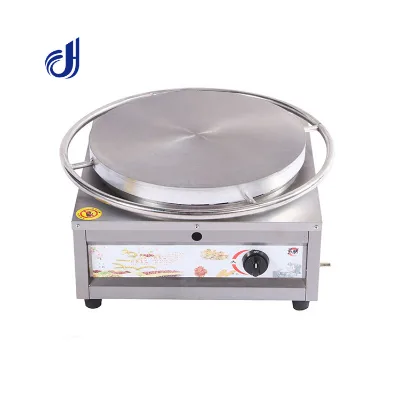
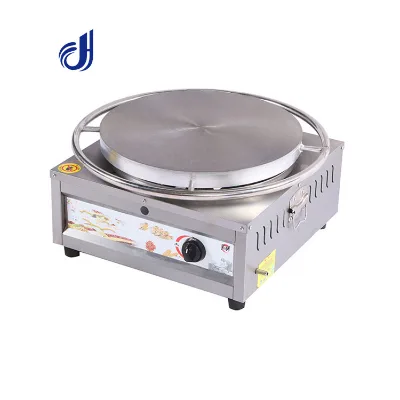
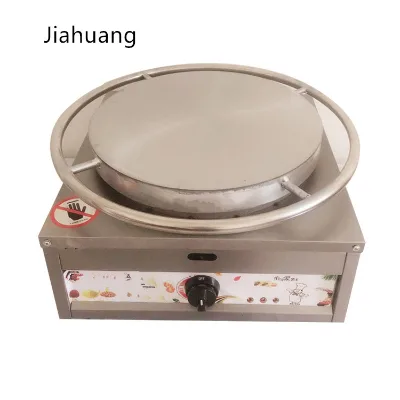
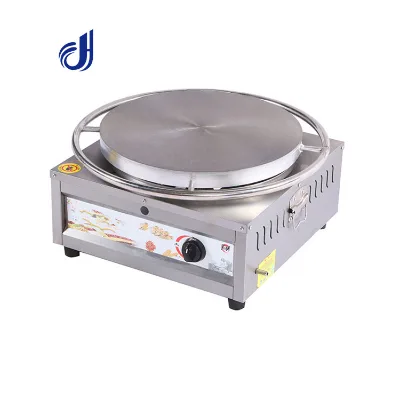
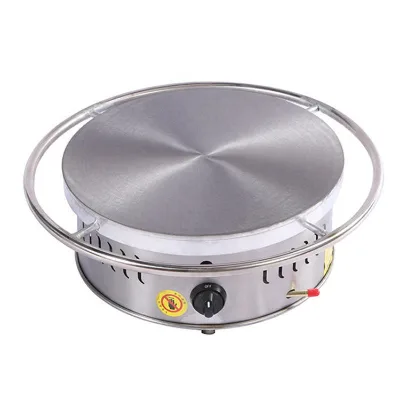


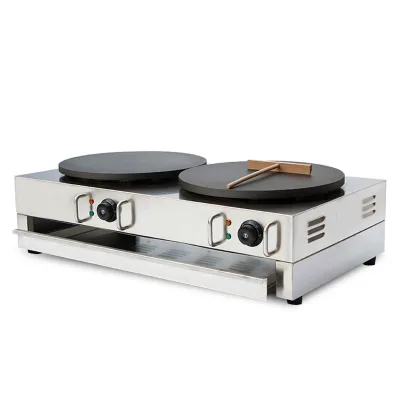
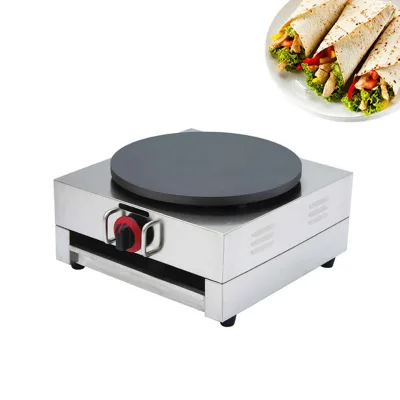
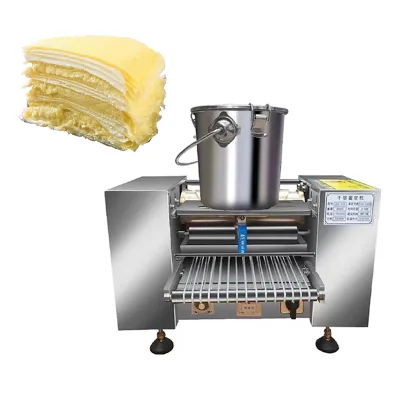


Comprehensive Sourcing Guide
Automatic Commercial Crepe Maker Supplier Concentration and Factory Types
Current data indicates that verified suppliers for automatic commercial crepe makers are concentrated in specific manufacturing hubs within China, with Guangdong emerging as a primary location for these facilities. Fact sheets show multiple listings originating from Guangdong, suggesting a regional cluster where specialized equipment for food processing is manufactured. These facilities often operate as combined entities, offering both Original Design Manufacturing and Original Equipment Manufacturing capabilities alongside their own brand production. This structural flexibility allows them to handle diverse order requirements, from customizing voltage specifications to adapting machine dimensions for specific kitchen layouts. The presence of combined company types implies that some suppliers may manage their own production lines while others might integrate trading functions to streamline the supply chain for international buyers.
In contrast, other regions such as Shandong also host suppliers, though their primary product focus often includes broader categories like commercial refrigeration and stainless steel work tables. When evaluating these locations, buyers should verify if the specific factory has dedicated lines for crepe machinery or if it is a generalist manufacturer. The distinction between a trading company and a manufacturer is critical, as trading companies may offer a wider range of products but might have less direct control over the production timeline. Buyers must confirm the actual factory location through verification badges like SGS or TÜV Rheinland, which appear in supplier profiles. This verification step ensures that the claimed manufacturing capability aligns with the physical location and the specific product evidence provided, such as the model numbers and technical specifications listed in the product attributes.
How to Verify Automatic Commercial Crepe Maker Suppliers
Verification of suppliers requires a rigorous check of third-party credentials and response metrics to ensure reliability. Several suppliers in the current results display verification badges from recognized agencies such as SGS and TÜV Rheinland, which serve as a baseline for operational legitimacy. However, the absence of specific system certifications like ISO standards in some profiles does not automatically disqualify a supplier, but it does necessitate a deeper inquiry into their quality control processes. Buyers should prioritize suppliers who demonstrate a rapid response time, as data shows response times ranging from approximately 1.28 to 3.54 hours. A faster response often correlates with better communication channels and a more active sales team capable of addressing technical queries regarding voltage, power sources, or customization options.
Beyond digital verification, buyers must scrutinize the product evidence provided to confirm the supplier's actual manufacturing output. Detailed product attributes, such as specific model numbers like HCM-2E or TCM-1G, along with precise dimensions and power ratings, indicate a mature product line rather than a generic listing. The presence of specific certifications like CE on certain gas-powered models suggests compliance with safety standards for the European market, which is a strong indicator of quality. Buyers should request documentation that matches these listed attributes, ensuring that the physical product matches the digital description. It is essential to confirm that the supplier can provide the exact specifications listed, such as the 220V voltage or the specific power consumption of 6000W, to avoid discrepancies upon delivery.
What to Compare Across Automatic Commercial Crepe Maker Suppliers
When comparing suppliers, the lead time is a critical differentiator that directly impacts inventory planning and market readiness. Available data reveals a significant variance in production schedules, with some suppliers offering a lead time of 15 days while others require up to 30 days. This difference can be decisive for buyers with tight deadlines or those launching new products. Alongside lead times, the Minimum Order Quantity (MOQ) varies, with some suppliers accepting orders as low as 5 units, while others require a minimum of 10 units. Buyers must align these constraints with their initial capital and storage capacity, ensuring that the order volume does not exceed their immediate sales projections.
Price and customization capabilities form another essential comparison point. The price range for these machines spans from approximately $49 to $168, depending on the power source, automation level, and brand specifications. Suppliers offering electric models with higher wattage, such as 6000W, often command higher prices compared to semi-automatic gas models. Furthermore, the availability of customization services, including logo placement and voltage adjustments, varies by supplier. Some profiles explicitly state that customization is available and acceptable, while others may have limited options. Buyers should evaluate whether the supplier offers a "Customize Consultant" service to navigate these technical adjustments effectively. Comparing these factors holistically ensures that the selected supplier offers the best balance of cost, speed, and flexibility for the specific business needs.
Common Automatic Commercial Crepe Maker Sourcing Risks
One significant risk in sourcing automatic commercial crepe makers involves the discrepancy between advertised specifications and actual product performance. While product attributes list features like "High Productivity" or "Strong and Durable," these claims require validation through independent testing or detailed technical documentation. For instance, a supplier might list a temperature range of 50-300c, but without a verified test report, the actual heating consistency remains uncertain. Buyers should be wary of suppliers who do not provide clear evidence of their manufacturing standards or who lack specific system certifications. The absence of detailed certification data in some profiles suggests a need for buyers to request third-party test results before finalizing any purchase agreement.
Another risk pertains to the reliability of the supply chain and the potential for delays beyond the stated lead time. While some suppliers claim a 15-day lead time, external factors such as raw material shortages or logistical bottlenecks can extend this period. Additionally, the variation in response times, ranging from under two hours to over three hours, can indicate differences in customer service quality. A slower response time might lead to prolonged communication gaps, making it difficult to resolve issues quickly. Buyers should also consider the risk associated with the "Combined" company type, where the distinction between manufacturing and trading functions might blur. It is crucial to verify that the supplier has direct control over the production process to mitigate the risk of quality inconsistencies or delivery failures.
Automatic Commercial Crepe Maker Regional Sourcing and Logistics
Sourcing from regions like Guangdong offers distinct logistical advantages due to the established infrastructure for exporting heavy machinery. The concentration of manufacturers in this area facilitates efficient shipping and reduces the complexity of coordinating with multiple vendors. However, buyers must account for the specific dimensions and weight of the machines, which can vary significantly. For example, some models weigh as little as 12.5kg, while others reach 25.53kg, and dimensions can range from 480540230mm to 900540230mm. These variations directly impact freight costs and packaging requirements, necessitating careful calculation of shipping expenses based on the specific model selected.
Logistics planning must also consider the packaging standards provided by the supplier. Data indicates that products are typically packed in cartons or wood cases, which affects the durability of the shipment. Buyers should verify if the packaging is sufficient to protect the machine during transit, especially for international shipments involving multiple handling points. The origin of the product, consistently listed as China, means that buyers must navigate import regulations and customs duties specific to their destination country. Understanding the Incoterms and the specific shipping responsibilities is essential to avoid unexpected costs. Additionally, the location of the supplier within China can influence the transit time to the port of loading, further affecting the overall delivery schedule.
Automatic Commercial Crepe Maker Commercial Terms and Order Planning
Commercial terms for automatic commercial crepe makers often include specific payment structures and warranty provisions that must be clearly defined. While some product listings mention a warranty period of two years, the exact terms of coverage and the process for claiming warranty services vary by supplier. Buyers should explicitly confirm the warranty conditions, including whether it covers parts, labor, or both, and if it applies globally or only within the country of origin. Additionally, the availability of escrow services can provide a layer of financial security, ensuring that funds are released only after the product meets the agreed-upon specifications. This is particularly important when dealing with suppliers who have not yet established a long-term track record with the buyer.
Order planning requires a strategic approach to managing the MOQ and lead time constraints. With MOQs ranging from 5 to 10 units, buyers can start with smaller orders to test the market, but they must be prepared for the potential of higher per-unit costs on smaller batches. The lead time, whether 15 or 30 days, should be factored into the production schedule to ensure that the equipment is ready for installation before the intended launch date. Buyers should also consider the customization lead time, as requests for specific branding or voltage modifications may extend the production window. Clear communication regarding these terms and a detailed timeline are essential to align expectations and ensure a smooth procurement process from order placement to final delivery.
FAQs
What is the typical lead time for automatic commercial crepe makers?
Lead times vary by supplier, with observed ranges from 15 to 30 days. Some manufacturers offer faster delivery within two weeks, while others require a full month for production and shipping. Buyers should confirm specific timelines based on order volume and customization needs before placing an order.
What is the minimum order quantity for these machines?
Minimum order quantities typically start at 5 to 10 units depending on the specific model and supplier. Some listings indicate a minimum of 5 pieces for certain gas models, while electric versions often require a minimum of 10 units. Always verify the exact MOQ with the seller to ensure compliance.
Are these crepe makers available with gas power sources?
Yes, gas-powered options are available alongside electric models. Specific listings show semi-automatic gas crepe machines with CE certification and LPG compatibility. These units often feature thermal processing capabilities and are designed for high-efficiency commercial kitchen environments requiring alternative fuel sources.
What certifications do these commercial crepe makers hold?
Many units carry CE certification, ensuring compliance with European safety standards. Some suppliers also hold verification from SGS or TÜV Rheinland, indicating third-party quality checks. Buyers should request current certification documents to confirm that specific models meet local regulatory requirements for commercial food equipment.
Can these machines be customized with a specific brand logo?
Customization is available for many models, including logo printing and brand name integration. Suppliers offer services for customized branding on electric and gas units, allowing businesses to create a unique identity. Buyers should confirm customization details and any additional costs before finalizing the purchase agreement.
What is the price range for automatic commercial crepe makers?
Prices generally range from approximately 49 to 168 US dollars per unit based on specifications. Electric models often fall between 99 and 168 dollars, while gas options may start as low as 49 dollars. Final pricing depends on power source, capacity, and whether the unit includes advanced features like timing devices.
Where are these manufacturers located?
Manufacturers are primarily located in China, specifically in Guangdong and Shandong provinces. These regions host a high concentration of commercial kitchen equipment producers offering both electric and gas crepe makers. Buyers can expect shipping from these locations when sourcing directly from the listed suppliers.