Automatic Circlip Suppliers and Manufacturers in China
Compare 11 verified suppliers offering Automatic Circlip solutions with varying lead times, certifications, and response speeds. Review their locations in Zhejiang and Jiangsu, check MOQs, and request quotes directly to find the right partner for your production needs; review the available evidence before requesting comparable quotations from suitable candidates.
Suppliers List

Yuyao Zhiheng Automation Equipment Co., Ltd.
- Combined
- China Zhejiang
- Lead time30 days
- Avg. response≤ 25h
Main productsAutomatic Assembly Machine, Assembly Machine, Automatic Machine, Machine, Equipment, Assembly, Tester, Riveting Contact, Riveting, Automatic Equipment
Main marketsSoutheast Asia/ Mideast,Domestic,Europe


New-Style Hot Sale Existing Goods Multi-Function Innovation Great Quality Automatic Assembly Machine
$15000.00 - $20000.00
MOQ: 1 Pieces
Jiangsu Huahong Technology Stock Co., Ltd.
- Trading Company,Manufacturer/Factory
- China Jiangsu
- Lead time45 days
- Avg. response≤ 3h
Main productsBaler, Hydraulic Metal Baler, Waste Paper Baler, Metal Shear, Alligator Shear, Scrap Shredder Lines, Briquette Machine, Recycling Machine, Cutting Machine, Shear Machine
Main marketsSouth America,Eastern Europe,Mid East,North America,Southeast Asia,Eastern Asia,Oceania,Western Europe,Africa


Hpa-180 Automatic Horizontal Non-Metallicsimple and Easy to Learn
$78000.00 - $118000.00
MOQ: 1 Pieces

Wuxi Yiyuan Machinery Co., Ltd.
- Trading Company,Manufacturer/Factory
- China Jiangsu
- Lead time0 days
- Avg. response≤ 17h
Main productsBraiding Machine, Acetate Cellulose Film, Shoelace Tipping Machine, Winding Machine, Twisting Machine, Loom Reed, Dyeing Spool, Warping Machine, Warp Knitting Machine, Multi Bar Jacquard Lace Machine
Main marketsSouth America,Mid East


MOQ: 1 Pieces

Rizhao Fenghua Scaffoldings Co., Ltd.
- Verified by BV
- Combined
- China Shandong
- Lead time45 days
- Avg. response≤ 14h
Main productsScaffolding, Scaffold, Forging, Formwork, Scaffold Couplers, Swivel Coupler, Frame System, Hand Tools, Scaffold Plank
Main marketsSouth America,East Asia(Japan/ South Korea),Europe,North America

MOQ: 2000 Pieces

MOQ: 1000 Pieces

MOQ: 1000 Pieces

MOQ: 1000 Pieces

MOQ: 1000 Pieces

MOQ: 1000 Pieces
- Trading Company
- China Shandong
- Lead time15 days
- Avg. response≤ 3h
Main productsComplete Biobanking Solutions, General Laboratory Supplies, Laboratory Instruments, Pipet Tips, Celll Culture Products, PCR Products, Microbiology Products, Centrifuge Tube, Filter Tips, Petri Dishes
Main marketsSouth America,Africa,Southeast Asia/ Mideast,East Asia(Japan/ South Korea),Domestic,Europe,Australia,North America
Yangzhou Hycox Industrial Co., Ltd.
- Trading Company
- Jiangsu, China
- Lead time25 days
- Avg. response≤ 4h
Main productsHammermill,Mixer,Pelletmill,Extruder,Cooler
Main marketsSouth America(40.00%), Africa(35.00%), Mid East(20.00%)
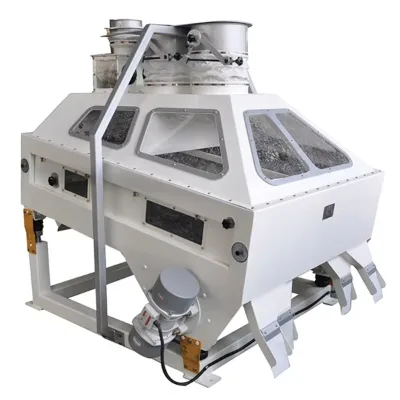
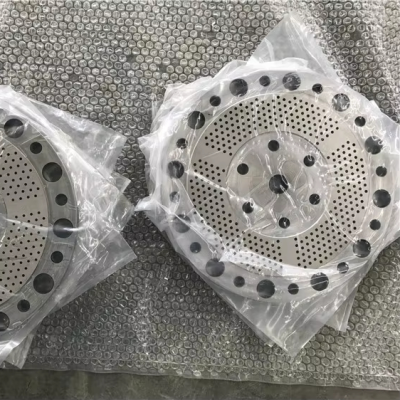
For Small Extruder Accessories
$4000.00
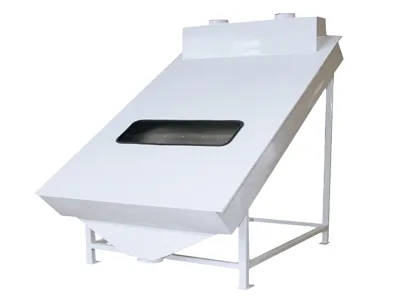
$3000.00
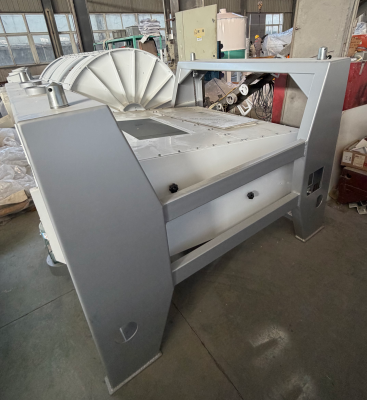
$4500.00

Shanghai Shenji International Co., Ltd.
- Verified by BV
- Trading Company,Manufacturer/Factory
- China Shanghai
- Lead time23 days
- Avg. response≤ 23h
Main productsEngine Rebuilding, Machine Tools, Auto Maintenance, Lathe, Grinder, Metal Forming Machine, Grinding Machine, Honing Machine, Boring Machine, Measuring Instruments
Main marketsSouth America,Eastern Europe,Mid East,North America,Southeast Asia,Eastern Asia,Oceania,Western Europe,Africa
DINGKE MACHINERY & EQUIPMENT CO., LTD.
- Verified by CTI
- Combined
- China Zhejiang
- Lead time60 days
- Avg. response≤ 3h
Main productsAutomatic Drilling Machine, Automatic Tapping Machine, Multi-Spindle Drilling Machine, Multi-Spindle Tapping Machine, CNC Lathe, CNC Machine Center, Drill Bits, Machine Tools, Bowl Feeder, Automatic Assembly Machines
Main marketsSouth America,Africa,Southeast Asia/ Mideast,Domestic,Europe,North America

Shandong Yuntai Machinery Co., Ltd.
- Verified by BV
- Combined
- China Shandong
- Lead time30 days
- Avg. response≤ 19h
Main productsDisc Plough, Disc Harrow, Disc Blade, Trailer, Cultivator, Agricultural Spare Parts, Plough Disc, Harrow Disc, Tractor Trailer, Ox Plough
Main marketsSouth America,Africa,Southeast Asia/ Mideast,Europe,Australia,North America

- Trading Company,Manufacturer/Factory,Group Corporation
- China Zhejiang
- Lead time98 days
- Avg. response≤ 6h
Main productsUltrasonic Cleaner, Caliper, Case, Digital Readout, Digital Indicator, Antenna
Main marketsSouth America,Eastern Europe,Mid East,North America,Southeast Asia,Eastern Asia,Oceania,Western Europe,Africa
Changzhou Fuwei Machinery Co., Ltd.
- Verified by TUVRHEINLAND
- Combined
- China Jiangsu
- Lead time15 days
- Avg. response≤ 3h
Main productsRotary Valve, Discharge Valve, Reducer, Pneumatic Conveying, Powder Conveying, Particle Conveying, Feed Conveying, Food Transportation
Main marketsDomestic


Comprehensive Sourcing Guide
Automatic Circlip Supplier Concentration and Factory Types
The available data indicates that suppliers offering automatic assembly and related machinery are concentrated in specific Chinese provinces, with Zhejiang and Jiangsu emerging as key industrial hubs. Fact records show a distinct presence of manufacturers and trading companies operating within these regions, suggesting a localized ecosystem for industrial automation equipment. Buyers should prioritize verifying the specific factory location against these known clusters to ensure proximity to established supply chains. The presence of combined company types, including both manufacturers and trading entities, implies a diverse market structure where direct factory access may vary by product line.
When assessing factory types, it is critical to distinguish between entities offering OEM and ODM capabilities versus those providing only trading services. The observed data reveals that some suppliers possess their own brands and offer comprehensive customization, while others focus on specific product lines like balers or spinning machines. This variation suggests that not all suppliers in these regions are equipped to handle complex Automatic Circlip assembly requirements. Buyers must confirm whether a supplier's primary focus aligns with their specific machinery needs, as a company specializing in textile machinery may lack the precision engineering required for metal fastener automation.
How to Verify Automatic Circlip Suppliers
Verification begins with a rigorous check of system certifications and compliance standards, as these documents provide the first layer of trust regarding operational safety and quality management. The current results show that some suppliers hold ISO 9001, ISO 14001, and OHSAS 18001 certifications, while others list only general or unspecified system certifications. Buyers should request valid, up-to-date copies of these certificates and verify their scope to ensure they cover the specific manufacturing processes involved in Automatic Circlip production. A lack of detailed certification information should trigger a deeper inquiry into the supplier's quality control protocols before any commitment is made.
Response time and lead time data serve as practical indicators of a supplier's operational efficiency and reliability. The observed response times vary significantly, ranging from approximately two hours to over twenty-four hours, which directly impacts project timelines and communication flow. Similarly, lead times for production and delivery can differ, with some records indicating thirty days while others suggest longer durations. Buyers should use these metrics to gauge the supplier's capacity to meet urgent deadlines and maintain consistent communication. A supplier with a slow response time or an ambiguous lead time may struggle to adapt to changes in order volume or specification requirements.
What to Compare Across Automatic Circlip Suppliers
Comparing suppliers requires a detailed analysis of their product attributes, specifically focusing on customization availability and production capabilities. The data indicates that many suppliers offer customizable solutions, with attributes ranging from flexible transmission types to comprehensive automatic production lines. Buyers should evaluate whether a supplier's specific model, such as those labeled with unique identifiers like ZH-53 or HPM-160, aligns with the technical specifications required for their Automatic Circlip assembly. The presence of intelligent manufacturing features and non-flow production lines suggests varying levels of automation sophistication that must be matched to the buyer's production goals.
Price and minimum order quantity (MOQ) are critical financial factors that vary widely across the supplier base. Current records show price ranges extending from as low as one unit to nearly one hundred thousand dollars, with MOQs starting at a single unit for some items. This disparity highlights the importance of defining clear budget constraints and volume requirements before engaging with potential partners. Buyers must compare the total cost of ownership, including shipping and potential customization fees, rather than focusing solely on the base unit price. Understanding the pricing structure helps in selecting a supplier that offers the best value without compromising on quality or delivery schedules.
Common Automatic Circlip Sourcing Risks
One significant risk involves the mismatch between a supplier's primary product focus and the specific requirements of Automatic Circlip manufacturing. The observed data shows suppliers specializing in diverse areas such as waste paper balers, textile spinning machines, and metal shears, which may not directly correlate with the precision needed for circlip assembly. Relying on a supplier whose main products are unrelated to the target component can lead to quality inconsistencies and technical limitations. Buyers should verify that the supplier has a proven track record in the specific niche of automatic assembly machines rather than assuming general machinery expertise translates to specialized fastener production.
Another risk stems from the variability in after-sales service and warranty provisions, which are essential for maintaining long-term operational efficiency. While some records mention engineers available for overseas service and specific warranty periods like twelve months, other entries lack clear details on post-purchase support. The absence of explicit after-sales commitments can leave buyers vulnerable to equipment downtime and costly repairs. It is imperative to confirm the availability of technical support, spare parts, and maintenance services before finalizing an agreement. A supplier without robust after-sales capabilities poses a higher risk to the continuity of the buyer's production line.
Automatic Circlip Regional Sourcing and Logistics
Logistics planning must account for the specific regional origins of the suppliers, as shipping costs and transit times are heavily influenced by the location of the manufacturing facility. The data points to Zhejiang and Jiangsu as primary sourcing locations, which are major industrial centers in China with well-developed export infrastructure. Buyers should calculate the total landed cost by factoring in freight charges from these specific provinces, as well as any potential customs duties or import taxes applicable to their destination country. Understanding the geographic distribution of suppliers allows for more accurate estimation of delivery timelines and associated logistical expenses.
Packaging and handling standards also play a crucial role in ensuring the safe arrival of delicate automatic machinery. The observed product attributes include specific packing methods such as wooden boxes, wooden packing, and nude packing with direct container loading. These variations indicate that different suppliers may have different standards for protecting their equipment during transit. Buyers should explicitly request packaging details that match the fragility and size of the Automatic Circlip machines to prevent damage during shipping. Confirming the packing method in advance ensures that the equipment arrives in optimal condition, ready for immediate installation and operation.
Automatic Circlip Commercial Terms and Order Planning
Order planning should be grounded in a clear understanding of the supplier's production capacity and customization capabilities. The data reveals that some suppliers offer own-brand, ODM, and OEM services, while others focus on specific production scopes like parts production lines. Buyers need to assess whether the supplier can scale production to meet their volume requirements without compromising quality or delivery schedules. The availability of comprehensive automatic production lines and intelligent manufacturing features suggests that some suppliers are better equipped to handle large-scale orders with consistent output.
Commercial terms must be negotiated with attention to payment structures, escrow options, and the clarity of the contract regarding delivery and acceptance criteria. While specific escrow details are not explicitly detailed in the current facts, the presence of varied price ranges and MOQs suggests that flexible payment terms may be available. Buyers should ensure that the contract clearly defines the conditions under which payments are released, particularly for customized orders. Establishing a clear timeline for production milestones and final delivery helps mitigate the risk of delays and ensures that both parties are aligned on the project's progress and expectations.
FAQs
What is the typical lead time for automatic assembly machines?
The typical lead time for automatic assembly machines is 30 days based on current supplier data. Some suppliers offer a 45-day lead time for specialized balers. Buyers should verify specific timelines with the manufacturer before placing an order to ensure production schedules are met.
Do suppliers offer customization for automatic machines?
Yes, customization is available for many automatic machines including twist angle and assembly units. Buyers can request custom-made models with specific transmission types or production scopes. Always confirm the customization details and model numbers directly with the supplier to ensure the machine meets your exact requirements.
What is the minimum order quantity for these machines?
The minimum order quantity for automatic machines is often one unit. Some suppliers list a price range starting from 1000 dollars with an MOQ of one. Buyers should check the specific product listing to confirm the exact MOQ as it may vary by model and customization level.
Are there certifications available for the machinery?
Certain suppliers hold ISO 9001, ISO 14001, and OHSAS 18001 certifications. Other machines may carry CE certification for safety compliance. Buyers should request proof of these certifications to ensure the equipment meets international safety and quality standards before finalizing any purchase agreement.
What is the response time for supplier inquiries?
Supplier response times vary, with some responding within 2.37 hours and others taking up to 24 hours. Faster response times are often associated with trading companies or manufacturers in specific regions. Buyers should expect a range of response speeds and plan their communication accordingly.
Where are the automatic machine manufacturers located?
Manufacturers are primarily located in China, specifically in Zhejiang and Jiangsu provinces. These regions host a variety of suppliers offering automatic assembly and textile machinery. Buyers should verify the exact location of the supplier to calculate shipping costs and delivery times accurately.
What is the price range for automatic assembly equipment?
Prices for automatic assembly equipment range from 1000 dollars to 99999 dollars depending on the model. Specific machines like balers may cost between 45000 and 118000 dollars. Buyers should review the detailed price lists for each product to understand the total cost of ownership.