Automatic Smart Touch Tea Boiler Suppliers and Manufacturers
Compare 13 verified suppliers offering Automatic Smart Touch Tea Boiler solutions with varying response times and product specifications. Review details on location, certifications, and pricing to select the right factory for your needs; review the available evidence before requesting comparable quotations from suitable candidates.
Suppliers List

- Verified by TUVRHEINLAND
- Trading Company
- China Henan
- Lead time30 days
- Avg. response≤ 7h
Main productsIndustrial Steam Boiler, Industrial Hot Water Boiler, Industrial Biomass Boiler
Main marketsSouth America,Africa,Southeast Asia/ Mideast

Smart Combustion Adjustable Flexible Industrial Steam Boiler with Automatic Control
$6000.00 - $300000.00
MOQ: 1 Pieces

Smart Industrial Steam Boiler for Heavy Production Energy Saving Factory Use
$6000.00 - $300000.00
MOQ: 1 Pieces

Smart Industrial Steam Boiler with Stable High Steam Output Low Emission
$6000.00 - $300000.00
MOQ: 1 Pieces


Intelligent Control System Industrial Steam Boiler with High Performance
$6000.00 - $300000.00
MOQ: 1 Pieces


ZHONGSHAN GASTEK HOME APPLIANCE COMPANY LIMITED
- Verified by BV
- Combined
- China Guangdong
- Lead time30 days
- Avg. response≤ 9h
Main productsGas Water Heater, Gas Water Heater Spare Parts, Gas Boiler, Electric Boiler, Gas Water Valve, Heat Exchanger, Burner, Ignitor
Main marketsSouth America,Africa,Southeast Asia/ Mideast,Europe,Australia

Wuxi SWF Intelligent Technology Co., Ltd.
- Verified by TUVRHEINLAND
- Trading Company
- China Jiangsu
- Lead time30 days
- Avg. response≤ 3h
Main productsCoffee Machine, Coffee Grinder, Coffee Vending Machine, Coffee Roaster, Coffee Maker, Espresso Machine, Formula Dispenser Machine, Dumpling Machine, Pizza Dough Roller Machine
Main marketsSoutheast Asia/ Mideast,Australia,North America

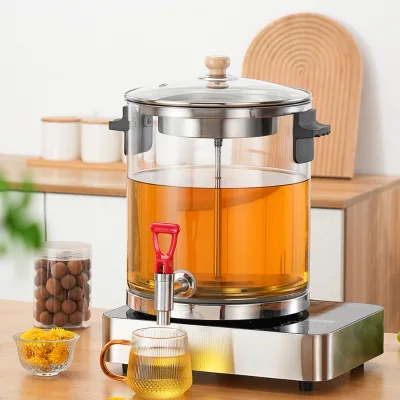
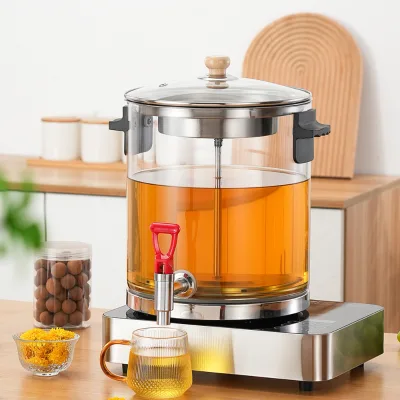
Tea Boiling Machine Automatic Tea Brewing Machine Commercial Glass Catering Coffee Tea Boiler
$57.00 - $59.00
MOQ: 1 Pieces

$57.00 - $59.00
MOQ: 1 Pieces


Stainless Steel Boiling Water Bucket Electric Hot Water Boiler Tea Milk Coffee Beans Warmer
$32.00 - $36.00
MOQ: 1 Pieces

Display Temperature Water Boiler Steam and Boiling Water Machine Boiling Machine
$240.00 - $245.00
MOQ: 1 Pieces

Temperature Display Water Boiler Steam and Boiling Water Machine Water Heater
$240.00 - $245.00
MOQ: 1 Pieces

Qinhuangdao Yangguang Electric Co., Ltd
- Verified by TUVRHEINLAND
- Trading Company
- China Hebei
- Lead time23 days
- Avg. response≤ 1h
Main productsWater Circulation Electric Blanket, Air Source Heat Pumps, Wall-Mounted Infrared Heating Panels, Electric Boiler, Heater Mural, Electric Heater, Cable Protection Speed Bump, Electrically Heated Carpet
Main marketsDomestic


Customized Home & Business Temperature Adjustment Smart Appliances Electric Heater Heating Boiler
$335.00 - $365.00
MOQ: 1 Pieces

Smart Temperature Control Electric Boiler for Efficient Heating Solution
$278.00 - $308.00
MOQ: 1 Pieces


Henan Province Sitong Boiler Co., Ltd.
- Verified by TUVRHEINLAND
- Combined
- China Henan
- Lead time30 days
- Avg. response≤ 1h
Main productsGas Boiler, Oil Boiler, Coal Fired Boiler, Biomass Fired Boiler, Steam Boiler, Electric Boiler, Waste Heat Steam Boiler
Main marketsSoutheast Asia/ Mideast,Europe


High Efficiency Electric Steam Boiler with Intelligent Control System
$4886.00 - $56855.00
MOQ: 1 Pieces

Electric Steam Boiler with Intelligent Temperature Monitoring System
$4886.00 - $56855.00
MOQ: 1 Pieces


Zhongshan Yuekon Electrical Appliances Co., Ltd.
- Manufacturer/Factory
- China Guangdong
- Lead time45 days
- Avg. response≤ 8h
Main productsTea Maker, Coffee Kettle, Juicer Blender, Samavar, Fruit Juice Extractor, Cool Mist Ultrasonic Humidifier, Soya Milk Maker
Main marketsSouth America,Eastern Europe,Mid East,North America,Southeast Asia,Eastern Asia,Oceania,Western Europe

$25.00 - $26.00
MOQ: 1000 Pieces

1.5lsmart Automatic Tea Maker Boiler Bubble Tea Machine Maker with Digital Kettle
$18.10 - $18.60
MOQ: 1220 Pieces

$14.00 - $16.00
MOQ: 1000 Pieces


Multi Purpose Electric Kettle Speedboil Tea Maker Removable Lid Hot Water Boiler
$13.50 - $14.50
MOQ: 1000 Pieces
Henan Xifa Network Technology Co., Ltd.
- Verified by Intertek
- Manufacturer, Trading Company
- Lead time7 days
- Avg. response≤ 2h
Main productsAnimal Cages, Tractors, Feed Processing Machinery, Excavators
Main marketsNorth America(20%), Domestic Market(20%), Africa(15%)
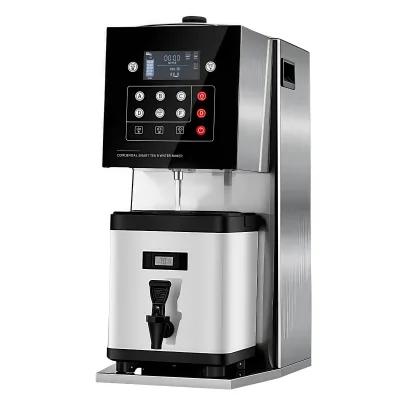
Elegant Glass Electric Tea Boiler 4L - Intelligent Temperature Control for Milk Tea/Coffee
$599.00 - $632.00
MOQ: 1
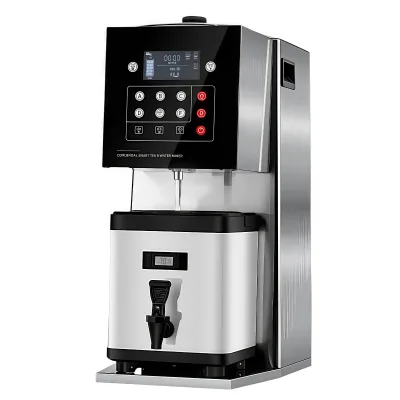
Wall-Mounted 7.5L Electric Tea Water Boiler with Tap - Fast Heating for Bubble Tea Shops
$599.00 - $632.00
MOQ: 1

Guangdong Weinuan Technology Co., Ltd.
- Verified by BV
- Combined
- China Guangdong
- Lead time15 days
- Avg. response≤ 3h
Main marketsDomestic

Shenzhen Sansael Controls Tech Co., Ltd
- Verified by BV
- Trading Company,Manufacturer/Factory
- China Guangdong
- Lead time30 days
- Avg. response≤ 6h
Main productsRoom Thermostat, WiFi Thermostats, Wireless Thermostat, Digital Thermostat, Electro Thermal Thermostat, Valve, Temperature Sensor, Control Box, Gateway
Main marketsSouth America,Eastern Europe,Mid East,North America,Southeast Asia,Eastern Asia,Oceania,Western Europe,Africa
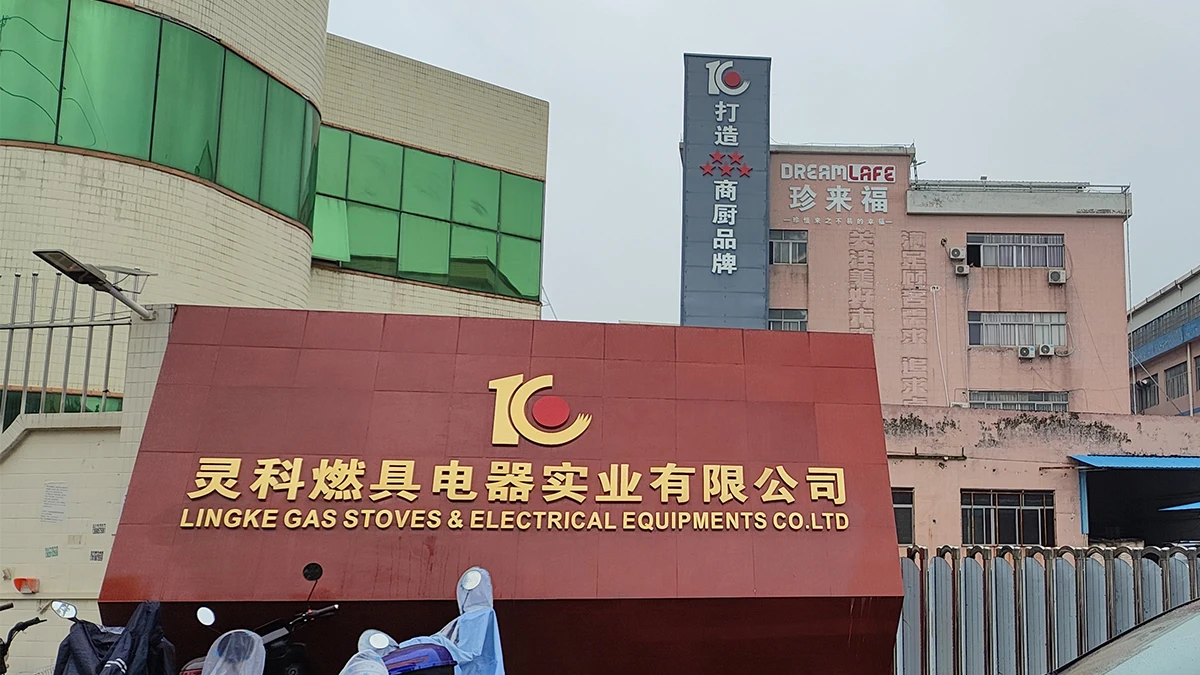
Foshan Shunde District Lingke Gas Appliance Electrics Industry Co., Ltd.
- Manufacturer
- Guangdong, China
- Lead time15 days
- Avg. response≤ 5h
Main productsKitchen equipment,Commercial Oven,Steak Stove,Noodle cooking machine,Hot water dispenser
Main marketsSouth America(15.00%), North America(15.00%), Eastern Asia(10.00%), South Asia(10.00%), Southern Europe(10.00%), Northern Europe(10.00%), Western Europe(10.00%), Mid East(5.00%), Africa(5.00%), Southeast Asia(5.00%), Eastern Europe(5.00%)

Guangdong Hause Thermal Technology Co.,Ltd.
- Verified by BV
- Manufacturer/Factory
- China Guangdong
- Lead time45 days
- Avg. response≤ 2h
Main productsGas Boiler, Wall Hung Gas Boiler, Gas Water Heater, Wall Mounted Gas Boiler, Commercial Gas Boiler, Electric Boiler, Condensing Gas Boiler, Traditional Gas Boiler, Low Nitrogen Gas Boiler, Combination Gas Boiler
Main marketsSouth America,Eastern Europe,North America,Eastern Asia,Western Europe

Smart Electric Boiler 6kw-12kw Single Phase WiFi-Enabled Heating Boiler with LCD Display
$200.00 - $220.00
MOQ: 100 Pieces

Manufacturer Water Storage Electric Boiler with High Quality Smart Control
$140.00 - $220.00
MOQ: 100 Pieces

High-Performance Electric Wall-Mounted Boiler with Smart Control Options
$140.00 - $220.00
MOQ: 100 Pieces

Hebei Changhong Heating Equipment Manufacturing Co., Ltd.
- Verified by SGS
- Combined
- China Hebei
- Lead time15 days
- Avg. response≤ 2h
Main productsElectric Boiler, Gas Boiler, Heat Pump, Electric Heater
Main marketsDomestic

Jiangsu Weifu Special Equipment Co., Ltd.
- Verified by SGS
- Combined
- China Jiangsu
- Lead time30 days
- Avg. response≤ 1h
Main productsBoiler, Gas Boiler, Steam Boiler, Electric Steam Boiler, Electric Water Boiler, Thermal Oil Boiler, Biomass Boiler, Vacuum Hot Water Boiler
Main marketsDomestic




Comprehensive Sourcing Guide
Automatic Smart Touch Tea Boiler Supplier Concentration and Factory Types
Current data indicates that suppliers offering automatic smart touch tea boilers are concentrated in specific Chinese provinces, with verified results showing presence in Henan, Guangdong, and Jiangsu. In Henan, the primary output includes industrial steam and hot water boilers, suggesting a manufacturing base capable of scaling industrial heating solutions, though specific tea boiler models require direct confirmation. Guangdong suppliers often list gas water heaters and electric boilers alongside their main products, indicating a diverse appliance manufacturing ecosystem that may include commercial tea brewing equipment. Jiangsu results highlight coffee and tea machinery, pointing to a specialized cluster for beverage preparation equipment where automatic control systems are likely integrated into the production line.
The company types observed vary significantly, ranging from trading companies to combined entities and manufacturers with ODM and OEM capabilities. A trading company structure in Henan suggests a focus on aggregating products from various factories, which may offer a wider selection but requires careful verification of the actual manufacturing source. In contrast, combined suppliers in Guangdong often possess their own brand and design capacity, potentially offering more customized solutions for touch screen interfaces and smart control systems. Buyers must distinguish between pure trading entities and those with direct factory ownership to ensure quality control over the electronic components and safety features inherent in smart tea boilers.
How to Verify Automatic Smart Touch Tea Boiler Suppliers
Verification of suppliers requires checking specific credentials such as TUVRHEINLAND or BV certifications, which appear in the current results for certain industrial boiler manufacturers. While some suppliers display these third-party verifications, others may show a status of NIL for system certifications, necessitating a direct request for valid documentation before proceeding. Buyers should confirm that the supplier's verification status is current and matches the specific product category, as industrial boiler certifications do not automatically guarantee compliance for smaller commercial tea brewing units. It is essential to request the original certificate and verify its scope to ensure it covers the specific smart control and electrical safety standards required for the tea boiler.
Response time is another critical metric for assessing supplier reliability, with observed times ranging from approximately 2.92 hours to over 8 hours. A faster response time, such as the 2.92 hours noted for Jiangsu-based machinery suppliers, often correlates with a more active sales team and better communication channels for technical inquiries. However, a slower response does not necessarily indicate a lack of capability, but it may suggest a larger volume of inquiries or a different operational structure. Buyers should test the communication channel by asking specific technical questions about the touch screen interface and smart control logic to gauge the depth of the supplier's product knowledge and their willingness to engage in a detailed dialogue.
What to Compare Across Automatic Smart Touch Tea Boiler Suppliers
When comparing suppliers, the lead time is a primary differentiator, with some results indicating a standard production window of 30 days for industrial boiler units. This lead time may vary for smaller commercial tea boilers depending on the complexity of the smart control system and the availability of specific electronic components. Buyers must clarify whether the quoted lead time includes the time for customization, such as branding or specific voltage requirements, as this can significantly impact the total delivery schedule. It is also important to verify if the lead time applies to the initial sample or the full production run, as these timelines often differ substantially in the manufacturing process.
Minimum Order Quantity (MOQ) and pricing structures vary widely across the supplier base, with some products showing an MOQ of just one unit while others require orders of 200 units or more. Pricing ranges can be extensive, from as low as $100 for basic electric units to over $300,000 for large industrial steam boilers, making it crucial to define the exact capacity and feature set required. Buyers should compare the price per unit against the included features, such as the touch screen display, automatic temperature control, and safety certifications like CCC or ISO. Additionally, the main products listed by each supplier should be reviewed to ensure they specialize in the specific type of tea boiler needed, rather than offering it as a minor add-on to a broader industrial boiler catalog.
Common Automatic Smart Touch Tea Boiler Sourcing Risks
One significant risk involves the mismatch between the supplier's primary product focus and the specific requirements of a smart tea boiler. Many suppliers in the current results specialize in large industrial steam boilers or general water heaters, which may not have the specialized engineering for precise tea brewing temperatures or the specific smart control algorithms required. This lack of specialization can lead to products that are over-engineered, under-performing, or lacking the necessary user interface for commercial tea service environments. Buyers must explicitly confirm that the supplier has a track record of manufacturing or supplying tea-specific equipment to avoid receiving a generic water heater with a superficial touch screen overlay.
Another risk relates to the verification of manufacturing standards and safety certifications, particularly for electrical appliances used in commercial settings. While some suppliers list standards like ASME, GB, or CE for their industrial boilers, these may not apply to the smaller, consumer-facing tea boilers with complex electronic controls. The absence of specific certifications for the tea boiler model, such as EAC or specific electrical safety marks, can lead to compliance issues in the buyer's target market. Furthermore, the "Customized on demand" status observed in some product attributes requires careful management to ensure that the customization process does not introduce delays or quality inconsistencies that could compromise the final product's reliability.
Automatic Smart Touch Tea Boiler Regional Sourcing and Logistics
Geographic location plays a vital role in determining shipping costs and logistics efficiency, with suppliers located in Henan, Guangdong, and Jiangsu offering distinct advantages based on their proximity to major ports. Henan-based suppliers, often inland, may require longer transit times and higher inland freight costs compared to coastal suppliers in Guangdong, which typically have direct access to major shipping hubs. Buyers should calculate the total landed cost by factoring in the distance from the factory to the port of loading, as well as the specific logistics capabilities of the supplier to handle large or heavy machinery if the tea boiler includes substantial water tanks or industrial-grade components.
Packaging standards also vary by region and supplier type, with some products listed as being packed in wooden cases while others use seaworthy cartons. The choice of packaging is critical for protecting the delicate touch screen displays and electronic control boards during international transit. Buyers must verify that the packaging meets the specific requirements for the mode of transport, whether by sea or air, and includes adequate moisture protection and shock absorption. Additionally, the origin of the product, such as Henan China or general China origins, should be confirmed to ensure accurate customs classification and to avoid any potential trade barriers or tariffs associated with specific manufacturing regions.
Automatic Smart Touch Tea Boiler Commercial Terms and Order Planning
Commercial terms regarding payment and escrow are essential for mitigating financial risk, especially when dealing with suppliers who may not have a long-established history in the specific tea boiler niche. While some suppliers offer escrow services, others may require traditional payment methods that expose the buyer to risk if the product does not meet specifications. Buyers should prioritize suppliers who offer secure payment channels and clearly defined terms for partial payments, ensuring that funds are released only after the product passes quality inspection. It is also important to clarify the warranty terms, as some suppliers offer specific warranties for the tank or electronic components, which can vary significantly from standard industrial boiler warranties.
Order planning must account for the specific production capabilities and capacity of the supplier, such as ODM or OEM services, which are listed for some combined suppliers. Buyers should assess whether the supplier can handle the volume of orders required for their business scale without compromising quality or delivery timelines. The establishment year of the supplier, while not explicitly provided for all entities, can be inferred from their verification status and product range, serving as a proxy for their stability and experience. Finally, buyers should plan for potential delays in the production of smart components, such as touch screens or PLC control systems, by building buffer time into their inventory planning to ensure a continuous supply of tea boilers for their operations.
FAQs
What is the typical lead time for industrial steam boilers from China?
The typical lead time for industrial steam boilers from China is 30 days. This duration applies to packaged boilers manufactured in Henan and Guangdong provinces. Buyers should confirm specific delivery schedules with suppliers before placing orders to ensure timely arrival.
What are the minimum order quantities for smart industrial boilers?
Minimum order quantities vary by product type. Some industrial steam boilers have an MOQ of one unit, while electric water boilers often require a minimum of 200 units. Buyers must check specific product listings to determine the exact quantity required for purchase.
Which certifications do these industrial boilers typically hold?
Industrial boilers often carry ASME, GB, and CE manufacturing standards. Some suppliers hold TUVRHEINLAND verification, while others may have BV certification. Electric water heaters might display CCC or ISO marks. Buyers should verify current certificates directly with the supplier.
What is the price range for smart industrial steam boilers?
Prices for smart industrial steam boilers range from 6,000 to 300,000 units of currency. Specific models like the GXZ-3 triple-pass boiler may have a maximum price of 80,000. Costs depend on capacity, fuel type, and customization options selected by the buyer.
How quickly do suppliers typically respond to inquiries?
Supplier response times vary, with some averaging around 2.92 hours and others taking up to 8.34 hours. Trading companies in Henan and Guangdong show different speeds. Buyers should expect responses within a few hours but should verify current availability for accurate timing.
What fuel options are available for these industrial boilers?
Available fuel options include gas-fired, electric, and biomass configurations. Some models support natural gas with pressures between 1.0MPa and 2.5MPa. Buyers can select from horizontal or vertical designs depending on their specific energy requirements and facility constraints.
Are these boilers suitable for heavy industrial production use?
Yes, many models are designed for heavy industrial production and energy-saving factory use. They feature automatic control systems and stable high steam output. These units often have low pressure ratings and natural circulation water systems suitable for various industrial applications.