Automatic Ceramic Hair Curler Iron Suppliers and Manufacturers
Source 22 verified suppliers for Automatic Ceramic Hair Curler Iron products. Compare key dimensions including lead times, MOQs, certifications, and response rates to identify suitable partners. Review product specifications and request samples to validate quality before placing orders; review the available evidence before requesting comparable quotations from suitable candidates.
Suppliers List

Dongguan Bidisco Electric CO., LTD
- Combined
- China Guangdong
- Lead time30 days
- Avg. response≤ 6h
Main productsHair Straightener, Hair Curler, Curling Iron, Mini Hair Straightener, Professional Curling Iron, Salon Eqipment, Curlers, Ceramic Straightener, Hair Curling Machine, Curling Tong
Main marketsSoutheast Asia/ Mideast,East Asia(Japan/ South Korea),Domestic,Europe,Australia,North America

Foshan Wendy Hair Products Co., Ltd.
- Verified by TUVRHEINLAND
- Manufacturer/Factory,Group Corporation
- China Guangdong
- Lead time15 days
- Avg. response≤ 7h
Main productsHuman Hair, Wigs, Hair Extension, Brzilienne Hair, Virgin Hair, Virgin Pervian Hair, Virgin Brzilienne Hair, Malaysian Hair, Indian Hair, Hair
Main marketsSouth America,Eastern Europe,Mid East,North America,Southeast Asia,Eastern Asia,Oceania,Western Europe,Africa

Changsha Fusheng Electronic Technology Co., Ltd.
- Trading Company
- China Hunan
- Lead time15 days
- Avg. response≤ 2h
Main productsElectronic Product
Main marketsSoutheast Asia/ Mideast,Europe,North America


LCD Professional Ceramic Body Three Barrel Style Curling Iron Electric Wave Hair Curler
$9.40 - $12.90
MOQ: 20 Pieces

Amazon Hot Selling High Performance Portable Ceramic Curling Iron Automatic Hair Curler
$6.10 - $8.90
MOQ: 20 Pieces


Intelligent Anti-Tangle Hair Curler with Anti-Static Infrared & Ionic with 3 Barrels
$6.10 - $8.90
MOQ: 20 Pieces

Shenzhen Yaojing Technology Co., Ltd.
- Trading Company
- China Guangdong
- Lead time23 days
- Avg. response≤ 6h
Main products3ml Cartridge Sterile, T-Shirt, Arabian Perfume, Insulin Injector, Perfume Glass Bottle
Main marketsSouth America,Eastern Europe,Mid East,North America,Southeast Asia,Eastern Asia,Oceania,Western Europe,Africa

2026 Professional Wirelessly Vertical Sense Hair Curling Iron Ceramic Hair Curler
$30.00 - $39.90
MOQ: 1 Pieces


Yueqing Fiy Electric Co., Ltd.
- Verified by TUVRHEINLAND
- Combined
- China Zhejiang
- Lead time23 days
- Avg. response≤ 7h
Main productsIndustry Socket, Industry Plug, Solar String Light, Christmas Decoration, Solar Light, Christmas Lights, Solar LED Light, LED Strip Light, Industry Switch, Tools Switch
Main marketsSoutheast Asia/ Mideast,Domestic,Europe,North America

- Verified by SGS
- Trading Company
- China Zhejiang
- Lead time15 days
- Avg. response≤ 12h
Main productsFan, Heater Fan, Air Fryer, Toaster, Rice Cooker, Vacuum Cleaner, Coffee Machine, Hairdressing Appliance, Electric Toothbrush, Steam Iron
Main marketsEurope,Australia

Multiple Repurchase Pink Light Heated Styling Iron Brush Ceramic Electric Hair Curler
$8.54 - $8.57
MOQ: 117 Pieces

New Technology Small Curling Short Long Hair Ceramic Adjustable Temperature Hair Curler
$7.69 - $7.71
MOQ: 130 Pieces

Factory Price LCD Temperature Display Pink Three Barrel Iron Hair Curler
$3.25 - $3.28
MOQ: 305 Pieces

New Design Pink Automatic Iron Ceramic Coating Safe Heating Electric Hair Curler
$12.84 - $12.86
MOQ: 78 Pieces


Factory Outlet Automatic Metallic Grey Ceramic Professional Electric Hair Curler
$8.53 - $8.57
MOQ: 117 Pieces
Jiangxi Shengming Electronic Technology Co., Ltd.
- Verified by Intertek
- Manufacturer, Trading Company
- Lead time15 days
Main productsHot Air Brush, Hair Straightener, Hair Curler, Hair Dryer, Hair Clippers
Main marketsNorth America(50%), Western Europe(19%), Mid East(10%)

Guangzhou Umei Technology Co., Ltd
- Verified by SGS
- Manufacturer/Factory
- China Guangdong
- Lead time15 days
- Avg. response≤ 3h
Main productsHair Straightener, Hair Dryer, Hair Curler, Hair Clipper, Photo Booth Vending Machine, Cotton Candy Vending Machine, Popcorn Vending Machine, Vending Machine, Ice Cream Vending Machine, 360 Photo Booth
Main marketsSouth America,Eastern Europe,Mid East,North America,Southeast Asia,Eastern Asia,Western Europe

Joyy Flat Iron Hair Straightener Professional Hair Curler with Cooling Air Vents
$12.99 - $13.99
MOQ: 2000 Pieces

Straighter Curler 2 in 1 Steam Ceramic Flat Iron Salon Styler Ceramic Steam Hair Curler Professional
$15.99 - $18.00
MOQ: 500 Pieces


Wenzhou Boyo Electric Appliance Co., Ltd.
- Verified by BV
- Manufacturer/Factory
- China Zhejiang
- Lead time45 days
- Avg. response≤ 14h
Main productsHair Straightener, Hair Curler, Men's Shaver, Lady Epilator/Rozar, Callus Remover, Hair Dryer, Hair Clipper/Trimmer, Facial Cleansing Brush, Hot Air Brush, Oil Diffuser
Main marketsSouth America,Eastern Europe,Mid East,North America,Southeast Asia,Eastern Asia,Oceania,Western Europe,Africa


Ceramic Hair Curling Iron Professional LED Electric Flat Iron Hair Curler with Clips
$6.50 - $7.00
MOQ: 2000 Pieces


Mini Flat Iron Curling Iron PTC Ceramic Hair Straightener and Curler 2 in 1
$2.30 - $2.60
MOQ: 2000 Pieces


Qingtian Minghui Electronics Co., Ltd
- Verified by SGS
- Combined
- China Zhejiang
- Lead time23 days
- Avg. response≤ 8h
Main marketsAfrica,Southeast Asia/ Mideast,Europe,North America
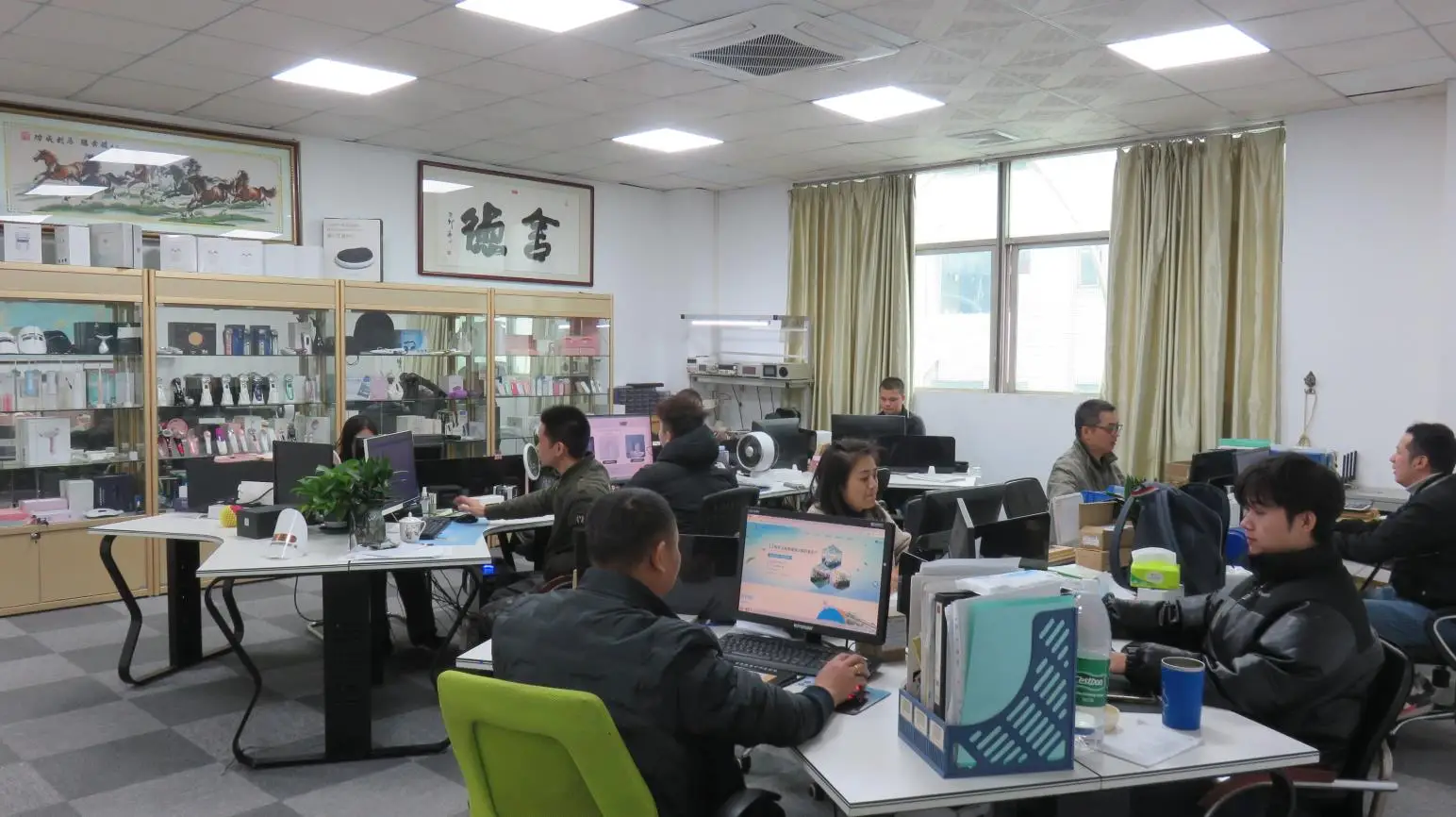
Shandong Chengchang Health Technology Co., Ltd.
- Trading Company
- Shandong, China
- Lead time15 days
- Avg. response≤ 3h
Main productsBeauty equipment,Massager,A protector,medical equipment,Health care equipment
Main marketsSoutheast Asia(20.00%), Domestic Market(15.00%), Mid East(10.00%), South America(5.00%), South Asia(5.00%), Southern Europe(5.00%), Northern Europe(5.00%), Central America(5.00%), Western Europe(5.00%), Eastern Asia(5.00%), Eastern Europe(5.00%), Oceania(5.00%), Africa(5.00%), North America(5.00%)

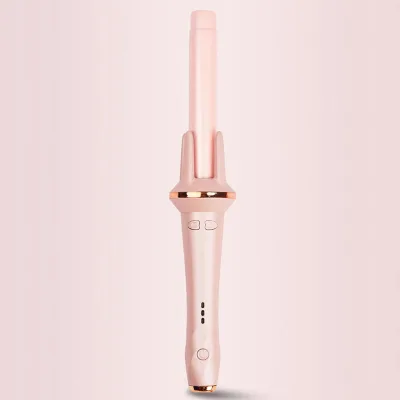
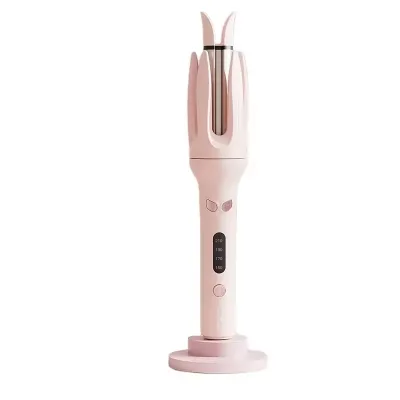
Portable Curling Iron Hair Styling Heater Bubble-shaped Curling Iron Gold-plated Curling Iron
$5.20 - $6.90
MOQ: 2 pieces
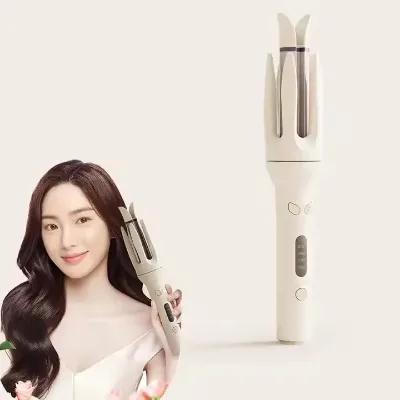
$4.90 - $6.90
MOQ: 2 pieces
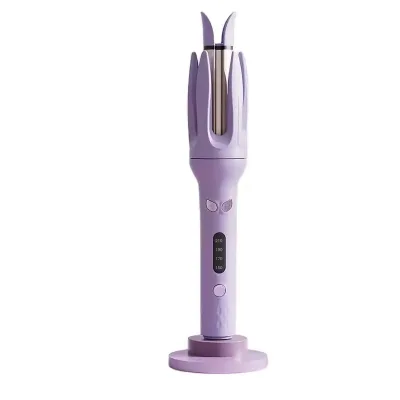


Qingtian Minghui Electronics Co., Ltd.
- Trading Company
- Zhejiang, China
- Lead time30 days
- Avg. response≤ 2h
Main productshome appliances,Electric appliances,hair straightener,Beard Straightener,Flat Iron
Main marketsNorth America(45.00%), Eastern Europe(25.00%), South America(15.00%), Eastern Asia(8.00%), Southeast Asia(7.00%)
Guangzhou KooFex Appliances Co., Ltd.
- Verified by Intertek
- Manufacturer, Trading Company
- Lead time40 days
Main productsHair Clipper/Trimmer, Hair Dryer, Hair Straightener, Hair Curler
Main marketsWestern Europe(25%), Mid East(20%), North America(15%)

Lazy Version Household Automatic Hair Curling Iron Portable Electric Hair Curler
$13.18 - $13.82
MOQ: 100
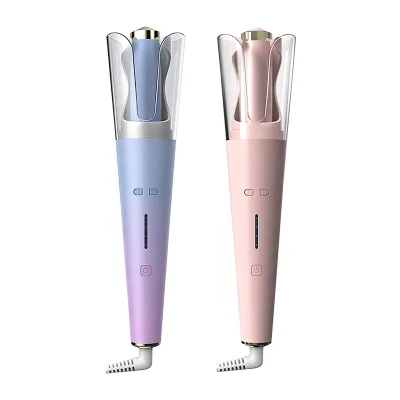
Best Price Auto Hair Curler Auto Design Rotating Hair Curling Iron Automatic Hair Curler
$19.00 - $20.00
MOQ: 500

Guangzhou Zhiwen Technology Co., ltd.
- Verified by SGS Group
- Trading Company
- Lead time25 days
Main productsNail Drill, Skin Scrubber, Facial Steamer, Facial Cleansing Brush, Eye Massager Wand
Main marketsNorth America(30%), Eastern Europe(30%), Western Europe(10%)
Shenzhen Huaxunneng Technology Co., Ltd.
- Manufacturer, Trading Company, Distributor/Wholesaler
- Lead time旺季: "1 - 10000":15,"> 10000":"To be negotiated", 淡季: "1 - 10000":15,"> 10000":"To be negotiated"
- Avg. response≤ 6h
Main productsMakeup Brush,cosmetics,Makeup tools,Makeup sponge,nail art &tools

Shanghai Prime Technology Co., Ltd.
- Verified by SGS
- Trading Company
- China Shanghai
- Lead time45 days
- Avg. response≤ 3h
Main productsCoffee Machine Bread Machine, Blender Food Processor Juicer, Air Fryer Hair Dryer Ect.
Main marketsSouth America,Eastern Europe,Mid East,North America,Southeast Asia,Eastern Asia,Oceania,Western Europe,Africa


Fast Heating Ceramic Ionic Hair Curler Straightener and Curler for Effortless Curls
$4.59 - $8.59
MOQ: 200 Pieces

Professional High Quality Factory Proposal Automatic Hair Curler for Salon
$3.18 - $4.19
MOQ: 200 Pieces

Wenzhou Hexi Electronic Technology Co., Ltd.
- Verified by SGS
- Combined
- China Zhejiang
- Lead time23 days
- Avg. response≤ 7h
Main productsNeck and Back Massager, Massage Gun, Massage Pillow, Foot Massager, Beauty& Personal Care, Water Flosser, Eye Massager, Electric Toothbrush, Hair Curler, Knee Massager
Main marketsAfrica,Southeast Asia/ Mideast,Europe

3 in 1 Multi-Functional Curling Iron Automatic Constant Temperature Hair Curler
$10.60 - $12.00
MOQ: 60 Pieces

$5.30 - $6.50
MOQ: 100 Pieces


- Verified by BV
- Trading Company
- China Zhejiang
- Lead time30 days
- Avg. response≤ 7h
Main productsElectric Kettle, Massager, Hair Dryer, Heater, Electric Grill, Humidifier, Hair Straightener, Mixer, Beauty Instrument, Electronics
Main marketsAfrica,Southeast Asia/ Mideast,Europe,North America

Guangzhou Xinyang Electric Appliance Co., Ltd.
- Verified by SGS
- Combined
- China Guangdong
- Lead time15 days
- Avg. response≤ 8h
Main productshair dryer
Main marketsDomestic

Ionic Hair Straightener and Curling Iron with Dual Voltage, Travel-Friendly Flat Iron
$4.10 - $4.70
MOQ: 200 Pieces

Rotatable Ceramic Curling Hair Straightener Large Curl Small Curl Salon Curler
$6.10 - $6.70
MOQ: 200 Pieces

- Verified by SGS
- Trading Company
- China Zhejiang
- Lead time15 days
- Avg. response≤ 12h
Main marketsOthers(foreignTradeCapacity.exportBusinessCapacityMarketOther),North America

Electric Curling Iron Hot Selling Multifunctional Hair Curler Blowing Hair Care Styling
$22.58 - $25.24
MOQ: 50 Pieces

Curling Iron Hot New Multifunctional Curling Iron Liquid Crystal Display Fashionable Hairstyle
$14.97 - $16.73
MOQ: 100 Pieces

Wenzhou Shifengxu Technology Co., Ltd.
- Verified by SGS
- Combined
- China Zhejiang
- Lead time15 days
- Avg. response≤ 4h
Main marketsDomestic


Portable Mini Hair Curler, Curling Iron, and Electric Comb with Negative Ions
$1.30 - $1.60
MOQ: 1 Pieces
Shenzhen Jaysunny Technology Co., Ltd.
- Manufacturer
- Guangdong, China
- Lead time25 days
- Avg. response≤ 1h
Main productsHair Dryer,Hair Straightener,Hair Curler,Hot Air Brush,Heated Styling Brush
Main marketsNorth America(41.00%), Northern Europe(23.00%), Southeast Asia(15.00%), Eastern Asia(6.00%), South America(5.00%), Eastern Europe(2.00%), Domestic Market(1.00%), South Asia(1.00%), Southern Europe(1.00%), Central America(1.00%), Oceania(1.00%), Africa(1.00%), Western Europe(1.00%), Mid East(1.00%)


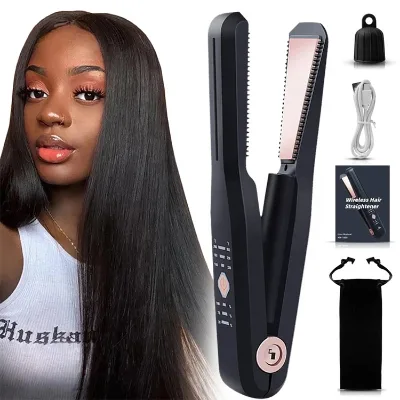
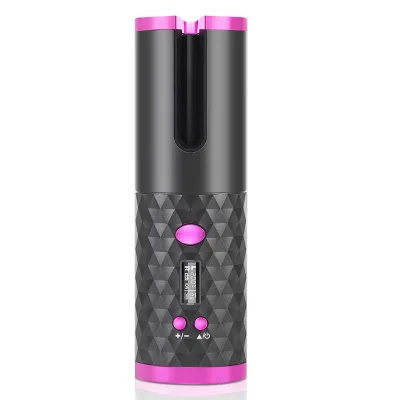


Comprehensive Sourcing Guide
Automatic Ceramic Hair Curler Iron Supplier Concentration and Factory Types
The sourcing landscape for Automatic Ceramic Hair Curler Iron products is heavily concentrated in specific manufacturing hubs, with China Guangdong emerging as a primary location for these beauty appliances. This regional concentration allows buyers to access a dense network of suppliers who specialize in the intricate assembly of heating elements, rotating mechanisms, and ceramic coating technologies. When evaluating potential partners, it is crucial to distinguish between different company types, as the operational model significantly impacts pricing, flexibility, and quality control. The current market features a mix of combined trading companies and dedicated manufacturers, each offering distinct advantages for different procurement strategies. Combined entities often provide a broader catalog of related items, such as hair straighteners and curling irons, which can simplify logistics for buyers seeking a comprehensive range of salon equipment. However, these trading companies may act as intermediaries, potentially adding layers to the communication process and affecting direct oversight of production quality.
In contrast, factories and group corporations that focus on manufacturing offer more direct control over the production process, particularly for those requiring Original Equipment Manufacturer (OEM) or Original Design Manufacturer (ODM) services. Many suppliers in this sector possess the capability to develop custom models, allowing brands to differentiate their Automatic Ceramic Hair Curler Iron offerings through unique features, packaging, or branding. The presence of established manufacturing facilities often correlates with higher investment in research and development, enabling the integration of advanced technologies like PTC heaters and tourmaline materials. Buyers should verify the specific capabilities of each supplier, as some may only offer limited customization options while others provide full-scale product development support. Understanding the supplier's type helps in predicting their responsiveness to design changes and their ability to scale production volumes efficiently. This distinction is vital for ensuring that the chosen partner aligns with the brand's long-term strategic goals and quality expectations.
How to Verify Automatic Ceramic Hair Curler Iron Suppliers
Verifying the legitimacy and capability of suppliers requires a multi-layered approach that goes beyond surface-level profile reviews. One critical step is to check for third-party verification badges, such as those issued by TÜV Rheinland, which indicate that the supplier has undergone rigorous audits of their business operations and manufacturing facilities. These verifications provide a layer of confidence regarding the supplier's legal standing and operational stability. Additionally, examining the supplier's system certifications is essential, particularly ISO 9000, which demonstrates a commitment to standardized quality management processes. For Automatic Ceramic Hair Curler Iron products, compliance with international safety and environmental standards is non-negotiable. Buyers should look for specific product approvals such as CE, RoHS, PSE, and ETL, which ensure that the electrical components and materials meet regional regulatory requirements. These certifications are often listed in the product attributes and serve as a baseline for assessing the supplier's adherence to global safety norms.
Beyond certifications, assessing the supplier's responsiveness and track record provides insight into their operational efficiency and customer service quality. Response time metrics, such as those measured in hours or days, can indicate how quickly a supplier engages with potential buyers, which is crucial for resolving technical queries or negotiating terms. A faster response time often correlates with a more agile and customer-centric organization. Furthermore, buyers should request and review sample delivery times, which typically range from four to six days for standard models. This metric helps in planning product launches and managing inventory expectations. It is also advisable to verify the supplier's production capacity and whether they offer private labeling services, as this can impact branding strategies. By cross-referencing these verification points, buyers can build a comprehensive profile of each supplier, ensuring that they partner with entities that are not only compliant but also reliable and responsive to business needs.
What to Compare Across Automatic Ceramic Hair Curler Iron Suppliers
When evaluating multiple suppliers, it is essential to compare key operational metrics that directly impact cost, speed, and flexibility. Lead time is a critical factor, with some suppliers offering production times as short as fifteen days, while others may require up to thirty days. This variance can significantly affect inventory management and time-to-market strategies, especially for seasonal product launches. Buyers should also compare the Minimum Order Quantity (MOQ) requirements, which can range from three hundred to one thousand units depending on the supplier and product complexity. Lower MOQs may be preferable for testing new markets or launching limited editions, while higher volumes might secure better unit pricing. Additionally, response speed should be weighed against the complexity of the inquiry, as quicker responses can facilitate smoother negotiations and faster decision-making processes. These operational metrics provide a clear picture of each supplier's ability to meet specific business requirements.
Price and customization options are equally important dimensions for comparison. Unit prices for Automatic Ceramic Hair Curler Iron products can vary based on materials, features, and order volume, with ranges observed from approximately nine to fifteen dollars per unit. Buyers should analyze these prices in the context of the included features, such as ceramic coating, PTC heaters, and digital displays. Customization availability is another key differentiator, with many suppliers offering options for private labeling, custom colors, and tailored packaging. The ability to customize the product can enhance brand identity and market appeal. Furthermore, comparing the range of main products offered by each supplier can reveal their breadth of expertise. Suppliers offering a wide array of hair styling tools may provide better cross-selling opportunities and streamlined logistics. By systematically comparing these factors, buyers can identify the most suitable partners that balance cost, quality, and service efficiency.
Common Automatic Ceramic Hair Curler Iron Sourcing Risks
Sourcing Automatic Ceramic Hair Curler Iron products involves several inherent risks that buyers must proactively manage to ensure a successful procurement process. One significant risk is the variability in product quality, particularly concerning the durability of the ceramic coating and the reliability of the heating elements. Inconsistent quality can lead to high return rates and damage to brand reputation. Buyers should mitigate this risk by requesting detailed product specifications and conducting thorough sample evaluations before committing to large orders. Another risk is the potential for delays in production and shipping, which can disrupt supply chains and miss critical market windows. Suppliers with longer lead times or those lacking robust production planning may struggle to meet tight deadlines. Establishing clear communication channels and setting realistic expectations regarding production schedules can help manage these delays.
Intellectual property and compliance risks are also prevalent in the beauty appliance sector. Suppliers may use unapproved materials or fail to adhere to safety standards, leading to regulatory issues in target markets. Buyers must ensure that all products come with valid certifications and that the materials used, such as tourmaline or PTC heaters, meet specified requirements. Additionally, there is a risk of miscommunication regarding customization details, which can result in products that do not match the brand's vision. To address this, buyers should provide comprehensive design briefs and confirm all specifications in writing. Another risk is the financial exposure associated with large upfront payments. Utilizing secure payment methods and escrow services can protect buyers from fraud and non-delivery. By identifying and addressing these risks early in the sourcing process, buyers can build a more resilient and reliable supply chain.
Automatic Ceramic Hair Curler Iron Regional Sourcing and Logistics
Regional sourcing plays a pivotal role in determining the overall cost and efficiency of procuring Automatic Ceramic Hair Curler Iron products. Suppliers located in China Guangdong benefit from established infrastructure and a concentrated supply chain for electronic components and plastic materials, which can reduce production costs and lead times. This regional advantage allows for faster prototyping and production cycles, making it an attractive option for buyers seeking quick turnaround times. However, buyers must also consider the logistical implications of shipping from this region, including transit times and customs clearance procedures. Understanding the local logistics landscape can help in planning inventory levels and avoiding stockouts. Additionally, regional suppliers may have better access to raw materials, ensuring consistent quality and availability of components like ceramic plates and heating elements.
Logistics planning should also account for packaging and handling requirements to minimize damage during transit. Many suppliers offer standardized packaging solutions, such as regular boxes or carton packs, which are designed to protect the products during shipping. Buyers should verify the packaging specifications to ensure they meet the durability requirements for international shipping. Furthermore, considering the environmental impact of packaging materials can align with sustainability goals. Buyers may also explore options for consolidating shipments from multiple suppliers to reduce freight costs. Understanding the regional strengths and logistical capabilities of suppliers can help in optimizing the supply chain. By leveraging regional advantages and planning logistics carefully, buyers can enhance efficiency and reduce overall procurement costs.
Automatic Ceramic Hair Curler Iron Commercial Terms and Order Planning
Effective commercial terms and order planning are essential for managing the financial and operational aspects of sourcing Automatic Ceramic Hair Curler Iron products. Buyers should negotiate clear payment terms that align with their cash flow needs, such as partial payments upfront and the balance upon shipment. Understanding the pricing structure, including any discounts for volume purchases, can help in budgeting and forecasting. Additionally, buyers should clarify the warranty terms and after-sales support policies to ensure that any product defects are addressed promptly. A one-year warranty is common, but buyers should verify the specifics of coverage and the process for claiming warranties. Clear commercial terms reduce ambiguity and protect both parties from potential disputes.
Order planning involves coordinating production schedules with market demand to avoid overstocking or stockouts. Buyers should work closely with suppliers to establish realistic production timelines, considering factors like sample approval and mass production start dates. Regular communication and progress updates can help in tracking order status and addressing any issues early. Furthermore, buyers should plan for potential variations in lead times by maintaining a buffer in inventory levels. Understanding the supplier's capacity and flexibility can aid in scaling orders up or down as needed. By integrating commercial terms with strategic order planning, buyers can optimize their supply chain performance and ensure a steady flow of products to the market. This holistic approach supports long-term business success and customer satisfaction.
FAQs
What is the price range for automatic ceramic hair curlers?
Automatic ceramic hair curlers typically range from $9.00 to $15.80 per unit. Prices vary based on specific features such as plate material, display type, and customization options. Buyers should check the minimum order quantity to determine the final cost per unit for their specific order volume.
What is the minimum order quantity for these products?
The minimum order quantity varies by supplier and product model. Some suppliers require a minimum of 300 units, while others may require 500 or 1000 units. Buyers should verify the specific MOQ for the desired model to ensure it aligns with their purchasing capacity and budget.
How long does production take for these curlers?
Production lead times generally range from 15 to 30 days depending on the supplier and order size. Sample delivery times are typically shorter, ranging from 4 to 6 days. Buyers should confirm the exact production schedule with the supplier before placing a bulk order to manage inventory effectively.
Are these curlers suitable for professional salon use?
Yes, many automatic ceramic hair curlers are designed for salon and commercial use. They often feature professional-grade materials like tourmaline or ceramic coatings and offer adjustable temperature settings. Buyers should verify the specific application rating and certifications to ensure the product meets professional salon standards and safety requirements.
What certifications are available for these hair curlers?
Common certifications include CE, RoHS, PSE, and ETL. Some suppliers also offer SASO, BS, CB, and KC certifications. Buyers should request specific certification documents to ensure compliance with local regulations and safety standards in their target market before finalizing any purchase agreements.
Can I customize the design or branding of these curlers?
Customization is available for many automatic ceramic hair curlers. Suppliers often offer private labeling, custom colors, and tailored packaging options. Buyers should discuss specific customization requirements with the supplier to ensure the design aligns with their brand identity and meets production capabilities.