Automatic Cherry Pitter Suppliers and Manufacturers
Explore 17 verified options for Automatic Cherry Pitter machines from China. Compare response times, lead times, certifications, and prices to find the right supplier. Contact suppliers directly to request quotes and verify specifications; review the available evidence before requesting comparable quotations from suitable candidates.
Suppliers List

Tianjin Sure International Trading Co., Ltd.
- Verified by SGS
- Combined
- China Tianjin
- Lead time30 days
- Avg. response≤ 6h
Main productsFood Processing Machinery, Refrigeration & Heat Exchange Equipment, Agricultural & Food Processing Machinery, Meat Processing Machinery, Vegetables & Fruits Processing Line, Bakery Machinery, Quick-Freezing Equipments
Main marketsSouth America,Europe,North America

Zhengzhou Angtuo Machinery Equipment Co., Ltd.
- Verified by SGS
- Manufacturer/Factory
- China Henan
- Lead time15 days
- Avg. response≤ 3h
Main productsFood Machinery, Agricultural Machinery, Animal Feed Pellet Machinery, Fruit Vegetable Processing Machinery, Wood Processing Machinery
Main marketsSouth America,Eastern Europe,Mid East,North America,Southeast Asia,Eastern Asia,Oceania,Africa

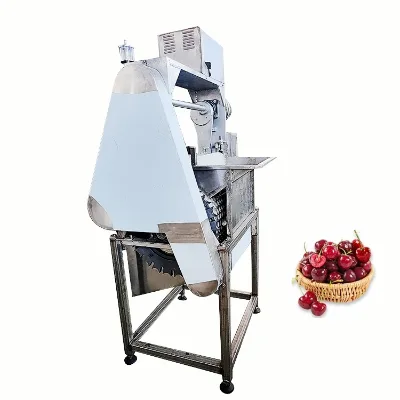
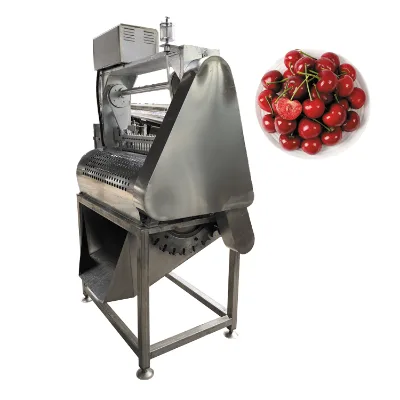
Automatic Cherry Pitter Fast Remove Corer Machinery Cherry Fruit Pitting Machine
$4660.00 - $8880.00
MOQ: 1 Pieces


Automatic Cherries Stone Pitter Apricot Apple Peach Longyan Cherry Pitting Machine
$4660.00 - $8880.00
MOQ: 1 Pieces


Auto Industrial Cherry Pitter Seed Removal Machine Professional Electric Cherries Stone Pitter
$4660.00 - $8880.00
MOQ: 1 Pieces

Henan Baixin Machinery Equipment Co., Ltd.
- Verified by SGS
- Combined
- China Henan
- Lead time15 days
- Avg. response≤ 3h
Main productsMesh Belt Continuous Dryer, Heat Pump Dryer, Microwave Dryer, French Fries Production Line
Main marketsSouth America,Africa,Southeast Asia/ Mideast,Europe

Desktop Automatic Cherry Pitter Cherry Pitting Machine Fast Remove Cherry Corer
$6000.00
MOQ: 2 Pieces


Commercial Electric Cherry Pitter Cherry Pitting Machine Cherry Pit Remove Machine
$6000.00
MOQ: 2 Pieces


Zhengzhou Awisy Machinery Equipment Co., Ltd.
- Trading Company
- Henan, China
- Lead time20 days
- Avg. response≤ 3h
Main productsRice machine,fruit vegetable processing machines,Packing machine,Food cart,snack making machine
Main marketsAfrica(35.0%), Western Europe(20.0%), North America(20.0%), South America(20.0%), Mid East(5.0%)

HE NAN PENG HUI MACHINERY AND EQUIPMENT CO., LTD.
- Verified by CTI
- Manufacturer/Factory
- China Henan
- Lead time15 days
- Avg. response≤ 3h
Main productsMeat Processing Machine, Fruit Processing Machine, Vegetable Processing Machine, Seafood Processing Machine, Grain Product Processing Machine, Snack Machine, Nuts Processing Machine, Quilting Machine, Textile Machine, Paper Product Processing Machine
Main marketsSouth America,Eastern Europe,Mid East,North America,Southeast Asia,Eastern Asia,Oceania,Western Europe,Africa

Automatic Cherry Pit Removing Machine Cherry Destoner Machine Electric Cherry Pitter Machine
$28000.00 - $32000.00
MOQ: 1 Pieces

Stainless Steel Cherry Destoner Pitter Machine Cherry Pitting Core Remove Machine
$7000.00 - $10000.00
MOQ: 1 Pieces

Commercial Cherry Pitter Pitting Cherry Core Removal Machine Plum Seed Remove Machine
$7000.00 - $10000.00
MOQ: 1 Pieces

Plum Core Pit Remover Machine Cherry Pitter Stone Remover Apricot Pitting Machine
$5000.00 - $6000.00
MOQ: 1 Pieces

High Quality Cherry Deseeder Pitter Machine Cherrry Pit Removal Seed Removing Machine
$7000.00 - $10000.00
MOQ: 1 Pieces

Large Capacity Positioning Cherry Pitting Machine Plum Destoner Pitter Seed Removal Machine
$28000.00 - $32000.00
MOQ: 1 Pieces

Zhengzhou Lerford Machinery Equipment Co., Ltd.
- Verified by SGS
- Trading Company
- China Henan
- Lead time15 days
- Avg. response≤ 4h
Main productsPellet Machine, Packing Machine, Vegetable Processing Machine, Fruit Washing Machine, Dryer Machine, Briquette Machine, Toothpick Machine, Snack Machine, Oil Press, Potato Chips Machine
Main marketsSouth America,Africa,Others(foreignTradeCapacity.exportBusinessCapacityMarketOther),Europe,North America
Zhaoqing Hexu Machinery Co., Ltd.
- Manufacturer, Trading Company
- Guangdong, China
- Lead time0 days
- Avg. response≤ 2h
Main productsvegetable processing machine,fruit processing machine,cheese cutting machine,meat processing machine,fish processing machine
Main marketsMid East(10.0%), Domestic Market(10.0%), Southern Europe(10.0%), Southeast Asia(10.0%), Central America(10.0%), South America(10.0%), North America(10.0%), Oceania(5.0%), South Asia(5.0%), Africa(5.0%), Northern Europe(5.0%), Eastern Europe(5.0%), Western Europe(5.0%)
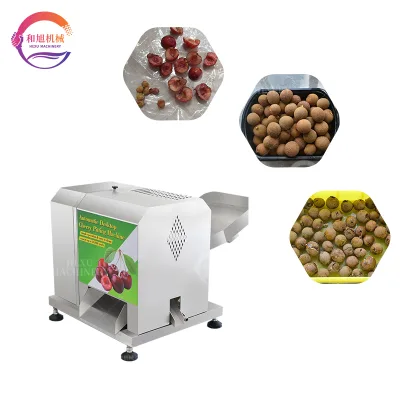
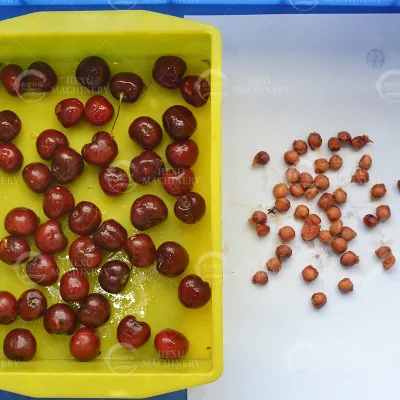
QH-C Automatic Cherry Pitter Stoner Machine Low Fruit Damage Pit Removing Equipment
$1988.00 - $2188.00
MOQ: 1
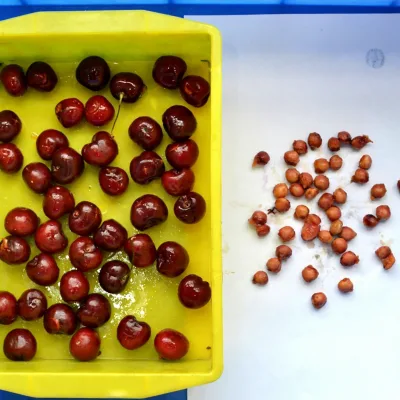
Automatic Cherry Stoner Output 50-70kg/h Small Model Cherries Pitting Machine
$2037.20 - $2242.15
MOQ: 1 sets
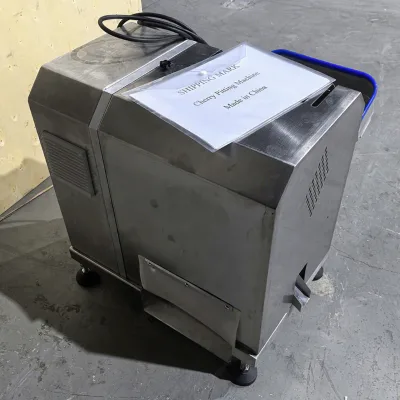
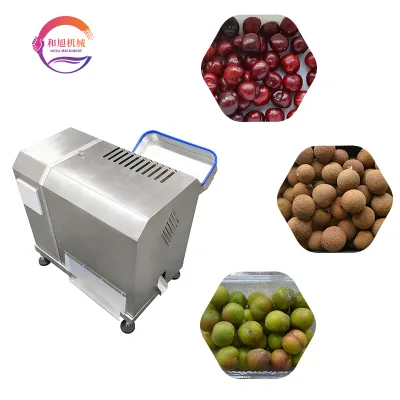
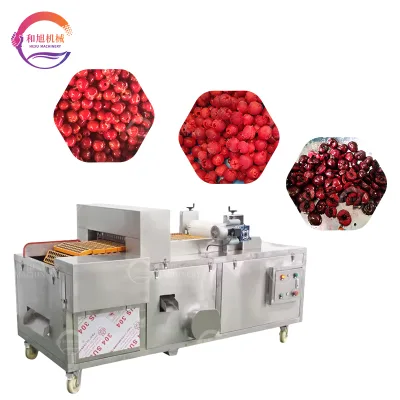
Cherry Coring Machine Automatic Cherry Pit Removing Machine Sour Cherry Pitting Machine
Contact supplier
MOQ: 1 Minimum

Henan Domax Machinery Co., Ltd.
- Verified by SGS
- Trading Company,Manufacturer/Factory
- China Henan
- Lead time15 days
- Avg. response≤ 5h
Main productsMeat Processing Machine, Snacks Machine, Vegetables Processing Machine, Fruits Processing Machine, Nut Processing Machine, Hygiene Station, Recycling Machine, Farm Machine
Main marketsSouth America,Eastern Europe,Mid East,North America,Southeast Asia,Eastern Asia,Oceania,Western Europe,Africa

Electric Cherry Pit Remove Machine Cherry Destoner Machine Cherries Stone Pitter
$6830.00 - $7030.00
MOQ: 1 Set

Automatic Fruit Pitter Pitting Machine Cherry Seed Remover Cherry Destoner Machine
$6880.00 - $7080.00
MOQ: 1 Set


High Quality Cherry Pit Removal Machine Cherry Processing Machine Cherry Pitter Machine
$7060.00 - $7260.00
MOQ: 1 Set

High Feedback Cherry Pitting Machine Fruit Pitter Pitting Machine Cherry Core Removing
$6950.00 - $7150.00
MOQ: 1 Set

Zhengzhou Jawo Machinery Co., Ltd.
- Verified by TUVRHEINLAND
- Manufacturer/Factory
- China Henan
- Lead time15 days
- Avg. response≤ 5h
Main productsSausage Making Machine, Dumpling Machine, Frozen Meat Cutter, French Fries Production Line, Garlic Separator, Egg Grading Machine, Sand Blasting Machine, Metal Detector, Embroidery Machine, Spray Dryer
Main marketsSouth America,Eastern Europe,Mid East,North America,Southeast Asia,Eastern Asia,Oceania,Western Europe,Africa

NINGHAI XINMING CLEANING EQUIPMENT CO., LTD.
- Verified by SGS
- Combined
- China Zhejiang
- Lead time30 days
- Avg. response≤ 9h
Main productsMassage Tool
Main marketsSouth America,Europe,Australia,North America
Henan Penghui Machinery And Equipment Co., Ltd.
- Manufacturer, Trading Company
- Lead time旺季: "1 - 5":25,"> 5":"To be negotiated", 淡季: "1 - 5":25,"> 5":"To be negotiated"
- Avg. response≤ 2h
Main productsFood machinery,Agricluture machinery,Wood machinery,Recycling machinery,Plastic machinery
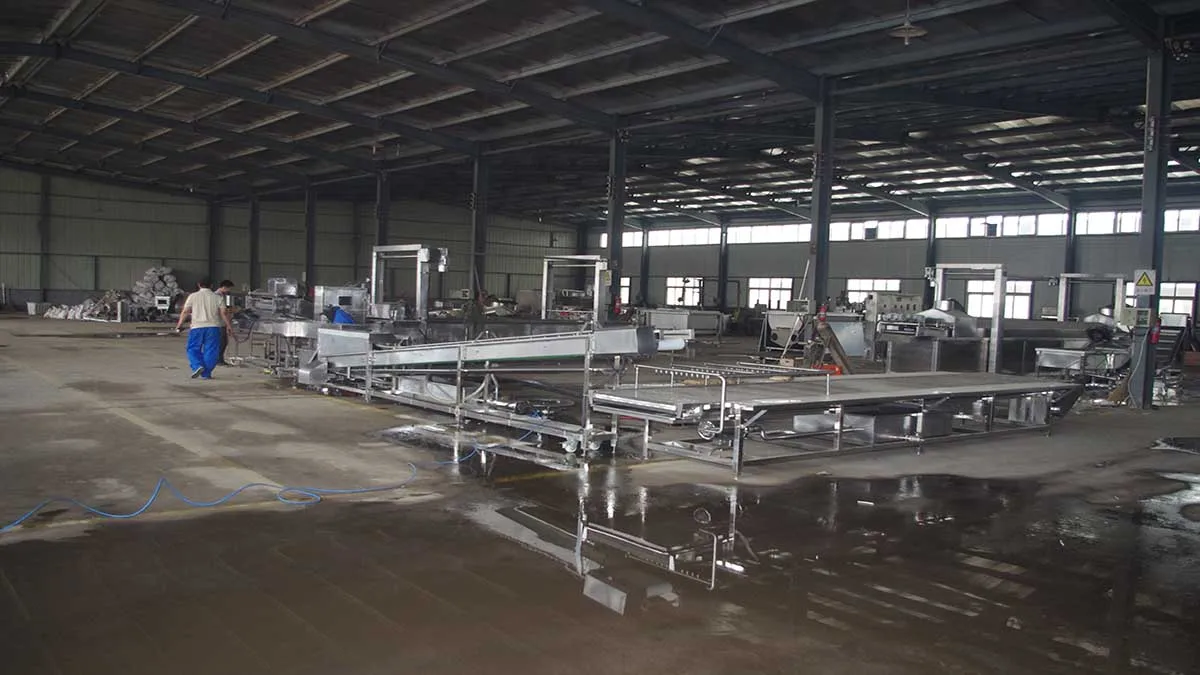
Henan Deshine Machinery Co., Ltd.
- Trading Company
- Henan, China
- Lead time7 days
- Avg. response≤ 3h
Main productsMeat Processing Equipment,Vegetable and fruit Processing Equipment,Food processing machine,Slaughtering Equipment,Chocolate Processing Equipment
Main marketsAfrica(19.0%), North America(15.0%), Southeast Asia(12.0%), Oceania(10.0%), Eastern Asia(7.000000000000001%), Mid East(6.0%), Northern Europe(6.0%), Eastern Europe(5.0%), South Asia(3.0%), South America(3.0%), Central America(3.0%), Western Europe(3.0%), Domestic Market(2.0%)
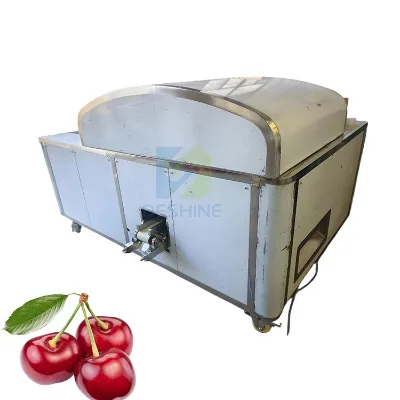
Factory Price Automatic Cherry Pit Removing Industrial Machine China Cherry Pitting Coring Machine
$6500.00 - $6900.00
MOQ: 1 sets
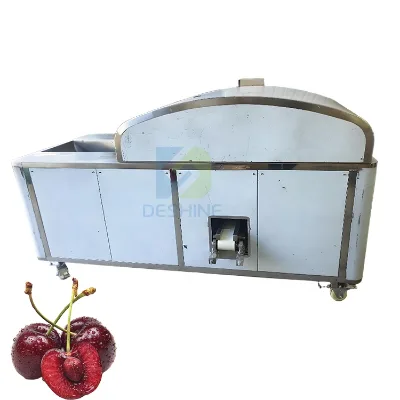
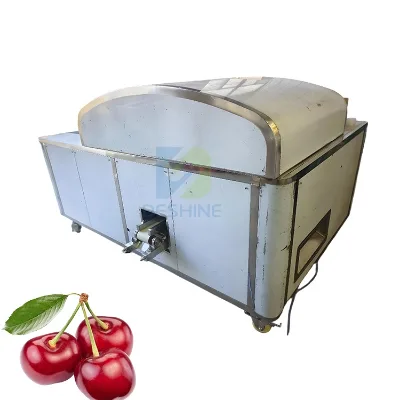
Automatic Cherry Pitting Machine Cerise Kernel Removing Machine
$6500.00 - $6900.00

Henan Jiahuang Mechanical And Electrical Equipment Co., Ltd.
- Trading Company
- Henan, China
- Lead time0 days
- Avg. response≤ 1h
Main productsFood machinery,Packaging machinery,Fruit processing machine,Meat processing machine,Commercial Equipment & Machinery
Main marketsSouth America(40.0%), North America(25.0%), Western Europe(20.0%), Africa(15.0%)

Zhengzhou Runxiang Machinery Equipment Co., Ltd.
- Verified by TUVRHEINLAND
- Trading Company,Manufacturer/Factory
- China Henan
- Lead time15 days
- Avg. response≤ 4h
Main productsFeed Pellet Machine, Snack Food Machine, Briquette Processing Machine, Grinder Crusher Machine, Vegetable Processing Machine, Dryer Machine, Construction Machine
Main marketsSouth America,Eastern Europe,Mid East,North America,Southeast Asia,Eastern Asia,Oceania,Western Europe,Africa

Commercial Fruit Cherry Pitter Olive Pit Remover Seed Removing Plum Pitting Machine
$2250.00 - $2450.00
MOQ: 1 Sets

High Efficiency Electric Dates Pitting Machine Fruit Pitting Machine Supplier
$2970.00 - $3580.00
MOQ: 1 Sets

Zhaoqing Hexu Machinery Co., Ltd.
- Verified by SGS
- Trading Company,Manufacturer/Factory
- China Guangdong
- Lead time15 days
- Avg. response≤ 3h
Main productsCheese Cutting Machine, Vegetable and Fruit Washing Machine, Vegetable and Fruit Cutting Machine, Vegetable and Fruit Peeling Machine, Vegetable Dehydrating Machine, Juice Extractor Machine, Meat Cutting Machine, Fish Peeling Machine, Vegetable Processing Line, Potato Chips French Fries Processing Line
Main marketsSouth America,Eastern Europe,Mid East,North America,Southeast Asia,Eastern Asia,Oceania,Western Europe,Africa
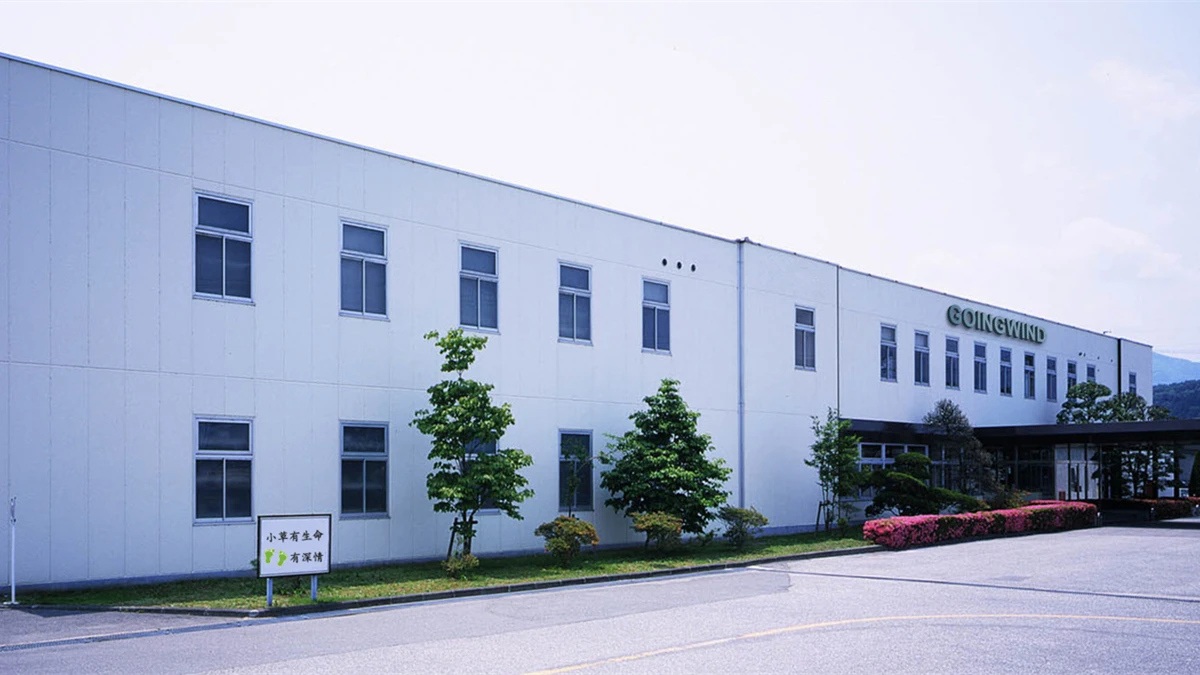
Shanghai Goingwind Machinery Co., Ltd.
- Trading Company
- Shanghai, China
- Lead time30 days
- Avg. response≤ 2h
Main productsDairy & Beverage Equipment,Fruit & Vegetable Processing Equipment,Concentrating & Drying Equipment,Essential Oils Distiller,Filling & Packaging Equipment
Main marketsEastern Europe(15.0%), Southeast Asia(15.0%), North America(15.0%), Mid East(12.0%), Africa(10.0%), Central America(5.0%), Northern Europe(5.0%), Eastern Asia(5.0%), Domestic Market(5.0%), Oceania(5.0%), Western Europe(3.0%), South Asia(2.0%), South America(2.0%), Southern Europe(1.0%)

Jiangsu Huize Intelligent Technology Co., Ltd.
- Verified by SGS
- Manufacturer
- China Jiangsu
- Lead time15 days
- Avg. response≤ 2h
Main productsElectric Forklift, Lift Table, Reach Truck, Roll Lifter, Warehouse Forklift, Lifting Equipment, Tractor Truck, Electric Crane, Pallet Truck, Pallet Stacker

500kg 8m Battery Powered Driving Cherry Picker for Machinery Maintenance
$3000.00 - $4500.00
MOQ: 1 Pieces




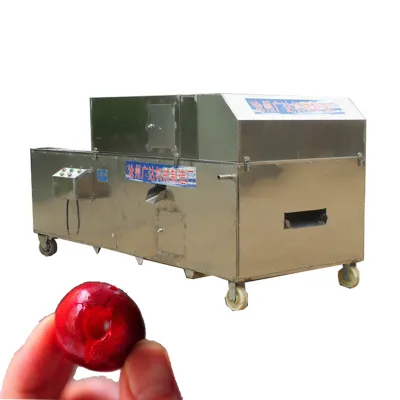


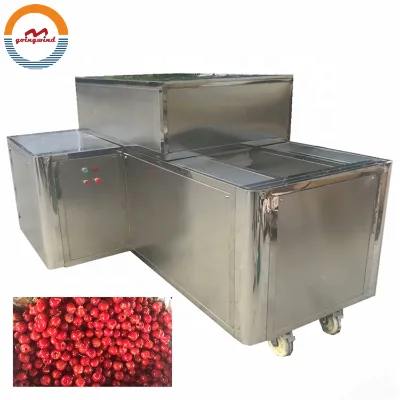
Comprehensive Sourcing Guide
Automatic Cherry Pitter Supplier Concentration and Factory Types
Current data indicates that suppliers for automatic cherry pitters are concentrated in specific Chinese provinces, with Tianjin and Henan emerging as primary manufacturing hubs. Facilities in Tianjin often operate as combined entities, offering a mix of production and trading capabilities, while Henan-based suppliers frequently present as dedicated manufacturers or factories. This geographic clustering suggests that buyers can expect a higher density of specialized machinery producers in these regions, particularly those focusing on food processing and agricultural equipment. The presence of multiple product lines, such as refrigeration, heat exchange, and various fruit processing lines, within these locations implies a mature industrial ecosystem capable of supporting complex machinery like cherry pitters.
When evaluating the type of company, buyers should distinguish between combined entities, manufacturers, and trading companies, as each offers different value propositions. Manufacturers in Henan often hold extensive certifications like ISO 9001 and BSCI, suggesting a focus on quality management systems and operational safety. In contrast, combined suppliers in Tianjin may offer broader product ranges but might have different verification statuses, such as SGS verification, which serves as a third-party validation of their business credentials. Understanding these structural differences helps buyers align their procurement strategy with their specific needs for customization, direct factory communication, or broader supply chain flexibility.
How to Verify Automatic Cherry Pitter Suppliers
Verification of suppliers requires a careful examination of their certification status and third-party validation records. Some suppliers in the current results display comprehensive system certifications including ISO 9001, ISO 14001, and GMP, which are critical for food processing equipment intended for commercial use. Others may show a lack of listed system certifications, marked as NIL, which necessitates a deeper inquiry into their internal quality control processes. Buyers should prioritize suppliers who provide evidence of SGS verification or similar third-party audits, as these provide an objective layer of trust regarding the company's legitimacy and operational standards.
Beyond certifications, buyers must scrutinize the specific product attributes and manufacturing capabilities listed in supplier profiles. Evidence of ODM and OEM capacities indicates that a supplier can adapt machinery to specific production requirements, while the presence of an own brand suggests a commitment to long-term product development. It is essential to verify that the claimed materials, such as 304 stainless steel, are explicitly stated in product attributes rather than assumed. Additionally, checking for provided machinery test reports and after-sales service details, such as video technical support, offers concrete proof of the supplier's ability to support the equipment throughout its lifecycle, ensuring that the machinery meets the required performance standards before purchase.
What to Compare Across Automatic Cherry Pitter Suppliers
Comparing suppliers requires a systematic analysis of key operational metrics including lead times, minimum order quantities, and response speeds. Current data shows significant variation in lead times, ranging from 15 days to 30 days, which directly impacts production scheduling and inventory planning. Minimum order quantities also differ, with some suppliers offering a single unit as the MOQ while others require a minimum of two units. Response times vary from approximately 2.26 hours to 5.25 hours, indicating differences in customer service efficiency and availability. Buyers should create a comparison matrix to weigh these factors against their specific project timelines and budget constraints to identify the most suitable partner.
Price and customization options are equally critical dimensions for comparison. The price range for automatic cherry pitters observed in the data spans from approximately 4,660 to 8,088, reflecting differences in machine specifications, automation levels, and included features. Some suppliers offer fully automatic versions with advanced functions like seed removal and high production efficiency, while others may provide semi-automatic or desktop models. Customization availability is another key differentiator, with some suppliers explicitly stating that customization is available for voltage, power, and dimensions. Buyers must evaluate whether the price difference justifies the added features or if a standard model meets their operational needs, ensuring that the selected supplier offers the best balance of cost and functionality.
Common Automatic Cherry Pitter Sourcing Risks
One significant risk in sourcing automatic cherry pitters involves the potential mismatch between advertised specifications and actual product performance. While some suppliers list detailed attributes like power consumption of 1.5KW or voltage of 380V, others may provide incomplete or generic information. Buyers must verify that the machine material, such as SUS 304 stainless steel, is consistent with food safety standards and that the production capacity, claimed as 1500 to 3000 pieces per minute, is achievable under real-world operating conditions. Relying solely on marketing keywords without requesting detailed technical documentation or test reports can lead to the acquisition of machinery that fails to meet production demands.
Another critical risk is the variability in after-sales support and warranty terms across different suppliers. While some providers explicitly offer video technical support and machinery test reports, others may not provide clear information regarding maintenance or repair services. The absence of a clear warranty policy or the lack of a dedicated support team can result in prolonged downtime if the machine encounters technical issues. Additionally, the packaging standards, such as seaworthy wooden box packaging, are vital for ensuring the equipment arrives without damage during transit. Buyers should confirm these logistical details to mitigate the risk of receiving damaged goods or facing challenges in setting up the machinery upon arrival.
Automatic Cherry Pitter Regional Sourcing and Logistics
Regional sourcing decisions are heavily influenced by the location of the manufacturing facilities, with Tianjin and Henan being the primary hubs identified in the current data. Suppliers in these regions typically utilize standard wooden case packaging or seaworthy wooden box packaging to protect the machinery during international shipping. The dimensions of the machines, ranging from compact desktop units to large industrial lines measuring up to 4000mm in length, significantly impact shipping costs and container utilization. Buyers must calculate the volumetric weight and ensure that the chosen logistics provider can handle the specific dimensions and weight, which can be as high as 800 KG for certain models.
Logistics planning also involves understanding the lead times associated with different regions and the potential for delays. While some suppliers in Henan offer a lead time of 15 days, others in Tianjin may require up to 30 days for production and preparation. This variation necessitates careful coordination with freight forwarders to align the delivery schedule with the buyer's operational requirements. Furthermore, the origin of the products, consistently listed as China, means that buyers must be aware of any import regulations or tariffs that may apply to machinery from these specific regions. Proactive communication with suppliers regarding shipping terms and packaging standards is essential to ensure a smooth and timely delivery process.
Automatic Cherry Pitter Commercial Terms and Order Planning
Commercial terms for automatic cherry pitters often include specific requirements regarding payment, customization, and order volume. The minimum order quantity can vary, with some suppliers accepting a single unit while others require a minimum of two, influencing the initial investment and risk for the buyer. Customization options, such as adjusting voltage or power specifications, are frequently available but may impact the production timeline and final cost. Buyers should clarify these terms early in the negotiation process to avoid unexpected delays or additional expenses that could disrupt their production planning.
Order planning must also account for the manufacturing time and the specific model requirements of the buyer. Some suppliers indicate a manufacture time of 28 days, while others may have shorter or longer lead times depending on the complexity of the order. The availability of specific models, such as the Angtuo or BX-QH series, should be confirmed to ensure that the machinery meets the buyer's technical specifications. Additionally, buyers should verify the availability of spare parts and the duration of any warranty periods provided by the supplier. A well-structured order plan that considers these commercial terms and production timelines will help ensure a successful procurement experience and the timely deployment of the Automatic Cherry Pitter.
FAQs
What is the price range for automatic cherry pitters?
Prices for automatic cherry pitting machines typically range from approximately $4,660 to $8,880 per unit. Specific models may be listed at fixed prices such as $8,088 or $6,000 depending on specifications. Buyers should verify exact costs with suppliers as pricing varies by configuration and order volume.
What is the minimum order quantity for these machines?
The minimum order quantity varies by supplier, with some accepting orders as low as one unit. Other suppliers may require a minimum of two units. Buyers should confirm the specific MOQ with the chosen manufacturer before placing an order to ensure it meets their procurement requirements.
How long does it take to manufacture and ship?
Manufacturing lead times generally range from 15 to 30 days, with some suppliers citing a production time of 28 days. Response times for inquiries are typically under six hours. Buyers should confirm specific delivery schedules with suppliers to align with their production planning and inventory needs.
What materials are used in cherry pitting machines?
Most automatic cherry pitters are constructed from 304 stainless steel or SUS 304 stainless steel for hygiene and durability. Some models may use steel components. The material choice ensures food safety compliance and resistance to corrosion during fruit processing operations in commercial environments.
Are these machines customizable for specific needs?
Yes, customization is available for many automatic cherry pitting machines. Suppliers offer options for customized designs and specifications to suit different production requirements. Buyers can request tailored solutions to match their specific fruit processing workflows and facility constraints.
What certifications do these suppliers hold?
Certifications vary by supplier, with some holding ISO 9001, ISO 14001, BSCI, and SGS verification. Other suppliers may have specific certificates like ISO9001:2015. Buyers should verify current certification status directly with suppliers to ensure compliance with their quality and safety standards.