Automatic Maamoul Making Machine Suppliers and Manufacturers
Compare 18 suppliers of the Automatic Maamoul Making Machine across grounded dimensions such as location, production capacity, lead time, response speed, certifications, and OEM or ODM support. Review verified credentials and product specifications carefully, then request quotations to shortlist the right manufacturing partner.
Suppliers List

Shanghai Kuihong Food Machinery Factory
- Combined
- China Shanghai
- Lead time38 days
- Avg. response≤ 10h
Main productsBiscuit Machine, Cake Machine, Cookie Machine, Baked Potato Chips Machine, Chocolate Machine, Hard Candy Machine, Jelly Candy Machine, Marshmallow Machine, Swiss Roll Machine, Lollipop Machine
Main marketsAfrica,Southeast Asia/ Mideast,North America

Shanghai Papa Industrial Co., Ltd.
- Verified by BV
- Combined
- China Shanghai
- Lead time30 days
- Avg. response≤ 6h
Main productsProtein Bar Extruder Machine, Protein Ball Rolling Machine, Automatic Encrusting Machine, Energy Bar Production Line, Mooncake Making Machine, Chocolate Enrober Machine, Cereal Bar Forming Machine, Energy Date Bar Making Machine, Energy Ball Extruder Machine, Flow Wrapping Machine
Main marketsSoutheast Asia/ Mideast,Domestic,Europe,North America
Suzhou Beikn Machinery Co., Ltd.
- Verified by SGS Group
- Manufacturer, Trading Company
- Lead time15 days
- Avg. response≤ 4h
Main productsEncrusting Machine, Protein Bar Production Line, Energy Ball Making Machine, Cookies machine, Extruder Machine
Main marketsNorth America(20%), Southeast Asia(9%), Eastern Asia(9%)
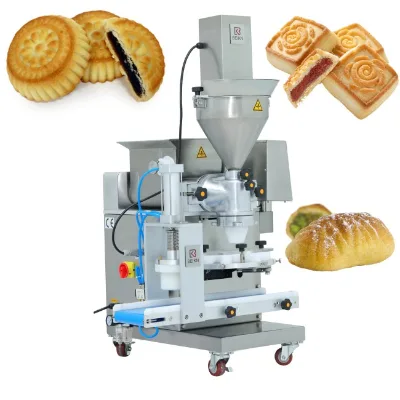
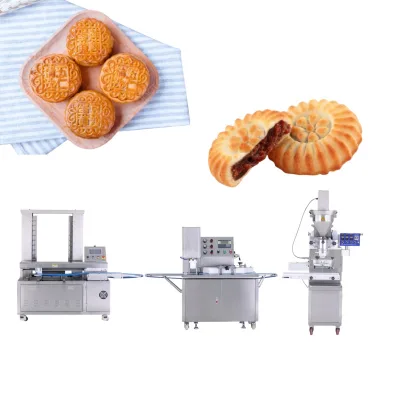
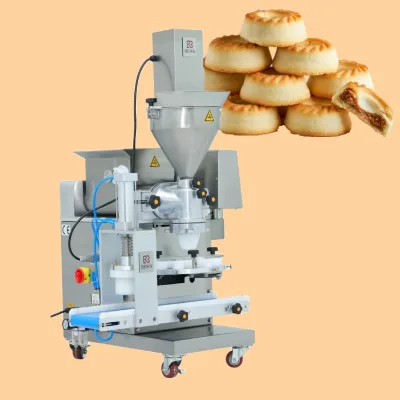
$5431.62 - $6456.46
MOQ: 1 sets
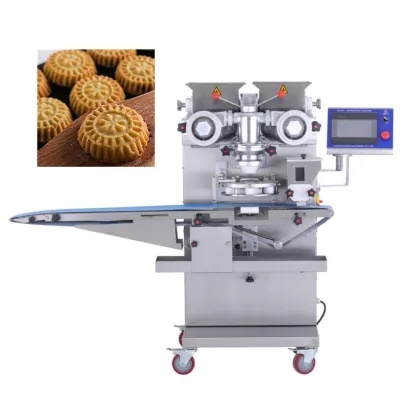
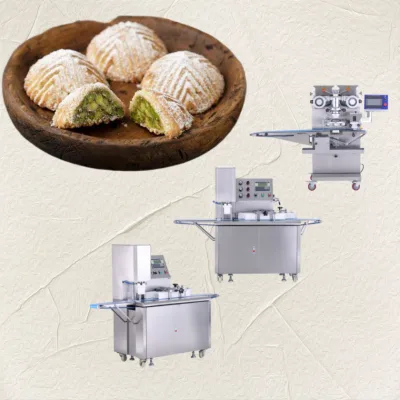
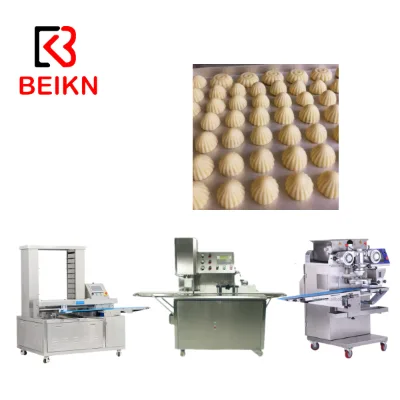

Shanghai Chengtao Intelligent Equipment Co., Ltd
- Verified by SGS
- Combined
- China Shanghai
- Lead time45 days
- Avg. response≤ 1h
Main productsDumpling Machine, Siomai Machine, Kubba Machine, Maamoul Machine, Encrusting Machine, Spring Roll Machine, Samosa Machine, Bread Machine, Gyoza Machine, Wonton Machine
Main marketsAfrica,Southeast Asia/ Mideast,East Asia(Japan/ South Korea),Domestic,Europe,Australia,North America


Multi-Function Automatic Encrusting Machine Maamoul Making Machine
$10000.00 - $12000.00
MOQ: 1 Pieces

$14000.00 - $16000.00
MOQ: 1 Pieces

Factory Automatic Encrusting Mamoul Mammoul Making Line Automatic Maamoul Production Machine
$14000.00 - $16000.00
MOQ: 1 Pieces

Automatic Equipment Maamoul Making Production Line Maamoul Encrusting Machine
$14000.00 - $16000.00
MOQ: 1 Pieces

Automatic Encrusting Machine Maamoul Making Machine Ice Cream Mochi Machine
$10000.00 - $12000.00
MOQ: 1 Pieces
Shanghai Henger Machinery Company Ltd
- Manufacturer
- Shanghai, China
- Lead time10 days
- Avg. response≤ 10h
Main productscroissant machine,cake machine,bread machine,encrusting machine,oven
Main marketsMid East(30.00%), Africa(30.00%), Southeast Asia(10.00%), North America(10.00%), South Asia(5.00%), Central America(5.00%), Eastern Europe(5.00%), South America(5.00%)

Henan Smile Technology Industrial Co., Ltd.
- Verified by SGS
- Trading Company,Manufacturer/Factory
- China Henan
- Lead time0 days
- Avg. response≤ 11h
Main productsBaking Oven, Industrial Mixer, Laboratory Equipment, Bakery Equipment, Bakery Processor, Kitchen Equipment, Refrigeration Series, Fast Food Equipment, Juicer Extractor Machine
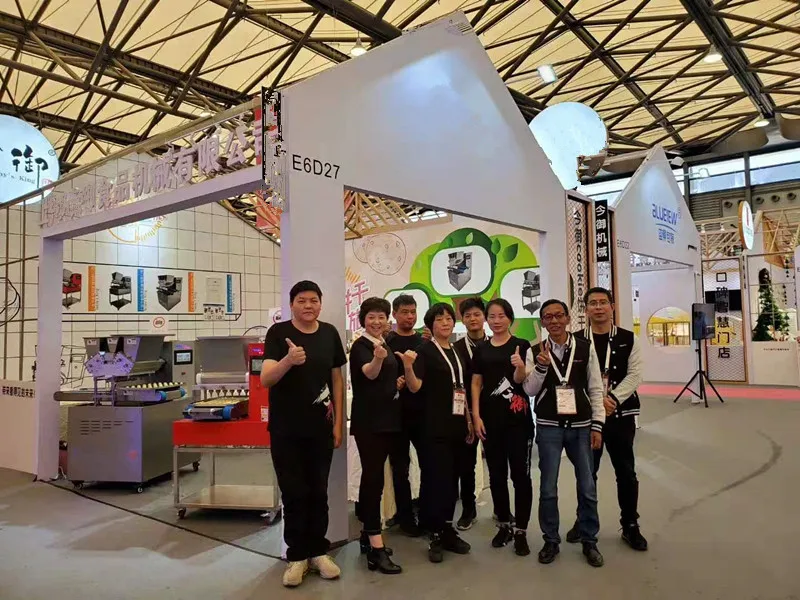
Shanghai Henger Machinery Co., Ltd.
- Manufacturer, Trading Company
- Shanghai, China
- Lead time10 days
- Avg. response≤ 7h
Main productscake filling machine,cake cutting machine,bread slicer,encrusting machine,cookies machine
Main marketsAfrica(25.00%), Mid East(20.00%), South Asia(9.00%), North America(9.00%), South America(8.00%), Eastern Asia(5.00%), Southern Europe(4.00%), Oceania(4.00%), Eastern Europe(4.00%), Western Europe(3.00%), Northern Europe(3.00%), Southeast Asia(3.00%), Central America(2.00%)
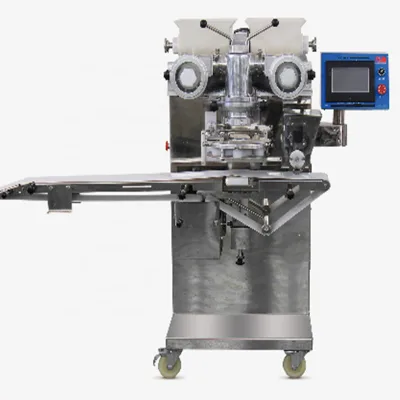
Lebanes Maamoul Maker Maamoul Making Machine Maamoul Production Line for Sale
$1.00 - $3.00
MOQ: 1 sets
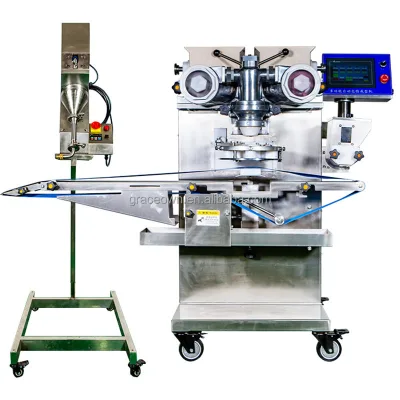
Automatic Maamoul Production Line Maamoul Making Machine Maamoul Maker Machine with Good Price
$7998.00 - $8000.00
MOQ: 1
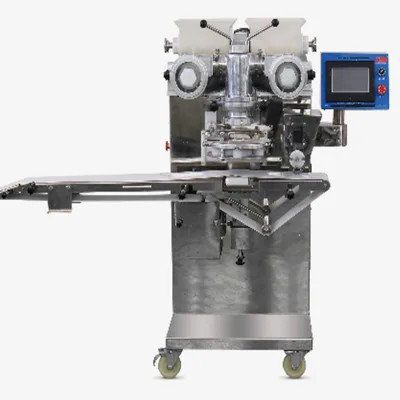
Automatic Dates Filled Maamoul Making Machines Maamoul Processing Machines with Low Price
$1.04 - $3.11
MOQ: 1 sets
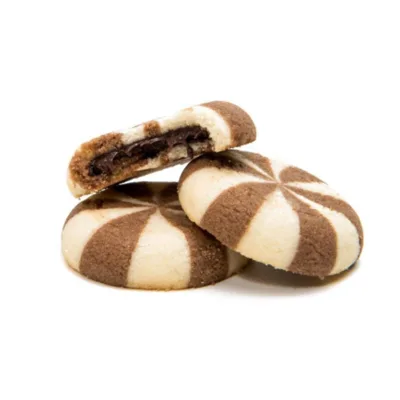
Rheon Encrusting Machine Kn500 Maamoul Making Machine Price
$8998.00 - $9000.00
- Trading Company
- Henan, China
- Lead time7 days
- Avg. response≤ 2h
Main productspacking machine,Meat processing machinery,dumpling machine,Fruit and vegetable processing equipment,frying machine
Main marketsEastern Europe(30.00%), Domestic Market(10.00%), Mid East(10.00%), South America(10.00%), North America(6.00%), Western Europe(5.00%), Eastern Asia(5.00%), Southern Europe(5.00%), Northern Europe(5.00%), Southeast Asia(3.00%), Africa(3.00%), Oceania(3.00%), Central America(3.00%), South Asia(2.00%)

Shanghai Hanzun Industrial Co., Ltd.
- Verified by SGS
- Manufacturer
- China Shanghai
- Lead time120 days
- Avg. response≤ 3h
Main marketsDomestic

Versatile Maamoul Making Machine with Automatic Features and Efficiency
$5800.00 - $6500.00
MOQ: 1 Sets


Henan Chuang Qin Mechanical Equipment Co., Ltd.
- Verified by TUVRHEINLAND
- Manufacturer/Factory
- China Henan
- Lead time15 days
- Avg. response≤ 4h
Main productsCoffee Roaster, Meat Processing Machinery, Flour Food Machinery, Vegetable and Fruit Processing Machine, Egg Processing Machine, Snack Food Machinery, Packaging Machine
Main marketsSouth America,Eastern Europe,Mid East,North America,Southeast Asia,Eastern Asia,Oceania,Western Europe,Africa
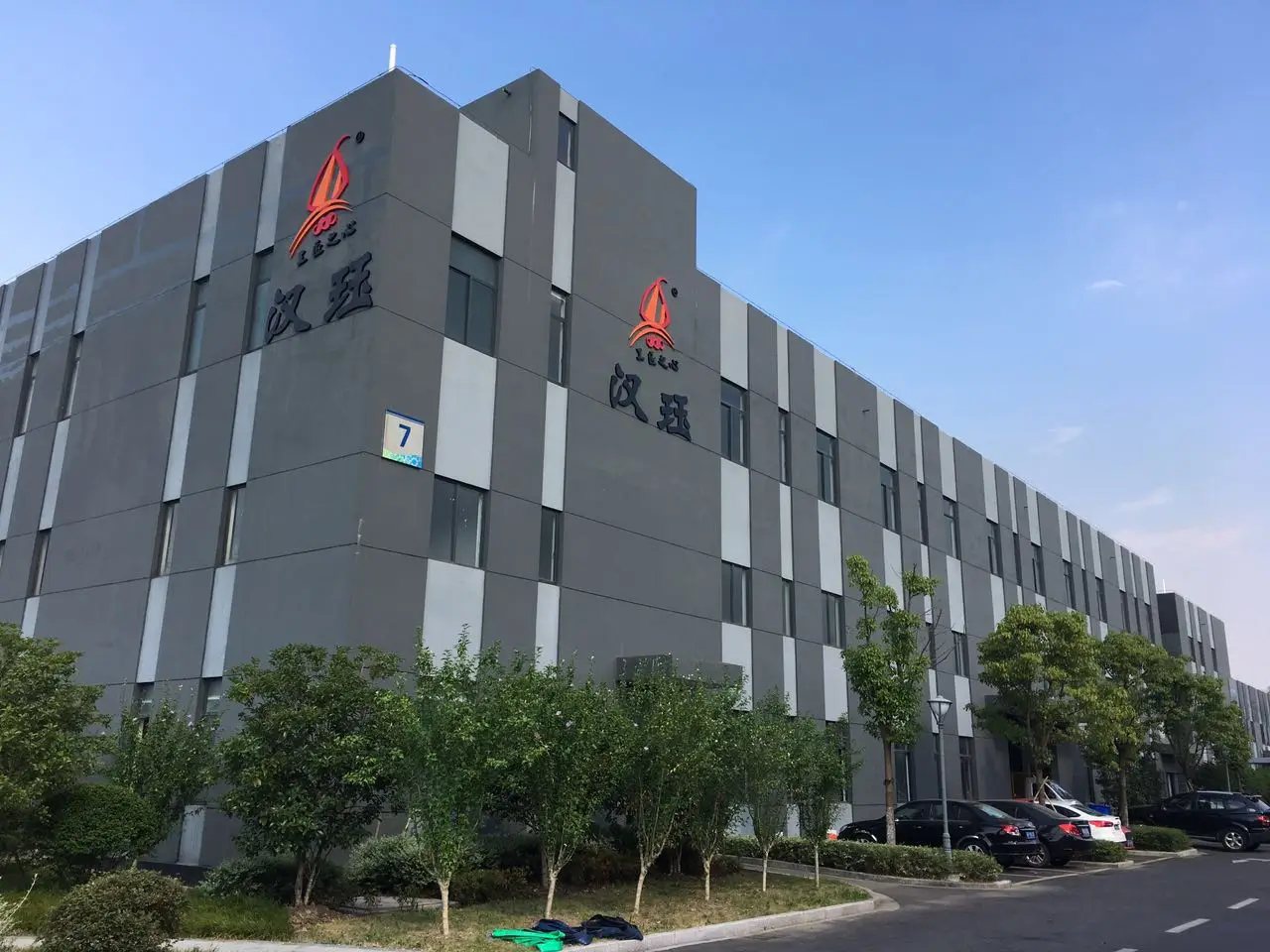
Shanghai Hanjue Precision Machinery Co., Ltd.
- Manufacturer, Trading Company
- Shanghai, China
- Lead time3 days
- Avg. response≤ 5h
Main productsEncrusting Machine,Bread Production Line,Steamed bun Production Line,Cookies Depositor
Main marketsMid East(40.00%), South Asia(11.00%), Africa(10.00%), Western Europe(7.00%), Oceania(6.00%), Eastern Europe(5.00%), Northern Europe(5.00%), North America(5.00%), Central America(4.00%), South America(3.00%), Domestic Market(2.00%), Southern Europe(1.00%), Eastern Asia(1.00%)
Shanghai Bakenati International Trade Co., Ltd.
- Verified by SGS Group
- Manufacturer, Trading Company
- Lead time7 days
- Avg. response≤ 1h
Main productsEncrusting Machine, Tray Arranging Machine, Cookie Cake Machine, Bread Machine Line, Pizza Machine Line
Main marketsNorth America(30%), Mid East(25%), Eastern Europe(15%)

Wuxi Henghao Machinery Technology Co., Ltd
- Verified by TUVRHEINLAND
- Combined
- China Jiangsu
- Lead time30 days
- Avg. response≤ 1h
Main productsBread Production Line, Bread Making Machine, Automatic Encrusting Machine, Dough Divider Rounder, Dough Pressing Machine, Maamoul Mooncake Production Line, Dough Mixer, Soup Dumpling Making Machine, Cake Whipping Machine, Cake Continuous Aerator Machine
Main marketsEast Asia(Japan/ South Korea),Domestic

Automatic Encrusting Machine Automatic Maamoul Making Machine Mooncake Line
$8000.00 - $120000.00
MOQ: 1 Sets


HE NAN PENG HUI MACHINERY AND EQUIPMENT CO., LTD.
- Verified by CTI
- Manufacturer/Factory
- China Henan
- Lead time15 days
- Avg. response≤ 3h
Main productsMeat Processing Machine, Fruit Processing Machine, Vegetable Processing Machine, Seafood Processing Machine, Grain Product Processing Machine, Snack Machine, Nuts Processing Machine, Quilting Machine, Textile Machine, Paper Product Processing Machine
Main marketsSouth America,Eastern Europe,Mid East,North America,Southeast Asia,Eastern Asia,Oceania,Western Europe,Africa

Automatic Fishball Forming Machine Maamoul Meat Ball Making Machine Mochi Encrusting Machine
$9000.00 - $11000.00
MOQ: 1 Pieces

Automatic Siomai Maker Shaomai Making Machine Tabletop Siu Mai Making Machine
$8000.00 - $9000.00
MOQ: 1 Pieces

Henan Efficient Machinery CO., LTD
- Verified by BV
- Trading Company
- China Henan
- Lead time15 days
- Avg. response≤ 6h
Main productsPlastic Recycling Machinery, Woodworking Machinery, Charcoal Machinery, Food Machinery, Agricultural Machinery, Packaging Machinery, Metal Baler, Egg Tray Making Machinery
Main marketsAfrica

Maamoul Kubba Encrusting Machine Falafel Mochi Making Machine for Sale
$13000.00 - $15000.00
MOQ: 2 Pieces

Anhui Victory Star Food Machinery Co., Ltd.
- Manufacturer, Trading Company
- Anhui, China
- Lead time30 days
- Avg. response≤ 3h
Main productsEncrusting Machine,Bread Production Line,Cake Filling Machine,Bun Baozi Production Line,Pastry Production Line
Main marketsDomestic Market(50.00%), South Asia(10.00%), Mid East(10.00%), Africa(10.00%), Southeast Asia(10.00%), South America(5.00%), Eastern Asia(5.00%)
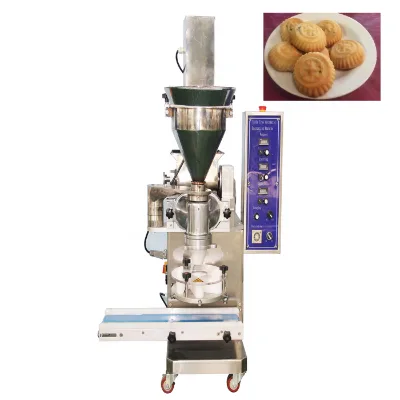
Automatic Stuffed Mamoul Maamoul Snacks Pastries Maker Filled Cookies Making Encrusting Machine
$4800.17 - $5004.43
MOQ: 1 sets
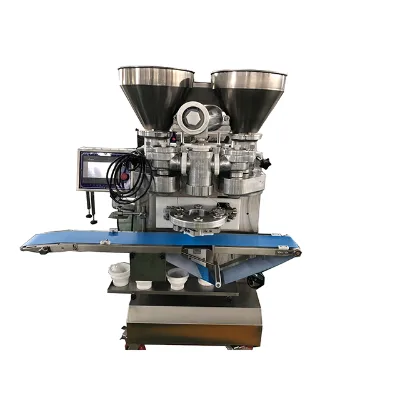

Jinan Saibainuo Extrusion Machinery Co., Ltd.
- Verified by BV
- Trading Company,Manufacturer/Factory
- China Shandong
- Lead time23 days
- Avg. response≤ 2h
Main productsPet Food Machine, Fish Feed Machine, Corn Flakes Machine, Breakfast Cereals Machine, Puff Snacks Food Machine, Textured Soya Protein Vegetable Machine, Bread Crumbs Machine, Nutritional Powder Baby Food Machine, Pasta Macaroni Machine, Bugles Chips Machine
Main marketsSouth America,Eastern Europe,Mid East,North America,Southeast Asia,Eastern Asia,Oceania,Western Europe,Africa
Zhengzhou Awisy Machinery Equipment Co., Ltd.
- Trading Company
- Henan, China
- Lead time20 days
- Avg. response≤ 3h
Main productsRice machine,fruit vegetable processing machines,Packing machine,Food cart,snack making machine
Main marketsAfrica(35.00%), Western Europe(20.00%), North America(20.00%), South America(20.00%), Mid East(5.00%)
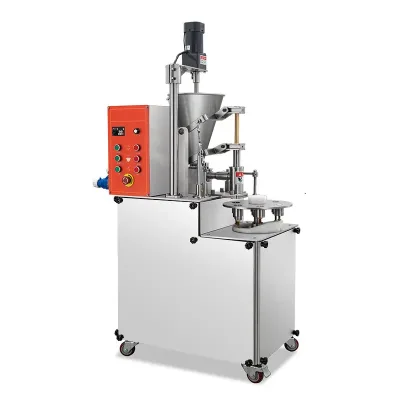
$8212.10
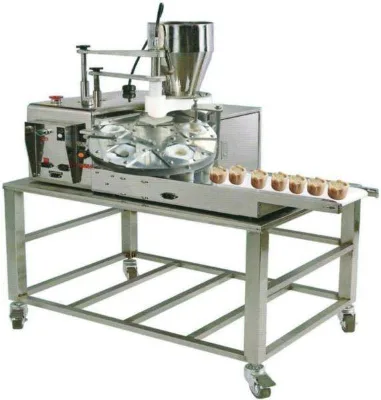
Semi Automat Shumai Making Machine Maker
Contact supplier








Comprehensive Sourcing Guide
Automatic Maamoul Making Machine Supplier Concentration and Factory Types
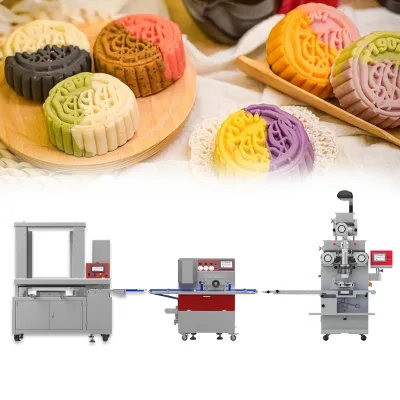
Listings for automatic maamoul making machines in current supplier results point to production origins in Shanghai and in Jiangsu Province, China, both established coastal manufacturing regions. The Shanghai-based results describe a combined manufacturer and trading operation whose main products span biscuit, cake, cookie, chocolate, hard candy, jelly candy, marshmallow, lollipop, and Swiss roll equipment, with the maamoul and mooncake encrusting machines positioned inside a broader snack machinery portfolio. The Jiangsu result is a manufacturer and trading company combination whose catalog centers on encrusting machines, protein bar production lines, energy ball making machines, and extruders. A third set of results also indicates a Shanghai origin, again within a diversified food machinery range.
These supplier profiles suggest you should not expect a single, dedicated maamoul-machine cluster. Instead, maamoul equipment typically sits inside encrusting and forming machinery lines shared with mooncake, date cookie, and protein ball production. When you map suppliers, group them by whether their core competence is encrusting technology or general bakery and confectionery equipment, since that distinction often predicts forming accuracy for maamoul's stuffed, molded shape. Also separate listings where the product itself carries a stated origin and dimensions from listings where only company-level details appear. Where location data is missing from a listing, ask the supplier directly for the manufacturing address, workshop photos, and whether the machine is assembled in-house or sourced from a partner factory before shortlisting.
How to Verify Automatic Maamoul Making Machine Suppliers
Begin verification with the credentials actually displayed in the supplier results rather than assumptions. In this category, results show supplier-level verification badges from third-party assessment bodies such as BV and SGS Group, and product-level certification claims of ISOCE on the machine listings. Treat the ISOCE marking as a supplier-declared claim until you request the actual certificate document, check its scope, and confirm it covers the specific model quoted. System certification fields in some results are recorded as NIL, meaning no system certification is displayed, so do not infer ISO 9001 or similar registration where the evidence field is empty.
Next, verify the factory behind the listing. Ask for a business license, a video walkthrough of the production floor, and confirmation of whether the company manufactures or trades, since several results are combined or manufacturer-plus-trading entities. Check the model naming against physical specifications: results list models such as KH-P, KH-PYB, and P160 with stated dimensions and weights, so any quotation should reference an exact model with matching technical parameters. Request references from buyers producing maamoul or comparable date-filled cookies, and ask for a forming test video using your recipe and your desired final product weight and shape. Finally, confirm response behavior early: displayed response times in these results range from roughly four to over nine hours, so send a technical question and measure actual reply quality and speed before committing to the shortlist.
What to Compare Across Automatic Maamoul Making Machine Suppliers
Compare suppliers on the attributes the results actually display. Lead times in this category range from about fifteen days to about thirty-eight days, a spread that materially affects launch planning, so record each quoted production window alongside the supplier's stated response time, which here spans roughly four to nine-plus hours. Compare machine grade carefully: several Shanghai listings describe semi-automatic thermal-processing machines, while another listing describes a fully automatic extrusion line with a stated production speed of sixty to ninety-nine pieces per minute and a Jiangsu small encrusting machine lists ten to sixty pieces per minute. Output speed, footprint, power, and weight belong in your comparison table, not just price.
On commercial dimensions, one listing displays a minimum order quantity of one machine, but do not assume MOQ across all listings; confirm per supplier. Quoted price ranges shown include roughly seven thousand to twenty thousand US dollars for one semi-automatic Shanghai machine and eighteen thousand to twenty-three thousand US dollars for an automatic line, so align price comparisons with automation grade. Compare customization capability too: results show ODM and OEM capacity at some suppliers, one listing adding own-brand capability, and another detailing light customization, graphic processing, and sample processing. Weigh breadth of main products as well, since a supplier whose range covers encrusting machines, extruders, and production lines may integrate better with downstream wrapping equipment than a single-product listing.
Common Automatic Maamoul Making Machine Sourcing Risks
The most common risk is conflating machine grades. Results contain both semi-automatic thermal-processing machines and fully automatic extrusion lines, all marketed with overlapping maamoul and mooncake keywords. If your volume requires continuous feeding and automatic forming, a semi-automatic encrusting machine quoted at a lower price point may not deliver the stated throughput, so specify automatic grade, power source, and process type in writing before payment. A second risk is accepting keyword-heavy listings at face value; some product titles target multiple products at once, so require the exact model number, stated dimension, weight, and voltage in the contract.
Certification risk is significant: ISOCE appears as a product-attribute claim in these listings, and displayed system-certification fields can be NIL. Relying on an unverified certificate can create customs or buyer-inspection problems on arrival. Verify food-contact material specifications explicitly; one small machine listing states SUS304 stainless steel, but you should confirm material grades for all dough and filling contact surfaces, not assume them. Warranty and after-sales terms also vary: one listing declares a one-year warranty with online video support, while others leave support terms unstated, so clarify spare-part availability, remote commissioning, and on-site service costs. Finally, guard against timing risk. Lead times in the results vary by more than three weeks, and a supplier's fast response time does not reliably predict production punctuality, so build a buffer into your schedule and set milestone checks during manufacturing.
Automatic Maamoul Making Machine Regional Sourcing and Logistics
Regional logistics in this category currently revolve around two evidenced origins. Listings state Shanghai origins for several machines, and one product attribute records Jiangsu as the place of origin. Both regions feed export flows through major eastern Chinese seaports, and one listing explicitly names Shanghai port, or any other sea port at customer request, as the dispatch point. Because maamoul machines are heavy industrial equipment, sea freight is the practical default: packing descriptions in the results consistently specify wooden cases, with one stating wooden case by sea and another standard export wooden case. Confirm that the wooden case treatment complies with your country's import rules for wood packaging.
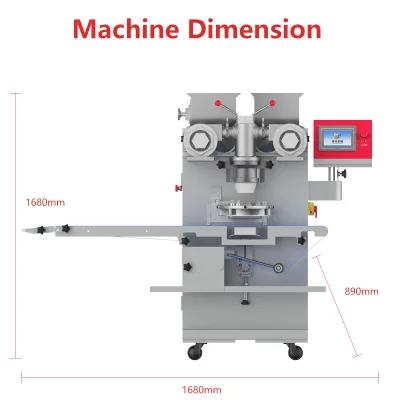
Plan receiving logistics around the physical size. Stated machine standards include a footprint around six meters long by one and a half meters wide by one point eight meters high for the Shanghai lines, and around 6100 by 1180 by 1450 millimeters weighing 780 kilograms for the automatic P160 line, while the small Jiangsu encrusting machine is about 80 by 76 by 162 centimeters at 150 kilograms. These dimensions determine container choice, forklift needs, and door clearances at your facility. Where a listing omits origin or packed dimensions, request them before booking freight. Also ask which port offers the best landed cost for your destination and whether the supplier can consolidate the machine with ancillary equipment such as wrapping machines in one shipment.
Automatic Maamoul Making Machine Commercial Terms and Order Planning
Structure commercial terms around the evidence available. Price ranges displayed in results span roughly seven thousand to twenty-three thousand US dollars depending on automation level, so negotiate against specifications rather than headline price: fix the model, dimension, weight, voltage, power, and production speed in the proforma invoice. One listing shows a minimum order of one machine, which suits pilot lines, but confirm each supplier's own MOQ. Deposits, balance payment timing, and payment method should be agreed in writing; where a platform offers escrow or trade assurance, weigh that protection, but never assume every supplier on this page offers it, since only some results display verification badges.
Order planning should sequence production, inspection, and shipping against the quoted lead time, which in the results ranges from about fifteen to thirty-eight days. Book a pre-shipment inspection after assembly and before wooden-case packing, using a running test with your maamoul dough and filling to verify forming quality and output rate. Confirm packing as wooden case by sea if the machine ships ocean freight, and record the machine model, such as the semi-automatic or fully automatic variants listed, on shipping documents. Plan installation: results mention online video support and customization on demand at some suppliers, so agree commissioning support, spare parts lists, and operator training before the balance payment. Finally, align your launch date with the longest credible lead time rather than the shortest, leaving buffer for sea transit and inland delivery.
FAQs
What does an Automatic Maamoul Making Machine do?
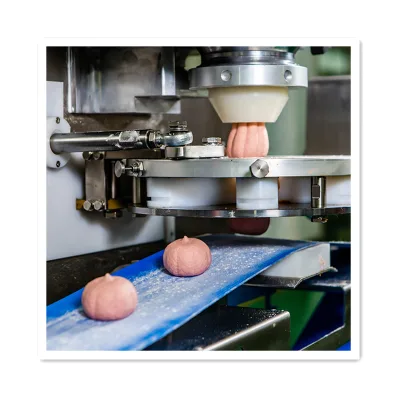
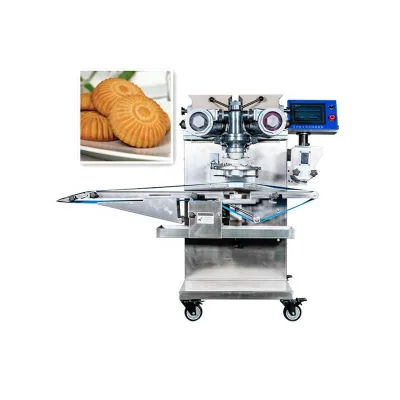
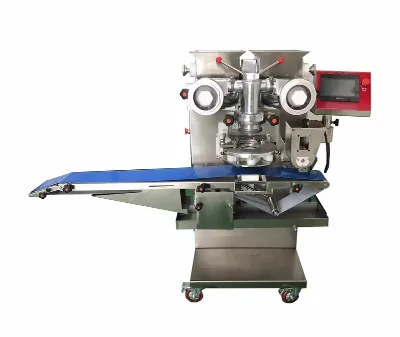
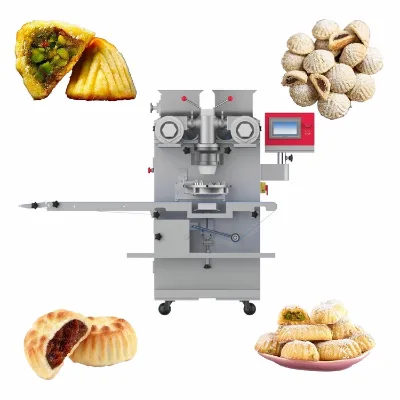
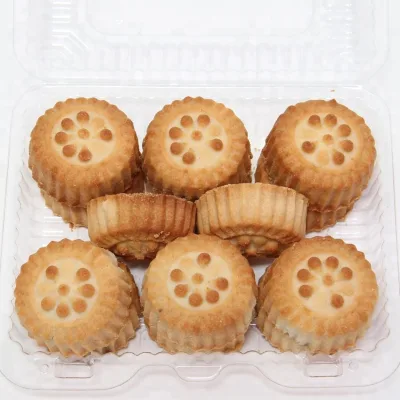
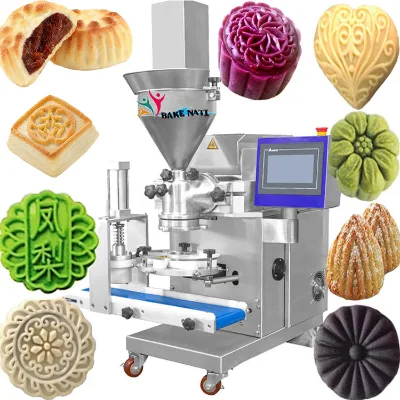
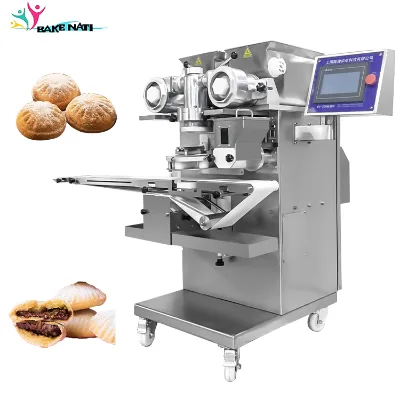
An Automatic Maamoul Making Machine forms filled maamoul cookies by encrusting date, nut, or other paste into dough and shaping them with a stamping or molding die. Many models listed here are electric, use thermal processing, and can also produce mooncakes and similar filled pastries. Output speeds vary by model, so confirm rated pieces per minute before ordering.
What is the typical price range for these machines?
Listed automatic maamoul making machines fall roughly between 7,000 and 23,000 US dollars depending on configuration, capacity, and automation level. Compact semi-automatic encrusting units sit at the lower end, while fully automatic production lines command higher prices. Treat listed prices as starting points and request a formal quotation based on your required output and tooling.
What is the minimum order quantity and lead time?
Several suppliers list a minimum order quantity of one machine, which suits small bakeries testing a new product line. Lead times in current listings range from about 15 to 38 days depending on the supplier and machine complexity. Always confirm the exact production schedule and shipping method, since wooden-case sea freight adds transit time.
Do these machines support customization and private labeling?
Yes, customization is commonly available, and several suppliers advertise ODM and OEM capability, with some also offering their own brand. You can usually request custom molds, dimensions, voltage settings, and branding. Some manufacturers also support light customization, graphic processing, and sample processing, so describe your product specifications early to confirm feasibility before placing an order.
What certifications should I check before buying?
Many listed machines carry ISOCE certification, but one supplier's system certification is listed as none, so verification matters. Ask each supplier for current CE or ISO documentation matching the exact model, and request test reports for food-contact materials such as SUS304 stainless steel. Confirm which certifications are valid for your destination market's import requirements.
How quickly do suppliers respond and how are machines shipped?
Average response times across current listings range from about 4 to 9.4 hours, so expect replies within half a day on business days. Machines are typically packed in wooden cases for sea freight, often dispatched through Shanghai port or another port the customer requests. Confirm packaging dimensions and port options when requesting shipping costs.
What technical specifications should I compare between models?
Compare automation grade, production speed, power consumption, voltage, weight, and overall dimensions. Listed models range from compact 150-kilogram units running 10 to 60 pieces per minute on 220/380V, to fully automatic lines producing 60 to 99 pieces per minute at 380V/50Hz. Footprints also differ widely, so check that the stated dimensions fit your production floor.