Leather Edge Gluing Machine Suppliers and Manufacturers
Source 21 verified suppliers for Leather Edge Gluing Machine solutions. Compare key dimensions including ISO certifications, response times, and lead times. Review product specifications and pricing to identify the right partner for your packaging needs; review the available evidence before requesting comparable quotations from suitable candidates.
Suppliers List

- Verified by TUVRHEINLAND
- Trading Company,Manufacturer/Factory
- China Zhejiang
- Lead time23 days
- Avg. response≤ 13h
Main productsSoft Cover Book Machines, Hard Cover Book Machines, Exercise Book Machines, Spiral Binding Book Machines, Postpress Machines, Color Boxes Making Machines, Rigid Box Making Machines, Paper Bag Machine Machines
Main marketsSouth America,Eastern Europe,Mid East,North America,Southeast Asia,Eastern Asia,Oceania,Western Europe,Africa


MOQ: 1 Sets

- Verified by TUVRHEINLAND
- Manufacturer/Factory
- China Fujian
- Lead time15 days
- Avg. response≤ 4h
Main productsRigid Box Making Machine, Collapsible Box Making Machine, Slipcase Making Machine, Box Assembly Machine, Hard Cover Making Machine, Round Box Making Machine
Main marketsEastern Europe,Mid East,Southeast Asia,Eastern Asia,Western Europe

Zhengzhou Share Machinery Co., Ltd.
- Verified by BV
- Trading Company,Manufacturer/Factory
- China Henan
- Lead time15 days
- Avg. response≤ 4h
Main productsRoll Forming Machine, Purlin Making Machine, Storage Rack Making Machine, Hydraulic Baler, Brick Making Machine, Quilting Machine, Bag Printing Machine, Soap Stamping Machine, Water Well Drilling Rig, Wax Granules Making Machine
Main marketsSouth America,Eastern Europe,Mid East,North America,Southeast Asia,Eastern Asia,Oceania,Western Europe,Africa
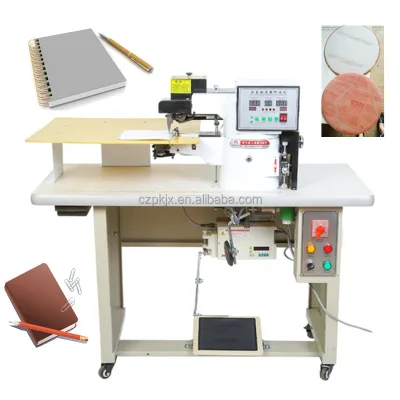
Cangzhou Pukka Machinery Co., Ltd.
- Trading Company
- Hebei, China
- Lead time7 days
- Avg. response≤ 3h
Main productsFood Machinery,Chocolate Machine,Testing Machine,Package Machine,Garlic Machine
Main marketsMid East(17.00%), North America(16.00%), Africa(13.00%), Domestic Market(10.00%), South Asia(8.00%), South America(8.00%), Southeast Asia(6.00%), Southern Europe(5.00%), Oceania(3.00%), Eastern Europe(3.00%), Northern Europe(3.00%), Central America(3.00%), Western Europe(3.00%), Eastern Asia(2.00%)
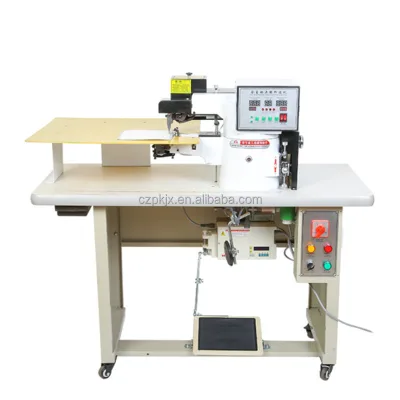
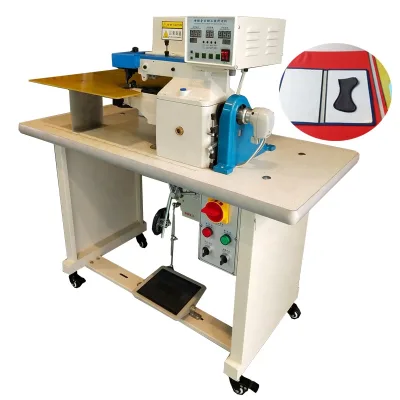
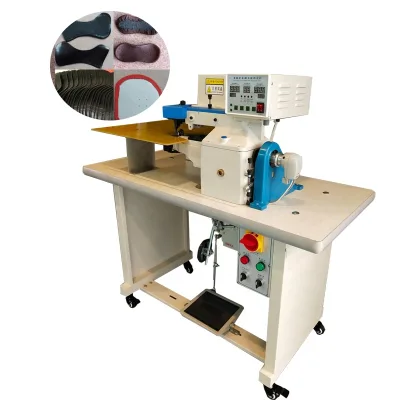
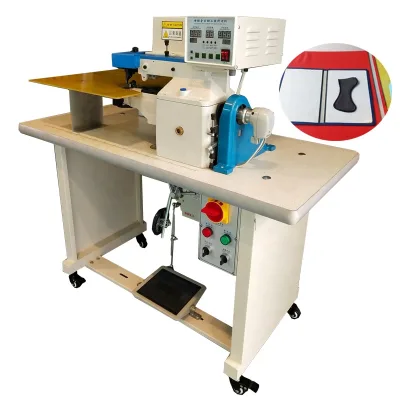
Leather Shoe Edge Folding Gluing Machine Durable Computer Automatic Gluing Folding Machine
$1180.00 - $1280.00
MOQ: 1 sets
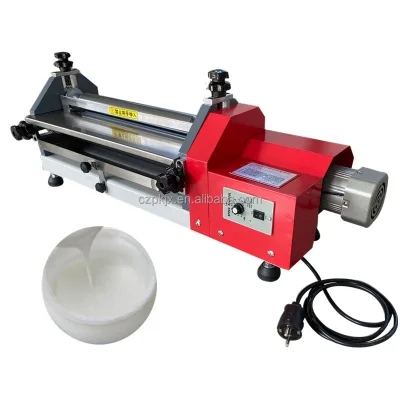
Electric White Emulsion Coating Latex Gluing Machine for Leather Electric Leather Edge Glue Machine
$458.00 - $588.00
MOQ: 1 Minimum

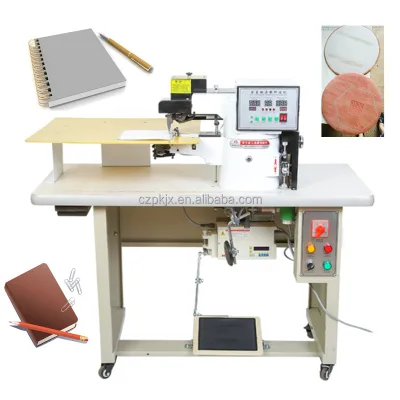
Hot Cement Leather Gluing Machine Bag Shoe Cementing Machines Leather Edge Folding Machine
$1356.42 - $1459.18
MOQ: 1 sets
$1356.42 - $1459.18
MOQ: 1 sets

300mm EVA Foam Leather Paper Hot Melt Glue Machine for Edge Gluing
$750.00 - $850.00

Dongguan City Yasi Machinery Equipment Co., Ltd
- Verified by SGS
- Combined
- China Guangdong
- Lead time45 days
- Avg. response≤ 25h
Main productsAutomatic Book Sewing Machine, Perfect Book Binding Machine, Book Block Back Guling and Lining Machine, Automatic Collating and Sewing Production Line, Three-Knife Trimmer, Ribbon Inserting Machine, Digital Book Sewing and Folding Machine, Cutting Machine, Endsheet Gluing Pasting Sticking Machine, Automatic Interleaving Pile Stacking Machine
Main marketsDomestic,Europe


The High-Speed Page Gluing Machine Can Be Produced Online with The Hardcover Machine
$1.00 - $1000000.00
MOQ: 1 Pieces
Zhengzhou Share Machinery Co., Ltd.
- Trading Company
- Lead time旺季: "1 - 1":7,"> 1":"To be negotiated", 淡季: "1 - 1":7,"> 1":"To be negotiated"
- Avg. response≤ 3h
Main productsConstruction Machinery/Industrial Machinery/Printing Machinery

Cangzhou Xiaoyuan Carton Machinery Trade Co., Ltd.
- Verified by TUVRHEINLAND
- Trading Company,Manufacturer/Factory
- China Hebei
- Lead time23 days
- Avg. response≤ 7h
Main productsCarton Making Machine, Corrugated Cardboard Production Line, Cardboard Printing Slotting Machine, Folder Gluer, Flute Laminator, Carton Packaging Machine, Rotary Die Cutting Machine, Flat Die Cutter, Stitching Machine, Single Face Corrugation Machine
Main marketsMid East,Southeast Asia,Africa

Wenzhou Dashun Machinery Manufacture Co., Ltd.
- Combined
- China Zhejiang
- Lead time30 days
- Avg. response≤ 6h
Main productsShoe Machine, Leather Machine, Toe Lasting Machine, Sole Machine, Embossing Machine, Nailing Machine, Folding Machine, Molding Machine, Insole Machine, Upper Machine
Main marketsSoutheast Asia/ Mideast


Upper Edge Hot Cement Gluing Folding Machine Leather Shoe Making Machine for Shoe
$2200.00
MOQ: 1 Pieces


Dongguan Creto Technology Co.Ltd
- Verified by BV
- Combined
- China Guangdong
- Lead time15 days
- Avg. response≤ 3h
Main productsFolding Machine, Gluing Machine, Budding Machine, Laser Cutting Machine, Banding Machine
Main marketsAfrica,Domestic


High-Performance Gluing and Folding Machine for Diverse Textile Applications
$10000.00 - $11000.00
MOQ: 1 Pieces


Dongguan Haoxin Precision Machinery Co., Ltd.
- Verified by TUVRHEINLAND
- Combined
- China Guangdong
- Lead time23 days
- Avg. response≤ 13h
Main productsPaper Folding Machine, Case Making Machine, Children Board Book Cover Casing in Machine, Hardcover Book Production Line, Notebook Ribbon Inserting Machine, Notebook Elastic Band Fixing Machine, Automatic Book Block Preparation Line, Three Knife Trimmer
Main marketsEurope
Dongguan Qianjin Industry And Trade Co., Ltd.
- Manufacturer, Trading Company
- Guangdong, China
- Lead time7 days
- Avg. response≤ 6h
Main productsleather machine,footwear machine,shoe making machine,leather belt making machine,car seat making machine
Main marketsDomestic Market(10.00%), Southern Europe(10.00%), Northern Europe(10.00%), Western Europe(10.00%), Eastern Europe(10.00%), South America(10.00%), North America(10.00%), Eastern Asia(5.00%), South Asia(5.00%), Mid East(5.00%), Africa(5.00%), Central America(5.00%), Southeast Asia(5.00%)
Qingdao Zhongding Machinery Co., Ltd.
- Verified by SGS
- Combined
- China Shandong
- Lead time30 days
- Avg. response≤ 3h
Main productswoodworking machinery
Main marketsSouth America,Africa,Southeast Asia/ Mideast,East Asia(Japan/ South Korea),Europe,Australia,North America
Cangzhou Depai International Trade Co., Ltd.
- Verified by BV
- Combined
- China Hebei
- Lead time30 days
- Avg. response≤ 6h
Main productsFlexo Printing Machine, Corrugated Board Production Line, Folder Gluer Machine, Die Cutting Machine
Main marketsSouth America,Europe,North America
Dongguan Houjie Bao Lin Machinery Factory
- Manufacturer, Trading Company
- Guangdong, China
- Lead time0 days
- Avg. response≤ 1h
Main productssewing machine,Spot welding machine,Hammer flattening machine,Single head roughing machine,Shoe mixing glue machine
Main marketsSouth America(20.00%), North America(10.00%), Eastern Europe(10.00%), Southeast Asia(10.00%), Mid East(10.00%), Central America(10.00%), South Asia(10.00%), Northern Europe(5.00%), Domestic Market(5.00%), Africa(2.00%), Oceania(2.00%), Eastern Asia(2.00%), Western Europe(2.00%), Southern Europe(2.00%)

Semi Automatic Leather Gluing Machine Pneumatic Edge Glue for Shoe Making Stationery Belt Packaging
$1068.65 - $1119.54
MOQ: 1


Dongguan Cheung Wo Hing Printing Machinery Co., Ltd.
- Verified by TUVRHEINLAND
- Combined
- China Guangdong
- Lead time60 days
- Avg. response≤ 10h
Main productsNotebook Making Machine, Printing and Folding Machinery, Printing Machine, Exercise Book Making Machine, Rlue Back Binding Machine, Exercise Book Sewing and Spiral Forming Mahinery, Flexographic Printing Machine, Newbook Stitching Mahinery, Automatic Punching Machine, Book Sealing and Shrinkinng Machine
Main marketsDomestic

Zhengzhou Zomagtc Company Ltd.
- Verified by CTI
- Combined
- China Henan
- Lead time30 days
- Avg. response≤ 3h
Main productsPrinting Machine, Packaging Machine, Paper Making Machine, Label Printing Machine, Rotogravure Printing Machine, Gluing Machine, Paper Cup Machine, Paper Production Machinery, Roto Gravure Printing Machine, Hologram Printer Machine
Main marketsAfrica,Southeast Asia/ Mideast,East Asia(Japan/ South Korea)


$1000.00 - $1300.00
MOQ: 1 Pieces
Jining Better Origin Machinery Co., Ltd.
- Trading Company
- Shandong, China
- Lead time7 days
- Avg. response≤ 5h
Main productsPacking machinery,Cutting machinery,Hardware tools
Main marketsNorth America(20.00%), Western Europe(15.00%), Northern Europe(10.00%), South America(10.00%), Africa(10.00%), Southeast Asia(10.00%), Eastern Europe(10.00%), Southern Europe(5.00%), Mid East(5.00%), Oceania(5.00%)

Shijiazhuang Chancsmac Machine Technology Co., Ltd.
- Verified by TUVRHEINLAND
- Trading Company,Manufacturer/Factory
- China Hebei
- Lead time30 days
- Avg. response≤ 3h
Main productsPress Machine, Hot Press, High Frequency Press, Hydraulic Press, CNC Machine, Glue Spreader, Planer, Sawing Machine, Sanding Machine, High Frequency Hot Press
Main marketsSouth America,Eastern Europe,Mid East,North America,Southeast Asia,Africa

QUANZHOU KINGKUNG IMP. AND EXP. TRADE CO., LTD.
- Trading Company
- China Fujian
- Lead time30 days
- Avg. response≤ 12h
Main productsShoe Machine, Shoe Machinery, Shoe Mould, Shoe Mold, Shoe Upper, Shoe Sole, Shoe Materials, Shoe Accessories, Shoe Components, Injection Shoe Machine

Zhejiang Juda Machinery Co., Ltd.
- Combined
- China Zhejiang
- Lead time15 days
- Avg. response≤ 25h
Main productsBand-Knife Splitting Machine, Edge Folding Machine, Automatic Pearl Riveting Machine, Automatic Button Riveting Machine, Automatic Eyeletting Machine / Riveting Machine, Insole Machine, Leather Cutting Machine, Automatic Lock Cylinder Assembly Machine, Pounding Machine
Main marketsSouth America,Southeast Asia/ Mideast,Europe

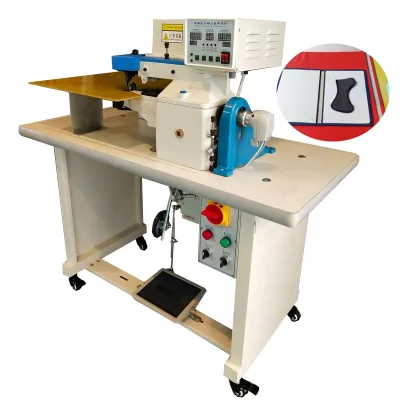
Upper Edge Hot Cement Gluing Folding Machine Leather Shoe Making Machine
$1000.00 - $1500.00
MOQ: 1 Set


Wenzhou Qianding Mechanical Technology Co., Ltd.
- Verified by TUVRHEINLAND
- Combined
- China Zhejiang
- Lead time15 days
- Avg. response≤ 23h
Main productsStripping Machine, Die Cutting Machine, Stamping Machine, Paper Box Machine, Paper Box Making Machine, Paper Cutting Machine, Paper Cup Stripping Machine, Paper Box Stripping Machine, Blanking Machine, Paper Bag Machine
Main marketsSoutheast Asia/ Mideast,East Asia(Japan/ South Korea)




Comprehensive Sourcing Guide
Leather Edge Gluing Machine Supplier Concentration and Factory Types
The current supplier landscape for leather edge gluing equipment reveals a concentration of manufacturing capabilities within specific Chinese provinces, notably Zhejiang and Fujian. These regions host a mix of trading companies and direct manufacturers, offering buyers a diverse range of operational models to evaluate. In Zhejiang, suppliers often present themselves as both trading entities and factory owners, which can complicate the assessment of true production capacity. This dual identity requires careful scrutiny to determine whether the supplier is acting as an intermediary or the actual originator of the machinery. The presence of established brands like KOTEN in this region suggests a level of industrial maturity and brand recognition that may correlate with consistent quality control measures. Buyers should recognize that the geographic clustering in Zhejiang often indicates a mature supply chain ecosystem, where specialized components for gluing mechanisms are readily available, potentially reducing lead times for complex customizations.
In contrast, suppliers located in Fujian appear to lean more heavily toward direct manufacturing roles, with many explicitly identifying as Manufacturer/Factory entities. This distinction is crucial for buyers seeking direct access to engineering teams for technical support and customization. The Fujian-based suppliers often highlight capabilities in OEM and ODM services, indicating a flexibility to adapt standard gluing machines to specific leather processing needs. The main products listed by these suppliers frequently include rigid box making machines and various gluing systems, suggesting that the underlying technology for precise adhesive application is transferable across packaging and leather goods industries. This overlap in product lines means that buyers can leverage the robust engineering found in box-making machinery for leather edge finishing applications. Understanding the factory type is the first step in aligning supplier capabilities with specific production volume and customization requirements, ensuring that the chosen partner can scale with business growth.
How to Verify Leather Edge Gluing Machine Suppliers
Verification of potential suppliers requires a multi-layered approach that goes beyond basic company profiles, focusing on tangible evidence of operational legitimacy and quality assurance. One critical step is to examine system certifications, such as ISO 9001, which serve as a baseline indicator of standardized quality management processes. In the current results, suppliers from Zhejiang have displayed ISO 9001 certification, providing a verifiable standard for their manufacturing procedures. Additionally, third-party verification badges, such as those from TÜV Rheinland, offer an external layer of trust regarding the supplier’s business credentials. Buyers should prioritize suppliers who display these independent verifications, as they reduce the risk of engaging with entities that lack rigorous internal controls. It is also essential to check for specific product certifications, such as CE marks, which indicate compliance with European safety and performance standards, a common requirement for machinery exported to international markets.
Beyond certifications, buyers must assess the responsiveness and technical depth of the supplier’s communication channels. Response times, such as the 12.47 hours observed in some Zhejiang suppliers or the faster 3.67 hours in Fujian, can indicate the efficiency of their sales and engineering support teams. A quicker response often correlates with better after-sales service capabilities, which are vital for machinery that may require troubleshooting or maintenance. Buyers should also verify the authenticity of claimed capabilities by requesting detailed product specifications and customization options. For instance, confirming whether a supplier offers true OEM services or merely rebrands existing models can prevent future contractual disputes. Engaging with suppliers to ask specific technical questions about gluing modes, driven types, and automatic grades can reveal the depth of their engineering knowledge. This due diligence ensures that the supplier is not just a reseller but a capable partner capable of supporting long-term operational needs.
What to Compare Across Leather Edge Gluing Machine Suppliers
When evaluating multiple suppliers, buyers must systematically compare key operational metrics to identify the most suitable partner for their specific needs. Lead time is a critical factor, with observed values ranging from 15 days in Fujian to 23 days in Zhejiang. These differences can significantly impact production scheduling and inventory management, making it essential to align supplier lead times with project deadlines. Alongside lead time, the minimum order quantity (MOQ) provides insight into the supplier’s flexibility. Some suppliers offer an MOQ of just one unit, which is advantageous for prototyping or small-batch production runs, while others may have higher thresholds. Buyers should also compare the price ranges for specific models, such as the Automatic Index Gluing and Cutting Machine priced between $33,000 and $34,000, or the Hardcover Gluing and Rigid Box Making Machine ranging from $40,000 to $50,000. These price points help in budgeting and assessing the value proposition of each supplier’s offerings.
Another vital dimension for comparison is the range of main products and customization capabilities. Suppliers in Zhejiang list a broad array of book and box making machines, indicating a versatile engineering base that can be adapted for leather edge gluing. In contrast, Fujian suppliers focus more on rigid box and slipcase making machines, suggesting a specialization in set-up box applications. Buyers should evaluate whether the supplier’s product portfolio aligns with their future expansion plans. Additionally, the availability of after-sales service, such as engineers available to service machinery overseas, is a significant differentiator. This service capability ensures that technical issues can be resolved promptly, minimizing downtime. By comparing these attributes—lead time, MOQ, price, product range, and service support—buyers can create a weighted scoring matrix to objectively rank suppliers and select the one that best balances cost, speed, and technical reliability.
Common Leather Edge Gluing Machine Sourcing Risks
Sourcing industrial machinery like leather edge gluing equipment carries inherent risks that buyers must proactively manage to ensure a successful procurement outcome. One significant risk is the discrepancy between advertised specifications and actual machine performance. Suppliers may list generic attributes such as "Automatic Grade" or "Driven Type" without providing detailed technical data on precision, speed, or adhesive consistency. This lack of granular information can lead to mismatches between buyer expectations and machine capabilities, resulting in production inefficiencies. Buyers must mitigate this risk by requesting comprehensive technical datasheets and, if possible, video demonstrations of the machine in operation. Verifying the actual dimensions and standard configurations, such as the 430011001000mm standard for certain models, is also crucial to ensure the machine fits within the designated factory floor space.
Another common risk involves the reliability of after-sales support and spare parts availability. While some suppliers claim to provide engineers for overseas service, the actual execution of these promises can vary. Buyers should verify the supplier’s track record in providing timely maintenance and the availability of critical spare parts. The absence of clear warranty terms or service level agreements can leave buyers vulnerable to prolonged downtime in case of mechanical failure. Additionally, there is a risk associated with customization requests. If a supplier offers extensive customization, it is essential to clarify the impact on lead times and costs. Poorly managed customization can lead to delays and budget overruns. Buyers should also be cautious of suppliers who do not provide clear packaging standards, such as "Strong Package" or "Wooden Case," as inadequate packaging can result in damage during transit. Establishing clear contractual terms regarding performance guarantees and support obligations is essential to mitigate these operational risks.
Leather Edge Gluing Machine Regional Sourcing and Logistics
The geographic location of suppliers significantly influences logistics planning, shipping costs, and delivery timelines for leather edge gluing machines. Suppliers in Zhejiang and Fujian, both located in China, offer distinct logistical advantages depending on the buyer’s destination. Zhejiang’s position in eastern China provides access to major ports like Shanghai and Ningbo, which are well-connected to global shipping routes. This infrastructure can facilitate faster export processes and potentially lower freight costs for buyers in Europe and North America. The presence of established manufacturing clusters in this region also means that logistics providers are familiar with handling heavy industrial machinery, ensuring that packaging and loading are optimized for safety and efficiency. Buyers should consider the proximity of the supplier to major ports when estimating total landed costs, as inland transportation fees can add to the overall expense.
In contrast, suppliers in Fujian, located in southeastern China, also benefit from proximity to key maritime hubs. The logistical landscape in Fujian is characterized by a strong focus on export-oriented manufacturing, which often results in streamlined customs clearance procedures. Buyers sourcing from this region should evaluate the supplier’s experience with international shipping documentation and compliance requirements. The lead times observed, such as 15 days for Fujian suppliers, may reflect efficient internal processes, but buyers must also account for transit times and potential port congestion. Additionally, the type of packaging used, such as wooden cases, must comply with international phytosanitary standards to avoid delays at customs. Understanding the regional logistical strengths and weaknesses allows buyers to negotiate more favorable shipping terms and plan their supply chain more effectively, ensuring that the machinery arrives in optimal condition and on schedule.
Leather Edge Gluing Machine Commercial Terms and Order Planning
Effective order planning for leather edge gluing machines requires a thorough understanding of commercial terms, payment structures, and long-term partnership potential. Buyers should carefully review the pricing models offered by suppliers, noting that prices can vary significantly based on customization and configuration. For example, the Automatic Index Gluing and Cutting Machine is priced between $33,000 and $34,000, while the Hardcover Gluing and Rigid Box Making Machine ranges from $40,000 to $50,000. These price points should be evaluated in the context of the supplier’s MOQ and lead time to determine the total cost of ownership. Buyers should also inquire about payment terms, such as deposits and balance payments upon shipment, to manage cash flow effectively. Negotiating favorable terms can reduce financial risk and ensure that the supplier remains committed to delivering the order on time.
Beyond initial purchase costs, buyers must plan for the long-term commercial relationship, including warranty coverage and maintenance contracts. Suppliers that offer comprehensive after-sales service, such as overseas engineering support, provide added value that extends beyond the initial sale. Buyers should clarify the duration and scope of warranties, as well as the availability of spare parts and technical training. Establishing a clear communication channel for ongoing support can prevent costly disruptions in production. Additionally, buyers should consider the supplier’s capacity for future orders, especially if they plan to scale up production. Suppliers with OEM and ODM capabilities, as seen in Fujian, may offer more flexibility for future customizations. By aligning commercial terms with operational needs and planning for long-term support, buyers can secure a reliable supply chain that supports their growth and minimizes operational risks.
FAQs
What is the price range for automatic gluing machines?
Automatic gluing machines typically range from $33,000 to $50,000. Specific models like the HB-TC320 are priced between $33,000 and $34,000, while the QW-1000 ranges from $40,000 to $50,000. These prices reflect semi-automatic and fully automatic configurations suitable for rigid box and book cover applications.
What are the minimum order quantities for these machines?
The minimum order quantity is generally one unit for most automatic gluing machines. Buyers can purchase single units of models like the HB-TC320 or the QW-1000. This low MOQ allows for easy testing and integration into existing production lines without requiring bulk commitments.
How long does delivery usually take?
Lead times vary by supplier location and model. Suppliers in Zhejiang report a lead time of 23 days, while those in Fujian offer a faster 15-day turnaround. Buyers should confirm specific delivery schedules with the manufacturer before placing orders to ensure production alignment.
Are these machines customizable for specific needs?
Yes, customization is available for most gluing machines. Models such as the HB-TC320 and YY-700A support custom configurations. Buyers can request specific dimensions, automation levels, or glue types to match their unique packaging or bookbinding requirements, ensuring the machine fits their workflow.
What certifications do these machines have?
Many machines hold ISO 9001 and CE certifications. The QW-1000 model explicitly lists CE and ISO certifications. These standards ensure compliance with international safety and quality regulations, providing buyers with confidence in the machine's reliability and operational safety for industrial environments.
What is the response time for supplier inquiries?
Supplier response times vary, with some reporting an average of 3.67 hours and others around 12.47 hours. Faster response times are often associated with manufacturers in Fujian, while Zhejiang-based suppliers may take slightly longer. Quick responses help streamline the negotiation and specification process.