Automatic Maamoul Machine Suppliers and Manufacturers
Compare 11 verified suppliers offering Automatic Maamoul Machine solutions with varying lead times, response speeds, and certifications. Review product specifications like production speed and voltage to select the right factory for your needs; review the available evidence before requesting comparable quotations from suitable candidates.
Suppliers List

Shanghai Papa Industrial Co., Ltd.
- Verified by BV
- Combined
- China Shanghai
- Lead time30 days
- Avg. response≤ 6h
Main productsProtein Bar Extruder Machine, Protein Ball Rolling Machine, Automatic Encrusting Machine, Energy Bar Production Line, Mooncake Making Machine, Chocolate Enrober Machine, Cereal Bar Forming Machine, Energy Date Bar Making Machine, Energy Ball Extruder Machine, Flow Wrapping Machine
Main marketsSoutheast Asia/ Mideast,Domestic,Europe,North America

Shanghai Kuihong Food Machinery Factory
- Combined
- China Shanghai
- Lead time38 days
- Avg. response≤ 10h
Main productsBiscuit Machine, Cake Machine, Cookie Machine, Baked Potato Chips Machine, Chocolate Machine, Hard Candy Machine, Jelly Candy Machine, Marshmallow Machine, Swiss Roll Machine, Lollipop Machine
Main marketsAfrica,Southeast Asia/ Mideast,North America
Suzhou Beikn Machinery Co., Ltd.
- Verified by SGS Group
- Manufacturer, Trading Company
- Lead time15 days
- Avg. response≤ 4h
Main productsEncrusting Machine, Protein Bar Production Line, Energy Ball Making Machine, Cookies machine, Extruder Machine
Main marketsNorth America(20%), Southeast Asia(9%), Eastern Asia(9%)
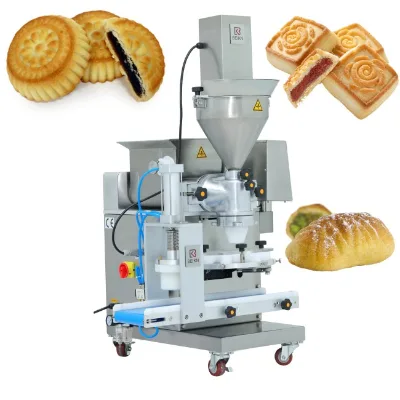
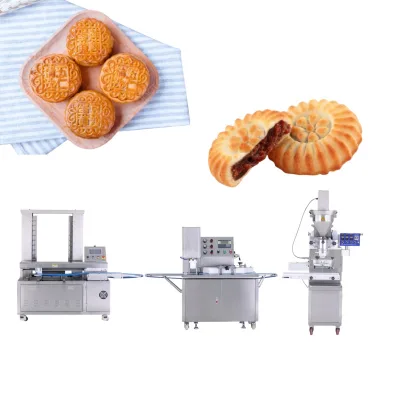
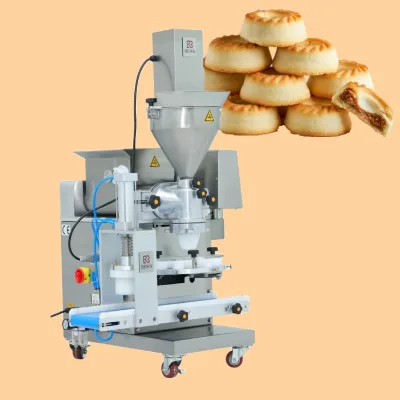
$5435.28 - $6460.80
MOQ: 1 sets
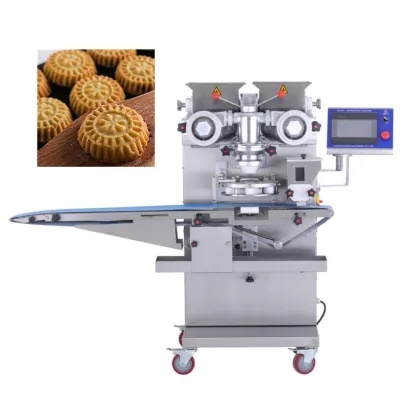
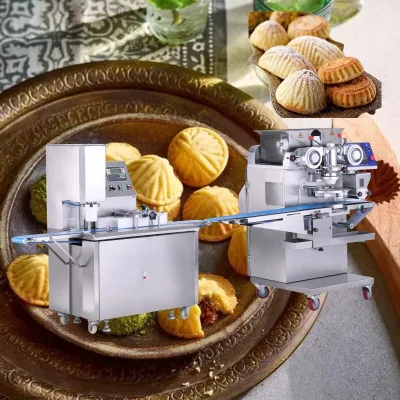
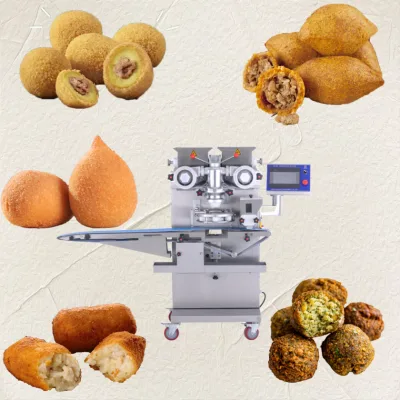
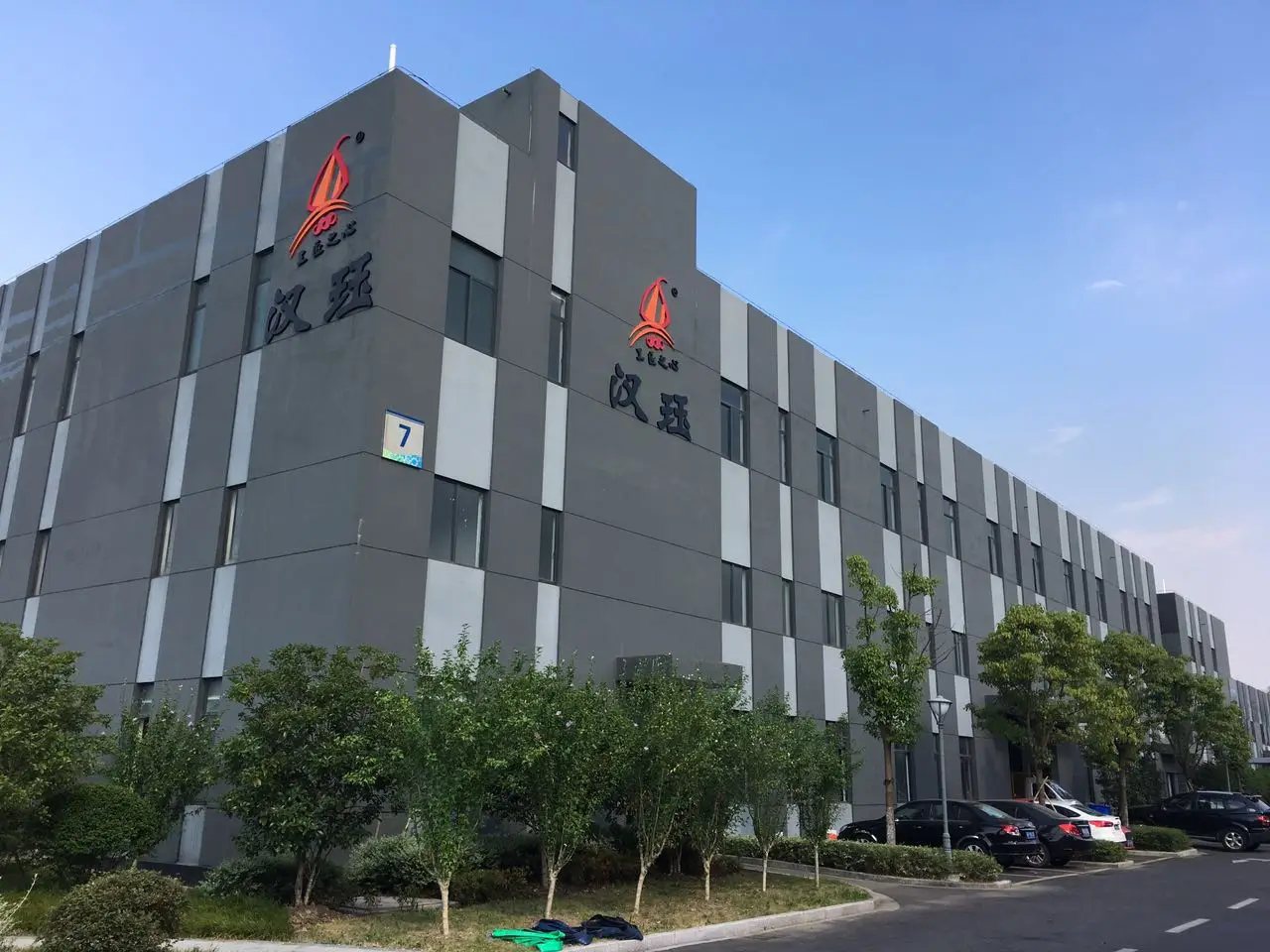
Shanghai Hanjue Precision Machinery Co., Ltd.
- Manufacturer, Trading Company
- Shanghai, China
- Lead time3 days
- Avg. response≤ 5h
Main productsEncrusting Machine,Bread Production Line,Steamed bun Production Line,Cookies Depositor
Main marketsMid East(40.00%), South Asia(11.00%), Africa(10.00%), Western Europe(7.00%), Oceania(6.00%), Eastern Europe(5.00%), Northern Europe(5.00%), North America(5.00%), Central America(4.00%), South America(3.00%), Domestic Market(2.00%), Southern Europe(1.00%), Eastern Asia(1.00%)
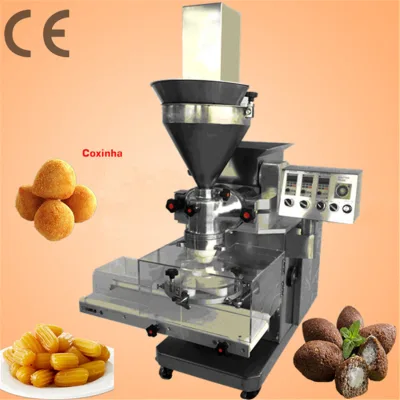
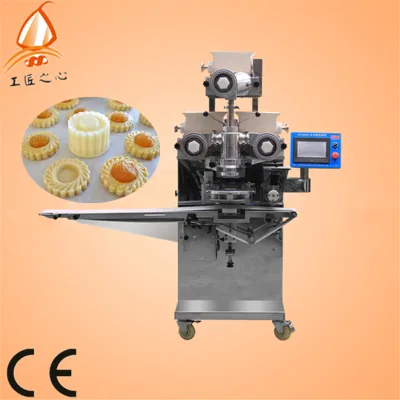
High Production Automatic Encrusting and Filling Machine New Type Simple Operation Snack Machine
$6800.00 - $7999.00
MOQ: 1 sets
Shanghai Henger Machinery Co., Ltd.
- Manufacturer, Trading Company
- Shanghai, China
- Lead time10 days
- Avg. response≤ 5h
Main productscake filling machine,cake cutting machine,bread slicer,encrusting machine,cookies machine
Main marketsAfrica(25.00%), Mid East(20.00%), South Asia(9.00%), North America(9.00%), South America(8.00%), Eastern Asia(5.00%), Southern Europe(4.00%), Oceania(4.00%), Eastern Europe(4.00%), Western Europe(3.00%), Northern Europe(3.00%), Southeast Asia(3.00%), Central America(2.00%)
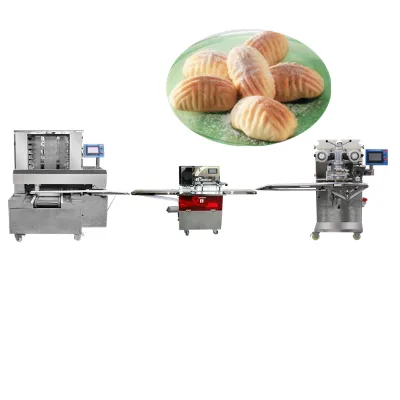
Lebanes Maamoul Maker Maamoul Making Machine Maamoul Production Line for Sale
$1.00 - $3.00
MOQ: 1 sets
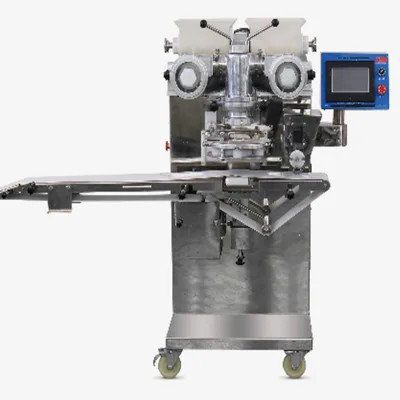
Automatic Dates Filled Maamoul Making Machines Maamoul Processing Machines with Low Price
$1.04 - $3.11
MOQ: 1 sets
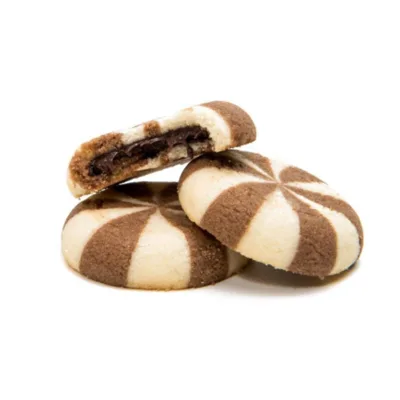
Rheon Encrusting Machine Kn500 Maamoul Making Machine Price
$8998.00 - $9000.00

Shanghai Chengtao Intelligent Equipment Co., Ltd
- Verified by SGS
- Combined
- China Shanghai
- Lead time45 days
- Avg. response≤ 1h
Main productsDumpling Machine, Siomai Machine, Kubba Machine, Maamoul Machine, Encrusting Machine, Spring Roll Machine, Samosa Machine, Bread Machine, Gyoza Machine, Wonton Machine
Main marketsAfrica,Southeast Asia/ Mideast,East Asia(Japan/ South Korea),Domestic,Europe,Australia,North America


$14000.00 - $16000.00
MOQ: 1 Pieces

Factory Automatic Encrusting Mamoul Mammoul Making Line Automatic Maamoul Production Machine
$14000.00 - $16000.00
MOQ: 1 Pieces

Automatic Equipment Maamoul Making Production Line Maamoul Encrusting Machine
$14000.00 - $16000.00
MOQ: 1 Pieces
- Trading Company
- Henan, China
- Lead time7 days
- Avg. response≤ 2h
Main productspacking machine,Meat processing machinery,dumpling machine,Fruit and vegetable processing equipment,frying machine
Main marketsEastern Europe(30.00%), Domestic Market(10.00%), Mid East(10.00%), South America(10.00%), North America(6.00%), Western Europe(5.00%), Eastern Asia(5.00%), Southern Europe(5.00%), Northern Europe(5.00%), Southeast Asia(3.00%), Africa(3.00%), Oceania(3.00%), Central America(3.00%), South Asia(2.00%)
Zhejiang Hanjue Precision Machinery Ltd.
- Manufacturer, Trading Company
- Zhejiang, China
- Lead time15 days
- Avg. response≤ 3h
Main productsSnack Machines,encrusting machine,Other Food Processing Machinery,Grain Product Making Machines,tray aligning machine
Main marketsNorth America(40.00%), Eastern Europe(30.00%), Domestic Market(10.00%), Mid East(8.00%), Southeast Asia(3.00%), Eastern Asia(2.00%), South Asia(1.00%), South America(1.00%), Southern Europe(1.00%), Northern Europe(1.00%), Central America(1.00%), Western Europe(1.00%), Africa(1.00%)
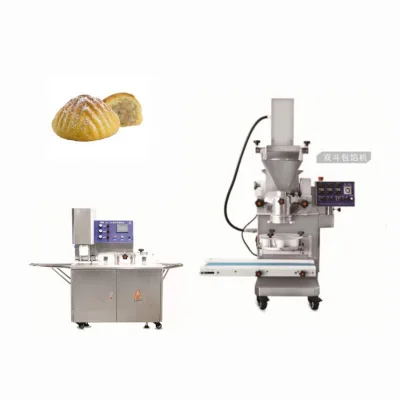
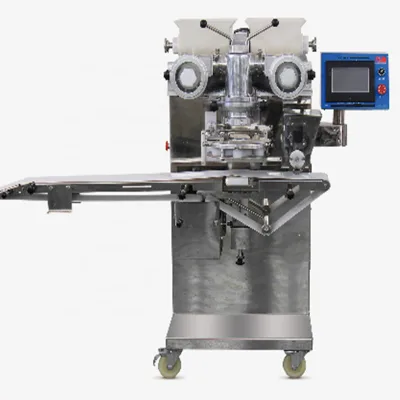
HJ-001 Automatic Maamoul Production Line Maamoul Making Machine Mamoul Machine With CE Certificate
$7139.22 - $7547.18
MOQ: 1 sets
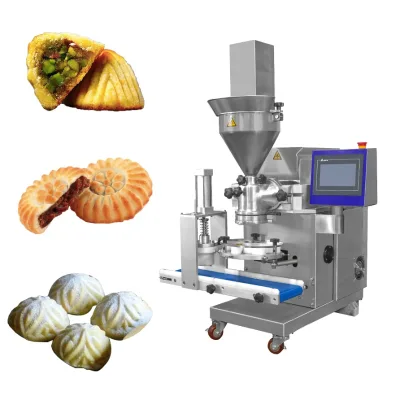
HJ-001 Desktop Maamoul Machine Maamoul Cookie Machine Mamol Making Machine with CE Certificate
$4400.00 - $4600.00
MOQ: 1
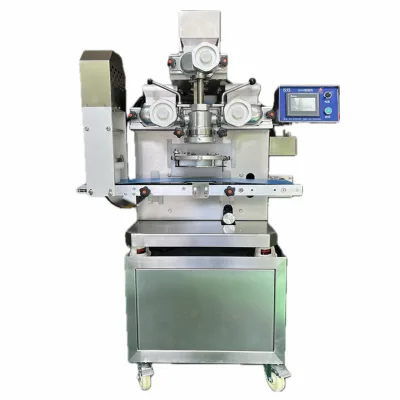
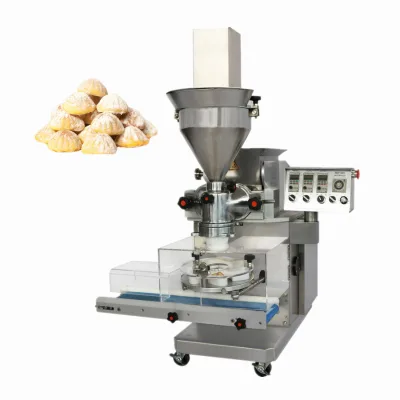
Shanghai Henger Machinery Company Ltd
- Manufacturer
- Shanghai, China
- Lead time10 days
- Avg. response≤ 10h
Main productscroissant machine,cake machine,bread machine,encrusting machine,oven
Main marketsMid East(30.00%), Africa(30.00%), Southeast Asia(10.00%), North America(10.00%), South Asia(5.00%), Central America(5.00%), Eastern Europe(5.00%), South America(5.00%)
Shanghai Bakenati International Trade Co., Ltd.
- Verified by SGS Group
- Manufacturer, Trading Company
- Lead time7 days
- Avg. response≤ 2h
Main productsEncrusting Machine, Tray Arranging Machine, Cookie Cake Machine, Bread Machine Line, Pizza Machine Line
Main marketsNorth America(30%), Mid East(25%), Eastern Europe(15%)

Wuxi Henghao Machinery Technology Co., Ltd
- Verified by TUVRHEINLAND
- Combined
- China Jiangsu
- Lead time30 days
- Avg. response≤ 1h
Main productsBread Production Line, Bread Making Machine, Automatic Encrusting Machine, Dough Divider Rounder, Dough Pressing Machine, Maamoul Mooncake Production Line, Dough Mixer, Soup Dumpling Making Machine, Cake Whipping Machine, Cake Continuous Aerator Machine
Main marketsEast Asia(Japan/ South Korea),Domestic


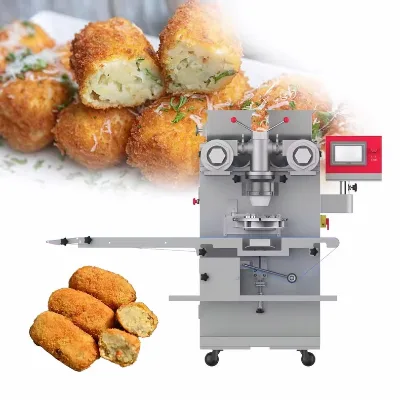
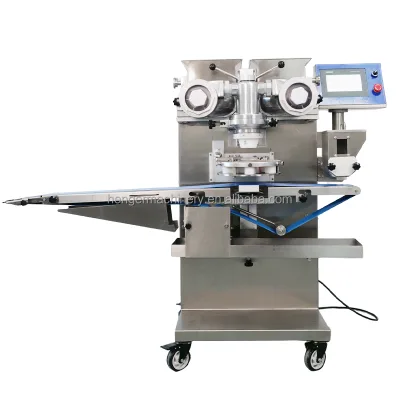
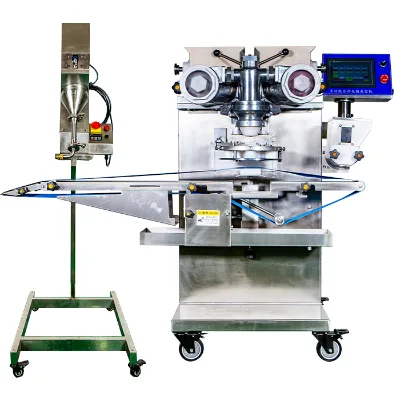
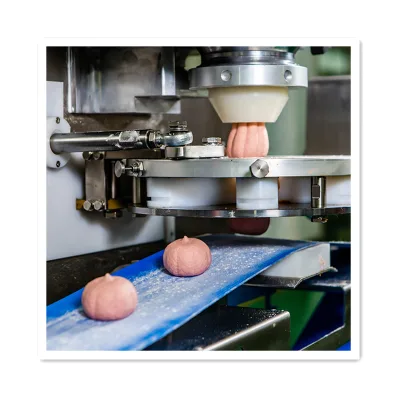


Comprehensive Sourcing Guide
Automatic Maamoul Machine Supplier Concentration and Factory Types
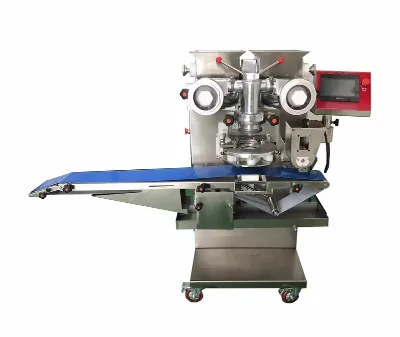
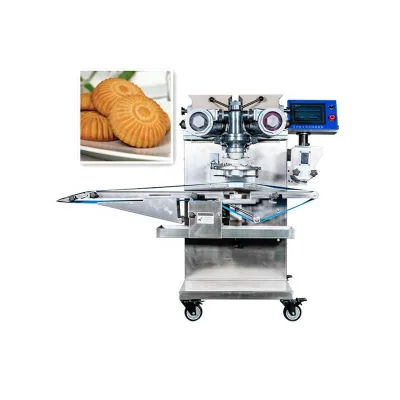
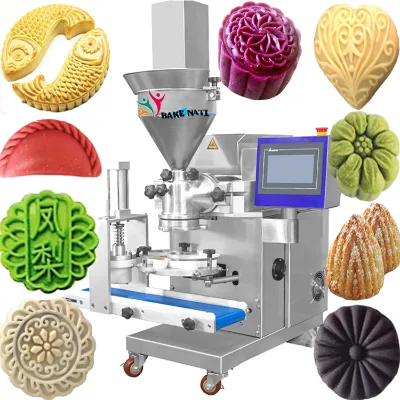
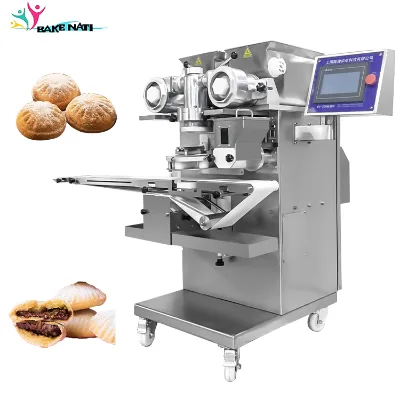
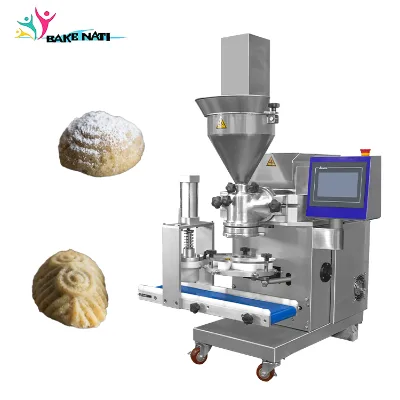
The available data indicates a concentration of suppliers located in Shanghai, China, which serves as a primary hub for the machinery described. These entities often operate as combined entities, functioning as both manufacturers and trading companies to streamline the supply chain. This dual role allows them to offer a broader range of equipment, including protein bar extruders, chocolate enrobers, and specific maamoul production lines, all originating from the same regional cluster. Buyers should note that while Shanghai is a confirmed location for several listings, the specific factory addresses are not provided in the current results, requiring direct inquiry for precise site verification.
Factory types vary significantly among the listed suppliers, with some offering ODM and OEM capabilities alongside their own brands. The product evidence shows a mix of fully automatic and semi-automatic grades, suggesting that the manufacturing base supports different levels of automation and customization. Some suppliers specialize in specific models like the P160 or KH-P series, while others provide general encrusting machines. This diversity in company type and product focus means that a buyer must carefully match their specific production needs, such as speed or filling requirements, with the specific capabilities advertised by the supplier rather than assuming a standard offering across the entire cluster.
How to Verify Automatic Maamoul Machine Suppliers
Verification of suppliers in this category relies heavily on third-party audit reports and specific credential checks. The current results show that some suppliers hold BV verification status, while others are verified by SGS Group, indicating that external validation is a key differentiator in this market. Buyers should prioritize suppliers with these specific verification badges, as they provide a layer of assurance regarding the company's legitimacy and operational stability. It is crucial to request the full audit report to understand the scope of the verification, ensuring it covers the specific manufacturing facilities where the maamoul machines are assembled.
Beyond verification badges, buyers must scrutinize the product attributes and certifications listed for each machine model. The data reveals that many machines claim ISOCE certification, though the system-level certification for the company itself is often listed as NIL in the general profile. This distinction is vital; a product may have specific certifications while the parent company lacks a broad system certification. Buyers should verify if the ISOCE claim applies to the specific machine model or the entire production line. Additionally, checking the response time, which ranges from 4 to 9.70 hours in the data, can serve as a proxy for the supplier's operational responsiveness and customer service quality before committing to a larger order.
What to Compare Across Automatic Maamoul Machine Suppliers
When evaluating potential partners, lead time is a critical metric that varies significantly across the supplier pool. The observed data shows lead times ranging from 15 days to 38 days, a substantial difference that impacts project planning and inventory management. A supplier with a 15-day lead time may offer faster delivery but could have different capacity constraints compared to one requiring 38 days. Buyers should explicitly ask for the current production schedule to confirm if these times are static or subject to fluctuation based on order volume. Comparing these timelines against the urgency of the project is essential for selecting a supplier that aligns with the buyer's delivery expectations.
Another vital comparison point is the minimum order quantity (MOQ) and the pricing structure associated with different machine configurations. The evidence indicates an MOQ of 1 unit for several models, which is favorable for small-scale operations or those testing the market. However, prices vary widely, with some listings showing a range from $6,153 to $6,460, while others list ranges up to $23,000. This price disparity often correlates with the level of automation, such as fully automatic versus semi-automatic grades, and the inclusion of additional features like specific power sources or custom dimensions. Buyers must compare the total cost of ownership, including the power requirements and production speed, to ensure the quoted price reflects the actual value and capability of the machine.
Common Automatic Maamoul Machine Sourcing Risks
One significant risk involves the discrepancy between advertised certifications and actual system-level compliance. While product attributes frequently list ISOCE certification, the general company profile often shows NIL for system certification. This gap suggests that while the machine might meet specific product standards, the manufacturing facility may not adhere to a comprehensive quality management system. Buyers should treat product-level certifications as a starting point rather than a guarantee of overall factory compliance. It is necessary to request detailed documentation proving that the specific machine model meets the required safety and operational standards for the buyer's target market.
Another risk pertains to the variability in response times and the potential for communication delays. The data shows response times ranging from 4 hours to nearly 10 hours, which can affect the speed of negotiation and technical clarification. In complex machinery sourcing, delayed responses can lead to misunderstandings regarding technical specifications, such as voltage requirements or dimension constraints. A slower response time might indicate a high volume of inquiries or a less dedicated support team. Buyers should test the responsiveness of a supplier early in the process to gauge their ability to handle urgent technical queries and ensure that the communication channel remains open throughout the production and shipping phases.
Automatic Maamoul Machine Regional Sourcing and Logistics
The primary sourcing region identified in the data is Shanghai, China, which serves as the point of origin for the majority of the listed machinery. This location is a major port city, facilitating international shipping and logistics for heavy industrial equipment. The product attributes confirm that the origin is Shanghai, and some listings explicitly mention the port of dispatch as Shanghai port or other sea ports upon customer request. This concentration in a major logistics hub generally simplifies the export process, as suppliers are accustomed to handling the documentation and freight arrangements required for international buyers.
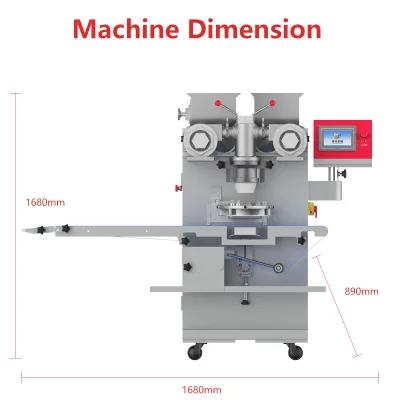
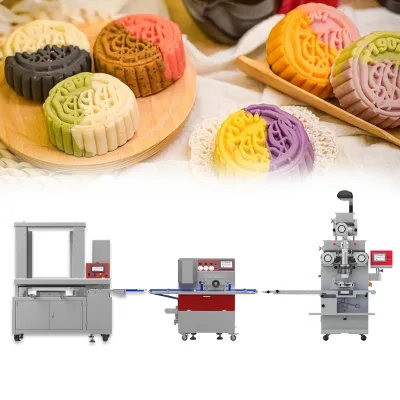
Logistics planning must account for the specific packaging and dimensions of the machines, which vary by model. The evidence shows dimensions ranging from compact units like 8076162cm to larger production lines measuring 610011801450mm. Packaging is consistently described as a wooden case, often specified as a standard export wooden case or a wooden case by sea, which is critical for protecting the machinery during transit. Buyers need to calculate the volume and weight of the shipment, as some machines weigh up to 780kg, while others are lighter at 150kg. These factors directly influence freight costs and the choice of shipping method, requiring precise coordination with the supplier to ensure the equipment arrives safely and on schedule.
Automatic Maamoul Machine Commercial Terms and Order Planning
Commercial terms regarding customization and warranty are key factors in finalizing an order. The data indicates that customization is available across many models, with options for specific power sources, voltage, and automatic grades. Some suppliers offer a one-year warranty, which is a standard term for this type of equipment, but buyers must verify the scope of this warranty, including whether it covers online video support or on-site service. Understanding the extent of after-sales support is crucial, as the complexity of maamoul machines often requires technical assistance for installation and troubleshooting. Buyers should negotiate clear terms regarding what is included in the warranty and the availability of spare parts.
Order planning must also consider the supply ability and production capacity of the supplier. The evidence shows a supply ability of 20 sets per month for certain encrusting machines, which sets a limit on how quickly a large order can be fulfilled. For buyers requiring larger volumes, this capacity constraint may necessitate splitting orders or planning for longer lead times. Additionally, the production speed of the machines, ranging from 10-60 pcs/min to 60-99 pcs/min, should be factored into the overall production planning. Buyers must ensure that the machine's output aligns with their production targets and that the supplier can maintain this speed consistently over the agreed production period.
FAQs
What is the price range for automatic maamoul machines?
Prices typically range from $6,153 to $23,000 depending on automation level and capacity. Basic semi-automatic models start around $7,000, while fully automatic production lines cost up to $23,000. Buyers should verify specific pricing for customized configurations or bulk orders directly with suppliers to ensure accurate quotes.
What is the typical lead time for manufacturing?
Manufacturing lead times generally range from 15 to 38 days. Faster production is available from some suppliers, taking approximately 15 days, while others may require up to 38 days for complex orders. Buyers should confirm exact delivery schedules with their chosen supplier before finalizing payment terms.
What is the minimum order quantity for these machines?
The minimum order quantity is typically one unit. Most suppliers accept single machine purchases, allowing buyers to test equipment before scaling up. This low MOQ facilitates easier entry for small bakeries or startups looking to automate their maamoul production without committing to large initial inventory investments.
Where are these machines primarily manufactured?
These machines are primarily manufactured in China, with specific origins in Shanghai and Jiangsu. Buyers can expect equipment to be dispatched from major ports like Shanghai. Verifying the exact place of origin is recommended to understand logistics costs and potential import duties for your specific destination country.
What certifications do these machines usually have?
Many machines carry ISOCE certification, indicating compliance with specific industrial standards. Buyers should verify if additional safety or electrical certifications are required for their local market. Confirming certification details with the supplier ensures the equipment meets all regulatory requirements for installation and operation in your facility.
What is the production speed of these machines?
Production speeds vary from 10 to 99 pieces per minute. Smaller encrusting machines may produce 10-60 pieces per minute, while high-speed automatic lines can reach up to 99 pieces per minute. Selecting the appropriate speed depends on your daily production volume and operational workflow requirements.