Autumn and Winter Tweed Headband Suppliers and Manufacturers
Source Autumn and Winter Tweed Headband from 27 verified suppliers in China. Compare key dimensions including lead times, MOQs, response speeds, and certifications to find the right partner. Contact suppliers directly to request samples and negotiate terms; review the available evidence before requesting comparable quotations from suitable candidates.
Suppliers List
- Verified by SGS
- Trading Company
- China Zhejiang
- Lead time15 days
- Avg. response≤ 8h
Main productsYiwu Sourcing Agent, DIY Toys, DIY Jewelry, Travel Souvenirs, Stationery, School Furtiture, Outdoor Products, Caps & Shoes & Socks, Costumes & Props, Beauty Tools
Main marketsAfrica,East Asia(Japan/ South Korea),North America

$1.66 - $2.07
MOQ: 20 Pieces

- Verified by SGS Group
- Manufacturer, Trading Company
- Lead time25 days
Main productsHair Accessories, Earrings, Necklaces, Rings, Bracelets
Main marketsEastern Asia(50%), Western Europe(20%), North America(15%)

Huizhou Mairuidi Trade Co., Ltd.
- Trading Company
- Guangdong, China
- Lead time0 days
- Avg. response≤ 9h
Main productsdiy jewelry,earring,necklace,sunglasses
Main marketsNorth America(70.00%), Domestic Market(5.00%), Southern Europe(5.00%), Northern Europe(5.00%), Western Europe(5.00%), Eastern Europe(5.00%), South America(5.00%)
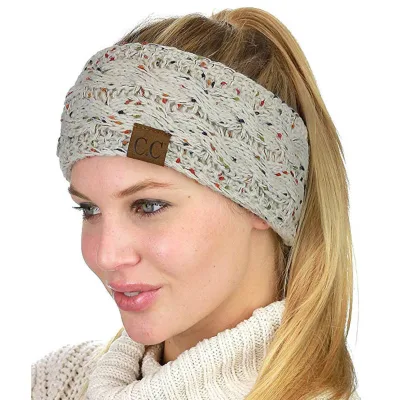
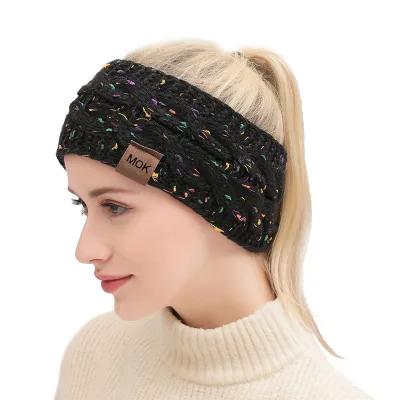
Hot Headbands for Women Winter Warm Cable Knit Ear Warmer Thick Head Wrap Warm Knit Headband
$0.95 - $1.08
MOQ: 10 pieces

$0.95 - $1.08
MOQ: 10 pieces


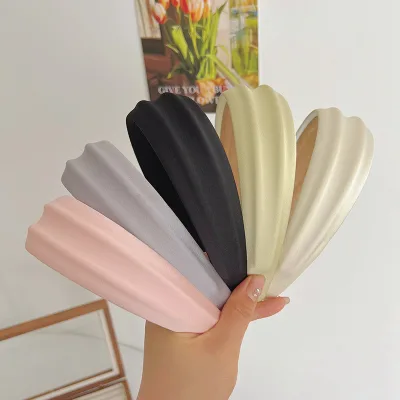
New Headbands,Wholesale Personalised Knot Headband Pure Color Pleated Fabric Women Headbands
$0.60 - $0.70
MOQ: 10 pieces
Foshan Youyan Clothing Co., Ltd.
- Verified by TüVRheinland
- Manufacturer, Trading Company
- Lead time25 days
Main productsHeadband, Hairband, Hair Clip, Scrunchies, Socks
Main marketsNorth America(60%), Western Europe(8%), Oceania(6%)
- Trading Company
- Zhejiang, China
- Lead time0 days
- Avg. response≤ 2h
Main productshair clip,hair tie,charm&pendant,bracelet,jewelry accessories
Main marketsNorth America(35.00%), Western Europe(30.00%), Mid East(10.00%), Southern Europe(5.00%), Eastern Europe(5.00%), South America(5.00%), Africa(3.00%), Eastern Asia(2.00%)
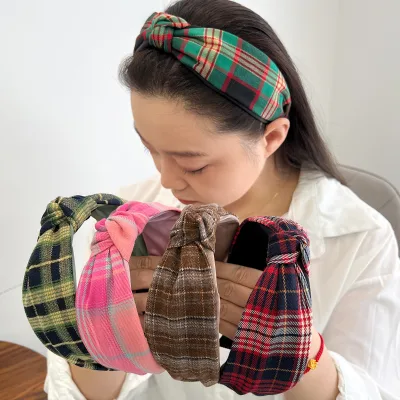
2024 New Design College Style Women Winter Plaid Knotted Headband for Holiday Headwear
$1.30 - $1.40
MOQ: 12 pieces

Women Winter Simple Wide Non-slip Solid Color Double Velvet Headband with Bow
$1.05 - $1.15
MOQ: 12 pieces

Yiwu Chengrui Import And Export Co., Ltd.
- Trading Company
- Zhejiang, China
- Lead time15 days
- Avg. response≤ 3h
Main productsscarf,Hair Accessories,Towels,Hats,pantyhose
Main marketsCentral America(20.00%), North America(20.00%), South America(15.00%), Eastern Europe(15.00%), Western Europe(10.00%), Southeast Asia(10.00%), Southern Europe(5.00%), Africa(3.00%), South Asia(2.00%)

Shanghai Touch Industrial Development Co., Ltd.
- Verified by TUVRHEINLAND
- Combined
- China Shanghai
- Lead time15 days
- Avg. response≤ 4h
Main productsInstant Hot Pack, Hot Cold Pack, Gel Eye Mask, Gel Ice Pack, Gel Bottle Cooler, Instant Ice Pack, Hand Warmer, Heat Pack, Cooling Scarf, Gel Beads
Main marketsSouth America,Others(foreignTradeCapacity.exportBusinessCapacityMarketOther),Southeast Asia/ Mideast,East Asia(Japan/ South Korea),Domestic,Europe,Australia,North America

HANGZHOU PERSERPRO GARMENT CO., LTD.
- Other
- China Zhejiang
- Lead time45 days
- Avg. response≤ 21h
Main productsKnitwear, Kid's Knitwear, Pet Clothes, Men's Knitwear, Knitting Blanket, Sweater, Knitting Accessories, Ladie's Knitwear, Blanket
Main marketsSouth America,Eastern Europe,Mid East,North America,Western Europe

Pure Color Knitting Headband for Winter Hair Accessories for Girls and Woman
$0.85 - $0.95
MOQ: 100 PCS


Knitting Headband Elastic Hair Band Hair Accessories Wholesale Autumn and Winter Women
$0.50 - $0.90
MOQ: 100 PCS

Knitted Fabric Lady Headband with Bow Cross Knot Headband Multiple Color Options
$0.50 - $0.90
MOQ: 100 PCS

FBYL LEATHER CORPORATION LIMITED
- Verified by TUVRHEINLAND
- Trading Company,Manufacturer/Factory
- China Jiangsu
- Lead time45 days
- Avg. response≤ 18h
Main productsBags, Gloves, Wallet, Scarf, Hat, Boots
Main marketsEastern Europe,North America,Western Europe

Yiwu Noya Accessories Co., Ltd.
- Trading Company
- Zhejiang, China
- Lead time25 days
- Avg. response≤ 6h
Main productsaccessories,Jewelry,headband,bag,agent
Main marketsWestern Europe(30.00%), North America(30.00%), Domestic Market(10.00%), Northern Europe(10.00%), Eastern Europe(10.00%)

Jinjiang Jiaxing Supply Management Co., Ltd.
- Verified by TUVRHEINLAND
- Trading Company
- China Fujian
- Lead time30 days
- Avg. response≤ 1h
Main productsEVA Clogs, Flip Flop, Shoe Charms, Shopping Bags, Wristbands, Gifts, Promotional Gifts, Slipper, Sport Cap, Ball
Main marketsNorth America

Quanzhou Changyi Crafts Gifts Limited
- Verified by TUVRHEINLAND
- Manufacturer/Factory
- China Fujian
- Lead time23 days
- Avg. response≤ 7h
Main productsBallpoint Pen, Silicone Bracelet, Name Card Holder, Luggage Tag, Gift Set, Mobile Phone Accessory, Passport Cover, Ceramic Coaster, Gift Bag, Gift Box
Main marketsSouth America,Mid East,North America,Southeast Asia,Eastern Asia,Oceania,Western Europe,Africa

Polyester Cotton Headband for Men and Women Sports Sweat Absorption Sweat Guide Headband
$0.59 - $0.62
MOQ: 100 Pieces


Jurong Yuanfeng Industries Ltd.
- Verified by BV
- Trading Company
- China Jiangsu
- Lead time23 days
- Avg. response≤ 5h
Main productsBandana, Multi Tube Bandana, Baseball Caps, Beanie, Handkerchiefs, Socks, Durag, Head Band, Wrist Band, Head Wear
Main marketsEurope,North America


Hot Sale Customized Logo Comfortable Designer Headbands Cotton Sweatband Wrist Bands
$0.30 - $1.00
MOQ: 500 Pieces

Sport Headband with Embroidery Logo
MOQ: 500 Pieces
Jurong Mujie Apparel Co., Ltd.
- Verified by TUVRHEINLAND
- Combined
- China Jiangsu
- Lead time23 days
- Avg. response≤ 11h
Main productsJersey Beanie, Knitting Beanie, Knitting Scarf, Bandana
Main marketsDomestic

- Verified by CTI
- Trading Company
- China Zhejiang
- Lead time15 days
- Avg. response≤ 7h
Main productsJewelry, Brooch, Belt, Necklace, Agent, Bracelet, China Trim, China Ring, China Hair Accessory, China Earring
Main marketsSouth America

Foshan Youyan Clothing Co., Ltd.
- Combined
- China Guangdong
- Lead time30 days
- Avg. response≤ 8h
Main productsHeadband, Scrunchies, Hair Tie, Hair Clip, Hairband
Main marketsSouth America,Africa,Southeast Asia/ Mideast,East Asia(Japan/ South Korea),Domestic,Europe,Australia,North America

Women Headbands Warm Ear Protection Pearl Decoration Elastic Knitted Wide Headband
$0.84 - $1.21
MOQ: 20 pieces

Valentine's Day Women Love Heart Decoration Wide Brim Solid Fabric Knotted Headbands
$1.33 - $1.90
MOQ: 20 pieces

Fall Winter Women Non-Slip Swollen Padded Headband Cross Vintage Velvet Headbands
$1.16 - $1.66
MOQ: 50 pieces
ZHENJIANG KIMTEX INDUSTRIAL INC.
- Verified by SGS
- Combined
- China Jiangsu
- Lead time30 days
- Avg. response≤ 15h
Main productsBaseball Cap, Beanie Hat, Trucker Hat, Snapback Cap, Bucket Hat, Gloves, Scarf, Socks, Bandana, T-Shirt
Main marketsAfrica,Southeast Asia/ Mideast,East Asia(Japan/ South Korea),Europe,Australia,North America


Multi-Functional Summer Cool Elastic Custom Logo Printed Polyester Headband
$0.48 - $0.99
MOQ: 500 Pieces
- Verified by SGS
- Manufacturer
- China Shanghai
- Lead time23 days
- Avg. response≤ 3h
Main productsScarf, Bag, Hat, Blanket, House Shoes, Indoor Slippers, Scarf & Warmth Set, Shawl, Hijab Headscarf, Cap
Main marketsEast Asia(Japan/ South Korea),Domestic,Europe,North America

Fuzhou Chongkang Gifts Trade Co., Ltd.
- Verified by SGS
- Manufacturer/Factory
- China Fujian
- Lead time23 days
- Avg. response≤ 6h
Main productsPromotional Gifts, Baseball Cap, Beanies Hat, Gift Bags, Scarf, Microfiber Cleaning Cloth, Keychain, USB Charging Line, Luggage Tag, Mobile Phone Holder
Main marketsSouth America,Eastern Europe,Mid East,North America,Southeast Asia,Eastern Asia,Oceania,Western Europe,Africa

High Elasticity Colorful Breathable Cotton Headbands and Wrist Bands for Outdoor Sports
$0.26 - $0.75
MOQ: 250 Pieces


Wenzhou Success Group Co., Ltd.
- Trading Company
- China Zhejiang
- Lead time23 days
- Avg. response≤ 10h
Main productsT-Shirt, Umbrella, Flip Flop, Scarf, Baseball Cap, Flag, Beach Towel, Beach Ball, Lanyard
Main marketsAfrica,Europe,North America

Yiwu Zhuola Accessories Co., Ltd.
- Verified by CTI
- Combined
- China Zhejiang
- Lead time15 days
- Avg. response≤ 13h
Main productsHair Accessories, Hair Ornaments, Elastic Hair Bands, Hair Band, Hair Tie, Ponytail Holder, Hair Clips, Headband, Hair Decoration, Rubber Hair Band
Main marketsAfrica
Dongguan Kangbao Garment Co., Ltd.
- Verified by BV
- Combined
- China Guangdong
- Lead time23 days
- Avg. response≤ 7h
Main productsBeanie, Winter Hat, Scarf and Neck Warmer, Gloves and Mittens, Knit Poncho and Blanket, Headband Sports Gear, Canvas Bag, Golf Cover
Main marketsAfrica,Europe,North America


$0.50 - $1.50
MOQ: 200 Pieces

Hangzhou Sangcai Technology Co., Ltd.
- Trading Company
- China Zhejiang
- Lead time23 days
- Avg. response≤ 15h
Main productsSilk Sleepwear, Silk Eye Mask, Silk Pillowcase, Silk Robe, Silk Pajamas Set, Silk Scarves, Silk Tie
Main marketsSouth America,Eastern Europe,North America,Oceania,Western Europe
Qingdao Finestyle Fashion Accessory Co., Ltd.
- Verified by Intertek
- Manufacturer, Trading Company
- Lead time30 days
Main productsHairband, Bag Charm, Bags, Fashion Jewelry
Main marketsNorth America(80%), Western Europe(10%), Eastern Asia(5%)

Hangzhou Zhigeng Silk Co., Ltd.
- Verified by BV
- Trading Company,Manufacturer/Factory
- China Zhejiang
- Lead time45 days
- Avg. response≤ 11h
Main productsSilk Scarf, Silk Tie, Wool Scarf, Silk Sleepmask, Silk Pillowcase, Silk Scrunchies, Silk Sleepwear, Cotton Linen Tote Bag
Main marketsSouth America,Eastern Europe,North America,Western Europe
Shenzhen Villsun Sports Technology Co., Ltd
- Verified by SGS
- Trading Company
- China Guangdong
- Lead time23 days
- Avg. response≤ 3h
Main productsFitness Equipment, Yoga Mats, Resistance Bands, Yoga Ball, Shin Guards, Knee Pads, Elbow Pads, Strength Fitness Equipment, Hand Grip, Yoga Wear
Main marketsSouth America,Southeast Asia/ Mideast,Europe,Australia,North America


High-Performance Sweatband Headband for Women - Ideal for Yoga and Running
$0.60 - $1.15
MOQ: 50 Pieces

- Verified by TUVRHEINLAND
- Trading Company
- China Zhejiang
- Lead time15 days
- Avg. response≤ 10h
Main productsSport Wear, Yoga Pants, Sports Bra, Sports Cap, Waist Bag, Sports Sock, Sports Towel, Quick Dry Clothes, Yiwu Buying Agent, Sourcing Agent
Main marketsSouth America,Europe,North America

Headband Summer Outing Sports Thin Running Sweat-Absorbing Woolen Tip Stretch-Knit
$0.72 - $0.80
MOQ: 50 Pieces

Sweat-Absorbing Headband with Breathable Knit Lettering Wide-Brimmed Summer Cool
$1.08 - $1.20
MOQ: 50 Pieces






Comprehensive Sourcing Guide
Autumn and Winter Tweed Headband Supplier Concentration and Factory Types
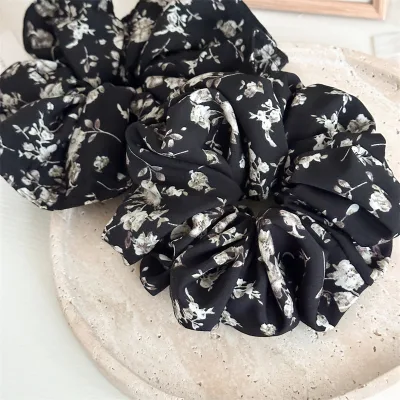
The current supplier landscape for autumn and winter tweed headbands reveals a distinct concentration of manufacturing and trading entities within specific Chinese provinces, primarily Zhejiang and Guangdong. These regions serve as critical hubs for hair accessory production, offering buyers access to established industrial clusters that specialize in both raw material sourcing and finished goods assembly. Suppliers located in Zhejiang often leverage local textile infrastructure to produce items such as retro plaid headbands and thick sponge headbands, which align closely with the aesthetic demands of the autumn and winter seasons. Meanwhile, Guangdong-based suppliers frequently focus on diverse materials, including furry fabrics and knitwear, catering to a broader range of stylistic preferences from European and American styles to cute, heart-shaped designs. This geographic distribution allows buyers to evaluate suppliers based on their proximity to specific supply chains, whether they require the intricate weaving capabilities associated with tweed or the soft, plush textures of winter accessories. Understanding this regional split is essential for assessing the logistical efficiency and potential cost advantages of working with factories in these areas, as each province may have different strengths in terms of material availability and production speed.
Within these clusters, the company types vary significantly, ranging from pure trading companies to integrated manufacturers that also offer trading services. Many suppliers identify themselves as trading companies, which can provide a wider variety of products such as DIY jewelry, stationery, and outdoor products alongside hair accessories, offering convenience for buyers seeking to consolidate orders. However, other suppliers operate as both manufacturers and trading companies, providing the benefit of direct factory pricing and customization capabilities while maintaining the flexibility of a trading entity. This dual role is particularly relevant for buyers interested in OEM or ODM services, as these suppliers often possess the necessary R&D capacity for sample processing, graphic processing, and light customization. The presence of own brands among some manufacturers suggests a level of market maturity and design innovation, which can be a valuable indicator of quality and trend awareness. Buyers should carefully distinguish between these entity types to determine whether they are engaging with a middleman or a direct producer, as this distinction impacts communication efficiency, pricing structure, and the ability to implement specific design changes for autumn and winter collections.
How to Verify Autumn and Winter Tweed Headband Suppliers
Verification is a critical step in ensuring the reliability and legitimacy of suppliers offering autumn and winter tweed headbands, particularly when dealing with international trade. Buyers should prioritize suppliers that have undergone third-party verification processes, such as those conducted by SGS, which provides an additional layer of trust regarding the supplier’s business operations and product quality. The presence of SGS verification indicates that the supplier has met certain standards for business legitimacy and operational capacity, reducing the risk of engaging with fraudulent or unreliable entities. In addition to verification badges, buyers should examine the supplier’s response time, which serves as an indicator of their operational efficiency and customer service commitment. A response time of approximately seven to nine hours suggests a professional team that is likely to address inquiries and resolve issues promptly, which is crucial for maintaining smooth communication throughout the sourcing process. This metric is particularly important when negotiating customizations or addressing urgent order requirements, as delayed responses can lead to production bottlenecks and missed deadlines.
Beyond verification and response times, buyers should assess the supplier’s capacity for customization and production flexibility, which are key indicators of their ability to meet specific product requirements. Suppliers that explicitly state capabilities in ODM, OEM, and own brand development demonstrate a higher level of technical proficiency and design innovation, which is essential for creating unique autumn and winter headband designs. Additionally, the availability of sample processing and mold-making services indicates that the supplier can accommodate custom requests and prototype development, allowing buyers to test product quality before committing to large orders. Buyers should also verify the supplier’s main products to ensure that hair accessories are a core focus rather than a peripheral offering, as this specialization often correlates with higher quality and better pricing. By combining these verification methods, buyers can build a comprehensive profile of each supplier, ensuring that they partner with entities that are not only legitimate but also capable of delivering high-quality products that meet their specific market demands.
What to Compare Across Autumn and Winter Tweed Headband Suppliers
When evaluating multiple suppliers for autumn and winter tweed headbands, buyers must systematically compare key operational metrics to identify the most suitable partner for their business needs. Lead time is a primary factor, with some suppliers offering production cycles of fifteen days while others may require up to twenty-five days or more. This variation can significantly impact inventory planning and market launch strategies, making it essential for buyers to align supplier lead times with their sales forecasts and seasonal demands. Additionally, the minimum order quantity (MOQ) varies across suppliers, ranging from low thresholds of ten to twenty pieces to higher volumes, which affects the initial investment and risk exposure for new buyers. Comparing these metrics allows buyers to balance cost efficiency with flexibility, selecting suppliers that offer competitive MOQs for trial orders while ensuring that lead times are manageable for restocking purposes. This comparative analysis helps in creating a diversified supplier base, reducing dependency on a single source and mitigating potential supply chain disruptions.
Price and customization options are equally critical dimensions for comparison, as they directly influence profit margins and product differentiation. Suppliers may offer price ranges from approximately one dollar to two dollars per unit, depending on the material, design complexity, and order volume. Buyers should analyze these price points in conjunction with the supplier’s customization capabilities, such as the availability of different colors, shapes, and styles, to determine the best value proposition. Some suppliers provide extensive color options and custom packaging, which can enhance brand identity and market appeal, while others may offer limited customization but lower prices. By comparing these factors across multiple suppliers, buyers can identify those that offer the best combination of cost, quality, and flexibility. This holistic approach ensures that buyers select suppliers that not only meet their immediate product requirements but also support their long-term business goals through reliable performance and competitive pricing structures.
Common Autumn and Winter Tweed Headband Sourcing Risks
Sourcing autumn and winter tweed headbands involves several inherent risks that buyers must proactively manage to ensure a successful procurement process. One significant risk is the variability in product quality, particularly when dealing with suppliers that offer a wide range of materials and styles. Tweed fabrics and winter accessories require specific manufacturing techniques to ensure durability and comfort, and inconsistencies in production can lead to customer dissatisfaction and returns. Buyers should be cautious of suppliers that do not provide detailed product specifications or fail to offer samples for quality assessment. Additionally, the risk of delayed shipments is prevalent, especially during peak seasons when demand for winter accessories surges. Suppliers with longer lead times or those located in regions prone to logistical disruptions may struggle to meet delivery deadlines, impacting the buyer’s ability to stock shelves in time for the holiday season. Mitigating this risk requires careful selection of suppliers with proven track records of on-time delivery and robust production planning.
Another critical risk is the potential for miscommunication regarding customization requirements, which can result in products that do not meet the buyer’s expectations. Suppliers that offer extensive customization options may sometimes lack the clarity in their communication, leading to errors in design, color, or packaging. This risk is exacerbated when buyers rely solely on written descriptions without visual confirmation or physical samples. Furthermore, there is a risk of intellectual property infringement if buyers work with suppliers that do not adhere to strict confidentiality agreements or if they source designs that are already protected by existing patents. Buyers must ensure that their suppliers have clear policies in place to protect proprietary designs and maintain quality control standards. By identifying and addressing these risks early in the sourcing process, buyers can establish stronger partnerships with suppliers and minimize the likelihood of costly errors or disputes that could disrupt their business operations.
Autumn and Winter Tweed Headband Regional Sourcing and Logistics
The regional sourcing of autumn and winter tweed headbands from China, particularly from Zhejiang and Guangdong, offers distinct logistical advantages and challenges that buyers must consider. Zhejiang, known for its strong textile industry, provides easy access to raw materials and established manufacturing networks, which can streamline the production process for tweed and fabric-based headbands. Suppliers in this region often benefit from efficient local logistics infrastructure, enabling faster turnaround times for domestic and international shipments. On the other hand, Guangdong’s diverse manufacturing ecosystem supports a wide variety of materials, including furry and knit fabrics, catering to different stylistic preferences. Buyers should evaluate the proximity of suppliers to major ports and transportation hubs to assess the potential impact on shipping costs and delivery times. Understanding the logistical landscape of these regions allows buyers to optimize their supply chain, reducing transit times and ensuring that products arrive in time for seasonal demand peaks.
Logistics planning also involves considering the packaging and handling requirements of autumn and winter headbands, which can affect shipping efficiency and product integrity. Suppliers often use carton packaging for bulk shipments, which provides protection during transit but may require additional handling to prevent damage. Buyers should verify the packaging standards and dimensions provided by suppliers to ensure compatibility with their storage and distribution systems. Additionally, the weight and volume of the products, as indicated by single package sizes and gross weights, influence freight costs and container utilization. By aligning supplier logistics capabilities with their own distribution strategies, buyers can minimize shipping expenses and reduce the risk of product damage. This strategic approach to regional sourcing and logistics ensures that buyers can efficiently manage their inventory and maintain consistent product availability, supporting their market presence and customer satisfaction.
Autumn and Winter Tweed Headband Commercial Terms and Order Planning
Effective commercial terms and order planning are essential for managing the procurement of autumn and winter tweed headbands and ensuring a smooth transaction process. Buyers should negotiate clear payment terms, delivery schedules, and quality assurance clauses to protect their interests and minimize financial risk. Understanding the supplier’s pricing structure, including any discounts for bulk orders or long-term contracts, allows buyers to optimize their cost structure and improve profit margins. Additionally, buyers should establish clear communication channels for order tracking and issue resolution, ensuring that any discrepancies or delays are addressed promptly. By defining these commercial terms upfront, buyers can create a transparent and mutually beneficial partnership with their suppliers, fostering trust and reliability in the supply chain. This proactive approach to commercial planning helps buyers avoid unexpected costs and ensures that orders are fulfilled according to their specifications and timelines.
Order planning also involves forecasting demand and aligning production schedules with market trends to avoid overstocking or stockouts. Buyers should analyze historical sales data and seasonal trends to estimate the required volume of autumn and winter headbands, taking into account the supplier’s lead times and MOQs. This forecasting enables buyers to place orders at optimal times, ensuring that products are available when demand is highest. Additionally, buyers should consider the flexibility of their suppliers to accommodate rush orders or changes in design, which can be crucial for responding to sudden market shifts. By integrating commercial terms with strategic order planning, buyers can create a resilient supply chain that adapts to changing market conditions and supports their business growth. This comprehensive approach ensures that buyers can effectively manage their inventory, maintain product quality, and achieve their sales objectives in the competitive hair accessory market.
FAQs
What MOQ should I expect when sourcing autumn and winter tweed headbands?
Most listings on this page show low minimums, with order quantities of 10 to 20 pieces per style commonly available for headband products. Small trial orders are realistic for testing demand. Always confirm the exact MOQ per color or model before placing a sample order, since variants like bowknot or solid-color designs may carry different quantity requirements from the same supplier.
How long is the typical lead time for wholesale headband orders?
Lead times shown for these suppliers range from about 15 to 25 days, and individual product listings quote delivery in 10 to 15 days for in-stock headband designs. Customized or made-to-order tweed styles usually take longer than catalog items. Confirm the production schedule in writing and ask whether the quoted lead time includes sampling, quality inspection, and preparation for shipping.
Which regions in China produce tweed and fabric headbands?
The suppliers featured here are located in Zhejiang and Guangdong, China, both established hubs for hair accessories manufacturing. Zhejiang suppliers often handle trading and sourcing for a broad range of accessories, while Guangdong manufacturers list fabric and knit headbands directly. Production origin matters for shipping costs and customs paperwork, so verify the declared place of origin on each product before ordering.
Can I get custom logos or OEM designs on headbands?
Yes, customization appears widely supported. Capability listings mention ODM, OEM, and own-brand work, and several product listings state that customization is available along with mould making and sample making services. Light customization such as color changes or packaging adjustments is typically easier than full structural redesigns. Request a pre-production sample to confirm material, stitching, and logo placement before mass production begins.
What do wholesale tweed headbands typically cost per piece?
Prices on this page range from roughly 0.65 to 2.07 US dollars per piece depending on design and material. Simple solid-color or sponge headbands sit at the lower end, while thick plaid and bowknot styles command higher prices. Knitted winter ear-warmers also fall in this range. Volume discounts may apply above the minimum order, so request tiered pricing for larger quantities.
How quickly do these headband suppliers respond to buyer inquiries?
Response times recorded for suppliers on this page average around 7 to 9 hours, so buyers should expect a reply within the same business day in most cases. Response speed can vary with time zones and inquiry complexity. Send complete specifications including target price, quantity, and customization needs in the first message to reduce back-and-forth and get an accurate quote faster.
Are there verified suppliers for winter headbands on this page?
Yes, some suppliers listed here hold SGS verification, which indicates third-party assessment of the company profile. Verification is a useful screening signal but does not replace your own checks. Before committing funds, ask for business licenses, request references from past buyers, and consider starting with a small order. Confirm whether payments can be protected through platform escrow or trade assurance services.
What sizes and materials are common for autumn winter headbands?
Listed products show headband circumferences around 22 centimeters, with individual items sized between roughly 5 by 7 and 6.6 by 8.5 centimeters depending on style. Materials include sponge, fabric, and knit constructions, often described as thick or wide for warmth and volume. Request actual measurements and material composition in writing, and order samples to check stretch, comfort, and finishing quality before bulk ordering.