Non-Slip Flexible Hair Claw Clip Suppliers and Manufacturers
Explore 28 verified options for Non-Slip Flexible Hair Claw Clip from Zhejiang and Fujian. Compare lead times, MOQs, response times, and product materials like alloy or plastic. Contact suppliers directly to request samples and confirm pricing; review the available evidence before requesting comparable quotations from suitable candidates.
Suppliers List

Yiwu Kaka Accessories Co., Ltd.
- Manufacturer, Trading Company
- Zhejiang, China
- Lead time7 days
- Avg. response≤ 4h
Main productsHair Clip,Jaw clip,necklace,earring,ring
Main marketsWestern Europe(30.00%), North America(25.00%), Eastern Asia(10.00%), Eastern Europe(10.00%), South America(5.00%), Southern Europe(5.00%), Northern Europe(5.00%), Southeast Asia(5.00%), Oceania(5.00%)
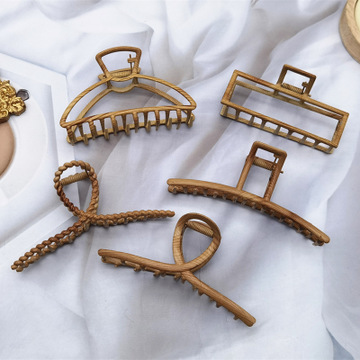
Ins Claw Hair Clips for Women Fine Hair Medium Non Slip Metal Hair Jaw Clamp Clips Hair Clips
$0.59 - $1.55
MOQ: 10 pieces
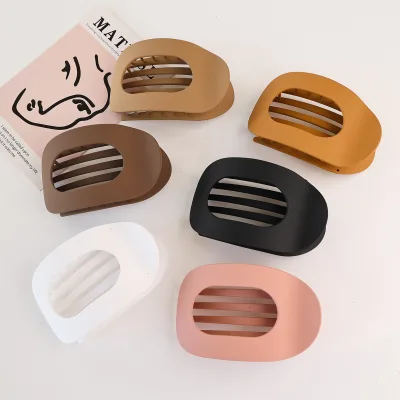
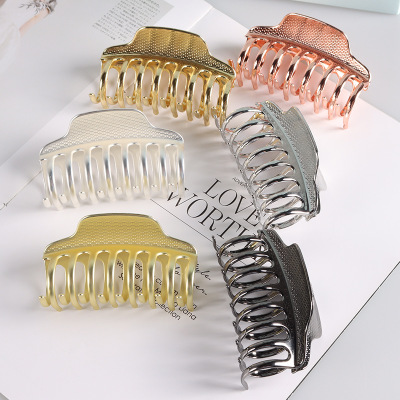
$0.69 - $1.12
MOQ: 6 pieces
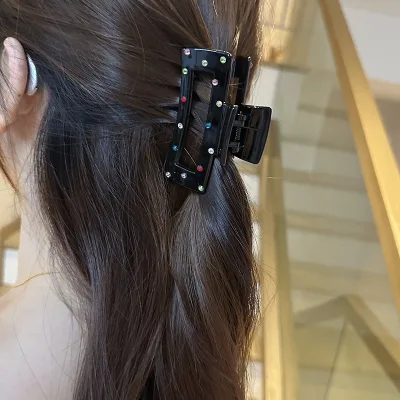
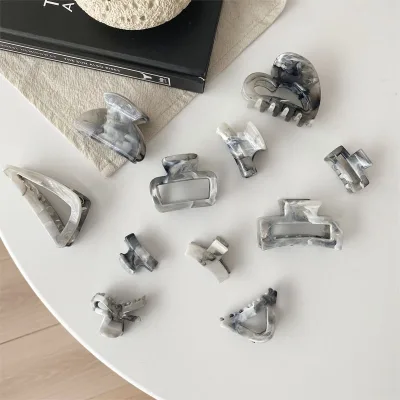
$0.28 - $0.67
MOQ: 12 Minimum
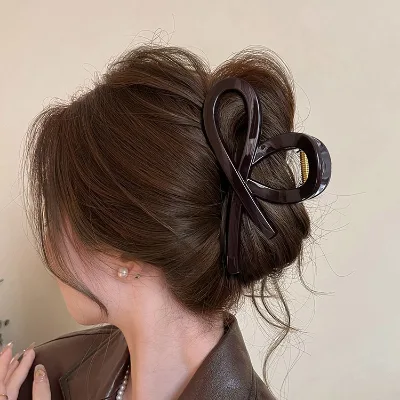
$0.79 - $1.28
MOQ: 6 pieces

Jinjiang Jiayi Supply Chain Management Co., Ltd.
- Verified by BV
- Trading Company
- China Fujian
- Lead time30 days
- Avg. response≤ 1h
Main productsGift, Shoe, Garment, Machine
Main marketsDomestic

- Verified by CTI
- Trading Company
- China Zhejiang
- Lead time15 days
- Avg. response≤ 9h
Main productsJewelry, Brooch, Belt, Necklace, Agent, Bracelet, China Trim, China Ring, China Hair Accessory, China Earring
Main marketsSouth America


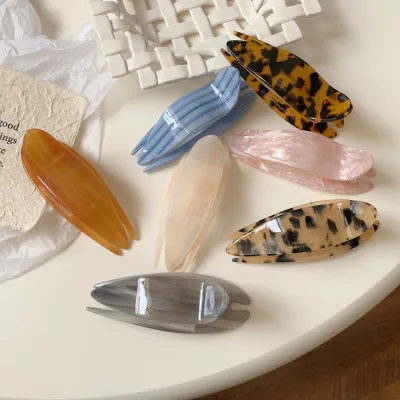
Senior Large Amber Solid Color Plastic Claw Clip Hairclip for Hair Accessories
$0.37 - $0.69
MOQ: 100 Pieces

Zhengzhou Letiao Beauty Trading Co., Ltd.
- Trading Company
- Henan, China
- Lead time5 days
- Avg. response≤ 3h
Main productsSynthetic Hair,Human Hair,False Eyelashes,Beauty Products,Personal Articles
Main marketsNorth America(30.00%), Eastern Europe(20.00%), South America(20.00%), Northern Europe(5.00%), Western Europe(5.00%)

Yiwu Zhuola Accessories Co., Ltd.
- Verified by CTI
- Combined
- China Zhejiang
- Lead time15 days
- Avg. response≤ 18h
Main productsHair Accessories, Hair Ornaments, Elastic Hair Bands, Hair Band, Hair Tie, Ponytail Holder, Hair Clips, Headband, Hair Decoration, Rubber Hair Band
Main marketsAfrica

Yangzhou Muhe Trading Co., Ltd.
- Trading Company
- China Jiangsu
- Lead time15 days
- Avg. response≤ 2h
Main productsHeadband, Bamboo Fiber Scrunchie, Bamboo Cotton Make up Removers Pads, Silk Scrunchie, Hair Claw Clip, Bow Hair Clip, Cellulose Acetate Hair Claw Clip, Fashion Hair Accessories, Flannel Wristband & Headband
Main marketsSoutheast Asia/ Mideast,Europe


Korean Style Acetate Hair Claw Clips Wholesale Non Slip Fashion Hair Accessories
$1.88
MOQ: 300 Pieces


NINGBO EAST ISLAND IMPORT & EXPORT CO., LTD.
- Trading Company
- China Zhejiang
- Lead time30 days
- Avg. response≤ 15h
Main productsPromotion Gift, Umbrella, Charger Plate, Plastic Tray, Picnic Blanket, Manicure Set, Mirror, Pill Box
Main marketsSouth America,Europe,North America
Guangzhou Haolilian Trading Co., Ltd.
- Trading Company, Distributor/Wholesaler
- Guangdong, China
- Lead time5 days
- Avg. response≤ 2h
Main productshair accessories,handmade flowers,clothing accessories,wedding accessories,rhinestone applique
Main marketsWestern Europe(30.00%), South America(30.00%), North America(30.00%), Mid East(3.00%), Eastern Europe(3.00%), Southeast Asia(3.00%), Africa(1.00%)
Dongguan Junyi Beauty Technology Co., Ltd.
- Verified by TüVRheinland
- Trading Company
- Lead time40 days
- Avg. response≤ 4h
Main productsHair Brush, Combs, Makeup Mirror, Hair Accessory, Hair Clips
Main marketsNorth America(30%), Domestic Market(20%), Western Europe(15%)
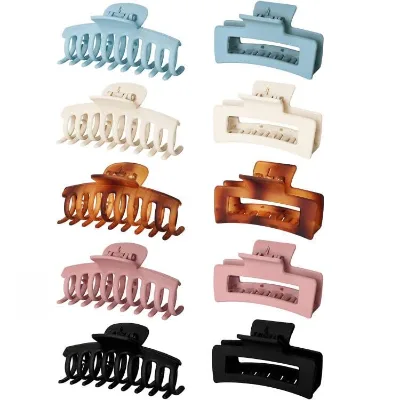
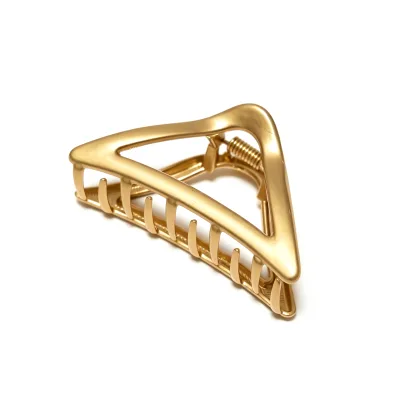
$0.16 - $0.35
MOQ: 150 pieces
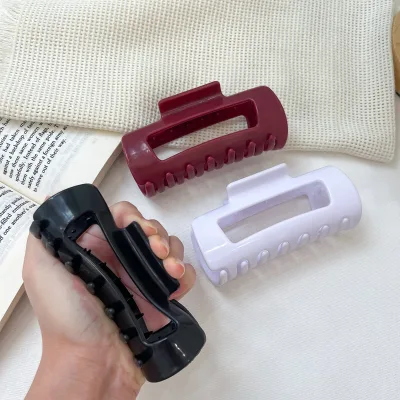
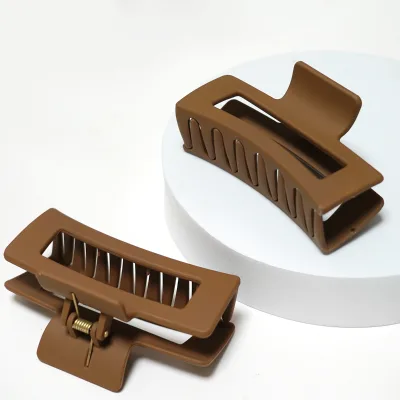
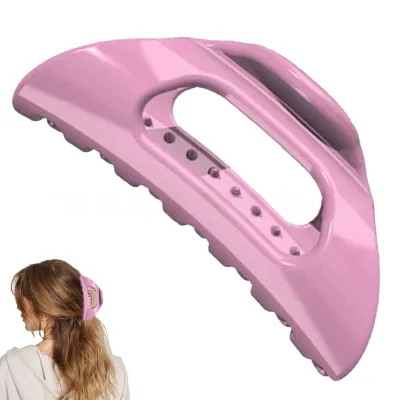
Guangzhou Tianba Beauty & Cosmetic Co., Ltd.
- Manufacturer, Trading Company
- Lead time旺季: "1 - 240":7,"241 - 2400":15,"2401 - 10000":20,"> 10000":"To be negotiated", 淡季: "1 - 240":7,"241 - 2400":15,"2401 - 10000":20,"> 10000":"To be negotiated"
- Avg. response≤ 6h
Main productsPerm Appliance Series, Hair Clip Series, Comb Series, Brush Series, Clothes Series
Zhejiang Extra Accessorise Co., Ltd.
- Verified by TüVRheinland
- Manufacturer, Trading Company
- Lead time15 days
- Avg. response≤ 4h
Main productsHair Claw & Clip, Headbands, Scrunchies, Bandana, Party Accessories
Main marketsWestern Europe(35%), North America(30%), Mid East(10%)

Guangzhou Mackay Hair Tools Products Co., Ltd.
- Verified by SGS
- Manufacturer/Factory
- China Guangdong
- Lead time0 days
- Avg. response≤ 5h
Main productsHair Brush, Hair Combs, Hair Scissors, Hair Cape & Apron, Salon Jacket, Hair Color Brush with Bowl, Acetate Comb, Hair Clip, Hair Ring & Hair Band, Hair Salon Tools Accessories
Main marketsSouth America,Eastern Europe,Mid East,North America,Southeast Asia,Eastern Asia,Oceania,Western Europe,Africa


Professional Custom Salon Hair Accessories Clips Barber Styling Hair Claw Clip
$0.12 - $0.50
MOQ: 5000 Pieces


Amazon Hot Sale Hair Claw Clip in Hair Extension Wholesale Salon Hair Clip
$0.12 - $0.50
MOQ: 5000 Pieces

Foshan Youyan Clothing Co., Ltd.
- Combined
- China Guangdong
- Lead time30 days
- Avg. response≤ 9h
Main productsHeadband, Scrunchies, Hair Tie, Hair Clip, Hairband
Main marketsSouth America,Africa,Southeast Asia/ Mideast,East Asia(Japan/ South Korea),Domestic,Europe,Australia,North America

Women Hair Clip Girls Candy Colors Frosted Plastic Butterfly Hair Claw Clip
$0.80 - $0.89
MOQ: 20 pieces

Xiamen Fancy Accessory Co., Ltd.
- Manufacturer, Trading Company, Distributor/Wholesaler
- Fujian, China
- Lead time0 days
- Avg. response≤ 3h
Main productshair scrunchies,headband,hair claw clip,hair bow,hair clip
Main marketsNorth America(60.00%), Eastern Europe(10.00%), Western Europe(10.00%), Domestic Market(5.00%), Southern Europe(5.00%), Northern Europe(3.00%), South America(2.00%), Africa(1.00%), Southeast Asia(1.00%), Oceania(1.00%), Mid East(1.00%), Eastern Asia(1.00%)
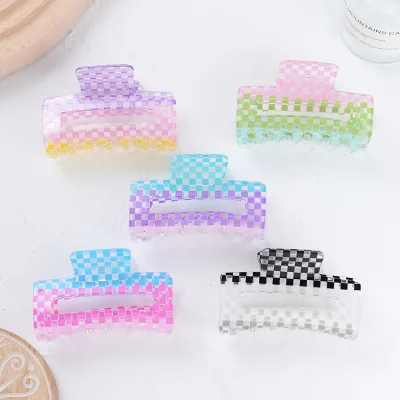
Checkered Hair Claw Clips Large Rectangle Hair Claw Multicolored Plaid Non-Slip Catch Hair Clips
$0.70 - $0.81
MOQ: 10 pieces
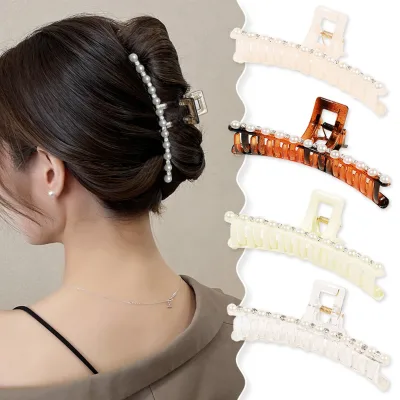
$0.90 - $1.01
MOQ: 10 pieces

Xiamen Zhongying Electronic Technology Co., Ltd.
- Verified by SGS
- Combined
- China Fujian
- Lead time15 days
- Avg. response≤ 7h
Main productsPlastic Products, Rubber Ring, Sealing Ring, Gasket
Main marketsSoutheast Asia/ Mideast,Australia,North America

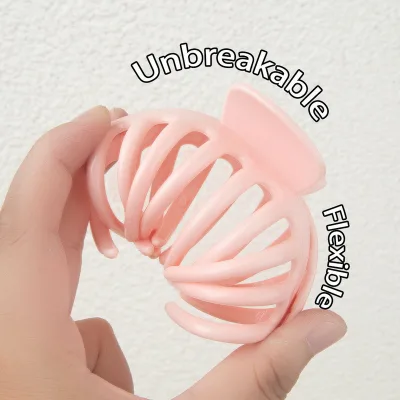
Reusable Silicone Hair Claw Clip for Women Soft Rubber Flexible Unbreakable Hairclip
$0.25 - $0.36
MOQ: 300 Pieces


- Verified by SGS
- Trading Company
- China Zhejiang
- Lead time15 days
- Avg. response≤ 18h
Main productsMop, Kitchen Knife, Chopping Board, Blanket, Mosquito Net, Cushion, Slipper, Broom, Luggage, Educational Toy
Main marketsEurope,Australia

Strong Hold Brown/Black 2 Count (Pack of 1) Fashion Accessories Hair Claw Clips
$0.33 - $0.40
MOQ: 3700 Pieces

Short Hair Accessories Double Row Teeth Hair Clips Small Claw Clips Thin Hair
$0.21 - $0.27
MOQ: 3700 Pieces

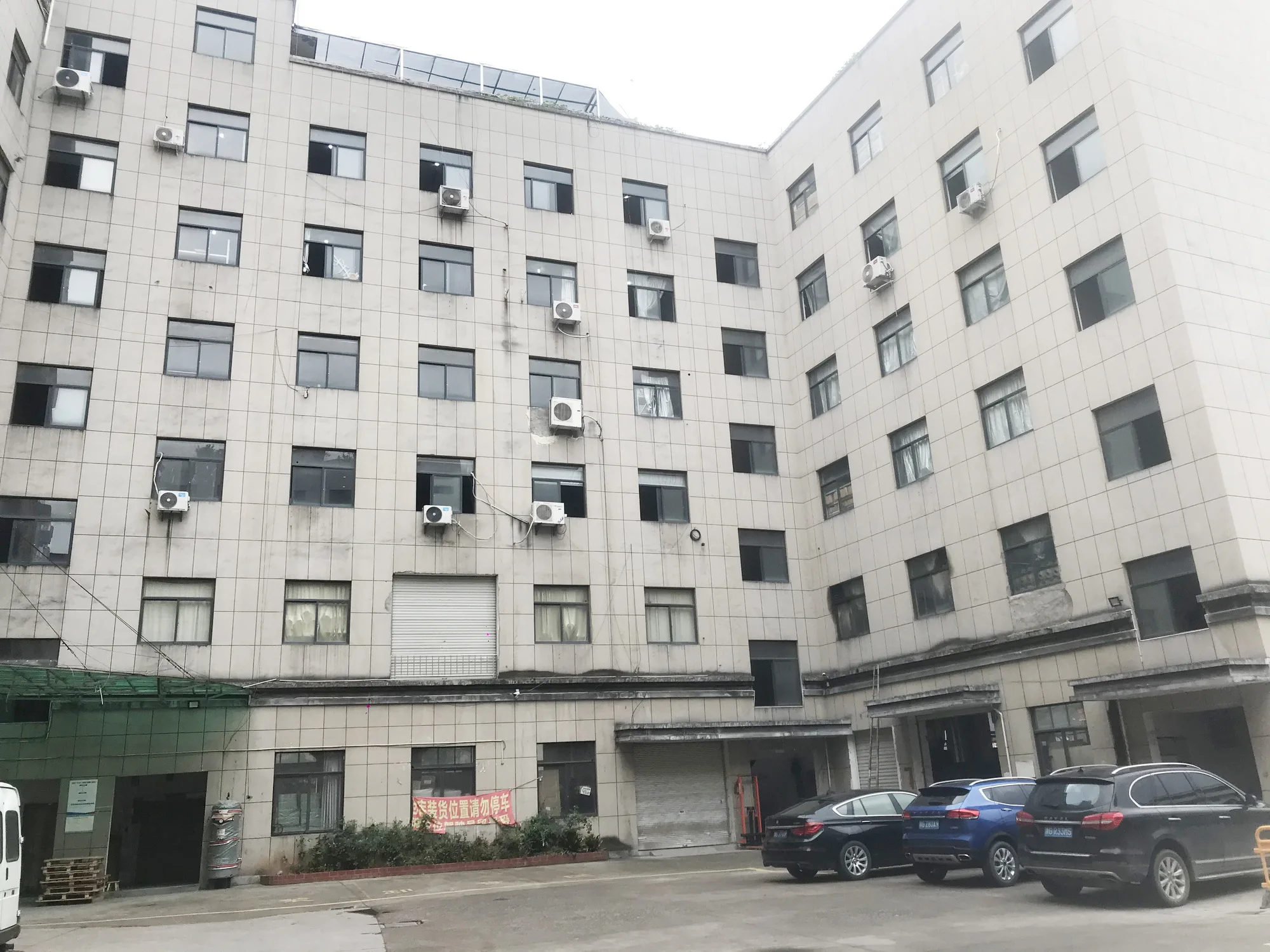
Yiwu Chun Surplus Jewelry & Accessories Co., Ltd.
- Manufacturer, Trading Company
- Zhejiang, China
- Lead time0 days
- Avg. response≤ 3h
Main productshair accessories,fashion jewelry,hair clips,earrings,hair claws
Main marketsNorth America(40.00%), Eastern Europe(20.00%), South America(15.00%), Domestic Market(10.00%), Western Europe(10.00%), Northern Europe(5.00%)

Guangzhou Yuntesi Hairdressing Products Co., Ltd.
- Verified by SGS
- Manufacturer/Factory
- China Guangdong
- Lead time45 days
- Avg. response≤ 9h
Main productsHair Brush, Hairdressing Cape & Apron, Hair Comb, Hair Color Tools, Hair Color Brush & Bowl, Hair Clip, Hair Salon Tools, Beard Brush & Razor, Spray Bottle, Hair Ring & Hair Band
Main marketsSouth America,Eastern Europe,Mid East,North America,Southeast Asia,Oceania,Western Europe

No Bend Curl Clip Accessories Clip for Hair Women No Crease Beautiful Hair Clips Pins
$0.39 - $0.47
MOQ: 1000 Pieces

Fashion Women No Crease Beautiful Hair Clips Pins No Bend Curl Clip Accessories Clip for Hair
$0.20 - $0.23
MOQ: 1000 pieces

Hair Extension Colorful Stainless Multi-Use Hair Clamps Fixing Hairpin Duck Bill Hairpins Hair Clips
$0.13 - $0.16
MOQ: 1000 pieces

- Verified by SGS
- Trading Company
- China Guangdong
- Lead time15 days
- Avg. response≤ 13h
Main productsRespirator
Main marketsSouth America,Southeast Asia/ Mideast,Domestic,Europe,North America

Professional Plastic Hair Clips for Women and Girls High Temperature Resistance Hair Claw Clips
$0.70 - $1.00
MOQ: 300 Pieces

6PCS/Set Gold Plating Hair Clip Multi-Purpose Hair Styling Products Hair Tools Clip Claws
$0.20 - $0.23
MOQ: 300 Pieces

Xuchang BeautyHair Fashion Co., Ltd.
- Verified by TUVRHEINLAND
- Combined
- China Henan
- Lead time15 days
- Avg. response≤ 12h
Main productsHuman Hair Weft, Hair Extension, Clip in Hair, Virgin Hair, Tape Hair Extension, Prebonded Hair, Human Hair Wig, Synthetic Wig, Human Hair, Remy Hair
Main marketsSouth America,Africa,Southeast Asia/ Mideast,East Asia(Japan/ South Korea),Europe,Australia,North America

Wholesale Colorful Girl Clips All Kinds of Hairpins Any Style Hair Claw Clips
$0.50 - $1.50
MOQ: 100 Pieces

Colorful Girl Clips All Kinds of Hairpins Any Style Hair Claw Clips on Sale
$0.50 - $1.50
MOQ: 100 Pieces

GOODLINESS JEWELLERY CO., LIMITED
- Verified by SGS
- Manufacturer
- China Guangdong
- Lead time23 days
- Avg. response≤ 6h
Main productsFashion Glasses, Fashion Watch, Fashion Hair Accessory, Stainless Steel Necklace, Stainless Steel Ring, Stainless Steel Earrings, Key Chain, Brooch
Main marketsSoutheast Asia/ Mideast,Europe,North America

Yiwu Trendz Accessories Co., Ltd.
- Manufacturer, Trading Company
- Zhejiang, China
- Lead time15 days
- Avg. response≤ 5h
Main productsJewelry, Jewelry Accessories, Children's Jewelry , Adult Jewelry , Hair Accessories
Main marketsSouthern Europe(8.33%), Northern Europe(8.33%), Central America(8.33%), Western Europe(8.33%), Eastern Asia(8.33%), Mid East(8.33%), Oceania(8.33%), Africa(8.33%), Southeast Asia(8.33%), Eastern Europe(8.33%), South America(8.33%), North America(8.33%)

Yiwu Saidong Jewelry Co., Ltd.
- Verified by SGS
- Trading Company
- China Zhejiang
- Lead time15 days
- Avg. response≤ 4h
Main productsAccessory, Hair Accessories, Plaything, Hair Band, Barrette, Bandeau, Pendant, Ring, Body Chain, Bag
Main marketsEurope
Sihui City Artstar Accessories Co., Ltd.
- Verified by SGS Group
- Manufacturer, Trading Company
- Lead time0 days
- Avg. response≤ 6h
Main productsPlastic Hair Clips, Hair Accessories
Main marketsDomestic Market(60%), South Asia(20%), South America(5%)

- Verified by CTI
- Trading Company
- China Zhejiang
- Lead time23 days
- Avg. response≤ 14h
Main productsEarring, Vase, Scented Candles, Hair Ties, Bags
Main marketsSouth America,Europe,North America


2027 Hot Sale Matte Small Double Row Teeth Hair Clips for Women Hair Claw Clips
$0.15 - $0.21
MOQ: 10000 Pieces
- Verified by TüVRheinland
- Trading Company
- Lead time0 days
- Avg. response≤ 2h
Main productsTiaras, Hair Claws, Hair Clips, Key Chains, Mirrors
Main marketsNorth America(30%), Southeast Asia(20%), Northern Europe(20%)
Dongyangshi Linnuo Trading Company Ltd.
- Manufacturer, Trading Company
- Zhejiang, China
- Lead time15 days
- Avg. response≤ 4h
Main productshair clip,hair comb,hair band,hair tie,hairpin
Main marketsMid East(30.00%), Eastern Asia(30.00%), North America(10.00%), South America(10.00%), Central America(10.00%), South Asia(10.00%)

Jinjiang Jiaxing Supply Management Co., Ltd.
- Verified by TUVRHEINLAND
- Trading Company
- China Fujian
- Lead time30 days
- Avg. response≤ 1h
Main productsEVA Clogs, Flip Flop, Shoe Charms, Shopping Bags, Wristbands, Gifts, Promotional Gifts, Slipper, Sport Cap, Ball
Main marketsNorth America





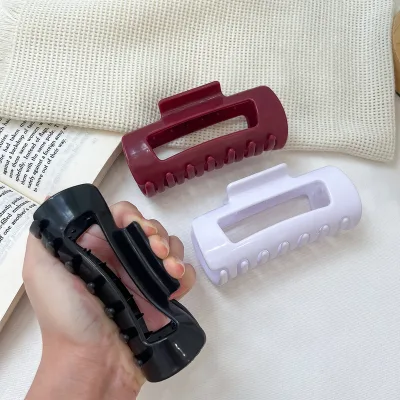


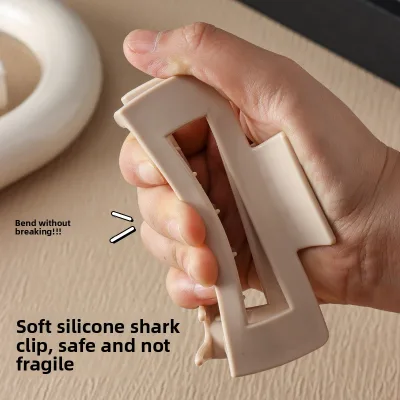
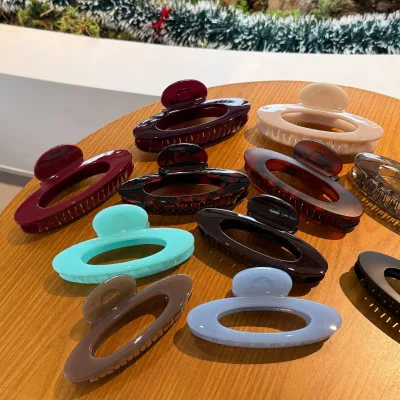


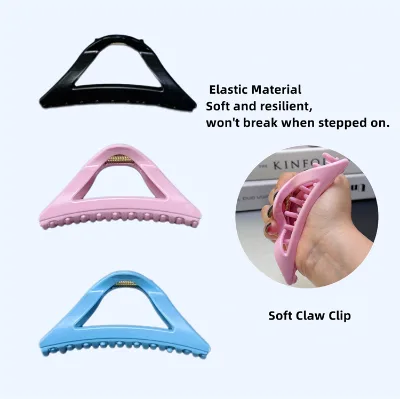
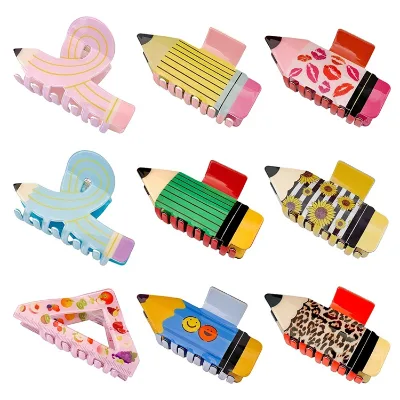
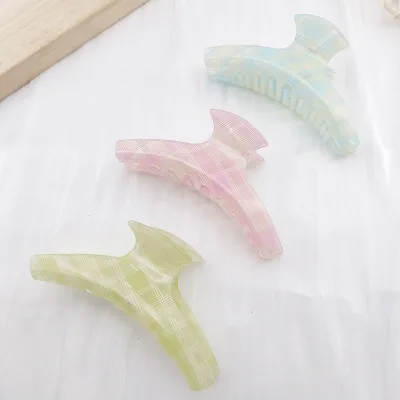
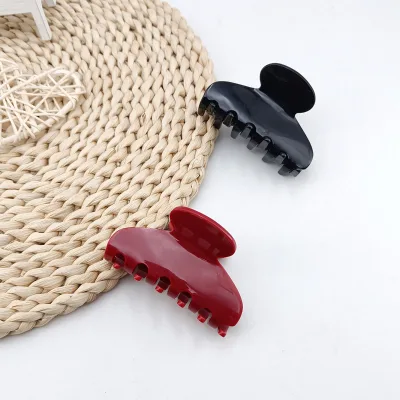


Comprehensive Sourcing Guide
Non-Slip Flexible Hair Claw Clip Supplier Concentration and Factory Types
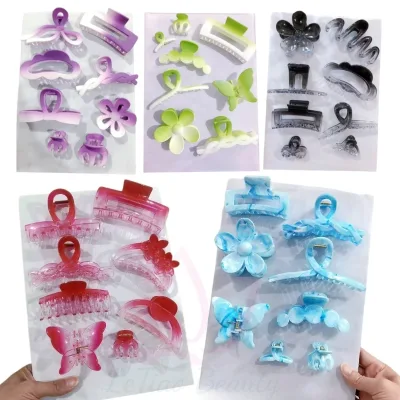
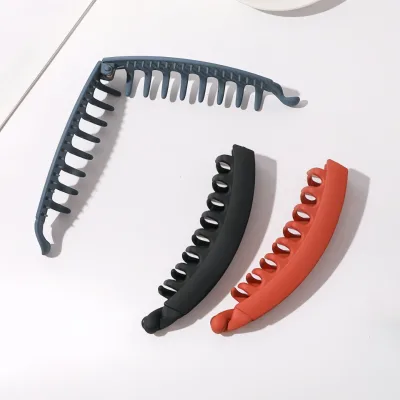
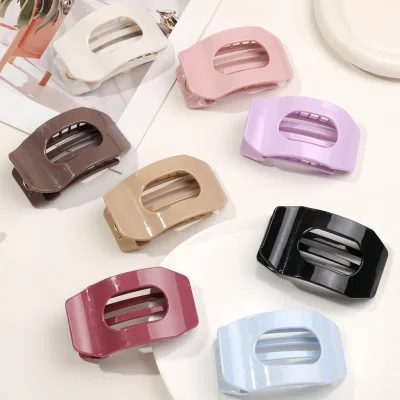
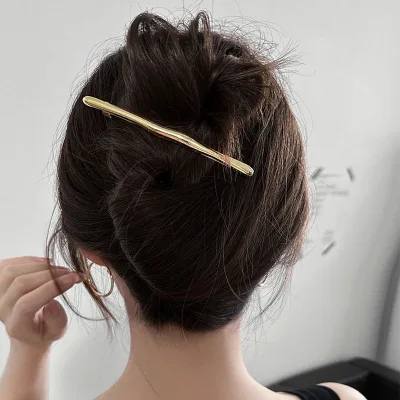
The current search results indicate a concentration of manufacturers and trading companies operating primarily within Zhejiang, China, which serves as a significant hub for hair accessory production. Several product listings explicitly state Zhejiang as the place of origin, suggesting a dense cluster of facilities specializing in metal alloy and plastic hair clips. This regional focus allows buyers to potentially access a wide variety of styles, from geometric metal designs to recycled plastic options, within a single geographic area. However, one result also lists a location in Fujian, China, though its main products are listed as gifts, shoes, and garments rather than hair accessories. This discrepancy suggests that while Zhejiang is the primary verified cluster for this specific item, buyers must verify the actual product focus of any supplier claiming a different location.
When evaluating factory types, the data shows a mix of manufacturers and trading companies offering these items. Some suppliers provide detailed product attributes like specific model numbers and material compositions, which often points to direct manufacturing capabilities. Others may function as trading entities that aggregate products from various sources. The presence of both types means buyers need to distinguish between a factory that controls the production process and a trader who manages logistics and sales. For a product like non-slip flexible hair claw clips, understanding whether the supplier owns the molding equipment or simply sources finished goods is critical for quality control and customization potential. Buyers should request proof of factory ownership or specific production lines to confirm the supplier type before proceeding.
How to Verify Non-Slip Flexible Hair Claw Clip Suppliers
Verification begins with scrutinizing the specific product attributes provided in the search results, such as material composition and model numbers. For instance, some listings specify "Alloy" or "Plastic" as the material, while others mention "Resin" or "Metal," each requiring different verification steps. Buyers should request physical samples to confirm that the "non-slip" and "flexible" claims match the actual product performance, as these are functional attributes not always visible in images. Additionally, checking the "Place of Origin" against the supplier's business license is essential, as some results list Zhejiang while others simply state "China," which can indicate a lack of specific factory location transparency.
Response time and communication speed are also key verification metrics, with some data points indicating a four-hour response window. A supplier that responds quickly is more likely to be attentive to quality issues and customization requests. Buyers should test this responsiveness by asking specific questions about the "MOQ" or "lead time" before placing an order. Furthermore, verifying the "Brand Name" and "Model Number" consistency across different product listings helps ensure the supplier is not merely reselling generic goods under multiple names. If a supplier claims to offer custom designs, they should be able to provide evidence of previous mold-making services, as some results explicitly mention "sample making" and "mould making" capabilities.
What to Compare Across Non-Slip Flexible Hair Claw Clip Suppliers
When comparing suppliers, the minimum order quantity (MOQ) is a primary differentiator, with observed values ranging from 6 pieces to 12 pieces for various clip styles. This variation allows buyers to select partners based on their inventory needs, whether they require small test batches or larger initial stock. Lead times also vary, with some data suggesting a seven-day turnaround, which is crucial for planning inventory replenishment. Buyers should compare these logistical metrics alongside the price range, which spans from approximately $0.28 to $1.59 per unit depending on the material and design complexity. A lower price point might indicate a higher MOQ or a different material quality, so the total cost of ownership must be calculated rather than just the unit price.
Another critical comparison point is the range of main products offered by the supplier. While some focus exclusively on hair accessories like clips and barrettes, others list broader categories such as jewelry, eyewear, or even unrelated items like shoes and garments. A supplier specializing solely in hair accessories may offer deeper expertise and better quality control for this specific niche. Additionally, the variety of styles and colors available, such as the multiple design options listed for certain models, should be weighed against the supplier's ability to maintain consistency. Buyers should also consider the "single package size" and weight, as these factors directly impact shipping costs and storage requirements, which can vary significantly between a 2.5cm mini clip and a 14cm large claw clip.
Common Non-Slip Flexible Hair Claw Clip Sourcing Risks
One significant risk involves the discrepancy between claimed material properties and actual product performance, particularly regarding the "non-slip" and "flexible" attributes. Some listings describe items as "metal" while others specify "plastic" or "resin," and the flexibility of these materials can differ greatly. A metal clip might be rigid, while a plastic one offers flexibility, so buyers must ensure the material matches the intended use case. There is also a risk related to the "Place of Origin" ambiguity, where some results list specific provinces like Zhejiang while others only state "China." This lack of specificity can make it difficult to trace the supply chain or verify the manufacturing standards used in the production process.
Another risk is the inconsistency in minimum order quantities and lead times across different suppliers. While some suppliers offer low MOQs of 6 or 10 pieces, others might have higher thresholds that are not immediately visible without direct inquiry. This can lead to unexpected costs or inventory bottlenecks if the buyer assumes a lower MOQ than what is actually required. Additionally, the variation in product dimensions, ranging from 2.5cm to 14cm, introduces a risk of ordering the wrong size if the specifications are not clearly communicated. Buyers must carefully review the "size" and "elements" attributes to ensure the clips meet their specific design requirements, as a mismatch in dimensions can render the product unsuitable for the target market.
Non-Slip Flexible Hair Claw Clip Regional Sourcing and Logistics
The primary sourcing region identified in the data is Zhejiang, China, which appears to be the central hub for manufacturing these hair accessories. This concentration suggests that logistics from this region may be optimized for hair clip exports, potentially offering faster shipping times and more competitive freight rates. However, the presence of a supplier listing Fujian, China, with a focus on gifts and garments rather than hair accessories introduces a logistical variable. Buyers should verify if this supplier actually manufactures hair clips or if they are acting as a general trading company sourcing from other regions. Understanding the specific location of the factory is vital for calculating accurate shipping costs and estimating delivery timelines.
Logistics planning must also account for the varying sizes and weights of the products, which range from small 2.5cm acrylic clips to larger 14cm metal designs. The "single gross weight" and "single package size" provided in the data indicate that shipping costs will fluctuate based on the specific item selected. For example, a 12x12x6 cm package for a metal clip will incur different freight charges compared to a 3x1x1 cm package for a mini clip. Buyers should request detailed shipping quotes based on their specific order composition to avoid unexpected costs. Additionally, the "lead time" of seven days mentioned in some results should be factored into the overall supply chain timeline, ensuring that production and shipping schedules align with market demand.
Non-Slip Flexible Hair Claw Clip Commercial Terms and Order Planning
Commercial terms regarding pricing and payment structures vary significantly across the supplier base, with unit prices ranging from $0.28 to $1.59 depending on the material and design. Buyers must clarify whether these prices include packaging, as some listings specify "Individual Package" while others do not. The "MOQ" is another critical commercial term, with values as low as 6 pieces for certain metal clips and up to 12 pieces for plastic options. Understanding these thresholds is essential for order planning, as exceeding the MOQ might be necessary to secure the lowest price point. Buyers should also inquire about bulk discounts, as the price range suggests that larger orders could yield better per-unit costs.
Order planning should also consider the "response time" and "lead time" to ensure timely delivery. A four-hour response time indicates a supplier that is likely responsive to urgent requests, while a seven-day lead time suggests a standard production cycle. Buyers need to align these timelines with their sales cycles to avoid stockouts or overstocking. Additionally, the availability of "sample making" and "mould making" services should be confirmed if customization is required, as this can extend the lead time. Finally, buyers should verify the "establishment year" and "certifications" of the supplier to ensure long-term reliability, although this specific data is not currently available in the search results and requires direct inquiry.
FAQs
What is the minimum order quantity for hair claw clips?
The minimum order quantity varies by product type. Some metal clips require a minimum of 6 pieces, while others need 10 or 12 pieces. Buyers should check the specific product details to confirm the exact MOQ before placing an order.
What materials are used for non-slip hair claw clips?
Manufacturers use various materials including alloy, metal, plastic, resin, and acrylic. Metal clips often feature zinc alloy or acetate plastic with pearl details. Plastic and resin options provide matte or frosted finishes for different grip and style requirements.
What is the typical lead time for these hair accessories?
The typical lead time for production is 7 days. This timeframe allows for manufacturing and quality checks. Buyers should confirm specific delivery schedules with the supplier to ensure timely arrival, especially for larger orders or custom designs.
Where are these hair clips manufactured?
Most hair clips are manufactured in Zhejiang, China. Some suppliers are located in Fujian, China. These regions are known for producing a wide variety of hair accessories, including clips, necklaces, and earrings, with established supply chains.
What is the price range for wholesale hair claw clips?
Prices range from approximately $0.28 to $1.59 per piece. The cost depends on the material, size, and design complexity. Metal clips generally cost more than plastic or resin options. Buyers can find affordable options starting at low unit prices.
Do suppliers offer sample making services?
Yes, some suppliers provide sample making and mould making services. This allows buyers to test product quality before placing bulk orders. Buyers should inquire about sample costs and availability to ensure the product meets their specific requirements.
How quickly do suppliers respond to inquiries?
Suppliers typically respond within 4 hours. This quick response time helps buyers get timely information about pricing, MOQ, and shipping. Prompt communication ensures a smoother sourcing process and faster decision-making for bulk purchases.