Crystal Bridal Crown Suppliers and Manufacturers in China
Explore 11 verified suppliers offering Crystal Bridal Crown options from Fujian and Zhejiang. Compare response times, lead times, and MOQs to find the right partner. Contact suppliers directly to request quotes; review the available evidence before requesting comparable quotations from suitable candidates.
Suppliers List

Jinjiang Jiayi Supply Chain Management Co., Ltd.
- Verified by BV
- Trading Company
- China Fujian
- Lead time30 days
- Avg. response≤ 1h
Main productsGift, Shoe, Garment, Machine
Main marketsDomestic
Yiwu Fansheng Trading Co., Ltd.
- Trading Company
- Zhejiang, China
- Lead time7 days
- Avg. response≤ 2h
Main productsGifts & Crafts,Jewelry accessories,Crown tiaras,Fashion jewelry,Headwear
Main marketsNorth America(30.00%), Western Europe(25.00%), Mid East(15.00%), Oceania(6.00%), Northern Europe(5.00%), South America(5.00%), Southern Europe(5.00%), Africa(5.00%), Eastern Europe(4.00%)
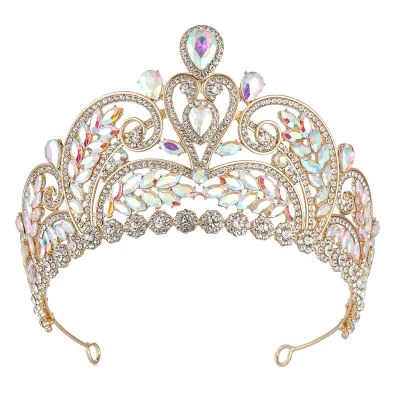
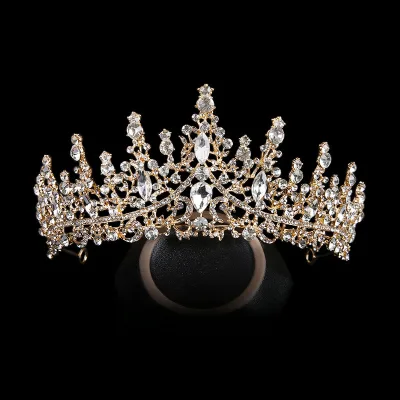
Baroque Bridal Crown Crystal Luxury Stage Crown Queen Princess Birthday Crown
$9.79 - $10.81
MOQ: 6 pieces
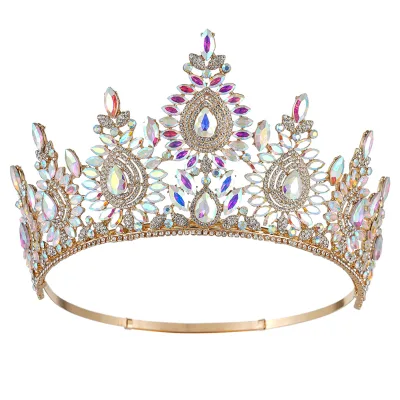
New Bridal Crown Princess Crystal Birthday Crown Adjustable Beauty Pageant Champion Crown
$12.00 - $13.00
MOQ: 6 pieces
Happy Jewelry Co., Ltd. (yiwu)
- Manufacturer, Trading Company
- Zhejiang, China
- Lead time20 days
- Avg. response≤ 5h
Main productsBridal Jewelry; Hairband; Tiara; Hair Clip; Belt; Shoe Clip
Main marketsNorth America(50.00%), Western Europe(10.00%), Domestic Market(10.00%), South America(5.00%), Oceania(5.00%), Eastern Asia(5.00%), Eastern Europe(5.00%), Southeast Asia(5.00%), Southern Europe(3.00%), Mid East(2.00%)

Yiwu Ba Yuan Jewelry Co., Ltd.
- Verified by TUVRHEINLAND
- Trading Company,Manufacturer/Factory,Other
- China Zhejiang
- Lead time45 days
- Avg. response≤ 11h
Main productsBridal Jewelry and Hair Accessories, Wedding Jewelry, Tiara and Headpieces, CZ Jewelry, Tiara Crown, Zirconia Jewelry, CZ Necklace, Stretch Bracelet, Hip Hop Jewelry, Fashion Pendant
Main marketsSouth America,Eastern Europe,Mid East,North America,Southeast Asia,Eastern Asia,Oceania,Western Europe,Africa

Gold Tiara Crown. Pageant Crystal Tiara Crown. Wedding Bridal Tiara Crown
$4.50 - $5.50
MOQ: 50 Pieces


Bridal Tiara Crown, Wedding Crystal Tiara Crown, Luxury Crystal Tiara Crown
$9.50 - $10.50
MOQ: 20 Pieces

Bridal Wedding Crystal Pearl Tiara Crown. Bridal Crystal Pearl Headband Headpiece
$8.50 - $9.50
MOQ: 50 Pieces

- Trading Company
- Zhejiang, China
- Lead time15 days
- Avg. response≤ 2h
Main productsfashion accessories,hairbands,sunglasses,phone chains,men jewelry
Main marketsWestern Europe(20.00%), North America(20.00%), Africa(15.00%), Eastern Europe(15.00%), South America(10.00%), Northern Europe(10.00%), Southern Europe(5.00%), Southeast Asia(5.00%)

NINGBO HOBA INTERNATIONAL TRADING CO., LTD.
- Verified by BV
- Trading Company
- China Zhejiang
- Lead time30 days
- Avg. response≤ 3h
Main productsThread, Button, Lace Tape, Zipper, Hot Fix Stone, Crystal, Rope, Jewelry Accessory, Ribbon, Reflecting Material
Main marketsSouth America,Africa,Southeast Asia/ Mideast,East Asia(Japan/ South Korea),Europe,Australia,North America

Bridal Queen Prom Princess Crown Crystal Gem for Wedding & Banquet Headwear
$0.90 - $1.10
MOQ: 100 Pieces

Bridal Queen Hair Princess Crown Crystal Jewelry for Wedding & Banquet Headwear
$4.00 - $5.00
MOQ: 100 Pieces
- Verified by SGS Group
- Trading Company
- Lead time15 days
- Avg. response≤ 7h
Main productsBalloons, Gifts, Package Printing, Party Decoration, Christmas Products
Main marketsNorth America(60%), Western Europe(20%), Eastern Europe(10%)
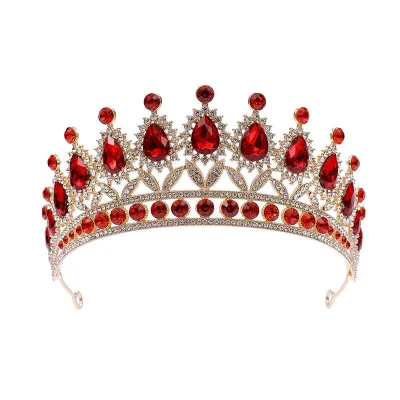
Wholesale Prom Princess Wedding Crystal Tiara Rhinestone Pageant Bridal Crowns for Women
$2.19 - $3.24
MOQ: 2 pieces
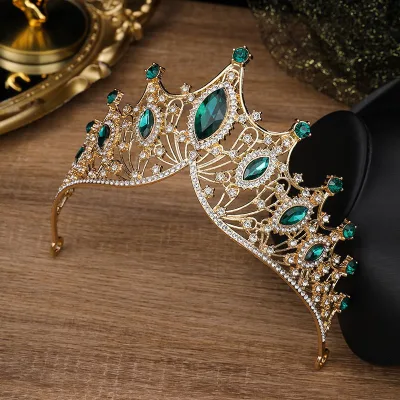
Wedding Creative Large Crystal Headband Bride Tiara Luxury Headpiece Rhinestone Crown for Women
$1.39 - $2.10
MOQ: 5 pieces
Guangzhou Cheerfeel Trading Co., Ltd.
- Trading Company
- Guangdong, China
- Lead time10 days
- Avg. response≤ 5h
Main productsClothes , Bodice Applique, Wedding hair accessories
Main marketsNorth America(40.00%), Western Europe(15.00%), Eastern Europe(15.00%), South America(10.00%), South Asia(5.00%), Central America(5.00%), Northern Europe(5.00%), Southeast Asia(5.00%)
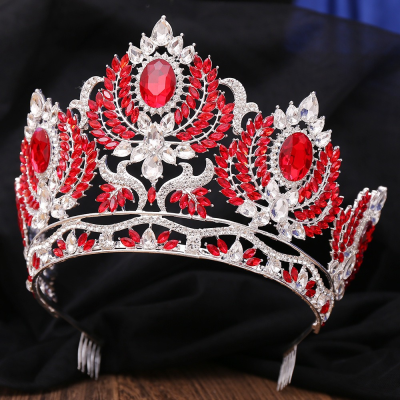
HP4701 Bride Crown Luxury Beauty Pageant Crown Baroque Queen Crystal Party Crown
$15.40 - $16.40
MOQ: 6
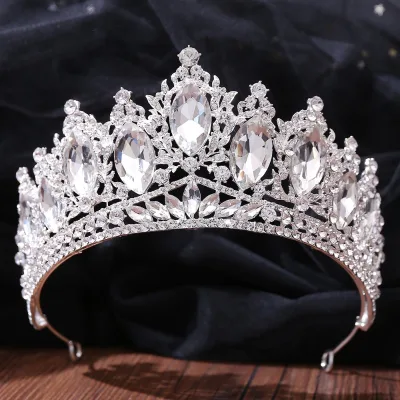
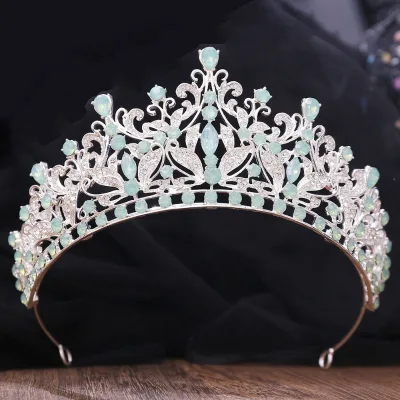
HP4951 Crown Bride Luxury Diamond Crystal Crown Photo Birthday Wedding Dress Wedding Accessories
$5.05 - $5.30
MOQ: 6 pieces
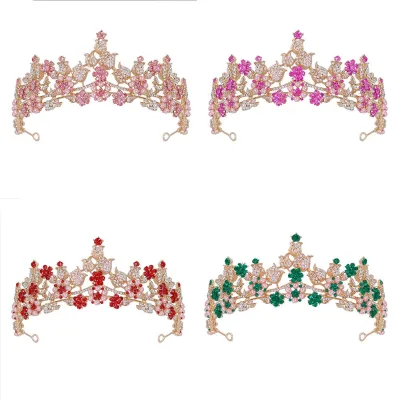
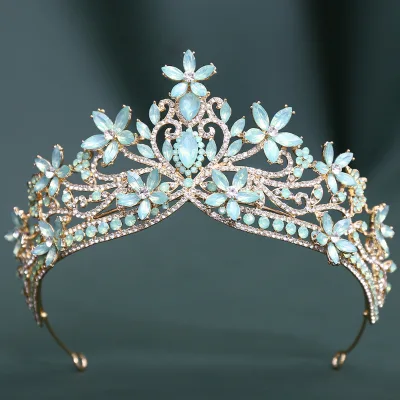
HP4953 Rose Style Bridal Tiara European and American Wedding Accessories Bridal Headwear
$4.95 - $5.20
MOQ: 6 pieces
Guangzhou Fuban Garment Accessories Co., Ltd.
- Manufacturer, Trading Company
- Lead time旺季: "1 - 200":60,"> 200":"To be negotiated", 淡季: "1 - 200":60,"> 200":"To be negotiated"
- Avg. response≤ 4h
Main productsGarments Accessories, Festive & Party Supplies
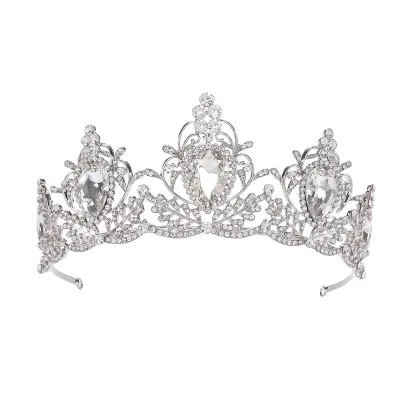
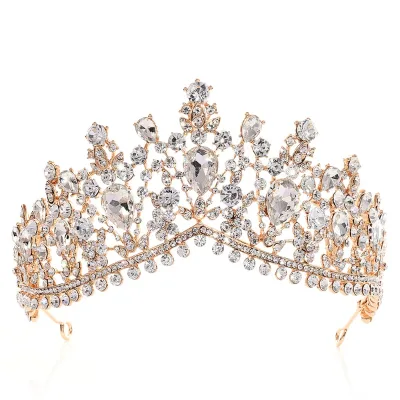
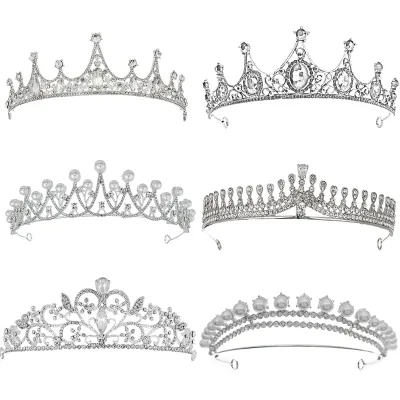
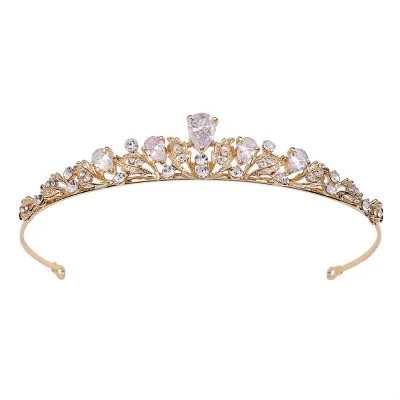
Korean Bridal Headband Luxury Zircon Small Crown Princess Birthday Wedding Show Hair Accessories
$2.77 - $3.18
MOQ: 5 pieces

Hefei Sublime International Co., Ltd
- Verified by BV
- Trading Company,Manufacturer/Factory
- China Anhui
- Lead time30 days
- Avg. response≤ 6h
Main productsParty Favour Items, Wooden Decoration, DIY Hobby, Paper Stationery, Wooden Crafts, Paper Crafts, Wooden Gifts, Honeycomb Ball, Tissue Pompon, Paper Bags
Main marketsSouth America,Eastern Europe,Mid East,North America,Eastern Asia,Oceania,Western Europe

Tiara Crowns Women Girls Princess Headband Bridal Hair Accessories Wedding Crystal Tiaras
$1.10 - $1.12
MOQ: 2000 Pieces

Bridal Headband Crystal Tiara for Women Pearl Wedding Headpieces Bride Hair
$1.10 - $1.12
MOQ: 2000 Pieces

$1.15 - $1.18
MOQ: 2000 Pieces


Tiara Crystal Crown Silver Tiaras Women Princess Crown for Women Girls Crowns
$1.15 - $1.18
MOQ: 2000 Pieces

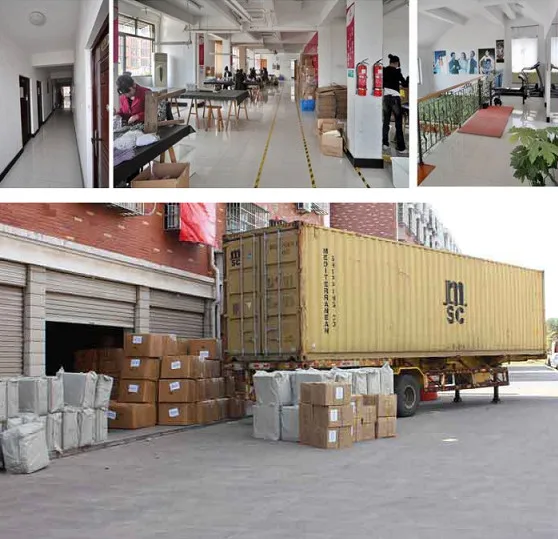
- Trading Company
- Zhejiang, China
- Lead time7 days
- Avg. response≤ 1h
Main productsTiaras crown head pieces,hair clip pins,Stud Earrings,Necklaces jewelry sets,Bracelet bangles
Main marketsSouth America(40.00%), North America(40.00%), Northern Europe(8.50%), Mid East(1.00%), Eastern Europe(0.50%)
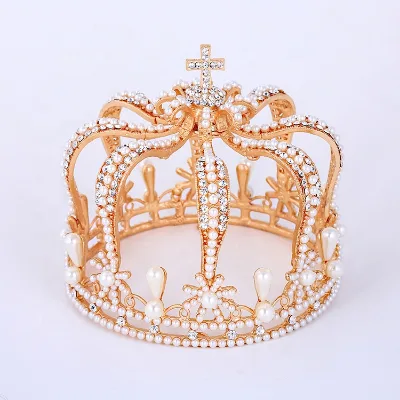
Pearl Full Circle Large Crown European and American Cross Crown Bridal Tiara Crowns
$10.98 - $18.00
MOQ: 5
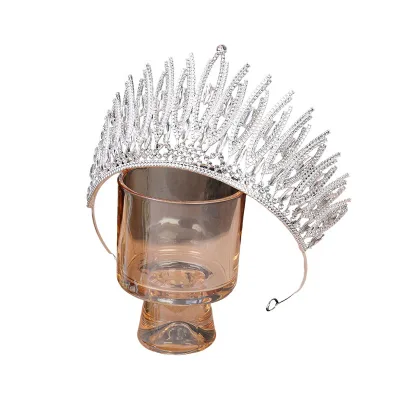


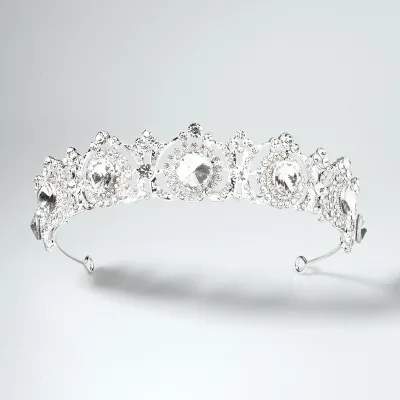
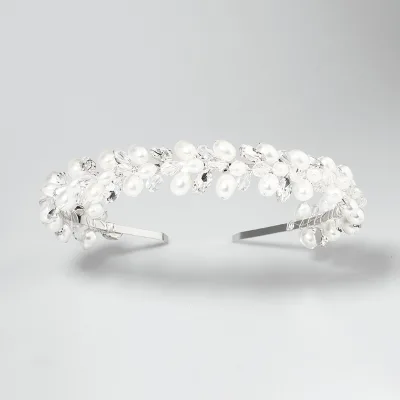
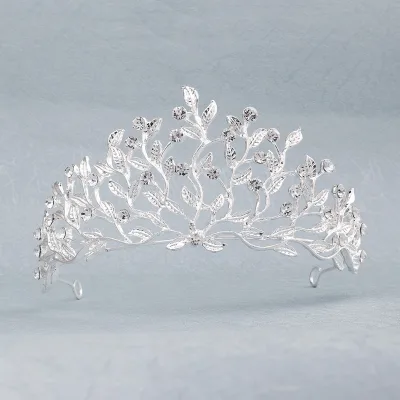
Comprehensive Sourcing Guide
Crystal Bridal Crown Supplier Concentration and Factory Types
Current data indicates a concentration of suppliers in China, specifically within the Fujian and Zhejiang provinces. These regions host a mix of trading companies and manufacturers specializing in hair accessories, jewelry, and fashion items. Some suppliers list their primary output as gifts, shoes, garments, and machines, while others focus specifically on bridal jewelry, tiaras, hair clips, and belts. The presence of both trading companies and manufacturers suggests a diverse supply chain where some entities act as intermediaries while others handle direct production. Buyers should note that the main products often include crystal rhinestone crowns, pageant headbands, and various hair ornaments, indicating a specialized cluster for these specific items.
When evaluating the factory types, it is essential to distinguish between pure trading entities and those with manufacturing capabilities. Some suppliers are identified as trading companies, which may offer a broader range of products but might not control the production process directly. Conversely, other suppliers are listed as manufacturers or a combination of both, potentially offering more control over customization and quality. The product evidence shows specific models like the Baroque Crystal Crown and Pageant Crown, often originating from these Chinese provinces. Buyers must verify if the supplier's stated type aligns with their need for direct factory interaction or if a trading company's logistics network better suits their requirements for diverse inventory.
How to Verify Crystal Bridal Crown Suppliers
Verification is a critical step when sourcing crystal bridal crowns, particularly given the mix of trading companies and manufacturers in the results. One key indicator of reliability is the BV verification status, which some suppliers display prominently. This third-party validation helps confirm the business's legitimacy and operational history. Buyers should look for this specific badge or statement in the supplier profile to ensure the entity has undergone external scrutiny. Additionally, the response time metric provides insight into the supplier's operational efficiency. A response time of 0.02 hours suggests immediate availability, whereas a time of 5 hours might indicate a larger team or different operational hours. These metrics help gauge how quickly a supplier can address inquiries regarding custom orders or stock availability.
Beyond verification badges and response speeds, buyers should examine the product attributes and origin details provided in the listings. The product evidence confirms that items like the Baroque Crystal Crown and Pageant Crown originate from China, with specific models such as Baroque Crystal Crown-099O and Pageant Crown-041T. It is vital to cross-reference these model numbers with the supplier's claimed capabilities. If a supplier claims to be a manufacturer, they should be able to provide detailed specifications for these models, including material composition like alloy or rhinestone. Buyers must also check for OEM capabilities, as many listings indicate "OEM: Yes" or "customized" standards. This confirms the supplier's ability to produce branded or custom-designed crowns rather than just selling generic stock items.
What to Compare Across Crystal Bridal Crown Suppliers
Comparing suppliers requires a systematic review of key operational dimensions such as lead time, minimum order quantity, and pricing structures. Lead times vary significantly across the results, with some suppliers offering a 7-day turnaround while others list a 30-day production window. This difference can drastically impact project timelines, especially for time-sensitive events like weddings or pageants. Buyers should prioritize suppliers whose lead times align with their delivery schedules. Additionally, the minimum order quantity (MOQ) is a crucial factor. Some listings show an MOQ of 100 units, while others require 10,000 units. This disparity means that small buyers may need to consolidate orders or find suppliers with lower thresholds to avoid excessive inventory costs.
Pricing and product specifications also demand careful comparison to ensure value alignment. The price range for crystal bridal crowns spans from approximately $0.30 to $13.00 per unit, depending on the complexity and materials used. For instance, a basic Baroque Crystal Crown might start at $0.30, whereas a detailed Pageant Crown could cost $13.00. Buyers must evaluate whether the price reflects the material quality, such as the use of alloy, rhinestone, or metal. Furthermore, the suitability for different occasions, such as daily use, weddings, or pageants, should match the buyer's target market. Comparing these factors helps identify suppliers who offer the best balance of cost, quality, and flexibility for specific order requirements.
Common Crystal Bridal Crown Sourcing Risks
One significant risk in sourcing crystal bridal crowns involves the discrepancy between claimed capabilities and actual production capacity. While some suppliers are listed as manufacturers, others are trading companies that may not have direct control over the manufacturing process. This distinction can lead to delays or quality inconsistencies if the trading company relies on third-party factories that are not vetted. Buyers should verify the actual production source to ensure that the supplier can meet specific quality standards and delivery deadlines. The presence of OEM capabilities is a positive sign, but it does not guarantee that the supplier has the internal machinery to execute complex customizations without external dependencies.
Another risk relates to the variability in product specifications and packaging standards. The product evidence shows different packing methods, ranging from customized packaging to items packed individually in polybags. Inconsistent packaging can lead to damage during transit, particularly for delicate items like crystal crowns. Additionally, the material composition varies, with some crowns made of alloy and others of metal or rhinestone. Buyers must ensure that the material specifications match their expectations for durability and aesthetic appeal. Failure to verify these details can result in receiving products that do not meet the required standards for bridal or pageant events, leading to returns or customer dissatisfaction.
Crystal Bridal Crown Regional Sourcing and Logistics
Sourcing from China, specifically Fujian and Zhejiang provinces, offers access to a robust network of suppliers specializing in hair accessories and jewelry. These regions are known for their manufacturing clusters, which provide efficient supply chains for items like crystal crowns and tiaras. The proximity of suppliers to logistics hubs facilitates faster shipping and potentially lower freight costs. However, buyers must be aware that shipping times can vary based on the specific location of the factory and the chosen shipping method. Some suppliers mention delivery times of 3 to 7 days, while others may have longer lead times depending on order volume and customization requirements.
Logistics planning should also account for the specific shipping methods offered by suppliers, such as DHL, FedEx, UPS, TNT, or Aramex. These carriers provide different levels of speed and cost, allowing buyers to choose the option that best fits their budget and timeline. The product evidence indicates that some suppliers offer superior service and fast shipment advantages, which can be crucial for urgent orders. Buyers should confirm the shipping method and estimated delivery time before finalizing an order to avoid unexpected delays. Additionally, understanding the single package size and weight, such as 16x16x7 cm and 240g, helps in calculating accurate shipping costs and ensuring that the packaging is secure enough to protect the delicate crystal components during transit.
Crystal Bridal Crown Commercial Terms and Order Planning
Commercial terms for Crystal Bridal Crown orders often include specific payment methods and customization agreements. Many suppliers accept T/T (Telegraphic Transfer) as a primary payment method, which is standard for international trade. Buyers should clarify the payment schedule, such as deposits and final payments, to manage cash flow effectively. Additionally, the OEM and ODM capabilities listed by suppliers indicate that custom branding and design services are available. This flexibility allows buyers to create unique products tailored to their brand identity. However, buyers must confirm the specific requirements for customization, such as minimum order quantities for custom designs, which can be significantly higher than standard stock orders.
Order planning must also consider the seasonal and occasion-based demand for crystal bridal crowns. The product attributes indicate that these items are suitable for weddings, pageants, parties, and daily use, with availability throughout the year. Buyers should align their order quantities with peak seasons to ensure timely delivery. For instance, wedding seasons may require larger orders placed well in advance to accommodate production lead times. Furthermore, the MOQ of 100 to 10,000 units means that buyers need to forecast demand accurately to avoid overstocking or stockouts. By carefully planning orders based on these factors, buyers can optimize their inventory levels and maintain a steady supply of high-quality crystal bridal crowns for their customers.
FAQs
Where are crystal bridal crowns manufactured?
Suppliers are located in China, specifically in Fujian and Zhejiang provinces. These regions specialize in fashion accessories and jewelry manufacturing. Buyers can source from both trading companies and manufacturers based in these areas to ensure proximity to supply chains and efficient logistics for international orders.
What is the typical lead time for orders?
Lead times vary by supplier, ranging from 7 to 30 days. Some manufacturers offer faster delivery within 3 to 7 days for specific items. Buyers should confirm exact timelines with the supplier before placing orders to align with event schedules and ensure timely arrival of the bridal accessories.
What are the minimum order quantities for crowns?
MOQs differ significantly, starting as low as 6 pieces for some items and reaching up to 10,000 pieces for others. Most standard products have an MOQ of 100 units. Buyers should verify the specific MOQ for each product model to determine feasibility for their order volume and budget.
What materials are used in these crowns?
Common materials include alloy, metal, rhinestone, crystal, and velvet. Some crowns feature silver or gold plating with claw setting techniques. Buyers can choose from various styles, including baroque, fashion, and pageant designs, depending on the specific material composition and aesthetic requirements for their bridal or event needs.
What is the price range for bridal crowns?
Prices range from $0.30 to $13.00 per unit depending on the product. Basic hair accessories start at $0.30, while elaborate pageant crowns can cost up to $13.00. Buyers should review specific product listings for accurate pricing, as costs vary based on materials, complexity, and customization options.
Do suppliers offer OEM services?
Yes, many suppliers support OEM and ODM services. Products are often customized with specific models, packing, and standards. Buyers can request tailored designs, logos, or packaging solutions. It is advisable to confirm OEM capabilities and requirements directly with the supplier to ensure their specific branding needs are met.