Azo Test Scarf Suppliers and Manufacturers in China
Compare 18 verified suppliers offering Azo Test Scarf products with varying lead times, response speeds, and certifications. Review details on locations, MOQs, and customization options to select the right partner for your needs; review the available evidence before requesting comparable quotations from suitable candidates.
Suppliers List

Shanghai J&D International Co., Ltd.
- Trading Company
- China Shanghai
- Lead time23 days
- Avg. response≤ 25h
Main productsShirts, Necktie, Ties, Scarves, Waistcoat, Cufflink, Neckwear, Accessories
Main marketsSoutheast Asia/ Mideast,Domestic,Europe,Australia,North America


Contact supplier

Beijing Haoai Electronic Technology Co., Ltd.
- Verified by SGS
- Manufacturer/Factory
- China Beijing
- Lead time15 days
- Avg. response≤ 2h
Main productsRFID Blocking Fabric, Emf Shielding Fabric, Emf Shield Clothing, Nickel Copper Fabric, EMI Shielding Fabric, Earthing Sheet, Conductive Fabric, Anti Radiation Fabric, Silver Mesh Fabric, Magnetic Health Care Fabric
Main marketsSouth America,Eastern Europe,Mid East,North America,Southeast Asia,Eastern Asia,Oceania,Western Europe,Africa

100% Silver Lining RF Shielding Emf Blocking Anti Radiation Scarf Neckerchief
$22.00 - $26.00
Moq: 100

Wholesale Silver Fiber Blocking Emf Shielding Anti Radiation Scarf Multiple Use
$28.00 - $29.00
Moq: 100


Yiwu Chengrui Import And Export Co., Ltd.
- Trading Company
- Zhejiang, China
- Lead time15 days
- Avg. response≤ 3h
Main productsscarf,Hair Accessories,Towels,Hats,pantyhose
Main marketsCentral America(20.0%), North America(20.0%), South America(15.0%), Eastern Europe(15.0%), Western Europe(10.0%), Southeast Asia(10.0%), Southern Europe(5.0%), Africa(3.0%), South Asia(2.0%)

Xiantao Tongda Non-Woven Products Co., Ltd.
- Verified by CTI
- Combined
- China Hubei
- Lead time23 days
- Avg. response≤ 4h
Main productsNon Woven Fabric, Medical Face Mask, Disposable Face Mask, Mob Cap, Bouffant Cap, Isolation Gown, Surgical Gown, Coverall, Disposable Bed Sheet/Cover, Disposable Shoe Cover
Main marketsSouth America,Africa,Southeast Asia/ Mideast,East Asia(Japan/ South Korea),Domestic,Europe,North America

Hubei Mingerkang Health & Safety Appliances Co., Ltd.
- Verified by SGS
- Trading Company,Manufacturer/Factory
- China Hubei
- Lead time23 days
- Avg. response≤ 5h
Main productsFace Mask, Shoe Cover, Protective Clothing, Isolation Gown, Bouffant Cap, Surgical Gown, Lab Coat, Disposable Coverall, Disposable Face Mask, Medical Face Mask
Main marketsSouth America,Eastern Europe,Mid East,North America,Southeast Asia,Eastern Asia,Oceania,Western Europe,Africa


High Quanlity Disposable Nonwoven Waterprooof SMS Isolation Gown for Lab and Hospital
$0.19 - $0.50
Moq: 10000

Disposable Isolation Gown Level 2. Isolation Gown AAMI Level 2 SMS Non Woven Isolation Gown
$0.20 - $0.50
Moq: 10000

WuHan LanYuan Protective Co., Ltd.
- Verified by BV
- Trading Company
- China Hubei
- Lead time23 days
- Avg. response≤ 10h
Main productsElectric Tricycle, Motorized Tricycle Cargo, Shoe Cover, Isolation Gown, Mob Cap, PE Apron, Hospital Uniform, Blood Segment Device, Surgical Gown, Smear Making Safe Blood Dispenser
Main marketsSoutheast Asia/ Mideast,Europe,North America


Disposable PP Elistic Cuff Nonwoven Isolation Gown Lab Coat
Contact supplier
SPRO Medical Products (Xiamen) Co., Ltd.
- Verified by TüVRheinland
- Manufacturer, Trading Company
- Lead time15 days
- Avg. response≤ 2h
Main productsParticle Filtering Half Mask, Non-woven Mask, KN95 Mask, Isolation Gown, Protective Clothing
Main marketsEastern Asia(70%), North America(15%), Western Europe(15%)

Weifang Hota New Material Technology Co., Ltd.
- Verified by BV
- Manufacturer/Factory,Group Corporation
- China Shandong
- Lead time15 days
- Avg. response≤ 3h
Main productsEquipment Drapes & Covers, Chg Applicator, Chg IV Dressing, Surgical Scrub Brush, Wound Dressing, Surgical Pack & Drape, Oxygen/Anesthesia/Laryngeal Mask, Catheter/Urine Bag, Coveralls/Isolation Gown, Face Mask/Glove/Shoe Cover
Main marketsSouth America,Eastern Europe,Mid East,North America,Southeast Asia,Eastern Asia,Oceania,Western Europe,Africa

CIT (HUBEI) PROTECTIVE PRODUCTS CO., LTD.
- Verified by SGS
- Manufacturer/Factory
- China Hubei
- Lead time23 days
- Avg. response≤ 3h
Main productsFace Mask, Coverall, Isolation Gown, Lab Coat, Bouffant Mob Cap, Sleeve Cover, Shoe Cover, PE Apron, Nitrile Gloves, Vinyl Gloves
Main marketsSouth America,Eastern Europe,Mid East,North America,Southeast Asia,Eastern Asia,Oceania,Western Europe,Africa
- Trading Company
- Zhejiang, China
- Lead time30 days
- Avg. response≤ 5h
Main productshat,scarf,glove,neck warmer,ear cap
Main marketsSouth America(22.0%), Western Europe(20.0%), Domestic Market(15.0%), North America(11.0%), Eastern Asia(10.0%), Eastern Europe(8.0%), Mid East(7.000000000000001%), Central America(7.000000000000001%)
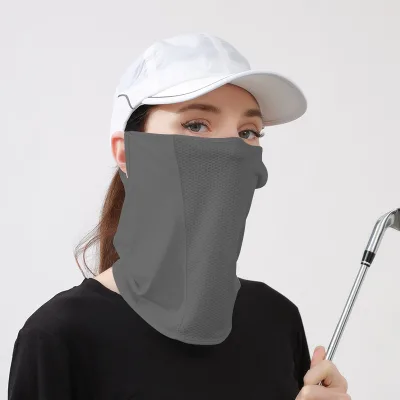
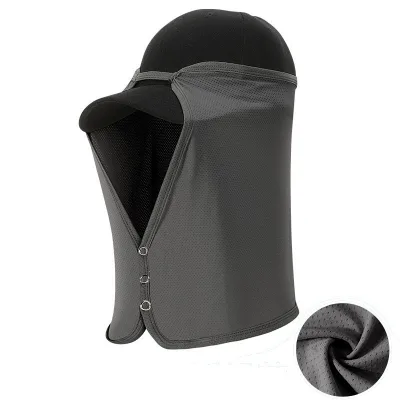
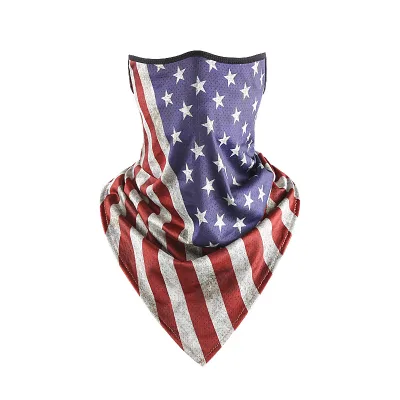
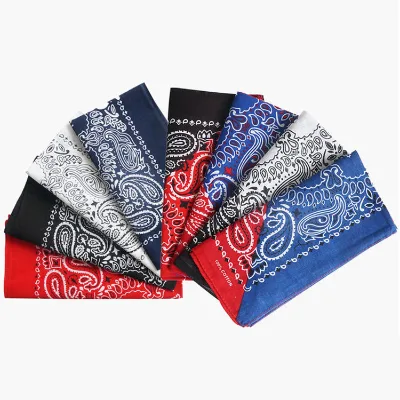
HZO-25096 Cotton Square Scarf Custom Logo Print Handkerchief Bandana for Outdoor
$0.39 - $0.46
Moq: 12
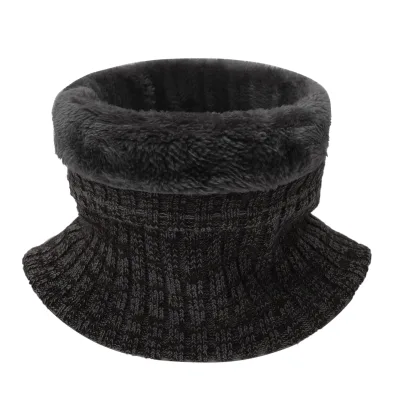

Anhui Guohong Industrial and Trading Co., Ltd.
- Verified by BV
- Combined
- China Anhui
- Lead time15 days
- Avg. response≤ 14h
Main productsFace Mask, Disposable Glove, Coverall, Bouffant Cap, Hairnet, Lab Coat, Shoe Cover, PE Apron, Sleeve Cover, Surgical Gown
Main marketsSouth America,Southeast Asia/ Mideast,Europe,North America
Xinxiang Safemed Disposables Co., Ltd.
- Verified by BV
- Combined
- China Henan
- Lead time30 days
- Avg. response≤ 4h
Main productsIsolation Gown, Boot Cover, Bed Sheet
Main marketsSoutheast Asia/ Mideast,Domestic,Europe

HUBEI BEST IMPORT AND EXPORT CO., LTD.
- Verified by TUVRHEINLAND
- Trading Company
- China Hubei
- Lead time0 days
- Avg. response≤ 2h
Main productsNon Woven Face Mask, Disposable Cap, Disposable Shoe Cover, Disposable Gown, Disposable Coverall, Disposable Lab Coat, Disposable Bed Sheet Sets, Disposable KN95 Mask, Disposable Scrub Suits, Non Woven Farbics
Main marketsSouth America,Africa,Southeast Asia/ Mideast,Europe,North America
Xianning Huaxin Garment Co., Ltd.
- Manufacturer, Trading Company
- Hubei, China
- Lead time30 days
- Avg. response≤ 4h
Main productsCoverall/Gown/Shoe Cover/Face Mask,Isolation gowns,Lab coat,Caps,Non Woven Fabrics
Main marketsWestern Europe(30.0%), North America(10.0%), Domestic Market(5.0%), South Asia(5.0%), Southern Europe(5.0%), Northern Europe(5.0%), Central America(5.0%), South America(5.0%), Eastern Asia(5.0%), Mid East(5.0%), Oceania(5.0%), Africa(5.0%), Southeast Asia(5.0%)

Qingdao Trusty Industry & Trade Co., Ltd.
- Verified by TUVRHEINLAND
- Manufacturer/Factory
- China Shandong
- Lead time23 days
- Avg. response≤ 4h
Main productsChemical Protective Clothing, Disposable Coveralls, PPE Suits, Non Woven Fabric, Isolation Gown, Shoe Covers, Safety Clothing, Medical Supplies Consumables, Disposable Towel, Civil Disposable Protective Mask
Main marketsSouth America,Eastern Europe,Mid East,North America,Southeast Asia,Eastern Asia,Oceania,Western Europe,Africa

Glacier Coolant Technology (Beijing) Co., Ltd
- Verified by SGS
- Manufacturer/Factory
- China Beijing
- Lead time0 days
- Avg. response≤ 2h
Main productsRefrigeration Equipment, Cold Room, Heat Exchanger, Heat Transfer Fluids, Evaporator, Compressor, Air Cooler, Chiller
Main marketsSouth America,Eastern Europe,Mid East,North America,Southeast Asia,Eastern Asia,Oceania,Western Europe,Africa
Hubei Ruichen Protective Products Co., Ltd
- Verified by CTI
- Combined
- China Hubei
- Lead time23 days
- Avg. response≤ 3h
Main marketsDomestic,Europe


Nonwoven Elastic Cuffs Disposable Isolation Gown for Laboratory Sample Testing
$0.13 - $0.25
Moq: 20000

Antistatic Polypropylene Nonwoven Isolation Gown for Hospital Diagnostic Tests
$0.13 - $0.25
Moq: 20000

Antistatic Breathable Nonwoven Isolation Gown for Advanced Laboratory Testing
$0.13 - $0.25
Moq: 20000


Hubei Feiteng Protective Products Co., Ltd.
- Manufacturer
- China Hubei
- Lead time15 days
- Avg. response≤ 11h
Main productsMedical Face Mask, Surgical Face Mask, Disposable Clip Cap, Non-Woven Shoe Cover, Isolation Gowns
Main marketsSouth America,Southeast Asia/ Mideast,Domestic,Europe,North America
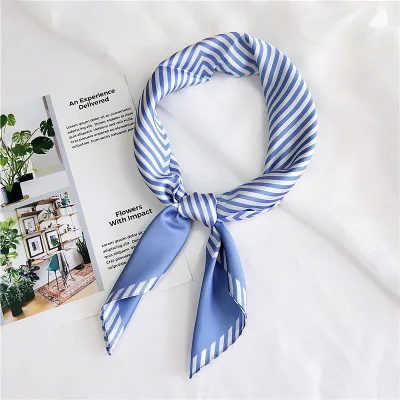
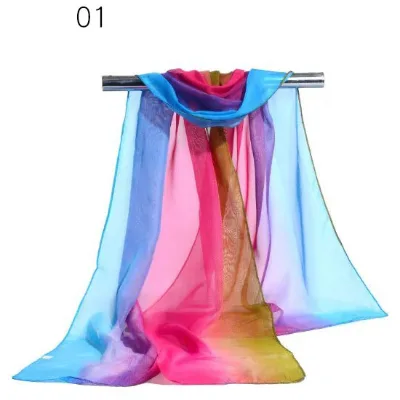




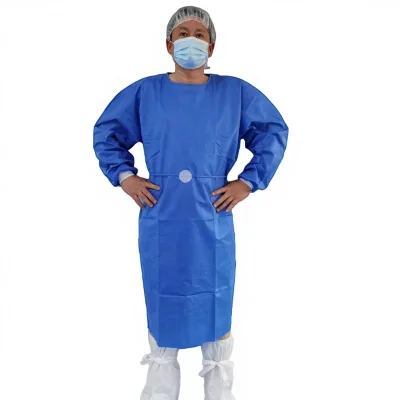
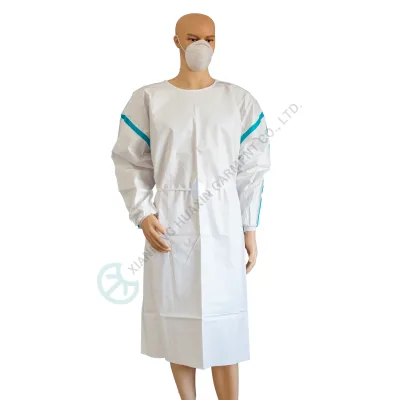
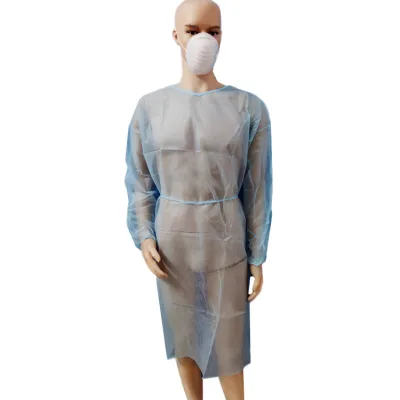
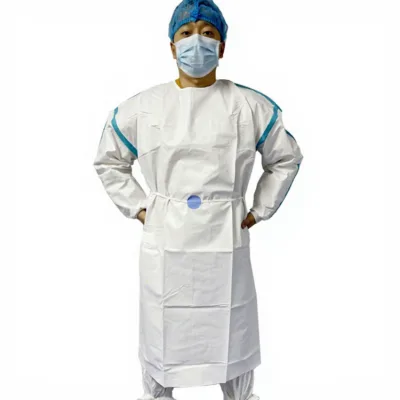


Comprehensive Sourcing Guide
Azo Test Scarf Supplier Concentration and Factory Types
Current data indicates a concentration of suppliers in China, specifically within Shanghai, Beijing, and Zhejiang provinces. These regions host a mix of trading companies and manufacturers, each offering distinct advantages for sourcing scarves. Shanghai-based entities often operate as trading companies, aggregating products like rayon, polyester, and acrylic scarves from various production sources. Beijing facilities appear to include manufacturers specializing in technical textiles, such as RFID blocking and anti-radiation fabrics, which may require specific testing protocols. Zhejiang suppliers are also present, focusing on general apparel accessories with lower minimum order quantities.
Buyers should verify the specific factory type before proceeding, as trading companies may not have direct control over the dyeing processes that trigger azo dye concerns. Manufacturers typically hold ISO 14001 and ISO 9001 certifications, suggesting a more controlled environment for chemical management. However, without explicit evidence of an azo test certificate for every listed product, buyers must assume that the location alone does not guarantee compliance. The presence of OEM and ODM capabilities in the data suggests that customization is possible, but the chemical safety of the added dyes must be independently verified.
How to Verify Azo Test Scarf Suppliers
Verification begins by scrutinizing the supplier's certification list for specific chemical safety standards beyond general quality management. While some suppliers display ISO 9001 and ISO 14001, these do not automatically confirm azo compliance. Buyers must request a valid test report from an accredited third-party laboratory that explicitly lists the absence of banned azo dyes according to relevant regulations. The data shows some suppliers offer customization, which introduces a risk that new dyes could be introduced during the production process. Therefore, the verification process must include a clause requiring the supplier to provide fresh test results for every customized batch.
Response time and verification status are also critical indicators of supplier reliability. A supplier with a response time under two hours, such as those noted in the Beijing cluster, may be more responsive to urgent compliance queries. However, a fast response does not equate to a verified product. Buyers should check if the supplier is verified by third-party agencies like SGS, as this adds a layer of credibility to their claims. If a supplier cannot immediately provide a test report or hesitates to share their chemical safety documentation, this is a red flag. The absence of a specific azo test result in the provided product evidence means the buyer must treat all claims as unverified until proven otherwise.
What to Compare Across Azo Test Scarf Suppliers
When evaluating potential partners, buyers must compare lead times, minimum order quantities, and response speeds to ensure alignment with their operational needs. The data reveals a wide range of lead times, from 15 days for specialized manufacturers to 23 days for others. Minimum order quantities vary significantly, with some suppliers requiring 500 units while others accept orders as low as 10 pieces. This disparity affects the feasibility of testing small batches for azo compliance before committing to large volumes. A supplier with a low MOQ allows for more frequent testing cycles, reducing the financial risk of a non-compliant shipment.
Price and product attributes also require careful comparison to identify potential cost-saving measures without compromising safety. Prices for scarves range from under one dollar to over twenty dollars, reflecting differences in material and function. High-priced items like silver-lined anti-radiation scarves may involve complex manufacturing that increases the risk of chemical contamination. Buyers should compare the customization options available, as some suppliers explicitly state that customization is available, while others do not. The ability to customize often correlates with a higher risk of introducing non-compliant dyes. Comparing these factors helps buyers select a supplier that balances cost, volume, and safety requirements effectively.
Common Azo Test Scarf Sourcing Risks
One primary risk involves the assumption that all suppliers in a specific region adhere to the same chemical safety standards. While Shanghai and Beijing are identified as key locations, the data does not confirm that every supplier in these areas has passed an azo test. Trading companies may source from multiple factories, some of which might not have the necessary controls in place. This fragmentation increases the likelihood of receiving a shipment containing banned azo dyes, especially if the supplier does not have direct oversight of the dyeing process. Buyers must be vigilant about the supply chain transparency of their chosen partner.
Another significant risk is the introduction of non-compliant materials during the customization phase. Many suppliers in the data indicate that customization is available, which often involves adding new dyes or patterns. If the supplier does not strictly control the dye inventory used for custom orders, the final product may fail an azo test. The lack of explicit azo test results in the product evidence for most items highlights this vulnerability. Furthermore, relying solely on a supplier's word without independent verification can lead to costly recalls or legal issues. Buyers must implement a robust sampling and testing protocol to mitigate these risks before finalizing any large order.
Azo Test Scarf Regional Sourcing and Logistics
Sourcing from China, specifically Shanghai, Beijing, and Zhejiang, offers logistical advantages but requires careful planning regarding shipping and customs. The data confirms that products originate from these regions, with some suppliers offering specific packing details like inner bags and carton boxes. Logistics planning must account for the lead times observed, which range from 15 to 23 days, to ensure timely delivery. Buyers should also consider the response times of suppliers in different regions, as faster communication can help resolve logistical issues more quickly. The proximity of these manufacturing hubs to major ports facilitates efficient export, but the specific shipping terms must be negotiated clearly.
Regional differences in supplier capabilities also impact logistics and compliance. Manufacturers in Beijing may have different shipping protocols compared to trading companies in Shanghai or Zhejiang. The data shows that some suppliers have specific product standards and dimensions, which can affect packaging and shipping costs. Buyers should verify if the supplier offers escrow services or other payment protections to safeguard against shipping delays or quality issues. Understanding the regional logistics landscape helps buyers anticipate potential bottlenecks and plan their inventory accordingly. It is essential to confirm the origin of the goods and the shipping route to ensure that the azo test results remain valid throughout the transit process.
Azo Test Scarf Commercial Terms and Order Planning
Commercial terms for azo test scarves must include specific clauses regarding chemical compliance and testing responsibilities. Buyers should negotiate terms that require the supplier to bear the cost of re-testing if a shipment fails an azo analysis. The data shows varying minimum order quantities, which influences the financial exposure of a failed test. For suppliers with high MOQs, the risk is greater, making it crucial to have a clear refund or replacement policy in the contract. Additionally, buyers should clarify who is responsible for arranging third-party inspections and whether the cost is included in the product price or billed separately.
Order planning should be structured around the lead times and response speeds of the selected suppliers. With lead times ranging from 15 to 23 days, buyers must factor in the time required for testing and potential rework. A supplier with a faster response time, such as those noted in the data, can help expedite the resolution of any compliance issues. Buyers should also plan for the possibility of multiple production runs to ensure consistent quality. The availability of customization options should be weighed against the time required for testing new dye formulations. By aligning commercial terms with realistic order planning, buyers can minimize disruptions and ensure a steady supply of compliant scarves.
FAQs
What is the minimum order quantity for rayon scarves?
The minimum order quantity for rayon scarves is 500 pieces. This requirement applies to the specific woven rayon scarf product listed. Buyers should confirm if other styles have different thresholds before placing an order.
How long does it take to receive an order?
Lead times vary by supplier, with some offering 15 days and others 23 days. Response times also differ, ranging from under two hours to over a day. Buyers must check specific supplier profiles for accurate delivery estimates.
Are azo test scarves available with customization options?
Customization is available for several scarf types including rayon, acrylic, and silver fiber options. Buyers can request specific patterns or models like awi-C44. Always verify if the specific azo test requirement is met by the supplier.
What is the price range for fashion scarves?
Prices range from 0.99 to 29.00 depending on material and features. Basic fabric scarves start around 0.99 while specialized anti-radiation scarves cost up to 29.00. Buyers should compare specific product listings for current pricing details.
Which suppliers are located in China?
Suppliers are located in Shanghai, Beijing, and Zhejiang within China. Each location offers different product ranges from neckwear to shielding fabrics. Buyers should filter results by these specific cities to find local partners.
Do suppliers offer OEM and ODM services?
Yes, many suppliers provide OEM and ODM services for various scarf types. This includes manufacturers of shielding fabrics and trading companies for fashion scarves. Buyers should confirm specific customization capabilities during the inquiry process.
What certifications do the suppliers hold?
Some suppliers hold ISO 14001 and ISO 9001 certifications. Verification by SGS is also available for certain manufacturers. Buyers should request current certification documents to ensure compliance with safety and quality standards.