Baby Food Ceramic Scissors with Cover Suppliers and Manufacturers
Explore 24 verified suppliers offering Baby Food Ceramic Scissors with Cover for multi-purpose cutting. Compare response times, lead times, MOQs, and customization options like OEM and ODM. Contact suppliers directly to request samples and verify certifications; review the available evidence before requesting comparable quotations from suitable candidates.
Suppliers List
Yangjiang Yangdong Zhuopeng Industrial & Trade Co., Ltd.
- Verified by Intertek
- Manufacturer, Trading Company
- Lead time30 days
- Avg. response≤ 2h
Main productsStudent Scissors, Kitchen Scissors, Garden Scissors, Tailor Scissors, Household Scissors
Main marketsNorth America(42%), Western Europe(28%), Southeast Asia(20%)
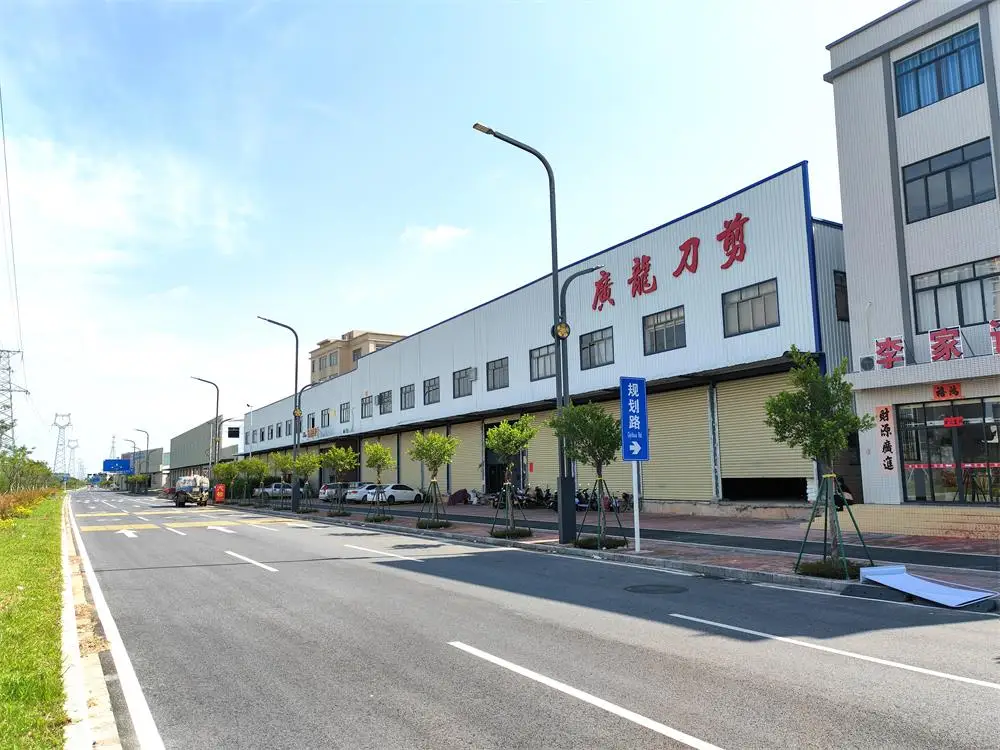
Guangdong Guanglong Knife And Scissors Co., Ltd.
- Manufacturer, Trading Company
- Guangdong, China
- Lead time40 days
- Avg. response≤ 7h
Main productsTailor scissors,Kitchen scissors,Garden scissors,Office scissors,Household scissors
Main marketsWestern Europe(16.00%), North America(7.00%)
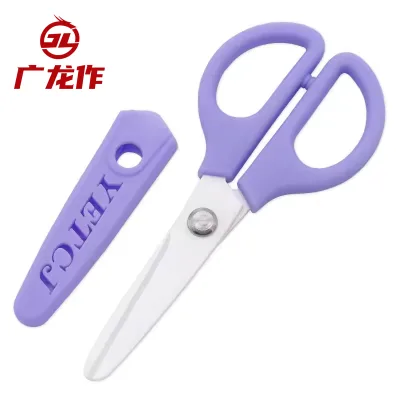
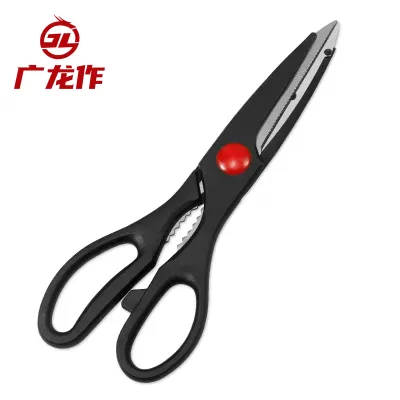
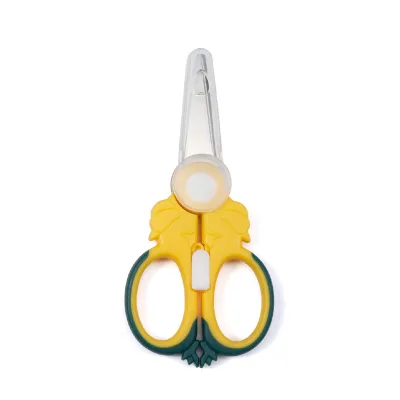
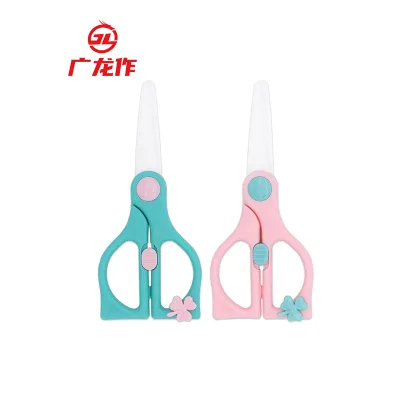
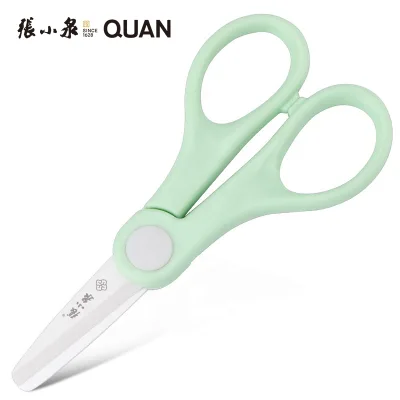
Ceramic Baby Food Portable Cute Scissors
$2.47 - $2.53
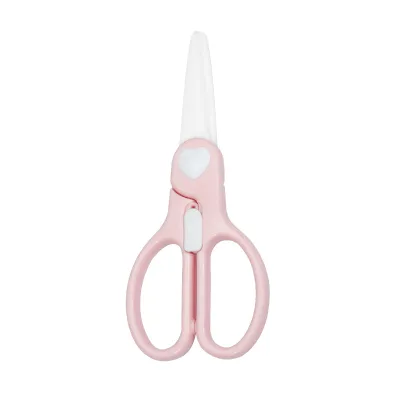
Zhangxiaoquan International Co., Ltd.
- Verified by TüVRheinland
- Manufacturer, Trading Company
- Lead time35 days
- Avg. response≤ 1h
Main productsKitchen Knives
Main marketsNorth America(30%), Western Europe(30%), Domestic Market(20%)

Yangjiang Yangdong Hwalli Hardware & Plastic Products Co.,Ltd
- Manufacturer, Trading Company
- guangdong, China
- Lead time45 days
- Avg. response≤ 2h
Main productsKitchen Knives,Cooking Wares,Baking Tools,Kitchen Utensils
Main marketsNorth America(20.00%), Mid East(15.00%), Africa(15.00%), Domestic Market(10.00%), Eastern Europe(10.00%), South America(10.00%), Oceania(10.00%), Southeast Asia(5.00%), Western Europe(5.00%)
Yangjiang Broad Lam International Development Co., Ltd.
- Trading Company
- Guangdong, China
- Lead time30 days
- Avg. response≤ 2h
Main productsKnife,ceramic knife,scissor,kitchen utensil,chef knife
Main marketsWestern Europe(40.00%), Southeast Asia(20.00%), Mid East(10.00%), North America(10.00%), Domestic Market(5.00%), South Asia(5.00%), Central America(5.00%), Eastern Europe(5.00%)

Fuzhou Whole Line Trading Co., Ltd.
- Verified by BV
- Trading Company,Manufacturer/Factory
- China Fujian
- Lead time23 days
- Avg. response≤ 6h
Main productsCustomized Products, Lanyard Short Strap, Lanyard, Bandana, Pen, Bags, T-Shirt, Pillow Case, Socks, Promotional Gifts
Main marketsSouth America,Eastern Europe,Mid East,North America,Southeast Asia,Eastern Asia,Oceania,Western Europe,Africa


$1.20 - $2.00
MOQ: 200 Pieces

Kingsun Baby Products Co., Ltd.
- Verified by TUVRHEINLAND
- Trading Company,Manufacturer/Factory
- China Guangdong
- Lead time23 days
- Avg. response≤ 5h
Main productsBaby Bottle, Nipple, Pacifier, Breast Pump, Teethers, Baby Water Bottle, Nasal Aspirator, Baby Dinner Set, Baby Products, Feeding Accessories
Main marketsSouth America,Eastern Europe,Mid East,North America,Southeast Asia,Oceania,Western Europe,Africa
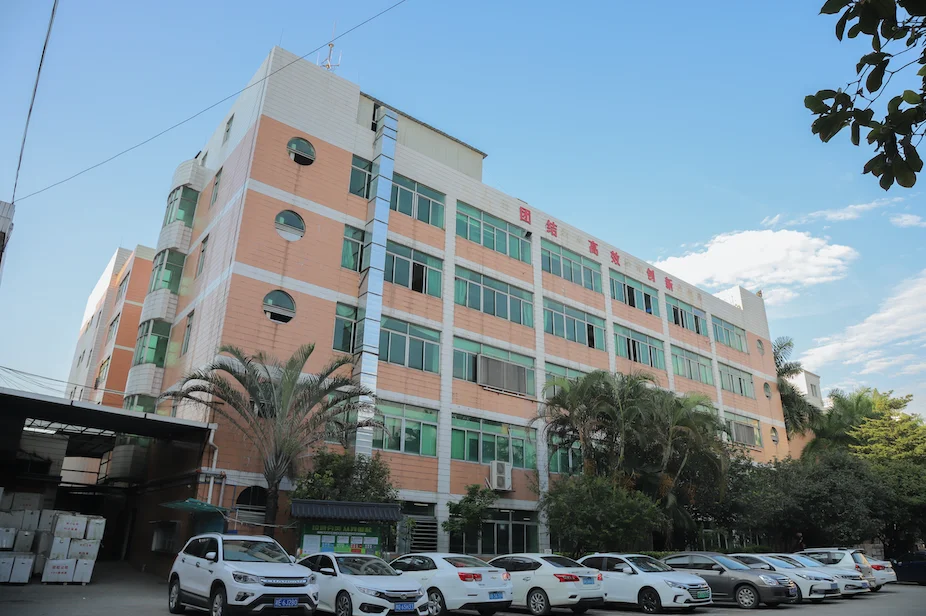
Wuxi Owgels Medical Instruments Co., Ltd.
- Trading Company
- Jiangsu, China
- Lead time7 days
- Avg. response≤ 2h
Main productsBaby care products,medical products
Main marketsSoutheast Asia(50.00%), Central America(5.00%), North America(5.00%), South Asia(4.00%), Southern Europe(4.00%), Northern Europe(4.00%), Eastern Europe(4.00%), Western Europe(4.00%), Eastern Asia(4.00%), Mid East(4.00%), Oceania(4.00%), Africa(4.00%), South America(4.00%)

YANGJIANG GILLY METAL PLASTIC PRODUCTS LTD
- Trading Company
- GUANGDONG, China
- Lead time30 days
- Avg. response≤ 2h
Main productsknife sharpener,knife set,cookware,kitchen gadgets,kitchenware
Main marketsCentral America(15.00%), North America(15.00%), Mid East(10.00%), Northern Europe(10.00%), Africa(10.00%), South America(10.00%), Domestic Market(5.00%), South Asia(5.00%), Southern Europe(5.00%), Oceania(5.00%), Eastern Europe(5.00%), Western Europe(5.00%)
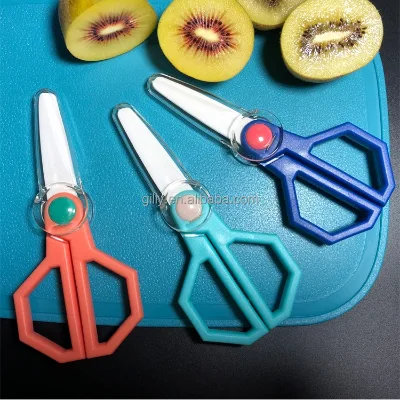
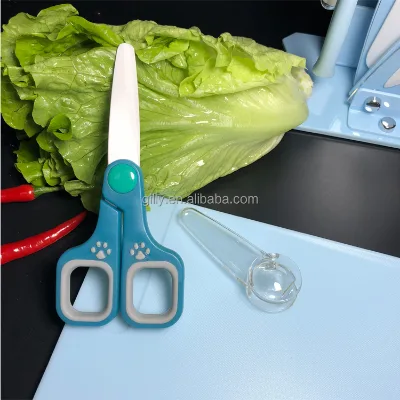
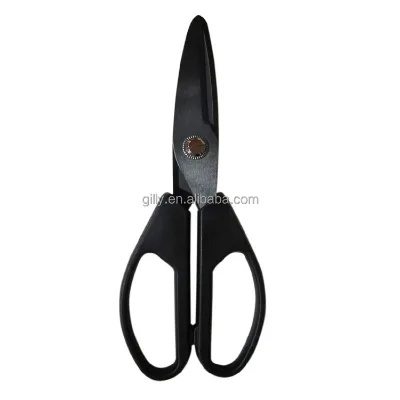
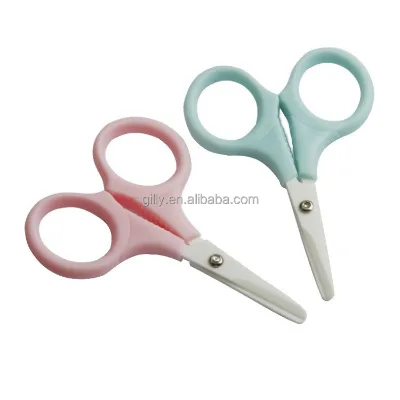
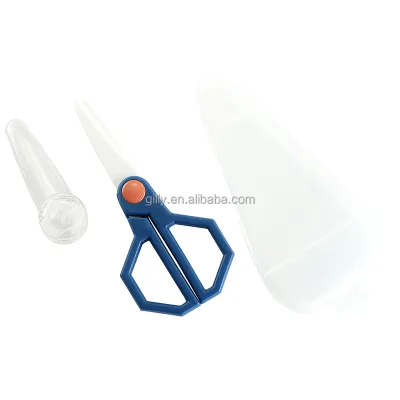
New Design Rustproof Kitchen Ceramic Scissors Baby Food Vegetables Shears
$0.10 - $0.20
MOQ: 500 pieces
$0.10 - $0.20
MOQ: 500 pieces
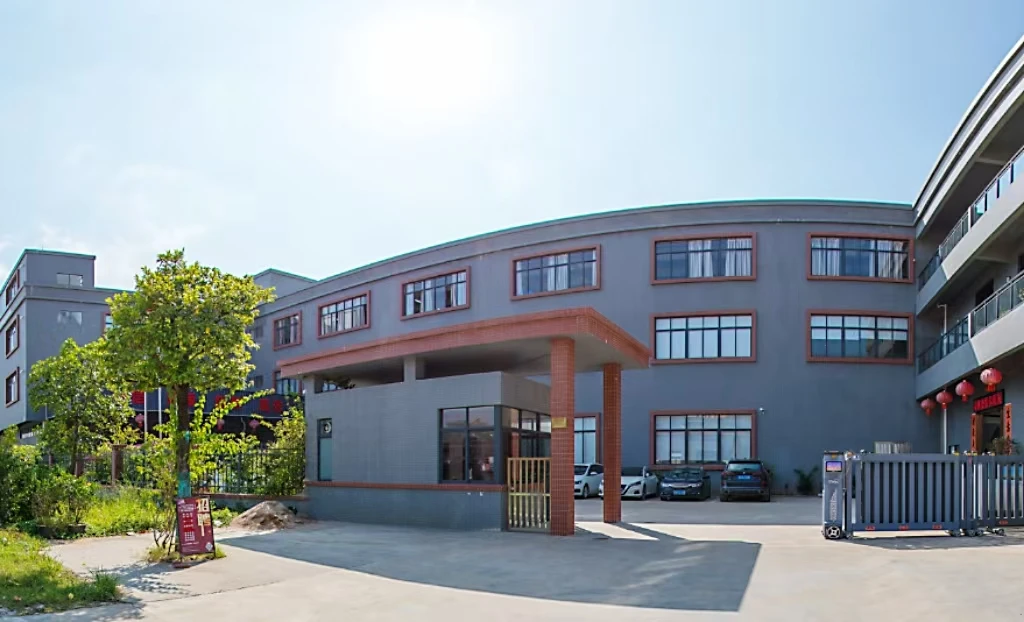
Guangdong Bestwings Industrial And Trading Co., Ltd.
- Manufacturer, Trading Company
- Guangdong, China
- Lead time35 days
- Avg. response≤ 3h
Main productsBaby manicure set,baby grooming set,baby nail clipper,baby comb and brush,baby scissors
Main marketsNorth America(20.00%), Southeast Asia(15.00%), Africa(10.00%), South America(10.00%), Eastern Europe(10.00%), South Asia(6.00%), Southern Europe(5.00%), Northern Europe(5.00%), Mid East(5.00%), Western Europe(5.00%), Eastern Asia(5.00%), Central America(4.00%)

Ningbo Yuena Import & Export Co., Ltd.
- Verified by TUVRHEINLAND
- Trading Company
- China Zhejiang
- Lead time23 days
- Avg. response≤ 3h
Main productsLace, Thread, Button, Ribbon, Zipper, Tailors Materials, Fabric, Reflective Materials, Sewing Machine Part, Bra Parts
Main marketsSouth America,Africa,Southeast Asia/ Mideast,Europe,North America

Foshan Fengdeli Nail Clippers Manufacturing Co., Ltd.
- Trading Company,Manufacturer/Factory
- China Guangdong
- Lead time45 days
- Avg. response≤ 5h
Main productsNail Clipper, Manicure Set, Tweezers, Pedicure Implements, Baby Gifts, Scissors, Beauty Set, Key Rings, Nail Files, Promotion Gifts
Main marketsSouth America,Eastern Europe,Mid East,North America,Southeast Asia,Western Europe,Africa
Shandong Best G And G Enterprise Co., Ltd.
- Trading Company
- Shandong, China
- Lead time0 days
- Avg. response≤ 3h
Main productsMusic Box,Kalimba,Pan Drum,Tongue Drum,Garden Tool
Main marketsSouth America(20.00%), Central America(20.00%), North America(20.00%), Eastern Europe(10.00%), Southeast Asia(10.00%), Northern Europe(10.00%), Mid East(5.00%), South Asia(5.00%)
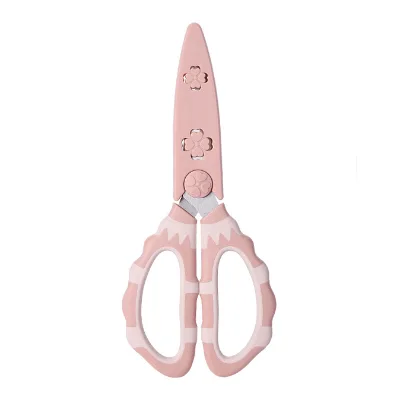
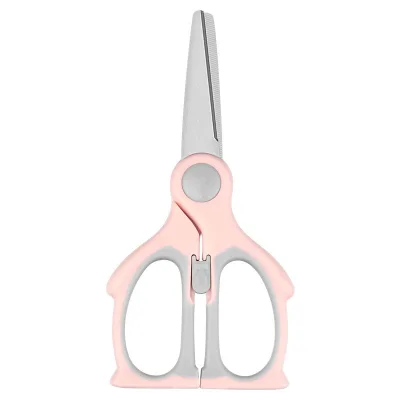
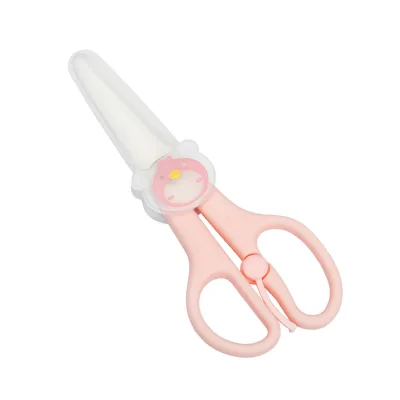
Household Stainless Steel Scissors Penguin Baby Food Scissors Portable Children's Food Scissors
$1.03 - $1.20
MOQ: 100 pieces

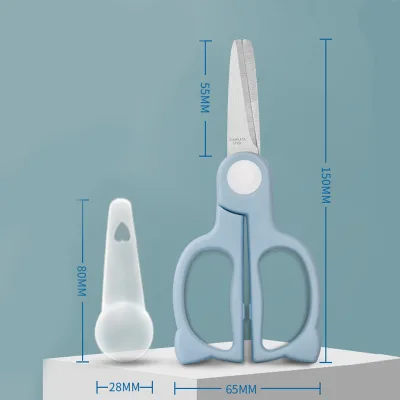
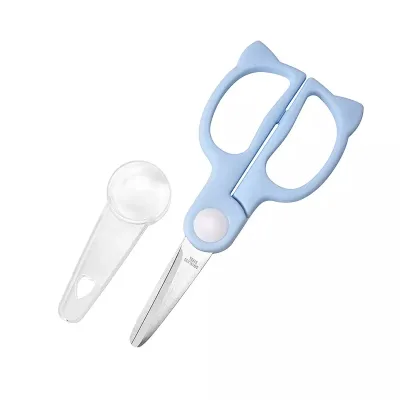
Creative Blue Cat Style Baby Food Scissors Stainless Steel Food Grade Kitchen Scissors
$0.69 - $0.81
MOQ: 100 pieces
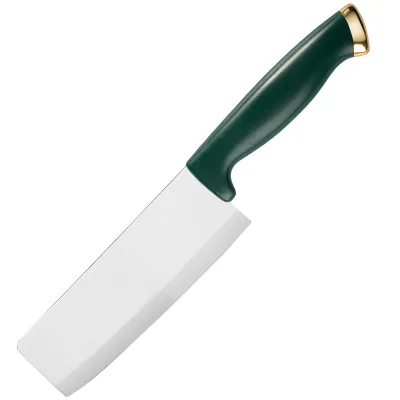
Household Ceramic Knife Thickened Baby Food Knife Slicing Knife Chef's Knife
$3.29 - $3.43
MOQ: 100 pieces
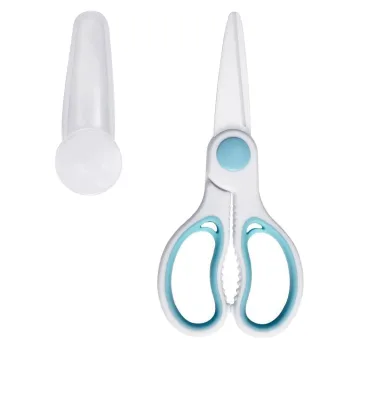
- Manufacturer
- Shandong, China
- Lead time30 days
- Avg. response≤ 4h
Main productsKitchen Items,Pet Supplies,Home Decoration,Garden Decoration
Main marketsNorth America(52.00%), Western Europe(20.00%), Southern Europe(5.00%), Northern Europe(5.00%), South America(5.00%), Eastern Asia(3.00%), Eastern Europe(3.00%), South Asia(2.00%), Southeast Asia(2.00%), Mid East(2.00%), Africa(1.00%)

- Trading Company,Manufacturer/Factory
- China Zhejiang
- Lead time30 days
- Avg. response≤ 11h
Main productsFabric, Trimming, Lace, Tape, Zipper, Sewing Thread, Button, Scissors, Garments Accessories, Sewing Machine Parts
Main marketsSouth America,Eastern Europe,Mid East,North America,Southeast Asia,Eastern Asia,Oceania,Western Europe,Africa

Henan Xiaokangning Import And Export Co., Ltd.
- Trading Company
- Henan, China
- Lead time7 days
- Avg. response≤ 3h
Main productsSexy lingerie,sexy sleepwear,women underwear/panty,Women's clothing,Men's clothing
Main marketsNorth America(23.00%), South America(21.00%), Eastern Europe(11.00%), Southeast Asia(10.00%), Africa(6.00%), Oceania(5.00%), Domestic Market(3.00%), South Asia(3.00%), Southern Europe(3.00%), Northern Europe(3.00%), Central America(3.00%), Western Europe(3.00%), Eastern Asia(3.00%), Mid East(3.00%)
Guangzhou Prodigy Daily-Production Co., Ltd.
- Manufacturer, Trading Company
- Lead time旺季: "1 - 1000":35,"> 1000":"To be negotiated", 淡季: "1 - 1000":35,"> 1000":"To be negotiated"
- Avg. response≤ 2h
Main productsPet Gate, Pet Product, Baby Safety Product, Hook, Floor Mat
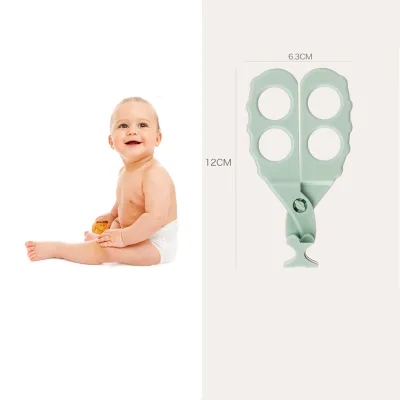
PRODIGY CS001 Baby Complementary Scissors Fruit Cooked Food No Harm People Safe Scissors
$0.66
MOQ: 1000 Minimum
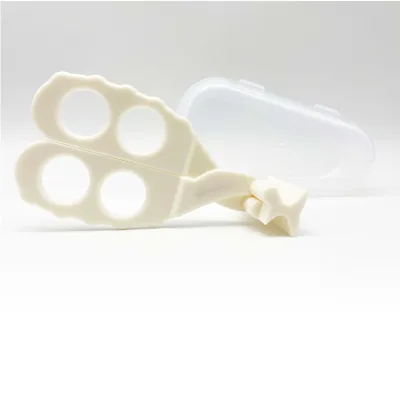
$0.73 - $0.75
MOQ: 1000 pieces

Ningbo Rainma Stationery Co., Limited.
- Verified by TUVRHEINLAND
- Trading Company,Manufacturer/Factory,Other
- China Zhejiang
- Lead time23 days
- Avg. response≤ 8h
Main productsPaper Notebook and Note Pad, School Stationery, Art Pigments, Ball Pen, Paint Canvas and Canvas Board, Office Stationery, Promotion Gift Stationery, Eraser and Ruler, Marker & Highlighter, Cutter Knife
Main marketsSouth America,Eastern Europe,Mid East,North America,Southeast Asia,Eastern Asia,Oceania,Western Europe,Africa

Eagle Catering Equipment Co., Ltd.
- Manufacturer/Factory
- China Guangdong
- Lead time30 days
- Avg. response≤ 8h
Main productsTrolleys, Gastronorm Containers, Table, Shelves, Sink, Barrier Post, Cookware, Buffetware, Barware, Kitchen Utensils
Main marketsSouth America,Eastern Europe,Mid East,North America,Southeast Asia,Eastern Asia,Oceania,Western Europe,Africa
Ningbo Yoheng Imp & Exp Co., Ltd.
- Verified by SGS
- Trading Company
- China Zhejiang
- Lead time30 days
- Avg. response≤ 5h
Main marketsEurope

Guangdong RoRo Baby Products Co., Ltd.
- Verified by TUVRHEINLAND
- Manufacturer/Factory
- China Guangdong
- Lead time23 days
- Avg. response≤ 2h
Main productsBaby Bottle Baby Feeding Bottle Baby Feeder, Nipple Teat Baby Bottle Nipple, Pacifier Soother Baby Pacifier, Teether Baby Teether Baby Soother, Water Cup Baby Drink Cup Baby Training Cup, Food Container Milk Powder Box Milk Powder Case, Baby Water Bottle, Breast Pump Breast Shield Silicone Breast Pump, Manual Breast Pump Baby Bowl Baby Spoon, Fruit Feeder Glass Bottle Food Feeder Baby Care
Main marketsSouth America,Eastern Europe,Mid East,North America,Southeast Asia,Eastern Asia,Oceania,Western Europe,Africa

Baby Nail Clippers, Baby's Safety Nursing Nail Scissors, Baby Nail Scissors
$0.25 - $0.55
MOQ: 1000 Pieces

Shenzhen Armada Technology Co., Ltd.
- Verified by Intertek
- Trading Company
- Lead time15 days
- Avg. response≤ 3h
Main productsSilicone Bakewares, Silicone Kitchen Tools, Silicone Daily Use Products, Silicone Baby Products, Silicone Gifts
Main marketsDomestic Market(30%), North America(22%), Western Europe(10%)
Guangdong Jinda Hardware Products Co., Ltd.
- Manufacturer, Trading Company
- Lead time旺季: "1 - 100":15,"> 100":"To be negotiated", 淡季: "1 - 100":15,"> 100":"To be negotiated"
- Avg. response≤ 3h
Main productsVegetable Chopper, Kitchen Utensil, Kitchen Knife & Scissors, Opener, Peelers
Jinjiang Naike Eco Technology Co., Ltd.
- Verified by SGS
- Trading Company
- China Fujian
- Lead time30 days
- Avg. response≤ 2h
Main productsKeychain, Promotional Gifts, Shoes Charm, Straw Toppers, Pencil Toppers, Christmas Decoration, Party Decoration, Toy, Metal Craft, Silicone Products
Main marketsEurope,North America

Hot Selling Custom Kids Cutlery Set Food Grade Silicone Baby Feeding Tableware Set
$5.52 - $5.65
MOQ: 100 Pieces

$4.38 - $4.49
MOQ: 200 Pieces








Comprehensive Sourcing Guide
Baby Food Ceramic Scissors with Cover Supplier Concentration and Factory Types
Suppliers offering Baby Food Ceramic Scissors with Cover in current search results commonly list Guangdong as the place of origin, which gives buyers a concrete geographic anchor for this category. Where a listed product states a region of origin, treat it as a signal worth validating rather than proof, because listing data can lag behind a company's actual sourcing arrangement. If results on a future search omit regional details, do not assume a cluster; instead, ask each shortlisted company directly for its production or consolidation location and cross-check the answer against shipping quotes, business registration records and any factory audit report the supplier can produce.
The supplier mix visible in this category includes companies identifying as manufacturers and trading companies, sometimes in combination. A manufacturer profile suggests direct control over molding, blade finishing and assembly of ceramic-bladed scissors with protective covers, while a trading profile suggests the ability to consolidate complementary household scissors lines, since listed main products span student, kitchen, garden, tailor and household scissors. Neither type is inherently better. For a single specialized item, a manufacturer may move faster on tooling changes; for a mixed-category order, a trading partner may simplify logistics. Verify the claimed type by requesting photos of in-house processes, production capacity statements and evidence of past ceramic-handled or ceramic-bladed projects rather than relying on the profile label alone.
How to Verify Baby Food Ceramic Scissors with Cover Suppliers
Start verification with the credentials a platform has actually confirmed. In the current results, at least one supplier carries a third-party verification mark from Intertek, which is an observable fact you can weigh, but it tells you only that an inspection or assessment occurred, not that every product in the catalog passed testing. Record which companies display such marks and which do not, then request the scope of any verification: was it a factory assessment, a product inspection or a business license check? Ask for dated documentation you can review, and be cautious with any claim about food-contact safety that the supplier cannot back with a current report for the specific ceramic and plastic materials in the scissors.
Beyond credentials, verify responsiveness and operational substance. Some listed suppliers display a response time measured in hours, which is a useful early signal of how a relationship may run, but response speed on a listing is not a contract term. Request live communication: a video walk-through of the workshop, samples of the ceramic scissors with covers, and contact with a named salesperson who stays consistent through quotation. Check the company's stated establishment history, business scope and whether its registration matches the location shown on product pages, such as the Guangdong origins listed for several products in this category. Discrepancies between listed origin, registration address and shipping address should be resolved in writing before you deposit any funds.
What to Compare Across Baby Food Ceramic Scissors with Cover Suppliers
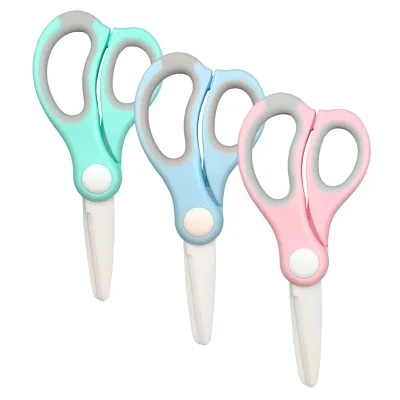
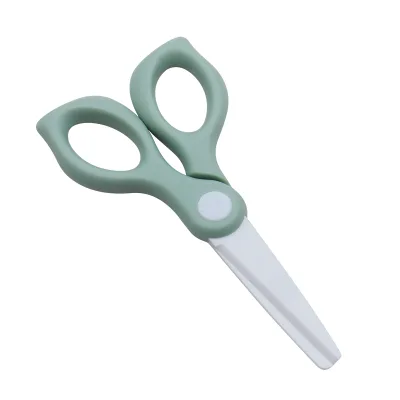
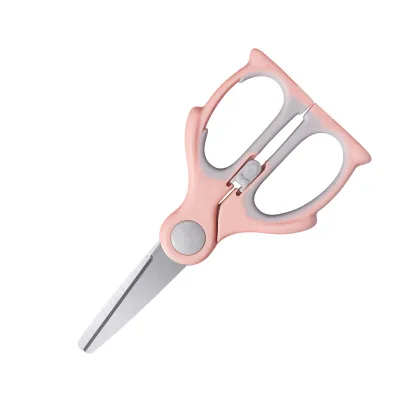
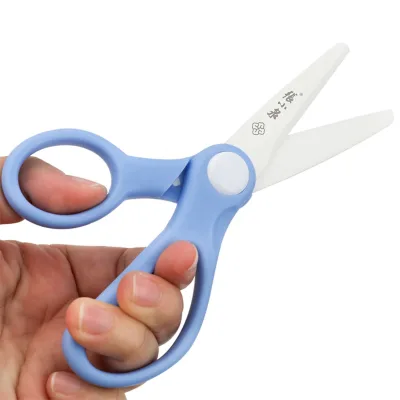
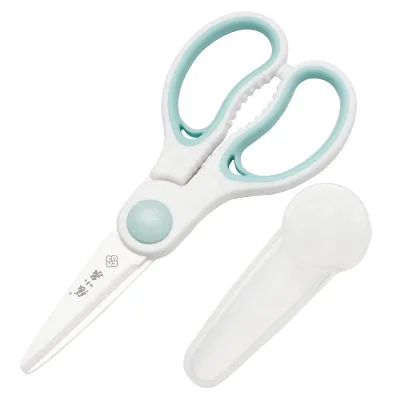
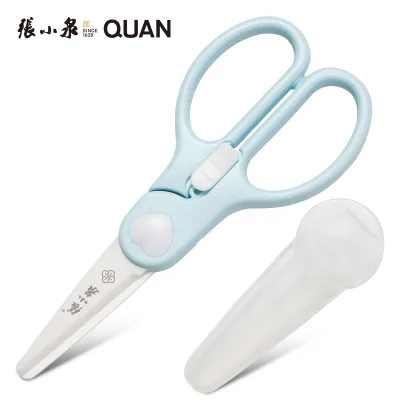
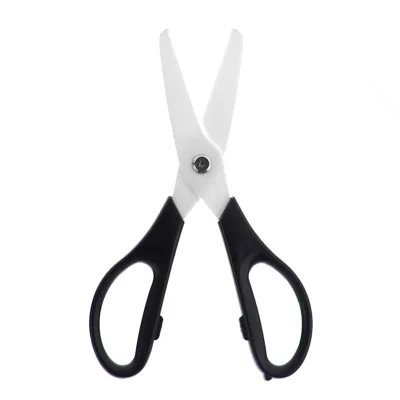
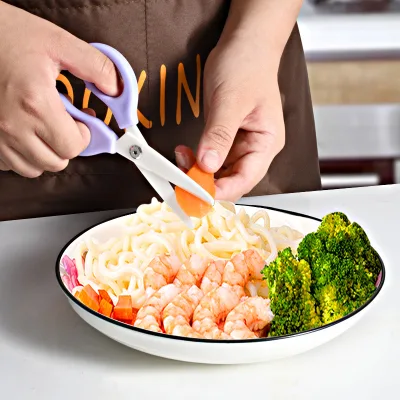
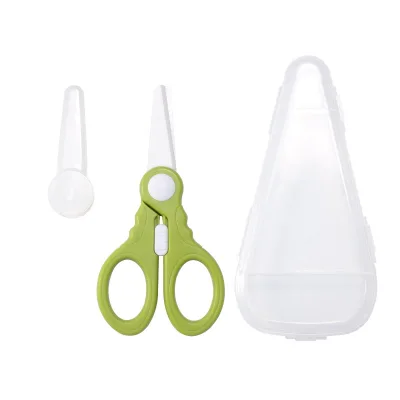
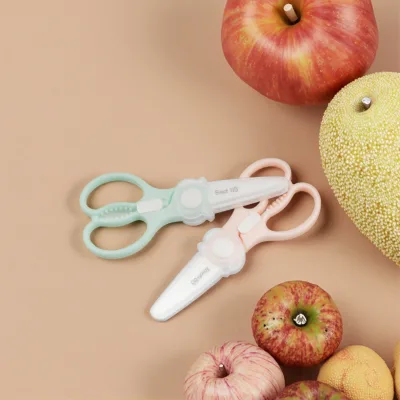
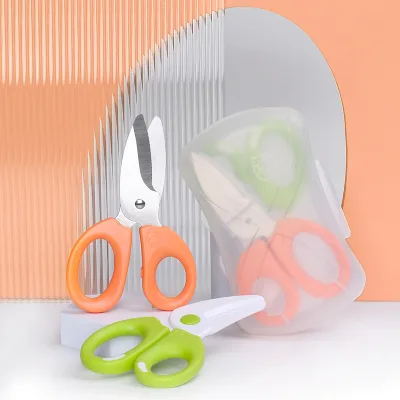
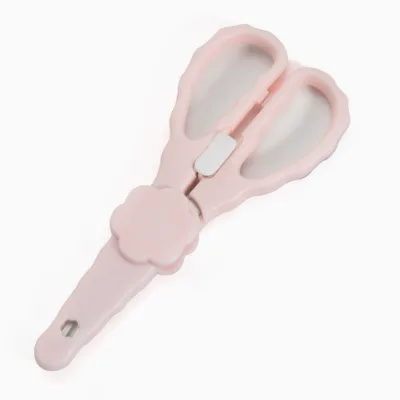
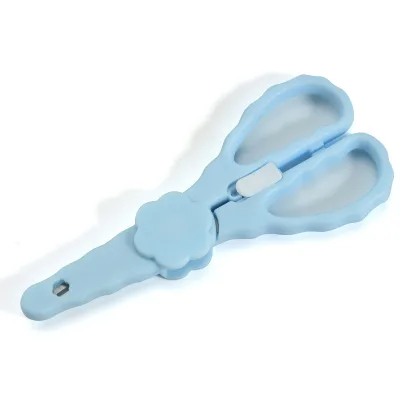
Build a comparison sheet using dimensions actually displayed in supplier results, without assuming every supplier shows every attribute. For this category, useful columns include product type and materials, since listings range from stainless steel bladed baby food scissors with plastic handles to ceramic bladed designs with ABS or PP handles, some foldable and some rigid. Record listed MOQ, which currently ranges from 100 pieces on some ceramic scissors items to 1,000 pieces on a stainless steel and PP baby safety food scissors, because entry volumes differ sharply across the same catalog. Add listed unit price ranges where shown, sample lead times such as the within five days figure one listing states, and one-year warranty terms where displayed.
Also compare company-level attributes when available: manufacturer versus trading company status, main product lines, third-party verification status, response time, and stated lead time, with one supplier in the current results showing a 30-day lead time. Note customization capability too, since listed capacity includes light customization, sample processing, graphic processing and customized-on-demand options, and several products state OEM or ODM support with customized logo availability. If a supplier omits a dimension, mark it unknown rather than assuming a value, and request it during quotation. Rank suppliers on a weighted matrix that reflects what matters most in this category: material conformity for food-contact use, protective cover quality, willingness to provide samples at your target specification, and demonstrated stability of the ceramic blade attachment process.
Common Baby Food Ceramic Scissors with Cover Sourcing Risks
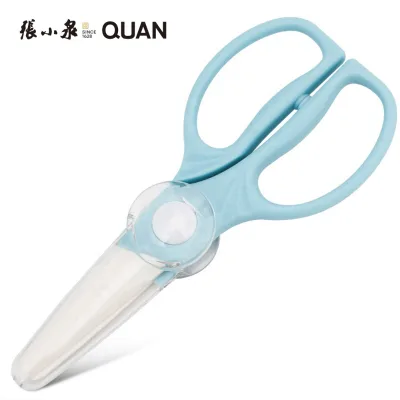
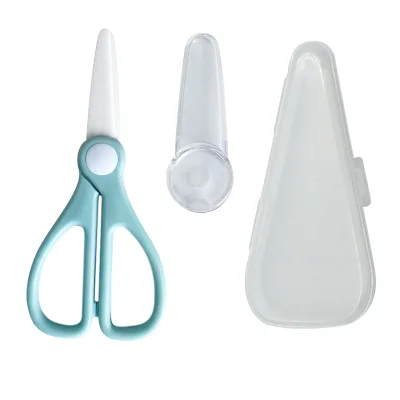
The most material risk in this category is silent substitution of materials. Listings describe ceramic blades, stainless steel blades, ABS and PP handles in various combinations, and a supplier may quote one configuration and produce another to protect margin. Mitigate this by specifying blade material, handle material, tip type, such as the blunt or ball tips shown on some listings, cover fit and dimensions in a signed specification sheet, and by keeping a retained golden sample. Packaging drift is a related risk: listings show OPP bag and display box options, and a cheaper packaging substitution can arrive without the protective cover seated correctly, which for ceramic scissors can mean cracked blades at opening.
Second, watch for capacity and quality inconsistencies at scale. Low entry MOQs make it easy to place a trial order, but the first shipment of 100 pieces and a later order of 10,000 may come from different subcontracted workshops, especially where a company operates as both manufacturer and trading company. Require batch-level inspection reports, photograph-based pre-shipment confirmation of cover assembly and blade condition, and written agreement that any factory change requires your approval. Other recurring risks include samples that differ from production tooling, warranty terms stated on listings but not honored in contracts, and misreading a verified badge as a food-safety certification. Address each risk explicitly in the purchase agreement instead of relying on listing claims.
Baby Food Ceramic Scissors with Cover Regional Sourcing and Logistics
Because several listings in this category state Guangdong as the place of origin, buyers can reasonably begin with supplier locations in that province, which hosts extensive houseware, ceramics and hardware supply chains. Location matters practically: it affects the freight leg to the port, the availability of inspection visits, and access to nearby material suppliers for ceramic blades and food-grade plastic handles. Confirm the origin claim by matching it to the address on business documents and to the dispatch location on shipping documents, since a trading company may list a product origin that reflects its manufacturer's location rather than its own office location.
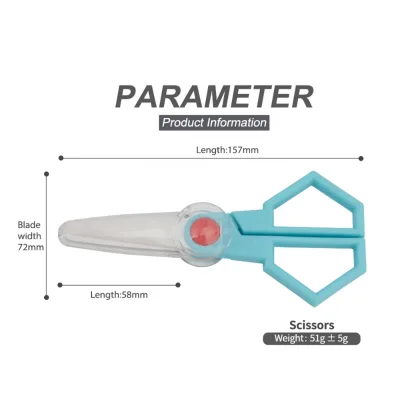
Plan logistics around the physical profile of the product. Listings here show compact single package sizes, such as 17 by 9 by 4 centimeters for a ceramic scissors with cover, and single gross weights around 0.08 to 0.12 kilograms, which makes this category suitable for consolidated cartons and cost-efficient container utilization. Still, ceramic blades are fragile: specify inner packaging that immobilizes each scissors and its cover, request drop-test handling on the packed carton before shipment, and agree on carton markings. Ask each supplier to quote both the goods cost and the terms of delivery so you can compare landed costs fairly, and confirm whether the stated lead time, such as the 30 days one supplier displays, runs from deposit, from sample approval or from artwork confirmation, because the difference changes your delivery schedule materially.
Baby Food Ceramic Scissors with Cover Commercial Terms and Order Planning
Structure commercial terms around what the listings actually show, then fill the gaps through negotiation. Observed price ranges in this category run from roughly 0.68 to 0.80 dollars on a stainless steel and PP baby food scissors at a 1,000-piece MOQ, up to about 2.05 to 2.55 dollars on a stainless steel ceramic-handled item at 100 pieces, and up to 2.30 dollars on another ceramic scissors listing. Treat these as displayed reference points, not offers: prices vary with material mix, logo customization, packaging format and order volume. Request itemized quotations separating unit price, packaging, sample fees and tooling, and confirm which prices depend on the exact MOQ stated for each product.
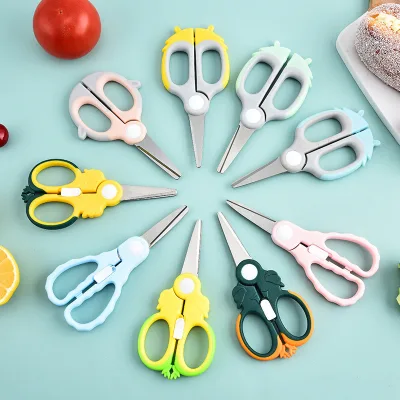
Plan orders in stages suited to this category's low entry volumes. A practical sequence is: order samples at the target specification, approve a golden sample covering blade, handle, cover fit and color from listed options such as pink, green and blue, then place a small first production run near the stated MOQ before scaling. Confirm warranty handling in the contract where a one-year warranty is displayed, agree how defective units are replaced or credited, and set payment terms proportionate to your verification level rather than to the supplier's requests. Finally, align reorder timing with the supplier's stated lead time and response speed, since both affect your ability to restock a seasonal, giftable item like ceramic baby food scissors with covers without stockouts.
FAQs
What is the minimum order quantity for baby food scissors?
The minimum order quantity varies by product, typically starting at 100 pieces for ceramic or stainless steel options. Some suppliers require 500 or 1000 pieces for specific customized models. Buyers should check individual product listings to confirm the exact MOQ before placing an order.
How long does it take to receive samples?
Sample processing is generally available within five days for most suppliers offering these scissors. This timeline applies to standard customization requests and graphic processing. Buyers needing urgent samples should verify specific lead times with the manufacturer to ensure timely delivery.
Are these scissors made with ceramic blades?
Yes, many available options feature ceramic blades designed for safe food cutting. Some models combine ceramic blades with plastic or stainless steel handles. Buyers can also find all-steel versions if they prefer a different material composition for their specific kitchen needs.
What is the typical lead time for bulk orders?
The standard lead time for bulk orders is approximately 30 days from order confirmation. This duration covers production and preparation for shipment. Buyers should confirm this timeline with their chosen supplier as it may vary based on order volume and customization requirements.
Do suppliers offer OEM and ODM services?
Yes, many manufacturers provide both OEM and ODM customized support for these scissors. Buyers can request specific logos, colors, or packaging designs. This flexibility allows businesses to create branded products tailored to their market requirements without needing to develop manufacturing capabilities themselves.
Where are these scissors manufactured?
The majority of these products originate from Guangdong, China. This region is a known hub for manufacturing kitchen tools and hardware. Buyers should verify the specific place of origin listed on each product page to ensure it meets their sourcing preferences.
What is the price range for these scissors?
Prices typically range from 0.68 to 2.55 US dollars per piece depending on the model. Ceramic models often cost more than stainless steel alternatives. The final price is influenced by the minimum order quantity and any specific customization requests made by the buyer.