Back Support Posture Corrector Suppliers and Manufacturers
Source 22 verified Back Support Posture Corrector suppliers from China. Compare ISO 13485 certified factories with lead times of 23-30 days and MOQs starting at 1 unit. Review pricing and customization options to identify suitable partners for your procurement needs.
Suppliers List

Hebei Denovo Medical Device Co., Ltd.
- Verified by BV
- Trading Company,Manufacturer/Factory
- China Hebei
- Lead time23 days
- Avg. response≤ 3h
Main productsBack Support, Knee Support, Posture Corrector, Foot Night Splint, Arm Slings, Hernia Belts, Cervical Collars, Abduction Orthosis
Main marketsSouth America,Eastern Europe,Mid East,North America,Southeast Asia,Eastern Asia,Oceania,Western Europe,Africa
Shanghai Tiger Fitness Industry Co., Ltd.
- Trading Company
- Shanghai, China
- Lead time30 days
- Avg. response≤ 4h
Main productsyoga mats,foam roller,massage products,yoga balls,stretch products
Main marketsWestern Europe(30.0%), Northern Europe(20.0%), North America(20.0%), Southern Europe(10.0%), Eastern Europe(10.0%), South America(10.0%)

XIAMEN DORRELLA HEALTH TECHNOLOGY CO.,LTD
- Verified by SGS
- Trading Company,Manufacturer/Factory,Group Corporation
- China Fujian
- Lead time23 days
- Avg. response≤ 8h
Main productsOrthotic Brace, Ankle Brace, Arm Brace, Back Brace, Cervical Collar, Finger Splint, Hip Abduction Braces, Hand and Wrist Brace, Post-Op Shoes, Orthopedic Waiking Boot
Main marketsSouth America,Eastern Europe,Mid East,North America,Southeast Asia,Eastern Asia,Oceania,Western Europe,Africa

Nantong Splendid Sporting Co., Ltd.
- Verified by BV
- Trading Company,Manufacturer/Factory
- China Jiangsu
- Lead time45 days
- Avg. response≤ 6h
Main productsGym Bench, Power Rack, Functional Machine, Dumbbell, Kettlebell, Barbell, Foam Roller, Yoga Mat, Resistance Band, Slam Ball
Main marketsSouth America,Eastern Europe,Mid East,North America,Southeast Asia,Eastern Asia,Oceania,Western Europe,Africa

Yangzhou Weller Sports Goods Co., Ltd
- Verified by SGS
- Trading Company,Manufacturer/Factory
- China Jiangsu
- Lead time23 days
- Avg. response≤ 7h
Main productsKnee Brace, Posture Corrector, Sports Protection, Shin Guards, Knee Pad, Knee Support, Waist Trainer, Elbow Brace, Orthopedic Products, Kinesiology Tape
Main marketsSouth America,Eastern Europe,Mid East,North America,Southeast Asia,Eastern Asia,Oceania,Western Europe,Africa

Shoulder Support Brace Posture Corrector for Upper Back Pain Relief Posture Trainer
$4.90 - $5.20
Moq: 500


Handan Wuxin Medical Devices Co., Ltd.
- Verified by TUVRHEINLAND
- Trading Company
- China Fujian
- Lead time15 days
- Avg. response≤ 2h
Main productsKnee Brace, Back Brace, Neck Brace, Waist Trainer, Body Shaper, Sportswear, Posture Corrector, Sexy Lingerie, Orthopedic Products, Gym Equipment
Main marketsEurope

PUYANG SELFAIDING INDUSTRIAL CO., LTD.
- Verified by SGS
- Manufacturer
- China Henan
- Lead time15 days
- Avg. response≤ 2h
Main productsAdult Bib, Pet Pad, Underpad, Baby Bib, Protective Panties, Washable Sanitary Pad, Compression Stockings, Patient Care Clothing, Pet Nest, Pet Toy
Hengshui Gangsheng Medical Instruments Co., Ltd.
- Verified by SGS Group
- Manufacturer, Trading Company
- Lead time7 days
- Avg. response≤ 2h
Main productsCervical Collar, Lumbar Back Brace, Posture Corrector, Knee Brace, Arm Sling
Main marketsNorth America(34%), Western Europe(15%), Domestic Market(11%)

Wujiang Hailihong Textile Co., Ltd.
- Verified by CTI
- Combined
- China Jiangsu
- Lead time15 days
- Avg. response≤ 9h
Main productsKnitted Textiles, Chemical Fibers, Home Textiles, Clothing and Accessories, Swim Trunks, T-Shirt, Hawaiian Shirt, Beach Pants, Bikini, Hoodie
Main marketsAfrica,Southeast Asia/ Mideast,East Asia(Japan/ South Korea),Domestic,Europe,Australia,North America
Hengshui Ji Ao Bang Technology Co., Ltd
- Manufacturer, Trading Company
- Hebei, China
- Lead time10 days
- Avg. response≤ 6h
Main productsKnee Brace,Waist Trainer,posture corrector,back brace,shoulder brace
Main marketsNorth America(20.0%), Domestic Market(18.0%), Western Europe(15.0%), Southern Europe(10.0%), Mid East(10.0%), Eastern Asia(8.0%), Southeast Asia(5.0%), South America(2.0%), South Asia(2.0%), Africa(2.0%), Northern Europe(2.0%), Central America(2.0%), Eastern Europe(2.0%), Oceania(2.0%)
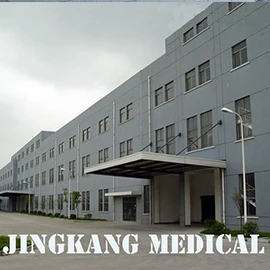
Hengshui Jingkang Medical Device Co., Ltd.
- Manufacturer, Trading Company
- Hebei, China
- Lead time5 days
- Avg. response≤ 5h
Main productsmaternity support,lumbar support,tourmaline magnetic,crutch,arm sling
Main marketsNorth America(40.0%), South America(20.0%), Eastern Europe(15.0%), Domestic Market(5.0%)

Ningbo Kangbeien Heatlh Tech. Co., Ltd.
- Verified by SGS
- Combined
- China Zhejiang
- Lead time30 days
- Avg. response≤ 8h
Main marketsDomestic

Neoprene Magnetic Adjustable Back Posture Corrector for Back Posture Support Pain Relief
$2.55 - $2.80
Moq: 1000


Ningbo Qize Industry and Trade Co., Ltd
- Verified by BV
- Trading Company
- China Zhejiang
- Lead time30 days
- Avg. response≤ 3h
Main productsPdlc Smart Film, Filter Materials, Silicone Molds, Pet Products, Medical Supplies
Main marketsEurope
Hebei Jiewo Medical Instrument Co., Ltd.
- Trading Company
- Hebei, China
- Lead time5 days
- Avg. response≤ 2h
Main productsmaternity support,lumbar support,tourmaline magnetic,crutch,arm sling
Main marketsNorth America(40.0%), South America(20.0%), Eastern Europe(15.0%), Domestic Market(5.0%)

Dongguan Runhong Sports Products Co., Ltd.
- Verified by SGS
- Manufacturer
- China Guangdong
- Lead time15 days
- Avg. response≤ 9h
Main productsLoptop Bag, Cup Covers, Lunch Bag, Wine Bags, Stubby Holders, Cooler Bags, Koozies, Beach Tote Bag
Main marketsSouth America,Southeast Asia/ Mideast,Europe,Australia,North America
Yangzhou Bases Sports Goods Co., Ltd.
- Verified by SGS Group
- Manufacturer, Trading Company
- Lead time20 days
- Avg. response≤ 4h
Main productsKnee Support; Elbow Support, Wrist Support, Waist Support, Ankle Support, Beach Shoes
Main marketsSouth America(45%), South Asia(35%), Domestic Market(15%)

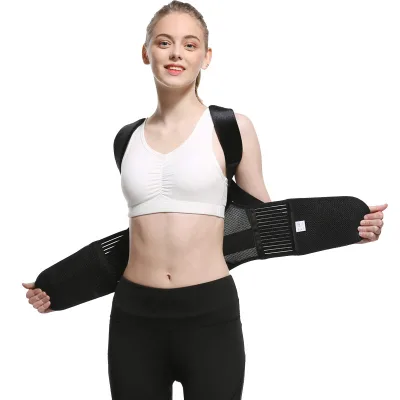
Hot Selling Smart Posture Corrector Improves Posture and Provides Spine/Back Support
$6.80 - $7.20
Moq: 200

Adjustable Bases Posture Corrector Breathable Back Support with Protection Function
$2.00 - $2.13
Moq: 200

Shijiazhuang Aofeite Imp & Exp Co., Ltd.
- Manufacturer, Trading Company
- Lead time旺季: "1 - 100":7,"> 100":"To be negotiated", 淡季: "1 - 100":7,"> 100":"To be negotiated"
- Avg. response≤ 1h
Main productsKnee Brace, Lumbar Support Belt
Shijiazhuang Aofeite Imp & Exp Co., Ltd.
- Manufacturer, Trading Company
- Lead time旺季: "1 - 100":31,"> 100":"To be negotiated", 淡季: "1 - 100":31,"> 100":"To be negotiated"
Main productsBack support belt, Lumbar Support Belt, Knee pads, Ankle brace, Wrist guard

Ningbo Beiduoen Health Tech. Co., Ltd.
- Verified by CTI
- Combined
- China Zhejiang
- Lead time23 days
- Avg. response≤ 10h
Main productsKnee Support, Ankle Brace, Compression Arthritis Glove, Wrist Support, Waist Belt, Foot Care, Insoles, Toe Separator, Compresson Sock Glove Knee Brace, Copper Supports
Main marketsSouth America,Southeast Asia/ Mideast,Europe,Australia,North America


Breathable and Light Weight Orthotic Back Posture Corrector for Both Men and Women
$3.95 - $4.20
Moq: 500


Dongguan Tana Sports Technology Co. Ltd
- Verified by SGS
- Manufacturer
- China Guangdong
- Lead time15 days
- Avg. response≤ 12h
Main productsSport Armband, Waist Bag, Back Posture, Waist Trimmer, Outddoor Sports Accessories
Main marketsEurope,North America

Yangzhou Goldenwell Import&Export Co., Ltd.
- Verified by BV
- Trading Company,Manufacturer/Factory
- China Jiangsu
- Lead time23 days
- Avg. response≤ 5h
Main productsMedical Devices, Syringe, Medical Tape, Medical Bandage
Main marketsSouth America,Eastern Europe,Mid East,North America,Southeast Asia,Eastern Asia,Oceania,Western Europe,Africa

Hangzhou Kebo Orthopedic Rehabilitation Equipment Co.,Ltd
- Verified by SGS
- Combined
- China Zhejiang
- Lead time30 days
- Avg. response≤ 8h
Main productsSpine Orthosis, Orthosis Accessories, Upper Limb Orthosis, Lower Limbs Orthosis
Main marketsSoutheast Asia/ Mideast,Europe













Comprehensive Sourcing Guide
Back Support Posture Corrector Supplier Concentration and Factory Types
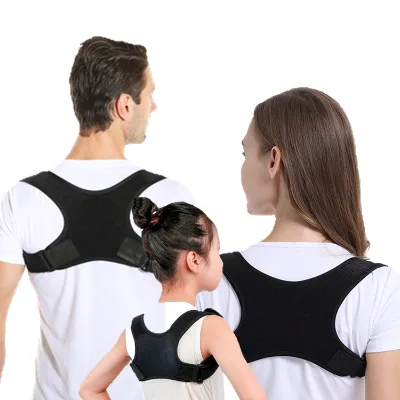
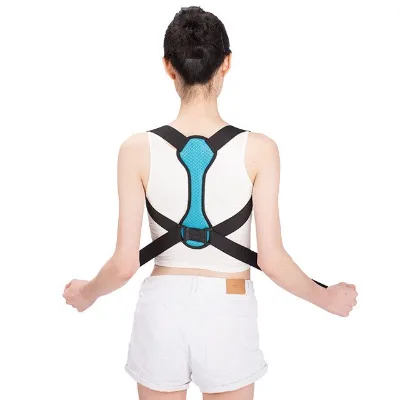
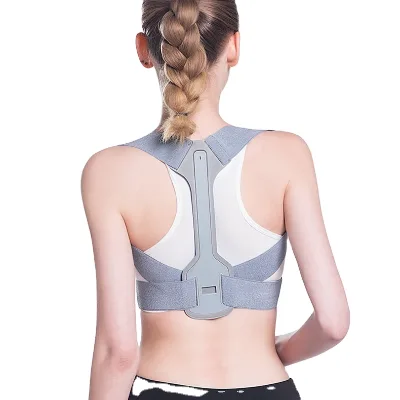
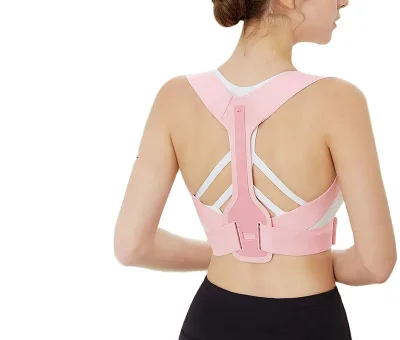
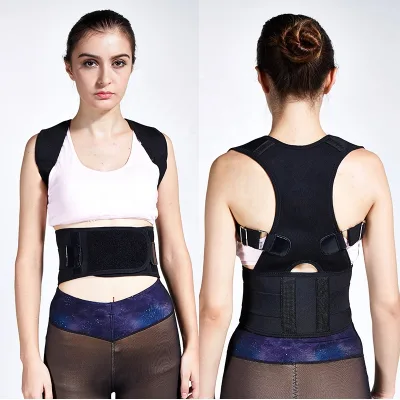
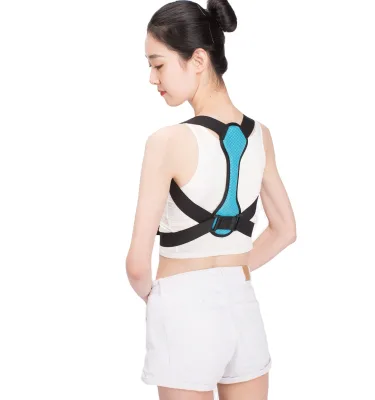
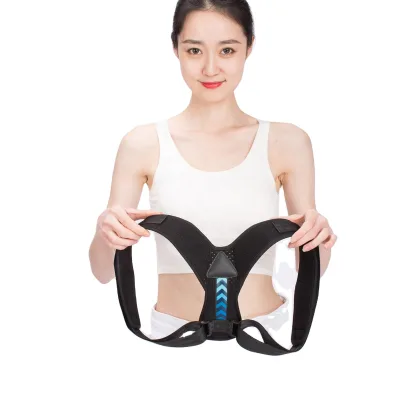
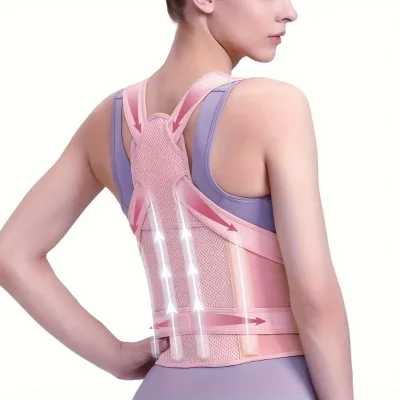
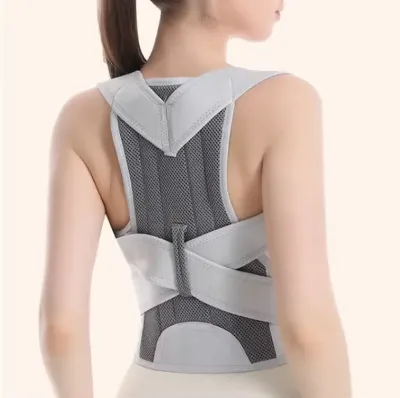
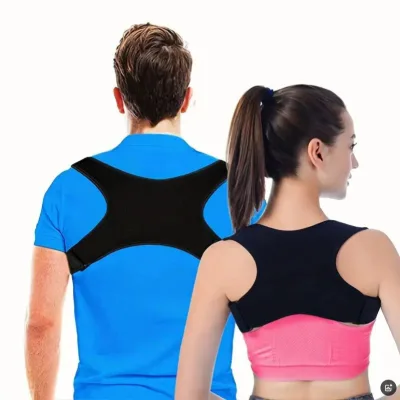
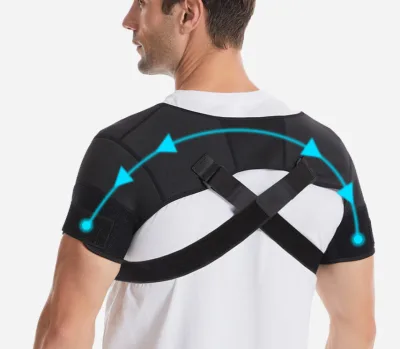
The current supplier landscape for back support posture correctors reveals a distinct concentration of manufacturing activity within China, specifically in the Hebei region. This area hosts a mix of trading companies and manufacturers that produce a wide array of orthopedic devices, including back braces, knee supports, and cervical collars. The presence of these facilities suggests a specialized industrial cluster capable of handling the specific material requirements for items like sponge, nylon, and SBR used in posture correction devices. Buyers should recognize that while Hebei is a verified production hub, the supply chain may also extend to other regions like Shanghai or Jiangsu, where trading companies facilitate the distribution of goods originating from various factories.
Factory types in this sector vary significantly, ranging from pure trading entities to integrated manufacturers offering OEM and ODM services. Many suppliers in the results list their company type as a combination of trading company and manufacturer, indicating they may control production lines while also managing sales channels. This dual role allows for flexibility in customization, with some suppliers offering their own brands like DR. YAN alongside custom manufacturing for other clients. When evaluating potential partners, it is crucial to distinguish between a supplier that merely resells products and one that possesses the actual production capacity to modify designs, adjust materials, or scale output according to specific order requirements.
How to Verify Back Support Posture Corrector Suppliers
Verification of suppliers in the Back Support Posture Corrector market relies heavily on third-party validation and documented certifications. Several suppliers in the current results have undergone BV verification, providing a baseline level of trust regarding their business legitimacy. Furthermore, system certifications such as ISO 13485, ISO 9001, and GMP are critical indicators of quality management systems, particularly for medical and rehabilitation products. Buyers must confirm that these certifications are current and applicable to the specific products being sourced, as the presence of a certificate does not automatically guarantee that every item in a catalog meets the required safety and performance standards.
Beyond certifications, response times and sample availability serve as practical metrics for supplier reliability. The data indicates response times ranging from approximately 2.6 hours to 4 hours, which can influence the speed of initial negotiations and problem resolution. Additionally, the availability of samples is a key verification step; some suppliers explicitly state that samples are available, while others may have different policies. Buyers should request samples to physically inspect the build quality, material composition, and comfort of the posture correctors before committing to larger orders. This hands-on verification helps ensure that the supplier's claims about features like adjustable straps, material durability, and ergonomic design align with the actual product received.
What to Compare Across Back Support Posture Corrector Suppliers
When comparing suppliers, lead times and minimum order quantities (MOQ) are primary differentiators that impact inventory planning and cash flow. Current data shows lead times varying from 23 days to 30 days, with MOQs ranging widely from as low as 1 unit to 500 units depending on the specific product model and customization level. A supplier offering a low MOQ of 100 units might be suitable for testing a new market, whereas a supplier requiring 500 units may be better for established volume orders. Buyers must align these constraints with their sales forecasts to avoid overstocking or facing production delays that could disrupt their supply chain.
Product specifications and pricing structures also require careful comparison across different vendors. Prices for similar items can fluctuate based on material choices, such as the use of sponge, nylon, PU, or plastic stays, with unit costs ranging from approximately $2.00 to $6.00. The customization options available, including color, size, and branding, further influence the final cost and the supplier's ability to meet specific brand requirements. Additionally, the shelf life of the products, often cited as five years, and the packaging details, such as OPP bags or cartons, must be evaluated to ensure they meet the buyer's storage and distribution needs. A comprehensive comparison should weigh these technical and commercial factors against the supplier's overall reputation and service capabilities.
Common Back Support Posture Corrector Sourcing Risks
One significant risk in sourcing back support posture correctors involves the variability in product standards and material consistency across different suppliers. While many products list certifications like CE, the actual application of these standards can differ, and the materials used, such as SBR or nylon, may vary in quality between batches. Buyers face the risk of receiving products that do not match the described specifications, particularly regarding features like thickness, color, or the specific type of external fixator used. Without rigorous quality control measures, inconsistencies in the final product can lead to customer dissatisfaction and potential liability issues, especially for items intended for medical or therapeutic use.
Another critical risk is the potential mismatch between supplier capabilities and order requirements, particularly regarding lead times and customization. Some suppliers may promise rapid response times or short lead times but fail to deliver when production volumes increase or when complex customizations are requested. The difference between a trading company and a manufacturer can also lead to communication gaps, where the trading entity lacks direct oversight of the production floor. This can result in delays or errors that are difficult to rectify once the order is placed. Buyers must mitigate these risks by establishing clear communication channels and verifying the supplier's actual production capacity before finalizing any agreements.
Back Support Posture Corrector Regional Sourcing and Logistics
Regional sourcing strategies for back support posture correctors must account for the geographic distribution of manufacturing hubs, primarily located in Hebei, Shanghai, and Jiangsu within China. The concentration of suppliers in Hebei suggests a robust local supply chain for raw materials and finished goods, which can streamline logistics for bulk orders. However, buyers should also consider the logistics implications of sourcing from different regions, as shipping times and costs may vary based on the specific location of the factory. Understanding the origin of the product, such as whether it is manufactured in Hebei or Jiangsu, helps in estimating transit times and planning for potential customs or regulatory hurdles in the destination market.
Logistics planning also involves evaluating the packaging and shipping methods provided by suppliers to ensure product integrity during transit. Many suppliers utilize plastic bags, OPP bags, or cartons for packaging, with specific weight and size constraints that affect shipping efficiency. For instance, some products are packed in single units within OPP bags, while others may be consolidated into larger cartons. Buyers need to verify these packaging details to optimize container loading and reduce shipping costs. Additionally, the shelf life of the products, typically five years, must be considered in the context of the total time from production to delivery, ensuring that the goods remain viable upon arrival at the destination warehouse.
Back Support Posture Corrector Commercial Terms and Order Planning
Commercial terms for back support posture correctors often include specific pricing structures that vary based on order volume and customization. Prices observed in the market range from $2.00 to $6.00 per unit, with minimum order quantities acting as a key determinant of the final price point. Buyers should negotiate terms that reflect their volume commitments, as higher volumes may unlock lower unit costs or more favorable payment conditions. It is essential to clarify whether the quoted prices include all costs, such as packaging, labeling, and shipping, to avoid unexpected expenses that could erode profit margins. Clear communication regarding these financial terms is vital for maintaining a healthy business relationship with the supplier.
Order planning must also incorporate the supplier's response time and lead time to ensure timely delivery and inventory management. With response times ranging from 2.6 to 4 hours and lead times between 23 and 30 days, buyers need to factor these durations into their production schedules and sales cycles. Planning for potential delays or variations in lead time is crucial, especially when dealing with customized orders that may require additional processing time. By aligning order placement with the supplier's capacity and response capabilities, buyers can minimize the risk of stockouts and ensure a steady flow of products to meet market demand. Effective order planning ultimately depends on a thorough understanding of the supplier's operational constraints and capabilities.
FAQs
What is the typical MOQ for back support posture correctors?
MOQs in this category vary widely by supplier and product model. Listed offers on this page range from a low of 1 piece for a universal-size back support up to 500 pieces for certain posture corrector models. Many adjustable models fall between 50 and 100 pieces, so ask each supplier to confirm the MOQ tied to your chosen size range and customization level.
What price range should I expect for posture correctors?
Listed prices on this page span roughly $2.00 to $6.00 per piece depending on the model. Simpler universal-size back supports sit near $2 to $3, while adjustable double-strap designs with more materials run about $4.50 to $6.00. Final pricing depends on order quantity, materials, customization, and packaging, so request quotes against your exact specification.
How long does production take after order confirmation?
Lead times reported by suppliers on this page range from about 23 to 30 days. Shorter timelines generally apply to standard in-stock models with minimal customization, while longer timelines fit OEM orders with custom colors, logos, or packaging. Confirm the lead time in writing before placing a deposit, and factor in shipping time separately for your destination market.
Which materials are commonly used in these posture correctors?
Common material combinations include sponge, nylon, SBR, PU, plastics, and plastic stays for structure. One upper back brace option uses polyester cotton in a neoprene-style construction. Breathability, thickness, and skin comfort vary by blend, so request material specifications and samples to test fit, odor, and comfort before committing to a full production order.
Do suppliers offer OEM or ODM customization for posture correctors?
Yes, customization is listed as available across the posture corrector offers on this page, with OEM service explicitly mentioned. Some suppliers also support ODM and their own brands. Typical customization covers color, size ranges, logos, and packaging. Ask about customization fees, sample costs, and whether custom work changes the MOQ or extends the stated lead time.
What sizes are available for back support posture correctors?
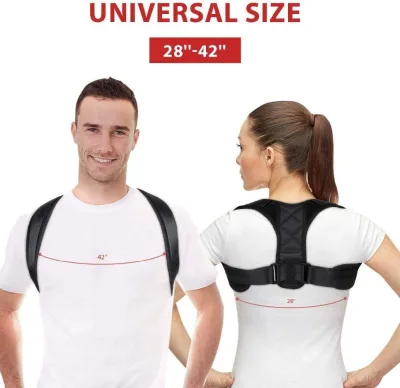
Size options vary by model. Several adjustable designs are offered in S through 2XL, one universal model fits chests from 27 to 48 inches, and a lighter support comes in S, M, and L. Because sizing charts differ between factories, request each supplier's measurement guide and confirm which sizes are included in the quoted MOQ before ordering.
How fast do these suppliers respond to buyer inquiries?
Average response times on this page range from about 2.6 hours to 4 hours. Faster responses usually indicate an active export sales team, which helps when resolving specification questions or expediting samples. To test reliability, send a detailed inquiry covering quantities, customization, and certifications, then compare how quickly and completely each supplier replies.
What certifications should I check when sourcing posture correctors?
Suppliers on this page list ISO 13485, ISO 9001, and GMP system certifications, and individual posture corrector products carry CE marking. Verify that certificates are current and match the exact product and company entity you are buying from. For medical-adjacent claims in your market, confirm which standard your destination country requires before finalizing any compliance paperwork.