Baby Safety Seat for Electric Vehicles and Bicycle Suppliers and Manufacturers
Source a Baby Safety Seat for Electric Vehicles and Bicycle from 20 verified suppliers in China. Compare grounded dimensions including ISO certifications, OEM capabilities, lead times, and MOQs. Review product specifications and request quotes to streamline your procurement process; review the available evidence before requesting comparable quotations from suitable candidates.
Suppliers List

Kingsun Baby Products Co., Ltd.
- Verified by TUVRHEINLAND
- Trading Company,Manufacturer/Factory
- China Guangdong
- Lead time23 days
- Avg. response≤ 5h
Main productsBaby Bottle, Nipple, Pacifier, Breast Pump, Teethers, Baby Water Bottle, Nasal Aspirator, Baby Dinner Set, Baby Products, Feeding Accessories
Main marketsSouth America,Eastern Europe,Mid East,North America,Southeast Asia,Oceania,Western Europe,Africa
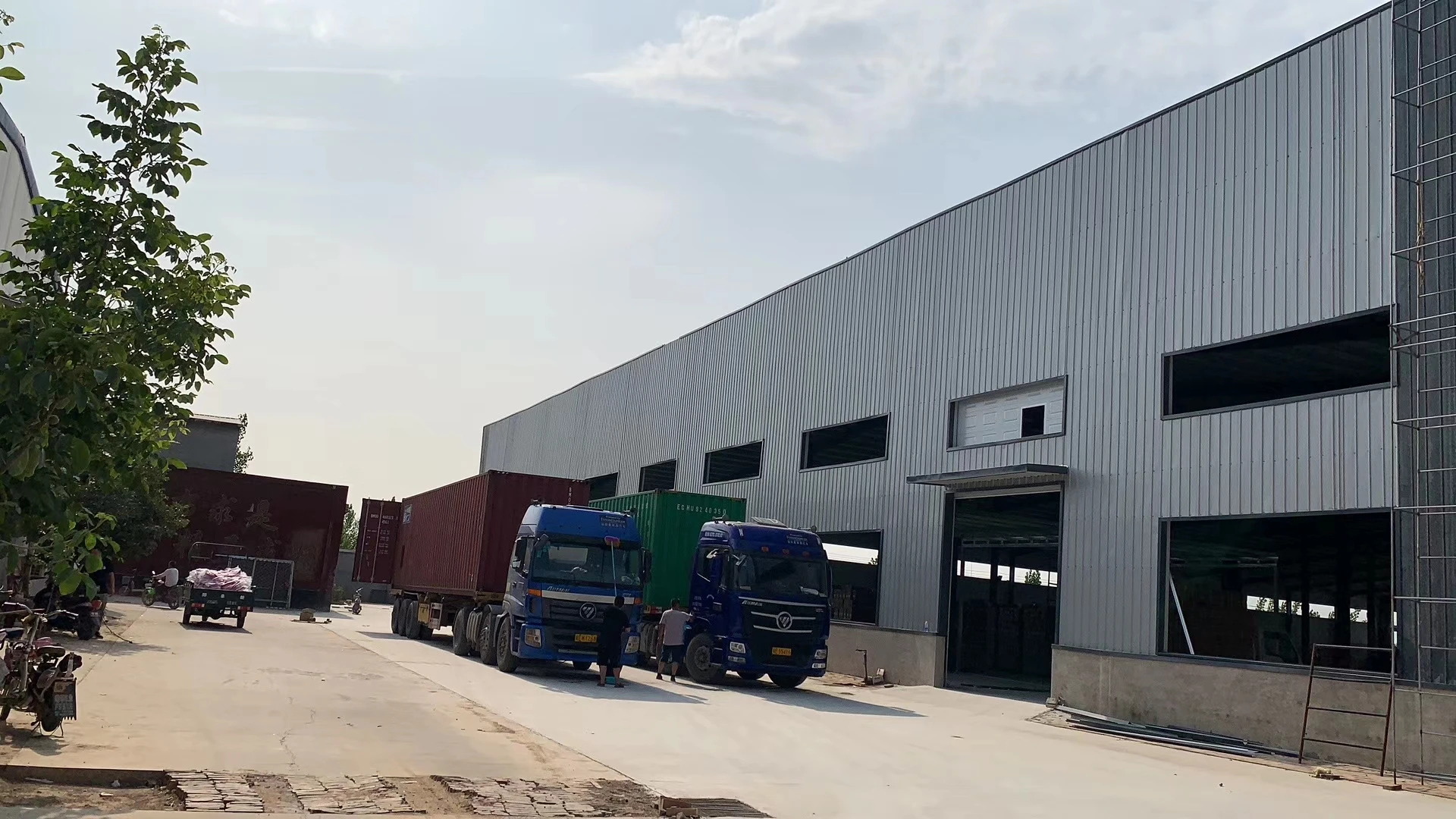
Hebei Longsen Bike Manufacturing Co., Ltd.
- Manufacturer, Trading Company
- Hebei, China
- Lead time15 days
- Avg. response≤ 3h
Main productsChildren's bicycles,Children's tricycle,Electric toy car for children,Baby Stroller,Bicycle accessories
Main marketsSoutheast Asia(20.0%), Northern Europe(20.0%), South Asia(20.0%), Eastern Europe(10.0%), Africa(10.0%), Mid East(5.0%), Eastern Asia(5.0%), South America(3.0%)
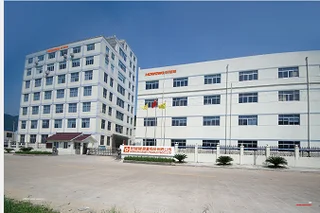
ZHEJIANG HOWAWA BABY PRODUCTS CO., LTD.
- Manufacturer, Trading Company
- Zhejiang, China
- Lead time30 days
- Avg. response≤ 5h
Main productsTwist Car, Scooter, Baby Bath, Baby Dinging Chair, Baby Potty
Main marketsSoutheast Asia(60.0%), South America(20.0%), Mid East(15.0%), South Asia(5.0%)

Cixi Saiturn Leisure Products Co., Ltd.
- Verified by SGS
- Trading Company,Manufacturer/Factory
- China Zhejiang
- Lead time60 days
- Avg. response≤ 2h
Main productsBaby Car Seat, Casino Products, Poker Chip, Poker Table, Bath Tub, Baby Feeding Chair, Poker Chip Set, Baby High Chair, Game Table, Game Set
Main marketsSouth America,Eastern Europe,Mid East,Southeast Asia,Eastern Asia,Western Europe,Africa
Handan Beikeli Vehicle Industry Co., Ltd.
- Trading Company
- Hebei, China
- Lead time0 days
- Avg. response≤ 6h
Main productselectric bike,kids toy
Main marketsNorth America(10.0%), South America(10.0%), Eastern Europe(10.0%), Africa(10.0%), Eastern Asia(10.0%), Western Europe(10.0%), Northern Europe(10.0%)

Shanghai Huaqi Industrial Co., Ltd.
- Verified by TUVRHEINLAND
- Trading Company
- China Shanghai
- Lead time15 days
- Avg. response≤ 6h
Main productsCar Mats, Seat Cover, Car Cover, Wiper Blade, Air Compressor, Steering Wheel Cover, Car Lock, Baby Mirror, Car Jack, Racing Seat
Main marketsSouth America,Africa,Southeast Asia/ Mideast,Europe,Australia,North America


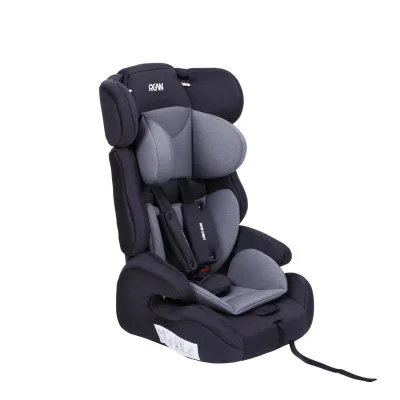
Comfortable Black Infant Seat Adjustable Child Car Seat Carrier Baby Car Safety Seat
$26.00 - $27.00
Moq: 250


Data Biotechnology (Hangzhou) Co., Ltd
- Manufacturer, Trading Company
- Zhejiang, China
- Lead time0 days
- Avg. response≤ 2h
Main productsBicycle,Electric bicycle,Bicycle accessories,Customized bicycle,electrocar
Main marketsNorth America(40.0%), Mid East(10.0%), Western Europe(10.0%), Eastern Europe(10.0%), South America(10.0%), Southern Europe(5.0%), Northern Europe(5.0%), Southeast Asia(5.0%), Eastern Asia(5.0%)

Cangzhou Xianyi Trading Co., Ltd.
- Trading Company
- China Hebei
- Lead time0 days
- Avg. response≤ 17h
Main productsHeating Furnace, Kids Bicycle Seat, Child Bicycle Seat, Water Heater, Instant Electric Water Heater, Electric Heater, Electric Heating Boiler, Electric Boilers
Hebei Shangjie Technology Co., Ltd.
- Trading Company
- Hebei, China
- Lead time15 days
- Avg. response≤ 2h
Main productsgarden furniture,swing chairs,trampoline,outdoor furniture,kids play toys
Main marketsSouth America(20.0%), Northern Europe(15.0%), Eastern Europe(15.0%), Western Europe(15.0%), South Asia(10.0%), North America(10.0%), Southeast Asia(9.0%)
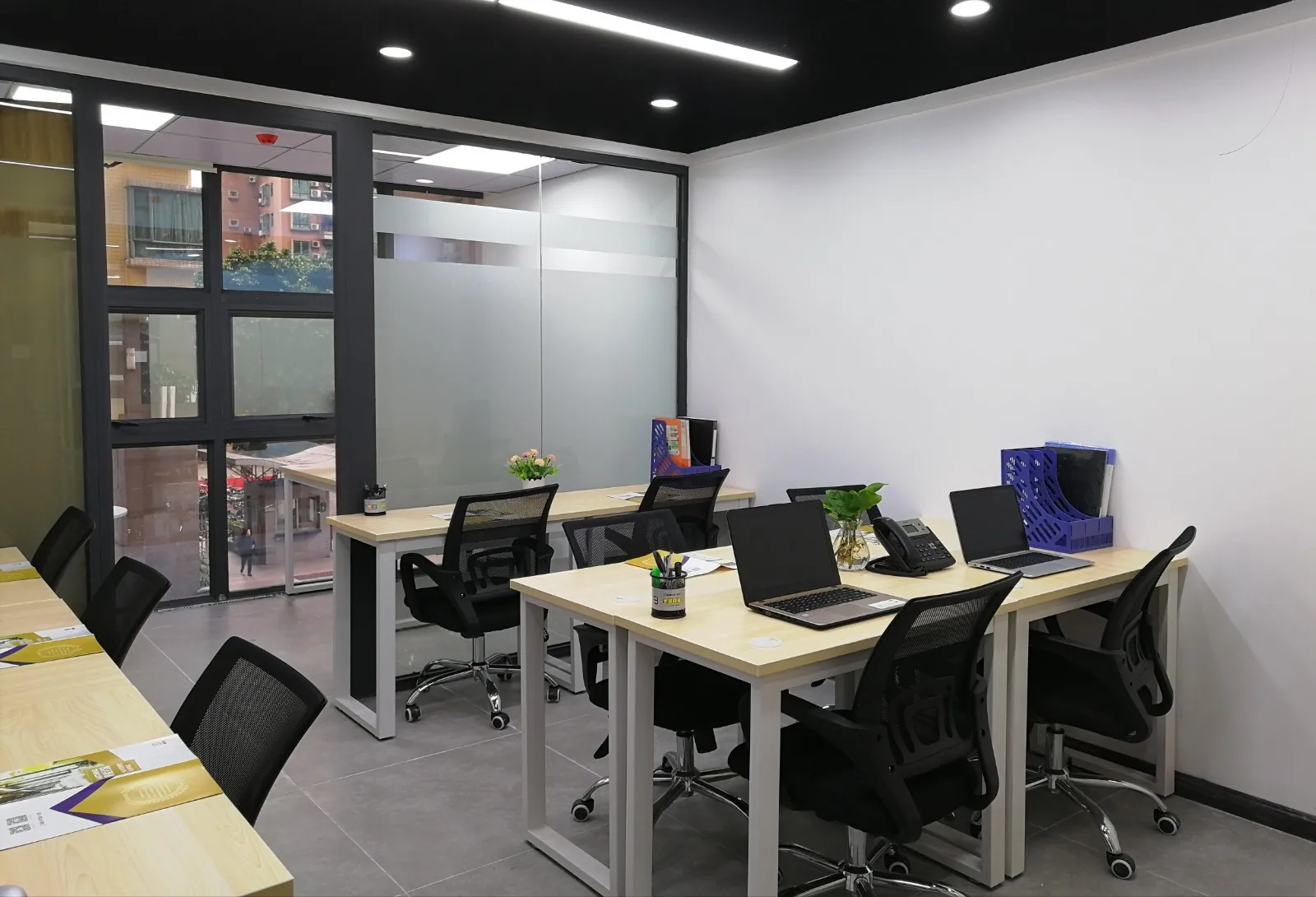
Hebei Jianran Trading Co., Ltd.
- Trading Company
- Hebei, China
- Lead time10 days
- Avg. response≤ 2h
Main productsmotorcycle tire,bicycle tire,motorcycle tube,inter tube
Main marketsNorth America(50.0%), South America(23.0%), Southeast Asia(10.0%), Southern Europe(2.0%), South Asia(2.0%), Northern Europe(2.0%), Central America(2.0%), Western Europe(2.0%), Mid East(2.0%), Africa(2.0%), Eastern Europe(2.0%), Eastern Asia(1.0%)

Anhui Talent Baby Products Co., Ltd.
- Verified by TUVRHEINLAND
- Trading Company
- China Anhui
- Lead time23 days
- Avg. response≤ 7h
Main productsBaby Stroller, Baby Side Rails, Corset Belt, Meternity Bra, Baby Walker, Baby Tricycle, Baby Play Pen, Baby Chair, Baby Car Seat, Baby Cot
Main marketsOthers(foreignTradeCapacity.exportBusinessCapacityMarketOther),Southeast Asia/ Mideast,Domestic

Kunshan Cool Kids Business Co., Ltd.
- Trading Company
- China Jiangsu
- Lead time45 days
- Avg. response≤ 25h
Main productsBaby Stroller, Playard, Car Seat, Baby Buggy, Travel System, Baby Bed, Baby Dinner Chair, Cradle
Main marketsSouth America,Africa,Southeast Asia/ Mideast,East Asia(Japan/ South Korea),Domestic,Europe
HEBEI HONGKE BICYCLE CO., LTD.
- Trading Company
- Hebei, China
- Lead time7 days
- Avg. response≤ 4h
Main productsElectric scooter,Electric drift car,The electric go-kart,electric two-wheeler,electro-tricycle
Main marketsSoutheast Asia(14.000000000000002%), South Asia(14.000000000000002%), North America(12.0%), Domestic Market(10.0%), Oceania(10.0%), Southern Europe(10.0%), Western Europe(10.0%), Northern Europe(6.0%), Eastern Asia(5.0%), Eastern Europe(3.0%), Africa(2.0%), Central America(2.0%), Mid East(1.0%), South America(1.0%)
Xiamen Jebovy Daily Articles Co., Ltd.
- Manufacturer, Trading Company
- Lead time旺季: "1 - 2":7,"> 2":"To be negotiated", 淡季: "1 - 2":7,"> 2":"To be negotiated"
- Avg. response≤ 8h
Main productsBaby Stroller, Baby Playard, Baby Booster, Baby High Chair, Baby Potty
Nanning Bernee Machinery Technology Co., Ltd.
- Trading Company
- Guangxi, China
- Lead time0 days
- Avg. response≤ 2h
Main productsbicycle forks manufacturer,bicycle parts supply,ebike parts supply,bicycle assembly,electric bicycle assembly
Main marketsDomestic Market(50.0%), Eastern Europe(20.0%), Southeast Asia(20.0%), Northern Europe(15.0%), Western Europe(15.0%), Eastern Asia(15.0%), Mid East(15.0%), Africa(15.0%), North America(15.0%), South America(10.0%), Southern Europe(10.0%)

- Verified by BV
- Trading Company,Manufacturer/Factory
- China Zhejiang
- Lead time23 days
- Avg. response≤ 5h
Main productsYoga Wear, Sports, Outdoor, Travel Gear, Kitchenwares, Homewares
Main marketsSouth America,Eastern Europe,Mid East,North America,Southeast Asia,Eastern Asia,Oceania,Western Europe,Africa
Guangxi Bernee Trading Co., Ltd.
- Manufacturer, Trading Company
- Guangxi, China
- Lead time20 days
- Avg. response≤ 2h
Main productsmaking forks oem&odm,all bicycle parts selling,ebike parts selling,mtb bicycle selling,ebike selling
Main marketsEastern Europe(15.0%), Western Europe(15.0%), South Asia(10.0%), Northern Europe(10.0%), South America(10.0%), Domestic Market(5.0%), Africa(5.0%), Southern Europe(5.0%), Southeast Asia(5.0%), Central America(5.0%), North America(5.0%), Eastern Asia(5.0%), Mid East(5.0%), Oceania(5.0%)

Ningbo Jiangbei Ringlong Import & Export Co., Ltd.
- Verified by BV
- Combined
- China Zhejiang
- Lead time23 days
- Avg. response≤ 3h
Main productsKitchenware, Textile, Memory Foam Series, Household Items, Outdoor Products, Packing Box, Air Conditioning System, TV Products, Fitness, Baby Products
Main marketsEurope
Ningbo Jintong Baby Products Co., Ltd.
- Trading Company
- Zhejiang, China
- Lead time30 days
- Avg. response≤ 4h
Main productsBaby Products
Main marketsNorth America(21.0%), Western Europe(16.0%), South America(10.0%), Mid East(9.0%), Southeast Asia(9.0%), Eastern Europe(8.0%), Eastern Asia(7.000000000000001%), Southern Europe(6.0%), Northern Europe(5.0%), Africa(3.0%), South Asia(2.0%), Oceania(2.0%), Central America(2.0%)
Guangzhou Comfortbaby Toys Co., Ltd.
- Verified by SGS Group
- Trading Company
- Lead time30 days
Main productsBaby feeding chair, Baby walker, Baby bath Products, Stroller, Baby car seat
Main marketsAfrica(25%), Southeast Asia(16%), North America(10%)
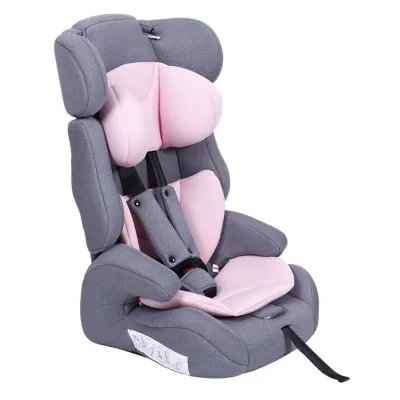
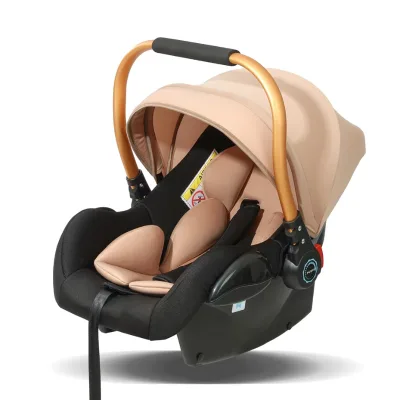
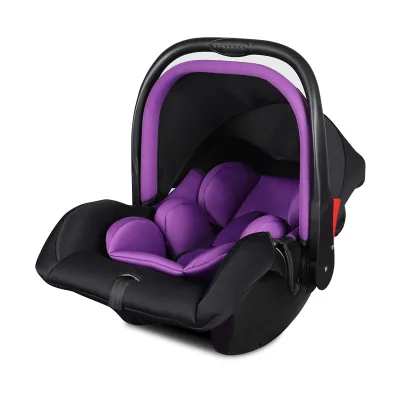
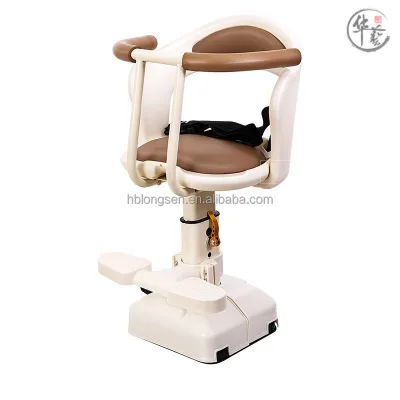
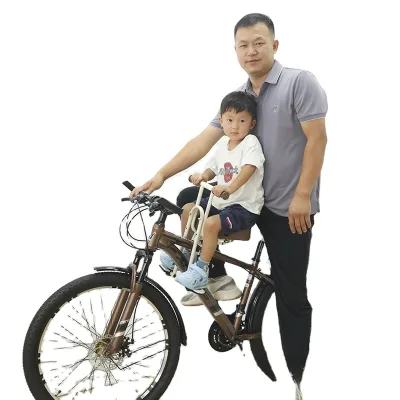
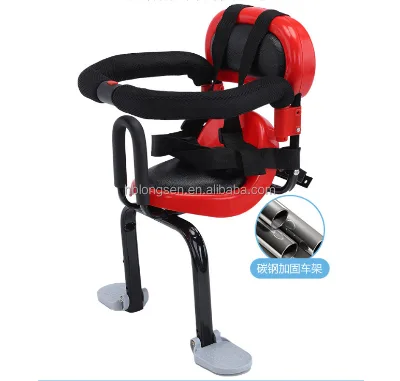
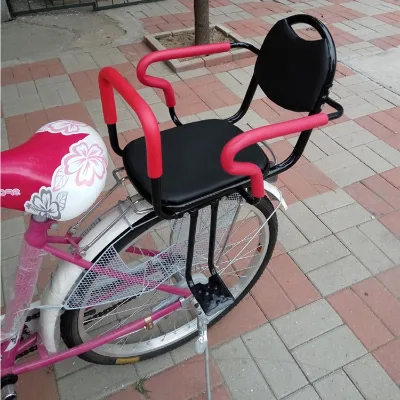
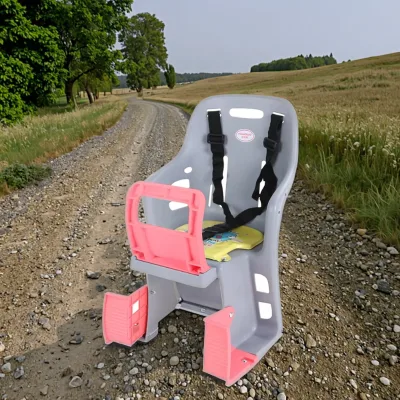
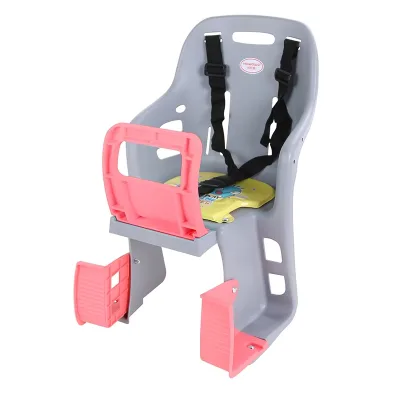
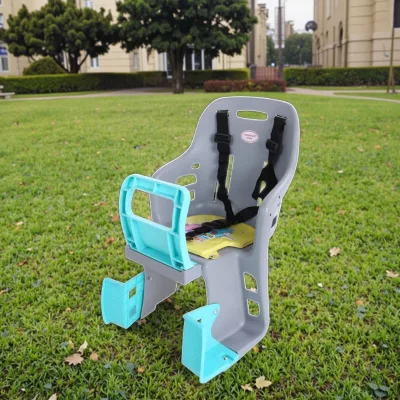
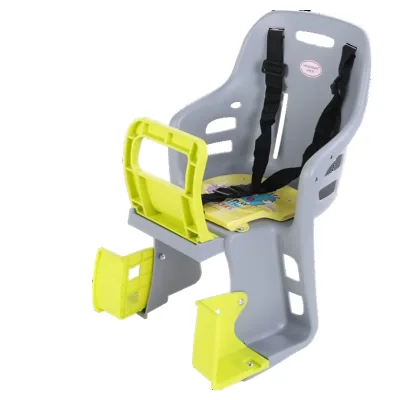
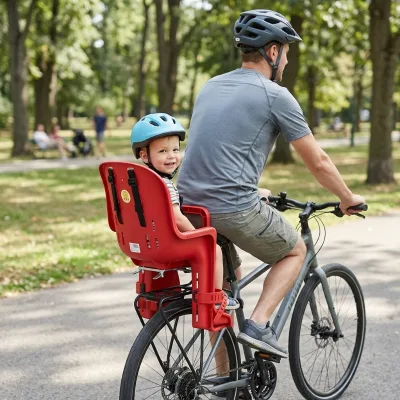
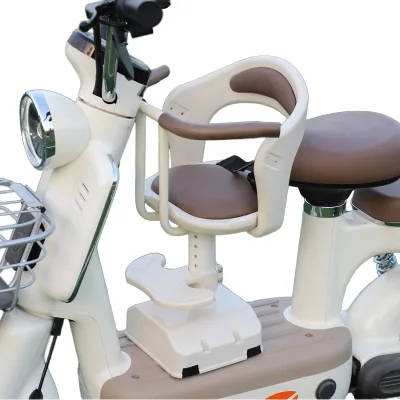
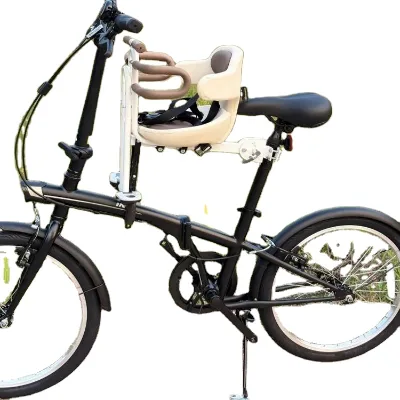
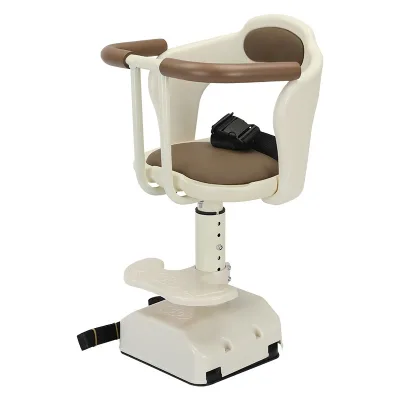
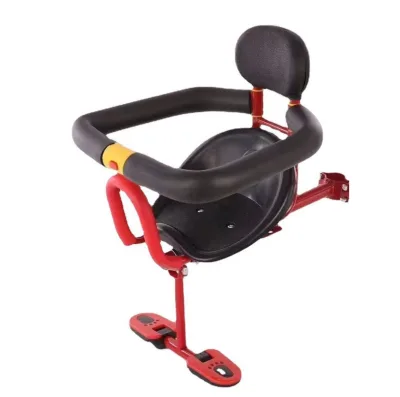
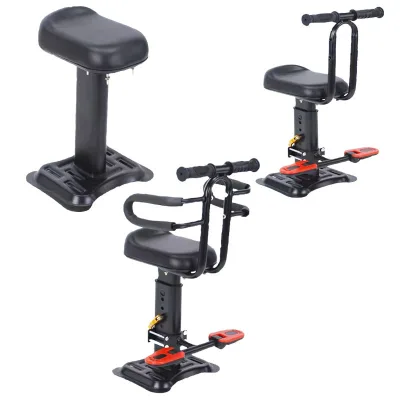
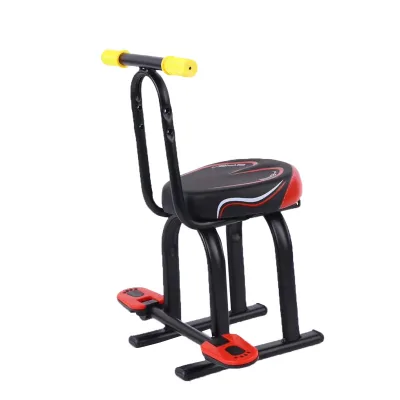
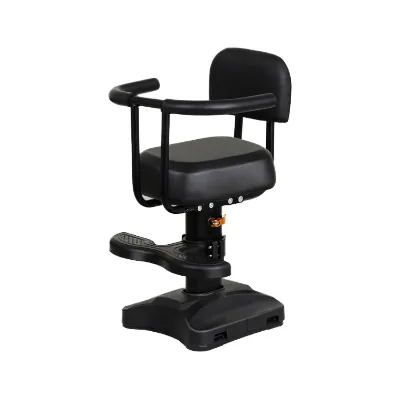
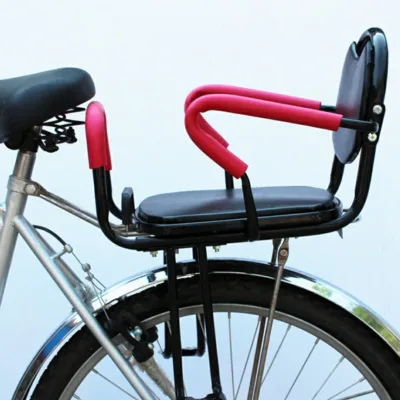
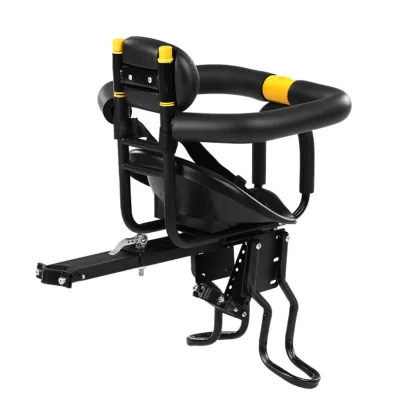
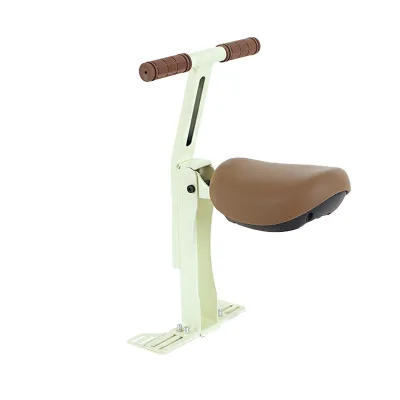
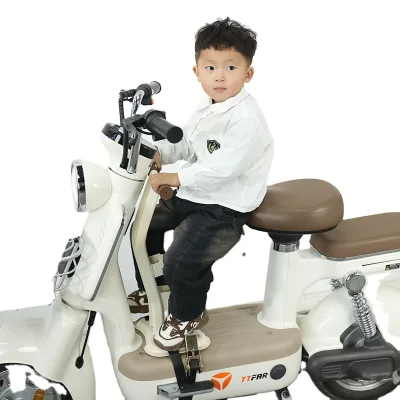
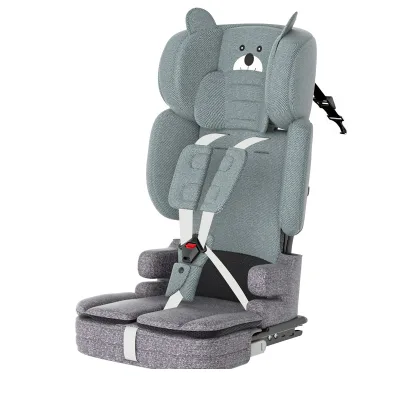
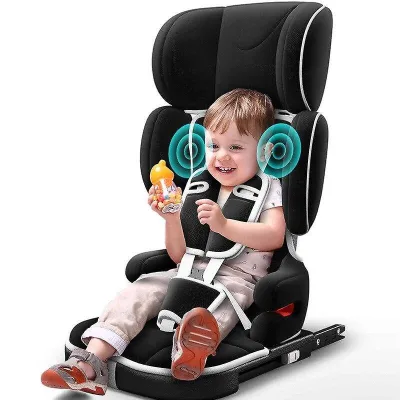
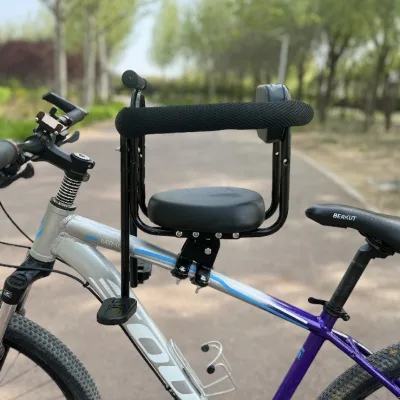
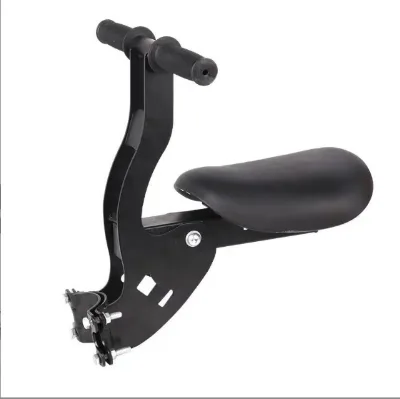
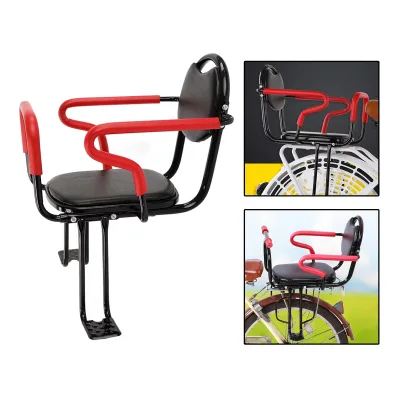
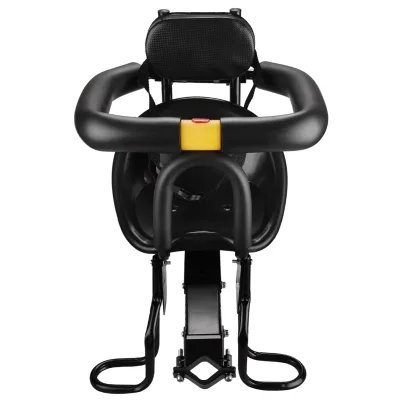
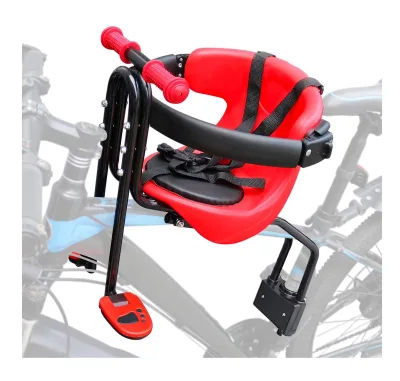
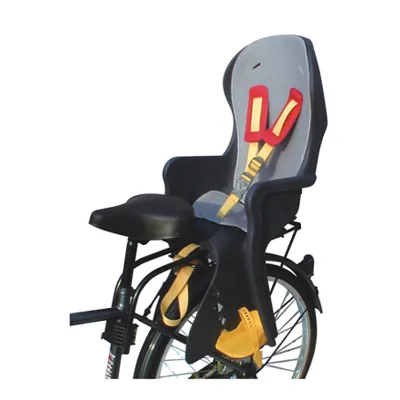
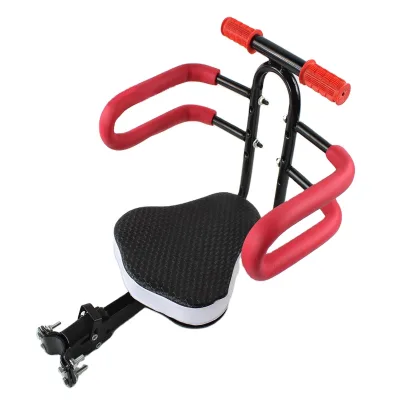
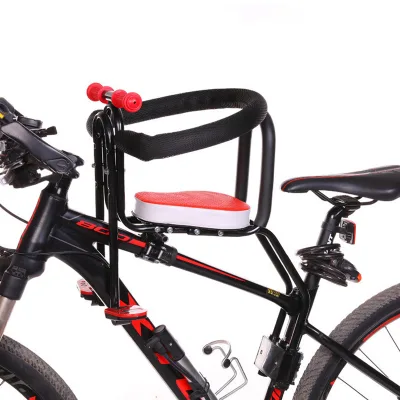
Customizable Multi-functional Baby Safety Seat, High View Basket, Two-way Portable Baby Seat
$20.36 - $21.93
Moq: 500


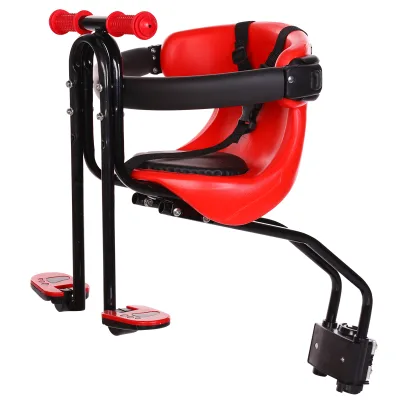
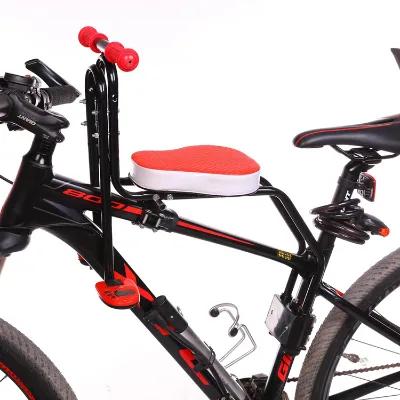










Comprehensive Sourcing Guide
Baby Safety Seat for Electric Vehicles and Bicycle Supplier Concentration and Factory Types
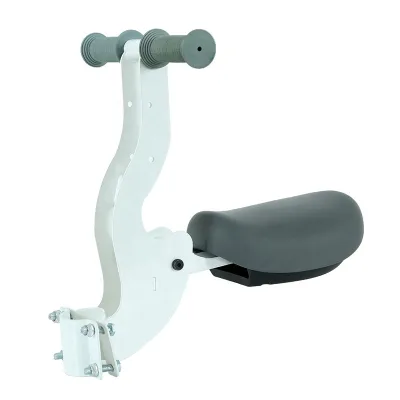
Current data indicates that suppliers for baby safety seats for electric vehicles and bicycle are concentrated in specific manufacturing clusters within China, specifically Guangdong and Hebei provinces. Guangdong-based entities often operate as a hybrid of trading companies and manufacturers, offering a broad range of baby products including feeding accessories and car seats alongside bicycle accessories. These suppliers frequently list certifications such as ISO 9001 and QC 080000, alongside verification from bodies like TUVRHEINLAND, suggesting a structured approach to quality management in this region. The presence of OEM and ODM capabilities, along with own-brand options like Wehappy, indicates that factories in this area are equipped to handle custom design requests for electric vehicle and bicycle child seats.
In contrast, suppliers located in Hebei, China, demonstrate a strong focus on bicycle parts and electric toy vehicles, often positioning themselves as manufacturers or trading companies with a specialized inventory. These Hebei-based sources frequently list main products such as children's bicycles, tricycles, and electric toy cars, which aligns closely with the demand for bicycle-mounted child seats. The product attributes observed in this region, such as specific model numbers and material compositions like PVC and HDPE, suggest a manufacturing base capable of producing durable, safety-oriented components for cycling and electric mobility. Buyers should verify if a supplier's primary output includes the specific safety seat category they require, as some entities may list related items without specializing in the core safety seat manufacturing process.
How to Verify Baby Safety Seat for Electric Vehicles and Bicycle Suppliers
Verification of suppliers for baby safety seats for electric vehicles and bicycle requires a rigorous check of their stated credentials against independent audit results. Buyers should prioritize suppliers displaying verification status from recognized bodies like TUVRHEINLAND, which serves as a concrete indicator of factory compliance and operational stability. It is essential to confirm that the supplier holds valid system certifications such as ISO 9001 or QC 080000, as these standards are critical for maintaining consistent quality in safety-critical products like child car seats and bicycle mounts. Without these specific certifications, the reliability of the manufacturing process for safety equipment cannot be assumed, and buyers must request direct proof of these documents before proceeding with any order.
Response time and lead time data provide additional layers of verification regarding a supplier's operational efficiency and reliability. A response time of approximately 4.32 hours or faster, as seen in some results, suggests a responsive sales team capable of addressing technical queries about safety standards and customization needs promptly. Similarly, lead times ranging from 15 to 23 days indicate the production capacity and scheduling flexibility of the factory. Buyers should cross-reference these metrics with the supplier's claimed capacity for OEM and ODM services to ensure they can meet specific delivery deadlines. If a supplier does not display these metrics, buyers must explicitly ask for their average response time and standard lead time to assess their ability to handle urgent orders or complex customization requests for electric vehicle and bicycle safety seats.
What to Compare Across Baby Safety Seat for Electric Vehicles and Bicycle Suppliers
When evaluating suppliers, buyers must compare key commercial dimensions such as minimum order quantity (MOQ), pricing structures, and product specifications to find the best fit for their needs. Product evidence shows that MOQs can vary significantly, with some suppliers requiring as few as 1 unit while others mandate orders of 30 or 50 units. Pricing also fluctuates based on material and design, with observed ranges from approximately $5.67 to $60.50 per unit depending on the specific model and features like recline capabilities or five-point harness systems. Buyers should analyze these price points against the stated material quality, such as HDPE or PVC, and the intended age group, which ranges from infants to children up to 12 years old, to ensure value alignment.
Beyond pricing and volume, comparing product attributes like certification, material composition, and customization options is vital for ensuring safety and brand alignment. Some suppliers offer products with ISOBSCI certification and specific fabric types like cotton or fabric blends, while others focus on plastic shells with EVA padding. The ability to customize, marked as "Workable" or "Available" in supplier data, allows buyers to tailor products to specific market requirements, such as different color schemes or interface types like Isofix Steel. Buyers should also compare the stated weight limits and age appropriateness, ensuring the product meets the specific safety standards required for their target demographic. A detailed comparison of these attributes helps identify suppliers who can deliver the precise safety and design specifications needed for electric vehicle and bicycle applications.
Common Baby Safety Seat for Electric Vehicles and Bicycle Sourcing Risks
One significant risk in sourcing baby safety seats for electric vehicles and bicycle involves the potential mismatch between claimed certifications and actual product safety standards. While some suppliers list certifications like ISOBSCI or ISO 9001, buyers must verify that these apply specifically to the child safety seat models being purchased, as certifications can sometimes be broad and not cover every product variant. There is a risk that a supplier may claim compliance with safety standards for general baby products but lack specific testing for the unique stresses placed on bicycle or electric vehicle mounts. Buyers should request detailed test reports for the specific model numbers, such as KS-B01 or KS-G410, to confirm that the product has undergone rigorous safety testing for its intended use.
Another critical risk is the variability in lead times and production capacity, which can disrupt supply chains if not managed correctly. Suppliers with lead times of 15 to 23 days may face delays if raw material shortages occur or if production lines are overloaded with other orders. Additionally, the complexity of customization, such as specific branding or unique material requirements, can extend lead times beyond the standard estimates provided. Buyers must assess the supplier's ability to handle these variables by reviewing their historical performance and capacity for OEM and ODM projects. Failure to account for these potential delays can result in missed market windows, particularly for seasonal products or time-sensitive orders for electric vehicle accessories.
Baby Safety Seat for Electric Vehicles and Bicycle Regional Sourcing and Logistics
Sourcing from China, specifically from Guangdong and Hebei provinces, offers distinct logistical advantages and challenges for buyers of baby safety seats for electric vehicles and bicycle. Guangdong-based suppliers often benefit from established export infrastructure and proximity to major ports, which can streamline the shipping process for international orders. These regions are known for their dense manufacturing ecosystems, allowing for efficient coordination between raw material suppliers and finished goods factories. However, buyers must verify the specific shipping terms and packaging standards, as products like bicycle seats often require robust carton packaging to prevent damage during transit, especially given their varied shapes and sizes.
In contrast, Hebei-based suppliers may offer different logistical profiles, often specializing in bicycle parts and electric toy vehicles with a focus on domestic and regional distribution networks. The product data indicates that items from this region often have specific package dimensions and weights, such as single gross weights of 3.000 kg or 4.000 kg, which impact shipping costs and container utilization. Buyers should calculate the total landed cost by factoring in these weight and dimension specifics, as well as any potential tariffs or duties associated with importing safety equipment from China. Understanding the regional logistics capabilities of each supplier helps buyers optimize their supply chain strategy, ensuring that products arrive on time and within budget while maintaining the integrity of the safety-critical components.
Baby Safety Seat for Electric Vehicles and Bicycle Commercial Terms and Order Planning
Commercial terms for Baby Safety Seat for Electric Vehicles and Bicycle orders often include specific requirements regarding payment, customization, and delivery schedules that buyers must carefully plan. Suppliers may offer OEM services with workable customization options, allowing for branding and design modifications, but these requests typically require clear communication of specifications and timelines. Buyers should confirm the exact pricing structure, noting that prices can be fixed at specific points like $8.95 or $60.50, and understand how volume discounts or customization fees might alter the final cost. It is crucial to establish a clear agreement on the minimum order quantity, which can range from 1 to 50 units, to ensure that the order meets the supplier's production thresholds.
Order planning must also account for the response time and lead time to ensure timely delivery and inventory management. With response times averaging around 4.32 hours and lead times between 15 and 23 days, buyers should initiate orders well in advance of their sales peaks to avoid stockouts. The ability to customize products, such as selecting specific colors or materials like cotton or PVC, adds a layer of complexity to the planning process that requires early engagement with the supplier. Buyers should also verify the packaging details, such as carton specifications, to ensure that the products are protected during shipping and meet any retail requirements. By aligning commercial terms with realistic production timelines, buyers can mitigate risks and ensure a smooth procurement process for safety-critical baby products.
FAQs
What is the typical lead time for baby safety seats?
Manufacturers in China generally require 15 to 23 days to produce and ship orders. This timeframe depends on the specific product model and order volume. Buyers should confirm exact dates with suppliers before finalizing contracts to ensure timely delivery for their inventory needs.
What are the minimum order quantities for these seats?
Minimum order quantities vary significantly by product type. Bicycle seats often start at just one unit, while car seats typically require 30 to 50 units. Buyers should check specific product listings to determine the exact MOQ required for their desired model and customization level.
Which certifications are available for baby safety seats?
Products often carry ISOBSCI certification to ensure safety standards are met. Additionally, suppliers may hold ISO 9001 and QC 080000 system certifications. Buyers should verify specific product certificates to ensure compliance with local regulations and safety requirements for children.
What materials are used in these safety seats?
Common materials include PVC, HDPE, and EVA for durability and comfort. Some seats feature cotton fabric for padding and plastic shells for structure. Buyers should review product specifications to select materials that best suit their target market and safety preferences.
What is the price range for baby safety seats?
Prices range from approximately $5.67 for basic bicycle seats to $60.50 for comprehensive car seats. The cost depends on features, materials, and age group suitability. Buyers should compare specific product listings to find options that fit their budget and quality requirements.
How quickly do suppliers respond to inquiries?
Suppliers typically respond within 3 to 4.32 hours. Faster response times indicate active customer service teams ready to assist with questions. Buyers should prioritize suppliers with quick response times to ensure efficient communication throughout the sourcing and ordering process.
Can suppliers provide OEM services for these seats?
Many manufacturers offer OEM and ODM services for customization. Buyers can request custom branding, packaging, or design modifications. Suppliers with OEM capabilities allow businesses to create unique products that align with their brand identity and market positioning.