Baby Plate Suppliers and Manufacturers in China
Source 31 verified suppliers for Baby Plate products. Compare key dimensions including location, lead time, MOQ, response time, and certifications. Review product details and contact suppliers directly to initiate your sourcing process; review the available evidence before requesting comparable quotations from suitable candidates.
Suppliers List

Zhongshan Xinyuan Silicone Rubber Co. Ltd
- Verified by TUVRHEINLAND
- Combined
- China Guangdong
- Lead time15 days
- Avg. response≤ 2h
Main productsSilicone Mold, Silicone Ice Cube Tray, Silicone Wristband, Silicone Tea Infuser, Silicone Bakeware, Silicone Keychain, Silicone Cup Coaster, Silicone Bag
Main marketsSouth America,Southeast Asia/ Mideast,Domestic,Europe,North America

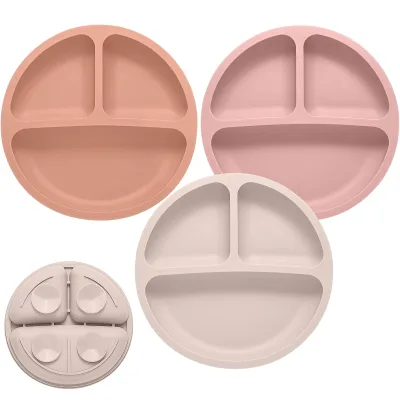
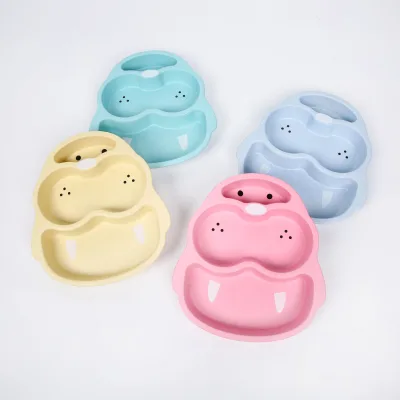
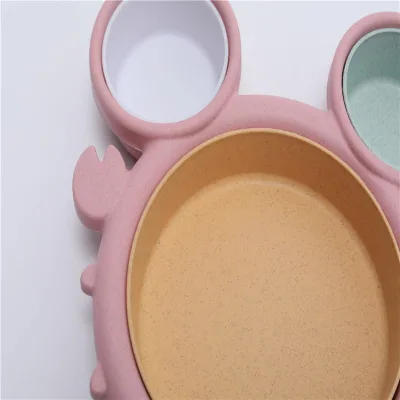
Custom Cute Crab Silicone Baby Plate Non-Slip Sucked Type Baby Dinner Plate
$0.40 - $1.50
MOQ: 50 Pieces

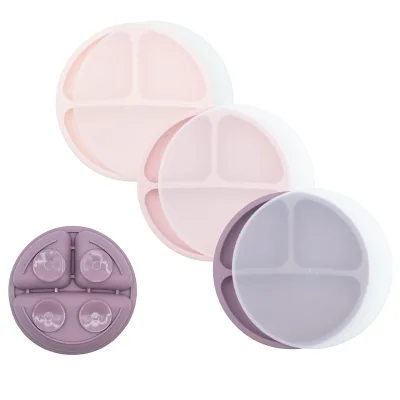
Customized Non-Slip Suction Type Silicone Baby Plate Infants and Young Dinner Plate
$0.40 - $1.50
MOQ: 50 Pieces


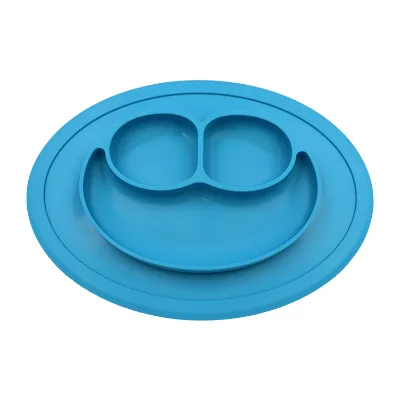
Custom Shape Compartment Suction Silicone Plate Baby Feeding Plate for Kids
$0.40 - $1.50
MOQ: 50 Pieces


Heat-Resisitant Dish Feeding Suction Bowl Silicone Divided Baby Dinner Plate
$0.40 - $1.50
MOQ: 50 Pieces

Anhui Talent Baby Products Co., Ltd.
- Verified by TUVRHEINLAND
- Trading Company
- China Anhui
- Lead time23 days
- Avg. response≤ 8h
Main productsBaby Stroller, Baby Side Rails, Corset Belt, Meternity Bra, Baby Walker, Baby Tricycle, Baby Play Pen, Baby Chair, Baby Car Seat, Baby Cot
Main marketsOthers(foreignTradeCapacity.exportBusinessCapacityMarketOther),Southeast Asia/ Mideast,Domestic
- Manufacturer, Trading Company
- Lead time旺季: "1 - 3000":30,"> 3000":"To be negotiated", 淡季: "1 - 3000":30,"> 3000":"To be negotiated"
- Avg. response≤ 1h
Main productsSilicone kitchen item, Silicone ice tray, Silicone basket, Silicone mats, Silicone baby feeding set
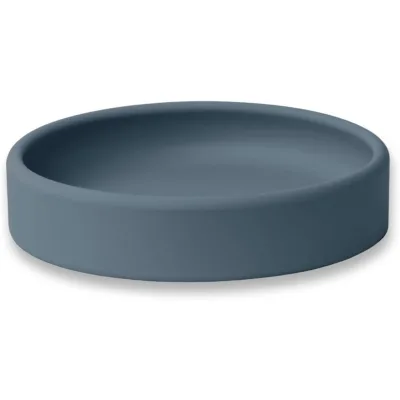
No BPA No-Division Kid Silicone Plates for Baby Weighted Baby Toddler Plate Solid Plate
$4.07 - $4.37
MOQ: 1000 pieces
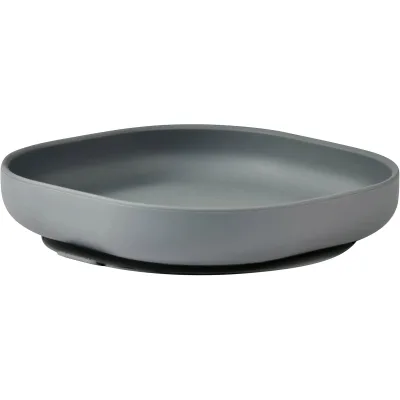
Easy to Clean Non-Slip Suction Bottom Baby Essentials Toddler Plates Silicone Baby Suction Plate
$3.42 - $3.83
MOQ: 1000 pieces
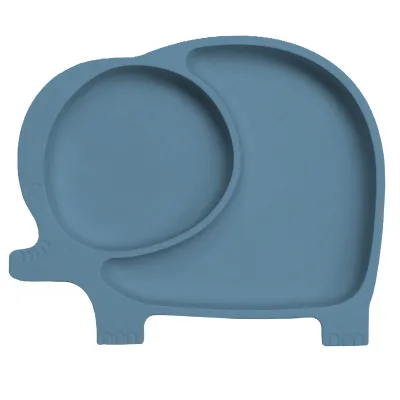
100% Silicone Divided Toddler Plate Elephant Suction Plate for Babies, Toddlers and Big Kids
$3.78 - $3.99
MOQ: 1000 pieces
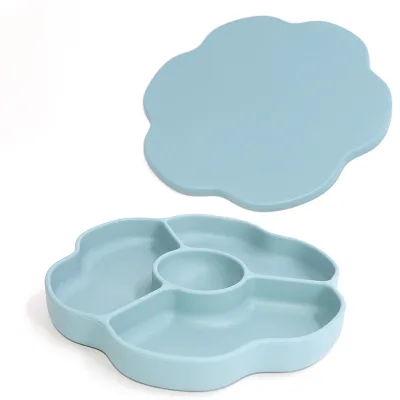

Zhongshan Mingxin Silicone Manufactory
- Verified by SGS
- Combined
- China Guangdong
- Lead time15 days
- Avg. response≤ 7h
Main productsSilicone Kitchenware, Silicone Keypaid, Silicone Bracelet, Silicone Wristband, Silicone Ashtray, Silicone Tube, Silicone Watch, Silicone Rubber, Silicone Sex Doll, Silicone Mold
Main marketsEurope,North America


BPA Free Food Grade Silicone Elephant Cute Plates Divided Suction Silicone Baby Plate
$2.50 - $2.68
MOQ: 100 Pieces

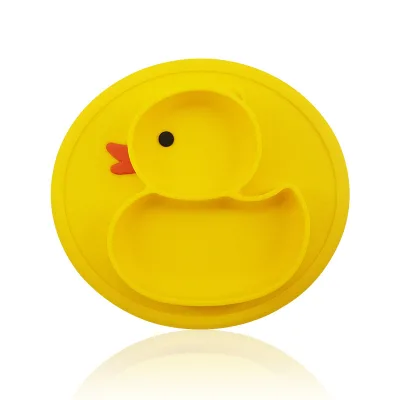
New Styles Cute Animal Shape Silicone Baby Children Baby Feeding Divided Suction Plate
$2.60 - $2.70
MOQ: 100 Pieces

Amazon Hot Selling Safety Silicone Divided Suction Plate Baby Silicone Plate Silicone Plate
$2.40 - $2.50
MOQ: 100 Pieces


Xiamen Newtop Material Company
- Verified by TUVRHEINLAND
- Combined
- China Fujian
- Lead time15 days
- Avg. response≤ 3h
Main productsSilicone Pet Prodcuts, Silicone Housewares Product, Silicone Baby Product, Silicone Parts, Silicone Cap, Silicone Breast Pump, Slow Feeder, Silicone Pet Mat, Silicone Gasket, Silicone Hose
Main marketsEurope,North America
- Verified by SGS Group
- Manufacturer, Trading Company
- Lead time20 days
- Avg. response≤ 4h
Main productsSilione beach set, Silicone bath toys, Silicone suction toys, Silicone doctor toys, Silicone educational toys
Main marketsNorth America(50%), Domestic Market(30%), Western Europe(15%)

- Verified by TUVRHEINLAND
- Combined
- China Guangdong
- Lead time15 days
- Avg. response≤ 5h
Main productsPhone Case, Sex Toy, Silicone Kitchenwares, Sex Doll, Silicone Electronic Accessories, Keychain, Bracelets, Silicone Necklace, Silicone Cup Mat, Silicone Ashtray
Main marketsSoutheast Asia/ Mideast,East Asia(Japan/ South Korea),Europe,North America

Food Grade Cute Fish Shape Baby Kids Dinner Feeding Silicone Baby Plate
$2.95 - $3.25
MOQ: 1000 Pieces


Wholesale Food Grade Silicone Products Feeding Tableware Silicone Baby Plate
$1.50 - $1.60
MOQ: 1000 Pieces


Jinjiang Naike Eco Technology Co., Ltd.
- Verified by SGS
- Trading Company
- China Fujian
- Lead time30 days
- Avg. response≤ 2h
Main productsKeychain, Promotional Gifts, Shoes Charm, Straw Toppers, Pencil Toppers, Christmas Decoration, Party Decoration, Toy, Metal Craft, Silicone Products
Main marketsEurope,North America

OEM Custom Logo BPA Free Newborns Kids Dining Plate Multi Color Baby Silicone Plate
$1.07 - $1.16
MOQ: 500 Pieces

New Custom Toddler Children Baby Feeding Divided Plate Silicone Suction Baby Plate for Kids
$1.07 - $1.16
MOQ: 500 Pieces

Manufacturers Eco Friendly Custom Logo Toddler Food Grade Silicone Baby Plate
$1.38 - $1.45
MOQ: 500 Pieces
Dongguan Shengyan Industrial Co., Ltd.
- Verified by Intertek
- Manufacturer, Trading Company
- Lead time15 days
- Avg. response≤ 2h
Main productsSilicone Kitchenware, Silicone Bath Product, Silicone Baby Product, Silicone Gift
Main marketsNorth America(65%), Western Europe(20%), South America(5%)
Ningbo Yuxing Trading Co., Ltd.
- Trading Company
- Zhejiang, China
- Lead time0 days
- Avg. response≤ 2h
Main productsBaby Play Mat,Wooden Educational Toys,Baby Cushion Support,Shopping Cart Cover,Portable Diaper Bag
Main marketsNorth America(50.00%), Eastern Europe(20.00%), South America(20.00%), Domestic Market(10.00%), South Asia(10.00%), Southern Europe(10.00%), Northern Europe(10.00%), Central America(10.00%), Western Europe(10.00%), Eastern Asia(10.00%), Mid East(10.00%), Oceania(10.00%), Africa(10.00%), Southeast Asia(10.00%)

Xiamen Ebei Import & Export Co., Ltd.
- Verified by CTI
- Trading Company,Manufacturer/Factory
- China Fujian
- Lead time45 days
- Avg. response≤ 2h
Main productsEco-Friendly Products, Bamboo Tableware, Bamboo Furniture, Bamboo Kitchenware, Bamboo Office Supply, Bamboo Fibre Products, Biodegradable Products, Bamboo Towel, Solar Energy Products, Bamboo Garden Products
Main marketsSouth America,Eastern Europe,Mid East,North America,Southeast Asia,Eastern Asia,Oceania,Western Europe,Africa

Bamboo Baby Plate with Suction - Kids and Toddler Suction Cup Plate for Babies
$3.46 - $3.66
MOQ: 500 Pieces


Shenzhen Color Life Lighting Co., Ltd
- Trading Company
- China Guangdong
- Lead time15 days
- Avg. response≤ 3h
Main productsLED Beauty Mask, LED Silicone Facial Mask, Slow Feeder Silicone Bowl, Silicone Bath Toys, Silicone Pet Use Accessories, Silicone Stacking Toy, Silicone Baby Plate, Silicone Pet Bowl, LED Silicone Face Mask, Red Light Therapy Mask
Main marketsSoutheast Asia/ Mideast,East Asia(Japan/ South Korea),Europe,Australia,North America


Baby Plates Sets Silicone Feeding Food-Grade FDA Silicone Plate for Babies
$1.68 - $1.90
MOQ: 2 Pieces


Shenzhen Kean Silicone Product Co., Ltd.
- Manufacturer, Trading Company
- Lead time旺季: "1 - 1000":15,"1001 - 3000":25,"> 3000":"To be negotiated", 淡季: "1 - 1000":15,"1001 - 3000":25,"> 3000":"To be negotiated"
- Avg. response≤ 2h
Main productsDog Water Bottle, Collapsible Water Bottle, Baby Feeding Set, Food Storage Bag, Travel Bottle
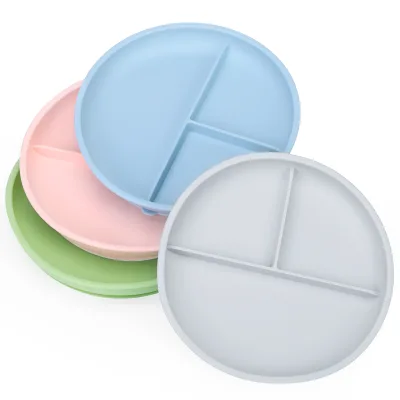
$1.53 - $1.55
MOQ: 100 pieces
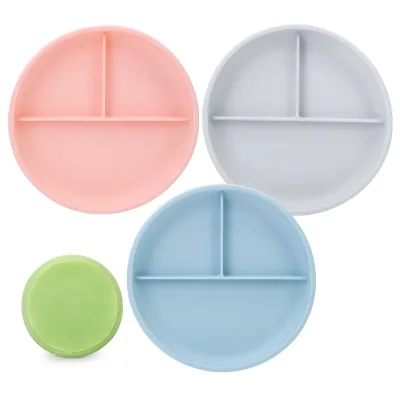
$2.17 - $2.25
MOQ: 1000 pieces
Taizhou Doit & Baby Kid Products Co., Ltd.
- Trading Company
- Lead time旺季: "1 - 10000":35,"> 10000":"To be negotiated", 淡季: "1 - 10000":35,"> 10000":"To be negotiated"
- Avg. response≤ 3h
Main productsBaby Potty, Baby Bathtub, Kids Lunch Box, Baby Chair, Bottle Drying Rack
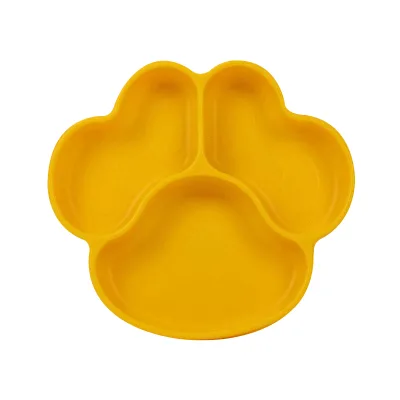
$2.00 - $2.10
MOQ: 1000 pieces
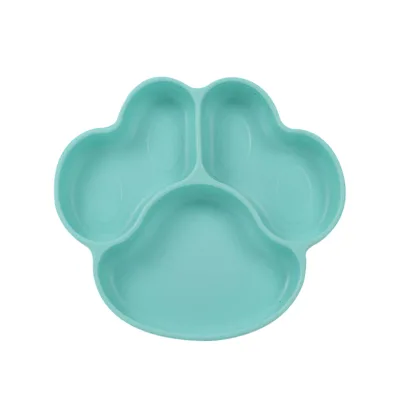
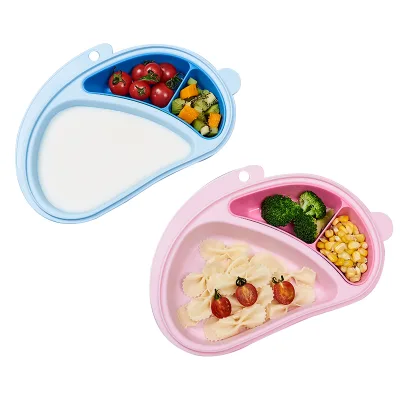
Zhejiang Shuaibao Plastic Products Co., Ltd.
- Verified by TüVRheinland
- Manufacturer, Trading Company
- Lead time30 days
- Avg. response≤ 5h
Main productsBaby Nasal Irrigator, Baby Bottle, Nipple, Baby Feeding Sets
Main marketsNorth America(58%), Southeast Asia(25%), Western Europe(12%)
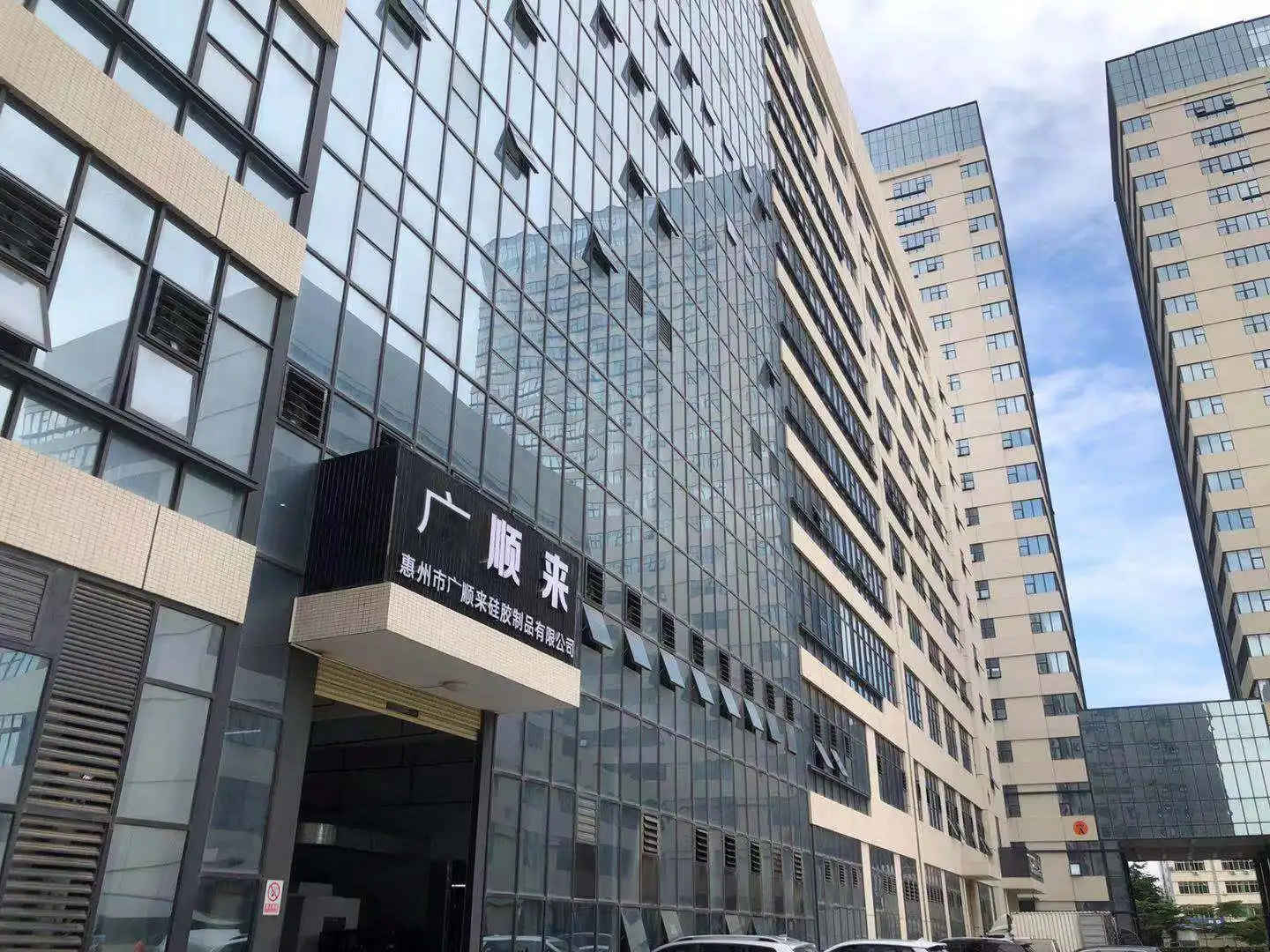
Huizhou Guangshunlai Industrial Co., Ltd.
- Trading Company
- Guangdong, China
- Lead time0 days
- Avg. response≤ 3h
Main productssilicone washing gloves,silicone cake mold,silicone ice cube tray,silicone bakeware,silicone kitchen accessories
Main marketsNorthern Europe(30.00%), North America(30.00%), Western Europe(10.00%), South America(5.00%), Eastern Europe(5.00%)

Dongguan Guibaoquan Rubber Technology Co., Ltd.
- Verified by TUVRHEINLAND
- Combined
- China Guangdong
- Lead time15 days
- Avg. response≤ 3h
Main marketsDomestic


Silicone Baby Plate with Suction Base Toddler Dinnerware BPA Free OEM/ODM
$7.00 - $40.00
MOQ: 500 Pieces

Food Grade Silicone Divided Baby Plate with Suction Base BPA Free OEM/ODM
$7.00 - $40.00
MOQ: 500 Pieces
Dongguan Yongcheng New Material Co., Ltd.
- Verified by Intertek
- Manufacturer, Trading Company
- Lead time30 days
- Avg. response≤ 2h
Main productsIce Cream Tools, Baking Mold, Kids Dining, Oven Mitts, Pet Bowls & Feeders
Main marketsNorth America(35%), Southeast Asia(10%), Oceania(10%)
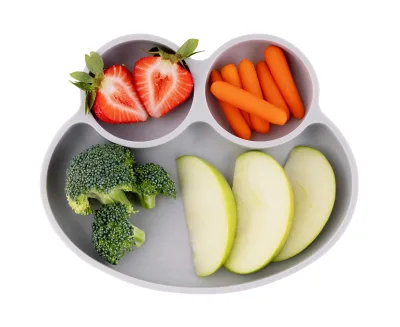
Promotion Kid 3 Compartment Plate Silicone Food Plate Divide Silicone Baby Plate
$2.12 - $2.70
MOQ: 2 pieces
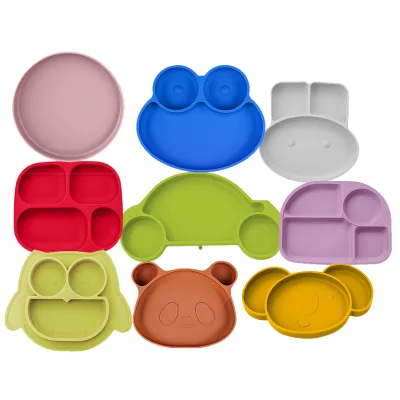
- Verified by TüVRheinland
- Manufacturer, Trading Company
- Lead time15 days
- Avg. response≤ 2h
Main productsBaby Silicone Toys, Silicone Bib, Silicone Tableware, Silicone Cup, Baby Feeding Kit
Main marketsWestern Europe(24%), North America(19%), Southeast Asia(14%)
Dongguan Maikan Household Products Co., Ltd.
- Trading Company
- Guangdong, China
- Lead time15 days
- Avg. response≤ 11h
Main productsbaby tableware,baby toys,silicone bead,silicone teether,silicone kitchen utensils
Main marketsNorth America(40.00%), Western Europe(30.00%), Northern Europe(15.00%), Eastern Asia(10.00%), South America(5.00%)
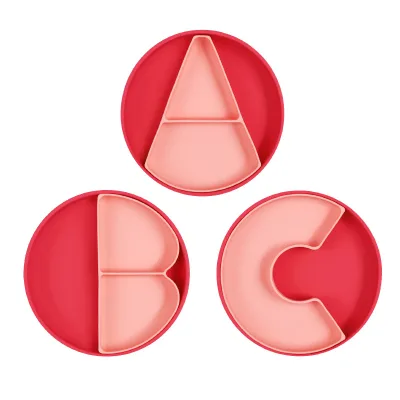
$1.39 - $5.09
MOQ: 100 Minimum
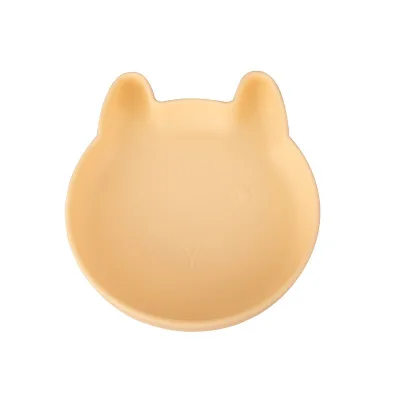
New Design Food Grade Silicone Baby Feeding Plate Customize Silicone Animal Bear Shape Plate
$1.60 - $2.00
MOQ: 50 pieces
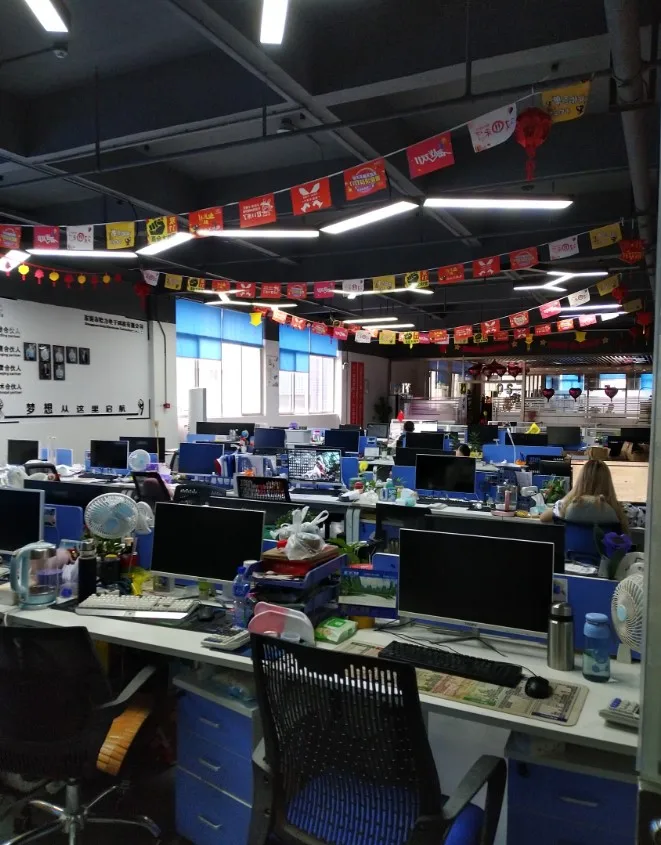
- Manufacturer, Trading Company
- Henan, China
- Lead time20 days
- Avg. response≤ 7h
Main productsSilicone Plate Set,baby feeding bottle,baby silicone tableware,baby silicone bib,baby food pacifier
Main marketsNorth America(20.00%), Southeast Asia(15.00%), Mid East(10.00%), Eastern Asia(10.00%), Eastern Europe(10.00%), Western Europe(9.00%), South Asia(5.00%), Northern Europe(5.00%), Central America(5.00%), Africa(5.00%), Domestic Market(5.00%), South America(1.00%)

Xiamen Zhongying Electronic Technology Co., Ltd.
- Verified by SGS
- Combined
- China Fujian
- Lead time15 days
- Avg. response≤ 7h
Main productsPlastic Products, Rubber Ring, Sealing Ring, Gasket
Main marketsSoutheast Asia/ Mideast,Australia,North America

Eco-Friendly Food Grade Silicone Baby Divided Plate Feeding Plate for Kids Dining
$1.40 - $1.68
MOQ: 100 Pieces

Eco-Friendly Silicone Divided Dish Plates Cute Design Feeding Plate for Toddler Kids
$1.55 - $1.68
MOQ: 100 Pieces

High Quality Food-Grade Silicone Baby Feeding Plate with Strong Suction for Kids Dinner
$1.30 - $1.68
MOQ: 100 Pieces

Cute Design Food-Grade Silicone Divided Plate Unbreakable Suction for Kids Dining
$1.40 - $1.68
MOQ: 100 Pieces

Xiamen Flying Silicone Rubber Co., Ltd.
- Verified by TUVRHEINLAND
- Trading Company,Manufacturer/Factory
- China Fujian
- Lead time23 days
- Avg. response≤ 12h
Main productsSilicone Rubber Auto Parts, Silicone Rubber Keypad, Silicone Rubber Gasket, Silicone Rubber O-Ring, Silicone Rubber Valve, Silicone Rubber Kitchenware, Plastic Injection Parts, Silicone Rubber Gifts, Silicone Medical Accessories, LSR Baby Care
Main marketsSouth America,Eastern Europe,North America,Southeast Asia,Western Europe

Children's Silicone Dining Plate Infant Non Slip Tableware Baby Silicone Feeding Suction Plate
$1.30 - $2.30
MOQ: 300 Pieces

Eco-Friendly Soft Safety BPA Free Kids Tableware Food Grade Silicone Plate Silicone Baby Food Plate
$1.20 - $1.30
MOQ: 1000 Pieces
Dongguan Eco-Life Housewares Co., Ltd.
- Verified by TüVRheinland
- Manufacturer, Trading Company
- Lead time15 days
- Avg. response≤ 5h
Main productsSilicone Kitchenware, Silicone Baby Products, Silicone Pet Products, Baking Mold, Silicone Gifts
Main marketsNorth America(40%), Oceania(15%), Western Europe(15%)
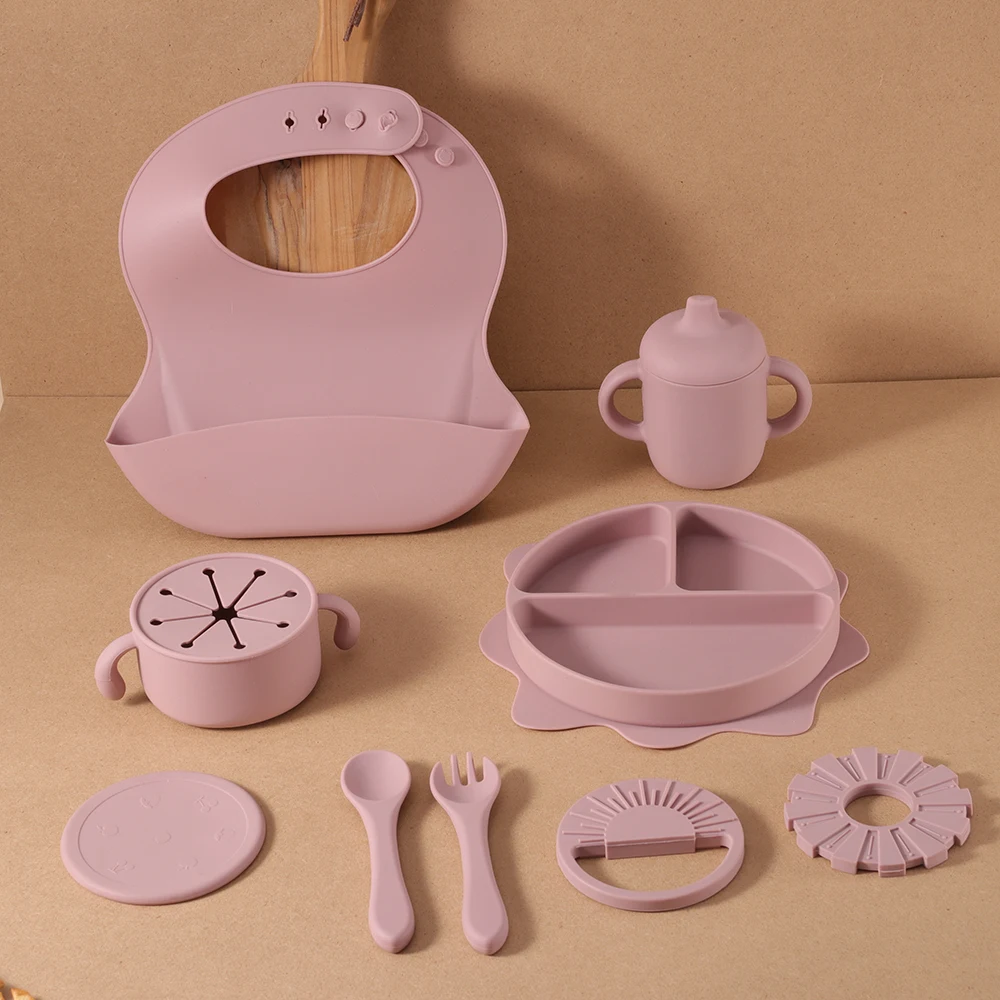
Yiwu Huixuan Home Furnishings Co., Ltd.
- Manufacturer, Trading Company
- Zhejiang, China
- Lead time30 days
- Avg. response≤ 3h
Main productsSilicone Tableware,Silicone Feeding Set,Silicone Food Storage Box,Silicone Teether,Silicone Bib
Main marketsWestern Europe(30.00%), North America(30.00%), South America(20.00%), Southern Europe(10.00%), Northern Europe(10.00%)

Shenzhen Guangyufeng Rubber Co., Ltd.
- Verified by SGS
- Trading Company,Manufacturer/Factory
- China Guangdong
- Lead time23 days
- Avg. response≤ 3h
Main productsSilicone Product, Silicone Rubber Product, Baby Product, Silicone Tube, Silicone Rubber Roller, Silicone Sex Toy, Silicone Mold, Silicone Kitchenware, Silicone Case, Silicone Strap
Main marketsSouth America,Eastern Europe,Mid East,North America,Southeast Asia,Eastern Asia,Oceania,Western Europe,Africa


New Design Frog Kids Dinner Plate Baby Placemat Plate Divided Silicone Suction Plate Bowl
$1.00 - $5.00
MOQ: 50 Pieces

Shenzhen Benhaida Rubber And Plastic Products Co., Ltd.
- Manufacturer, Trading Company
- Lead time旺季: "50 - 500":7,"550 - 1000":10,"1050 - 2500":15,"> 2500":"To be negotiated", 淡季: "50 - 500":7,"550 - 1000":10,"1050 - 2500":15,"> 2500":"To be negotiated"
- Avg. response≤ 3h
Main productsCutlery and feeding utensils, Baby Teether and Toys, Kitchen Tools & Gadgets, Ice Cube Trays, Bakeware
Shenzhen Bo-Mart Industrial Co., Ltd.
- Manufacturer, Trading Company
- Guangdong, China
- Lead time20 days
- Avg. response≤ 7h
Main productsEco-friendly tableware,Kids&Baby Products,Silicone Kitchenware,Amazon hot selling products,Beauty&Health
Main marketsSouthern Europe(25.00%), North America(20.00%), Western Europe(15.00%), Eastern Europe(15.00%), Northern Europe(15.00%), Mid East(5.00%), Southeast Asia(5.00%)
Dongguan Baiya Silicone Products Co., Ltd.
- Verified by TüVRheinland
- Manufacturer, Trading Company
- Lead time20 days
- Avg. response≤ 2h
Main productsNipple, Silicone Spoon, Tableware, Tableware Sets, Baby Teethers
Main marketsDomestic Market(30%), Mid East(20%), Eastern Asia(20%)
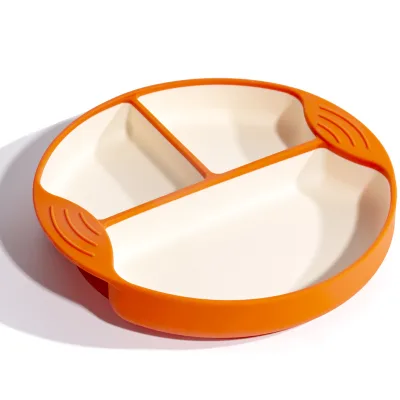
$2.45 - $2.91
MOQ: 200 pieces
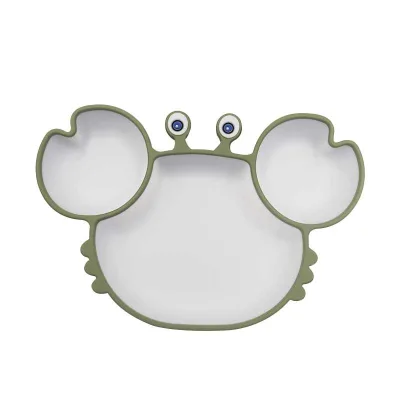
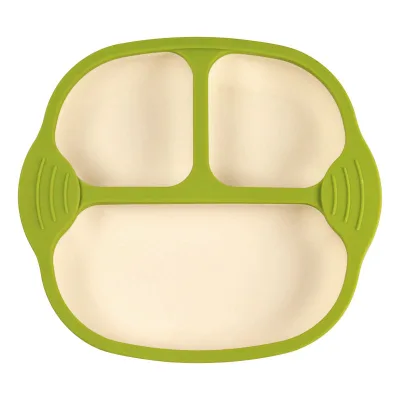

Taizhou Shangyi Plastic Co., Ltd.
- Verified by TUVRHEINLAND
- Trading Company
- China Zhejiang
- Lead time23 days
- Avg. response≤ 17h
Main productsFood Container, Storage Container, Lunch Box, Bento Box, Plastic Laundry Basket, Plastic Storage Container, Plastic Cutting Board
Main marketsSouth America,Southeast Asia/ Mideast
Taizhou Huangyan Jumpforever Plastic Co., Ltd.
- Manufacturer, Trading Company
- Zhejiang, China
- Lead time20 days
- Avg. response≤ 11h
Main productsPlastic Products
Main marketsNorth America(30.00%), Eastern Asia(20.00%), Eastern Europe(20.00%), Western Europe(10.00%), Mid East(6.00%), Southern Europe(3.00%), South America(2.00%), Northern Europe(2.00%), Africa(2.00%), Southeast Asia(2.00%), South Asia(1.00%), Oceania(1.00%), Central America(1.00%)


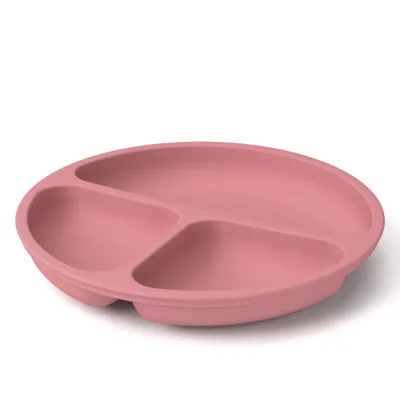
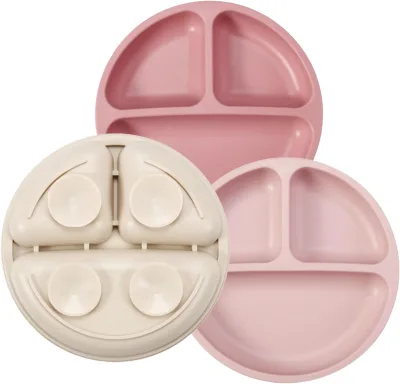
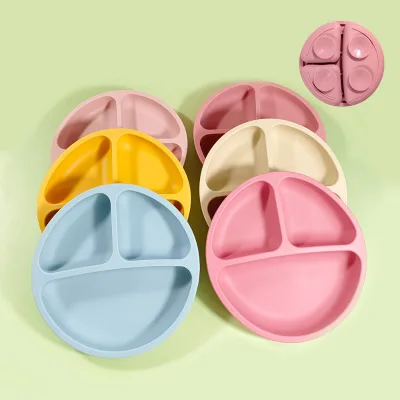
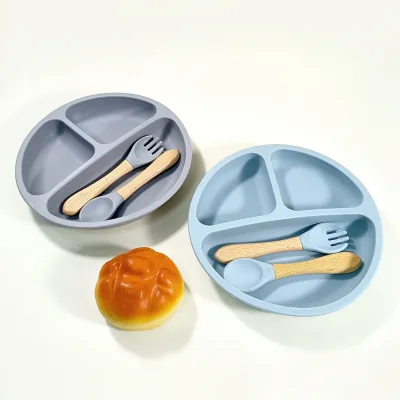
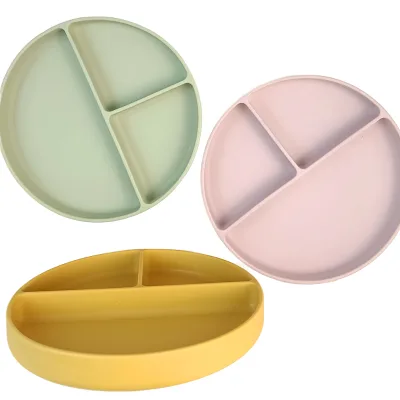
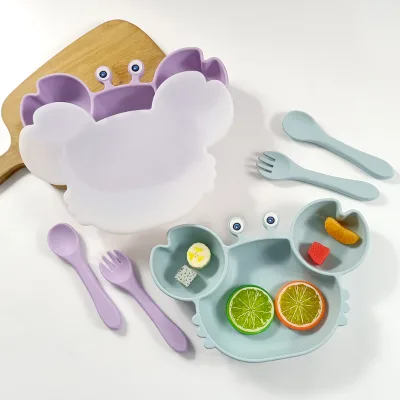
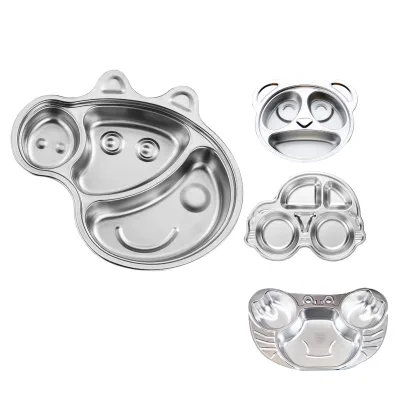
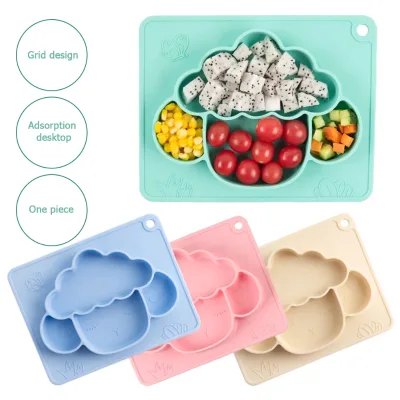
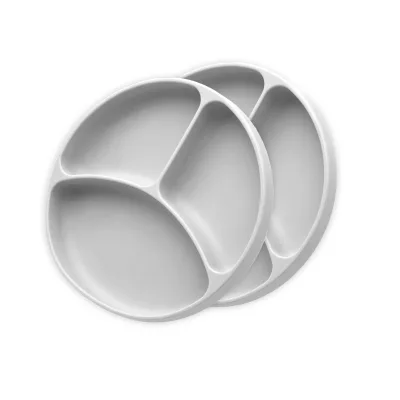
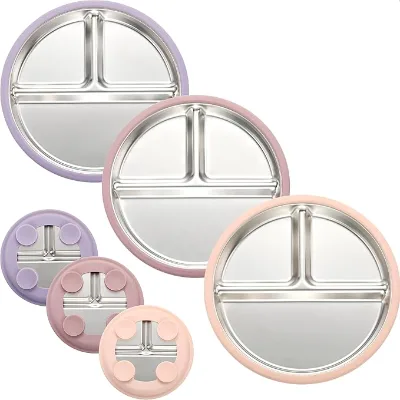
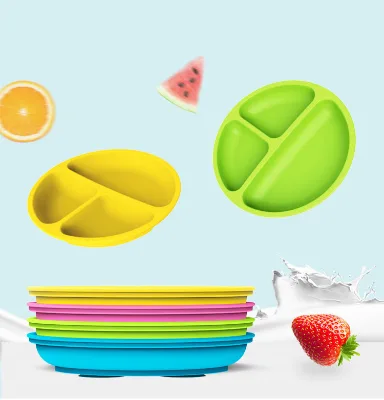
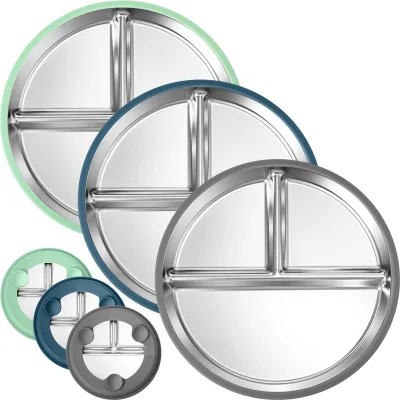


Comprehensive Sourcing Guide
Baby Plate Supplier Concentration and Factory Types
Suppliers offering baby plates on major sourcing platforms cluster heavily in China, with the current results showing suppliers based in Guangdong and Anhui. Guangdong is widely known as a manufacturing hub for silicone products, and the suppliers listed there present product ranges spanning silicone molds, ice cube trays, bakeware, wristbands, tea infusers, and silicone baby feeding items. Anhui-based suppliers in these results focus more broadly on baby products such as strollers, car seats, walkers, and dining items, which signals a different production orientation. When your own search returns locations that are not verified facts, identify clusters indirectly: filter by province, check whether a supplier's main product list centers on silicone or on general baby goods, and note whether product photos and model numbering suggest in-house molding capability.
Factory type matters as much as geography. The results show several company types: a combined manufacturer-trader, a pure trading company, and a manufacturer-trading hybrid. Combined or manufacturer-type suppliers often list ODM capability and their own brands, which matters if you want custom shapes, compartments, or suction bases. Trading companies may offer wider product breadth but add a layer between you and the mold. Review each supplier's stated type alongside their main products: a silicone specialist with baby plates among core lines is usually a stronger fit than a generalist listing plates as a side category. Ask directly whether the molds for the plates you want are owned in-house.
How to Verify Baby Plate Suppliers
Verification starts with the credentials displayed on the supplier profile. In the current results, one Guangdong supplier shows TÜV Rheinland verification and an ISO9001:2015 system certification, while an Anhui trading company shows no system certification listed. Treat these as data points, not guarantees: platform verification confirms identity and audit history at a point in time, and ISO9001 relates to quality management systems rather than product safety for food-contact items. For baby plates, which are food-contact and mouth-contact products, ask for material-level documentation such as FDA, CE/EU, or CIQ claims made on specific product listings, then request the actual certificates and check scope, issue dates, and which material batch they cover.
Go beyond displayed badges with three practical checks. First, confirm the supplier actually produces the plate style you want by requesting their product catalogs with model numbers, since the results show models like SBP-02, bp-006, bp-001, plate, plates, TLT0431A, and TLT0422A across different suppliers. Second, test responsiveness: one listed supplier shows an average response time around 1.76 hours, another around 1 hour, and a third around 7.39 hours, which gives you a realistic sense of communication speed before you commit. Third, request a sample and verify the suction base strength, food-grade smell, and temperature tolerance. Ask the supplier to state, in writing, which certifications apply to the exact material and model you intend to order.
What to Compare Across Baby Plate Suppliers
Build a comparison sheet using the attributes suppliers actually display, while remembering that not every supplier shows every field. Useful dimensions from the current results include location (Guangdong versus Anhui), company type (manufacturer, trading company, or combined), lead time (one silicone supplier lists 15 days; others list around 23 days or seasonal tiers such as 30 days for 1–3000 units with larger volumes to be negotiated), response time (ranging from roughly 1 to 7.4 hours), system certification status, verification badges, and main product lines. Add establishment year and escrow or trade-assurance availability to your sheet where a profile shows them, and leave cells blank rather than guessing when evidence is missing.
Product-level data often differentiates suppliers more than company-level badges. Compare MOQ, which varies sharply in the results: one supplier lists 50 pieces on a custom crab-shaped plate, another lists 100 pieces on a divided dinner plate, and the Anhui trading company lists 3,000 pieces. Compare quoted price ranges, which in these results run from about 0.40–1.50 USD to 2.00–6.00 USD per piece, and note what drives the spread: customization, compartments, suction bases, and packaging. Also compare technical attributes—temperature tolerance of -40°C to 200°C appears repeatedly, as do dishwasher and microwave safety, OEM/ODM availability, and mold time of about 15 days for one supplier. Weight these attributes by how much customization your brand requires.
Common Baby Plate Sourcing Risks
The most serious risk in this category is material safety. Baby plates are used by infants and toddlers and are frequently heated, so unverified food-grade claims are a direct liability. Some listings in the results assert FDA, CIQ, and CE/EU certification or "100% food grade" and BPA-free status, but listing text is not proof. A second risk is the gap between a trading company and a factory: the Anhui supplier, a trading company with no system certification listed and longer response times, may broker from an unknown mold owner, complicating quality control and IP protection for your custom shape. A third risk is capacity mismatch—an MOQ of 3,000 pieces signals a supplier oriented to larger retail volumes, which can be wrong for a test order.
Commercial and communication risks are quieter but costly. Lead-time listings like 15 days, 23 days, or 30-day seasonal tiers are typically for standard configurations; custom molds, quoted at about 15 days by one supplier, extend timelines further and add tooling cost. Low MOQs of 50 or 100 pieces may carry proportionally higher unit prices or less favorable payment terms. Payment flexibility varies too—listings mention T/T, PayPal, and Western Union—which affects your recourse if quality fails. Finally, vague specifications are a risk in themselves: where a listing says only "custom standard," insist on a written spec sheet covering material grade, dimensions, suction performance, and packaging before any deposit.
Baby Plate Regional Sourcing and Logistics
The evidence in the current results points to two Chinese sourcing regions with distinct logistics profiles. Guangdong suppliers sit near major southern export infrastructure and specialize in silicone goods, including the baby plates themselves along with complementary silicone feeding sets. Anhui suppliers, in the results, are broader baby-product traders whose plate offerings carry MOQs of 3,000 pieces and standard carton packing. When your search surfaces other regions without verified location data, do not assume cluster status; instead, infer specialization from the main product list, product keywords, and whether silicone items dominate the catalog. Proximity to a silicone cluster often correlates with faster mold development and easier access to food-grade compound suppliers.
Logistics planning should start from product characteristics rather than supplier claims. Silicone plates are lightweight but bulky relative to their weight, so freight cost per unit depends heavily on packing efficiency—listings in the results show OPP bags, color boxes, and PET boxes as options, and your carton design directly affects container utilization. Lead times of 15 to 30 days cover production only; add mold time for custom shapes, sample courier time, and booking lead time for sea freight. Confirm with each supplier who arranges export documentation and whether they quote FOB or EXW. For a first order, ask for a packing plan showing units per carton and carton dimensions so you can model freight cost before committing to volume.
Baby Plate Commercial Terms and Order Planning
Order planning should reconcile the wide spread in MOQ and pricing visible in the results. On one side, a Guangdong silicone supplier lists 50-piece MOQs with prices around 0.40–1.50 USD on a custom suction plate; on the other, an Anhui trading company requires 3,000 pieces at 2.00–6.00 USD. Your choice depends on stage: sample-market or crowdfunding launches justify the low-MOQ supplier despite higher relative unit economics, while established retail programs justify higher MOQs for better landed cost. Payment terms in the listings include T/T, PayPal, and Western Union—negotiate deposit and balance split against inspection milestones, and prefer methods offering dispute protection for first orders with an unverified counterparty.
Formalize everything that listings leave vague. Where a listing states "custom standard" or "packing as required," convert these into a written specification and purchase contract covering material grade with certificate references, model number, dimensions, color, logo placement, packaging format, and inspection criteria. Quantify the timeline: production lead time (15, 23, or 30 days depending on supplier and season), plus about 15 days of mold time for custom shapes, plus shipping. Plan a two-step order: a small pilot batch for market and compliance testing, then a volume order with the same golden sample as the quality benchmark. Keep mold ownership terms explicit in the contract, since custom suction or compartment molds represent your product differentiation.
FAQs
What is the typical lead time for silicone baby plates?
Manufacturers in China generally require 15 days for standard production runs. Some suppliers indicate a mold time of about 15 days for custom designs. During peak seasons, lead times may extend to 30 days for orders exceeding 3000 units. Buyers should confirm specific schedules based on order volume and customization needs.
What certifications are available for food-grade silicone plates?
Products often carry FDA, CIQ, and CE/EU certifications to ensure safety. Some listings also mention ISO9001:2015 system certification for quality management. These credentials verify that the silicone material is non-toxic and suitable for children. Buyers should request valid certificates to confirm compliance with international food safety standards before placing orders.
What is the minimum order quantity for custom silicone plates?
MOQs vary significantly by supplier and product type. Some manufacturers accept orders as low as 50 units for specific models. Others require 100, 1000, or 3000 pieces depending on the complexity. Custom shapes and logos may increase the minimum threshold. Buyers should verify the exact MOQ for their desired design and quantity requirements.
What is the price range for wholesale silicone baby plates?
Prices typically range from $0.40 to $6.00 per unit. Lower costs apply to basic models with higher volumes, while complex designs cost more. Factors like material thickness, suction features, and packaging affect the final price. Buyers should request quotes based on their specific quantity and customization needs to get accurate pricing.
Can I customize the logo and shape of silicone plates?
Yes, most suppliers offer full customization for logos and shapes. OEM and ODM services are widely available for branding. Buyers can choose from various colors, including multicolor options, and request specific shapes like cars or crabs. Customization is usually available with a minimum order quantity, so confirm details with the supplier.
Are silicone baby plates dishwasher and microwave safe?
Many silicone plates are designed to be dishwasher and microwave safe. They can withstand temperatures from -40°C to 200°C without degrading. This makes them durable for repeated use and easy to clean. Buyers should check product specifications to confirm heat resistance and safety features for their specific usage needs.