Backless Patchwork Dress Suppliers and Manufacturers in China
Explore 30 verified options for Backless Patchwork Dress suppliers and manufacturers in Guangdong, China. Compare response times, lead times, MOQs, and product specifications like material and style before requesting samples or quotes; review the available evidence before requesting comparable quotations from suitable candidates.
Updated
Suppliers List
Dongguang Fengqiu Clothing Co., Ltd.
- Manufacturer, Trading Company
- Guangdong, China
- Lead time0 days
- Avg. response≤ 4h
Main productsDresses,Women's dress,Mini dress,jacket,Trousers
Main marketsDomestic Market(50.00%)
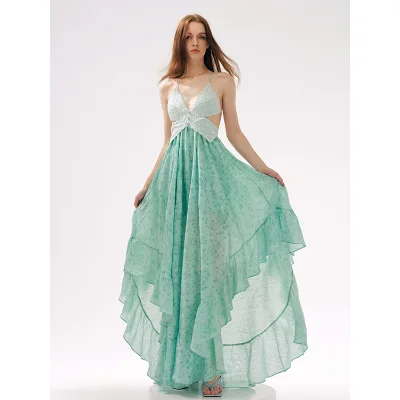
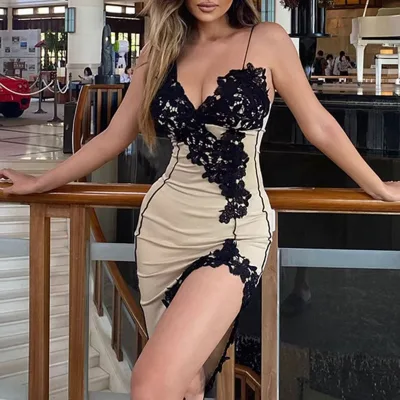
$12.50 - $13.50
MOQ: 50 pieces
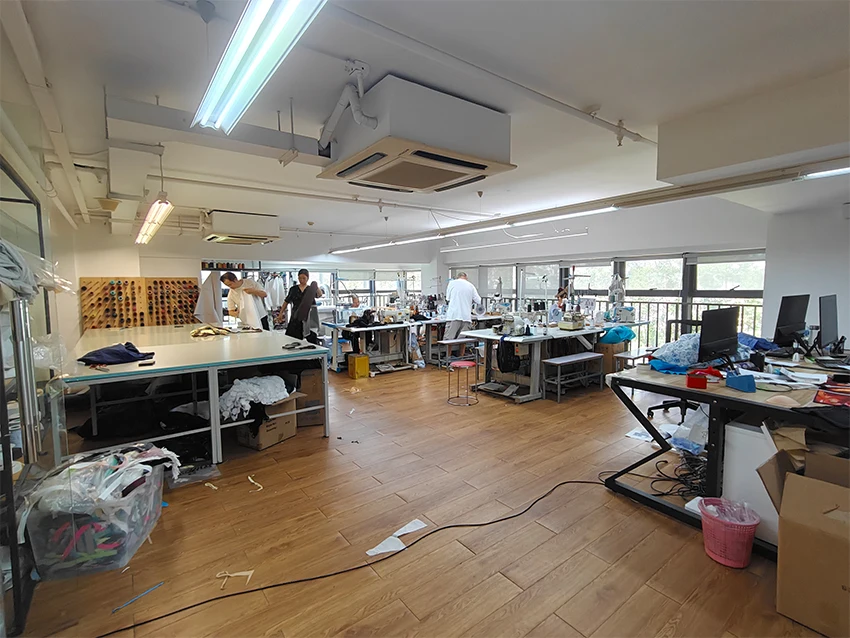
Guangzhou Fifthapparel Trading Company Ltd.
- Manufacturer
- Guangdong, China
- Lead time0 days
- Avg. response≤ 5h
Main productsWomen Dress,Women Tops,Women Bottom,Women Jacket,Women Sleepwear
Main marketsNorth America(30.00%), Oceania(30.00%), Southern Europe(10.00%), South America(10.00%), Western Europe(10.00%), Eastern Europe(10.00%)
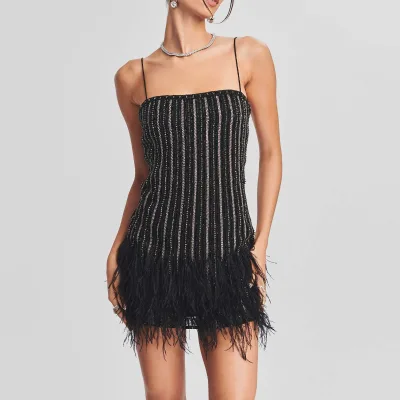
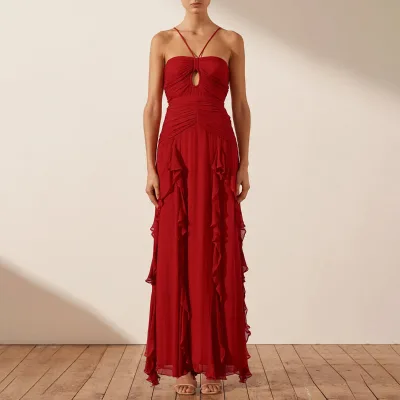
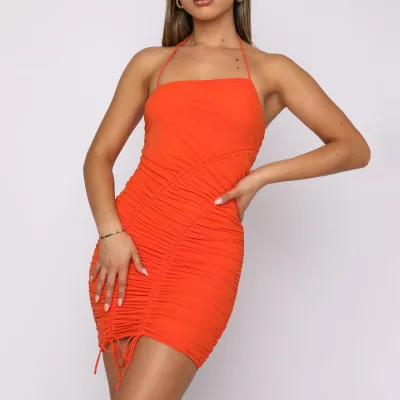
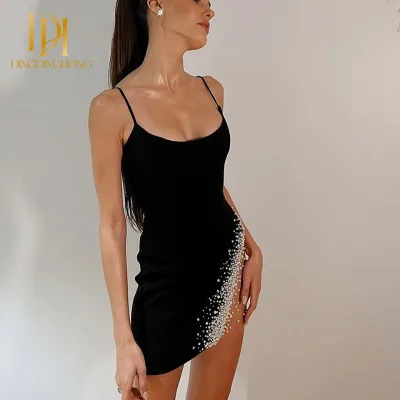
Sequin Patchwork Solid Colours Party Mini Dress Sleeveless Backless Ladies Sexy Halter
$18.89 - $24.86
MOQ: 50
Dongguan Dali Clothing Co., Ltd.
- Manufacturer, Trading Company
- Lead time旺季: "1 - 500":35,"> 500":"To be negotiated", 淡季: "1 - 500":35,"> 500":"To be negotiated"
- Avg. response≤ 4h
Main productsWomen's Clothing

GUANGZHOU HUMLISUN IMP & EXP CO.,LTD.
- Verified by SGS
- Trading Company
- China Guangdong
- Lead time30 days
- Avg. response≤ 17h
Main productsSwimwear, Sports Wear, Bikini, Tracksuit, Yoga Suit, Cover up, Women Dresses, Beachwear
Main marketsSouth America,Others(foreignTradeCapacity.exportBusinessCapacityMarketOther),Southeast Asia/ Mideast,Europe,North America
Changzhou Melee Trading Co., Ltd.
- Trading Company
- Jiangsu, China
- Lead time4 days
- Avg. response≤ 5h
Main productsfedora Hats,Dance Wear,family matching clothes,Women's Dresses,Fashion Accessories
Main marketsDomestic Market(100.00%), Africa(100.00%), Central America(100.00%), North America(50.00%), Western Europe(15.00%), Oceania(12.00%), Southeast Asia(5.00%), South America(5.00%), Mid East(3.00%), Eastern Europe(2.00%), South Asia(2.00%), Eastern Asia(2.00%), Southern Europe(2.00%), Northern Europe(2.00%)

Shanghai Hubei Apparel Co., Ltd
- Verified by BV
- Trading Company,Manufacturer/Factory
- China Shanghai
- Lead time45 days
- Avg. response≤ 22h
Main productsShirt, Dress, Skirt, Coat, Suit, Knitwear, Blazer, Shorts, Pants
Main marketsSouth America,Eastern Europe,Mid East,North America,Southeast Asia,Eastern Asia,Oceania,Western Europe,Africa

Guangzhou Mingyu Manufacturing Co., Ltd
- Verified by SGS
- Trading Company
- China Guangdong
- Lead time15 days
- Avg. response≤ 1h
Main productsCoat, Dress, Trousers
Main marketsDomestic

- Verified by CTI
- Trading Company
- China Anhui
- Lead time23 days
- Avg. response≤ 2h
Main productsFurniture, Home Furniture
Main marketsSoutheast Asia/ Mideast

Guangzhou Yifu Clothing Co., Ltd.
- Verified by SGS
- Combined
- China Guangdong
- Lead time15 days
- Avg. response≤ 10h
Main marketsDomestic
Xinxiang Chushi Clothing Co., Ltd.
- Trading Company
- Henan, China
- Lead time7 days
- Avg. response≤ 5h
Main productsClothing and Customization,Design and customization of label and water washing label patterns,Design and customization of clothing tags,LOGO Design and Customization,Clothing and Accessories
Main marketsNorth America(20.00%), Central America(10.00%), South Asia(10.00%), South America(10.00%), Mid East(10.00%), Africa(8.00%), Domestic Market(5.00%), Southeast Asia(5.00%), Eastern Asia(5.00%), Northern Europe(5.00%), Oceania(3.00%), Western Europe(3.00%), Southern Europe(3.00%), Eastern Europe(3.00%)



New Sexy Backless Dress Casual Loose Vacation Dresses Deep V Floral Dresses
$9.09 - $9.85
MOQ: 2 pieces
Love Double Apparel (Guangdong) Co., Ltd.
- Trading Company
- Guangdong, China
- Lead time10 days
- Avg. response≤ 5h
Main productsCasual Dresses, Women's Sets, Women's Blouses & Shirts, Women's Pants & Trousers, Women's Coats
Main marketsNorth America(50.00%), Africa(30.00%), Eastern Asia(10.00%), Western Europe(5.00%), Southeast Asia(5.00%)
Dongguan Sunrise Garment Co., Ltd.
- Verified by Intertek
- Manufacturer, Trading Company
- Lead time25 days
- Avg. response≤ 1h
Main productsDresses, Pants, Tops, Sweater, Tracksuit
Main marketsNorth America(66%), Oceania(11%), Southern Europe(6%)
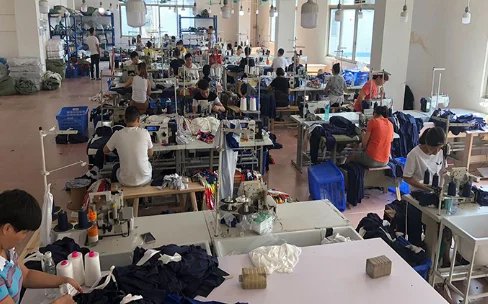
Guangzhou Samwestart Technology Co., Ltd.
- Manufacturer, Trading Company, Agent, Distributor/Wholesaler
- Guangdong, China
- Lead time5 days
- Avg. response≤ 7h
Main productspajamas,Women Pajamas,Men Pajamas,Silk Pajamas,Cotton Pajamas
Main marketsMid East(15.00%), North America(15.00%), Western Europe(12.00%), South America(10.00%), Eastern Asia(9.00%), Southeast Asia(8.00%), Oceania(7.00%), Domestic Market(5.00%), Africa(5.00%), South Asia(3.00%), Southern Europe(3.00%), Northern Europe(3.00%), Eastern Europe(3.00%), Central America(2.00%)

Guangzhou Vincenia Trading Co., Ltd.
- Trading Company
- China Guangdong
- Lead time23 days
- Avg. response≤ 7h
Main productsUnderwear, Lingerie, Shapewear, Legging, Lace, Bra, Briefs, Yoga, Fabrics
Main marketsSouth America,Southeast Asia/ Mideast,East Asia(Japan/ South Korea),Europe,North America
Xinxiang Baiyin Clothing Co., Ltd.
- Trading Company
- Henan, China
- Lead time15 days
- Avg. response≤ 3h
Main productsGarment making,Costume printing,Clothing sales
Main marketsSouth America(35.00%), Domestic Market(5.00%), North America(5.00%), South Asia(5.00%), Southern Europe(5.00%), Northern Europe(5.00%), Central America(5.00%), Western Europe(5.00%), Eastern Asia(5.00%), Mid East(5.00%), Oceania(5.00%), Africa(5.00%), Southeast Asia(5.00%), Eastern Europe(5.00%)
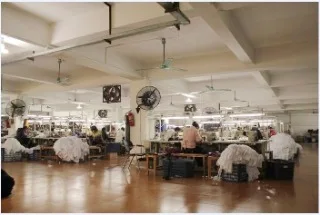
Guangzhou Dongfan Garment Factory
- Manufacturer, Trading Company, Distributor/Wholesaler
- Guangdong, China
- Lead time25 days
- Avg. response≤ 10h
Main productswomen clothing,kinds clothing,fashion clothing,Evening Dress,clothing
Main marketsSouth America(50.00%), Oceania(30.00%), North America(5.00%), Eastern Asia(5.00%), Western Europe(5.00%), Southeast Asia(3.00%), Eastern Europe(2.00%)
Huixian Baishangji Clothing Co., Ltd.
- Trading Company
- Henan Province, China
- Lead time7 days
- Avg. response≤ 3h
Main productsWomen's clothing,men's clothing
Main marketsNorth America(60.00%), Africa(20.00%), Western Europe(10.00%), Northern Europe(5.00%), South America(5.00%)


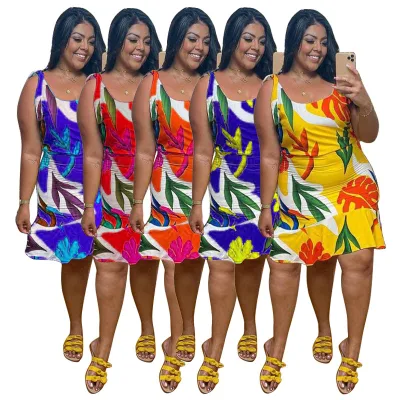
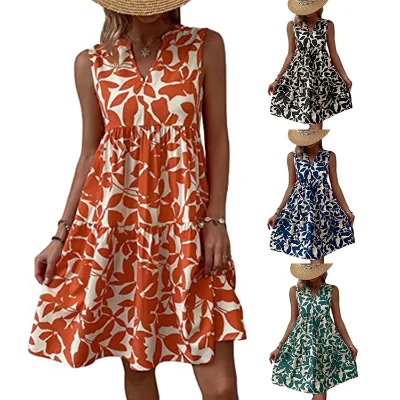
Summer New Yellow Printed Satin Dress Sleeveless Halter Backless Sexy Style
$8.18 - $8.87
MOQ: 2 pieces
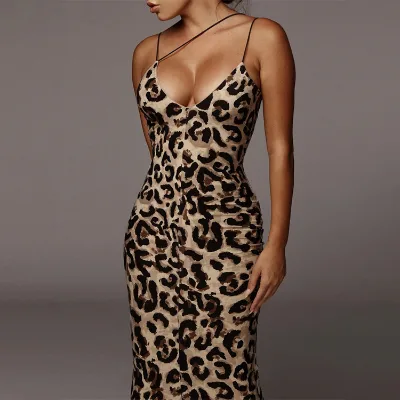
Fall Irregular Sling Dress Fashion Sexy Dress V Neck Sleeveless Leopard Print Dress
$4.85 - $6.31
MOQ: 2 pieces


- Verified by TUVRHEINLAND
- Trading Company
- China Zhejiang
- Lead time15 days
- Avg. response≤ 9h
Main productsSport Wear, Yoga Pants, Sports Bra, Sports Cap, Waist Bag, Sports Sock, Sports Towel, Quick Dry Clothes, Yiwu Buying Agent, Sourcing Agent
Main marketsSouth America,Europe,North America
Guangzhou Jenny Textile Co., Ltd.
- Manufacturer, Trading Company
- Guangdong, China
- Lead time20 days
- Avg. response≤ 3h
Main productstracksuits,t shirts,pants,jackets,hoodies
Main marketsNorth America(30.00%), Western Europe(13.00%), Oceania(10.00%), Mid East(10.00%), Southeast Asia(8.00%), Africa(8.00%), Eastern Asia(5.00%), Eastern Europe(5.00%), Central America(3.00%), Domestic Market(2.00%), Northern Europe(2.00%), South America(2.00%), Southern Europe(1.00%), South Asia(1.00%)
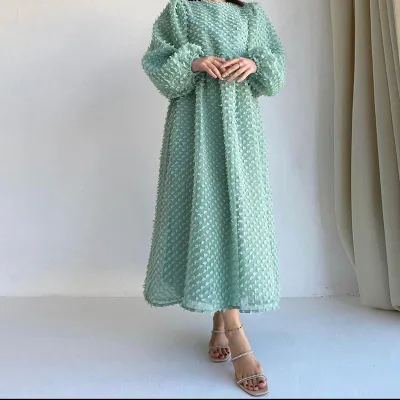
Womens Sexy Fit Body Printed, Patchwork Casual Dresses Elegant Long Sleeve 2023 New Summer Dress/
$3.686 - $10.2577
MOQ: 100 pieces
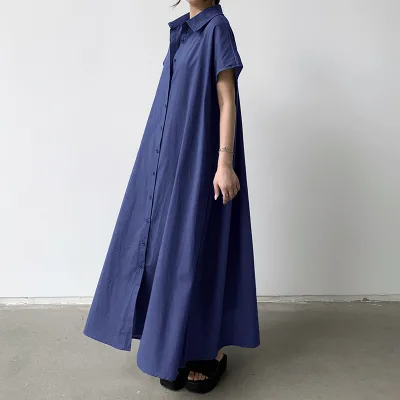
New Arrival Gold Bandage Party, Dress For Women Fashion And Simplicity Sling Backless /
$6.79 - $10.69
MOQ: 50 pieces
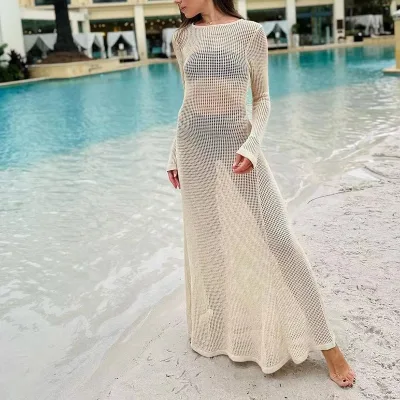

Custom Sleeveless Bandage Short Dress, For Women Knee-length Dinner Party Casual Dresses/
$7.1922 - $10.6909
MOQ: 50 pieces
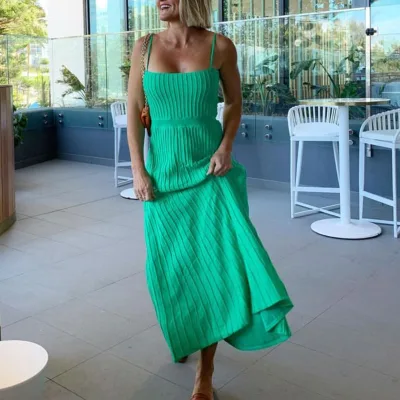
Customization Glitter Seamyla Fashion Dress, For Women Bandage Crisscross Low Back /
$7.1922 - $10.6909
MOQ: 50 pieces
Nanjing Jingshuiliushen Garment Co., Ltd.
- Verified by SGS Group
- Trading Company
- Lead time0 days
- Avg. response≤ 4h
Main productsGarment, Dress, Ladies Suits, Women Shorts, Women Top
Main marketsDomestic Market(40%), North America(30%), Western Europe(10%)
Guangzhou Top Trend Trading Co., Ltd.
- Manufacturer
- Guangdong, China
- Lead time25 days
- Avg. response≤ 19h
Main productsWoman clothing,Dresses,Abaya,Blazers,Skirts
Main marketsNorth America(35.00%), South America(25.00%), Mid East(20.00%), South Asia(10.00%), Central America(10.00%)
Guangzhou Cheerfeel Trading Co., Ltd.
- Trading Company
- Guangdong, China
- Lead time10 days
- Avg. response≤ 4h
Main productsClothes , Bodice Applique, Wedding hair accessories
Main marketsNorth America(40.00%), Western Europe(15.00%), Eastern Europe(15.00%), South America(10.00%), South Asia(5.00%), Central America(5.00%), Northern Europe(5.00%), Southeast Asia(5.00%)

Dongguan Danli Garment Co., Ltd.
- Manufacturer, Trading Company
- Guangdong, China
- Lead time15 days
- Avg. response≤ 1h
Main productsDress,plus size clothing,Pajamas,cotton linen clothes,baby clothing
Main marketsNorth America(50.00%), Oceania(30.00%), Southeast Asia(5.00%), Mid East(5.00%), Domestic Market(4.00%), Eastern Asia(2.00%), Africa(1.00%), Northern Europe(1.00%), South America(0.50%), Southern Europe(0.50%), Eastern Europe(0.50%), Western Europe(0.50%)
Dongguan Lancai Garment Co., Ltd.
- Verified by SGS Group
- Manufacturer, Trading Company
- Lead time15 days
- Avg. response≤ 4h
Main productsDress, Skirt, Pants, Blouse, Jumpsuits
Main marketsNorth America(50%), Oceania(20%), Western Europe(10%)
Yiwu Jiandie Trading Co., Ltd.
- Trading Company
- Zhejiang, China
- Lead time25 days
- Avg. response≤ 3h
Main productsHandbags,Backpacks,Travel Bags,Shoulder Bags,Evening Bags
Main marketsOceania(20.00%), Africa(20.00%), North America(20.00%), Mid East(10.00%), Western Europe(10.00%), Southeast Asia(10.00%), Domestic Market(2.00%), Southern Europe(2.00%), Eastern Asia(1.00%), South Asia(1.00%), Eastern Europe(1.00%), Northern Europe(1.00%), Central America(1.00%), South America(1.00%)
Xiamen Hualecai Clothing Co., Ltd.
- Manufacturer, Trading Company, Distributor/Wholesaler
- Fujian, China
- Lead time5 days
- Avg. response≤ 6h
Main productsfashion clothing,women's clothing,swimsuit,Yoga Wear,shoes
Main marketsNorth America(95.00%), Western Europe(2.00%), Africa(2.00%), Southern Europe(1.00%)
Dengzhou Dingding Red Clothing Co., Ltd.
- Verified by TüVRheinland
- Trading Company
- Lead time7 days
- Avg. response≤ 2h
Main productsSuits, Zhongshan Suits, Wedding Dresses, Trench Coat, Jacket
Main marketsDomestic Market(78%), North America(10%), Africa(6%)
Dongguan Anxi Clothing Co., Ltd
- Verified by Intertek
- Manufacturer, Trading Company
- Guangdong, China
- Lead time15 days
- Avg. response≤ 2h
Main productsWomen Dress, Women Skirt, Women Shirt, Women Pant, Women Short
Main marketsNorth America(35%), Eastern Europe(25%), Oceania(20%)
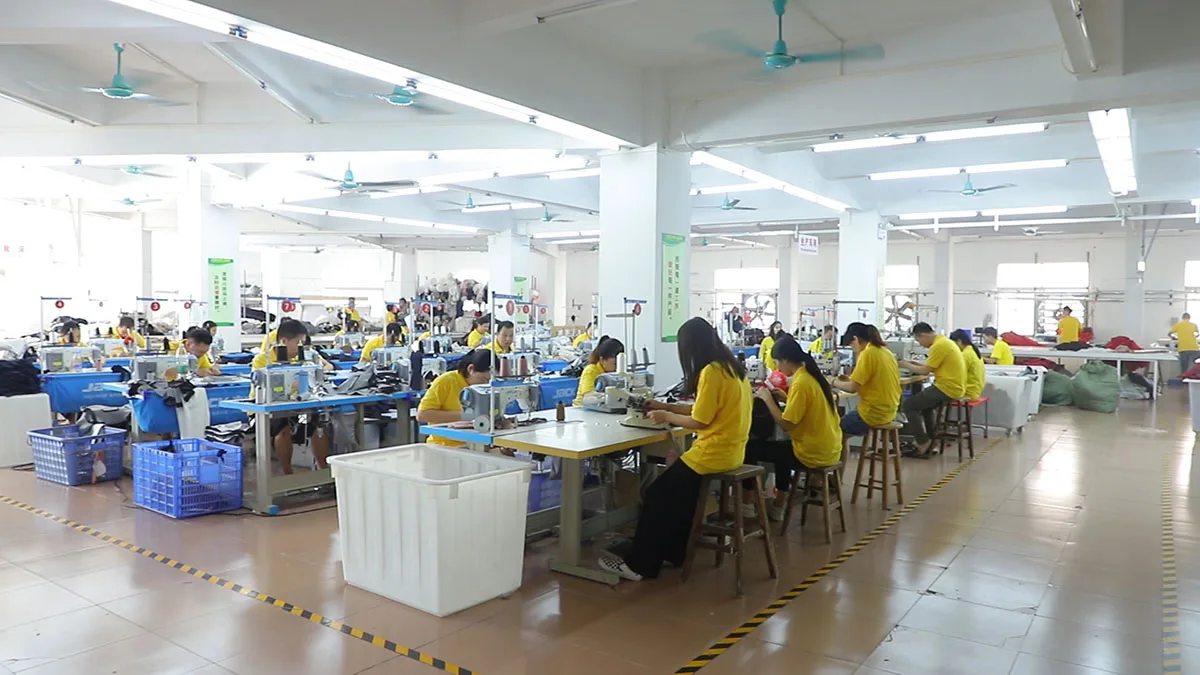
Dongguan Yuema Clothing Co., Ltd.
- Manufacturer, Trading Company
- Guangdong, China
- Lead time25 days
- Avg. response≤ 7h
Main productsDress, Coat, Trousers, Hoodies, T-Shirt
Main marketsNorth America(40.00%), Western Europe(20.00%), Northern Europe(20.00%), Oceania(10.00%), Southeast Asia(10.00%)
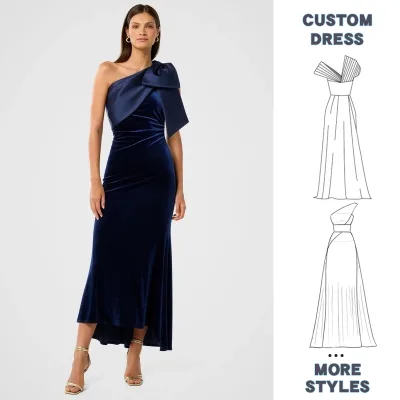
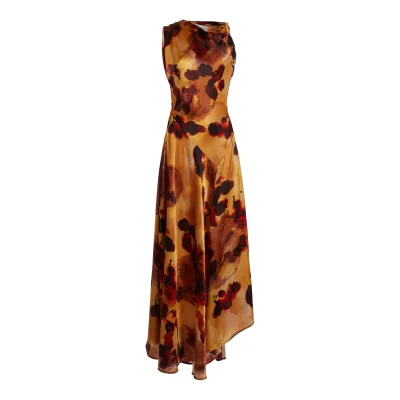
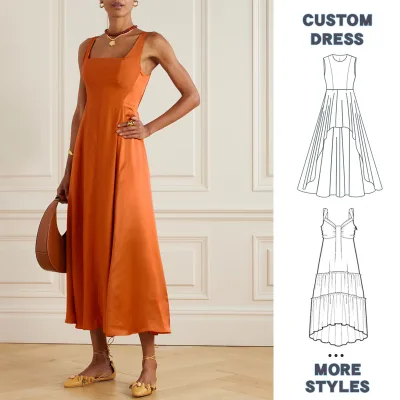
$10.34 - $14.00
MOQ: 50 pieces

Jiaxing Qijia Imp&Exp Co., Ltd
- Verified by SGS
- Trading Company
- China Zhejiang
- Lead time60 days
- Avg. response≤ 1h
Main productsDress, Blouse, Sweater, Knitwear, Pants, Woven, Pullover, Jumper
Main marketsEurope,North America

Custom Black Patchwork Sleeveless Dress Summer New Style Loose Long Casual Vest Dress
$21.99 - $24.99
MOQ: 300 Pieces

Wholesale Round-Neck Striped Patchwork Sleeveless Dress Linen Commuting MIDI Vest Dress
$25.99 - $29.99
MOQ: 300 Pieces
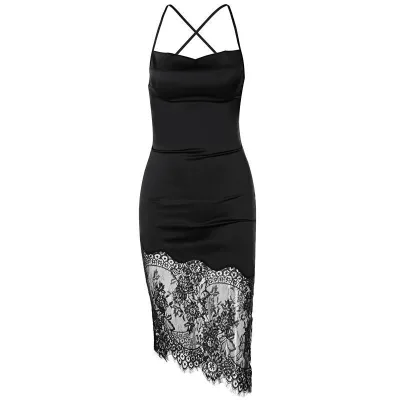
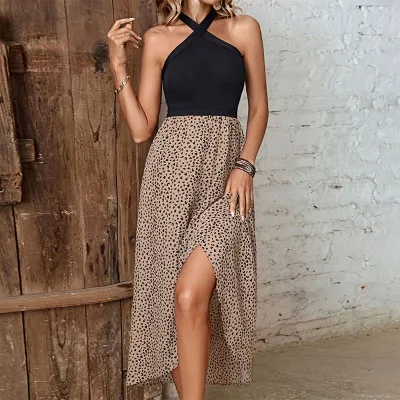
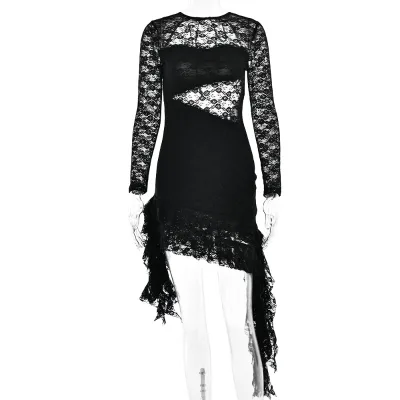
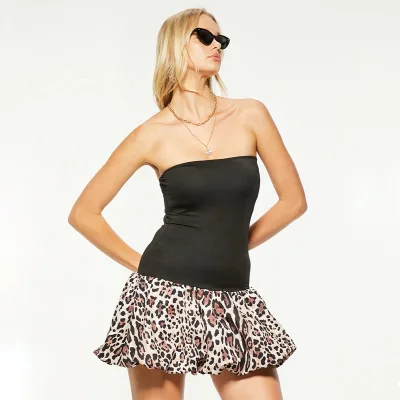
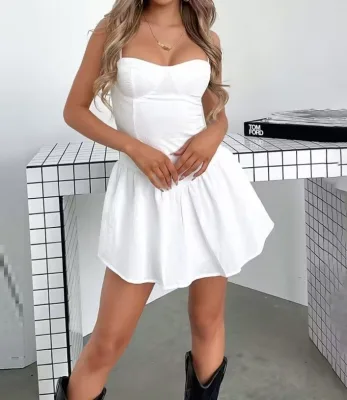


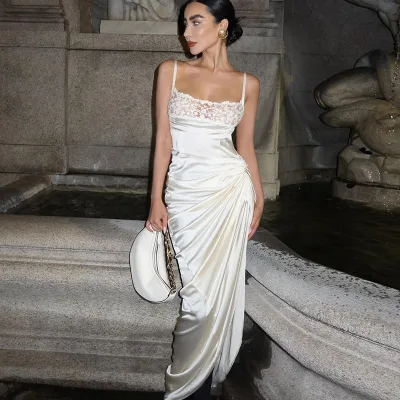
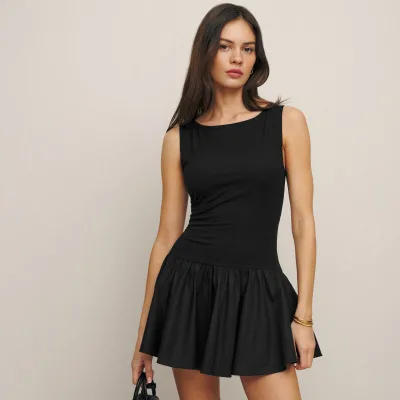


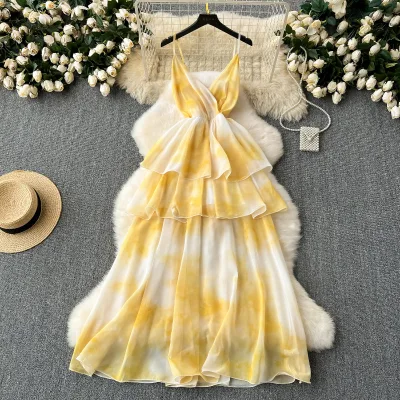
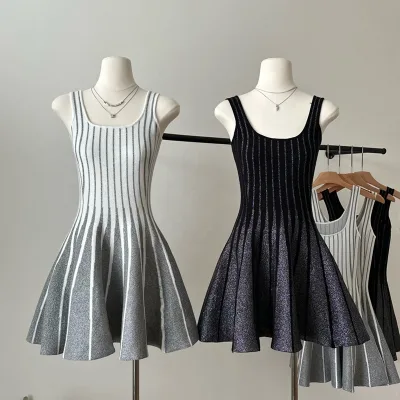
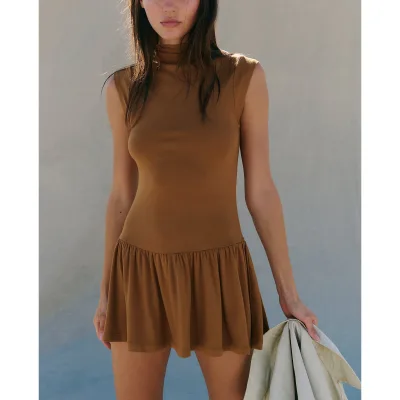
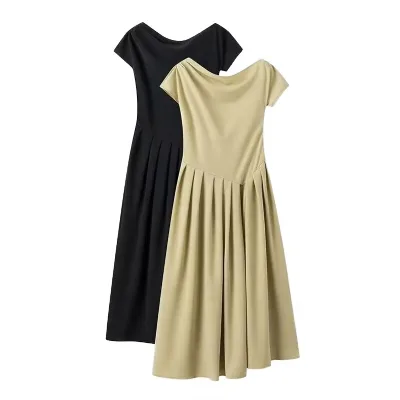

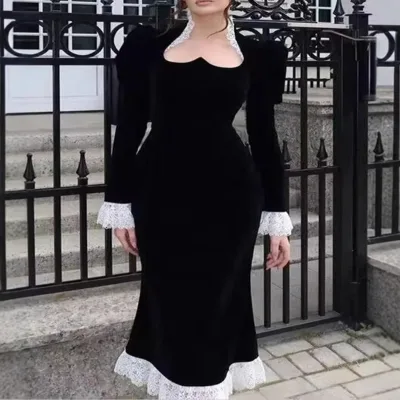


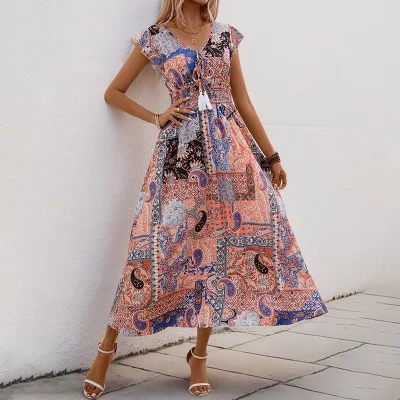
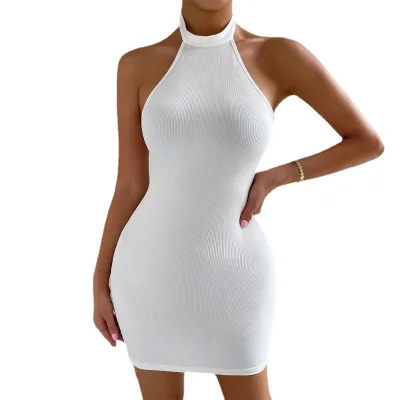

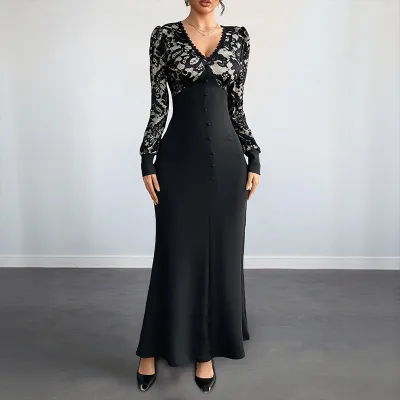

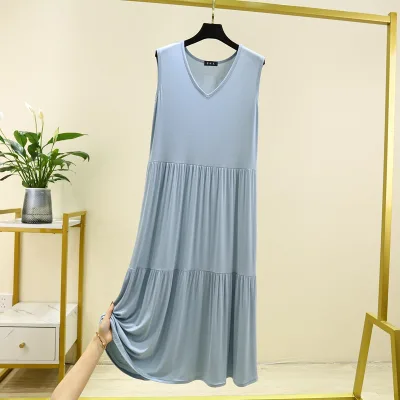

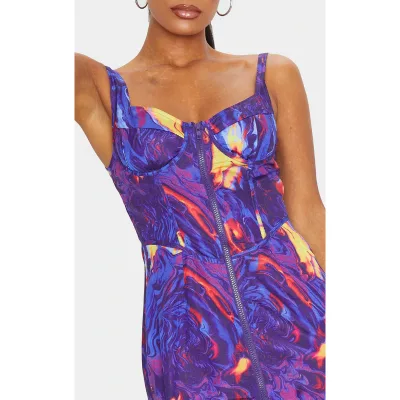


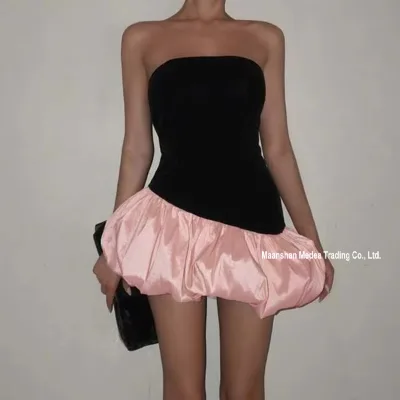
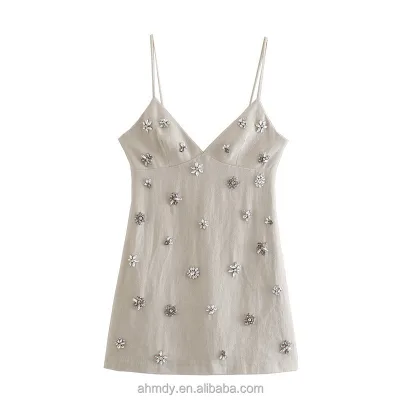
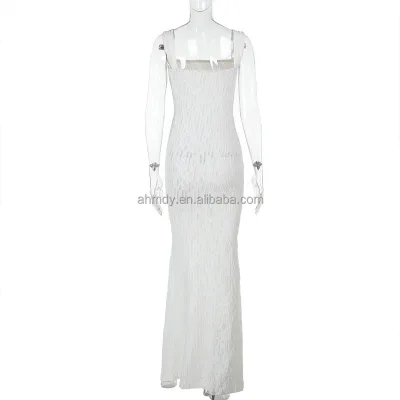
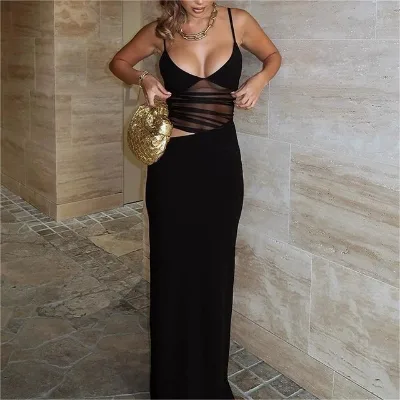
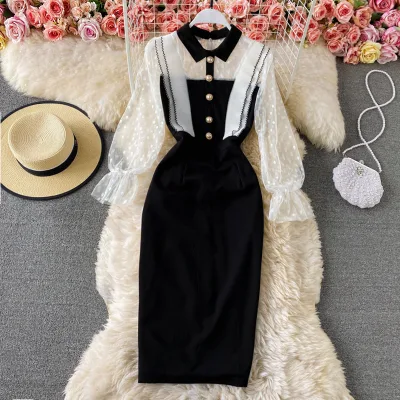
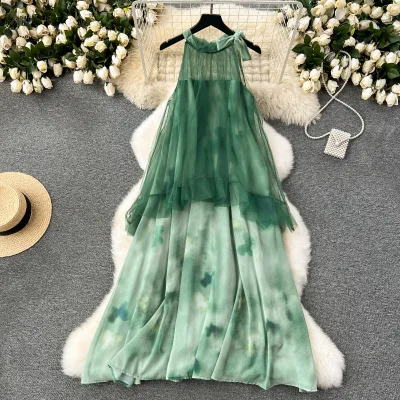
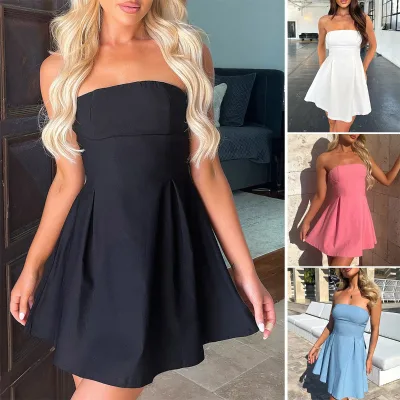
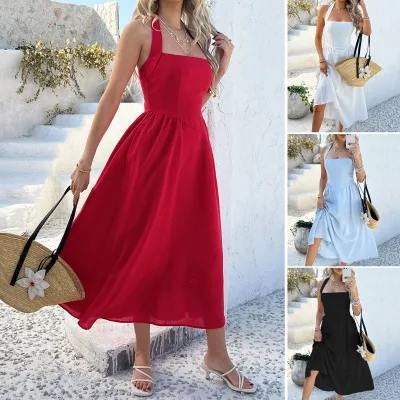
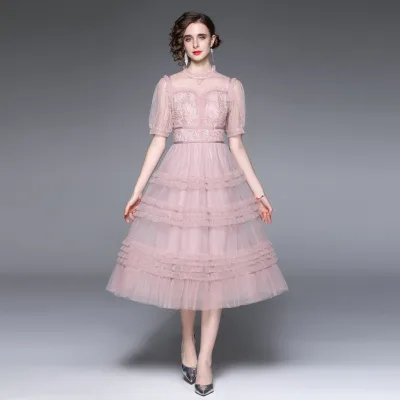
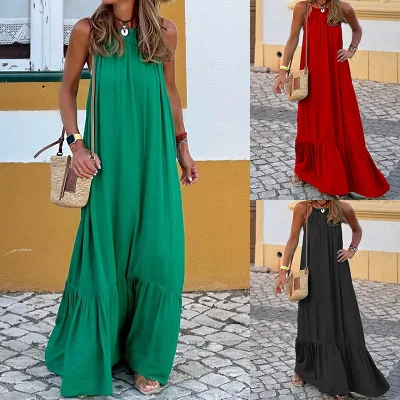
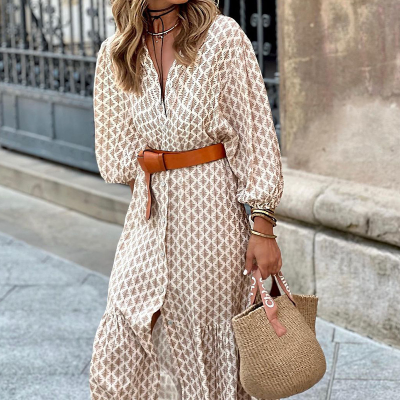
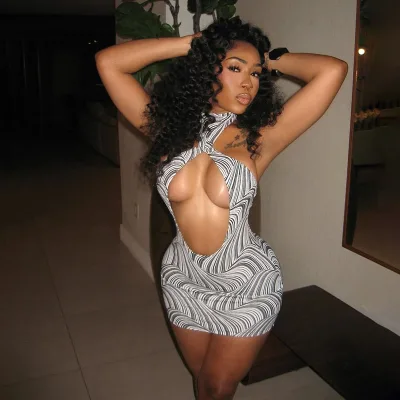
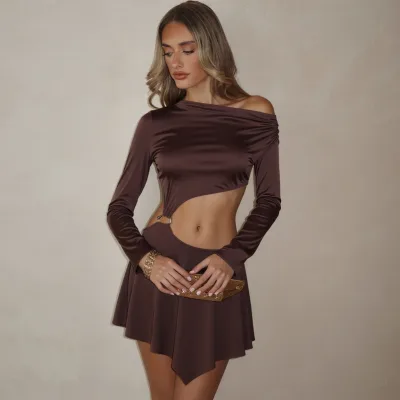
Comprehensive Sourcing Guide
Backless Patchwork Dress Supplier Concentration and Factory Types
The current supplier landscape for backless patchwork dresses reveals a distinct concentration of manufacturing and trading entities within Guangdong, China. This regional clustering is significant because it indicates a mature supply chain ecosystem specialized in women's apparel, particularly dresses and related accessories. Buyers evaluating potential partners should recognize that this geographic focus often correlates with established infrastructure for textile sourcing, garment construction, and export logistics. The presence of both manufacturers and trading companies in this region offers varied engagement models. Manufacturers typically provide direct control over production processes, while trading companies may offer broader product assortments and simplified communication channels. Understanding this dynamic is crucial for aligning procurement strategies with specific business needs, whether prioritizing cost efficiency, quality control, or supply chain flexibility.
Within this concentrated market, the types of companies available range from pure manufacturers to hybrid entities that also engage in trading activities. This diversity allows buyers to select partners based on their specific operational requirements. For instance, a buyer seeking high-volume production with strict quality adherence might prefer a dedicated manufacturer, whereas a buyer looking for diverse styles and lower minimum order quantities might find a trading company more suitable. The main products listed by these suppliers often include dresses, women's tops, jackets, and sleepwear, suggesting a broad capability in women's clothing. This breadth can be advantageous for buyers looking to consolidate suppliers or expand their product lines. However, it also necessitates careful vetting to ensure that the supplier’s primary expertise aligns with the specific demands of Backless Patchwork Dress production, such as intricate sewing techniques and fabric handling.
How to Verify Backless Patchwork Dress Suppliers
Verifying the legitimacy and capability of Backless Patchwork Dress suppliers requires a multi-faceted approach that goes beyond surface-level profile reviews. Buyers should prioritize suppliers who demonstrate clear responsiveness, as indicated by their response times. A response time of four to five hours suggests a professional operation with dedicated customer service teams, which is essential for effective communication during the sourcing process. Additionally, examining the company type is critical; distinguishing between a manufacturer and a trading company helps buyers understand the supply chain structure and potential cost implications. Manufacturers often provide more transparency regarding production capabilities, while trading companies may offer greater flexibility in product variety. Buyers should also look for evidence of OEM services, which indicates the supplier’s ability to customize products according to specific design requirements, a key feature for unique styles like backless patchwork dresses.
Furthermore, verifying product details and specifications is a vital step in the supplier assessment process. Buyers should scrutinize product attributes such as material composition, sewing techniques, and design elements to ensure they meet quality standards. For example, checking if the dresses are made from breathable, eco-friendly fabrics or feature specific construction methods like woven techniques can provide insights into the supplier’s quality focus. Additionally, looking for support for sample orders within seven days can help buyers evaluate product quality before committing to larger orders. Buyers should also verify the supplier’s ability to handle needle detection and other safety standards, which are crucial for ensuring product safety and compliance. By combining these verification steps, buyers can build a more accurate picture of a supplier’s reliability and capability, reducing the risk of sourcing from unverified or underperforming partners.
What to Compare Across Backless Patchwork Dress Suppliers
When comparing suppliers for backless patchwork dresses, buyers should focus on key operational metrics that directly impact cost, quality, and delivery. One critical factor is the minimum order quantity (MOQ), which varies significantly across suppliers. For instance, some suppliers may require an MOQ of fifty pieces, while others might have different thresholds. Understanding these variations helps buyers align their inventory strategies with supplier requirements. Additionally, comparing price ranges is essential for budget planning. Prices for backless patchwork dresses can range from approximately twelve to thirty-nine dollars, depending on factors such as material quality, design complexity, and order volume. Buyers should analyze these price points in conjunction with the supplier’s response time and lead times to assess overall value. A supplier with a slightly higher price but faster response times and reliable lead times may offer better overall efficiency.
Another important aspect of comparison is the supplier’s main product focus and company type. Suppliers specializing in women’s dresses, tops, and jackets may have more refined production processes for these items compared to general apparel manufacturers. Buyers should also consider the supply type offered, such as OEM services, which indicates the supplier’s willingness to customize products. Additionally, examining product attributes like fabric weight, silhouette, and decoration can help buyers assess the quality and style of the dresses. For example, a dress with a specific fabric weight of one hundred sixty grams and a backless design with ruffles may appeal to different market segments than a simpler, sleeveless design. By systematically comparing these factors, buyers can identify suppliers that best match their specific product requirements and business goals, ensuring a more informed and strategic sourcing decision.
Common Backless Patchwork Dress Sourcing Risks
Sourcing backless patchwork dresses involves several inherent risks that buyers must proactively manage to ensure a successful procurement process. One significant risk is the potential for quality inconsistencies, particularly given the intricate nature of patchwork designs and backless constructions. Variations in fabric quality, sewing precision, and color matching can lead to customer dissatisfaction and returns. Buyers should mitigate this risk by requesting detailed product samples and conducting thorough quality inspections before placing large orders. Additionally, the complexity of patchwork designs may require specialized manufacturing capabilities, which not all suppliers possess. Buyers should verify that their chosen supplier has experience with similar styles and can maintain consistent quality across production batches. This verification process helps ensure that the final products meet the expected standards and design specifications.
Another common risk is the potential for delays in production and delivery, which can disrupt supply chains and impact sales timelines. While some suppliers offer support for seven-day sample order lead times, the actual production lead times for bulk orders may vary. Buyers should clearly communicate their delivery expectations and confirm the supplier’s ability to meet these deadlines. Additionally, the reliance on specific materials, such as spandex, polyester, or chiffon, can introduce risks related to material availability and cost fluctuations. Buyers should monitor market trends and maintain open communication with suppliers to anticipate and address potential material shortages. Furthermore, the risk of non-compliance with safety standards, such as needle detection requirements, can lead to legal and reputational issues. Buyers should ensure that their suppliers adhere to relevant safety regulations and conduct regular audits to verify compliance. By identifying and addressing these risks early, buyers can minimize disruptions and ensure a smoother sourcing experience.
Backless Patchwork Dress Regional Sourcing and Logistics
Sourcing backless patchwork dresses from Guangdong, China, offers distinct logistical advantages due to the region’s established infrastructure and proximity to major shipping routes. This concentration of suppliers facilitates efficient transportation and reduces lead times for international shipments. Buyers should leverage this geographic advantage by planning their logistics strategies around the region’s export capabilities. The presence of numerous manufacturers and trading companies in Guangdong creates a competitive environment that can drive down shipping costs and improve service levels. Additionally, the region’s expertise in women’s apparel ensures that suppliers are well-versed in international packaging and labeling requirements, further streamlining the logistics process. Buyers should work closely with their chosen suppliers to optimize packaging solutions, ensuring that products are protected during transit while minimizing volumetric weight and associated shipping costs.
However, buyers must also consider the potential challenges associated with regional sourcing, such as customs regulations and import duties in their home markets. Understanding these regulatory requirements is crucial for accurate cost forecasting and compliance. Buyers should consult with freight forwarders or customs brokers to navigate these complexities effectively. Additionally, the distance between Guangdong and international destinations can impact delivery times, particularly during peak seasons or global supply chain disruptions. Buyers should build buffer times into their inventory planning to account for potential delays. Furthermore, the reliance on air or sea freight can introduce variability in costs and transit times. Buyers should evaluate different shipping options and negotiate favorable terms with logistics providers to balance cost and speed. By carefully managing regional logistics, buyers can enhance supply chain resilience and ensure timely delivery of backless patchwork dresses to their customers.
Backless Patchwork Dress Commercial Terms and Order Planning
Effective order planning for backless patchwork dresses requires a clear understanding of commercial terms and payment structures. Buyers should prioritize suppliers who offer secure payment options, such as escrow services, to protect their financial interests. These services ensure that funds are only released upon satisfactory delivery and inspection of the goods, reducing the risk of fraud or non-performance. Additionally, buyers should negotiate clear terms regarding sample orders, including costs and lead times. Many suppliers support seven-day sample order lead times, which can accelerate the product development process. Buyers should also clarify the terms for bulk orders, including pricing tiers, payment schedules, and return policies. Understanding these commercial terms helps buyers manage cash flow and mitigate financial risks associated with large inventory investments.
Furthermore, buyers should align their order planning with the supplier’s production capabilities and lead times. While some suppliers may offer flexible production schedules, others may have fixed cycles that impact delivery dates. Buyers should communicate their volume requirements and delivery expectations early in the sourcing process to ensure alignment. Additionally, buyers should consider the impact of seasonal demand on production schedules, particularly for summer styles like backless patchwork dresses. Planning orders well in advance can help secure production slots and avoid delays during peak seasons. Buyers should also establish clear communication channels with their suppliers to monitor production progress and address any issues promptly. By integrating commercial terms and order planning into a cohesive strategy, buyers can optimize their sourcing operations, reduce costs, and enhance overall supply chain efficiency.
FAQs
What is the price range for backless patchwork dresses?
Prices for these dresses typically range from $12.50 to $39.43 per unit. The final cost depends on the specific material, such as polyester or chiffon, and the complexity of the patchwork design. Buyers should expect higher prices for features like built-in bras or discharge printing techniques.
What materials are commonly used in these dresses?
Common materials include Spandex, Polyester, and Chiffon. Some dresses are made from 100% Polyester, while others use a Spandex blend for stretch. The fabric weight varies, with options like 80 grams or 160 grams, allowing buyers to choose based on the desired season and drape quality.
Do suppliers offer OEM services for custom designs?
Yes, many suppliers provide OEM services for custom designs. Buyers can request specific patterns, logos, or color variations like mint or champagne. This service allows for brand customization, ensuring the final product aligns with specific market requirements or unique design visions for wholesale orders.
What is the minimum order quantity for these items?
The minimum order quantity is typically 50 pieces. This standard MOQ allows buyers to test market demand without excessive inventory risk. It is advisable to confirm the exact MOQ with the supplier, as some may offer flexibility for sample orders or specific promotional campaigns.
Where are these dresses manufactured?
These dresses are primarily manufactured in Guangdong, China. This region is known for its robust apparel supply chain and efficient production capabilities. Buyers sourcing from this location benefit from established logistics networks and a high concentration of specialized garment factories.
How quickly can suppliers respond to inquiries?
Suppliers generally respond to inquiries within 4 to 5 hours. This rapid response time ensures that buyers can quickly clarify details regarding pricing, customization, and shipping. Prompt communication helps streamline the sourcing process and facilitates faster decision-making for time-sensitive orders.