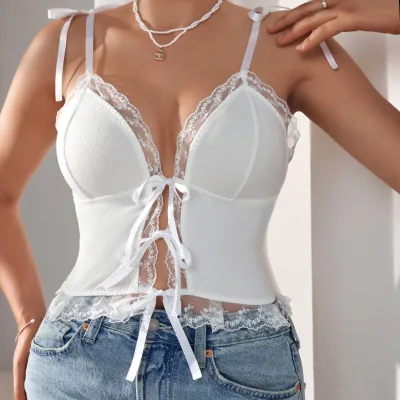
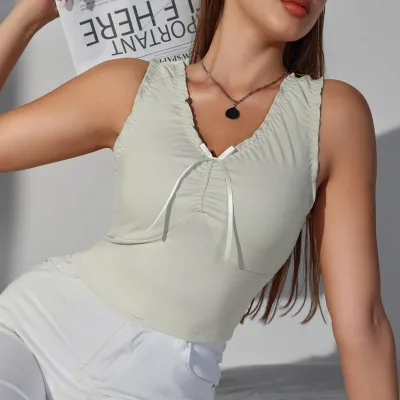
eco-friendly crop satin strap camisole Suppliers and Manufacturers
Compare 26 verified suppliers offering eco-friendly crop satin strap camisole with details on location, lead times, and certifications. Review response times and MOQs to select the right partner for your order; review the available evidence before requesting comparable quotations from suitable candidates.
Updated
Suppliers List

HANGZHOU PERSERPRO GARMENT CO., LTD.
- Other
- China Zhejiang
- Lead time45 days
- Avg. response≤ 23h
Main productsKnitwear, Kid's Sweater, Men's Sweater, Cashmere Sweater, Sweater, Knitting Accessories, Ladie's Sweater, Knitted Sweater
Main marketsSouth America,Eastern Europe,Mid East,North America,Western Europe

Shandong Chunhui International Trade Co., Ltd.
- Verified by CTI
- Trading Company
- China Shandong
- Lead time30 days
- Avg. response≤ 3h
Main productsSweater
Main marketsEurope


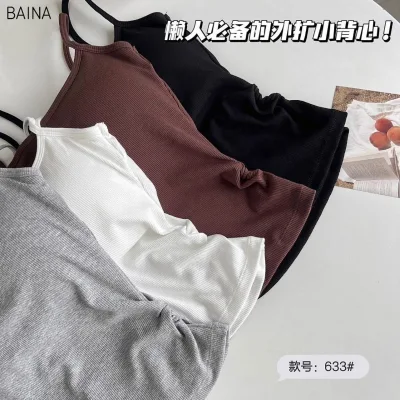
Delicate Square Neck Curved Front Brings Sweet Fashionable Daily Wear Camisole
$4.99 - $9.99
MOQ: 300 Pieces


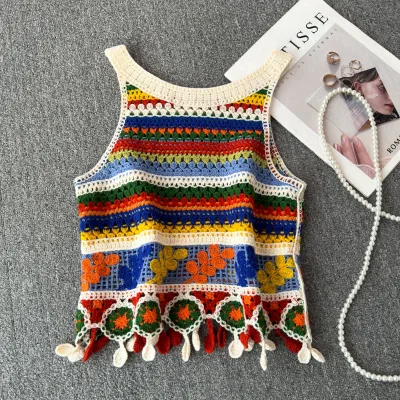
Anti Pilling Premium Yarn Offers Charming Multi--Color Layering Casual Camisole
$4.99 - $9.99
MOQ: 300 Pieces

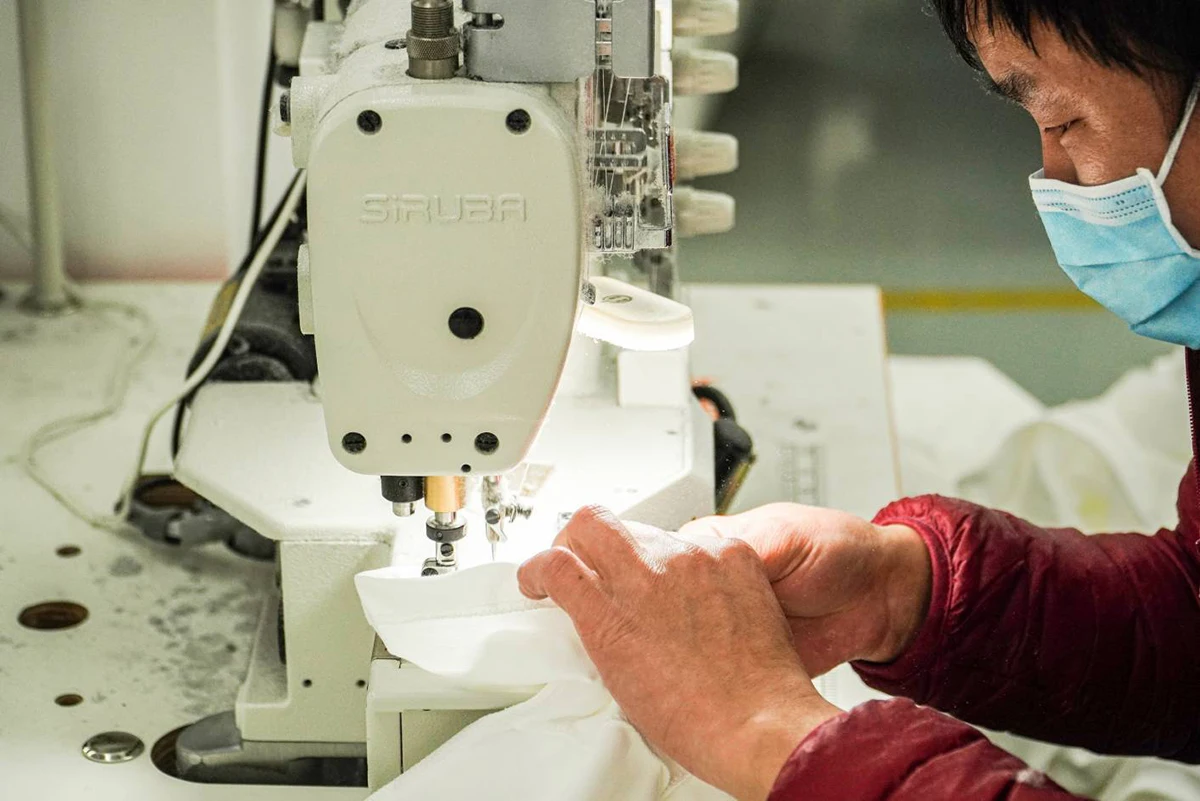
Changsha Billie Clothes Co., Ltd.
- Trading Company
- Hunan, China
- Lead time15 days
- Avg. response≤ 3h
Main productsTshirt,Tanktops,Hoodies,Printing,Rhinestone transfer
Main marketsNorth America(60.00%), Domestic Market(10.00%), Northern Europe(8.00%), Southern Europe(5.00%), Southeast Asia(5.00%), Western Europe(5.00%), Eastern Europe(5.00%), Eastern Asia(2.00%)

Neijiang Binduo Trading Co., Ltd.
- Trading Company
- Sichuan, China
- Lead time0 days
- Avg. response≤ 6h
Main productsT-shirts,pants,Pajamas,underwear,bags
Main marketsNorth America(40.00%), Central America(25.00%), Southeast Asia(20.00%), South Asia(10.00%), Mid East(5.00%)
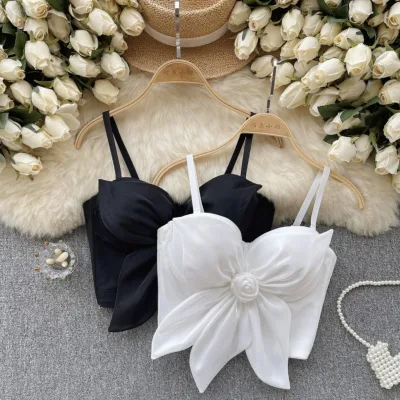
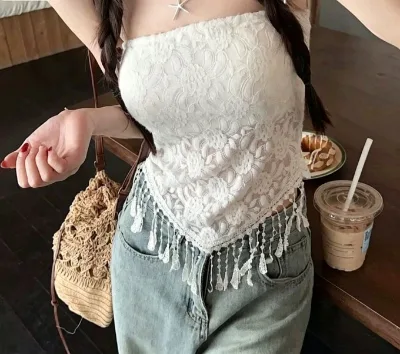
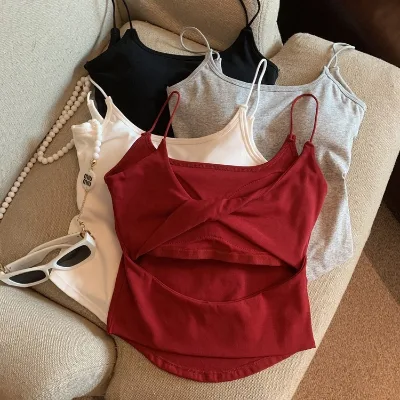
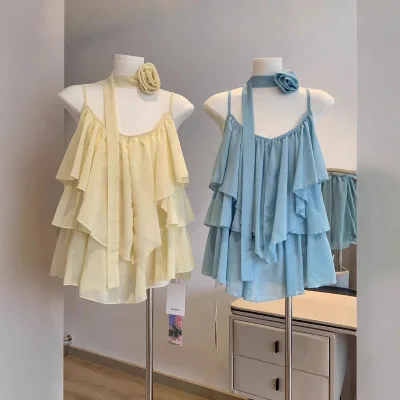
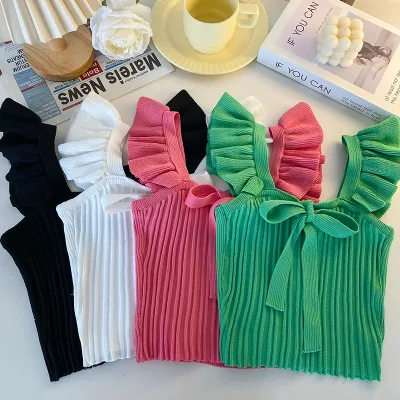
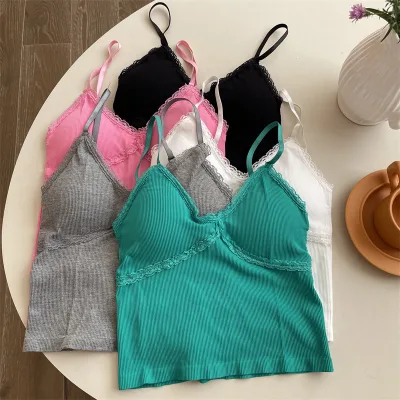
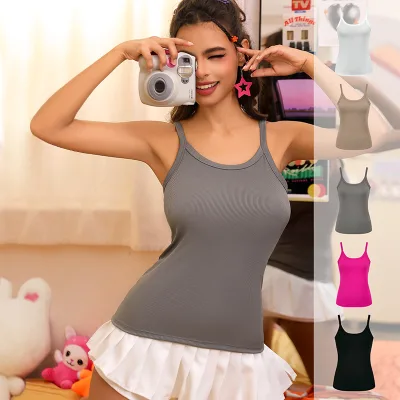
Lightweight Sexy Camisoles Build in Bra Sale Seamless Design Comfort Soild Casual Camisoles
$2.3713 - $2.5781
MOQ: 2 pieces
Ma'anshan Tengxin Import And Export Trading Co., Ltd.
- Trading Company
- Anhui, China
- Lead time0 days
- Avg. response≤ 3h
Main productsAutomotive supplies,Cleaning supplies
Main marketsNorth America(70.00%), Northern Europe(4.00%), Western Europe(4.00%), Mid East(4.00%), Oceania(4.00%), Southeast Asia(4.00%), Eastern Europe(4.00%), South America(4.00%), Southern Europe(2.00%)

Jiangmen Neiyishe Garment Co., Ltd
- Verified by CTI
- Combined
- China Guangdong
- Lead time15 days
- Avg. response≤ 25h
Main productsUnderwear, Women Underwaer, Panty, Lace Underwear, Thong, Period Underwear, Plush Underwear
Main marketsDomestic

Shantou Junying Clothing Co., Ltd.
- Verified by SGS
- Combined
- China Guangdong
- Lead time30 days
- Avg. response≤ 13h
Main productsBra
Main marketsSouth America


$5.90 - $6.44
MOQ: 500 Pieces


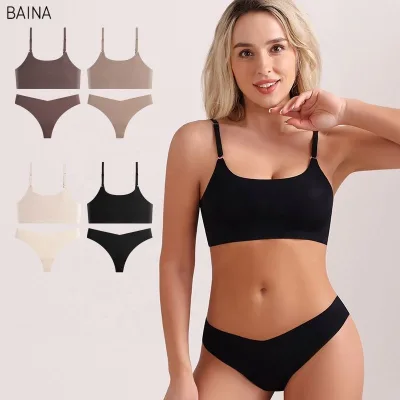
Seamless Shaping Adjustable Strap Breathable Soft Comfort Women Camisole with Chest Pad
$4.60 - $4.80
MOQ: 2000 Pieces

Fashionable Sexy Smooth Soft Bare Feel Full Side Coverage Comfortable Breathable Camisole
$4.60 - $4.80
MOQ: 1000 Pieces

Changsha Meicaian E-Commerce Co., Ltd.
- Trading Company
- Hunan, China
- Lead time0 days
- Avg. response≤ 3h
Main productswomen clothes,women accessories,women bags,backpacks
Main marketsNorth America(80.00%), Eastern Europe(15.00%)

Dongyang Rihope Import and Export Co., Ltd
- Trading Company,Manufacturer/Factory
- China Zhejiang
- Lead time60 days
- Avg. response≤ 14h
Main productsSeamless Sportswear Seamless Underwear, Seamless Shapewear Knitting Garments, Women's Activewear
Main marketsSouth America,Eastern Europe,Mid East,North America,Western Europe


Womens Seamless Knitted Camisole with Built-in Cups & Adjustable Straps OEM/ODM
$5.15 - $535.00
MOQ: 600 PCS
Foshan Jianwei Apparel Co., Ltd.
- Verified by Intertek
- Manufacturer, Trading Company
- Lead time2 days
- Avg. response≤ 2h
Main productsBodysuit, Body Shapewear, Waist Trainer, Corset, Waist Cincher
Main marketsNorth America(20%), Domestic Market(15%), Southeast Asia(10%)

Henan Songzhi Import And Export Co., Ltd.
- Trading Company
- Henan, China
- Lead time12 days
- Avg. response≤ 3h
Main productsSexy lingerie,sexy sleepwear,women underwear/panty,pajamas& Loungewear,Women Bra Set
Main marketsNorth America(23.00%), South America(21.00%), Eastern Europe(11.00%), Southeast Asia(10.00%), Africa(6.00%), Oceania(5.00%), Domestic Market(3.00%), South Asia(3.00%), Southern Europe(3.00%), Northern Europe(3.00%), Central America(3.00%), Western Europe(3.00%), Eastern Asia(3.00%), Mid East(3.00%)
Dongguan Eloom Fashion Co., Ltd.
- Manufacturer, Trading Company
- Guangdong, China
- Lead time30 days
- Avg. response≤ 3h
Main productsDress,Tops,Blazer,Skirt,Pants
Main marketsWestern Europe(30.00%), Oceania(30.00%), North America(30.00%), Mid East(10.00%)

SHANTOU HUICHEN FASHIONS CO.,LTD.
- Combined
- China Guangdong
- Lead time60 days
- Avg. response≤ 8h
Main productsUnderwear, Bra, Sexy Lingerie, Sexy Babydoll, Wireless Bra, Sport Bra, Bra & Panty Set, Underwear Set, Sexy Lingerie Set
Main marketsSouth America,Africa,Europe,North America

Zhejiang Shenlong International Co., Ltd.
- Trading Company
- China Zhejiang
- Lead time0 days
- Avg. response≤ 3h
Main productsUnderwear, Seamless Underwear, Underwear Set, Seamless Inner Wear, Seamless Wear, Undergarment, Bath Towel, Beach Towel, Face Towels, Leggings
Dongguan Love Double Apparel Co., Ltd.
- Trading Company
- Guangdong, China
- Lead time0 days
- Avg. response≤ 3h
Main productsCasual Dresses, Women's Sets, Women's Coats, Women's Blouses & Shirts, Women's Pants & Trousers
Main marketsSouth Asia(5.00%), Western Europe(5.00%), North America(2.00%), Southern Europe(2.00%), Africa(2.00%), Eastern Europe(2.00%), South America(1.00%), Mid East(1.00%)
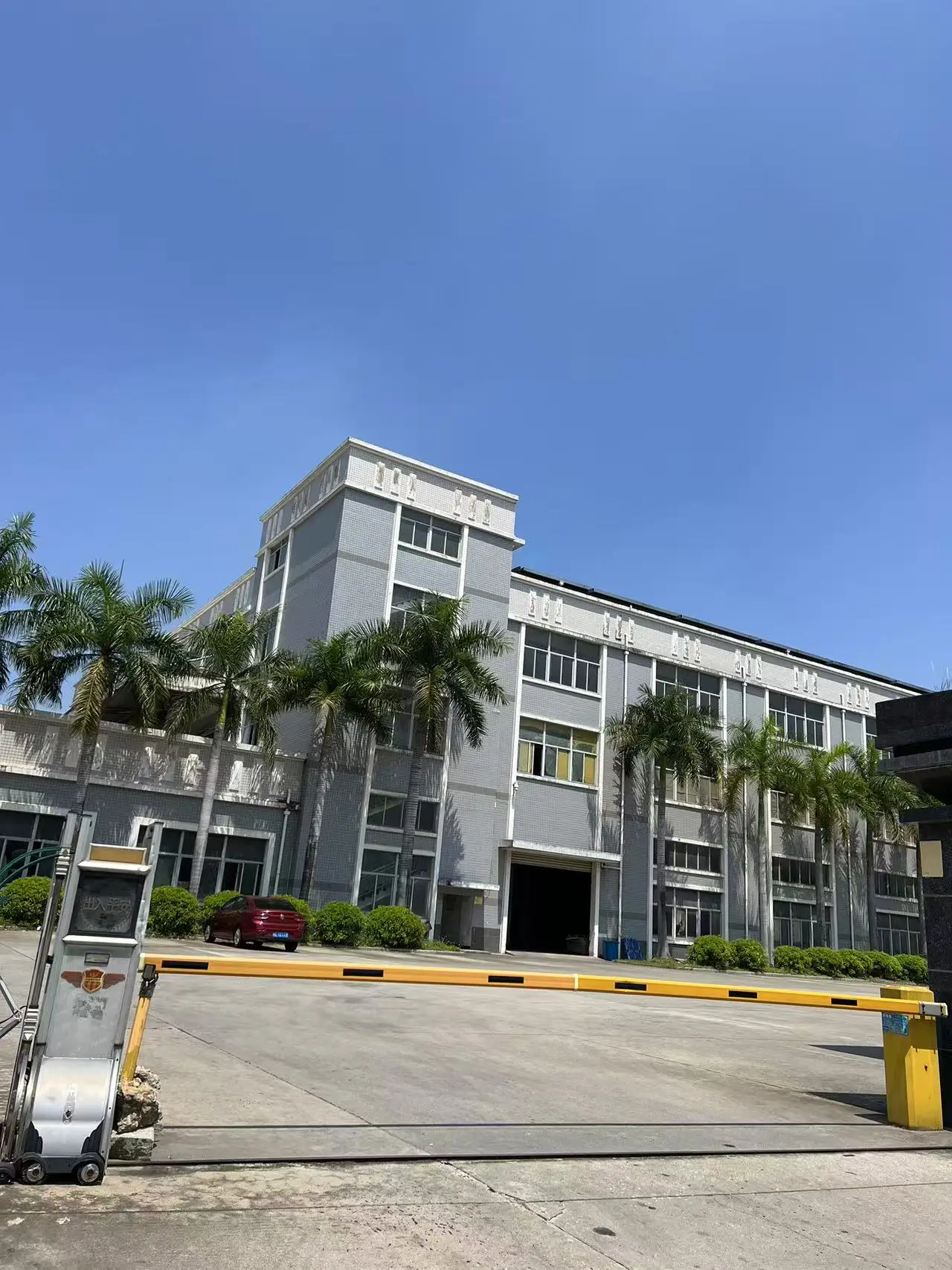
Zhangzhou Longwen Anyu Trading Co., Ltd.
- Trading Company
- Fujian, China
- Lead time15 days
- Avg. response≤ 4h
Main productsFashion clothing,women's clothing,swimsuit,Yoga Wear,socks
Main marketsNorth America(70.00%), Western Europe(20.00%), Central America(5.00%), Africa(5.00%)
Haikou Longhua Lanqingxue E- Commerce Firm
- Trading Company
- Hainan, China
- Lead time30 days
- Avg. response≤ 5h
Main productscloth,bodysuits jumpsuits,hoodies jogger,women tops,cosmetics
Main marketsNorth America(35.00%), Northern Europe(25.00%), South America(15.00%), Southern Europe(7.00%), Africa(6.00%), South Asia(5.00%), Southeast Asia(5.00%), Mid East(5.00%), Eastern Asia(4.00%), Western Europe(2.00%), Domestic Market(2.00%), Oceania(1.00%)
- Trading Company
- Zhejiang Province, China
- Lead time10 days
- Avg. response≤ 3h
Main productsdress,shirt,tops,Jacket,Pants
Main marketsEastern Asia(20.00%), Northern Europe(20.00%), North America(10.00%), Africa(10.00%), Western Europe(10.00%), Southern Europe(10.00%), Eastern Europe(5.00%), Southeast Asia(5.00%), Mid East(5.00%), Central America(5.00%)

Taizhou Glory Import & Export Co., Ltd.
- Trading Company
- Jiangsu, China
- Lead time10 days
- Avg. response≤ 10h
Main productslingeries,pajamas,corsets,beach wear,islamic clothes
Main marketsNorth America(30.00%), South America(15.00%), Southeast Asia(10.00%), Northern Europe(5.00%), Central America(5.00%), Western Europe(5.00%), Eastern Asia(5.00%), Southern Europe(5.00%), Oceania(5.00%), Africa(5.00%), Eastern Europe(5.00%), South Asia(3.00%), Mid East(2.00%)

- Verified by SGS
- Trading Company
- China Zhejiang
- Lead time30 days
- Avg. response≤ 3h
Main productsBlazers, Dress, Jumpsuits&Bodysuits, Bottoms&Pants, Blouses, Sportswear, Skirts, Tops, T-Shirts, Coats&Jackets
Main marketsEurope,Australia,North America

Dongguan weiyizao import and Export Co., Ltd.
- Verified by BV
- Trading Company,Manufacturer/Factory
- China Guangdong
- Lead time45 days
- Avg. response≤ 11h
Main productsUnderwear, Sportwear, Seamless Underwear, Mould Bra, Nursing Bra, Panty, Garment Accessories, Garment Decoration-Jewelry, Bra Strap, Belt
Main marketsSouth America,Eastern Europe,Mid East,North America,Southeast Asia,Eastern Asia,Oceania,Western Europe,Africa


Comfort Solid Color Camisole & Lingerie Set Best Cotton Quality and Printed Brief
$4.98 - $5.38
MOQ: 3000 set
Henan Chengbai Network Technology Co., Ltd.
- Trading Company
- Henan, China
- Lead time7 days
- Avg. response≤ 4h
Main productsKitchen supplies,Toy,Arts and Crafts,Home textiles,Consumer electronics
Main marketsNorth America(19.00%), South America(14.80%), Eastern Europe(12.10%), Northern Europe(8.30%), Southern Europe(7.30%), Western Europe(7.20%), Africa(6.00%), Central America(5.30%), Eastern Asia(5.30%), Southeast Asia(4.80%), Domestic Market(4.20%), Oceania(2.10%), South Asia(1.90%), Mid East(1.70%)
Yuanyang Baina Trading Co., Ltd.
- Trading Company
- Henan, China
- Lead time0 days
- Avg. response≤ 3h
Main productsMen's clothing,women's clothing,gift decoration,artificial flowers,shoes
Main marketsCentral America(10.00%), Eastern Asia(10.00%), Mid East(10.00%), Oceania(10.00%), Africa(10.00%), Southeast Asia(10.00%), Eastern Europe(10.00%), South Asia(10.00%), South America(10.00%), North America(10.00%), Domestic Market(5.00%), Northern Europe(5.00%)
Shantou City Bai Mu Underwear Industrial Co., Ltd.
- Verified by Intertek
- Manufacturer, Trading Company
- Lead time7 days
- Avg. response≤ 3h
Main productsWomen's Panties, Men's Boxers, Women's Tank Tops, Bodysuit, Women's Long Dress
Main marketsNorth America(42%), Eastern Europe(20%), Domestic Market(15%)

Quanzhou Weibo Clothing Co., Ltd.
- Verified by BV
- Manufacturer
- China Fujian
- Lead time15 days
- Avg. response≤ 2h
Main productsBra, Underwear, Nipple Covers, Breast Pads, Lingerie, T Shirt, Resin Craft, Ceramic
Main marketsSouth America,Southeast Asia/ Mideast,East Asia(Japan/ South Korea),Europe,Australia,North America

Blue Skier Knitted Underwear Factory
- Verified by SGS
- Trading Company
- China Guangdong
- Lead time30 days
- Avg. response≤ 6h
Main productsNurs, Our Factory Mainly Deals in Maternity Bras, Pregnancy Bra, Plus-Size Front-Hook Bra, Seamless Vest, Tummy Control Pure Cotton Panties, Women's Thermal Vest Men's Thermal Vest Thermal, Women's Lace Bandeau, One-Piece Seamless Bra
Main marketsDomestic


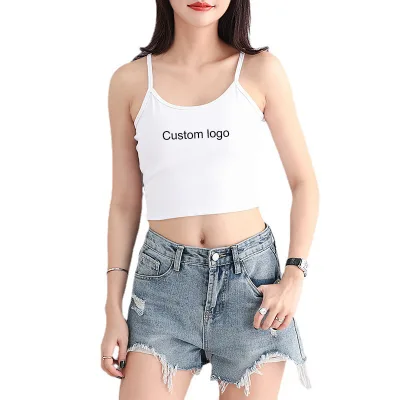
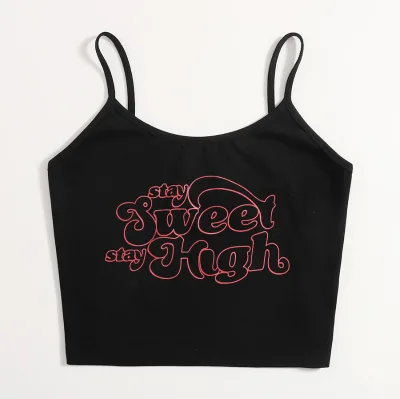
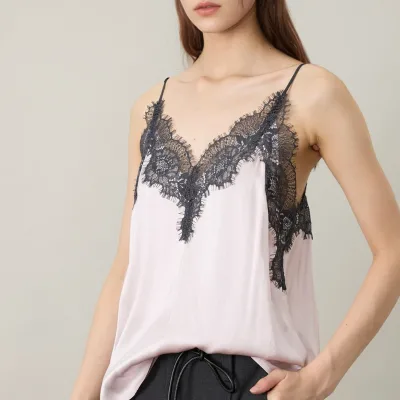
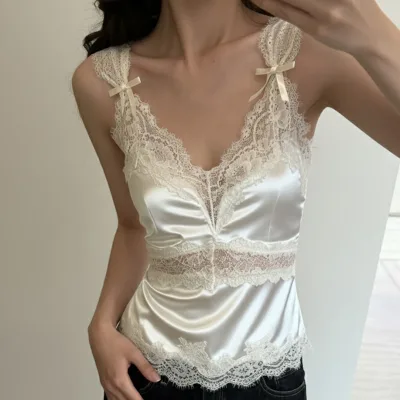


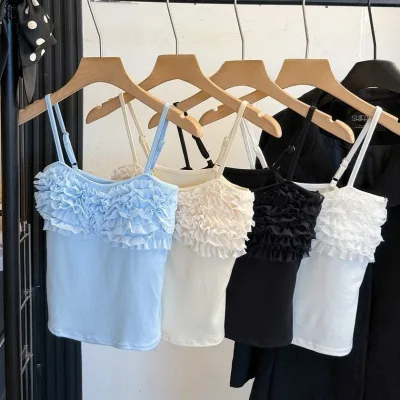

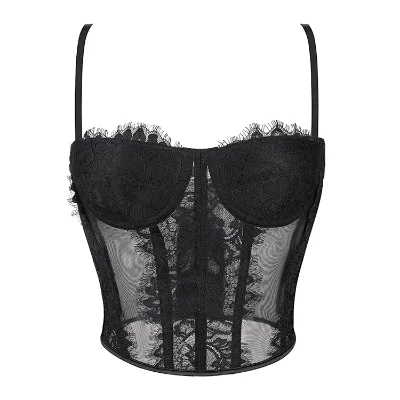
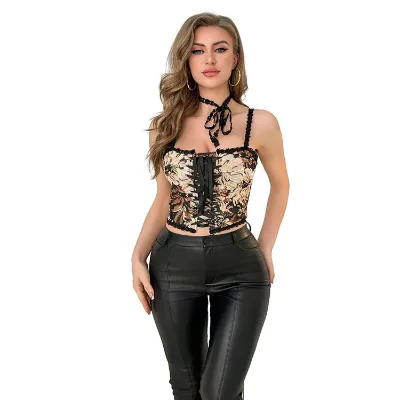
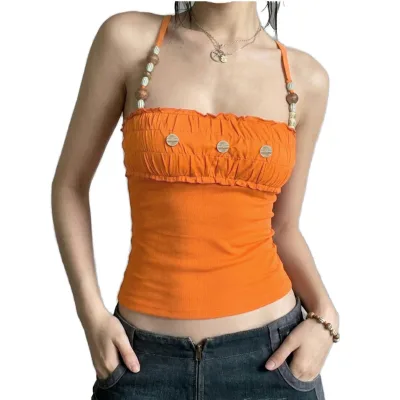
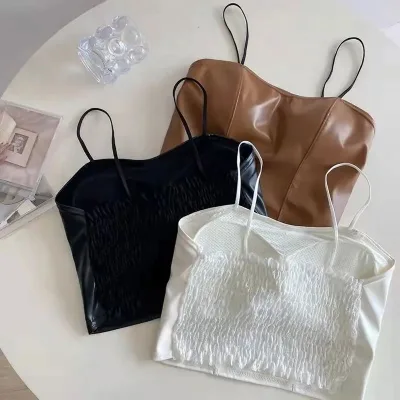
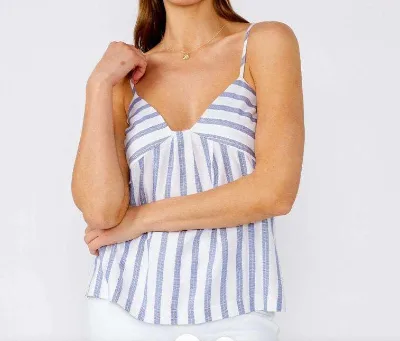
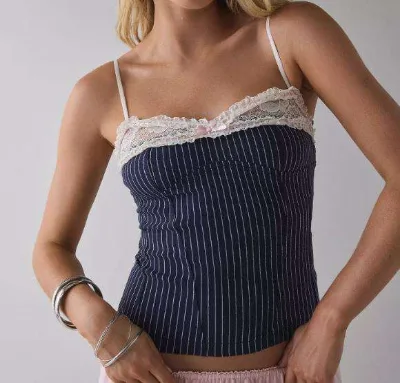



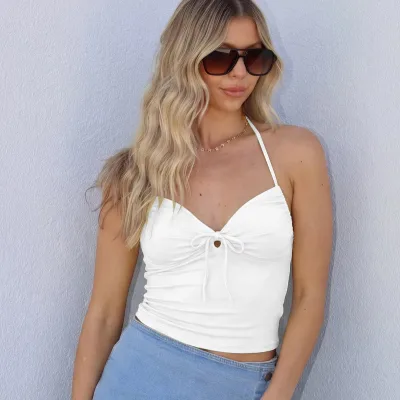

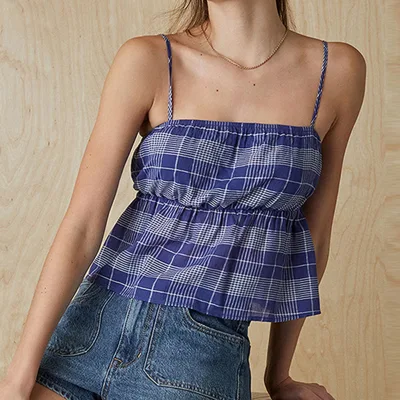
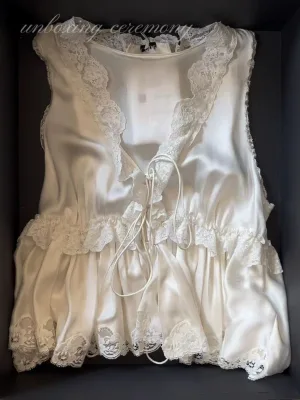
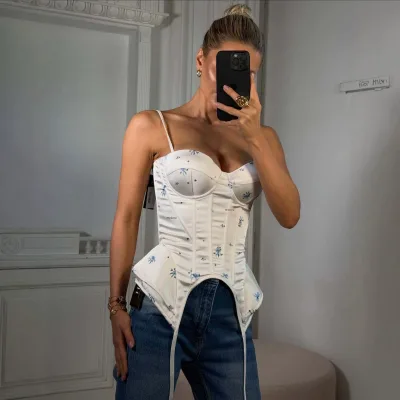
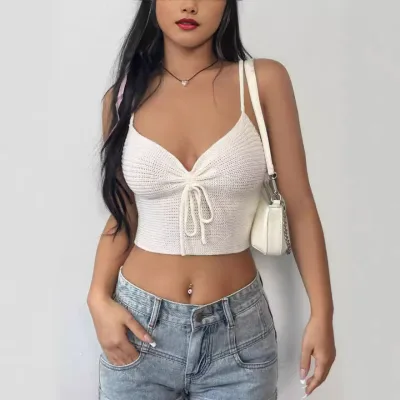
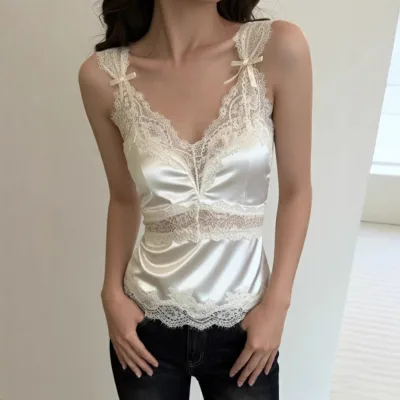
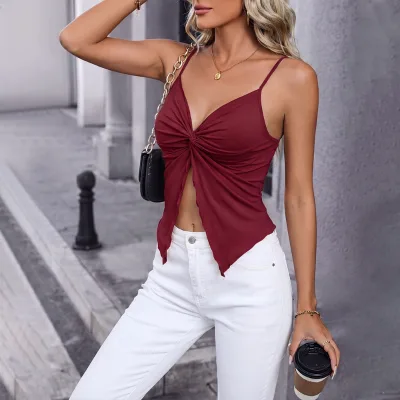

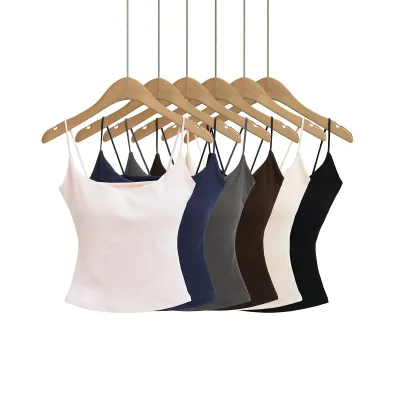

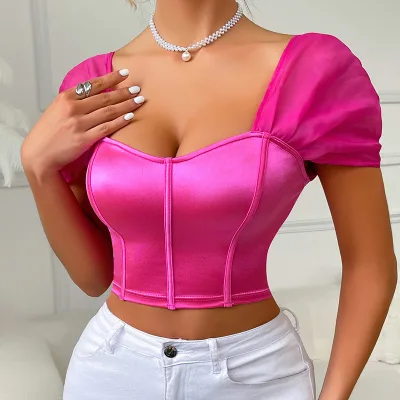



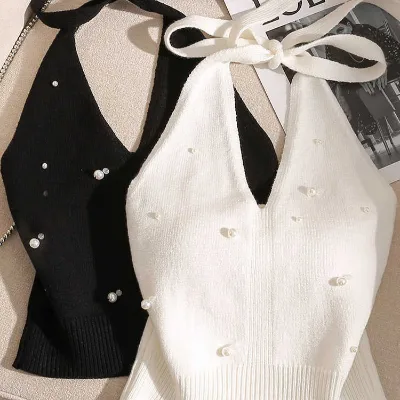
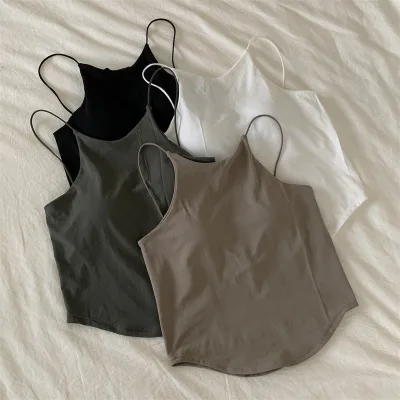
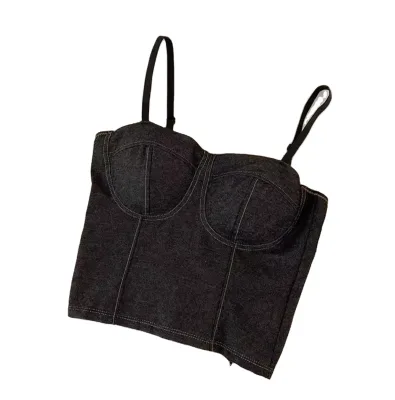


Comprehensive Sourcing Guide
Eco-Friendly Crop Satin Strap Camisole Supplier Concentration and Factory Types
The current supplier landscape for eco-friendly crop satin strap camisoles reveals a diverse mix of manufacturing capabilities concentrated primarily in specific Chinese provinces. Data indicates that suppliers are located in regions such as Zhejiang, Shandong, and Hunan, each offering distinct advantages for sourcing. Zhejiang-based entities often present a broad range of knitwear and accessory options, suggesting a mature industrial cluster for textile production. These suppliers frequently list main products that include various sweater types and knitting accessories, indicating a strong foundational capability in fabric manipulation and garment construction. This concentration allows buyers to potentially consolidate orders or compare multiple vendors within a single geographic hub, streamlining the initial vetting process. The presence of these suppliers in Zhejiang highlights the region's established infrastructure for apparel manufacturing, which can be leveraged for efficient communication and logistics.
In contrast, suppliers in Shandong and Hunan offer different operational profiles that may better suit specific sourcing needs. Shandong-based suppliers are identified as trading companies, which can provide a curated selection of products like merino wool camisoles, potentially simplifying the procurement process for buyers who prefer a single point of contact. Meanwhile, Hunan-based suppliers focus on items like printed tank tops and camisoles, emphasizing customization services such as rhinestone transfers and embroidery. This variety in company types, ranging from other manufacturing entities to trading companies, means buyers must carefully assess whether they need direct factory access or the flexibility of a trading partner. Understanding these factory types is crucial, as it influences pricing structures, communication channels, and the level of control a buyer has over the production process. The diversity in supplier types ensures that buyers can find partners aligned with their specific volume and customization requirements.
How to Verify Eco-Friendly Crop Satin Strap Camisole Suppliers
Verifying the legitimacy and capability of suppliers requires a multi-layered approach that goes beyond basic profile reviews. Buyers should prioritize suppliers who display specific verification badges, such as CTI verification, which adds a layer of trust regarding the company's operational status. Additionally, examining the system certifications listed by suppliers is essential for ensuring compliance with international standards. Many suppliers in this category hold certifications such as WRAP, BSCI, ISO 9000, ISO 14001, and ISO 9001, which indicate adherence to quality management and environmental standards. These certifications are particularly relevant for eco-friendly products, as they suggest a commitment to sustainable practices and ethical labor conditions. Buyers should request copies of these certificates and verify their validity through the issuing bodies to ensure they are current and applicable to the specific products being sourced.
Response time and production capacity are also critical indicators of a supplier's reliability and operational efficiency. Suppliers with faster response times, such as those averaging under three hours, often demonstrate better customer service and more agile communication channels. This is crucial for resolving issues quickly and maintaining a smooth supply chain. Furthermore, buyers should assess the supplier's ability to handle OEM and ODM requests, as this indicates flexibility in product development and customization. Some suppliers explicitly list OEM and ODM capabilities, which is vital for buyers seeking unique designs or private label opportunities. It is also important to verify the supplier's main products to ensure they have specialized expertise in camisoles and related apparel, rather than offering a generic, unfocused catalog. This specialization often correlates with higher quality control and better understanding of fabric properties, which is essential for satin and knit materials.
What to Compare Across Eco-Friendly Crop Satin Strap Camisole Suppliers
When evaluating multiple suppliers, buyers must compare key operational metrics to determine the best fit for their business needs. Lead time is a significant factor, with some suppliers offering production times as short as fifteen days, while others may require up to forty-five days. This variance can impact inventory planning and time-to-market strategies, making it essential to align supplier lead times with sales forecasts. Additionally, the minimum order quantity (MOQ) varies across suppliers, ranging from one hundred pieces to three hundred pieces or more. Buyers with smaller initial orders may need to seek suppliers with lower MOQs, while those planning large-scale production might negotiate better terms with suppliers offering higher volume discounts. Comparing these metrics helps buyers identify suppliers that match their scale and speed requirements.
Pricing and customization options are also critical comparison points. The price range for camisoles can vary significantly, with some products priced between seven and eight dollars, while others may range from four to fifteen dollars depending on material and design complexity. Buyers should analyze these price points in conjunction with the material specifications, such as nylon/cotton blends or merino wool, to assess value for money. Customization availability is another key differentiator, with many suppliers offering options for custom logos, packaging, and design modifications. Buyers should inquire about the costs and lead times associated with these customizations to ensure they fit within their budget and timeline. Furthermore, comparing the supplier's response time can provide insights into their customer service quality, with faster responses often indicating a more proactive and attentive partnership.
Common Eco-Friendly Crop Satin Strap Camisole Sourcing Risks
One of the primary risks in sourcing eco-friendly crop satin strap camisoles is the potential discrepancy between claimed eco-friendly attributes and actual product composition. Buyers must carefully verify material claims, as some suppliers may use generic terms like "eco-friendly" without providing specific certifications or test results for sustainable practices. It is crucial to request detailed material breakdowns and third-party test reports to confirm the presence of organic or recycled fibers. Additionally, buyers should be cautious of suppliers who do not provide clear information about their manufacturing processes, as this can obscure potential environmental impacts. Ensuring that the supplier's certifications, such as ISO 14001, are valid and relevant to the specific production line is essential to mitigate this risk.
Another significant risk is the variability in product quality and consistency across different batches. Suppliers may offer samples that meet high standards, but mass production could result in inconsistencies in fabric weight, stitching, or color fastness. Buyers should establish clear quality control protocols and consider hiring third-party inspection services to verify product quality before shipment. Additionally, the risk of delayed shipments due to supply chain disruptions or production bottlenecks is a concern, particularly with suppliers having longer lead times. Buyers should maintain open communication with suppliers and have contingency plans in place to address potential delays. Understanding the supplier's capacity and current order volume can help assess their ability to meet deadlines consistently.
Eco-Friendly Crop Satin Strap Camisole Regional Sourcing and Logistics
Sourcing from different regions in China offers distinct logistical advantages and challenges that buyers must consider. Suppliers in Zhejiang, Shandong, and Hunan are located in areas with well-developed transportation networks, facilitating efficient shipping to global markets. However, the specific location of the supplier can impact shipping costs and transit times. Buyers should evaluate the proximity of the supplier to major ports or logistics hubs to minimize shipping expenses and reduce delivery times. Additionally, regional differences in labor costs and industrial policies can affect pricing and production capabilities. Understanding these regional dynamics helps buyers make informed decisions about where to source their products.
Logistics planning also involves considering the packaging and handling requirements of the products. Some suppliers offer customized packaging options, which can enhance brand presentation but may add to the overall cost and complexity of the supply chain. Buyers should work with suppliers to optimize packaging for both protection and efficiency, ensuring that products arrive in good condition while minimizing waste. Furthermore, buyers should be aware of any regional restrictions or regulations that may affect the import of textile products into their target markets. Compliance with these regulations is essential to avoid delays or penalties at customs. By carefully planning logistics and considering regional factors, buyers can streamline their supply chain and reduce overall costs.
Eco-Friendly Crop Satin Strap Camisole Commercial Terms and Order Planning
Commercial terms and order planning are critical components of a successful sourcing strategy. Buyers should negotiate clear payment terms, such as using escrow services to protect their funds until the goods are received and verified. This provides a layer of security and ensures that the supplier fulfills their obligations before payment is released. Additionally, buyers should establish clear agreements on delivery schedules, quality standards, and dispute resolution mechanisms. These terms should be documented in the purchase contract to avoid misunderstandings and ensure both parties are aligned on expectations. Flexibility in order planning, such as allowing for partial shipments or staggered deliveries, can also help manage inventory and cash flow more effectively.
Order planning should also consider the supplier's capacity and lead times to ensure timely delivery. Buyers should communicate their volume requirements and any seasonal peaks in advance to allow the supplier to prepare adequately. This proactive approach helps prevent production bottlenecks and ensures that orders are fulfilled on time. Furthermore, buyers should maintain a diversified supplier base to mitigate risks associated with relying on a single source. By building strong relationships with multiple suppliers, buyers can leverage competition to secure better terms and ensure continuity of supply. Regularly reviewing and updating supplier performance metrics helps identify areas for improvement and ensures that the sourcing strategy remains aligned with business goals.
FAQs
What is the typical lead time for these camisoles?
Manufacturers generally require 15 to 45 days for production. Specific timelines depend on order volume and customization needs. Some suppliers offer faster turnaround for standard items, while others with complex requirements may take longer. Buyers should confirm exact dates before placing orders.
What materials are commonly used for these tops?
Common materials include nylon, cotton, and merino wool blends. Some options feature satin or breathable eco-friendly fabrics. Buyers can choose based on season and comfort preferences. Custom material requests are often available through OEM services, allowing for specific texture and durability requirements.
What is the minimum order quantity for these items?
Minimum order quantities typically range from 100 to 300 pieces. Lower MOQs may apply for standard stock items, while higher volumes are required for custom designs. Buyers should verify specific requirements with suppliers to ensure alignment with their inventory planning and budget constraints.
Are these camisoles suitable for summer wear?
Yes, many options are designed specifically for summer. Features include breathable fabrics, short lengths, and light materials like cotton or nylon blends. These designs ensure comfort in warm weather. Buyers should check product attributes to confirm seasonal suitability and fabric breathability for their needs.
Do suppliers offer customization services?
Most suppliers provide OEM and ODM customization services. Buyers can request custom logos, packaging, and specific design modifications. This flexibility allows for brand alignment and unique product offerings. It is advisable to discuss customization details and potential additional costs directly with the supplier.