Elegant A-Line Chiffon Evening Dress Suppliers and Manufacturers
Explore 30 verified suppliers offering elegant a-line chiffon evening dresses with ODM capabilities and digital printing options. Compare response times, lead times, and certifications like SGS or TüVRheinland before requesting samples or placing orders; review the available evidence before requesting comparable quotations from suitable candidates.
Updated
Suppliers List

Guangzhou Mingyu Manufacturing Co., Ltd
- Verified by SGS
- Trading Company
- China Guangdong
- Lead time15 days
- Avg. response≤ 1h
Main productsCoat, Dress, Trousers
Main marketsDomestic
Dengzhou Dingding Red Clothing Co., Ltd.
- Verified by TüVRheinland
- Trading Company
- Lead time7 days
- Avg. response≤ 2h
Main productsSuits, Zhongshan Suits, Wedding Dresses, Trench Coat, Jacket
Main marketsDomestic Market(78%), North America(10%), Africa(6%)
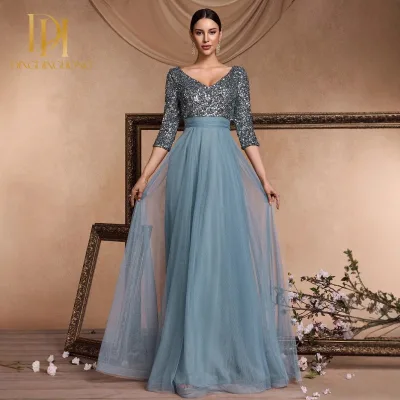
$52.00 - $60.00
MOQ: 2 pieces
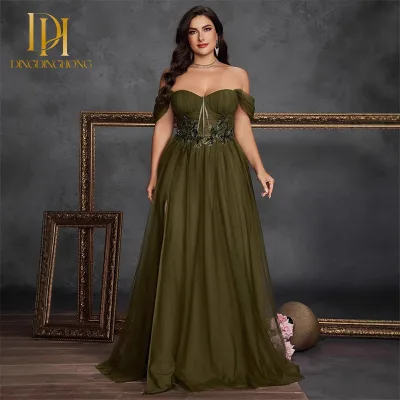
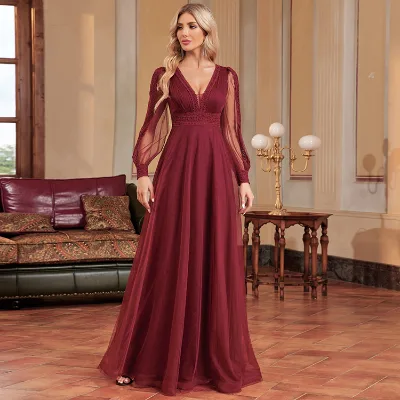
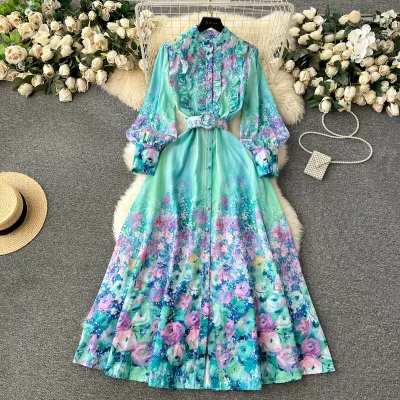
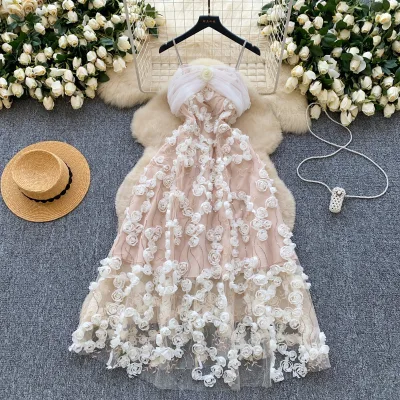
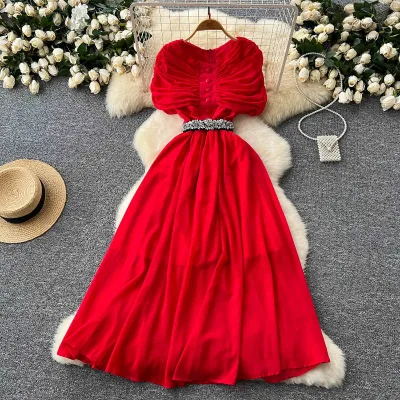
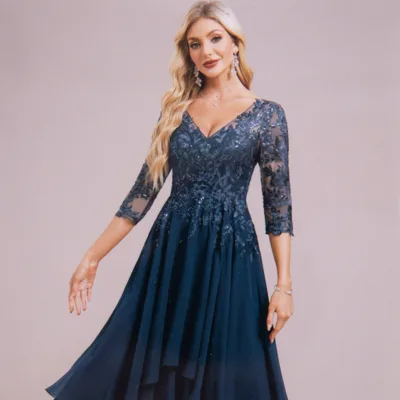
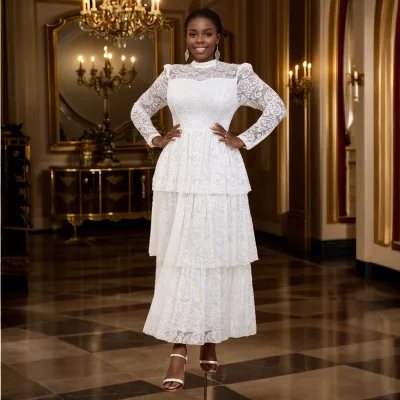
Elegant Long Dress for Formal Dinner, Embroidered A-line Delicate Chiffon Lace Plain Dress
$70.41 - $76.41
MOQ: 2 pieces
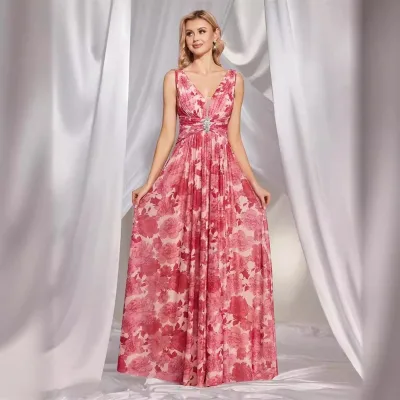
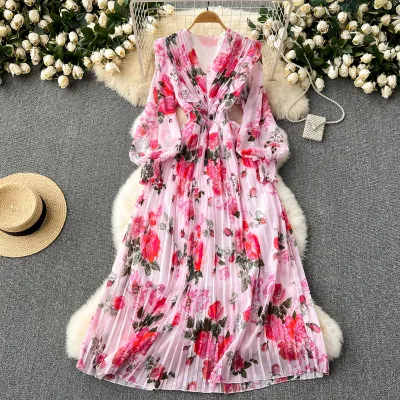
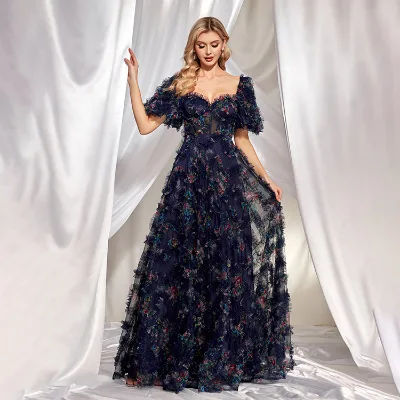
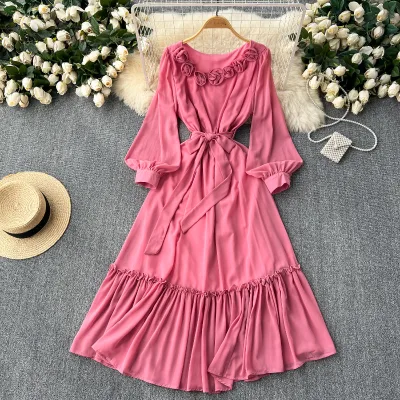
A Slender Long Chiffon Dress for Women with a V-neck and pink Printed Evening Gown
$52.25 - $58.25
MOQ: 2 pieces
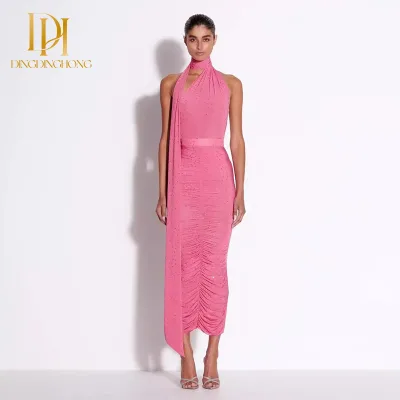
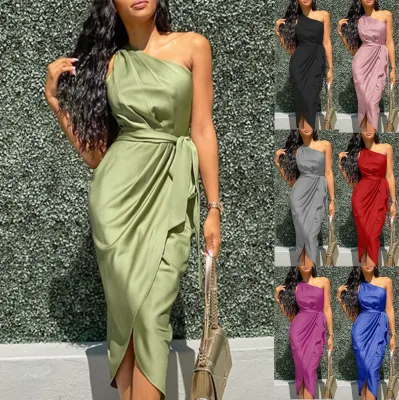
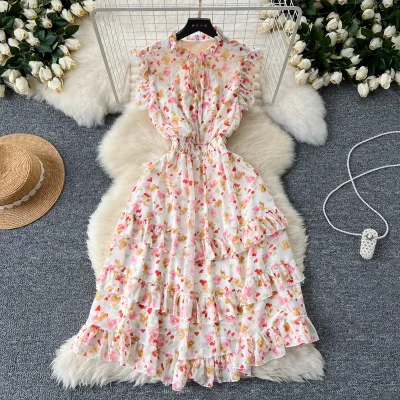
An Elegant A-line Chiffon High-neck Natural Waistline Crossover Summer Dress
$30.00 - $35.00
MOQ: 2 pieces
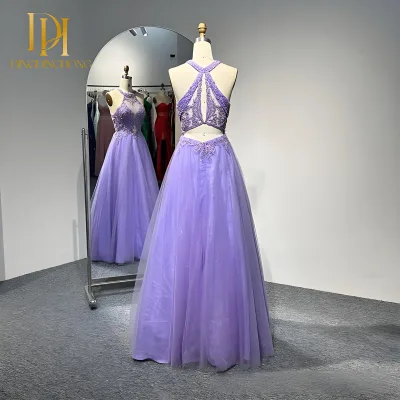
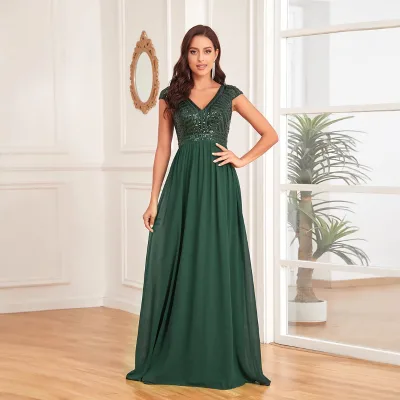
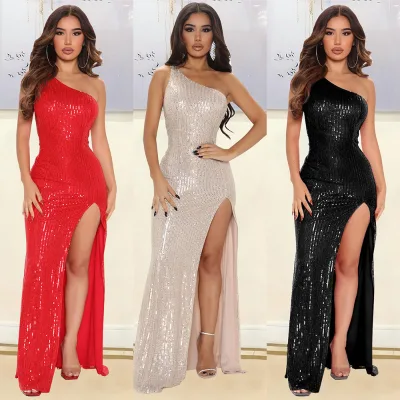
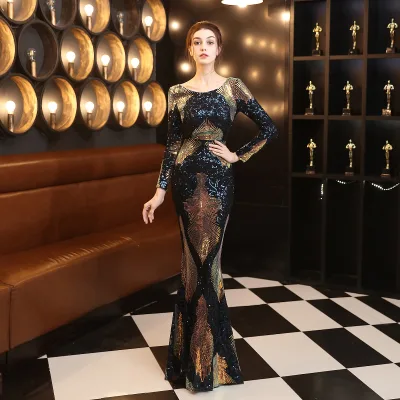
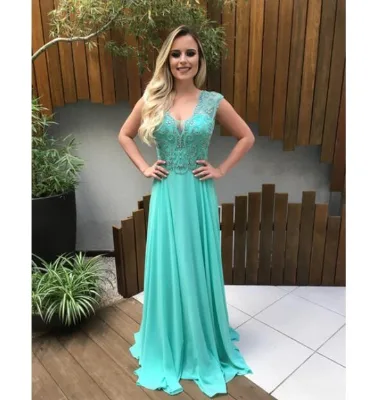
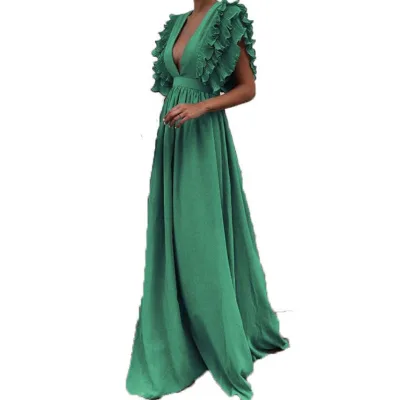
A Green Form-fitting Mermaid Evening Dress for Ladies, Featuring a Chiffon Cap
$48.86 - $54.86
MOQ: 2 pieces

Guangzhou Panyu district south village Jinluoxuan clothing factory
- Verified by CTI
- Combined
- China Guangdong
- Lead time15 days
- Avg. response≤ 17h
Main productsOutfit, Sequin Evening Gown
Main marketsDomestic

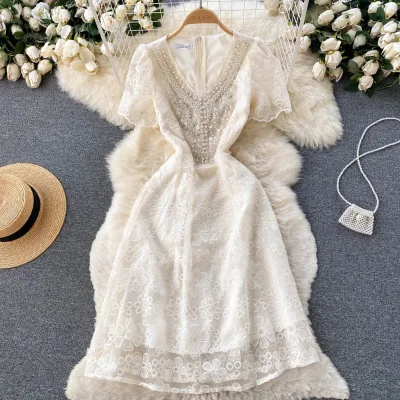
Beaded Lace Patchwork Chiffon Short Sleeve V-Neck A-Line Formal Evening Gown Dress
$25.00 - $26.00
MOQ: 50 Pieces


Chic Short Evening Dress with Balanced Stretch and Structure for Elegant Comfort
$25.00 - $26.00
MOQ: 50 Pieces


Budget-Friendly Glitter Evening Dress with Lightweight Fabric and Comfortable Fit
$25.00 - $26.00
MOQ: 50 Pieces

- Verified by CTI
- Trading Company
- China Anhui
- Lead time23 days
- Avg. response≤ 2h
Main productsFurniture, Home Furniture
Main marketsSoutheast Asia/ Mideast
Xinxiang Baiyin Clothing Co., Ltd.
- Trading Company
- Henan, China
- Lead time15 days
- Avg. response≤ 3h
Main productsGarment making,Costume printing,Clothing sales
Main marketsSouth America(35.00%), Domestic Market(5.00%), North America(5.00%), South Asia(5.00%), Southern Europe(5.00%), Northern Europe(5.00%), Central America(5.00%), Western Europe(5.00%), Eastern Asia(5.00%), Mid East(5.00%), Oceania(5.00%), Africa(5.00%), Southeast Asia(5.00%), Eastern Europe(5.00%)

Dongguan Xiuyu Fashion Garment Co., Ltd.
- Verified by TUVRHEINLAND
- Combined
- China Guangdong
- Lead time15 days
- Avg. response≤ 5h
Main productsSuit, Dress, Hoodie, T-Shirt, Jeans, Trousers, Skirt, Top, Shorts, Blazer
Main marketsEurope,Australia,North America

Elegant Plus Size Women's Floral Chiffon Evening Dress with Long Sleeves
$10.80 - $18.90
MOQ: 50 pieces


Women's Casual Sleeveless Summer Floral Dress Cute Long Evening Guest Dress
$10.30 - $12.30
MOQ: 100 pieces

Spring Summer Chiffon One-Piece Deep V-Neck Sleeveless High Waist Long Evening Dress
$18.60 - $22.80
MOQ: 100 pieces


- Verified by CTI
- Trading Company
- China Zhejiang
- Lead time15 days
- Avg. response≤ 6h
Main productsJewelry, Brooch, Belt, Necklace, Agent, Bracelet, China Trim, China Ring, China Hair Accessory, China Earring
Main marketsSouth America

Suzhou Leader Apparel Co., Ltd.
- Combined
- China Jiangsu
- Lead time23 days
- Avg. response≤ 3h
Main productsWedding Dress Manufacturer, Custom Wedding Dresses, Evening Dress, Prom Dress, Ball Gown, Mother of The Bride Dress, Bridesmaid Dress, Stock Flower Girl Dress, Men Suits, Dresses
Main marketsSouth America,Domestic,Europe,Australia,North America


Simple Prom Party Cocktail Gown A-Line Chiffon Bridesmaid Evening Dress Z212
$30.00 - $99.00
MOQ: 1 Pieces


Celebrity Dresses Cocktail Party Prom Gowns Chiffon Evening Dress Ld11541
$89.00 - $139.00
MOQ: 1 Pieces

Guangzhou Jingsheng Garment Co., Ltd.
- Verified by CTI
- Trading Company
- China Guangdong
- Lead time15 days
- Avg. response≤ 19h
Main productsGarment
Main marketsDomestic,Australia,North America


Custom Fashion Women Sexy Evening Party Club Dresses Ladies Casual Ruffle Sleeve Chiffon Dress
$7.80 - $11.60
MOQ: 200 Pieces

Fashion Women Evening Dress with Tie Chiffon OEM Top Quality Summer Casual Dress for Ladies
$8.80 - $12.80
MOQ: 200 Pieces


2022 Fashion New Summer Casual Boho Chiffon Party Dresses Clothing High Quality Evening Party Dress
$7.00 - $9.80
MOQ: 200 Pieces

$9.80 - $11.20
MOQ: 200 Pieces
Guangzhou Yijiayi Clothing Supply Chain Management Co., Ltd.
- Verified by SGS Group
- Manufacturer, Trading Company
- Lead time0 days
- Avg. response≤ 1h
Main productsWomens dresses, Womens party wear, Party Dresses, Evening dresses, Prom dresses
Main marketsDomestic Market(60%), North America(15%), Mid East(10%)
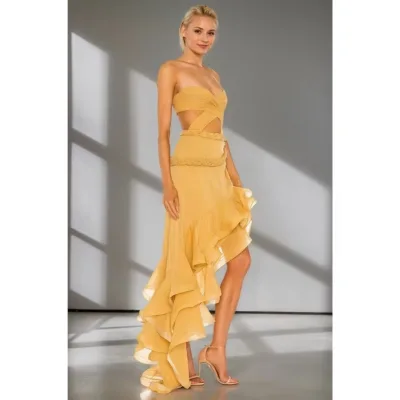
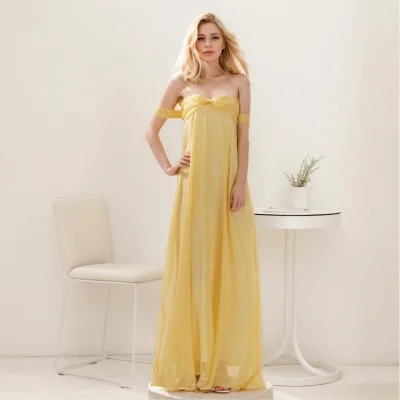
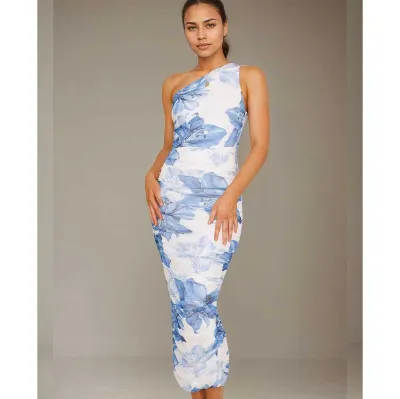
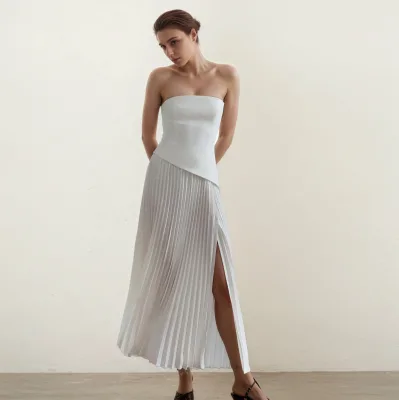
$15.4442 - $16.7828
MOQ: 5 pieces
Dongguan Bafinasa Garments Co., Ltd.
- Verified by TüVRheinland
- Manufacturer, Trading Company
- Lead time30 days
- Avg. response≤ 2h
Main productsDresses, Coats, Jackets, Pants, Base Shirt
Main marketsEastern Europe(40%), North America(30%), Oceania(10%)

Yuanyang Jiayun Department Store Co., Ltd.
- Trading Company
- Henan, China
- Lead time0 days
- Avg. response≤ 3h
Main productsWomen clothes,Bag,Shoes,Human hair,Eyelashes
Main marketsNorth America(70.00%), Africa(10.00%), Southeast Asia(5.00%)

- Verified by SGS
- Trading Company
- China Zhejiang
- Lead time15 days
- Avg. response≤ 9h
Main marketsEurope

Elegant Evening Dress Delicate Chiffon Fabric Romantic Full Skirt Backless Party Gown
$25.38 - $28.36
MOQ: 40 Pieces

Premium Summer Evening Dress Elegant Backless Design Flared High-End Wedding Guest Attire
$6.11 - $6.83
MOQ: 150 Pieces

Bestselling Bodycon Evening Gown Elegant Backless Long Dress Party Wear Women Luxury
$5.22 - $5.84
MOQ: 170 Pieces
Suzhou Zhongsheng Dress Company Limited
- Trading Company
- Jiangsu, China
- Lead time30 days
- Avg. response≤ 17h
Main productsWedding Dress,girl dress,Bedding sets,evening dress,wedding gift
Main marketsDomestic Market(7.14%), South Asia(7.14%), Southern Europe(7.14%), Northern Europe(7.14%), Central America(7.14%), Western Europe(7.14%), Eastern Asia(7.14%), Mid East(7.14%), Oceania(7.14%), Africa(7.14%), Southeast Asia(7.14%), Eastern Europe(7.14%), South America(7.14%), North America(7.14%)
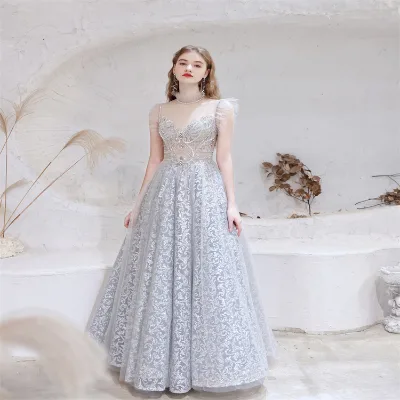
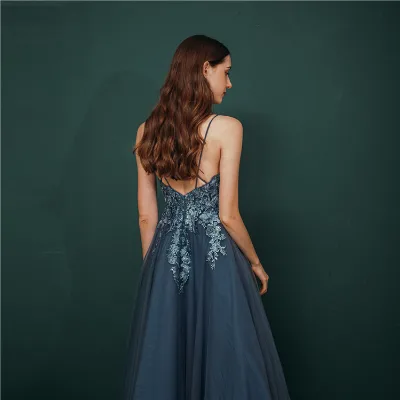
Elegant Chiffon Long Dress Lace Applique Top Cinderella Party Dress Loose Summer Dress
$74.00 - $75.00
MOQ: 1 pieces

Dongguan BIBIQ Fashion Garment Co., Ltd.
- Manufacturer, Trading Company
- Guangdong, China
- Lead time30 days
- Avg. response≤ 13h
Main productsEvening Dress,Casual Dress,Tops,Skirts,Pants
Main marketsMid East(30.00%), Western Europe(20.00%), North America(20.00%), Northern Europe(20.00%), Oceania(10.00%)
Guangzhou Impereal Garment Co., Ltd.
- Verified by SGS Group
- Manufacturer, Trading Company
- Lead time30 days
- Avg. response≤ 1h
Main productsWoman's Party Wear, Dress, Woman's Sweater, Denim, Wedding Apparel & Accessories
Main marketsWestern Europe(24%), North America(12%), Southeast Asia(12%)
Suzhou Chengjun Wedding Dress Co., Ltd.
- Manufacturer, Trading Company
- Jiangsu, China
- Lead time0 days
- Avg. response≤ 6h
Main productsWedding Dress,Prom Dress,Wvening Dress,Party Dress,Bridesmaid Dress
Main marketsWestern Europe(30.00%), North America(30.00%), South Asia(15.00%), Southeast Asia(15.00%), Northern Europe(10.00%), Southern Europe(10.00%)
Love Double Apparel (Guangdong) Co., Ltd.
- Trading Company
- Guangdong, China
- Lead time10 days
- Avg. response≤ 5h
Main productsCasual Dresses, Women's Sets, Women's Blouses & Shirts, Women's Pants & Trousers, Women's Coats
Main marketsNorth America(50.00%), Africa(30.00%), Eastern Asia(10.00%), Western Europe(5.00%), Southeast Asia(5.00%)
Dongguan Qiwei Garment Co., Ltd.
- Manufacturer, Trading Company
- Guagndong, China
- Lead time15 days
- Avg. response≤ 1h
Main productsGarment
Main marketsNorth America(40.00%), Domestic Market(20.00%), Mid East(10.00%), Southeast Asia(10.00%), South Asia(8.00%), South America(7.00%), Eastern Europe(5.00%)

Qingdao Yuyi Industry and Trade Co., Ltd.
- Verified by SGS
- Combined
- China Shandong
- Lead time30 days
- Avg. response≤ 2h
Main productsClothes
Main marketsDomestic
Guangzhou I-Cube Clothing Limited Company
- Manufacturer, Trading Company, Agent
- Guangdong, China
- Lead time15 days
- Avg. response≤ 3h
Main productsKnitwear,Dresses,Coats & Jackets,Trousers & Skirts,Shirts & Blouses
Main marketsNorth America(30.00%), South America(20.00%), Western Europe(15.00%), Southern Europe(5.00%), Northern Europe(5.00%), Eastern Europe(5.00%), Eastern Asia(5.00%), Mid East(5.00%), Oceania(5.00%), Southeast Asia(5.00%)
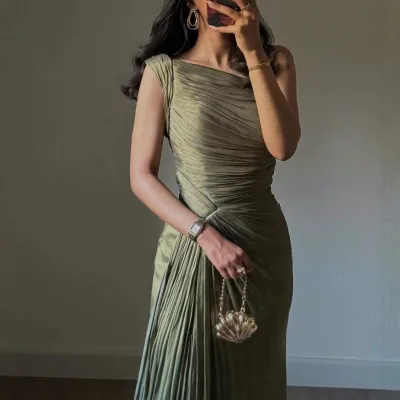
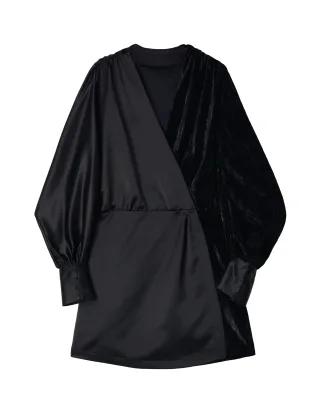
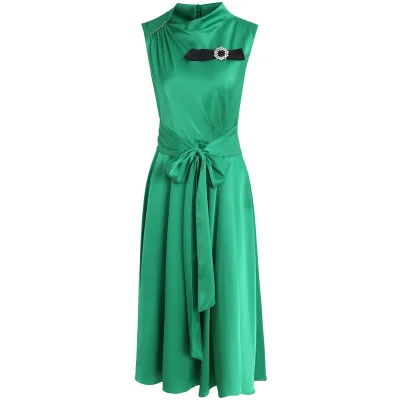
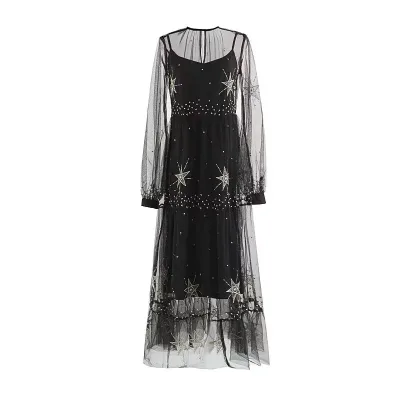
New Embroidered Flower Round Neck Elegant Dress for Women Casual Long Sleeved A-line Long Dress
$12.99 - $19.99
MOQ: 100 pieces
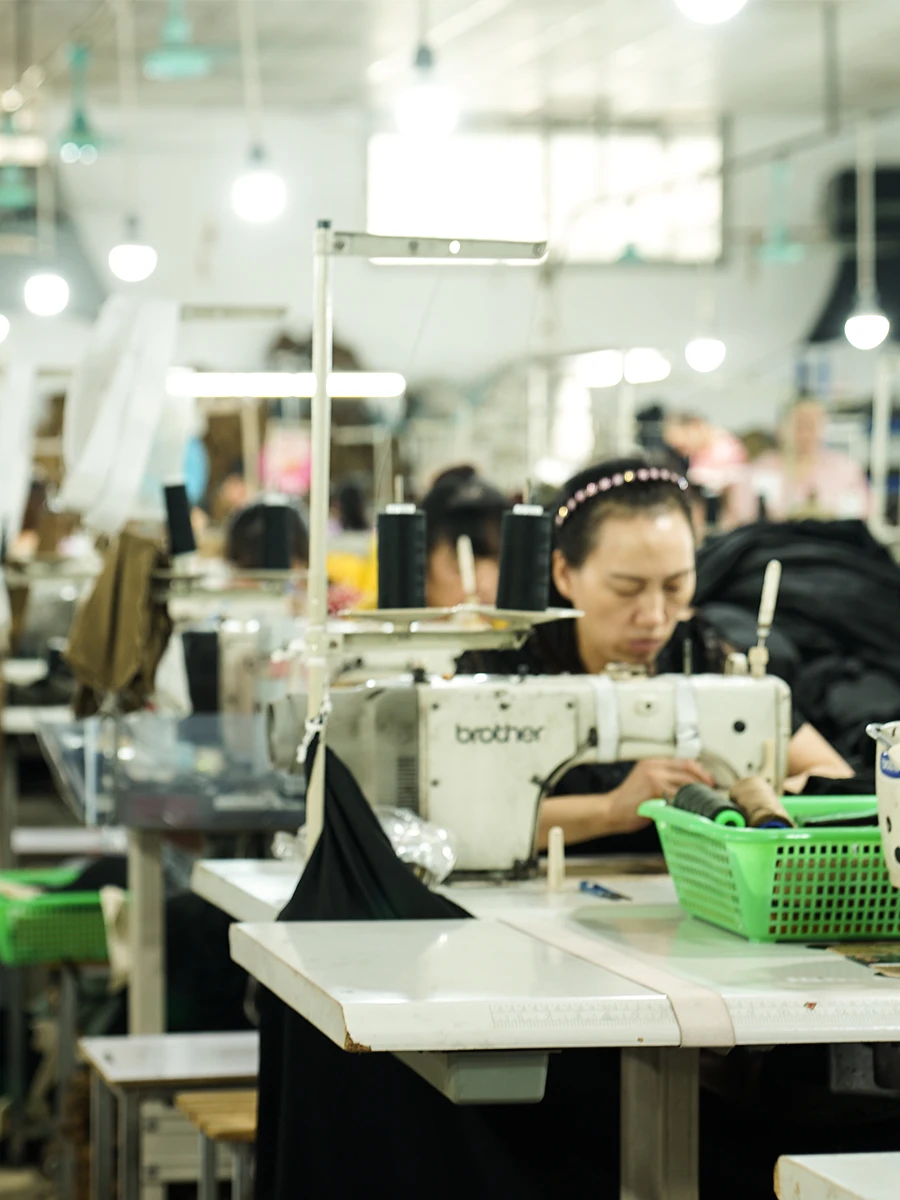
Guangzhou Cat Claw Clothing Co., Ltd.
- Manufacturer, Trading Company
- Guangdong, China
- Lead time0 days
- Avg. response≤ 8h
Main productsDress/Shirt/Evening Dress
Main marketsSoutheast Asia(100.00%)

GUANGZHOU SICHEM GARMENT CO., LTD
- Verified by BV
- Trading Company,Manufacturer/Factory
- China Guangdong
- Lead time45 days
- Avg. response≤ 15h
Main productsWomen Clothing, Children Clothing, Skirt, Dress, T Shirt, Pants, Blouse, Coat, Jumpsuit, Shirt
Main marketsEastern Europe,North America,Oceania,Western Europe

Plus Size Evening Gown Ladies Chiffon Printed V-Neck Elegant Overlap Short Sleeve Dress
$7.60 - $11.50
MOQ: 150 piece

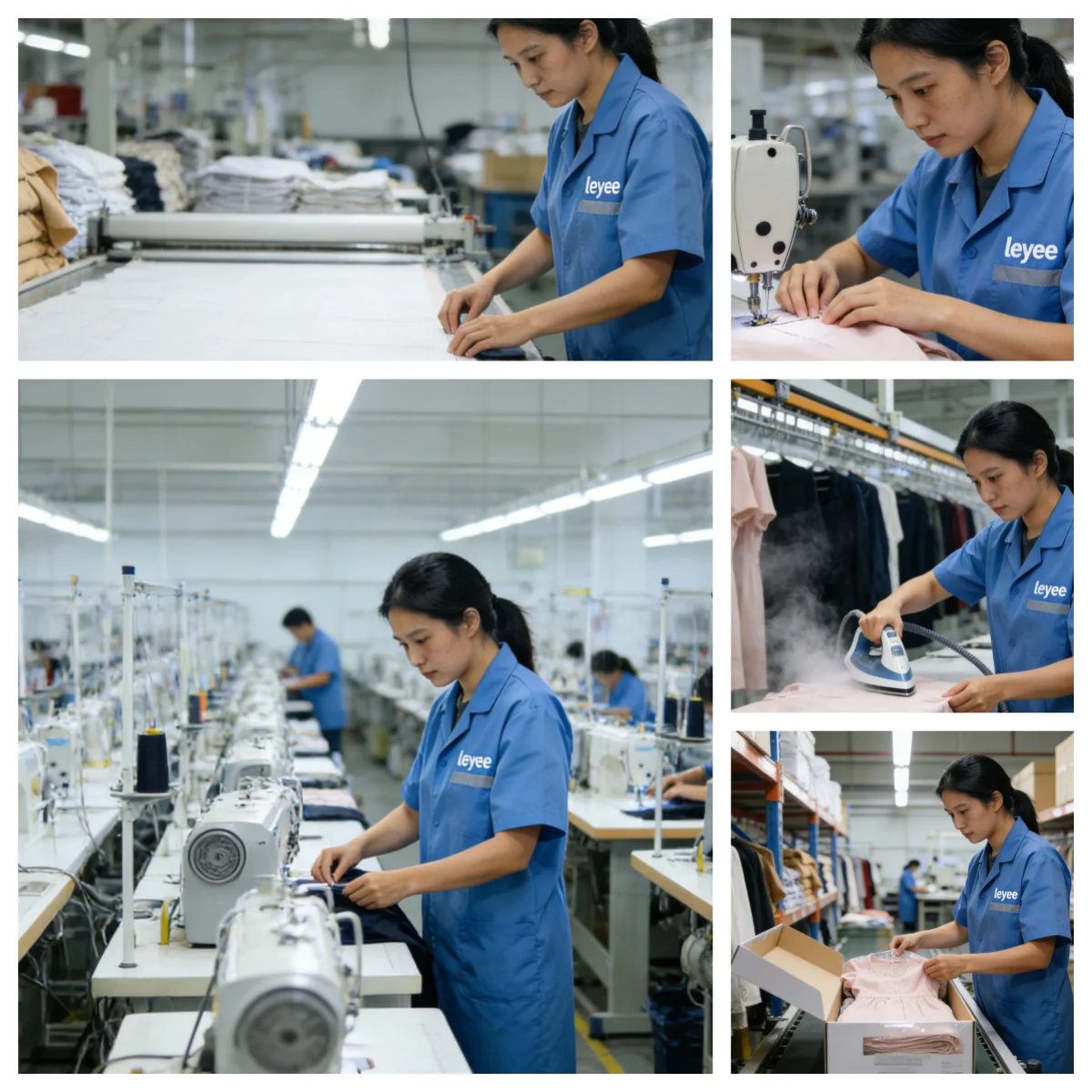
Guangzhou Leyee Garment Co., Ltd.
- Manufacturer, Trading Company
- Guangdong, China
- Lead time0 days
- Avg. response≤ 3h
Main productsdress,2-piece set,Pants,Tops,coat
Main marketsNorth America(50.00%), Southern Europe(20.00%), Eastern Europe(10.00%), Western Europe(10.00%), Africa(10.00%)
Yiwu Wetong Clothing Co., Ltd.
- Trading Company
- Zhejiang, China
- Lead time旺季: "1 - 1":7,"2 - 10":10,"> 10":"To be negotiated", 淡季: "1 - 1":7,"2 - 10":10,"> 10":"To be negotiated"
- Avg. response≤ 3h
Main productsWedding Dresses,Evening Dress,Wedding Accerssories,Lace Fabric,Sewing Accessories
Main marketsNorth America(30.00%), Oceania(10.00%), Southern Europe(10.00%), Northern Europe(10.00%), Eastern Europe(10.00%), Western Europe(10.00%), Africa(5.00%), Southeast Asia(5.00%), South America(5.00%), Mid East(5.00%)
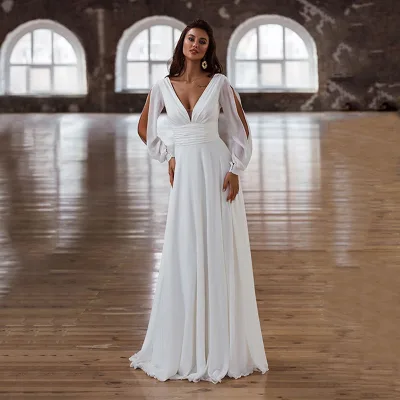
$42.2118 - $46.3296
MOQ: 2 pieces
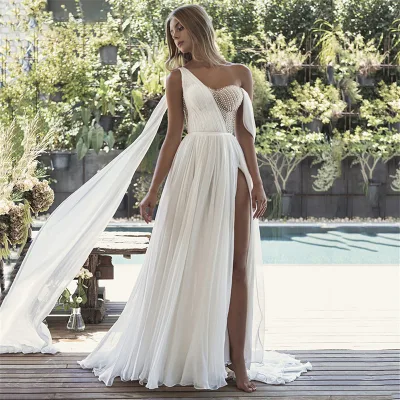
Xinxiang Chushi Clothing Co., Ltd.
- Trading Company
- Henan, China
- Lead time7 days
- Avg. response≤ 5h
Main productsClothing and Customization,Design and customization of label and water washing label patterns,Design and customization of clothing tags,LOGO Design and Customization,Clothing and Accessories
Main marketsNorth America(20.00%), Central America(10.00%), South Asia(10.00%), South America(10.00%), Mid East(10.00%), Africa(8.00%), Domestic Market(5.00%), Southeast Asia(5.00%), Eastern Asia(5.00%), Northern Europe(5.00%), Oceania(3.00%), Western Europe(3.00%), Southern Europe(3.00%), Eastern Europe(3.00%)
Guangzhou Dongfan Garment Factory
- Manufacturer, Trading Company, Distributor/Wholesaler
- Guangdong, China
- Lead time25 days
- Avg. response≤ 10h
Main productswomen clothing,kinds clothing,fashion clothing,Evening Dress,clothing
Main marketsSouth America(50.00%), Oceania(30.00%), North America(5.00%), Eastern Asia(5.00%), Western Europe(5.00%), Southeast Asia(3.00%), Eastern Europe(2.00%)
Dongguang Fengqiu Clothing Co., Ltd.
- Manufacturer, Trading Company
- Guangdong, China
- Lead time0 days
- Avg. response≤ 4h
Main productsDresses,Women's dress,Mini dress,jacket,Trousers
Main marketsDomestic Market(50.00%)

Dongguan Yecheng Trading Co., Ltd.
- Verified by SGS
- Manufacturer/Factory
- China Guangdong
- Lead time23 days
- Avg. response≤ 6h
Main productsHoodie, Sweatshirts, Jacket, Pants, Tracksuit
Main marketsSouth America,Eastern Europe,North America,Southeast Asia,Western Europe

$13.99 - $15.99
MOQ: 100 pieces

$11.82 - $14.82
MOQ: 100 pieces

Guangzhou Dongzhou Garment Co., Ltd.
- Verified by TUVRHEINLAND
- Combined
- China Guangdong
- Lead time15 days
- Avg. response≤ 6h
Main productsDress, Blazer / Suit Jacket, Trousers / Dress Pants, Vest / Waistcoat, Chanel Style / Tweed Style, Skirt
Main marketsDomestic,Europe


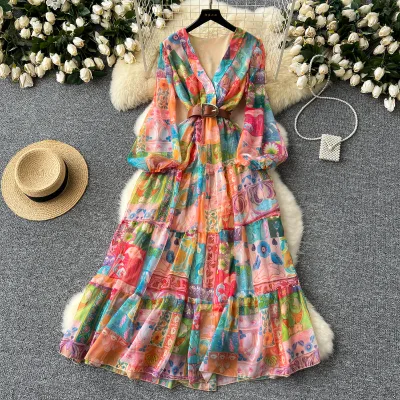


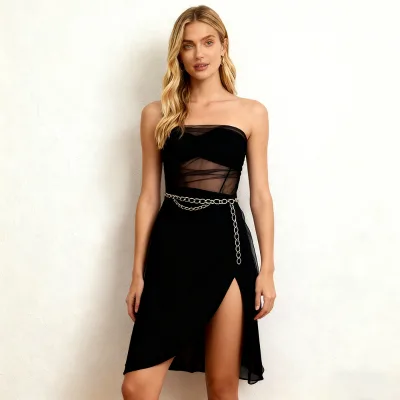
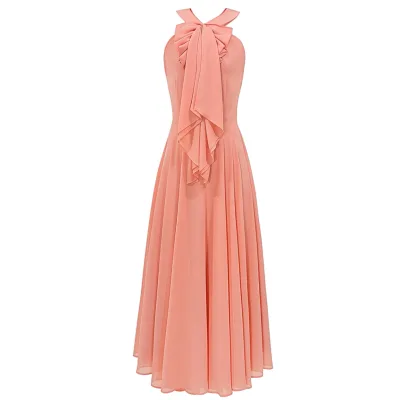
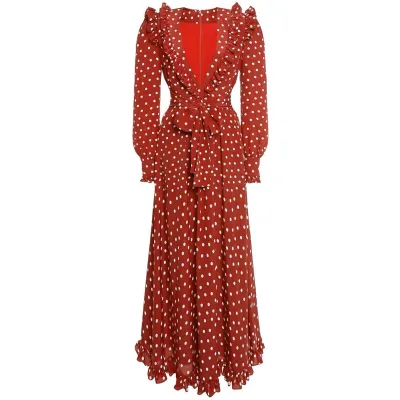
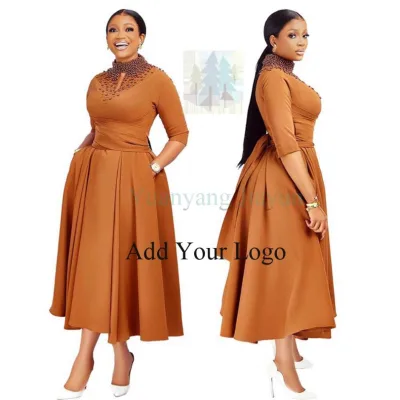
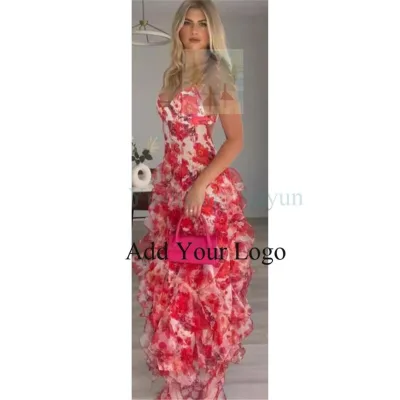
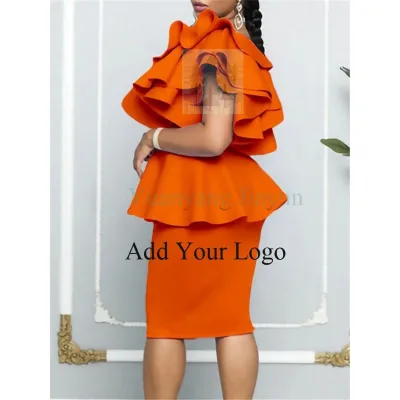
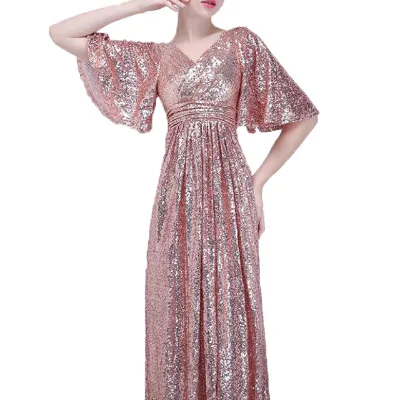
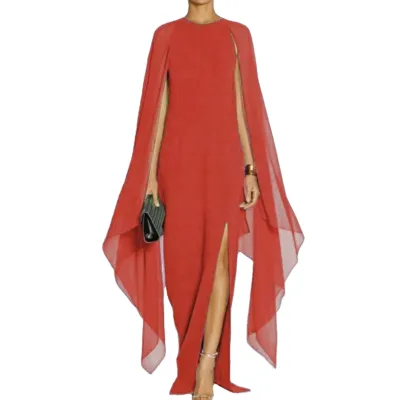

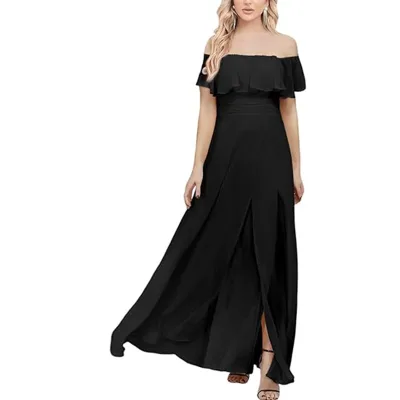


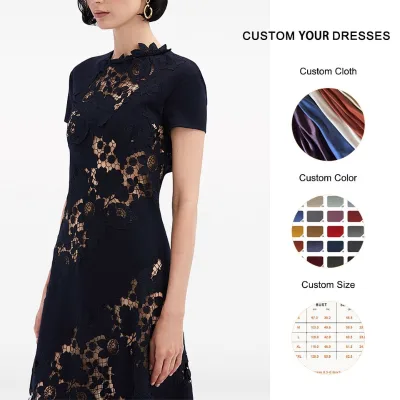
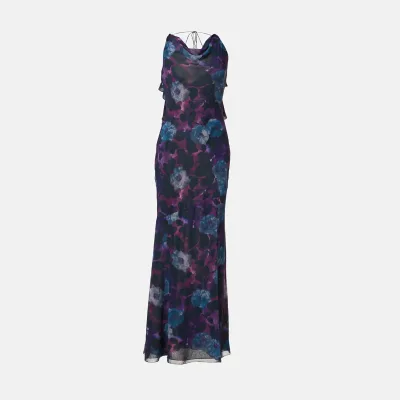
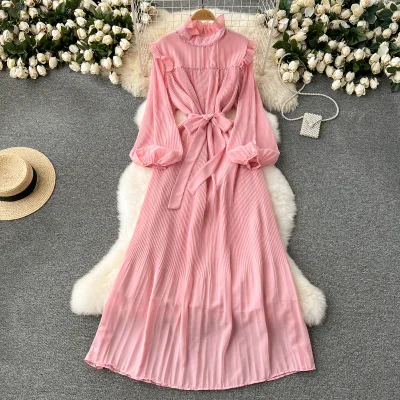


Comprehensive Sourcing Guide
Elegant A-Line Chiffon Evening Dress Supplier Concentration and Factory Types
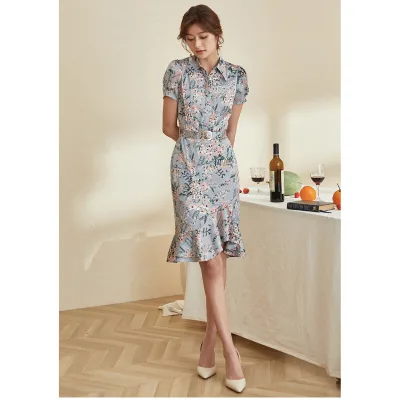
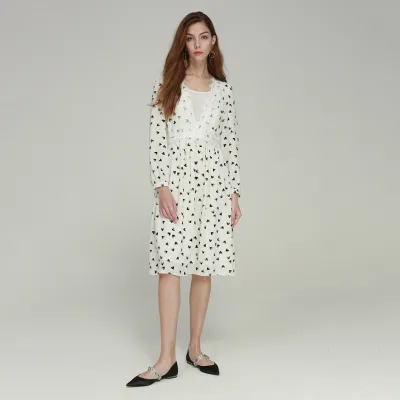
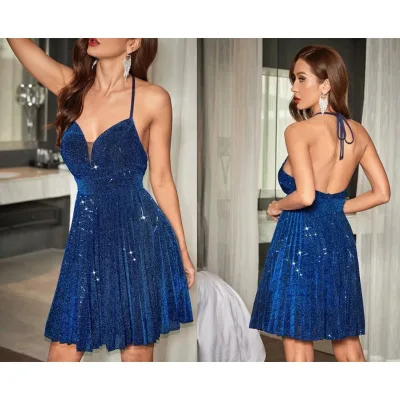
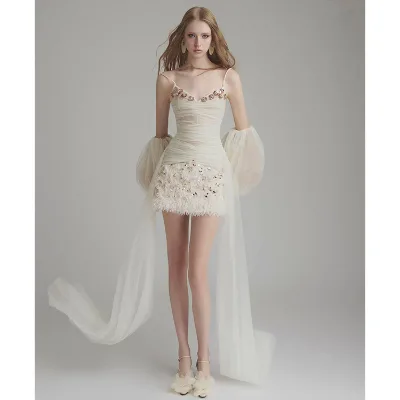
The current supplier landscape for elegant a-line chiffon evening dresses reveals a distinct concentration of manufacturing and trading entities within China, specifically in the Guangdong region. This geographic clustering is significant for buyers seeking efficient supply chains, as Guangdong is a well-established hub for apparel production with mature infrastructure for textile sourcing and garment assembly. The presence of suppliers in this location suggests that buyers can expect access to a robust ecosystem of fabric mills, trim suppliers, and logistics providers that support the rapid production of delicate materials like chiffon. When evaluating potential partners, it is crucial to distinguish between pure trading companies and actual manufacturing facilities, as this distinction impacts pricing flexibility, communication speed, and quality control capabilities. The data indicates that trading companies are active participants in this market, offering a streamlined interface for international buyers who may prefer a single point of contact for multiple product lines or smaller order volumes. These trading entities often aggregate products from various factories, providing a broader catalog that includes diverse styles such as strapless, one-shoulder, and long-sleeved variations of the a-line silhouette. Understanding the nature of the supplier is the first step in determining whether they can meet specific customization needs or if they are better suited for standard, off-the-rack inventory procurement.
Beyond the geographic location, the types of companies operating in this space vary in their core competencies and service offerings. Some suppliers identify themselves primarily as trading companies, which may imply a focus on sales, logistics coordination, and customer service rather than direct factory ownership. These entities often facilitate transactions by handling export documentation and consolidating shipments, which can be advantageous for buyers with less experience in international trade. Conversely, suppliers with strong in-house capabilities may offer more direct control over the production process, allowing for greater customization of fabrics, patterns, and fits. The main products listed by these suppliers often extend beyond just evening dresses to include coats, dresses, trousers, suits, and wedding attire, indicating a versatility that can be beneficial for buyers looking to diversify their inventory. This breadth of product range suggests that many suppliers are equipped to handle mixed orders or seasonal collections, providing a one-stop solution for retailers and brands. However, buyers must carefully assess whether the supplier’s primary focus aligns with their specific needs for high-quality evening wear, as a broad product range might sometimes dilute the specialized expertise required for intricate chiffon work. It is essential to verify the supplier’s actual production capacity and quality assurance processes, regardless of whether they are a trading company or a manufacturer, to ensure that the final product meets the expected standards for elegance and durability.
How to Verify Elegant A-Line Chiffon Evening Dress Suppliers
Verifying the credibility and operational capacity of suppliers is a critical step in mitigating sourcing risks for elegant a-line chiffon evening dresses. One of the primary methods for establishing trust is through third-party verification services, which provide an independent assessment of a supplier’s business legitimacy and operational standards. In the current market, buyers may encounter suppliers who have undergone verification by recognized agencies such as SGS or TüV Rheinland. These verifications often include checks on business licenses, factory audits, and quality management systems, offering a layer of assurance that the supplier is a legitimate entity capable of fulfilling orders. For instance, some suppliers display SGS verification, indicating that their processes have been scrutinized by this global leader in inspection and certification. Similarly, TüV Rheinland verification suggests a adherence to rigorous international standards, which can be particularly important for buyers targeting markets with strict regulatory requirements. These badges are not merely decorative; they represent a documented history of compliance and operational transparency. Buyers should prioritize suppliers who have undergone such verifications, as it reduces the likelihood of encountering fraudulent entities or poorly managed operations. However, verification is just one component of due diligence; it should be complemented by other checks to ensure a comprehensive evaluation of the supplier’s reliability.
In addition to third-party verifications, buyers should closely examine the supplier’s response times and communication efficiency, as these metrics often reflect their operational maturity and customer service quality. The data indicates that response times can vary significantly, with some suppliers responding within 0.25 hours, while others may take up to 2 hours. A rapid response time is a strong indicator of a supplier’s attentiveness and readiness to engage in detailed discussions about product specifications, pricing, and delivery schedules. Suppliers who respond quickly are often more likely to provide timely updates on order status and address any issues that arise during production. Furthermore, buyers should look for evidence of customization capabilities, such as ODM (Original Design Manufacturing) services or support for sample processing and graphic processing. These capabilities suggest that the supplier is equipped to handle bespoke orders and can adapt to specific design requirements. It is also advisable to review the supplier’s main products and product evidence to ensure they have experience with the specific styles and materials required for elegant a-line chiffon evening dresses. By combining verification badges, response time analysis, and capability assessments, buyers can build a robust profile of each potential supplier, ensuring that they partner with entities that are both credible and capable of delivering high-quality products.
What to Compare Across Elegant A-Line Chiffon Evening Dress Suppliers
When evaluating multiple suppliers for elegant a-line chiffon evening dresses, buyers must systematically compare key operational metrics to identify the most suitable partner for their specific needs. One of the most critical factors is the lead time, which directly impacts inventory planning and market responsiveness. The available data shows a range of lead times, with some suppliers offering a 7-day turnaround, while others require up to 15 days. A shorter lead time can be advantageous for buyers who need to respond quickly to market trends or fulfill urgent orders, but it may come at a higher cost or with limited customization options. Conversely, a longer lead time might allow for more intricate designs or bulk production efficiencies. Buyers should align their choice of supplier with their sales cycle and inventory strategy, ensuring that the lead time matches their business requirements. Additionally, the minimum order quantity (MOQ) is a significant consideration, as it determines the financial risk and inventory commitment for each order. While specific MOQs for all products are not uniformly listed, some products indicate an MOQ of 100 pieces, which is a common threshold for small to medium-sized buyers. Understanding the MOQ helps buyers assess whether a supplier can accommodate their order size without imposing excessive financial burdens or requiring large upfront investments.
Beyond lead times and MOQs, buyers should also compare the pricing structures and customization options offered by different suppliers. The price range for elegant a-line chiffon evening dresses varies, with some products priced between $10.90 and $13.90, while others range from $20.60 to $23.60, and even up to $29.90 to $34.90 for more complex designs. These price differences often reflect variations in fabric quality, design complexity, and production methods. Buyers should request detailed quotes that break down costs by material, labor, and customization fees to ensure transparency and avoid hidden charges. Customization options are another crucial differentiator, as they allow buyers to tailor products to their brand’s unique identity. Some suppliers offer available customization for patterns, colors, and sizes, while others may have more limited options. It is also important to compare the suppliers’ main products and product evidence to ensure they have the expertise to produce the specific styles required. For example, some suppliers specialize in strapless, one-shoulder, or long-sleeved designs, each with its own production challenges. By systematically comparing these factors, buyers can make informed decisions that balance cost, quality, and flexibility, ultimately selecting a supplier that best supports their business objectives and customer expectations.
Common Elegant A-Line Chiffon Evening Dress Sourcing Risks
Sourcing elegant a-line chiffon evening dresses involves several inherent risks that buyers must proactively manage to ensure successful outcomes. One of the primary risks is quality inconsistency, particularly when dealing with delicate fabrics like chiffon. Chiffon is prone to issues such as snagging, tearing, and color bleeding, which can significantly impact the final product’s appearance and durability. Buyers must ensure that suppliers have robust quality control processes in place, including pre-production sample approvals and in-line inspections during manufacturing. Without these safeguards, there is a high risk of receiving batches with defects that do not meet the expected standards. Additionally, the complexity of the a-line silhouette and various design elements, such as pleats, mesh sleeves, or sequin embellishments, can introduce further quality challenges. Suppliers with limited experience in these intricate designs may struggle to maintain consistency across large orders. To mitigate this risk, buyers should request detailed product specifications and evidence of past performance, such as photos of completed orders or customer testimonials. It is also advisable to conduct third-party quality inspections before shipment to verify that the products meet the agreed-upon standards. This proactive approach helps identify and rectify issues before they result in costly returns or customer dissatisfaction.
Another significant risk is the potential for delays in production and delivery, which can disrupt supply chains and miss critical market windows. Lead times can vary widely among suppliers, and unexpected delays may occur due to material shortages, labor issues, or logistical bottlenecks. Buyers should carefully assess the supplier’s production capacity and reliability, rather than relying solely on quoted lead times. Suppliers who offer shorter lead times, such as 7 days, may be under pressure to meet tight deadlines, which could compromise quality or increase the risk of delays. Conversely, suppliers with longer lead times, such as 15 days, may have more buffer for handling unforeseen issues. It is also important to consider the supplier’s response time and communication efficiency, as poor communication can exacerbate delays and make it difficult to resolve problems promptly. Buyers should establish clear communication protocols and regular check-ins with their suppliers to monitor progress and address any issues early. Additionally, buyers should have contingency plans in place, such as identifying alternative suppliers or adjusting inventory levels, to mitigate the impact of potential delays. By anticipating and managing these risks, buyers can protect their business interests and ensure a smoother sourcing process for elegant a-line chiffon evening dresses.
Elegant A-Line Chiffon Evening Dress Regional Sourcing and Logistics
The regional concentration of suppliers in China, particularly in the Guangdong province, offers distinct advantages and challenges for buyers sourcing elegant a-line chiffon evening dresses. Guangdong is a major manufacturing hub with well-developed infrastructure for textile production and garment assembly, making it a logical choice for buyers seeking efficient and cost-effective sourcing solutions. The proximity to major ports and logistics networks in this region facilitates faster and more reliable shipping, reducing transit times and associated costs. However, buyers must also consider the logistical complexities of international shipping, including customs clearance, import duties, and compliance with destination country regulations. Understanding these logistical factors is essential for accurate cost estimation and delivery planning. Buyers should work with suppliers who have experience in international trade and can provide guidance on documentation and compliance requirements. Additionally, buyers should evaluate the supplier’s packaging standards, as proper packaging is crucial for protecting delicate fabrics like chiffon during transit. Some suppliers use clear plastic bags and cardboard boxes, which can provide adequate protection if handled correctly. It is also advisable to discuss shipping terms, such as FOB or CIF, to clarify responsibilities for transportation and insurance. By leveraging the regional advantages of Guangdong while managing logistical challenges, buyers can optimize their supply chain and ensure timely delivery of high-quality products.
Beyond the immediate logistics of shipping, buyers should also consider the broader implications of regional sourcing on their overall business strategy. Sourcing from a concentrated manufacturing hub like Guangdong can offer economies of scale and access to a wide variety of suppliers, but it may also increase competition for capacity and resources. Buyers should diversify their supplier base to mitigate
FAQs
What is the typical lead time for these dresses?
The typical lead time for these dresses is 15 days. Some suppliers offer faster options with a 7-day lead time. Buyers should confirm specific timelines based on order volume and customization needs before placing an order.
What is the minimum order quantity required?
The minimum order quantity is generally 100 pieces. This requirement applies to most listed products in this category. Buyers seeking smaller quantities should verify if any suppliers offer flexible MOQ terms for trial orders.
Are customization options available for these dresses?
Yes, customization is available for many of these dresses. Suppliers support custom designs, sizes, and patterns. Buyers can request specific changes to fabric, length, or style details to meet their unique event requirements.
What certifications do the suppliers hold?
Suppliers hold various certifications including SGS, CE, and TüVRheinland. These verify compliance with safety and quality standards. Buyers should request specific certification documents to ensure the products meet their regional regulatory requirements.
Where are these dresses manufactured?
These dresses are manufactured in China, specifically in Guangdong. This region is known for its textile industry capabilities. Buyers can expect efficient logistics from this location for international shipping and delivery.
What is the price range for these dresses?
The price range varies from 10.90 to 34.90 per piece. Costs depend on fabric type, design complexity, and order quantity. Buyers should compare specific product listings to find the best value for their budget.
How quickly do suppliers respond to inquiries?
Supplier response times range from 0.25 to 2 hours. Fast response ensures quick communication regarding order details. Buyers can expect timely updates on production status and shipping arrangements from these verified suppliers.
What materials are used for these dresses?
Materials include chiffon, viscose, and knitting fabrics. Some dresses feature digital printing or sequin details. Buyers should check product attributes for specific material compositions to ensure suitability for their intended occasion.