anti-wrinkle satin maxi dress Suppliers and Manufacturers
Find 31 verified suppliers offering anti-wrinkle satin maxi dresses with OEM services and varied lead times. Compare response times, certifications, and pricing to source the right partner for your order; review the available evidence before requesting comparable quotations from suitable candidates.
Updated
Suppliers List
Dongguan Chengwang Trading Co., Ltd.
- Verified by Intertek
- Manufacturer, Trading Company
- Lead time19 days
- Avg. response≤ 3h
Main productsDresses, Tops, Pants, Hoodies, Skirts
Main marketsNorth America(30%), Eastern Europe(15%), Southeast Asia(15%)
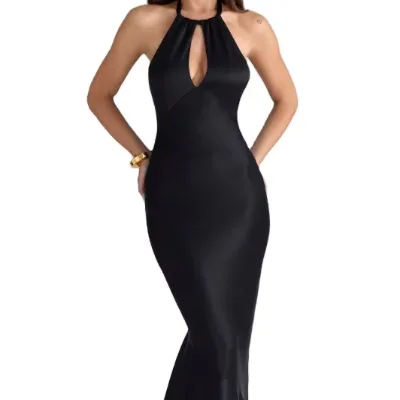
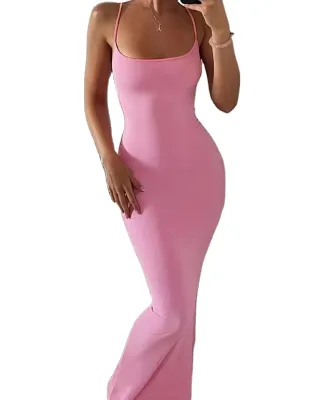
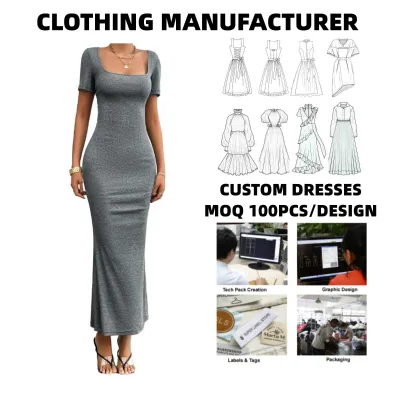
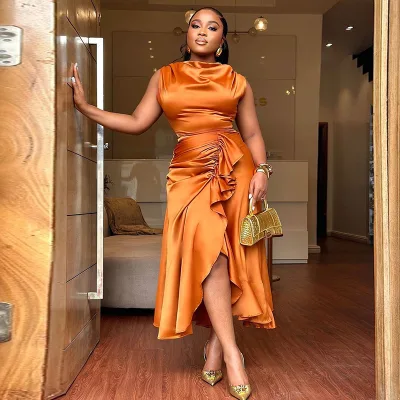
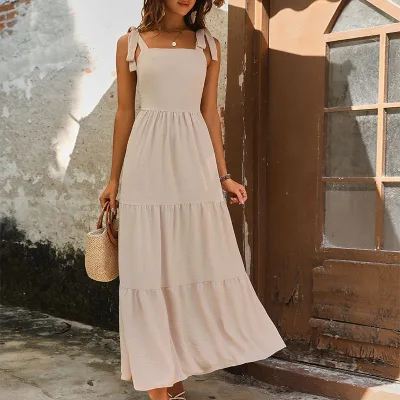
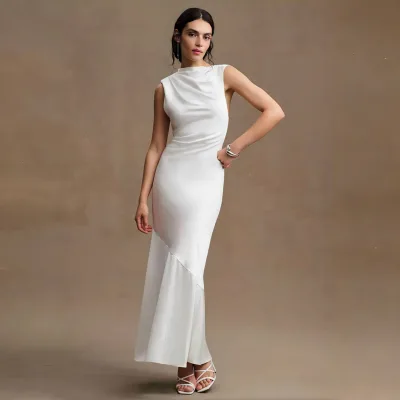
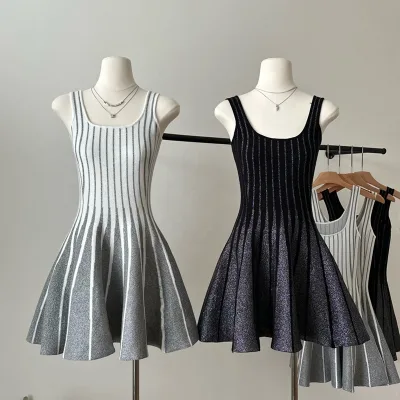
Summer Fashion Dress with Square Neckline
$8.40 - $9.90

Dongguan Xiuyu Fashion Garment Co., Ltd.
- Verified by TUVRHEINLAND
- Combined
- China Guangdong
- Lead time15 days
- Avg. response≤ 5h
Main productsSuit, Dress, Hoodie, T-Shirt, Jeans, Trousers, Skirt, Top, Shorts, Blazer
Main marketsEurope,Australia,North America


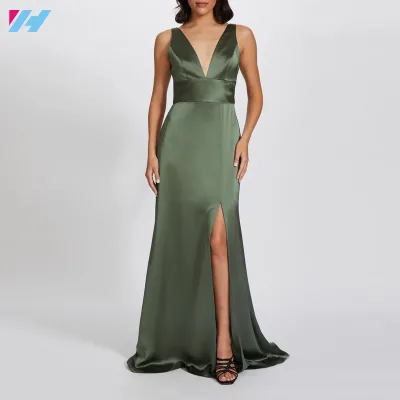
Fashionable Summer Casual off The Shoulder Satin Solid Color Backless Maxi Dress
$9.89 - $14.86
MOQ: 100 pieces

Goldely Garment Import and Export Inc.
- Verified by SGS
- Trading Company
- China Guangdong
- Lead time15 days
- Avg. response≤ 5h
Main marketsNorth America


$13.00 - $15.00
MOQ: 100 piece
Xinxiang Chushi Clothing Co., Ltd.
- Trading Company
- Henan, China
- Lead time7 days
- Avg. response≤ 4h
Main productsClothing and Customization,Design and customization of label and water washing label patterns,Design and customization of clothing tags,LOGO Design and Customization,Clothing and Accessories
Main marketsNorth America(20.00%), Central America(10.00%), South Asia(10.00%), South America(10.00%), Mid East(10.00%), Africa(8.00%), Domestic Market(5.00%), Southeast Asia(5.00%), Eastern Asia(5.00%), Northern Europe(5.00%), Oceania(3.00%), Western Europe(3.00%), Southern Europe(3.00%), Eastern Europe(3.00%)
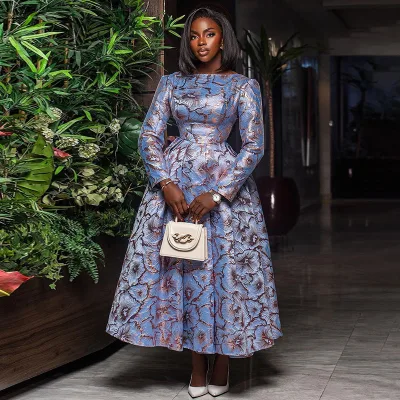
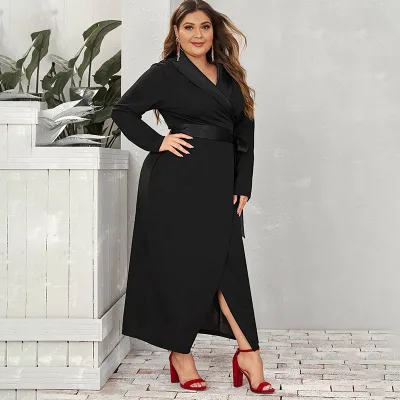
Hot Sale Long Sleeve Satin O Neck Sash Party Dresses Maxi Slit Printed Evening Dresses Women
$13.74 - $14.58
MOQ: 2 pieces
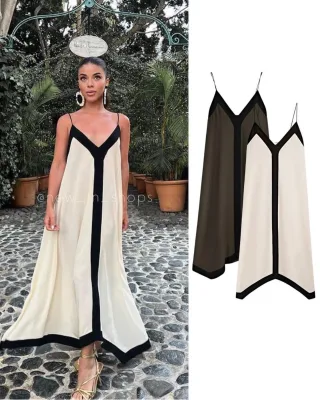
$9.00 - $9.60
MOQ: 2 pieces


Dongguan Qidu Apparel Co., Ltd.
- Verified by BV
- Manufacturer/Factory
- China Guangdong
- Lead time23 days
- Avg. response≤ 4h
Main productsDress, Top, Blouse, Sweatwear, Bottom, Shorts, Jacket, Coat, Pajamas, Denim
Main marketsSouth America,Eastern Europe,Mid East,North America,Southeast Asia,Eastern Asia,Oceania,Western Europe
Guangzhou Liuyu Garment Co., Ltd.
- Verified by Intertek
- Manufacturer, Trading Company
- Lead time20 days
- Avg. response≤ 3h
Main productsCasual Dress, Women Pants, Ladies Coat, Women Jacket, Blouse
Main marketsNorth America(30%), Eastern Europe(30%), Oceania(20%)

- Verified by CTI
- Trading Company
- China Anhui
- Lead time23 days
- Avg. response≤ 2h
Main productsFurniture, Home Furniture
Main marketsSoutheast Asia/ Mideast

Guangzhou Vincenia Trading Co., Ltd.
- Trading Company
- China Guangdong
- Lead time23 days
- Avg. response≤ 7h
Main productsUnderwear, Lingerie, Shapewear, Legging, Lace, Bra, Briefs, Yoga, Fabrics
Main marketsSouth America,Southeast Asia/ Mideast,East Asia(Japan/ South Korea),Europe,North America


New Design Ladies Long Casual Dress Straight Maxi Long Dresses Women Dress
$9.90 - $10.00
MOQ: 100 Pieces

Factory Customization Fashionable New Design Slim-Fitting Long-Sleeved Dress
$7.30 - $7.53
MOQ: 100 Pieces


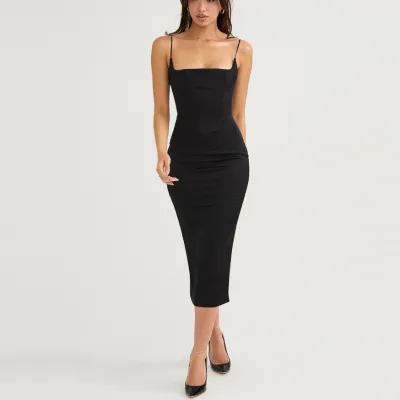
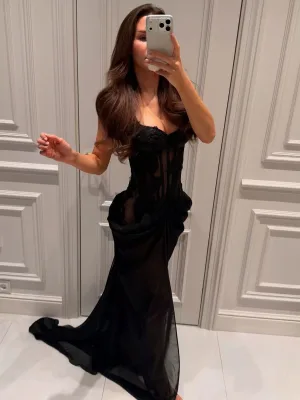
High Quality Fashion Strapless Dresses Ladies Summer Slim Fit Black Dress
$5.50 - $5.76
MOQ: 100 Pieces
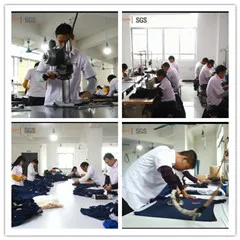
Guangzhou Jenny Textile Co., Ltd.
- Manufacturer, Trading Company
- Guangdong, China
- Lead time20 days
- Avg. response≤ 2h
Main productstracksuits,t shirts,pants,jackets,hoodies
Main marketsNorth America(30.00%), Western Europe(13.00%), Oceania(10.00%), Mid East(10.00%), Southeast Asia(8.00%), Africa(8.00%), Eastern Asia(5.00%), Eastern Europe(5.00%), Central America(3.00%), Domestic Market(2.00%), Northern Europe(2.00%), South America(2.00%), Southern Europe(1.00%), South Asia(1.00%)
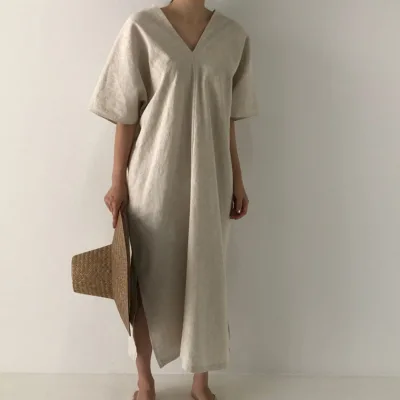
$6.1598 - $11.0837
MOQ: 50 pieces
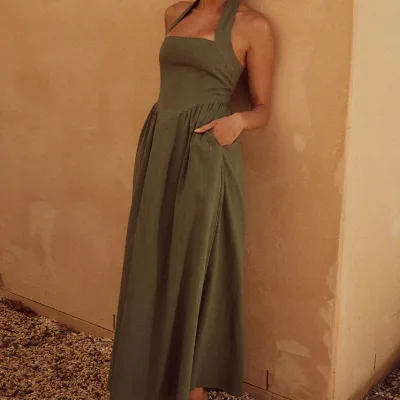
$6.9822 - $10.9908
MOQ: 50 pieces
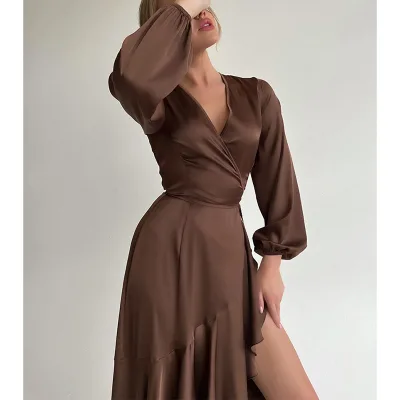
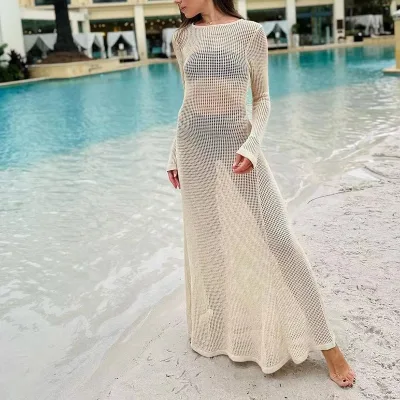
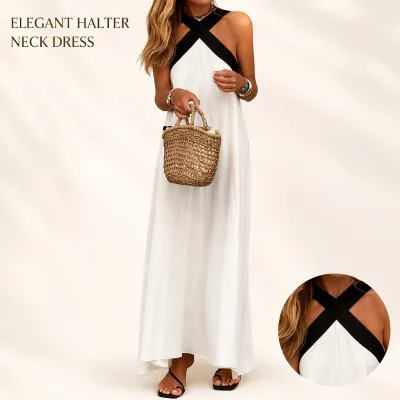
Custom Hot Sale Casual Neck Dress With Belt Dresses, Summer Plus Size Print Halter Womens /
$4.99 - $12.99
MOQ: 100 pieces

Qingdao Yuyi Industry and Trade Co., Ltd.
- Verified by SGS
- Combined
- China Shandong
- Lead time30 days
- Avg. response≤ 2h
Main productsClothes
Main marketsDomestic


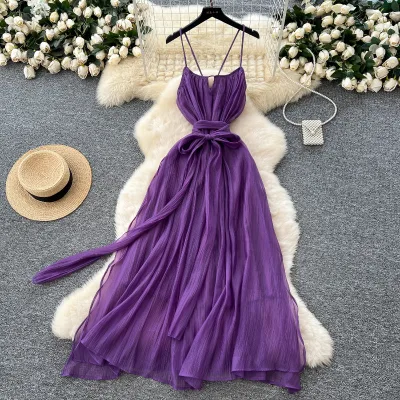
New Slimming and Figure-Enhancing V-Neck Halter Dress with a Waistline Drawstring
$7.35 - $7.65
MOQ: 100 Pieces
Foshan Qiangyu Garments Co., Ltd.
- Verified by Intertek
- Manufacturer, Trading Company
- Guangdong, China
- Lead time15 days
- Avg. response≤ 1h
Main productsWomen Clothing
Main marketsNorth America(40%), Western Europe(40%), Oceania(10%)
- Verified by TüVRheinland
- Manufacturer, Trading Company
- Lead time25 days
- Avg. response≤ 3h
Main productsSheet, Duvet Cover, Pillowcase, Pyjama, Dress
Main marketsOceania(70%), North America(30%)
Dongguan Humen Yihao Clothing Co., Ltd.
- Manufacturer, Trading Company
- Lead time旺季: "1 - 100":15,"101 - 500":20,"501 - 1000":25,"> 1000":"To be negotiated", 淡季: "1 - 100":15,"101 - 500":20,"501 - 1000":25,"> 1000":"To be negotiated"
- Avg. response≤ 5h
Main productsSilk Dress, Crop Top, Women Oversized T Shirts, Bodysuit, Mini Dress
Guangzhou Liule Garments Co., Ltd.
- Verified by SGS Group
- Manufacturer, Trading Company
- Lead time30 days
- Avg. response≤ 3h
Main productsCasual Dress, T Shirt, Shirt, Skirt, Pants
Main marketsNorth America(50%), Western Europe(30%), Northern Europe(5%)

Guangzhou Panyu district south village Jinluoxuan clothing factory
- Verified by CTI
- Combined
- China Guangdong
- Lead time15 days
- Avg. response≤ 16h
Main productsOutfit, Sequin Evening Gown
Main marketsDomestic

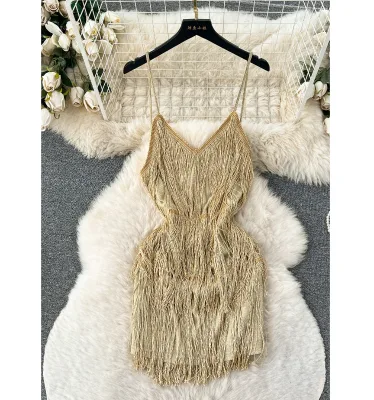
Wrinkle-Resistant Long Sequin Dress with Soft Lining and Comfortable Fabric Feel
$25.00 - $26.00
MOQ: 50 Pieces


Petite Fit Sequin Dress That Highlights Curves Without Feeling Tight or Restrictive
$25.00 - $26.00
MOQ: 50 Pieces

Comfortable and Stretchable Short Dress That Looks Sexy Without Feeling Too Tight
$25.00 - $26.00
MOQ: 50 Pieces

Party-Ready Short Dress with Bold Colors and Modern Cut for a Confident Look
$25.00 - $26.00
MOQ: 50 Pieces

Durable Glitter Dress with Non-Slip Shoulder Straps and Skin-Friendly Fabric
$25.00 - $26.00
MOQ: 50 Pieces
Dongguan Lancai Garment Co., Ltd.
- Verified by SGS Group
- Manufacturer, Trading Company
- Lead time15 days
- Avg. response≤ 4h
Main productsDress, Skirt, Pants, Blouse, Jumpsuits
Main marketsNorth America(50%), Oceania(20%), Western Europe(10%)
Xinxiang Baiyin Clothing Co., Ltd.
- Trading Company
- Henan, China
- Lead time15 days
- Avg. response≤ 3h
Main productsGarment making,Costume printing,Clothing sales
Main marketsSouth America(35.00%), Domestic Market(5.00%), North America(5.00%), South Asia(5.00%), Southern Europe(5.00%), Northern Europe(5.00%), Central America(5.00%), Western Europe(5.00%), Eastern Asia(5.00%), Mid East(5.00%), Oceania(5.00%), Africa(5.00%), Southeast Asia(5.00%), Eastern Europe(5.00%)
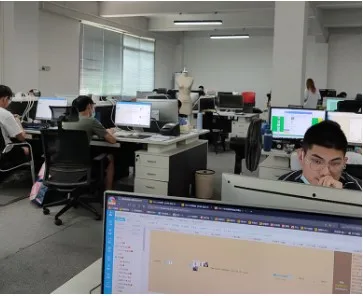
Guangzhou Zhuiyue Trading Co., Ltd.
- Manufacturer, Trading Company
- Guangdong, China
- Lead time15 days
- Avg. response≤ 1h
Main productsdress,two-piece sets,bodysuits,jumpsuits,plus size women clothing
Main marketsSouth America(40.00%), Southern Europe(10.00%), North America(10.00%), Northern Europe(7.00%), South Asia(6.00%), Eastern Europe(5.00%), Southeast Asia(5.00%), Central America(5.00%), Western Europe(5.00%), Mid East(5.00%), Eastern Asia(2.00%)
Dongguan Sunrise Garment Co., Ltd.
- Verified by Intertek
- Manufacturer, Trading Company
- Lead time25 days
- Avg. response≤ 1h
Main productsDresses, Pants, Tops, Sweater, Tracksuit
Main marketsNorth America(66%), Oceania(11%), Southern Europe(6%)
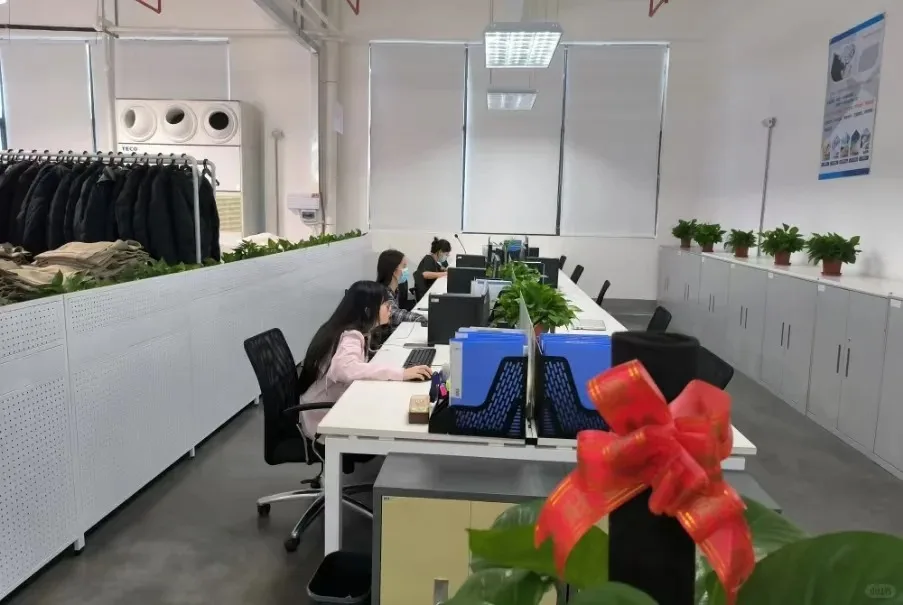
Chongqing Daimai Clothing Co., Ltd.
- Manufacturer, Trading Company
- Chongqing, China
- Lead time0 days
- Avg. response≤ 2h
Main productswedding dresses,Women's clothing.,Accessories,swimwear,pajamas
Main marketsOceania(10.00%), Mid East(5.00%), South Asia(3.00%), Central America(2.00%), South America(2.00%), Western Europe(2.00%), Eastern Europe(1.00%), Southern Europe(1.00%), Northern Europe(1.00%), Eastern Asia(1.00%), North America(1.00%)

Guangzhou Mingyu Manufacturing Co., Ltd
- Verified by SGS
- Trading Company
- China Guangdong
- Lead time15 days
- Avg. response≤ 1h
Main productsCoat, Dress, Trousers
Main marketsDomestic

Guangzhou Yifu Clothing Co., Ltd.
- Verified by SGS
- Combined
- China Guangdong
- Lead time15 days
- Avg. response≤ 9h
Main marketsDomestic
Dongguan Humen As Fashion Factory
- Verified by SGS Group
- Manufacturer, Trading Company
- Lead time15 days
- Avg. response≤ 3h
Main productsModest Dress, Modest Activewear, Modest Sportwear, Modest Set, Maternity Clothing
Main marketsOceania(22%), North America(20%), Mid East(20%)
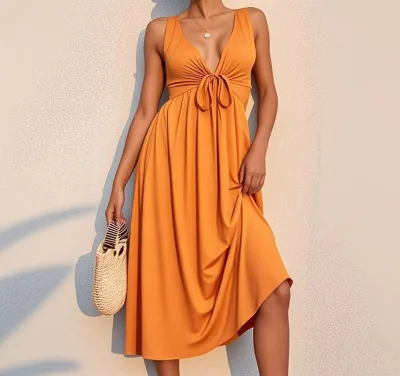
$9.12 - $12.62
MOQ: 100 pieces
Love Double Apparel (Guangdong) Co., Ltd.
- Trading Company
- Guangdong, China
- Lead time10 days
- Avg. response≤ 5h
Main productsCasual Dresses, Women's Sets, Women's Blouses & Shirts, Women's Pants & Trousers, Women's Coats
Main marketsNorth America(50.00%), Africa(30.00%), Eastern Asia(10.00%), Western Europe(5.00%), Southeast Asia(5.00%)

Quanzhou Gaomei Trading Co., Ltd
- Verified by SGS
- Trading Company
- China Fujian
- Lead time15 days
- Avg. response≤ 3h
Main productsClothing
Main marketsSouth America,Southeast Asia/ Mideast,East Asia(Japan/ South Korea),Domestic,Europe,Australia,North America


Summer New Simple Party Style Slimming Short Sleeved Waist Cinching Dress
$27.00 - $29.00
MOQ: 5 Pieces
Dongguan Holy Mountain Fashion Co., Ltd.
- Verified by Intertek
- Manufacturer, Trading Company
- Lead time20 days
- Avg. response≤ 4h
Main productsWomen's Dress, Women's Blouse, Women's Trousers, Muslim Robe, Muslim Headscarf
Main marketsSouth Asia(57%), Mid East(18%), Oceania(9%)
$18.5198 - $20.578
MOQ: 50 dozens
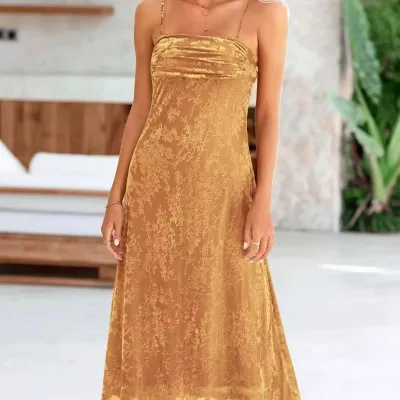
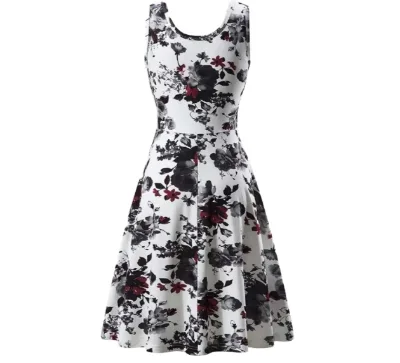
High Quality Summer Sleeveless Floral Cocktail Dress Slim Shoulder Strap Mid-Length Casual Dress
$18.6351 - $20.7054
MOQ: 50 pieces
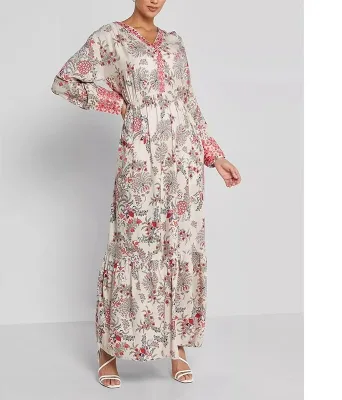
Dengzhou Dingding Red Clothing Co., Ltd.
- Verified by TüVRheinland
- Trading Company
- Lead time7 days
- Avg. response≤ 2h
Main productsSuits, Zhongshan Suits, Wedding Dresses, Trench Coat, Jacket
Main marketsDomestic Market(78%), North America(10%), Africa(6%)
Huixian Baishangji Clothing Co., Ltd.
- Trading Company
- Henan Province, China
- Lead time7 days
- Avg. response≤ 3h
Main productsWomen's clothing,men's clothing
Main marketsNorth America(60.00%), Africa(20.00%), Western Europe(10.00%), Northern Europe(5.00%), South America(5.00%)
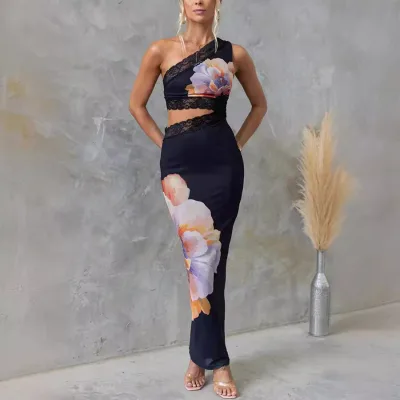

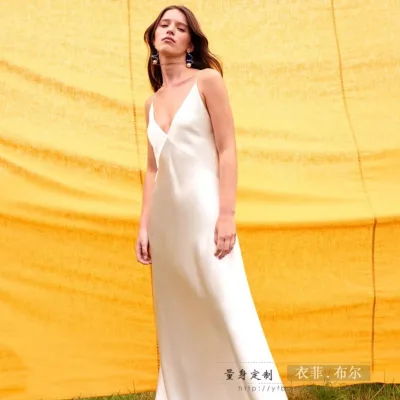
Summer New Yellow Printed Satin Dress Sleeveless Halter Backless Sexy Style
$8.18 - $8.87
MOQ: 2 pieces

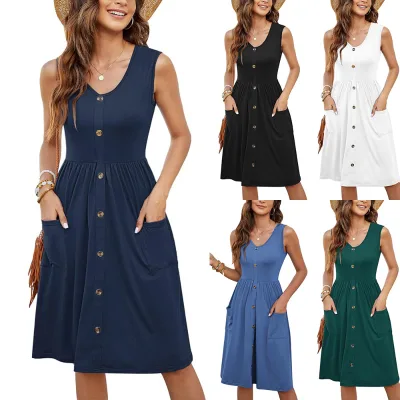
Dongguan Anxi Clothing Co., Ltd
- Verified by Intertek
- Manufacturer, Trading Company
- Guangdong, China
- Lead time15 days
- Avg. response≤ 2h
Main productsWomen Dress, Women Skirt, Women Shirt, Women Pant, Women Short
Main marketsNorth America(35%), Eastern Europe(25%), Oceania(20%)
Hefei Yaohai Zeyo Garment&accessory Firm
- Trading Company
- Anhui, China
- Lead time4 days
- Avg. response≤ 3h
Main productsShoes,Sandals,Slippers,Boots,Garments
Main marketsEastern Europe(15.00%), Central America(10.00%), Northern Europe(10.00%), Mid East(10.00%), South America(10.00%), North America(9.00%), Africa(8.00%), South Asia(8.00%), Southern Europe(5.00%), Western Europe(5.00%), Eastern Asia(3.00%), Southeast Asia(3.00%), Domestic Market(2.00%), Oceania(2.00%)
Yiwu Jiandie Trading Co., Ltd.
- Trading Company
- Zhejiang, China
- Lead time25 days
- Avg. response≤ 3h
Main productsHandbags,Backpacks,Travel Bags,Shoulder Bags,Evening Bags
Main marketsOceania(20.00%), Africa(20.00%), North America(20.00%), Mid East(10.00%), Western Europe(10.00%), Southeast Asia(10.00%), Domestic Market(2.00%), Southern Europe(2.00%), Eastern Asia(1.00%), South Asia(1.00%), Eastern Europe(1.00%), Northern Europe(1.00%), Central America(1.00%), South America(1.00%)


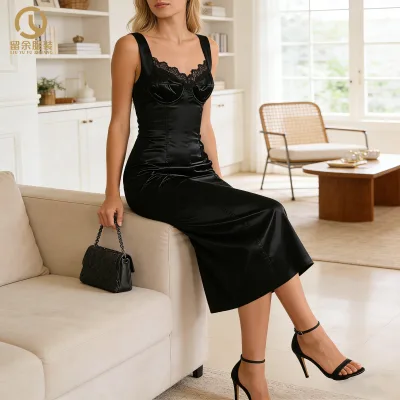
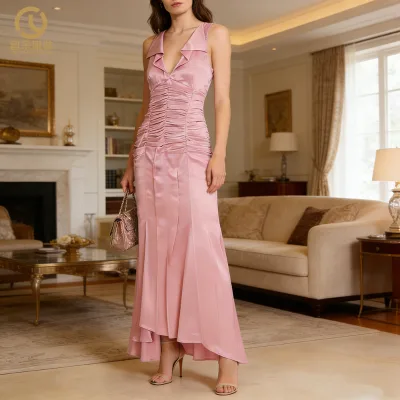
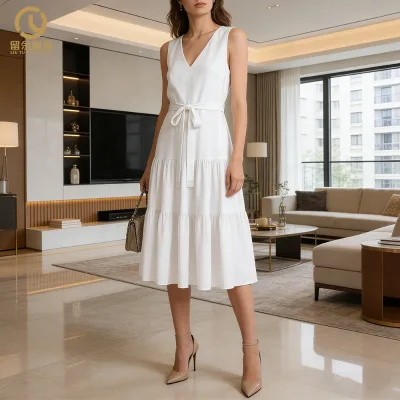


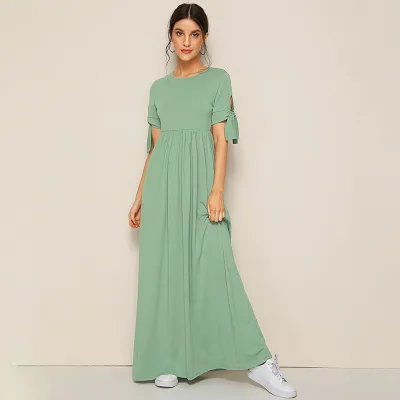
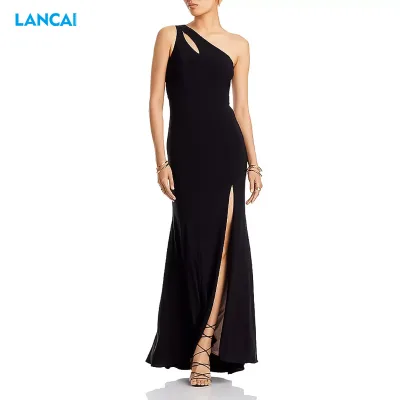
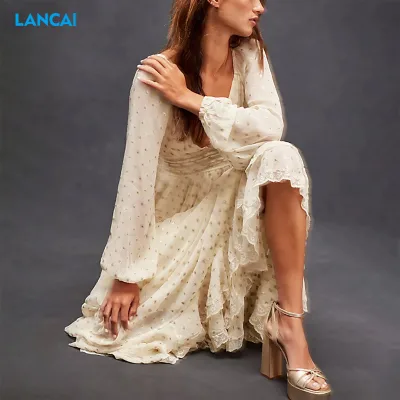
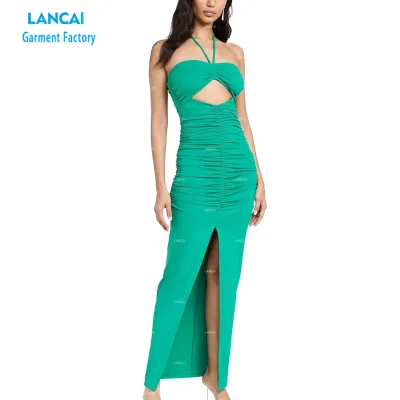
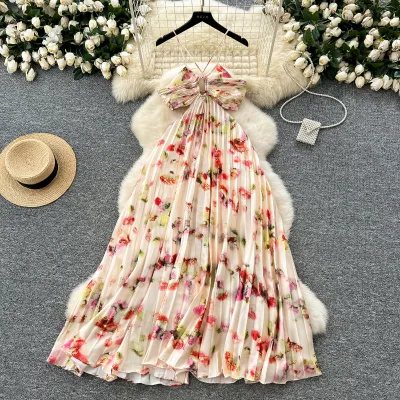



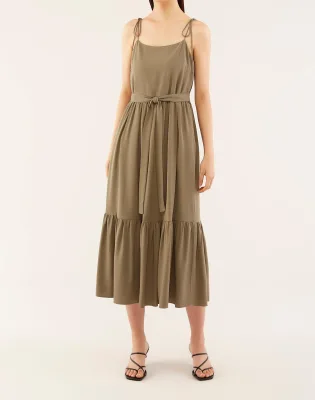
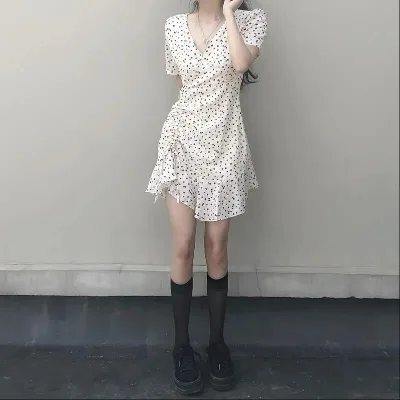
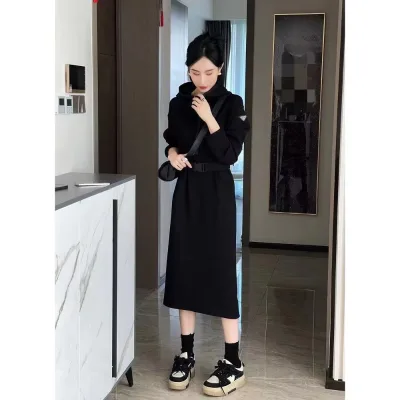
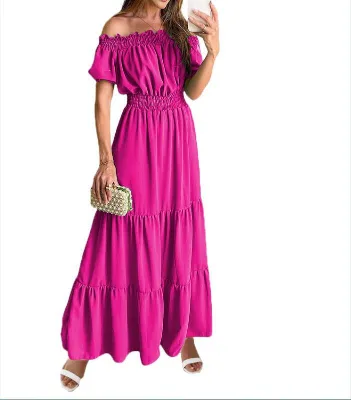
Comprehensive Sourcing Guide
Anti-Wrinkle Satin Maxi Dress Supplier Concentration and Factory Types
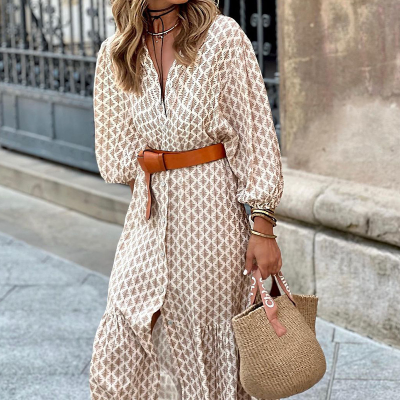
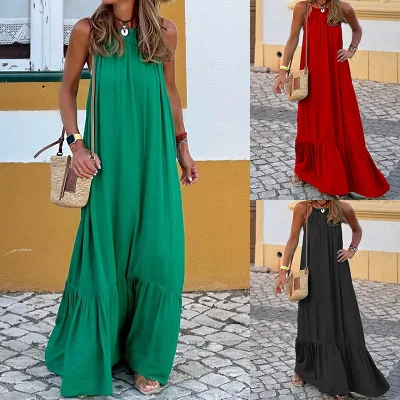
The current supplier landscape for anti-wrinkle satin maxi dresses reveals a diverse mix of manufacturing capabilities and business models. Data indicates that the primary locations for these suppliers are concentrated in China, specifically within the Guangdong region. This geographic clustering is significant because Guangdong is a well-established hub for textile manufacturing and apparel production, offering robust supply chains for fabrics like satin and chiffon. The presence of suppliers in this area suggests that buyers can expect access to established industrial ecosystems that support rapid prototyping and large-scale production. When evaluating potential partners, it is crucial to understand that the location is not just a logistical detail but an indicator of the supplier's integration into a mature manufacturing network. Buyers should verify the specific city or district within Guangdong to assess proximity to ports and raw material sources, which can impact shipping costs and lead times. The concentration of factories in this region also implies a higher likelihood of finding suppliers who specialize in specific dress styles, such as maxi lengths or halter necklines, as seen in the product evidence. This specialization allows for more efficient production runs and potentially better quality control for intricate designs.
In terms of company structure, the results show a variety of entity types, including manufacturers, trading companies, and combined entities. This diversity offers buyers different pathways for engagement depending on their specific needs. Manufacturers typically offer direct control over the production process, which can be beneficial for custom orders and quality assurance. Trading companies, on the other hand, may provide a broader range of products and services, including sourcing assistance and consolidated shipping. The presence of combined entities suggests that some suppliers offer both manufacturing and trading services, potentially simplifying the procurement process for buyers who want a single point of contact. It is important to note that the company type can influence the level of customization available. For instance, suppliers with ODM (Original Design Manufacturer) capabilities, as indicated in the data, can offer unique designs that are not available off-the-shelf. Buyers should inquire about the specific capabilities of each supplier type to ensure alignment with their brand requirements. Understanding the distinction between these entity types helps in setting realistic expectations regarding communication, pricing, and production flexibility.
How to Verify Anti-Wrinkle Satin Maxi Dress Suppliers
Verification is a critical step in ensuring the reliability and legitimacy of suppliers offering anti-wrinkle satin maxi dresses. The data highlights that some suppliers hold verification from Intertek, a globally recognized inspection and certification company. This verification status serves as a strong indicator that the supplier has undergone rigorous assessments of their business operations, quality management systems, and production capabilities. Buyers should prioritize suppliers with such third-party verifications, as they provide an additional layer of trust and assurance. However, it is important to note that not all suppliers may display this specific verification, and the absence of it does not necessarily imply a lack of quality. In such cases, buyers should request alternative forms of verification, such as business licenses, factory audit reports, or references from existing clients. The verification process should also include checking for any certifications related to the materials used, such as OEKO-TEX for fabric safety, although specific certification data for all suppliers is not uniformly available in the current results. Buyers must be diligent in requesting and reviewing these documents to mitigate the risk of partnering with unreliable entities.
Another aspect of verification involves assessing the supplier's response time and overall communication efficiency. The data shows varying response times, with some suppliers responding within 3 hours and others taking up to 4.85 hours. A faster response time can be indicative of a well-organized team and a commitment to customer service, which is essential for a smooth sourcing process. Buyers should test the responsiveness of potential suppliers by sending initial inquiries and noting the speed and quality of the replies. Additionally, the availability of sample processing and graphic processing capabilities, as mentioned in the capacity data, is a positive sign of a supplier's ability to handle custom orders. Buyers should inquire about the sample order lead time, which is noted as 7 days for some suppliers, to understand the timeline for product development. It is also advisable to check for any escrow services or secure payment options, although specific details on escrow availability are not provided in the current facts. Ensuring that the supplier has a transparent and secure transaction process is vital for protecting the buyer's financial interests.
What to Compare Across Anti-Wrinkle Satin Maxi Dress Suppliers
When comparing suppliers for anti-wrinkle satin maxi dresses, several key dimensions should be evaluated to determine the best fit for your business needs. One of the primary factors is the lead time, which varies among suppliers. The data indicates lead times of 19 days and 15 days for different suppliers. A shorter lead time can be advantageous for buyers who need to replenish inventory quickly or respond to fast-changing fashion trends. However, it is important to balance lead time with quality and cost, as extremely short lead times may sometimes compromise production standards. Buyers should also consider the Minimum Order Quantity (MOQ), which is listed as 100 units for some products. This MOQ can significantly impact the initial investment and inventory risk, especially for new brands or small businesses. Comparing MOQs across suppliers can help buyers find partners that align with their order volume capabilities. Additionally, the price range is a critical factor, with prices varying from $8.40 to $22.80 depending on the product specifications and supplier. Buyers should analyze the price-to-value ratio, considering factors such as material quality, design complexity, and customization options.
Beyond lead time and price, buyers should compare the main products and customization capabilities of each supplier. The data shows that suppliers offer a range of products, including dresses, tops, pants, and hoodies, with some specializing in specific styles like maxi dresses or evening wear. Suppliers with ODM (Original Design Manufacturer) capabilities can offer unique designs, which may be beneficial for brands looking to differentiate themselves in the market. The availability of OEM (Original Equipment Manufacturer) services is also important for buyers who want to produce products under their own brand name. Buyers should inquire about the specific customization options available, such as logo placement, fabric choices, and color variations. The product evidence shows details like "Logo position: back neck" and "Material: Satin," which indicate the level of detail suppliers provide. Comparing these details can help buyers assess the supplier's attention to detail and ability to meet specific brand requirements. Additionally, the response time, ranging from 3 to 4.85 hours, should be considered as part of the overall service quality. A supplier with a faster response time may be more responsive to changes and inquiries during the production process.
Common Anti-Wrinkle Satin Maxi Dress Sourcing Risks
Sourcing anti-wrinkle satin maxi dresses comes with several potential risks that buyers must be aware of and mitigate. One significant risk is the variability in product quality, which can be influenced by the materials used and the manufacturing processes. The data shows that some dresses are made from satin, while others use chiffon, each with different properties and care requirements. Buyers must ensure that the material specified matches their quality expectations and that the supplier has a robust quality control system in place. The absence of specific certification data for all suppliers, such as system certifications being listed as NIL for some, raises concerns about the consistency of quality management practices. Buyers should request detailed information about the supplier's quality control procedures, including inspection protocols and defect rates. Additionally, the risk of miscommunication regarding product specifications is high, especially when dealing with custom orders. The product evidence shows various attributes like "Neckline: Halter" and "Silhouette: A-Line," which must be clearly communicated and confirmed with the supplier to avoid discrepancies in the final product.
Another risk is the potential for delays in production and delivery, which can disrupt supply chains and impact sales. The data shows lead times of 15 to 19 days, but these are estimates and can vary based on order volume, material availability, and other factors. Buyers should establish clear communication channels with suppliers to monitor production progress and address any issues promptly. The response time of suppliers, ranging from 3 to 4.85 hours, can be an indicator of their ability to handle urgent requests or changes. However, buyers should not rely solely on response time as a guarantee of reliability. It is also important to consider the risk of intellectual property infringement, especially when working with suppliers who offer ODM services. Buyers should ensure that their designs are protected and that the supplier agrees to confidentiality agreements. The lack of specific information on escrow services or secure payment options in the current data highlights the need for buyers to verify the financial security of their transactions. Using secure payment methods and conducting due diligence on the supplier's financial stability can help mitigate these risks.
Anti-Wrinkle Satin Maxi Dress Regional Sourcing and Logistics
The regional sourcing of anti-wrinkle satin maxi dresses is heavily influenced by the location of the suppliers, which is primarily in China, specifically Guangdong. This region is known for its advanced textile industry and efficient logistics networks, making it a preferred destination for global buyers. The proximity to major ports in Guangdong facilitates faster and more cost-effective shipping options, which is crucial for maintaining competitive pricing and timely delivery. Buyers should consider the logistics implications of sourcing from this region, including customs clearance, transportation costs, and delivery times. The data indicates that the place of origin is Guangdong, China, for the products listed, which suggests that buyers can expect streamlined logistics processes. However, it is important to verify the specific shipping terms and responsibilities with the supplier, such as Incoterms, to understand who bears the cost and risk of transportation. Buyers should also consider the environmental and social impact of sourcing from this region, ensuring that the suppliers adhere to sustainable and ethical manufacturing practices.
Logistics planning should also account for the packaging details provided by the suppliers, which can affect shipping efficiency and product protection. The data shows packaging details such as "1. Clear Plastic Bag, One Bag Per Piece 2. Carton" and single package sizes like "6X4X4cm" and "30X25X5 cm." These details are important for calculating shipping volumes and costs, as well as ensuring that the products arrive in good condition. Buyers should work with suppliers to optimize packaging to reduce waste and shipping costs without compromising product safety. Additionally, the lead time for sample orders, which is noted as 7 days for some suppliers, is a key factor in the logistics planning for new product development. Buyers should factor in the time required for sample approval and any necessary revisions before proceeding with bulk production. The response time of suppliers, ranging from 3 to 4.85 hours, can also impact the speed of logistics coordination, especially when dealing with last-minute changes or urgent shipments. By understanding the logistics landscape of the Guangdong region, buyers can make informed decisions that enhance their supply chain efficiency and reduce overall costs.
Anti-Wrinkle Satin Maxi Dress Commercial Terms and Order Planning
Commercial terms and order planning are essential components of a successful sourcing strategy for anti-wrinkle satin maxi dresses. The data provides insights into various commercial aspects, including pricing, MOQ, and lead times, which buyers must carefully consider when planning their orders. The price range for the products varies from $8.40 to $22.80, reflecting differences in material, design, and customization options. Buyers should analyze these prices in the context of their target market and profit margins to ensure competitiveness. The MOQ of 100 units for some products is a significant consideration for buyers, as it determines the minimum investment required. Buyers with smaller order volumes may need to negotiate with suppliers or seek partners with lower MOQs. The
FAQs
What is the price range for satin maxi dresses?
Satin maxi dresses are priced between $8.40 and $22.80 per unit. The cost varies based on material and design complexity. Basic chiffon options start around $8.40, while embellished satin styles reach up to $22.80. Buyers should check specific product listings for exact pricing tiers.
What is the minimum order quantity for these dresses?
The minimum order quantity is typically 100 pieces. This standard MOQ applies to most satin and chiffon maxi dress listings. Buyers seeking smaller quantities may need to negotiate directly with suppliers or look for sample order options. Bulk orders often qualify for better pricing tiers.
How long does production take for these dresses?
Production lead times range from 15 to 19 days. Some suppliers offer a 7-day sample order lead time for quick prototyping. Standard bulk production usually falls within the 15-19 day window. Buyers should confirm specific timelines with suppliers before placing large orders to ensure timely delivery.
Are these dresses verified by third-party inspection agencies?
Yes, suppliers are verified by Intertek and TÜV Rheinland. These certifications ensure quality control and manufacturing standards are met. Buyers can rely on these verifications for product safety and compliance. Always request the latest inspection reports to confirm current status and specific product adherence.
What materials are used for these maxi dresses?
Common materials include satin and chiffon. Satin dresses often feature cotton lining and digital printing techniques. Chiffon options may include anti-wrinkle and anti-static features. Buyers should specify material preferences, as fabric weight and weave method significantly impact the final look and feel of the garment.
Where are these dresses manufactured?
These dresses are manufactured in Guangdong, China. This region is known for its apparel manufacturing capabilities. Buyers can expect consistent quality and competitive pricing from suppliers in this location. Shipping logistics are generally efficient due to the proximity to major ports in the Guangdong province.
What is the supplier response time?
Supplier response times range from 3 to 4.85 hours. Faster response times indicate active customer service teams. Buyers can expect prompt replies to inquiries about pricing, customization, and shipping. Quick communication helps streamline the sourcing process and reduces delays in order placement.