Card Puncher Suppliers and Manufacturers in China
Explore 11 verified Card Puncher suppliers offering OEM and ODM services with response times under 8 hours. Compare lead times, pricing, and customization options to source reliable punching machines for card production needs today; review the available evidence before requesting comparable quotations from suitable candidates.
Suppliers List

Shenzhen Zhaowen Zhichuang Technology Co., Ltd.
- Manufacturer/Factory
- China Guangdong
- Lead time45 days
- Avg. response≤ 8h
Main productsPunching Machine, Packaging Machine, Die Cutting Machine, Cutting Machine
Main marketsSouth America,Eastern Europe,Mid East,North America,Southeast Asia,Eastern Asia,Oceania,Western Europe,Africa


Card Punch Automatic Custom Shape Cutting Plastic Paper Card Punching Machine
$49000.00 - $50000.00
MOQ: 1 Pieces


Automatic Card Puncher Sorting Plastic Card Sorter Punching Machine
$49000.00 - $50000.00
MOQ: 1 Pieces

Automatic Card Punch Custom Shape Hole Plastic Card Punching Machine
$49000.00 - $50000.00
MOQ: 1 Pieces

Die Cutter Machine Teslin Card Loyalty Card Business Card Semi-Automatic Card Puncher
$49000.00 - $50000.00
MOQ: 1 Pieces

Shenzhen Wentong Machinery Co., Ltd.
- Verified by SGS
- Combined
- China Guangdong
- Lead time30 days
- Avg. response≤ 4h
Main productsChildren Book Machine, Playing Cards Machine, Die Cutting Machine, Punching Machine, Packaging Machine, Smart Card Making Machine, RFID Machine, Testing Machine
Main marketsDomestic,Europe


Auto Punch Card Slitter Collator PP Card Tarot Cards Credit Card Puncher
$40000.00 - $78000.00
MOQ: 1 Pieces

Card Cutter Pet Card Credit Card Business Card Semi-Automatic Puncher
$40000.00 - $78000.00
MOQ: 1 Pieces

Auto Punch Card Slitter Collator PC Card Poké Mon Cards Sports Card Puncher
$40000.00 - $78000.00
MOQ: 1 Pieces

Auto Punch Card Slitter Collator PVC Card Membership Card Loyalty Card Punch
$40000.00 - $78000.00
MOQ: 1 Pieces

High Throughput Card Punch System for a Wide Range of Card Punches
$18000.00 - $25000.00
MOQ: 1 Pieces

Cangzhou Longway Imp & Exp Co., Ltd.
- Trading Company
- Hebei, China
- Lead time20 days
- Avg. response≤ 3h
Main productsFilling Machine/Strapping Machine/Bottle Labeling Machine/Sealing Machine/Carton Machine,strapping machine,packing machine,printing machine,mixing machine
Main marketsWestern Europe(14.000000000000002%), Southeast Asia(9.0%), Mid East(9.0%), Southern Europe(9.0%), Eastern Asia(8.0%), Eastern Europe(8.0%), Northern Europe(8.0%), South Asia(8.0%), Domestic Market(7.000000000000001%), North America(5.0%), Africa(5.0%), South America(4.0%), Oceania(3.0%), Central America(3.0%)
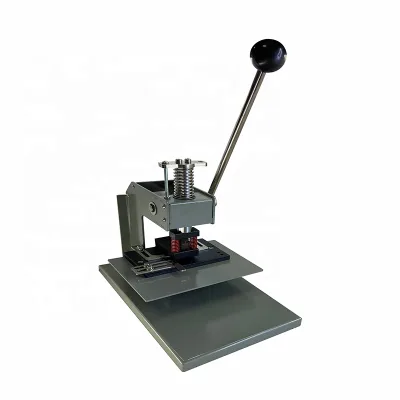
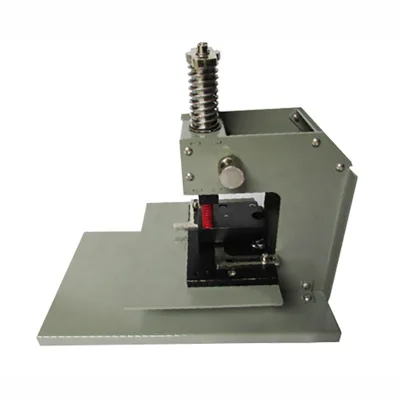
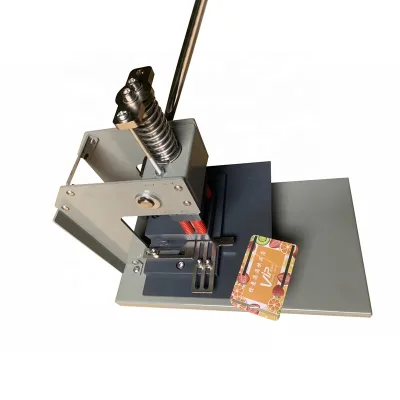
Hole Puncher square Round Hole Punch for Plate Metals Circle Cutter Hole Punch Cutter
$109.00 - $149.00
MOQ: 1 sets
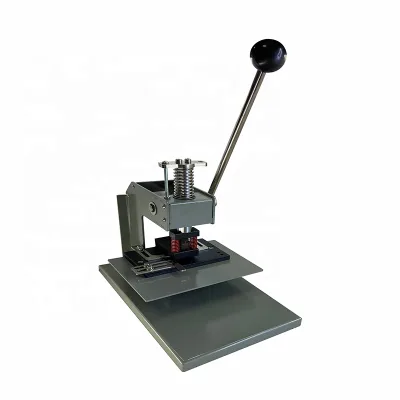
Easy to Operation Hole Puncher Circuit Boards/pure Aluminum/copper Sheets/PVC Can Be Customized
$119.00 - $149.00
MOQ: 1 sets

WUHAN YAOQIWEI MACHINERY TECHNOLOGY CO., LTD.
- Verified by TUVRHEINLAND
- Combined
- China Hubei
- Lead time30 days
- Avg. response≤ 13h
Main productsCard Laminator, Card Punching Machine, Smart Card, Inkjet/Laser PVC Printing Sheet, Steel Plate, RFID Chip, Neck Strap Lanyards/Badge Reel, Hologram PVC Sheet, Hot Stamping Machine, Card Embosser
Main marketsDomestic


A3 PVC Plastic Card Making ID IC Shape Card Die Cutter Punching Machine Puncher
$8730.00 - $9150.00
MOQ: 1 set

ID Card Punching Machine Automatic Card Punching Machine PVC Card Punching Machine
$19048.00 - $23100.00
MOQ: 1 set

210*297mm PVC Plastic Card Making ID IC Shape Card Die Cutter Punching Machine Puncher
$8730.00 - $9150.00
MOQ: 1 set


Dongguan Cheung Wo Hing Printing Machinery Co., Ltd.
- Verified by TUVRHEINLAND
- Combined
- China Guangdong
- Lead time60 days
- Avg. response≤ 8h
Main productsNotebook Making Machine, Printing and Folding Machinery, Printing Machine, Exercise Book Making Machine, Rlue Back Binding Machine, Exercise Book Sewing and Spiral Forming Mahinery, Flexographic Printing Machine, Newbook Stitching Mahinery, Automatic Punching Machine, Book Sealing and Shrinkinng Machine
Main marketsDomestic

- Trading Company,Manufacturer/Factory
- China Anhui
- Lead time23 days
- Avg. response≤ 25h
Main productsRigid Badge Holder, Lanyards, Soft PVC Badge Holder, Badge Reels, Badge Clips, Luggage Tags, Leather Badge Holder, Aluminum Alloy Badge Holder, Self Laminating Card, Silicone Badge Holder
Main marketsSouth America,Eastern Europe,Mid East,North America,Southeast Asia,Eastern Asia,Oceania,Western Europe,Africa
Wuhan Jia Qirui Card Technology Co., Ltd.
- Manufacturer, Trading Company
- Hubei, China
- Lead time10 days
- Avg. response≤ 5h
Main productscard laminator,card punching,DOD UV printer,card wrapping machine,hot stamping machine
Main marketsNorth America(57.99999999999999%), South America(23.0%), Eastern Europe(14.000000000000002%), Western Europe(3.0%), Domestic Market(2.0%)
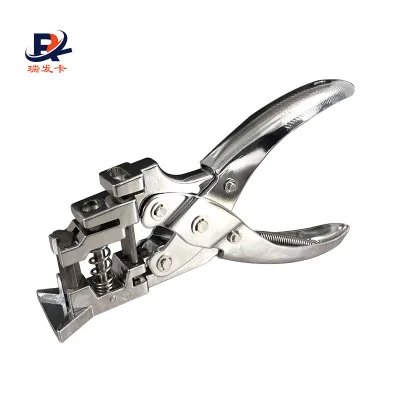
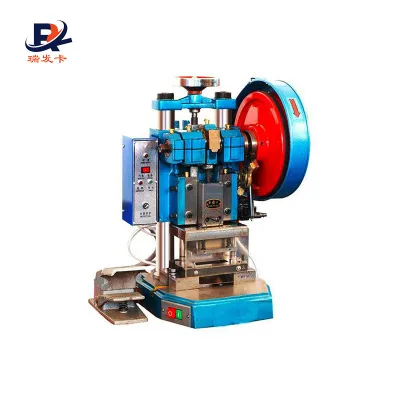
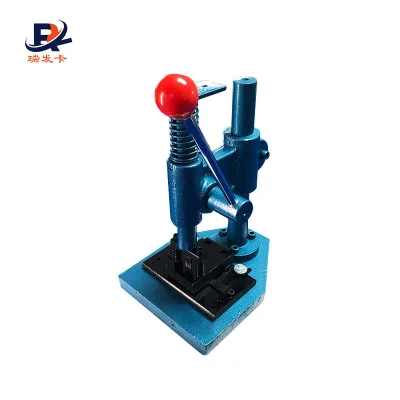
Handheld Plastic Card Rounded Corners / Flat Holes / Round Holes Hole Puncher for ID Cards Badge
$13.27 - $14.29
MOQ: 1 sets
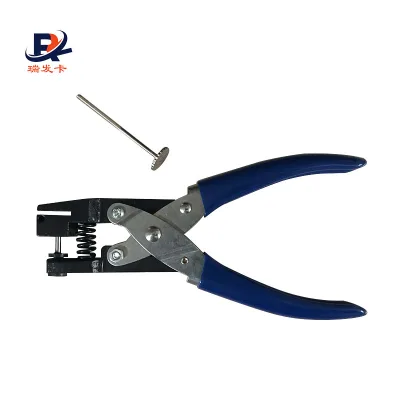
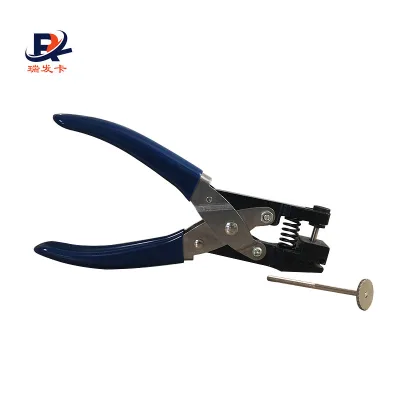
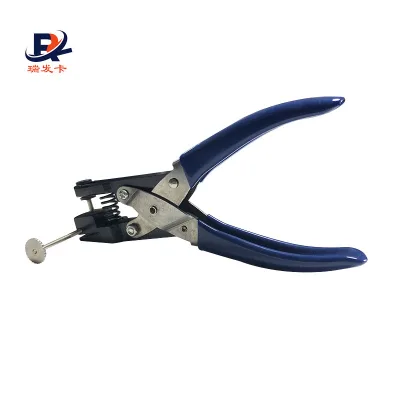

Shenzhen Chois Enterprise Ltd.
- Manufacturer, Agent, Distributor/Wholesaler
- Guangdong, China
- Lead time3 days
- Avg. response≤ 4h
Main productsCard Printer,Printer Ribbon,PVC Card,ID accessories,Pet supplies
Main marketsSoutheast Asia(7.580000000000001%), Mid East(7.5600000000000005%), Eastern Asia(7.53%), Africa(7.200000000000001%), North America(7.200000000000001%), South America(7.139999999999999%), Central America(7.13%), Southern Europe(7.12%), Northern Europe(7.1%), Western Europe(7.1%), Eastern Europe(7.090000000000001%), South Asia(7.000000000000001%), Domestic Market(6.7%), Oceania(6.550000000000001%)
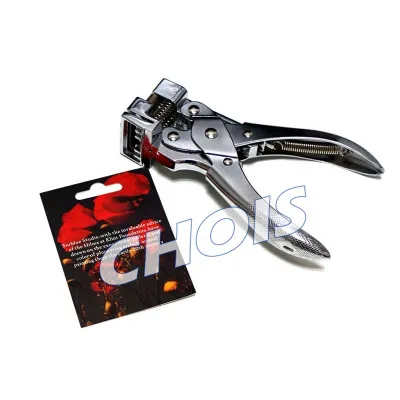
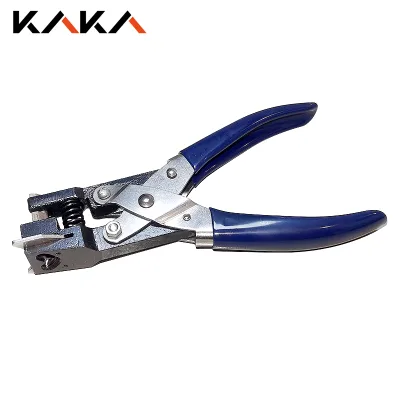
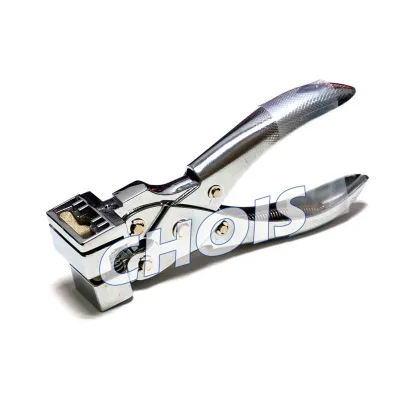
Hand Held Conner Punch for Paper Card
Contact supplier

Nantong Genmes Office Products Co., Ltd.
- Verified by TUVRHEINLAND
- Combined
- China Jiangsu
- Lead time30 days
- Avg. response≤ 1h
Main marketsSoutheast Asia/ Mideast,Domestic,Europe,North America

ShanDong Sunrise CNC Machine Co., Ltd.
- Verified by TUVRHEINLAND
- Combined
- China Shandong
- Lead time30 days
- Avg. response≤ 15h
Main productsCNC Angle Line, CNC Angle Punching Line, CNC Plate Punching Machine, CNC Tube Sheet Drilling Machine, CNC Angle Drilling Machine, CNC H Beam Drilling Machine, Notching Machine, Marking Machine Stamping Machine, CNC Heat Bending Machine, Band Sawing Machine
Main marketsOthers(foreignTradeCapacity.exportBusinessCapacityMarketOther),Southeast Asia/ Mideast

Zhengzhou Brave Machinery Co., Ltd.
- Verified by TUVRHEINLAND
- Trading Company
- China Henan
- Lead time15 days
- Avg. response≤ 14h
Main productsWater Welll Drilling Machine, Water Well Drilling Rigs, Crayon Making Machine, Ice Making Machine, Ice Block Machine, Block Ice Machine, Popsicle Machine, Steel Pipe Straightening Machine, Ice Cube Machine, Polishing Machine
Main marketsSouth America,Eastern Europe,Mid East,North America,Southeast Asia,Eastern Asia,Oceania,Western Europe,Africa


Comprehensive Sourcing Guide
Card Puncher Supplier Concentration and Factory Types
Current data indicates a concentration of manufacturers and factories located in Guangdong, China, specifically within the Shenzhen region, alongside other facilities in Hebei. These entities primarily list main products including punching machines, die cutting machines, and packaging equipment, suggesting a specialized industrial cluster for card processing machinery. The supplier types observed range from direct manufacturers and factories to combined entities and trading companies, each offering distinct operational models for buyers. Manufacturers in this sector often provide OEM and ODM capabilities, allowing for significant customization of card punching systems to meet specific production requirements.
Buyers should verify the specific company type before engaging, as trading companies may offer broader product ranges but lack direct factory control, whereas manufacturers provide deeper technical integration. The presence of combined supplier types suggests some entities blend manufacturing with trading functions, which can complicate direct communication about production capacity. When evaluating the cluster, focus on the stated location of the facility rather than the corporate headquarters, as production lines may be situated in different industrial zones. Confirming the physical location ensures the buyer understands the actual manufacturing environment and logistical constraints associated with the specific factory type selected for the project.
How to Verify Card Puncher Suppliers
Verification processes should prioritize checking for third-party validation such as SGS verification status, which appears in the current supplier data as a key trust indicator. Buyers must confirm if a supplier holds this specific verification badge before proceeding, as it serves as a concrete proof of operational legitimacy. In the absence of visible certifications like ISO or specific system certifications, which are currently listed as NIL for some entries, buyers should request direct evidence of quality management systems. Relying solely on self-declared credentials without external audit results introduces unnecessary risk into the sourcing decision.
Response time metrics provide another layer of verification, with observed values ranging from 3 to 7.86 hours, indicating varying levels of operational readiness. A supplier with a response time under four hours demonstrates a higher capacity for immediate communication, which is critical for resolving technical queries regarding machine specifications. Buyers should test this responsiveness by sending specific technical inquiries before placing any orders. Additionally, checking the origin of the product, such as Shenzhen or Hebei, helps validate the supplier's claimed location against the actual manufacturing site. This cross-verification ensures the supplier is not merely a reseller claiming to be a factory without the necessary infrastructure.
What to Compare Across Card Puncher Suppliers
When comparing suppliers, lead time is a critical differentiator, with observed ranges spanning from 20 to 45 days depending on the specific factory and order complexity. Buyers must align their production schedules with these lead times to avoid delays, noting that some suppliers offer faster turnaround while others require longer manufacturing windows. Minimum Order Quantity (MOQ) is another essential comparison point, as current data shows an MOQ of 1 unit for certain card punching machines, which is favorable for small-scale procurement. However, buyers should verify if this low MOQ applies to all customization options or only standard configurations.
Price ranges also vary significantly, with observed minimums starting at 16,000 and maximums reaching up to 78,000, reflecting differences in automation levels and machine capabilities. Buyers should compare these figures against the specific technical attributes required, such as productivity rates of 15,000 to 30,000 pieces per hour or specific power requirements like AC 380V. Response speed is another comparative metric, where faster replies often correlate with better service levels and more transparent communication channels. Evaluating these dimensions together allows buyers to identify suppliers that offer the best balance of cost, speed, and technical capability for their specific card punching needs.
Common Card Puncher Sourcing Risks
One significant risk involves the discrepancy between claimed capabilities and actual production capacity, particularly when suppliers list diverse main products like filling machines alongside card punchers. Buyers must ensure the supplier's core expertise aligns with card punching technology rather than general packaging machinery. The absence of specific system certifications in some records suggests a potential gap in standardized quality assurance processes. Without verified certifications, buyers face the risk of receiving machines that do not meet international safety or performance standards, which could lead to operational failures or compliance issues.
Another risk is the variability in response times, which can impact project timelines and problem resolution speed. A supplier with a slower response time may delay critical technical support or spare parts delivery, affecting overall production efficiency. Additionally, the lack of detailed establishment year information in the current data makes it difficult to assess the supplier's long-term stability and experience. Buyers should explicitly request the founding date and years of operation to gauge the supplier's maturity. Relying on incomplete data regarding these factors can lead to partnerships with less experienced entities that may struggle to deliver consistent quality over time.
Card Puncher Regional Sourcing and Logistics
Sourcing from Guangdong, China, offers logistical advantages due to established industrial clusters and proximity to major shipping ports, facilitating efficient export of heavy machinery. The specific origin of products, such as Shenzhen, indicates a mature supply chain network capable of handling complex manufacturing and distribution requirements. Buyers should verify the exact shipping origin to ensure accurate freight cost calculations and transit time estimates. The availability of air freight and sea freight options provides flexibility in choosing the most cost-effective and timely delivery method based on the urgency of the order.
For suppliers located in Hebei, logistics planning may differ due to the inland location, potentially requiring additional overland transport to reach coastal ports. Buyers must account for these regional differences when calculating total landed costs and delivery schedules. The standard packing methods, such as export wooden boxes or vacuum packing, are designed to protect machinery during transit, but buyers should confirm the specific packing details for their selected supplier. Understanding the regional logistics landscape helps in anticipating potential delays or additional costs associated with moving large industrial equipment from the factory floor to the final destination.
Card Puncher Commercial Terms and Order Planning
Order planning must account for the specific customization availability, which is listed as available across multiple product entries, allowing for tailored machine configurations. Buyers should clarify the scope of customization early, as this can impact both the lead time and the final price of the equipment. The power supply requirements, such as AC 380V/50 Hz, and air source specifications like 6 Kg/Cm2, are critical technical parameters that must be verified against the buyer's facility infrastructure. Ensuring compatibility with existing utilities prevents costly retrofits or operational disruptions after the machine is installed.
Commercial terms should include a clear definition of the production standard and machine dimensions, which vary significantly between models, such as L2300W3400H2000MM versus L4450W1500H1850MM. These dimensions affect factory floor planning and installation requirements, making them essential for accurate order planning. Buyers should also confirm the packing method, whether it is a standard wooden box or vacuum packing, to ensure safe transport. Finally, verifying the total power consumption and operator requirements helps in budgeting for energy costs and staffing needs, ensuring a smooth transition from procurement to full-scale production.
FAQs
What is the price range for card punching machines?
Prices for card punching machines typically range from $16,000 to $78,000 depending on automation and features. Semi-automatic models start around $16,000, while fully automatic systems with high throughput can reach $78,000. Buyers should verify specific pricing for their required sheet format and productivity needs.
What is the minimum order quantity for these machines?
The minimum order quantity is generally one unit, allowing buyers to purchase single machines for testing or small-scale production. This low MOQ supports flexible sourcing strategies for businesses that need specific card punching capabilities without committing to large bulk orders immediately.
How long does delivery take for card punchers?
Lead times for card punching machines vary between 20 and 45 days based on the supplier and machine complexity. Trading companies may offer faster turnaround times around 20 days, whereas manufacturers producing custom or complex automatic systems often require up to 45 days for production and shipping.
What materials can these machines process?
These machines are designed to process various materials including paper, PVC, PET, PC, Teslin, and other plastic cards. They support applications for playing cards, credit cards, loyalty cards, and smart cards, accommodating different thicknesses and sizes with precision die-cutting and punching capabilities.
Are customization options available for card punching machines?
Customization is available for most card punching machines, allowing buyers to specify sheet formats, punching accuracy, and automation levels. Suppliers offer OEM and ODM services to tailor machines to specific production requirements, ensuring the equipment fits seamlessly into existing manufacturing workflows and card production lines.
Where are these card punching machines manufactured?
These machines are primarily manufactured in China, with production facilities located in Guangdong and Hebei provinces. Shenzhen is a key manufacturing hub for advanced card punching equipment, offering access to skilled labor and established supply chains for industrial machinery components and assembly.
What is the typical response time from suppliers?
Supplier response times typically range from 3 to 7.86 hours, indicating prompt communication for inquiries and quotations. Faster response times are often associated with trading companies or established manufacturers, ensuring buyers receive timely information regarding pricing, specifications, and order status for their card punching machine needs.